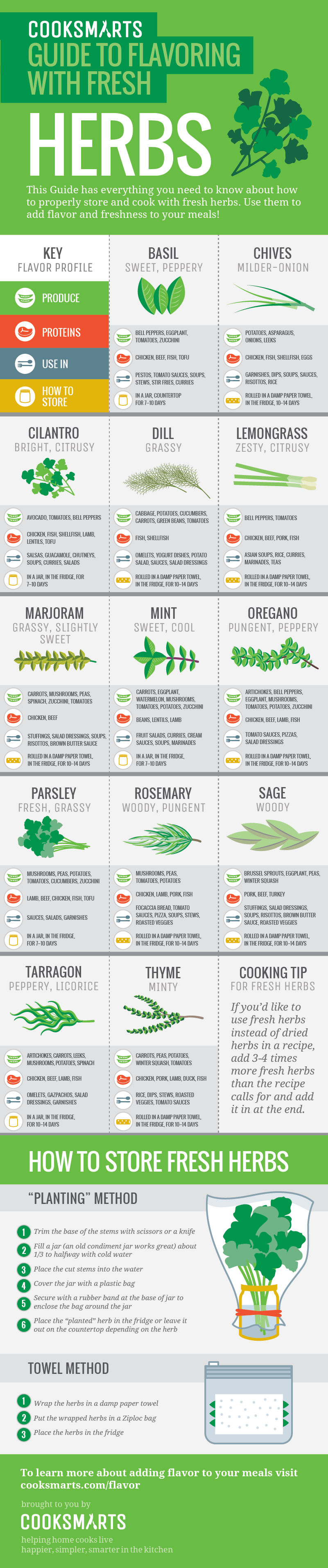
Keep it FRESH, Guide to Cooking with Herbs

Urban-style organic gardening blog about growing your own food with limited space and creative resources.
The Beginner’s Guide to Upcycling for Your Garden
If you love gardening and trying new DIY projects, upcycling old household items into fun pieces for you’re garden will be your new favorite thing to do. Regardless of your experience level, time investment, desired budget or workable space, these upcycling hacks will turn your garden into a recycle-friendly oasis.
Find Materials
Most “junk” cluttering your garage or closet can be revamped into both functional and ornamental garden décor—this is the foundation of upcycling. The key is to find the right items to work with.
Below are some of the best items for your upcycled garden project:
Mason Jars: Convenient for housing fresh basil on the kitchen counter or illuminating the garden bench with hanging lanterns. This typical household item is highly versatile, and if you save all your empty sauce, jelly and pickle jars, you’ll have plenty to work with.
Shutters: If distressed or “shabby chic” is your design preference, this object makes a charming canvas for all types of landscape projects. Raid garage sales, flea markets or the local home supply store for low-cost inspiration.
Wine Corks: Vino lovers everywhere, rejoice—this object can be transformed into a clever and whimsical garden marker. Set aside your happy hour remnants, or visit a local bar and ask for discarded corks. Then put a stick in them, write the name of the plant you want to mark on a decorative piece of paper, and then attach it to the cork.
Utensils: Anyone who gravitates toward the vintage look love using old antique utensils for upcycling. You can find large bags of silverware at Goodwill and hang them as wind chimes or place them in the ground to reinforce greenery.
Choose Your Project
Blogs, websites and social media platforms are the most accessible resources to jumpstart your foray into upcycling. These Pinterest-style projects are popular among a wide variety of people, and for both indoor and outdoor uses; as such, you can find plenty of ideas and innovative projects online.
Give the following gorgeous shutter idea a try (Step-by-step instructions below) or find inspiration from the websites below.
Instructables: From growing herbs on your windowsill to expanding your hydroponic skills, this website consolidates numerous indoor gardening tutorials into one simple-to-navigate collection.
Recycle Scene: This website explains how to cultivate vegetables, flowers and succulents, even in limited square-footage.
Natural Living Ideas: Whether your crafting pursuits are geared toward Lego bird-feeders or milk crate vertical gardens, this website is ideal for budget-conscious DIYers with an aesthetic bent.
Organic Gardener: Here you’ll find tutorials for making your own self-watering containers, coconut shell planters and more.
Recycle Art: Based on the tenets “repurposed, reused, “reclaimed and “restored,” this website features an extensive database of green thumb ingenuity like planters made from chairs, boots or soda cans.
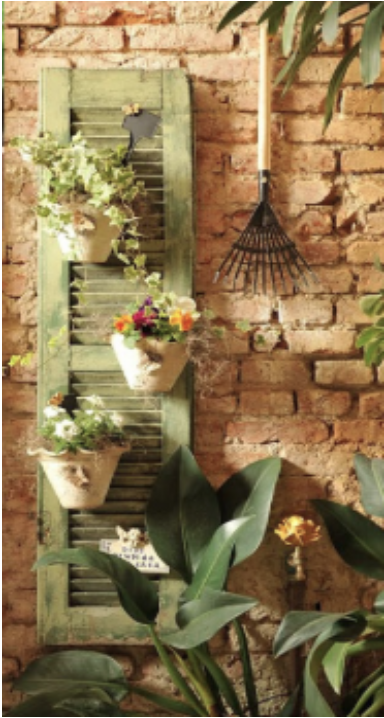
Elegant Shutter Planter
Materials:
Pre-Potted Perennials
Louvered Shutter Panel
Oil Based Wood Stain
Heavy-Duty Jute Fiber
Small Flower Planters
Instructions:
Coat the shutter with a generous layer of wood stain and allow to dry for about two hours before wiping off the excess stain. Transfer the perennials into your planters of choice, then fasten these planters to the shutter’s louvered panels with jute fiber.
Mount this vertical garden onto a bare wall in your garden or on your patio, or lean it against a corner to “greenify” any confined space such as a 3-season room or garage work space.
image courtesy of Empire Siding & Windows
BIO: Jessica Thiefels has been writing for more than 10 years and has five years of experience in the marketing world. She is currently a lifestyle blogger and has been featured on PBS.org and LifeHack.org. Follow her on Twitter @Jlsander07.
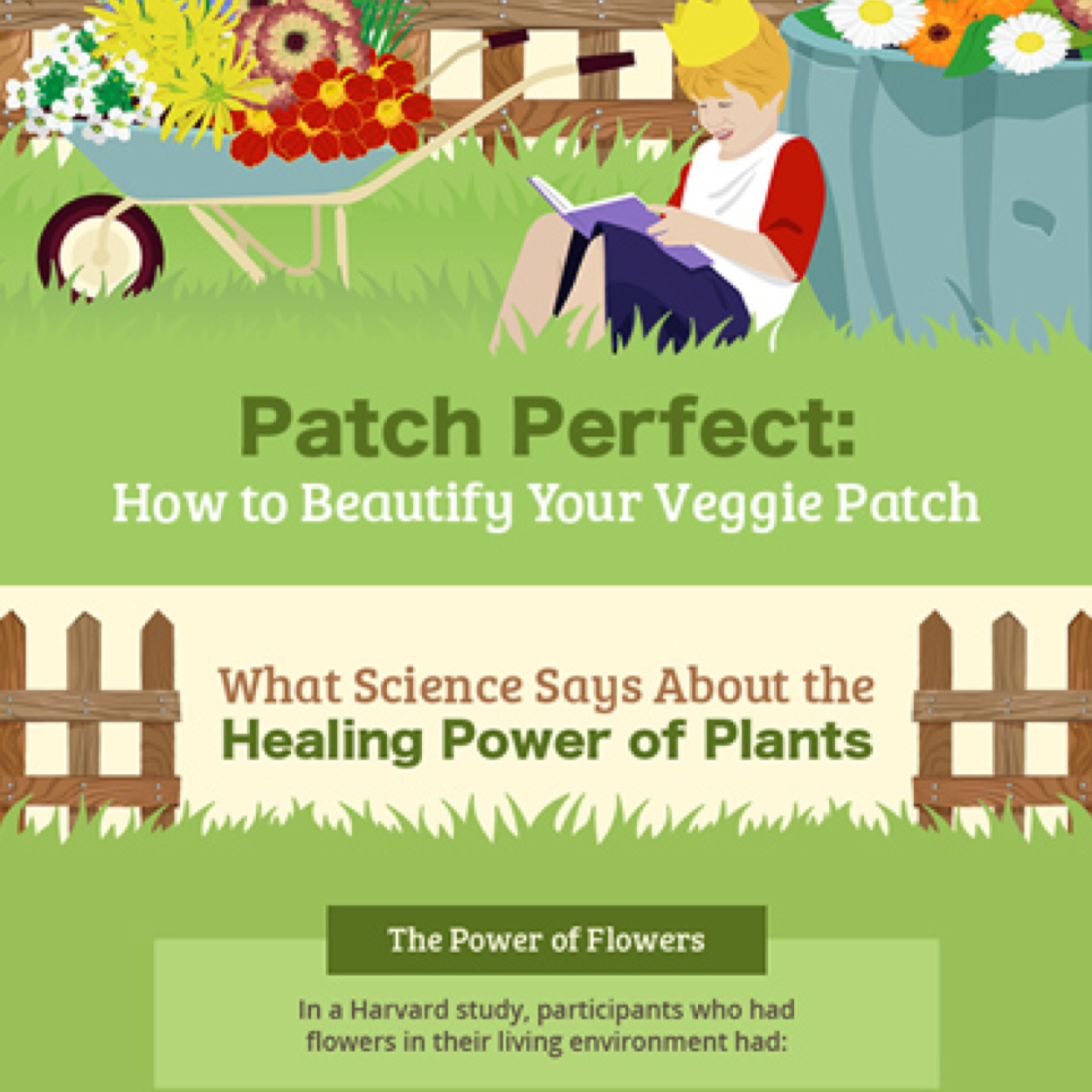
If your vegetable garden consists of long, straight rows of crops surrounded by mulch or bare soil, you may be missing out on some of its potential health benefits. Aesthetic beauty is healing, especially in the form of flowers and art.
The French have long understood vegetable gardens can be places of beauty. They located their traditional potagers, or kitchen gardens, outside their kitchen windows and included vertical structures, flowers, and artistic plant groupings designed for aesthetic appeal. Read on to learn why prioritizing beauty in your garden is practical, and discover ways to beautify your veggie patch with flowers and DIY artistic elements. Source: Fix.com Blog

Source: Fix.com Blog
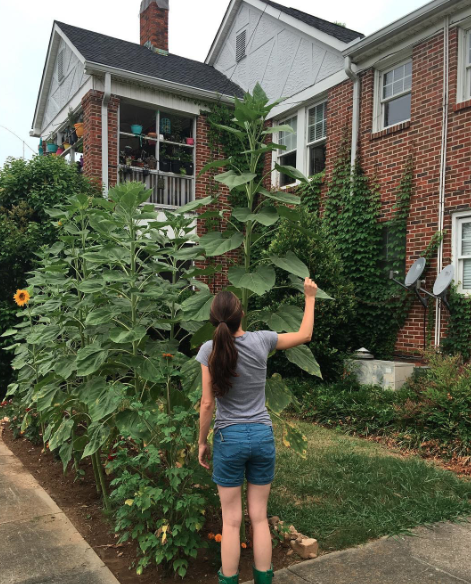
Urban Organic Gardener Interviewing @mujerlocaplanta, from Instagram!
What inspired you to start a front yard, urban garden? I grew up in a rural area about 30 minutes from where I live now. My grandparents and various other family members all live on “the Farm” and pretty much all of them are and have always been farmers in some capacity. My granddad is 85 years old, and at the end of May the family helped him get his garden in the ground to celebrate his last chemo treatment. He has taught us all to love a garden, to respect the land, and to find joy in watching things grow. My grandmother is the same way, but she favors flowers and shrubs instead of vegetables. She is a butterfly and hummingbird guru, and grows the most incredible roses I’ve ever seen. My mother’s partner is a chef and owns a farm-to-table restaurant. He uses our family farm these days to supply the café with heirloom, organic produce. His specialty is tomatoes. I work at the café, and Chef Garfrerick has taught me how to be a bangin’ craft cocktail bartender. I grow most of my herbs and edible flowers with boozy drinks in mind. I have had a lot of wonderful influences in my life, thankfully, and many of the most powerful and lasting lessons I’ve learned and concepts I’ve discovered have come to me in a garden, some with the help of some truly incredible people. I plant a garden to share the wisdom they handed down to me with the people I love. Also, it makes for really good Instagram pics 😉
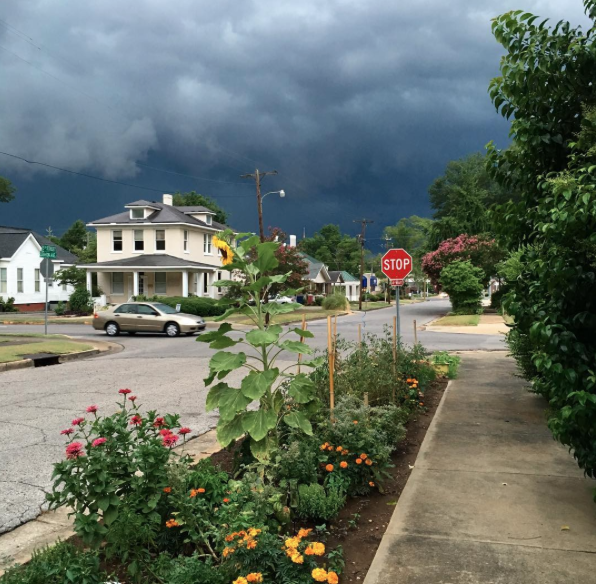
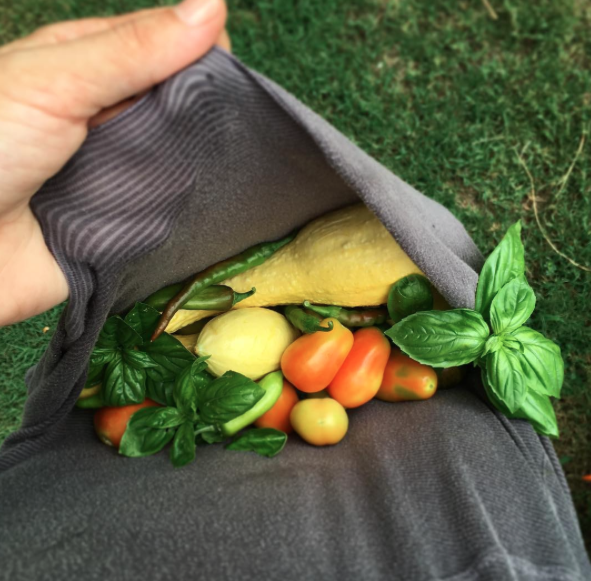
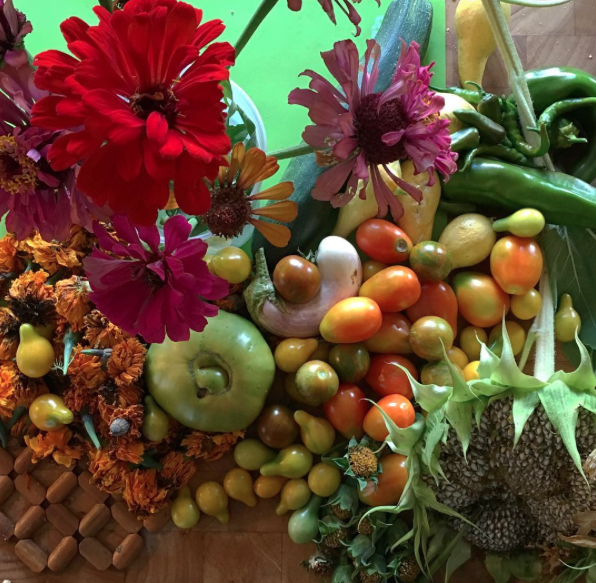
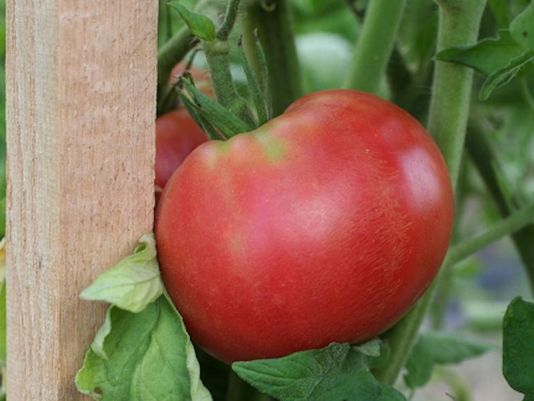
Craving fresh, homegrown tomatoes but maybe you didn’t have a chance to plant some earlier this year? Not a problem! By choosing the right variety of late-season tomato, you can be slicing into a homegrown heirloom tomato sometime this October.
“When growing late-season tomatoes, I encourage gardeners to consider using a fungicide to prevent blight. Both early blight and late blight are a serious problem with tomatoes grown in humid conditions (late summer). I always try to grow tomatoes without chemical application, but with late season tomatoes, a fungicide is often necessary. Using a general fungicide from either Ortho or Dragon will help prevent this devastating vegetable disease. Follow label directions for best results.
If transplanted no later than the third week of July, you should do well growing late season tomatoes. Fruiting will begin in mid-September. With a modest effort at frost protection, late-season tomato plants will provide an abundant crop until the first hard freeze this fall.”
To learn about their Top 4 Recommended “Late-Season” Varieties, visit: “NewsLeader.com“
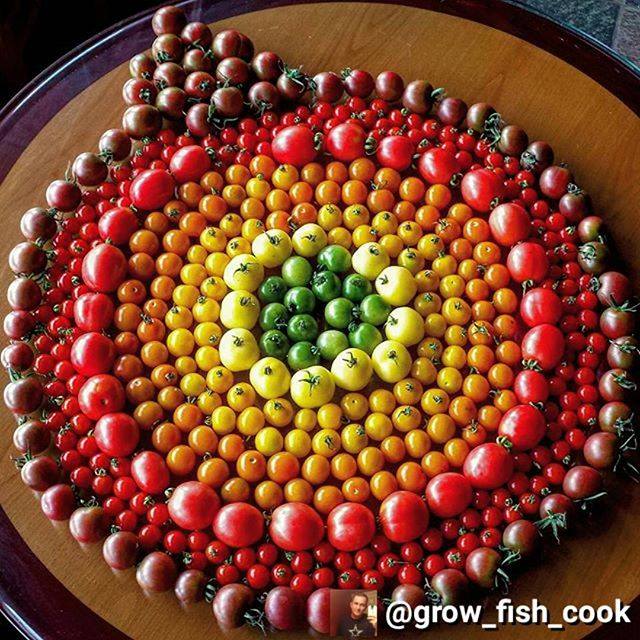

Don’t wait, join the new Urban Organic Gardener’s Monthly Seed Club now! MUST JOIN BEFORE JULY 4th at 11:59pm PST to receive the next shipment. Sign up now at: https://urbanorganicgardener.cratejoy.com
For $10/month our garden experts will build a custom curated collection of seeds & garden supplies designed around you – your grow zone – garden space – and your preferences.
Includes everything you need to grow 5 new edible plant varieties every month – varieties can include herbs, vegetables, flowers, sprouts, micro-greens, bulbs, and more!
Join the rest of the UOG community and get growing now! We promise to make this a great experience for you and your family.
|
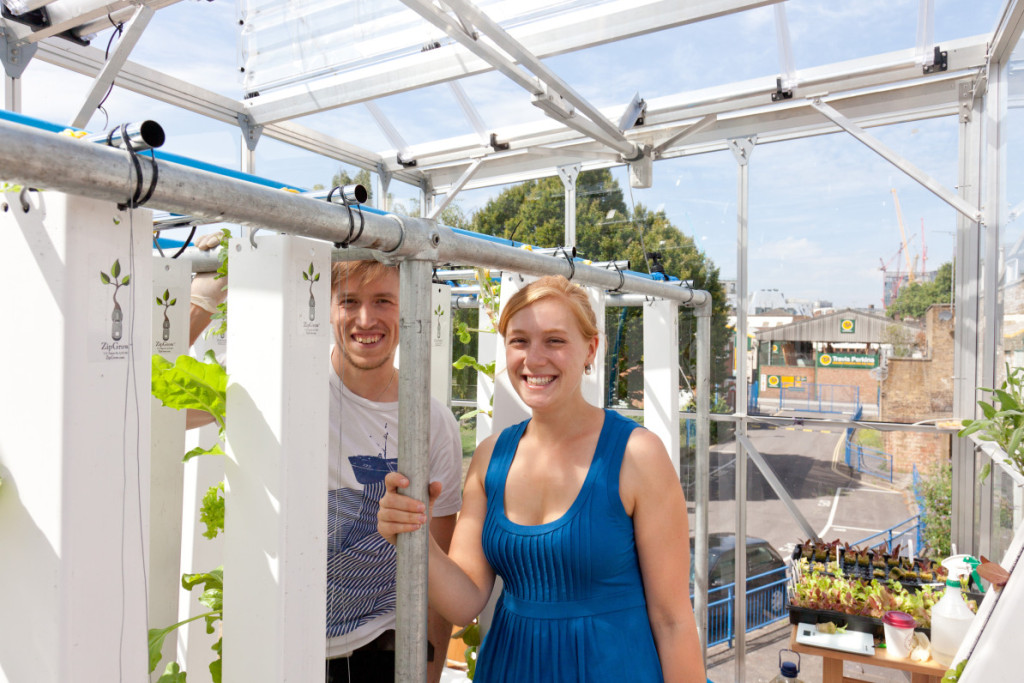
“GrowUp Urban Farms is committed to feeding people in cities in a way that is positive for communities and the environment, today and in the future. We produce sustainable fresh fish, salads and herbs in cities using a combination of aquaponic and vertical growing technologies.” To read more about the GrowUp project, visit: “GrowUp.Org.UK“ |
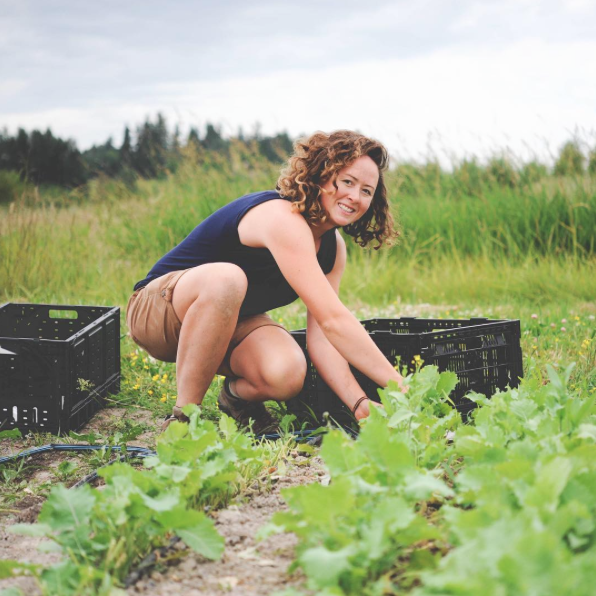
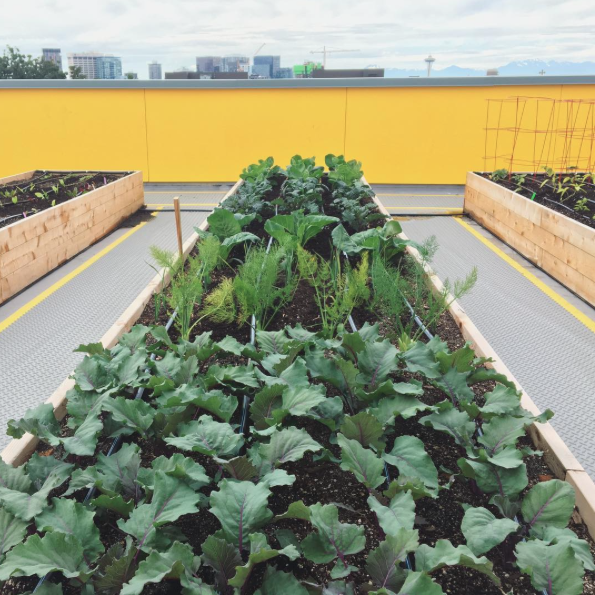
Urban Organic Gardener Interviewing @SeattleUrbanFarmCo.
The Seattle Urban Farm Company has a rich and passionate philosophy which is “we thrive on pioneering new ideas and empowering city dwellers to reap the rewards of local food production. We believe that sustainable urban agriculture can promote healthy diets, environmental stewardship, stronger communities and improved quality of life. We hope that developing economically sound, city-based farming ventures will increase public awareness of agricultural issues and foster a greater appreciation of farmers everywhere.”
What Grow Zone do you live in?
Seattle is in USDA Plant Hardiness Zone 8b
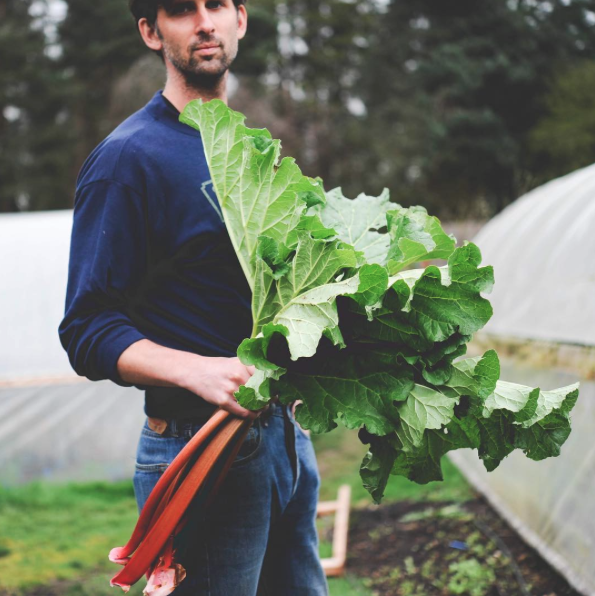
Tell us more about your blog/business and how you got started there.
Seattle Urban Farm Company started in 2007. The idea was to provide a service that would help beginning vegetable growers find success. We help clients design, build and maintain their gardens, creating beautiful and productive spaces year-round. Our blog and social media outlets have sprung from the idea that, homegrown food production is a great tool for community-building both online and off.
What crops do you find grow extremely well in your maritime climate?
Most traditional vegetable crops grow well in our climate. In particular, brassica crops like kale, cabbage and broccoli love the mild temperatures. Additionally, because we have relatively cool weather even during summer nights, salad greens like lettuce and arugula can be grown through most of the season. Heat loving crops like tomatoes and basil can be challenging, but most growers find ways to adapt their growing practices to make even these plants successful. The Pacific Northwest is also a great climate for perennial fruits like blueberries, strawberries and raspberries.
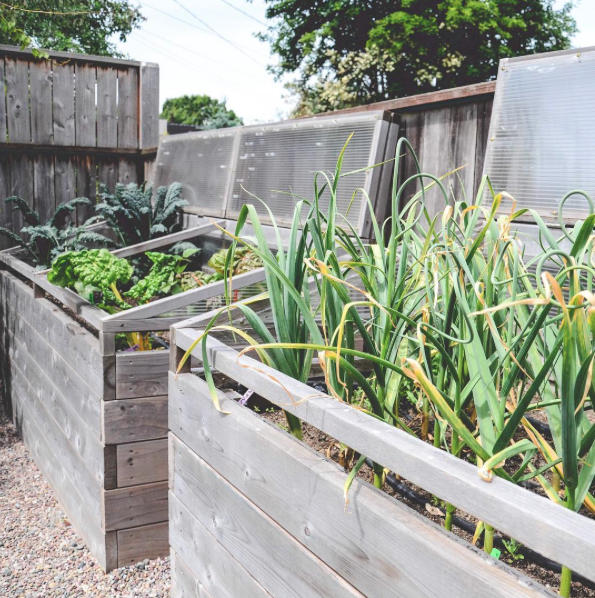
Have any tips for those that might want to start gardening year-round?
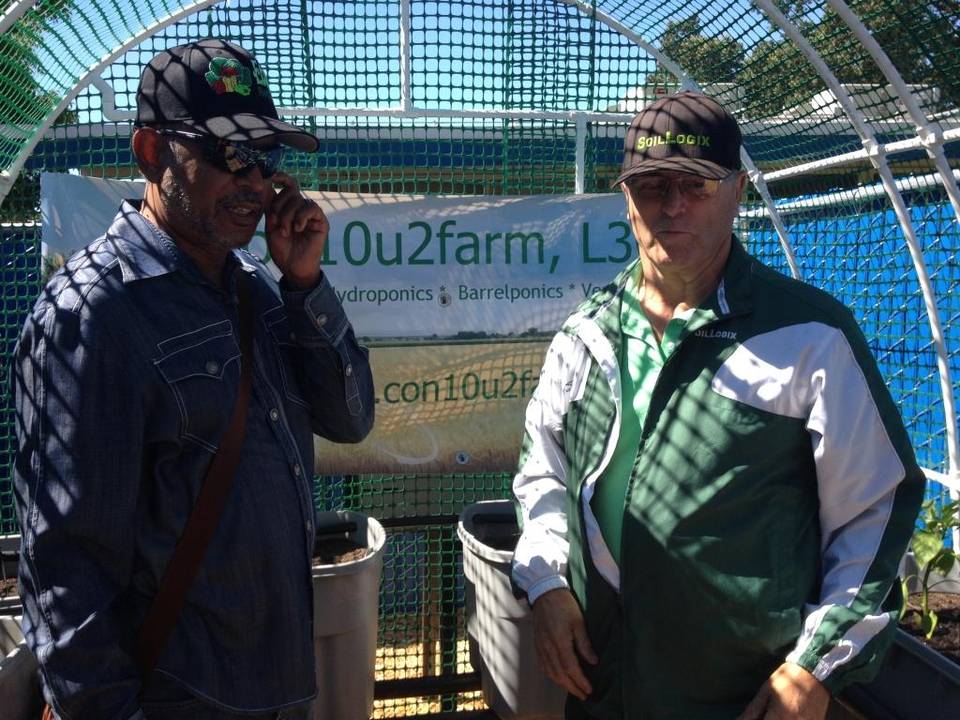
James Brady has a passion about urban farming. They call him a “veggielante and a veggie preacher, but that doesn’t stop his proselytizing.” Brady is on a mission to teach school-aged children the benefits of growing their own produce, especially in small and non-traditional spaces.
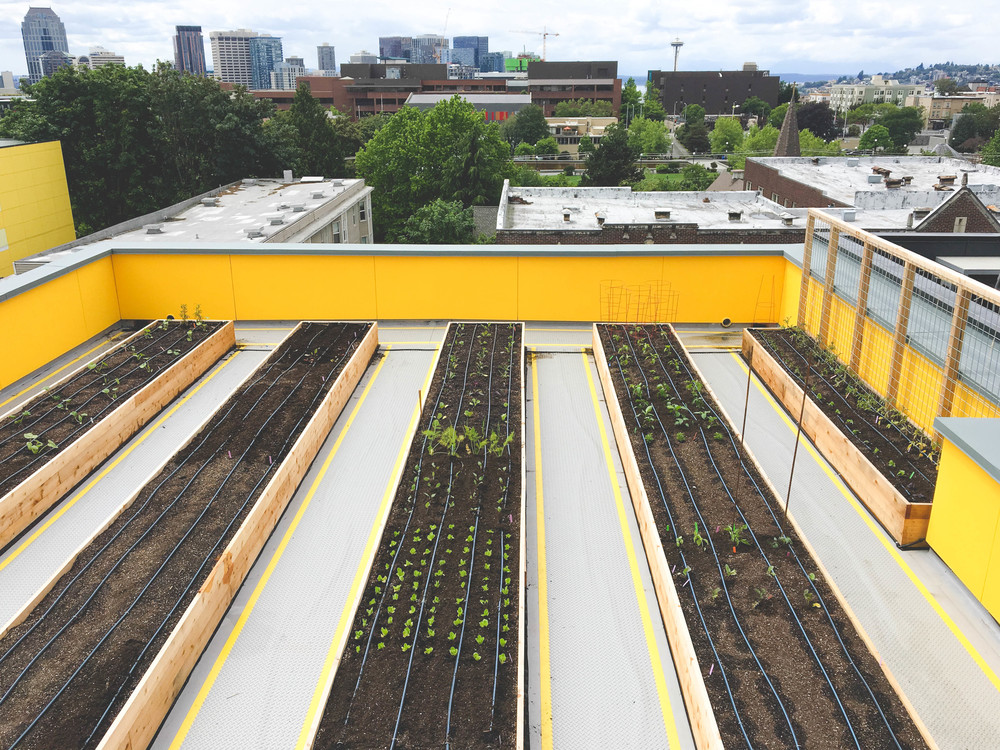
“Part of your next meal should come from no (more) than 10-15 feet from your kitchen table,” Brady said, “so that means if you’re in an apartment building, you can put a bin like this on your patio or we could design these and put them on a rooftop or blacktop. It doesn’t matter. We can grow in small spaces. You can get food to feed your family, lower your carbon footprint and hopefully contribute to making your family healthier.”
Read more here: “SacBee.com“

Owner of Brook Landscape in Brooklyn, N.Y., knows all about urban gardening and how to design the perfect “small space” edible landscape.
“The goal is to fabricate an alternative to the reality,” says Mr. Klausing. When you step into a space, “it should offer a sense of transition and change.”
Read all of Mr. Klausing’s urban gardening tips & tricks at: “WSJ.com“

I live (and garden!) in Nashville, TN, which is zone 7a. We are blessed with an incredibly long growing season here. It’s not unusual to be able to grow things from March – December.
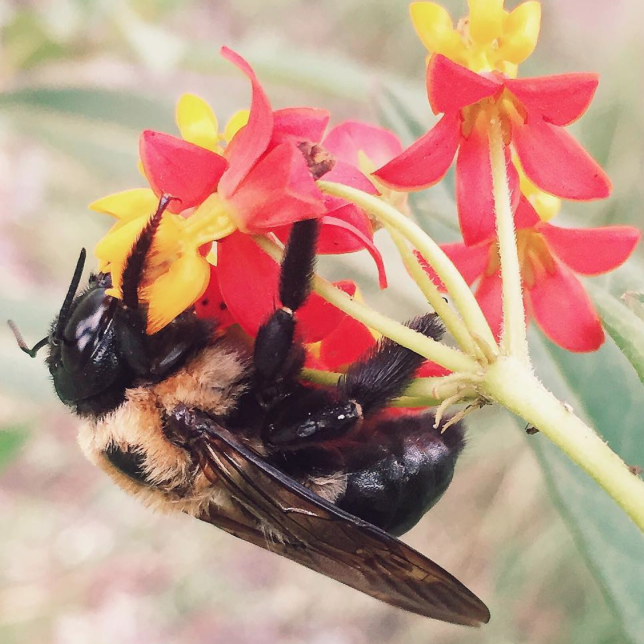
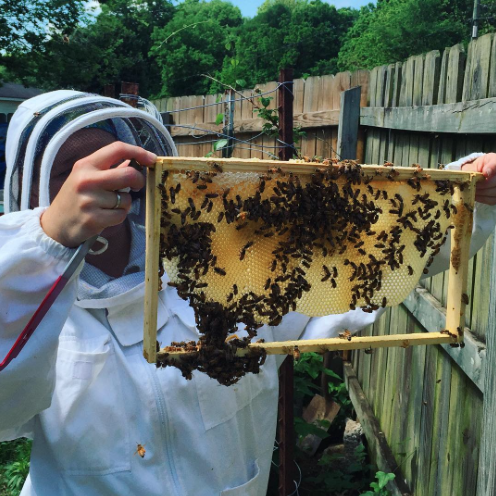
I’ve been concerned for quite awhile over the diminishing honey bee population, and starting looking into beekeeping several years ago. I was thrilled to discover a thriving beekeeping community in Nashville, and to discover that Tennessee is very accommodating of beekeepers, making it legal for almost anyone, anywhere to keep bees. Last year I took a class and plunged into the world of honey bees. We now have 4 hives on our tiny urban farm. Since keeping bees I’ve noticed a huge improvement in pollination in the garden. Unfortunately honey bees are plagued by many pests and diseases. I use only natural beekeeping methods (and constant vigilance!), and so far our bees seem happy and healthy. I love talking with friends and neighbors about the importance of honeybees, urban beekeeping, and how to help save the bees. Being that we are in an urban setting we have to deal with whatever chemicals and poisons neighbors might spray in their yard, that could compromise the bees and other beneficial insects. Not surprisingly, many people don’t realize that something so simple as trying to eradicate mosquitoes in their yard can have dire consequences for bees.
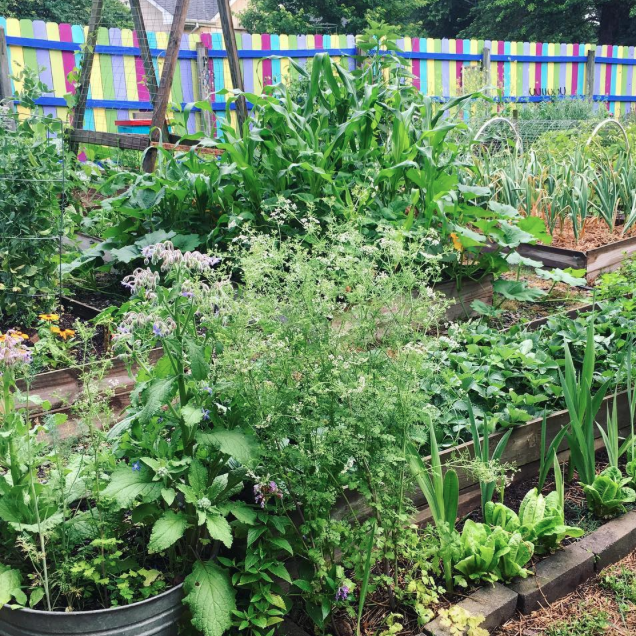
Having a colorful, eclectic garden is important to me. There is nothing better than looking out the window when I’m stuck inside and seeing the rainbow colored fence, the brightly colored beehives, my Grandaddy’s horseshoes hanging on the fence – it makes me happy to be surrounded by vibrant colors. Having little pops of art and brightness in the garden is wonderful on a dreary winter day when nothing is growing. Although I plant mainly in raised beds, my garden is a bit wild. I love letting plants go to seed and then having the new sprouts pop up to surprise me. There are always volunteer dill, borage, basil, or zinnia popping up throughout the garden, and to me it makes the space so inviting (the beneficial insects think so too!) Although I really admire geometric gardens that have perfectly straight rows and magazine-cover looks, my garden will never look like that. I rarely try to tame or confine my plants (unless it’s necessary for their health or an issue of space); I let them grown and reach and spread. I like to try unconventional combinations (Right now I have a volunteer sunflower growing right in the middle of a bed of tomatoes and peppers. I’ve heard that sunflowers shouldn’t be grown alongside other plants because they could inhibit growth, but so far everything is doing great). I like to tuck flowers and herbs throughout all my planting spaces – borage and basil with tomatoes, dill and nasturtiums with squashes or cucumbers, zinnia and marigolds everywhere! Like me, my garden is a bit untamed and maybe a little messy, but underneath it all my garden does what it is supposed to do – provides my family and friends with healthy, organically grown food.
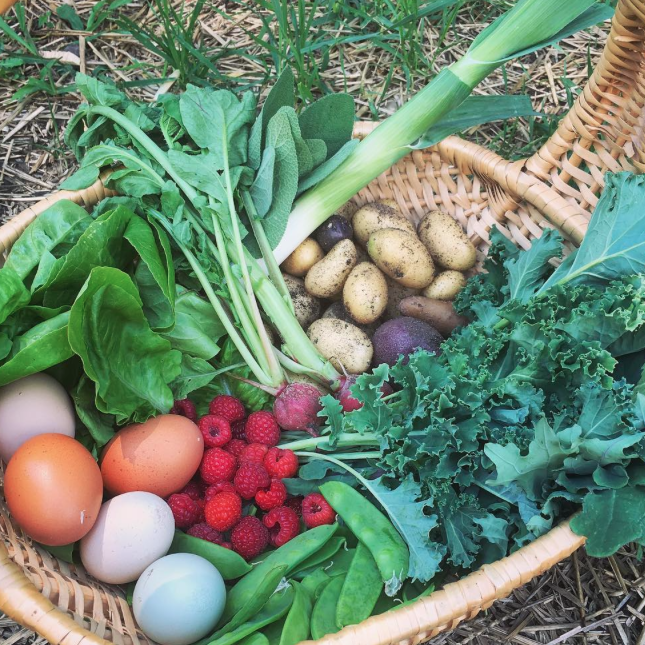
A favorite crop – I have to pick a favorite crop? That’s so hard! I think I love my perennial culinary herbs the best. I have two perennial herb beds, one in the front yard and one in back. Just about year round there is some sort of fresh herb growing and ready to add a touch of freshness to a meal. Even in the dead of winter I can usually find some thyme or sage to use. Herbs add so much to even the most simple meal, and there is nothing like growing your own. It’s also great that most herbs attract beneficial insects when they flower in the spring. Flowering thyme and oregano especially seen to attract lots of good bugs.
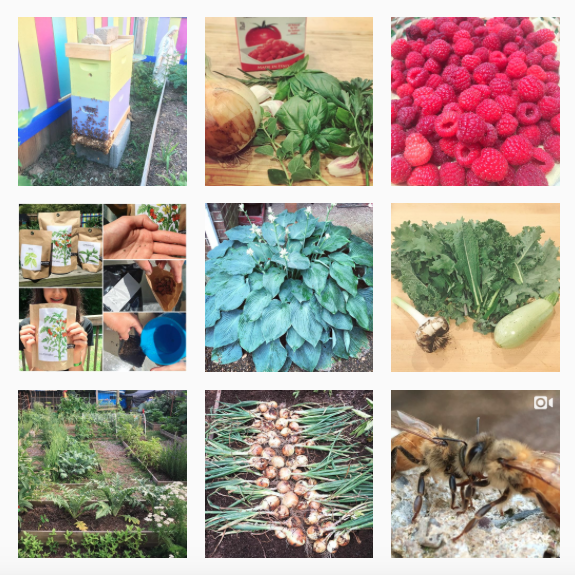
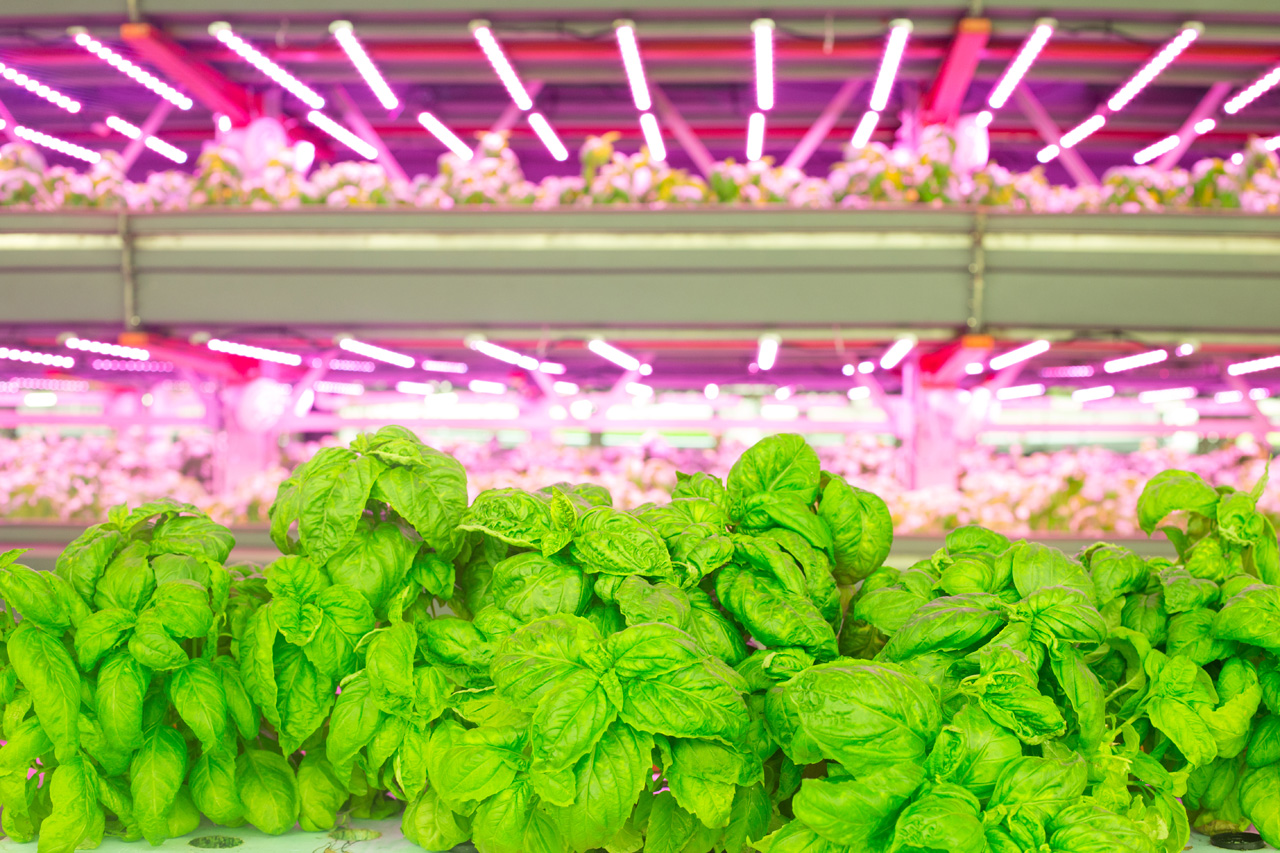
Just outside of Chicago, located in Bedford Park, sits a quiet industrial complex & “you might not immediately register that you’re standing in the second coming of the locavore movement.” Inside you’ll find herbs, greens, broccoli, and kale along with massive stacked racks which house hydroponic systems. This urban farm operates nearly 24 hours a day, 365 days a year.
“Laurell, the soft-spoken investor who put up $13 million to help launch the vertical farm in 2011 and leads the investment as a partner in the $50 million clean and biotech investment fund GreatPoint Ventures, is one of the most convincing cheerleaders for Chicago’s urban farming renaissance, particularly for vertical farming—the nascent industry of growing food in environmentally controlled, indoor facilities, where pests, diseases, light, temperature, and humidity can be highly controlled.”
Read the entire article at: “FactCoExist.com”
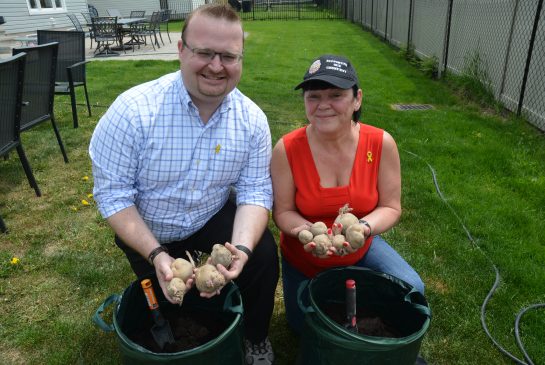
If you have a sunny spot in your garden, patio or balcony you can literally grow up to 100 lbs. of potatoes this summer. One charity is hoping you want to join in on the movement and donate the spuds to your local food pantry or soup kitchen.
“Soldiers Helping Soldiers has launched the Grow Potatoes program, which aims to feed Ottawa’s hungry right from the city’s balconies and backyards.
One soup kitchen in Ottawa is using up to 120 pounds of potatoes a day!
To read the entire recipe for growing 100 lbs. of potatoes somewhat effortlessly, & learn more about Soldiers Helping Soldiers, visit: “MetroNews.ca”
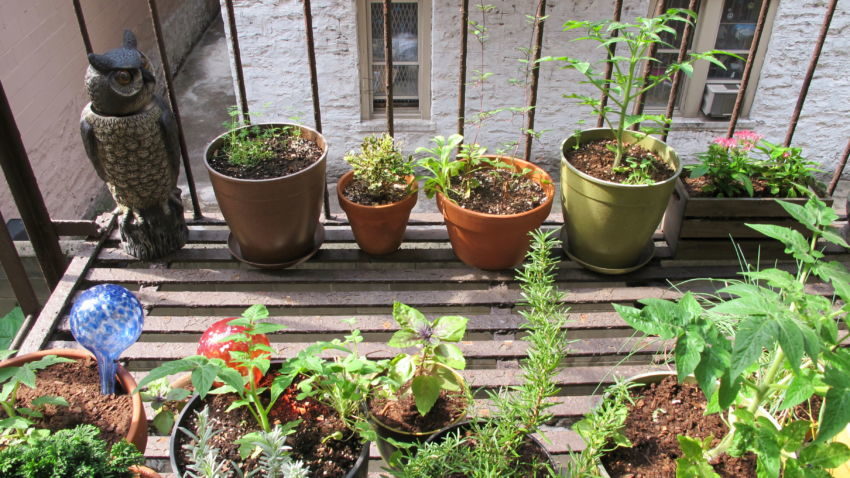
Growing your own vegetables and herbs is very rewarding. Even if you’re new to gardening and live in an apartment or tiny space, you are still able try out your green thumb! “You can still create a green oasis.”
Jeff Gilbert, a gardener and marketer for Green City Growers, helps people learn how to grow a garden in a small space, even if they only have room for one container.
“I think there’s a number of reasons why you would grow your own,” he said. “The value of the produce is one, but also the fact that gardening is an enjoyable thing to do, and that it’s helping you create a little more green space, that’s value in and of itself.”
Read the entire article at: “Boston.com“
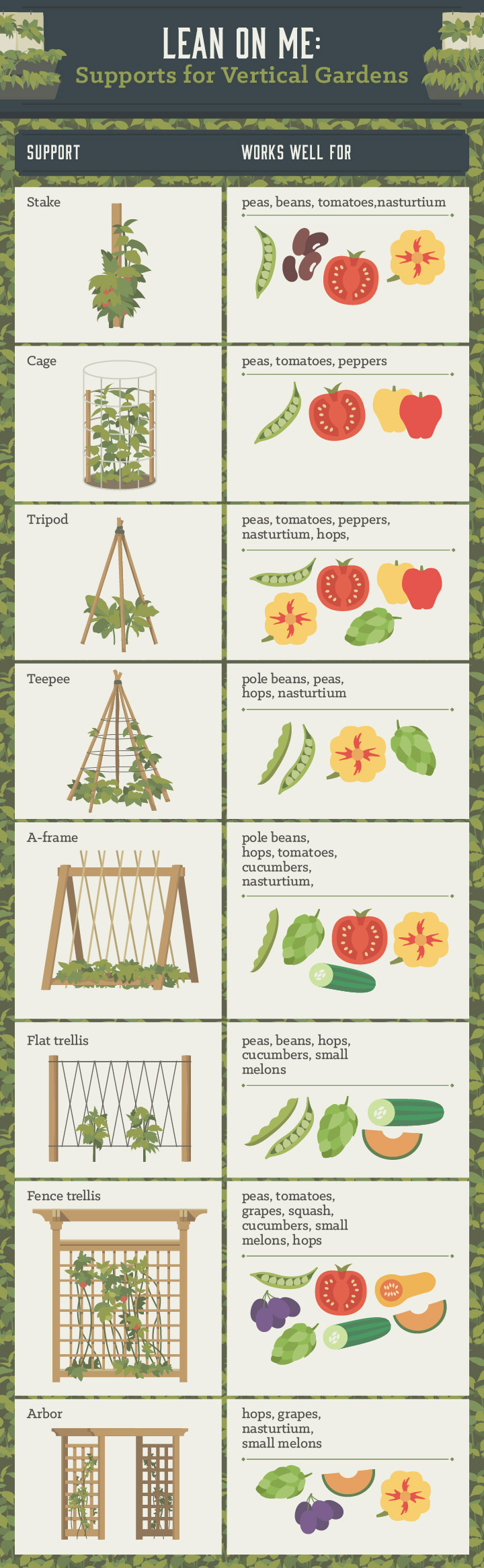
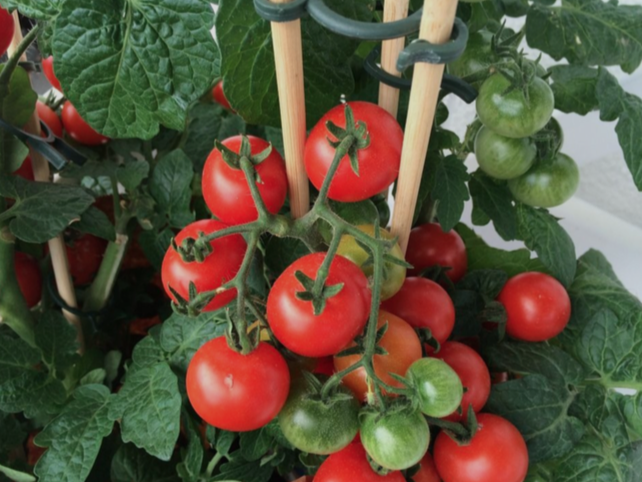
There are many reasons why you might choose container gardening over more traditional methods. Maybe you’re short on space, have trouble bending over, or are just really, really lazy (like me). Regardless of why you settle on container gardening, I’m here to tell you that it’s an absolute delight and has the potential to be incredibly productive.
After a few years of gardening, I’ve found a slew of vegetables that grow effortlessly in containers.
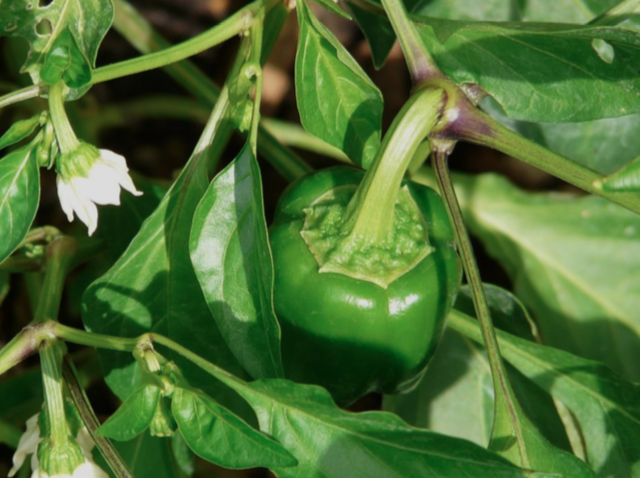
Bell Peppers
Container Type: 2 gallons or larger, 1416 inches deep, 24 inch diameter with multiple drainage holes. Ensure there is room for stakes.
Sun: 6 8 hours daily
Peppers like consistently moist — but not soggy — soil. Water them whenever the top of the soil is dry, and be careful to never let the soil dry out completely. You can help them avoid drying
out by covering the top of the potting soil with mulch. Bell peppers are sweetest when they’ve ripened fully on the plant in full sunshine.
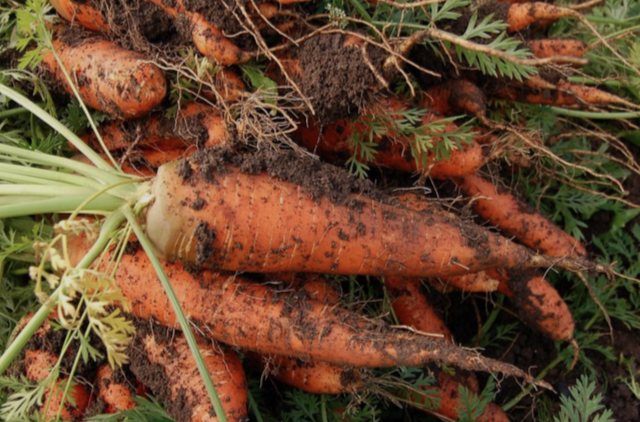
Carrots
Container Type: M ore than 12 inches deep to give carrots room to develop. Make sure there are multiple drainage holes.
Sun: At least 68 hours daily, more is better.
Carrots require little skill, minimal care, and minimal effort — perfect for beginning gardeners. Grow carrots in soil that is loose, lightweight, and well drained. They’ll need regular moisture, but not too much as root crops may rot if left in soggy soil.

Cucumbers
Container Type: M inimum 12 inches deep, 24 inch diameter with multiple drainage holes. Ensure there is room for a cage or trellis. When in doubt, go with a larger container rather than a smaller one.
Sun: 6 8 hours daily
Cucumbers absolutely depend on water, so you want to make sure they get a consistent level — you must ensure the soil never dries out completely. Add a trellis or tomato cage as the plant grows to maximize floor space and allow the plant’s leaves to get more sun.
Tomatoes
Container Type: 1 5 gallon minimum, 18 inch diameter (determinate), 24 inch diameter (indeterminate). Ensure there is room for a cage. When in doubt, go with a larger container rather than a smaller one.
Sun: 6 8 hours daily
Tomatoes have extensive root systems, and once they become root bound, their fruit production tanks. They need large containers, plenty of room, and lots of water once they start producing..
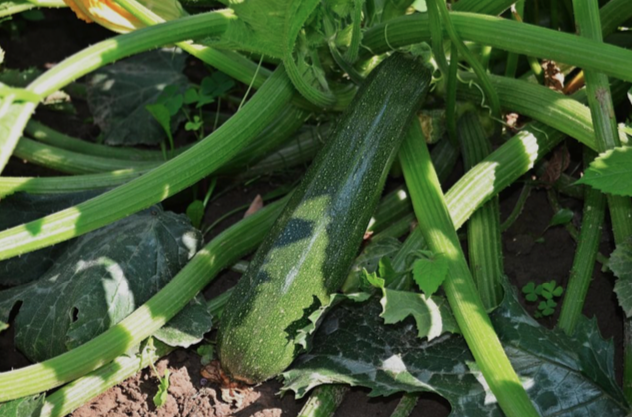
Zucchini
Container Type: B road and deep, at least 24 inch diameter.
Sun: A t least 68 hours daily, more is better.
Zucchini plants have high yields, even when grown in containers. They sprawl, naturally
reaching diameters of three plus feet, so take that into consideration when choosing a container.
Tips
The most important thing to remember about container gardening is that containers lose moisture quickly, especially when they’re in full sun. In the spring, you’ll water everyday, and in the heat of summer, when plants are producing, you may need to water two or three times daily, depending on the temperature.
I’ve spent the last few evenings dutifully watering my tomatoes and cucumbers, checking the leaves for damage, and looking closely for any signs of insects. The time I devote to my container garden is some of the happiest and most peaceful I have each day. I’m looking forward to seeing what my plants produce this season.
**Liz Greene is a dog loving, history studying, pop culture geek from the beautiful City of Trees, Boise, Idaho. You can catch her latest misadventures on her blog, Instant Lo.
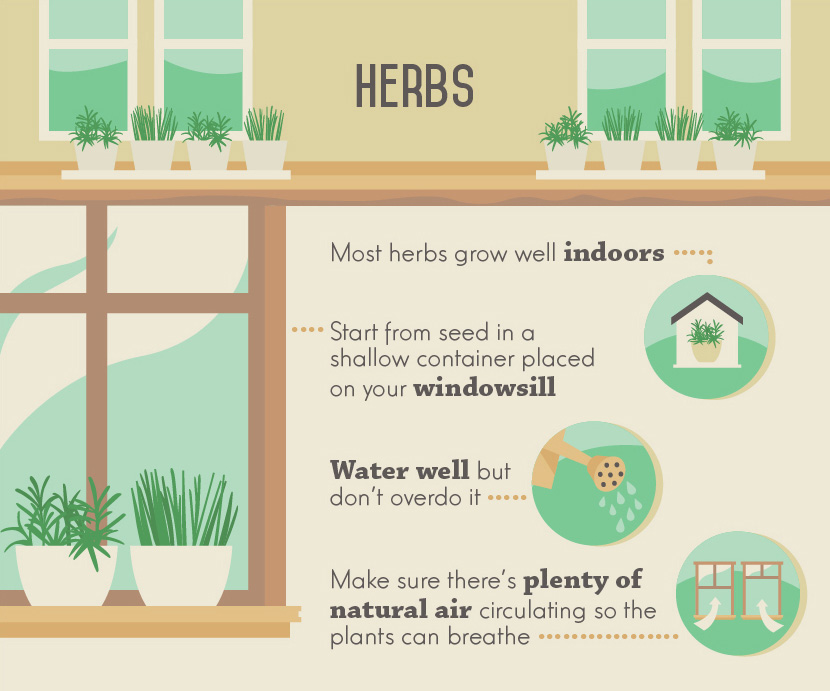

Source: Fix.com Blog
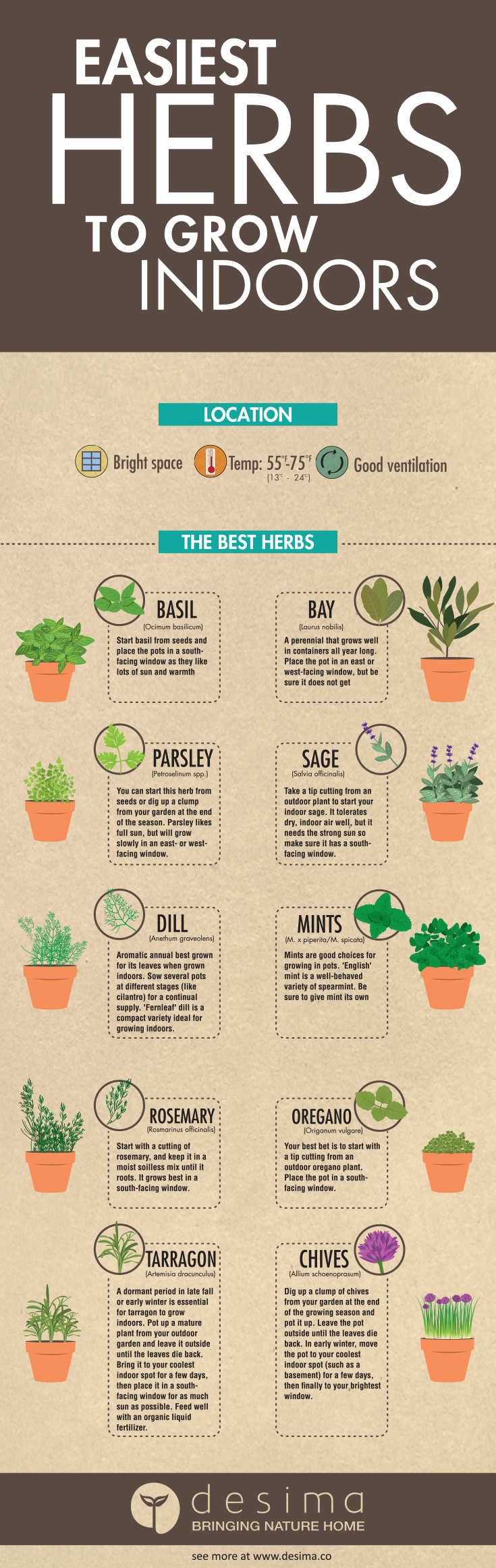
Read more about these herbs by visiting: “Desima.com“

“Our handy new infographic lays out all the best options for home-grown fruit, so that you can match your soil type and climate to your preferred fruits and create a calendar that matches your needs. Get planting today, and you’ll soon be reaping the benefits of fresh air, lush surroundings, and healthy fruits whose sweetness is embellished with a hint of accomplishment.”
How to grow fruit all year round by team at Happy to Survive.