Doorstep delights: why front gardens matter

Photograph: Pål Hansen/The Observer

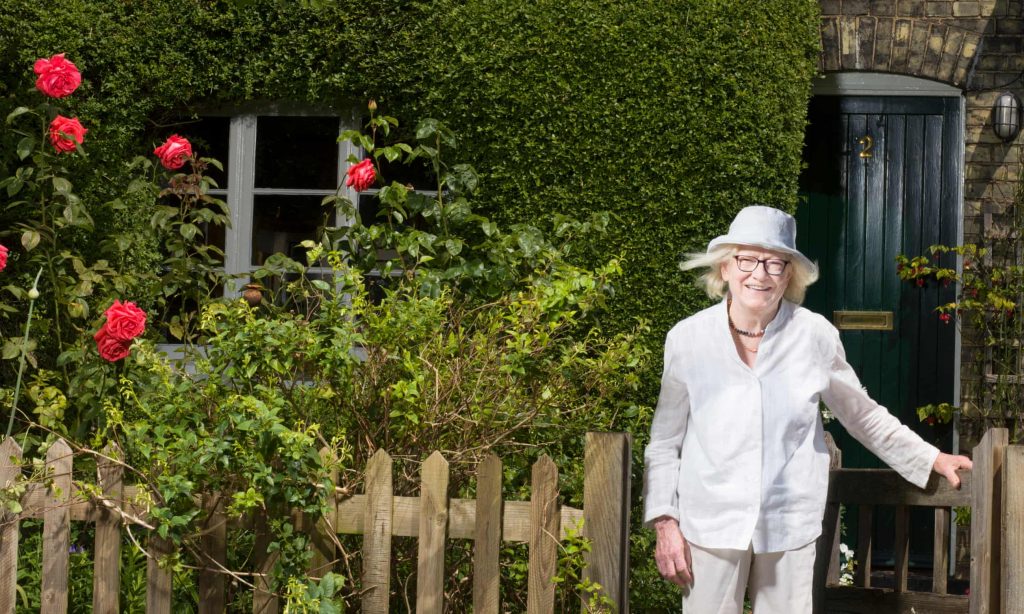
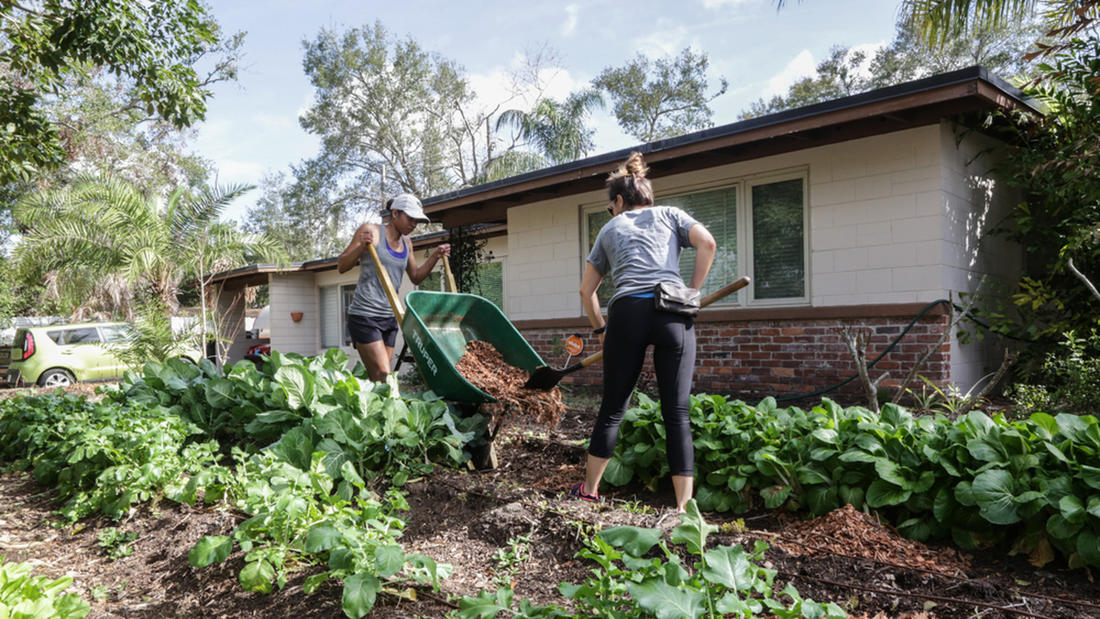
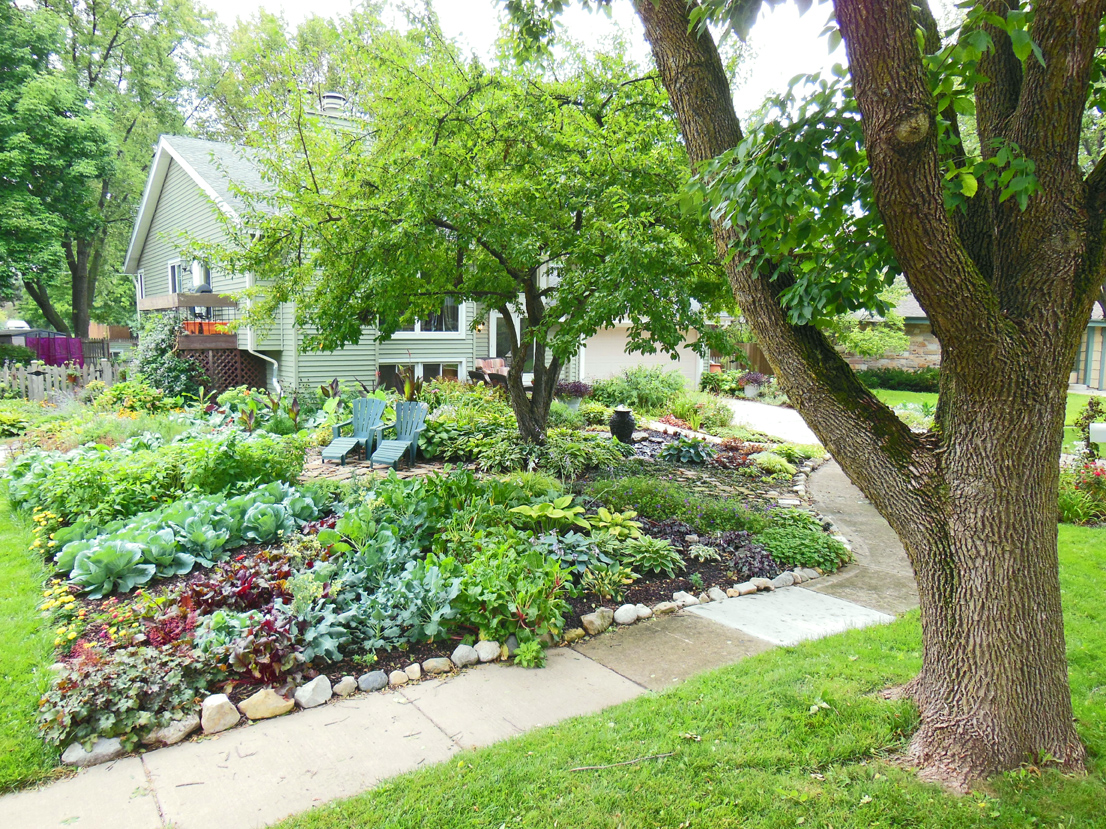
Last month, with more time at home than usual, Charlotte Harris, one half of the landscape design duo Harris Bugg, decided to dig up her paved front garden in Newham, east London. “It was a discussion we’d been having for a while,” says Harris, who gardens with her girlfriend Catriona Knox. They’d already removed the paving from the back garden of their house, which is in a densely populated area of the city undergoing vast amounts of regeneration. “Around here every bit of green space feels precious,” she says. “Obviously there are parks, but I think each of us has to take responsibility for any space we have.”

As you’d expect in a city, the new front garden needs to work hard to accommodate bins, bikes and a composting hot bin, but Harris is determined to plant as much as possible in the rest of the space, including a small tree (on the shortlist are a Sichuan pepper tree, hawthorn or a Chinese fringe tree) underplanted with perennials and bulbs.

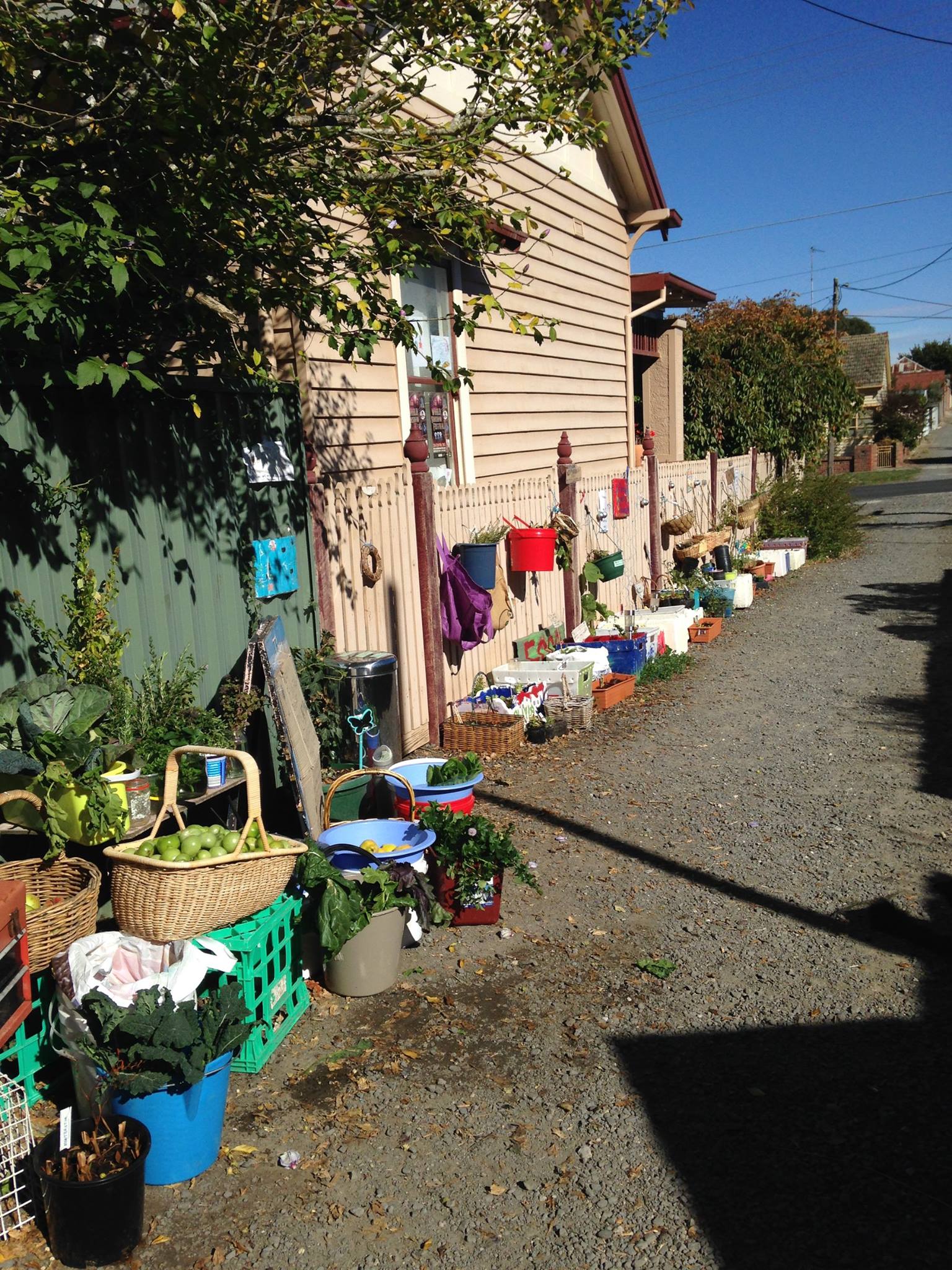
In an area where 50% of the front gardens have no plants, the ones that do provide moments of joy. Harris’s neighbors include a couple who boast “the most beautiful magnolia” in their shady spot, while on the opposite side another front garden has been turned over to an abundant veg patch complete with frames and climbing squash. “They were the inspiration, really,” adds Harris. “It’s a gift isn’t it? It’s the ultimate in gardening altruism, because your back garden is for you to enjoy, but your front garden is about improving everyone’s experience.”

READ THE FULL STORY: https://www.theguardian.com/lifeandstyle/2020/jun/07/doorstep-delights-why-front-gardens-matter

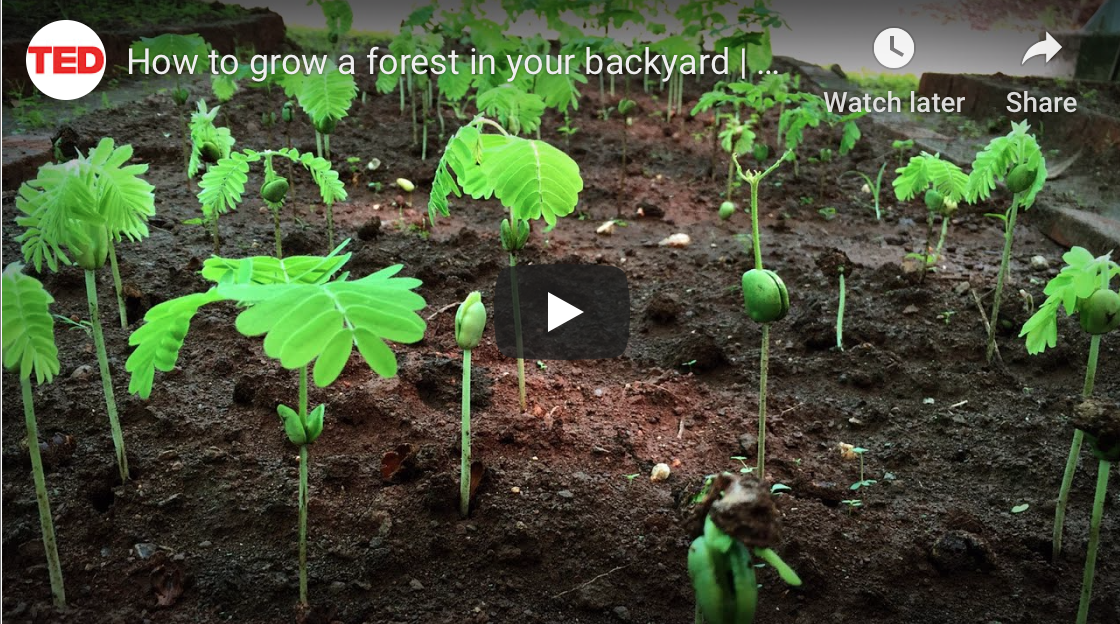
How to grow a forest in your backyard | Shubhendu Sharma (TED TALK)

Forests don’t have to be far-flung nature reserves, isolated from human life. Instead, we can grow them right where we are — even in cities.

Eco-entrepreneur and TED Fellow Shubhendu Sharma grows ultra-dense, biodiverse mini-forests of native species in urban areas by engineering soil, microbes and biomass to kickstart natural growth processes.

Follow along as he describes how to grow a 100-year-old forest in just 10 years, and learn how you can get in on this tiny jungle party.

TEDTalks is a daily video podcast of the best talks and performances from the TED Conference, where the world’s leading thinkers and doers give the talk of their lives in 18 minutes (or less).

Find closed captions and translated subtitles in many languages at http://www.ted.com/translate Follow TED news on Twitter: http://www.twitter.com/tednews Like TED on Facebook: https://www.facebook.com/TED

An urban farm grows in Los Angeles. You can be a part of it.

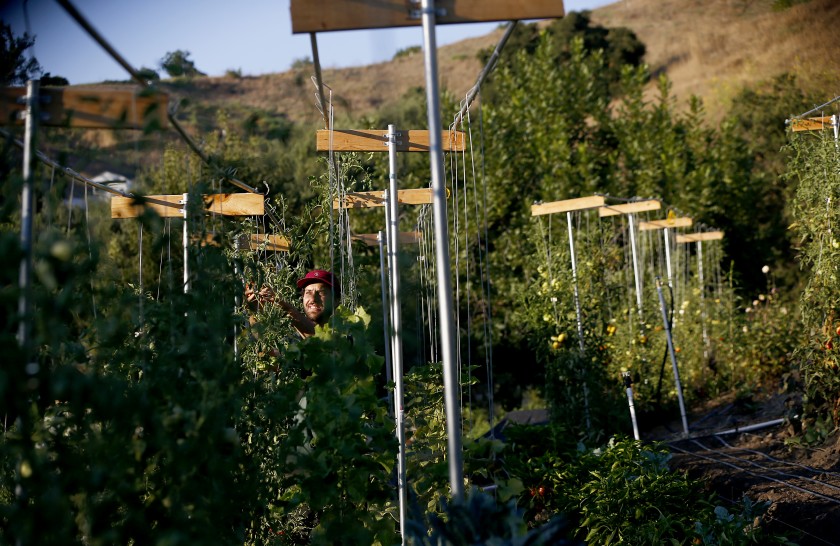
Finding the Avenue 33 Farm is a serious challenge. Plug the address into GPS and you end up on a steep residential street packed with older, neatly landscaped homes. To the west, downtown L.A. fills the horizon and, to the south, your destination looks like a modest home with a slightly scruffy front yard and a long, sloping driveway that ends with a carport.

How can this be the site of a farm?

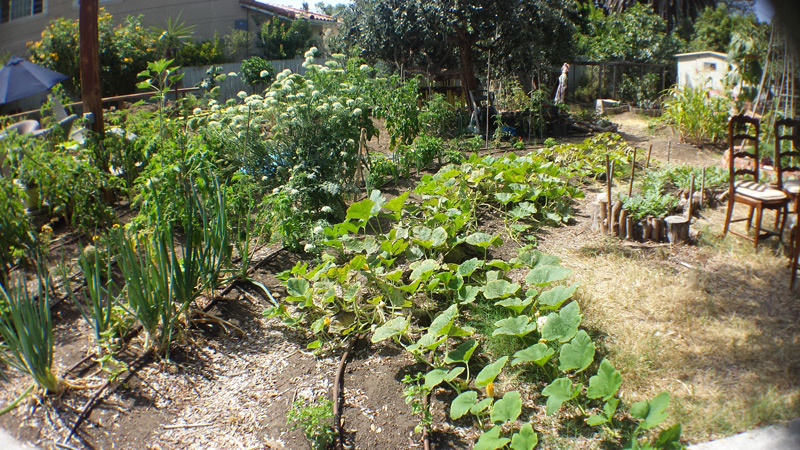
The answer lies above, an arduous climb up the hill behind the home of farmers Ali Greer and Eric Tomassini, past the covered patio, with the new walk-in refrigerator Tomassini built the week before, past barrels of rainwater and flats of seedlings waiting to be planted, up another set of stairs to an acre-wide sprawl of flowers, tomatoes, peppers and lettuce basking in the sun.

READ THE FULL STORY https://www.latimes.com/lifestyle/story/2019-10-10/avenue33-urban-farm-grows-in-los-angeles

Quick Maturing Crops You Can Grow Almost ANYWHERE!

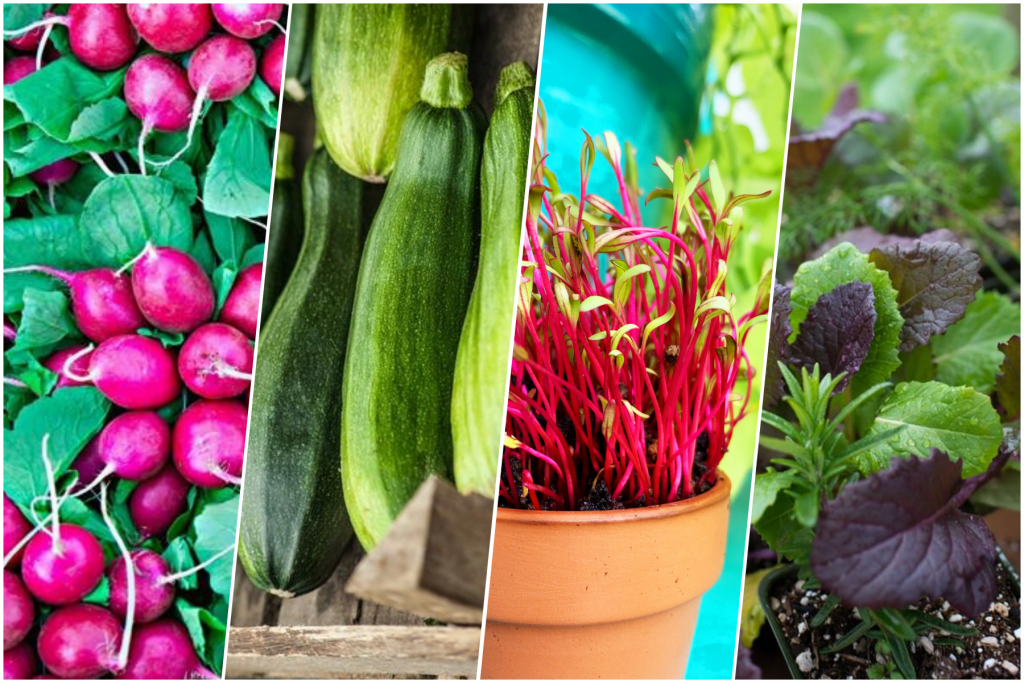
Don’t let space or time hold you back from growing your own food! There are plenty of things you can plant in your garden, windowsill or tiny patio that will produce in less than 45 days. In some cases, you can even enjoy homegrown food in less than 1 week! Here are our top selections if you’re short on time & space in the garden.
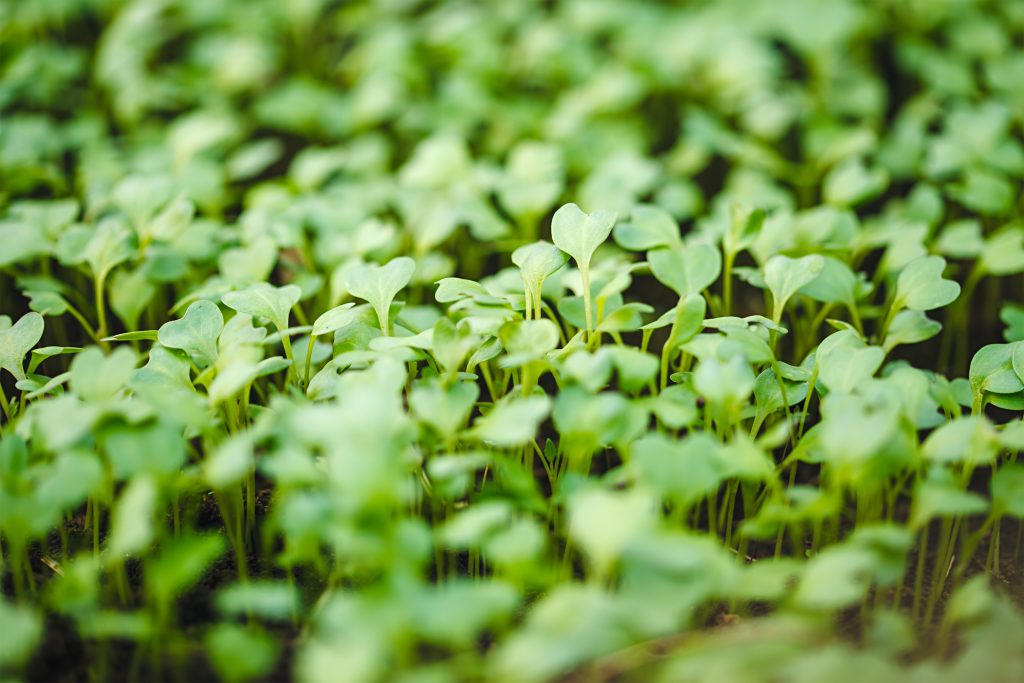
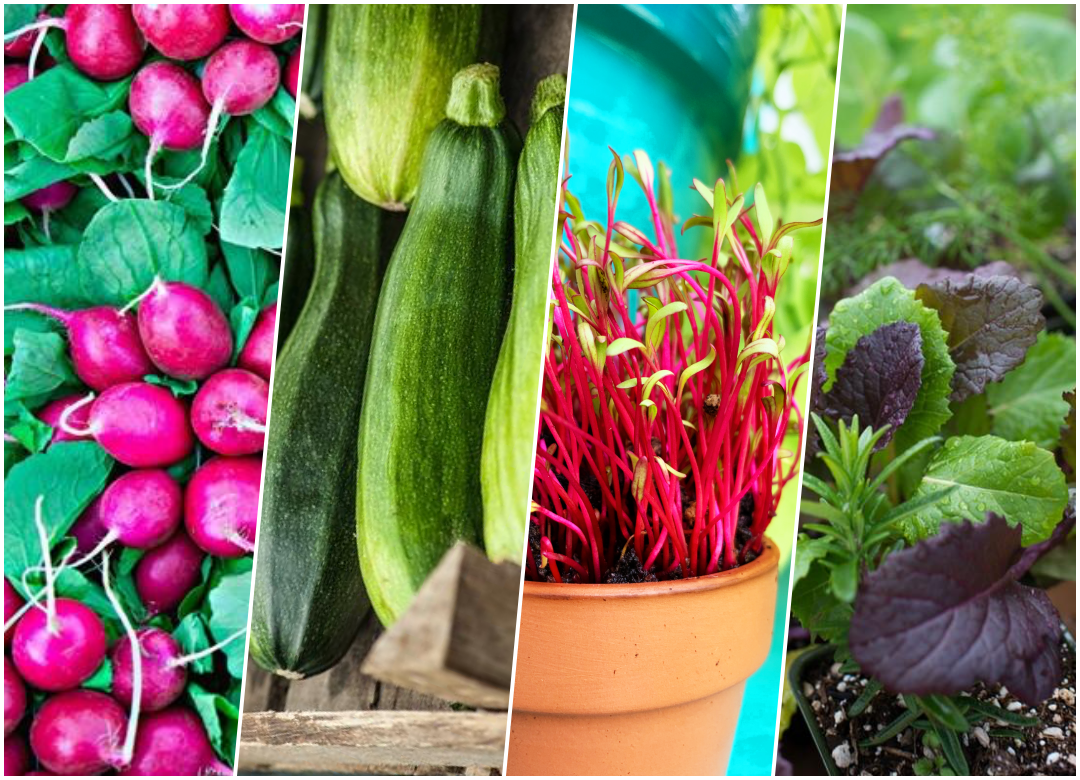
Sprouts / Microgreens – Ready to eat in 3 days to 2 weeks

Each and every living seed will grow into a plant. It’s when that seed begins to grow (germinate) that we call the beginning growth stage of the plant a “sprout”. They are a convenient way to have fresh vegetables for salads, or otherwise, in any season and can be germinated at home or produced industrially. Sprouts are said to be rich in digestible energy, vitamins, minerals, amino acids, proteins, and phytochemicals! See MORE Sprout/Microgreen Varieties, here! 
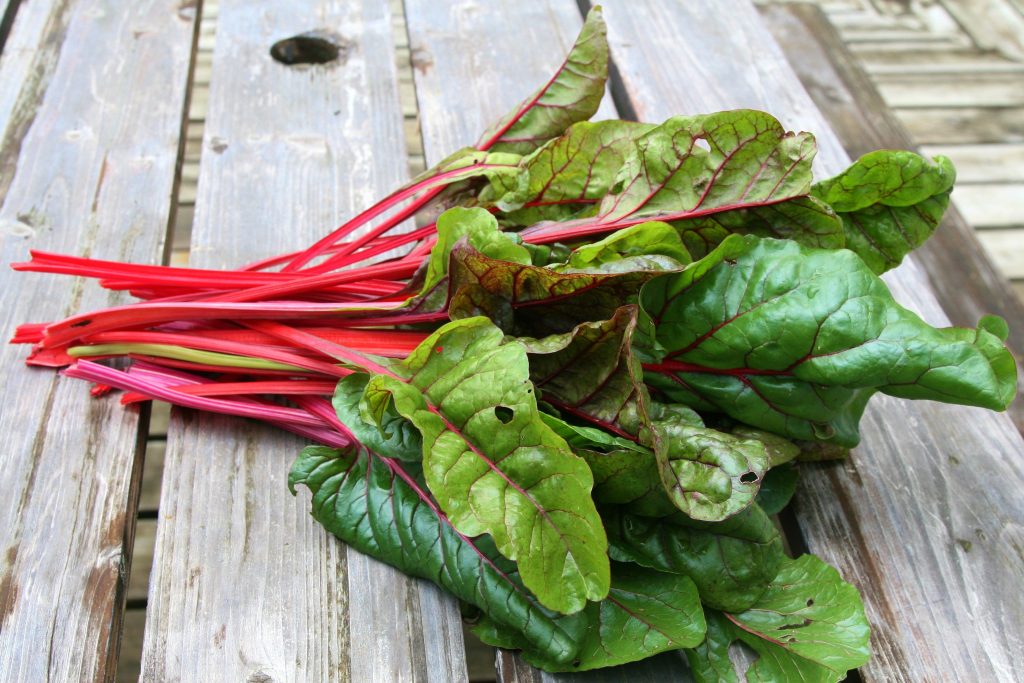
 

Swiss Chard – Ready to eat in about 5 weeks

Chard is a leafy green vegetable often used in Mediterranean cooking. Fresh young chard can be used raw in salads. Mature chard leaves and stalks are typically cooked or sauteed; their bitterness fades with cooking, leaving a refined flavor which is more delicate than that of cooked spinach. See MORE Swiss Chard Varieties, here!
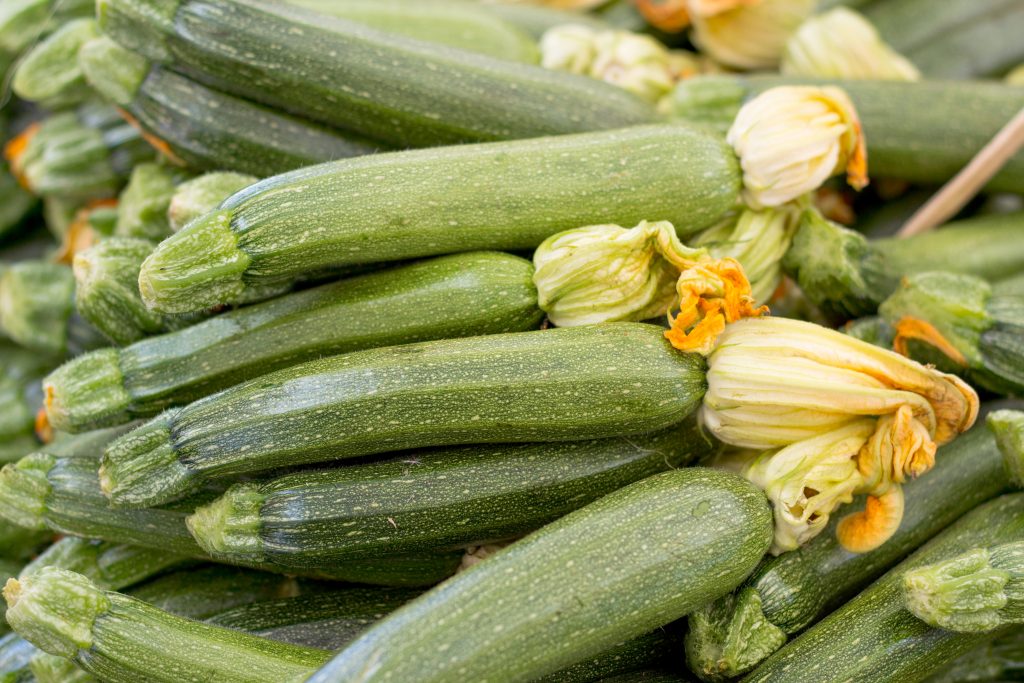
 

Zucchini Squash – Ready to eat in about 6 weeks

Though considered a vegetable in cooking, botanically speaking, squash is a fruit (being the receptacle for the plant’s seeds). Squash can be served fresh (in salads) and cooked (squash stuffed with meat, fried squash, baked squash). See MORE Squash Varieties, here!
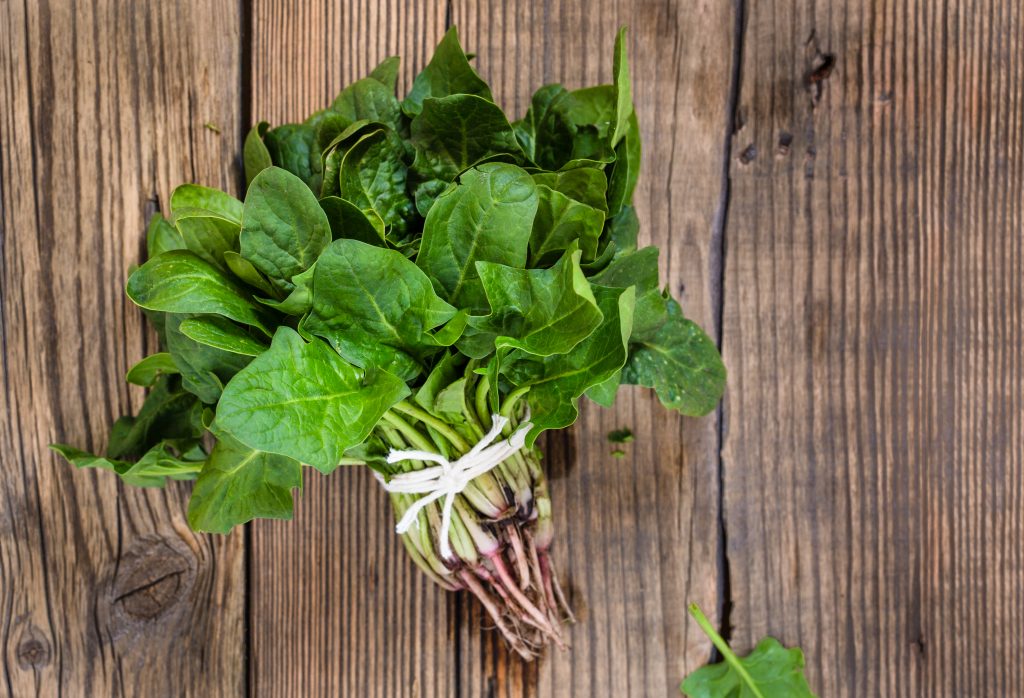
 

Spinach – Ready to eat in about 5 weeks

Spinach can grow anywhere there is at least a month and a half of cool growing weather. Spinach is a cool-season crop, hardy to frosts and light freezes. In rows 12 inches apart, space seedlings 3 inches apart. After thinning, cover the plants with row covers to keep the pests away.  (Soak seeds overnight before planting because it germinates slowly.) See MORE Spinach varieties, here!
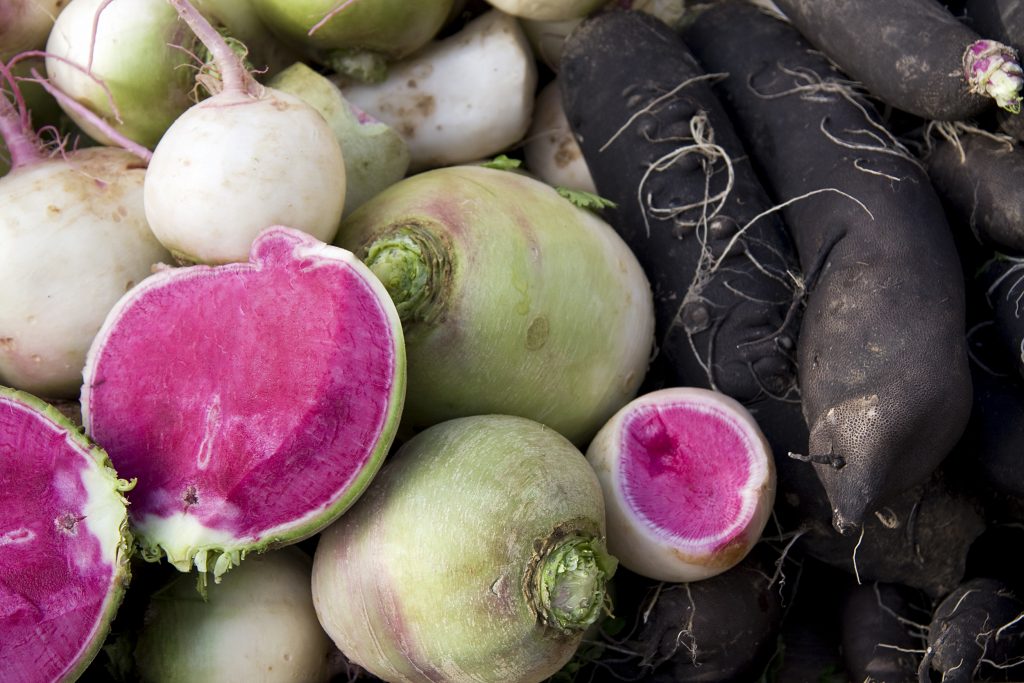
 

Radishes – Ready to eat in 4 weeks

Radishes are a fast-growing, cool-season crop that can be harvested in as little as twenty days.  Eaten raw they can be whole, sliced, diced, or grated. You can also cook and pickle them. Most of them are typically eaten fresh and make a good addition to a salad or a substitute to pepper on a sandwich. See MORE Radish varieties, here!
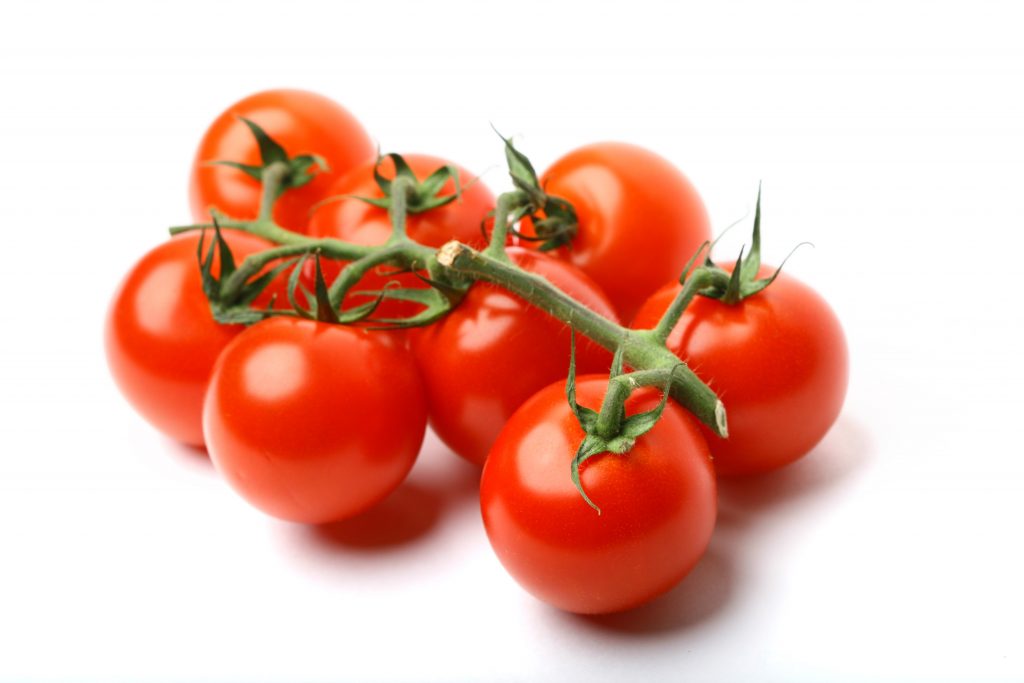
 

Tiny Tim Tomatoes – Ready to eat in about 6-8 weeks

The Tiny Tim tomato plant is a dwarf type plant produces excellent yields of ¾” – 1″  bright red cherry tomatoes. They are perfect for patio gardens. Grows well in pots, containers, and windowsill gardens. See MORE Tomato varieties, here!
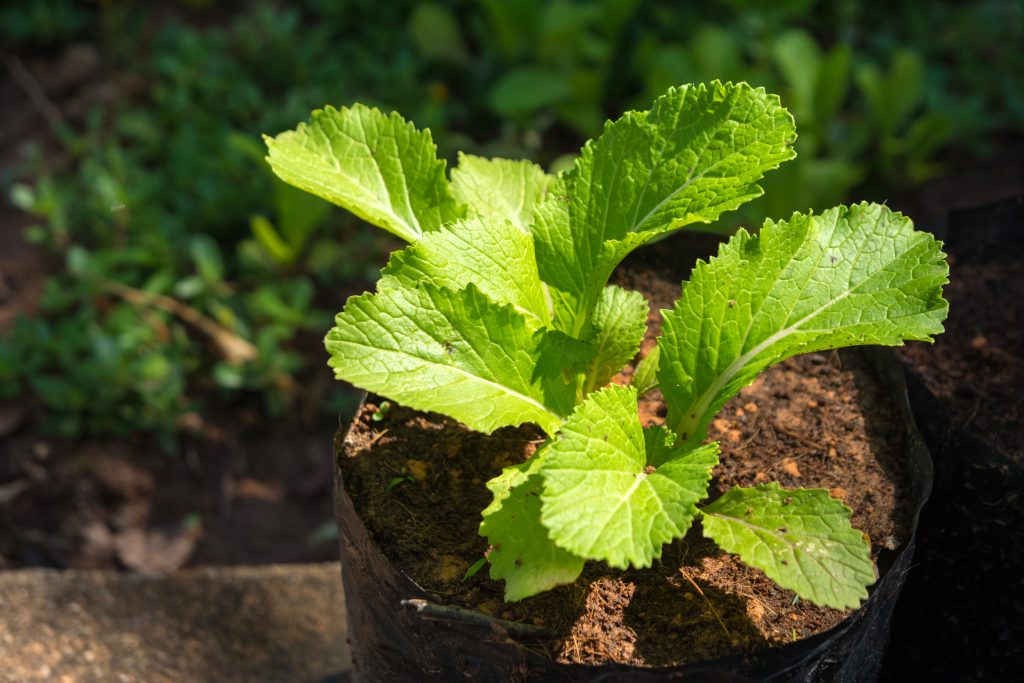
 

Mustard Greens – Ready to eat in about 6 weeks

Growing mustards are a quick and easy crop to grow in your home garden.  They are a spicy green, which will quickly become one of your favorite crops. When growing from seed, start them outdoors 3 weeks before the last frost. For a more steady harvest, plant seeds about every 3 weeks or every month to give you a successive harvest. Mustard greens prefer cooler weather, so plant late in the summer for a fall harvest, or very early in spring before the summer heat sets in. See MORE Mustard varieties, here!
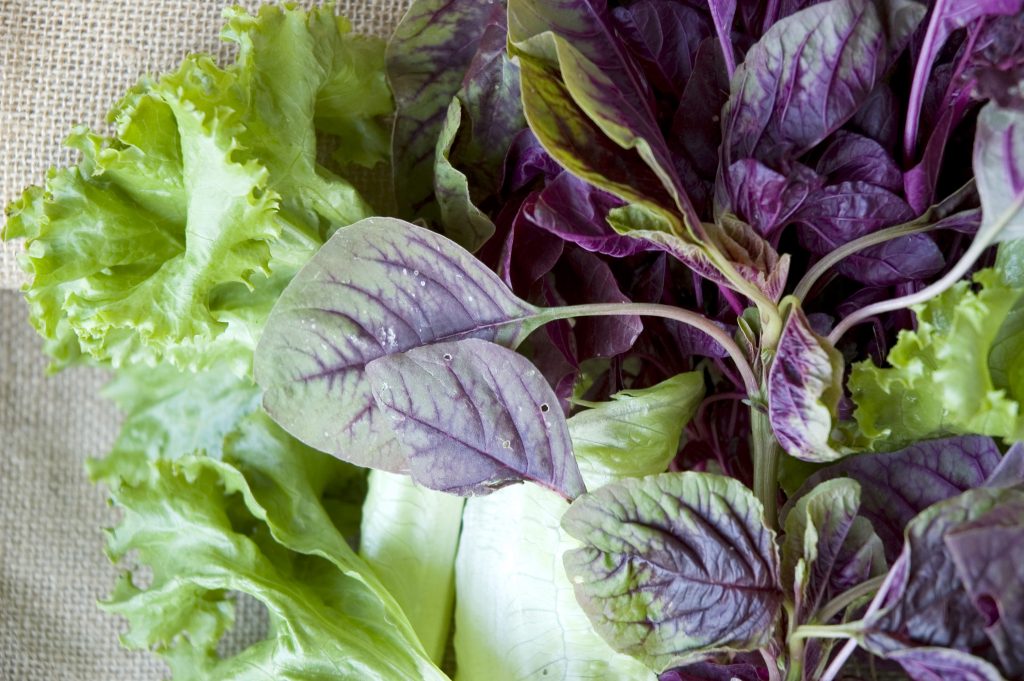
 

Lettuce – Ready to eat in as little as 6-8 weeks

Seed should be sown thinly in rows 1 foot apart; for leaf types, thin plants to 2-3 inches apart, then thin again by pulling every other plant when half-grown. This will encourage thickly developed plants. For head types, space rows 18 inches apart, plants 8-10 inches apart. Closer spacing results in smaller heads, which may be preferable for small families. Specialty growers are spacing lettuce very close for selling baby lettuces, a rapidly growing produce market. See MORE Lettuce varieties, here!
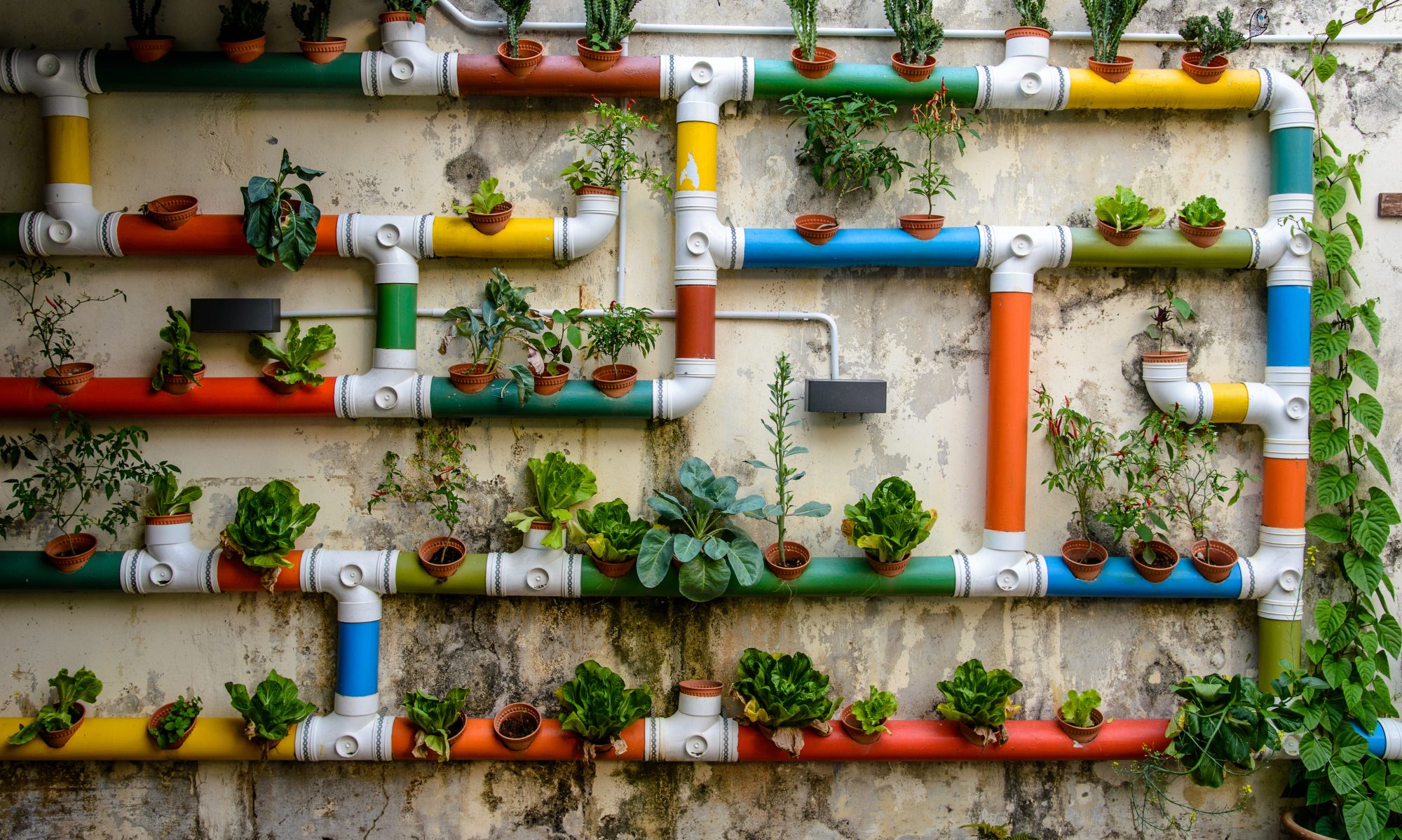

 

9 of The Best Vegetables to Grow in Small Gardens

Gardening in a small space can be just as rewarding and fun as growing in a large garden area.  These days, urban gardeners are growing more of their own food in sometimes less than 100 square feet.  Balconies, patios, even indoor windowsills are a great place to grow vegetables and herbs.  Almost anything can be grown in a container, and if you’re wanting to know what you should plant to maximize your yield in a small area, here are 9 of the best vegetables/herbs to grow in a small garden.

1. Shallots:

Space shallots approx. 4-6 inches apart with the rows 18 inches apart. Plant the bulb root side down, the top of the bulb 1 inch below the surface. Planting too deep grows elongated bulbs that don’t store well.

2. Carrots:

Sow seeds evenly in a very shallow trench, about 1/4 inch deep. Keep seeds moist so they will germinate. Space rows about 12″ apart and when the first leaves emerge, thin to 1″ apart; when true leaves emerge, thin to 3″ apart.

3. Cherry Tomatoes:

To start tomatoes indoors, sow seeds using expanding seed starting soil pods about 8 weeks before the last frost date for your area. Seedlings will be spindly with less than 12-14 hours of light per day, try to keep them in a warm sunny location. When seedlings have 4 leaves, transfer to a deeper pot (3-4″) and again when 8-10 inches tall. Each time, place the uppermost leaves just above the soil line and remove all lower leaves. Transplant (see: guide to transplanting) into the garden when the stem above the soil has reached 8-10 inches tall. Be sure to harden them off before transplanting them outdoors. Allow up to 10 days for the tomato plants to harden off to the outside temperature fluctuations.

4. Runner Beans:

Set three 6 foot poles in the ground, tepee fashion, and tie together at the top. Leave 3 to 4 feet between the pole groups. Make a hill at the base of each pole, enriched with compost or well-rotted manure, and plant 6-8 seeds in each. After the second pair of true leaves appear, thin to 3 plants per pole. With regular harvesting, the pole beans should bear all summer.

5. Garlic:

Break apart cloves from bulb but keep the papery husk on each individual clove.
Ensure soil is well-drained with plenty of organic matter. Plant in Full Sun.
Plant 4 inches apart & 2 inches deep, in their upright position (the wide end down and pointed end facing up). Come springtime, shoots will begin to emerge.

6. Kale:

Plant Kale in rows 18 inches to 2 feet apart. When the seedlings are 3 or more inches high, thin plants to 10 inches apart (read about thinning) and use the thinnings for salads or as a cooked vegetable.

7. Basil:

Try to space your basil plants about 12 inches apart. As long as you harvest the leaves when they are young, basil plants make a wonderful container crop.

8. Lettuce:

Seed should be sown thinly in rows 1 foot apart; for leaf types, thin plants to 2-3 inches apart, then thin again by pulling every other plant when half grown. This will encourage thickly developed plants. For head, Bibb, and cos types, space rows 18 inches apart, plants 8-10 inches apart. Closer spacing results in smaller heads, which may be preferable for small families.

9. Beets:

Sow seed 1/2 inch deep in rows 12-18 inches apart. The beet seed is a compact ball of many tiny seeds. Many plants germinate where each seed is sown, so seed should be placed sparingly. When seedlings are 4-6 inches high, thin plants to stand 1 1/2 inches apart. (They can be used in salad or cooked like spinach.) Then, as these beets grow to about an inch in diameter, pull every other one to allow larger beets to grow.

READ MORE ABOUT GARDENING IN SMALL SPACES AT www.SeedsNow.com

Florida Lifts Ban on Front-Yard Vegetable Gardens

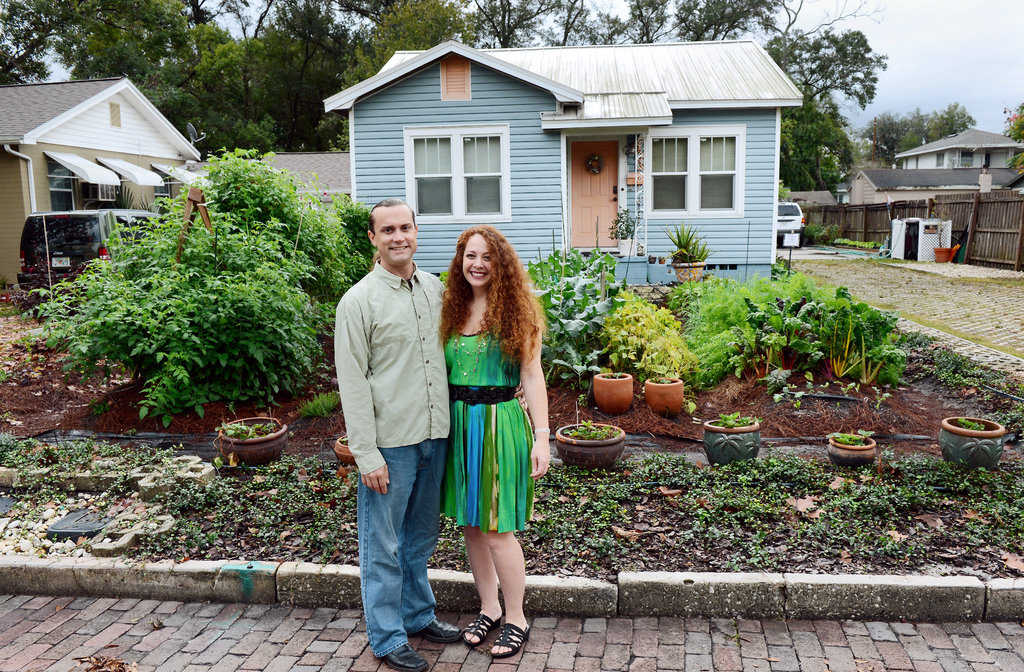
Credit: Todd Anderson New York Times, Orlando couple will now be able to keep vegetable garden

Florida passes law saying cities can’t stop people from growing food on their own property, even in their front yards.

State lawmakers in Florida have told cities they must respect citizens’ property rights, and seemingly even more basic right to grow their own food.

They just passed a bill “prohibiting local governments from regulating vegetable gardens on residential properties.”

“Such regulations are void and unenforceable,” the new law says.

The legislation was inspired by a couple who had had been tending a beautiful front-yard vegetable garden for 17 years when the town of Miami Shores told them it was illegal and made them tear it up.

READ THE FULL STORY AT https://returntonow.net

Save bees by holding back on the mowing, gardeners urged

Gardeners should leave at least a strip of their lawn un-mowed this summer to help halt the decline in bees, experts have said.

Perfectly manicured grass is depriving the crucial pollinating insects of the wildflowers they need to feed on, according to the Centre for Ecology and Hydrology (CEH).

A major study by the organization, published on Tuesday, shows wild bees and hoverflies have suffered widespread losses across the UK in recent decades.

It found that between 1980 and 2013 a third of the more than 300 pollinating species included in the research experienced population declines, while only 11 per cent became more abundant.

READ THE FULL ARTICLE AT: https://www.telegraph.co.uk

Florida Senate bill that could usher more beds of beets revives home rule debate

More mushrooms?

A proposed bill in the Florida Senate could usher in more beds of beets at homes statewide by barring local governments from regulating vegetable gardens.

It would create a Catch-22 for cities such as Orlando, where city officials bristle at preemptive moves from Tallahassee and are looking to expand urban agriculture.

City officials said this week they plan to oppose the legislation (SB 82) because it flies in the face of home rule, which allows local governments to chart their own course. Orlando may argue for the city’s existing ordinance to be grandfathered into the proposed bill.

“We believe these decisions are best made locally,” assistant city attorney Kyle Shepherd said.

State Sen. Rob Bradley, R-Orange Park, first introduced the bill in January in reaction to a dispute in the Village of Miami Shores. A couple dug up a 17-year-old vegetable garden to avoid $50-per-day fines by the village, which passed an ordinance banning front-yard vegetable gardens.

The 3rd District Court of Appeal upheld the ordinance was constitutional after an appellate court ruled in favor of the Village.

READ THE STORY: https://www.orlandosentinel.com/news/orange/os-ne-vegetable-garden-bill-20181224-story.html

Join UOG’s Monthly Seed Club, Just in Time for Spring!

UOG GIF

Collect heritage seeds and GROW A GARDEN, ALL-Year-ROUND!

Join the club that delivers you garden seeds at just the right time of the year to plant them – hand selected based on your garden specs. Start by telling us a little bit about your garden, preferences, and location. Then, each month we’ll send you a curated collection of heritage garden seeds.

Now is the perfect time to join.
Spring is right around the corner!

Visit: https://urbanorganicgardener.cratejoy.com

**NEXT SHIPMENT: FEBRUARY 5**

Loosened Restrictions Could Bring More Urban Farms

ireland-1985088_1280

-Chattanooga city officials recently approved an ordinance that makes it easier for residents to establish urban farms within city limits.-

“From the front, D.B. Reisen’s home looks no different than any other lining Davidson Road.

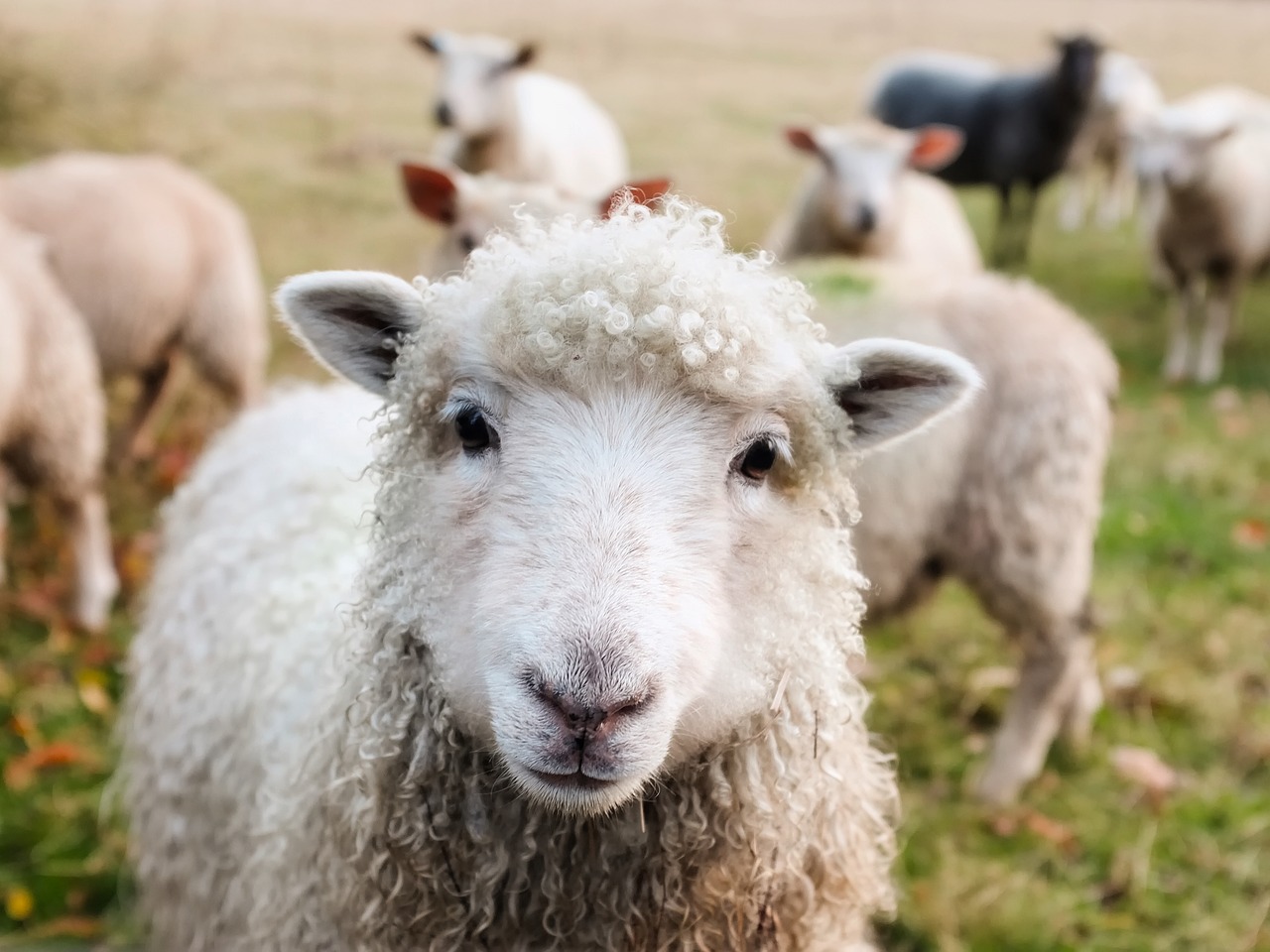
Step out back, however, and you’ll find a dozen chickens clustered in a shed, 15 sheep grazing under the protection of a coyote-kicking guard horse, and a trio of cattle watching it all lazily from behind a hot-wire fence.

The scene is not completely uncommon along the well-trafficked corridor. A handful of Reisen’s neighbors house goats, donkeys and chickens of their own.”

Read the FULL STORY at: “TimesFreePress.com

Grow a Fall/Winter Garden! Join the Monthly Seed Club, TODAY!

Fall UOG Seed Club GIF
ORDER BEFORE 11:59 PM PST November 4th to receive a shipment THIS MONTH! https://urbanorganicgardener.cratejoy.com/

Grow food ALL-YEAR-ROUND with us! Now is the perfect time to start stockpiling seeds for your fall, winter and even early spring gardens!All of our seed club members will be receiving varieties that are perfect for growing during the cooler months. Let us hand-select 5 varieties of heirloom, GMO-free seeds to ship to you EVERY MONTH!

TO LEARN MORE or SIGN UP just visit: https://urbanorganicgardener.cratejoy.com/


We’re on SNAPCHAT! [Let’s Get Snapping]

We want to be where our fans and fellow gardeners are, so we’ve headed over to snapchat and created an account! We hope you’ll share all of your awesome gardening successes/tips/and learning experiences with us over there.

Let’s be friends! Just use the snap code below to quickly and easily add us and see more great content from us, everyday!

SnapChat UOG IG


UOG SnapChat Logo

The Most Surprising Little Urban Farm in L.A. Is on a Mar Vista Side Street

Casamor-Farm-Beds-2-web

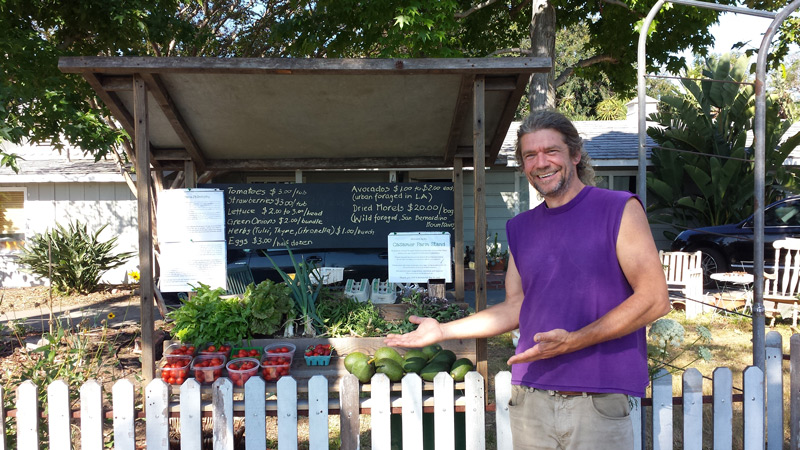
“Walk north past the Mar Vista Post Office along Grand View Boulevard and enter a tree-lined, residential street. Less than a block in, on the street’s west side, you’ll find a red ranch house surrounded by wooden furniture, an elliptical driveway, and a wooden stand with a blackboard menu that reads, “Take as many as you want, leave what you think they’re worth to you.” This is the unlikely setting for Casamor Farm, an urban farmhouse run by Andre Kohler that grows produce on-site on a Mar Vista side street.”

Casamor-Farm-Stand-Andre-Kohler-web

“His corrective mission extends to the wild, where Kohler frequently forages for mushrooms, acorns, nuts, berries, herbs, and flowers. His hunt covers the mountains, but also focuses right here in the city, where he snags fruit, avocados, and lemons. He’ll also “forage” frozen fish from grocery store dumpsters to feed his cats. He even prepares a “dumpster Thanksgiving dinner” prepared entirely from “trash,” a vision that brings to mind the dumpster diving documentary Just Eat It: A Food Waste Story.”

Read the FULL STORY at: “LAMag.com

Start Planning Your Fall and Winter Gardens NOW!

UOG Fall Club

Now is the time to start planting seeds for your fall/winter gardens. Let our Garden Guru’s hand select popular heirloom, GMO-FREE varieties for you to start each month, customized to your location and grow zone! (Think frost hardy crops or varieties that can be grown indoors such as sprouts, lettuces, leafy greens and MORE!)

Sign up today at https://urbanorganicgardener.cratejoy.com

During sign-up, just let us know whether you prefer to grow indoors, outdoors, in partial shade or in the sun. Do you grow hydroponically? Not a problem, we’ve got that figured out too!

Judge Rules Government Can Ban Vegetable Gardens Because They’re ‘Ugly’ ( UPDATE!!! )

Front-Lawn-Vegetable-Garden

It may come as a surprise to most of the people who grow vegetable in their garden, that in the US, it is illegal! At least, that’s what a case in Miami has brought to public light. Bear in mind that we are talking about the front yard, which in the view of the State, represented by attorney Richard Sarafan in the above-mentioned case, is in the legitimate purpose of the government to make it aesthetically pleasing. In other words, your front yard is subject to government guidelines, just as the front of your home is. And there is no `fundamental right to grow vegetables in your front yard`. So if you are planning to grow your own vegetable plant, organic or otherwise, make sure you do it in the backyard. You will not be bothered by the government and you can plant them in any fashion and style you desire.

See more HERE: “GoodHomeDesign.com

Top 100 Urban Blogs & Websites On The Web (UOG Made #6!)

architecture-2575511__480

Top 100 Urban Blogs And Websites On The Web
http://blog.feedspot.com/urban_blogs/

Congrats Winners!!

1. URBACT – URBACT is a European exchange and learning program promoting sustainable urban development. The URBACT Blog is a platform for sharing ideas on current urban issues and innovative solutions for cities in Europe and in the world.

2. Urban Survival Site – Disaster can strike at any time, so if you are unable to move out of the city, you need to know how to survive in the city. Follow this blog to learn about urban survival.

3. Urban Adventures – Stories about local life, city culture, and urban adventures.

4. Urban Travel Blog – Urban Travel Blog describes fresh ideas for city breaks in Europe and the rest of the world. Travel articles focusing on nightlife, trends, culture, and eco-tourism authored by expert travel writers, headed up by experienced travel journalist and editor Duncan Rhodes, who report on trends, experiences, festivals and nocturnal adventures in cities around Europe.

5. CityLab – Through original reporting, sharp analysis, and visual storytelling, CityLab informs and inspires the people who are creating the cities of the future—and those who want to live there.

6. Urban Organic Gardener –  (That’s US!) Urban-style organic gardening blog about growing your own food with limited space and creative resources.

Congrats to everyone who made the list! To see the other TOP 94 Urban Blogs CLICK HERE!

Enter to WIN a FREE 1 Month Subscription to UOG’S Monthly Seed & Garden Club!


Join UOG’s Monthly SEED & GARDEN Club!

🍉 Get Seeds & Garden Supplies Delivered Every Month – Fully Customized Around You! We are now preparing our members for Fall planting season! 👏 Visit: www.UrbanOrganicGardener.club

Subscriptions are only $9.99/month + s/h.

💧🌱💧 NOW AVAILABLE: Options for RAISED BEDS -&- CONTAINER GARDENS -&- TOWER GARDENS – & – HYDROPONIC SYSTEMS💧🌿💧

We’re making it easy for everyone to grow organic food all-year-round! 👍

Ready to sign-up or just learn more? Visit: www.UrbanOrganicGardener.club