
Choose the Best Garden Watering Systems

garden-hose-413684_960_720
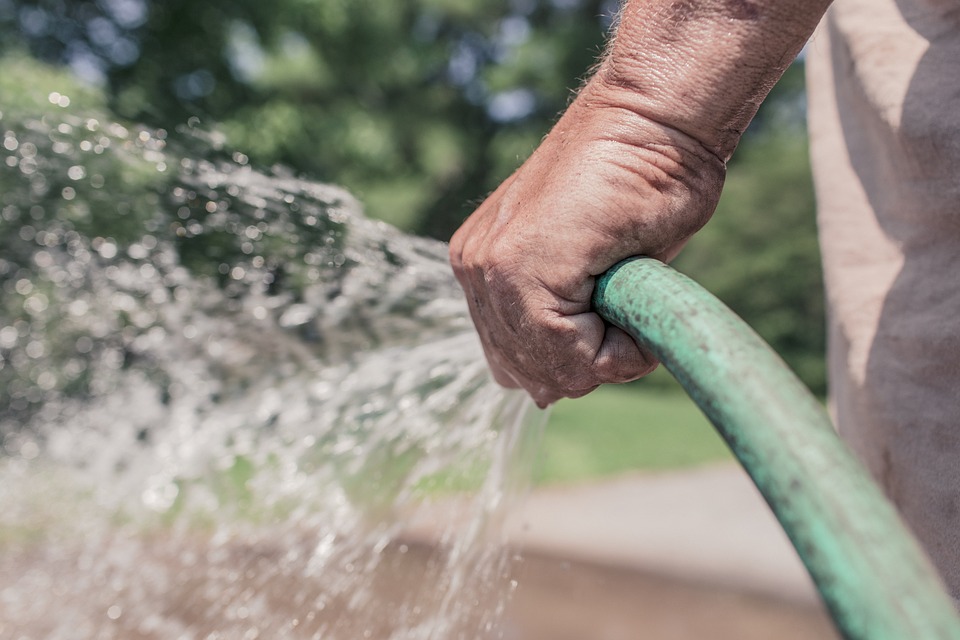
“Save water, grow food crops through drought and heat, and spend less on your summer water bills by using soaker hoses, drip irrigation, rainwater storage and other efficient garden watering systems in your plots.”

“The best watering methods will depend at least partly on planting arrangement and crop type. Planting leafy greens, onions and other shallow-rooted plants in blocks rather than rows will simplify watering, especially if you water by hand. With crops that occupy more time and space in the garden, such as beans, peppers, sweet corn and tomatoes, better options include using soaker hoses, drip irrigation or carefully managed ditches. Even with regular rainfall, crops that require a relatively large amount of water to thrive, such as beans and sweet corn, will almost always need supplemental irrigation.”

Read the full article at: “MotherEarthNews.com

Straw Bale Gardening 101

Cabbage-anyone-550x413
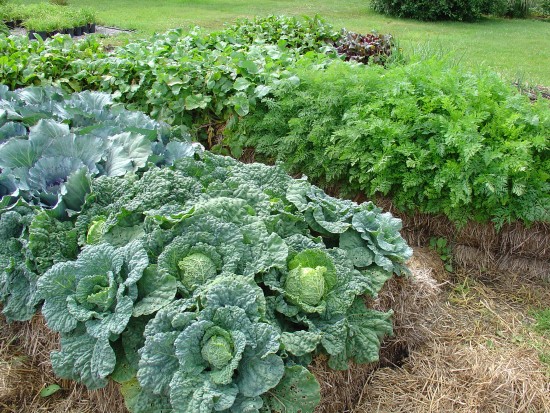
“Straw Bale Gardening provides many advantages over traditional soil gardening, some of which have already been alluded to: no weed seeds, no disease or insect carry over, and a neutral pH which allow you to grow essentially anything with roots. ”

“The raised height of the bales is a big advantage, eliminating the need to get down on the ground level to plant and harvest.  Soil is heavy and moving it around is labor intensive, while straw bales once in place eliminate much of the physical requirements of traditional gardening.”

Read the complete article and FULL DIRECTIONS on “How to Grow a Straw Bale Garden” at: “GardeningChannel.com

SF Recommits to Urban Agriculture During Housing Crisis

sf.bos_.0426
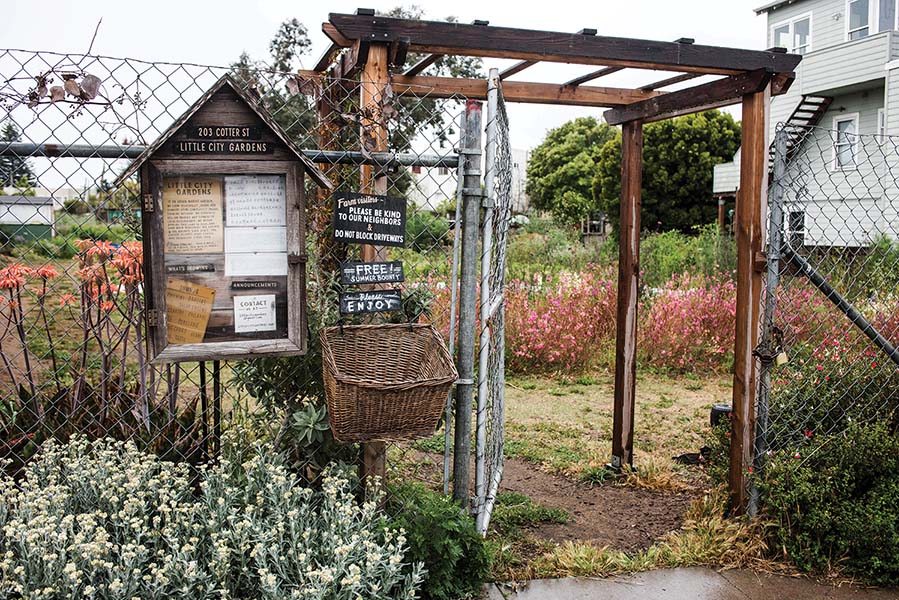
“With the loss of the Little City Gardens commercial farm last year and a fast-paced development boom, San Francisco’s commitment to urban agriculture is being put to the test.

But the Board of Supervisors unanimously approved a resolution Tuesday recommitting The City to urban agriculture and calling on city departments to evaluate parcels of land that could be well-suited for growing fruits and vegetables.”

Read the ENTIRE ARTICLE at: “http://www.sfexaminer.com/sf-recommits-urban-agriculture-housing-crisis/

A Seed Club That’s Completely Customized For You!

UOG IG seed club

When you join Urban Organic Gardener (UOG) you will be assigned a dedicated Garden Guru. Each month he/she will ship you a customized package for your garden.

We include everything you need. Your seeds and garden supplies are delivered to you at just the right time of the year to plant the seeds. Your package is customized based on your USDA Hardiness Grow Zone – growing medium – location – sunlight specs – and more.

Ready to JOIN? https://urbanorganicgardener.cratejoy.com

Delaware Volunteers Get their Hands Dirty on Earth Day

“The trees had waited a whole year for this. First potted as seedlings last spring, hundreds of them on Saturday got shucked from their small homes and upgraded to roomier accommodations thanks to the efforts of some 25 volunteers celebrating Earth Day. The effort was only the next step, however, in preparing those trees to reforest an overused Delaware campground — they’ll wait out summer in those new pots before getting into the ground in September.”

“I love doing Earth Day activities, and I especially love getting my hands in the soil and working with plants,” said Kristy Northrup, an agriculture graduate student at the University of Delaware.

Read the whole story at: “DelawareOnline.com

Tampa Man Finds Future in Urban Farming


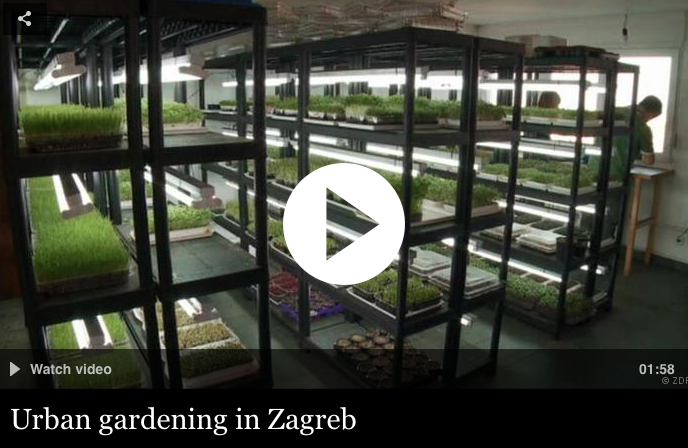
“Urban farming, the name alone may sound a little strange but this unique way of cultivating produce may be the way of the future. Using warehouses and artificial light instead of farmland and the sun an urban farm allows the farmer to control the environment. This can result lower water usage, eliminate the need for herbicides or pesticides and increase the crop yield per square foot.”

Read the original article at: “WTSP.com

2 East Bay Companies Redefine Urban Farming

IMG_0493-800x600
“One hundred miles, give or take, from farm to table, is the ideal maximum distance for produce to be considered local. But there are some companies that are greatly improving on that goal — instead of triple-digit mileage, they’re offering produce that’s grown within just a few miles. Even better, when there’s a short distance involved, delivery happens by bicycle or on foot, eliminating any reliance on fossil fuels.

Traditionally, this type of urban farming takes place in abandoned lots, backyards or parks. But two new East Bay companies are changing up that paradigm.”

Read the rest of the article at: “BerkeleySide.com

Educating and Uplifting East Oakland Kids Through Urban Farming

oak-farm-1202-768x510

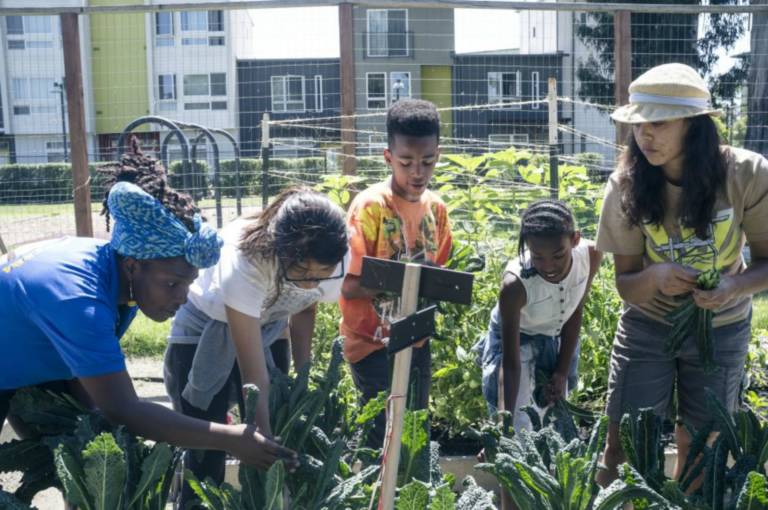
“It started with a lemon tree. Kelly Carlisle didn’t grow up gardening. She didn’t have a windowsill herb garden. She knew about farming, of course, but in her mind there was a disconnect: food just sort of showed up at the grocery store. She worked a corporate job, wearing fancy clothes and heels to work. But she had gotten laid off during the recession, and one day a few years ago, she ended up at a Bay Area nursery with her daughter. They bought a lemon tree, and as it slowly started to flourish, so did Carlisle’s interest in gardening.”

Read the REST of the ARTICLE at: “WWW.KQED.org

How to Dye Eggs, Naturally!

Examples

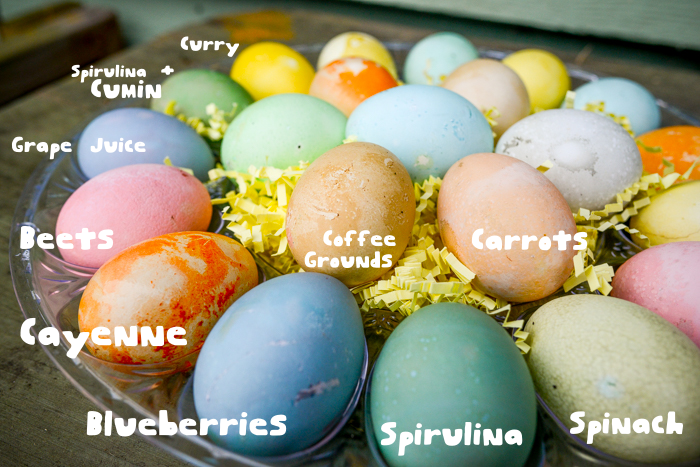
“Dying eggs this time of year is a tradition for many families.  Instead of purchasing kits at the store, try using natural ingredients you may already have growing in your own garden or stored in your kitchen pantry.   You’ll feel better about dying your eggs using organic and natural products that you already have at home.”

Read the FULL SET OF INSTRUCTIONS at: “SeedsNow.com

One Woman Rescues Fruit and Feeds The Hungry


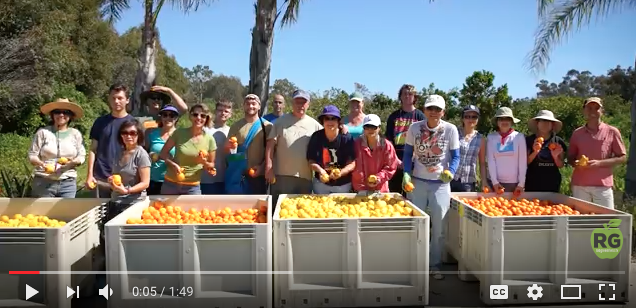
“Meet Nita Kurmins Gilson, the woman bringing fresh fruit to thousands of San Diegans in need. In 2009, Nita learned that 1 in 6 people in her county were going to bed hungry. She also saw an abundance of fresh produce going to waste all over the city. So, she connected the dots to be part of the solution for both food waste and hunger. She began by picking excess fruit from neighborhood trees and hand-delivered it to local food pantries. What started with “one woman, one box, and one car” has expanded to 300 volunteers, and they have harvested over 100,000 pounds of fresh fruit! Besides fruit trees, they also harvest excess crops from local small farms, and collect unsold produce from weekly farmers markets…all to feed children, families, seniors, veterans, and the homeless in need. Nita also speaks to and educates the community about sustainability and food justice. She co-founded ProduceGood with partners Jari and Alex White with the mission to feed the hungry and reduce waste, and she’s doing an amazing job!”

To learn more about Produce Good, go to:
https://www.ProduceGood.org

Video via: Rob Greenfield

All About Planting Tomatoes! [INFO-GRAPHIC]

Sun, Soil, Light, Pests & Timing

  • Sun: Tomatoes need lots of sun, so be sure to pick a spot without too much shade.
  • Water: Give your tomatoes about two inches of water every week all season, and give them extra water in the first few weeks.
  • Soil: Tomatoes do best in loamy, acidic soil, and it’s a great idea to plant them in soil that can be well-drained.
  • Timing: Shoot to start seeds six weeks before the Spring’s last frost
  • FertilizingTwo weeks after your first picking, is prime time for fertilizing. 
  • Pests: Plant some basil to ward off common tomato pests.
If you want a handy reference, check out this infographic from Sproutabl’s article on growing tomatoes.

Growing Tomatoes

Meet Brian Blum, The Sustainable Dad in San Diego

“Meet Brian Blum, a busy dad with a full time corporate job, who still makes time to create a sustainable paradise in San Diego. He has a small house on a small lot, but manages to do a lot with it. He grows healthy, organic food for his family and has planted close to 20 fruit trees, which are part of his permaculture food forest. In his aquaponics system, he raises fish and plants in a symbiotic relationship. Southern California suffers from drought, so he uses water wisely by harvesting rainwater, and reuses it by sending the water from his washing machine and sinks to his garden. His house is run 100% by the solar panels on his roof, and he composts everything he can to increase the fertility of his land and keep waste from the landfill. Almost everything he makes is out of reused materials. There’s even an off grid tiny house made from mostly recycled materials, and an outdoor compost toilet to turn his own waste into nutritious soil. He wants a world where his daughter can grow up and experience the same beauty he has, and he’s leading the way towards a happy, healthy earth through his simple daily actions.”

To learn more about Brian Blum go to:
https://www.facebook.com/OceanBeachPe…

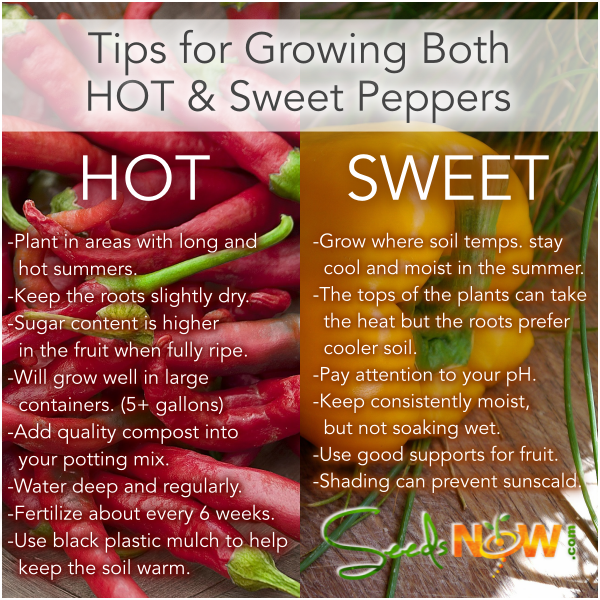
Tips for Growing Both HOT & SWEET Peppers!

hot_and_sweet_grande
When to Plant
Pepper roots don’t like to be disturbed, so plant them indoors in Seed Starting Soil Pods about two months before your last frost date, usually three or four seeds to a pod.

How to Plant
Peppers love full sun, but don’t plant peppers where tomatoes or eggplants grew previously, because all three are members of the nightshade family and are subject to similar diseases.

Read the full article at: “www.SeedsNow.com

Fight Stress with Plants & Start Your Own Urban Garden

640_3_The_planter_is_an_old_filing_cabinet_2017_04_03_15_30_14“It’s therapeutic in a way,” Sioco explained. “Psychiatrists recommend this type of hobby to depressed patients, kasi looking at green things make you more calm.”

“…maintaining even just a small garden for people with more hectic schedules. Watering and sunlight, he said, are the usual problems. “Usually they don’t have time to water every day.”

Read the FULL STORY at: “GMANetwork.com

JOIN THE SEED CLUB! Tell Us About Your Garden NOW…

March UOG Seed Club

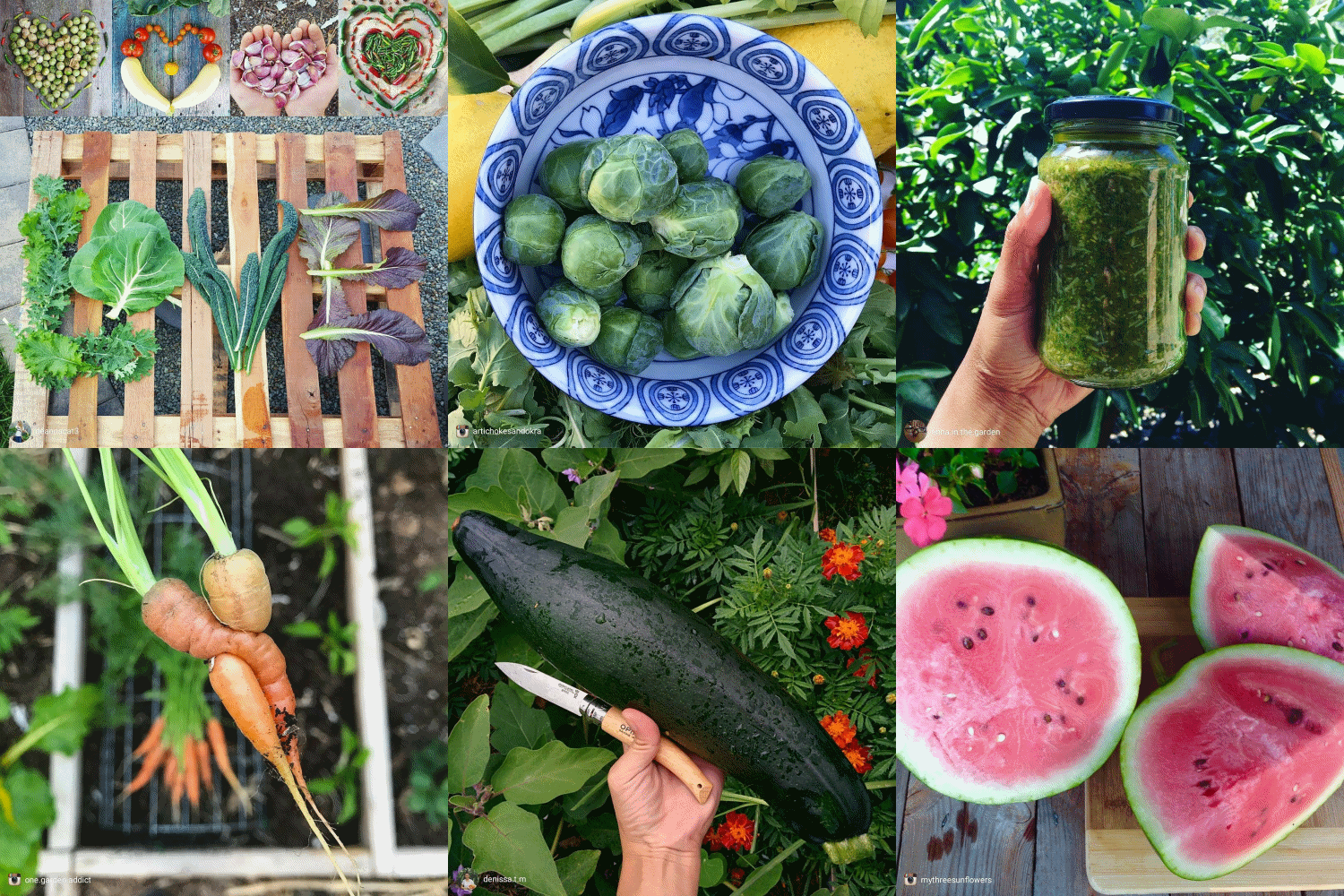
Get seeds & garden supplies delivered to you at just the right time of the year. Fully customized based on your grow zone – garden specs – sunlight – and more.
 
 
This is the easiest way to grow an organic garden all-year-round with totally raw un-treated GMO-FREE seeds.
 
We will guide you and your family on your way to living a healthier and more self-sufficient lifestyle. Join UOG today and let’s grow something together.

Urban agriculture director brings fresh produce to those in need

newsEngin.17741814_032617-city-ag-director-HS03

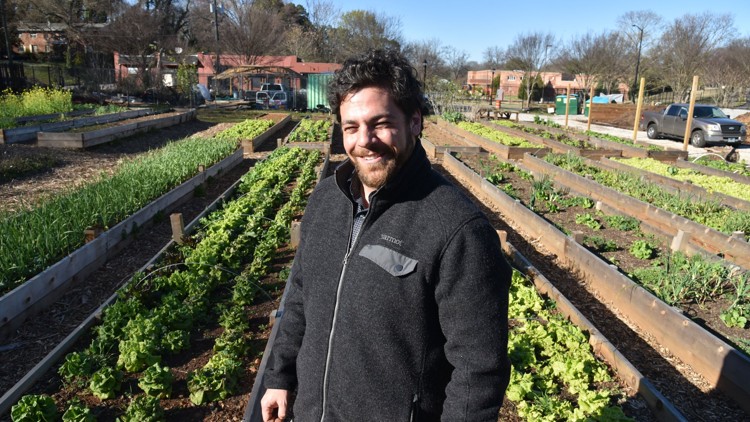
“At first glance, the urban Atlanta neighborhood of Washington Park doesn’t seem a likely place for an organic farm. But at the corner of Lawton Street and Westview Drive in west Atlanta, the non-profit organization Truly Living Well’snew Collegetown Garden brims with organic cabbages, kale, turnips, beets, carrots and more, all thriving in tidy rows of planter boxes. Pear, plum and apple trees blossom radiantly in the early spring sun, and a busy hive of honeybees buzzes away nearby.”

“This can really be a lighthouse for nutrition for this neighborhood,” says Mario Cambardella, the City of Atlanta’s first director of urban agriculture. Some might zero in on the signs of urban neglect and decay just outside the garden gates, but Cambardella is quick to point out the historic homes, the nearby elementary school and, on a street-facing the end of Truly Living Well’s new garden, the site of a future farmers’ market for the food being grown there.

“This is really building the local food economy. Urban agriculture can really transform a community.”

Read the FULL STORY at: “MyAJC.com

‘Gangsta Gardener’ Ron Finley Speaks in Pensacola

636250955544054630-Ron-Finley
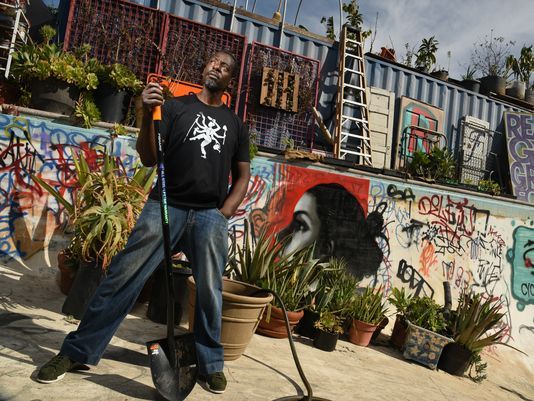
“Finley is nationally renowned for his efforts to cultivate sustainable food gardens in underserved neighborhoods. He’s traveled the country helping other communities replicate his successes, and this week he’s sharing his experiences with Pensacola-area students, service providers and citizens.”

“The same problems you guys have been having, with health problems and food insecurity, are all over the United States,” Finley told a group of service providers Tuesday at the United Way of Escambia County.

To read the FULL STORY, visit: “PNJ.com

Urban Farmers Grow Veggies in Freight Containers

636256430716312080-capture1

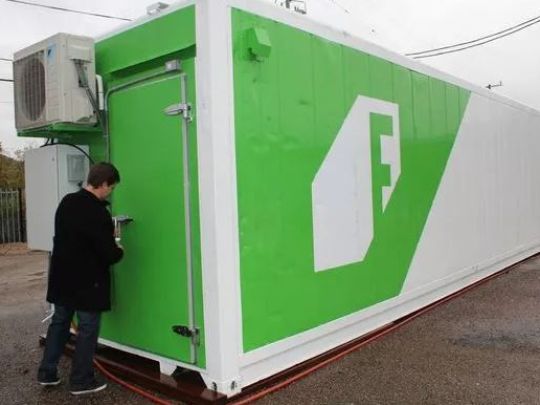
“Freight Farms started in 2010 with the goal of bringing viable, space-efficient farming techniques to all climates and skill levels year-round. It recently expanded to Arizona.

The cars are not cheap. Each container — the kind commonly seen on trains, trucks or ships — costs $85,000, not including shipping. Freight Farms calculates annual profit for each container to be an average of $39,000 annually.”

To read the entire story, visit: “USAToday.com