This 2-Acre Vertical Farm Produces More Than ‘Flat Farms’ That Use 720 Acres

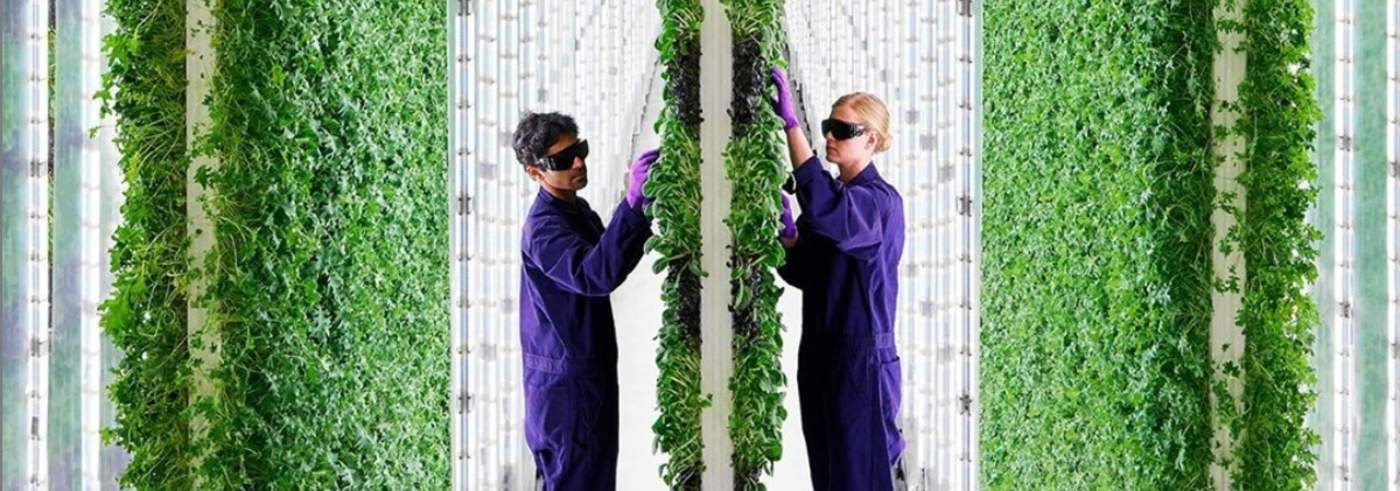
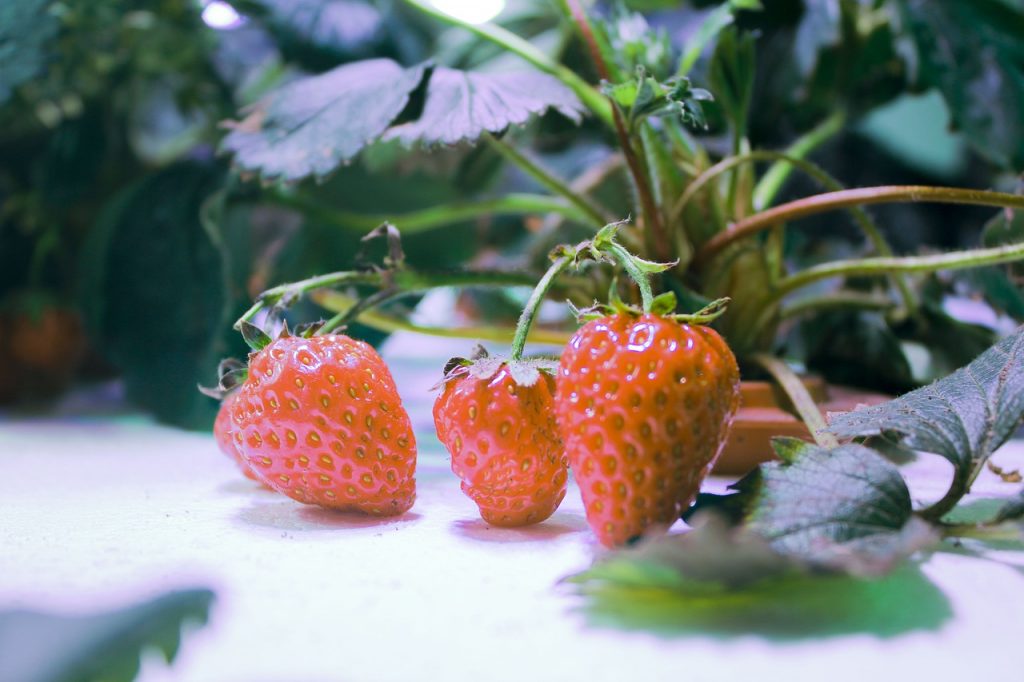
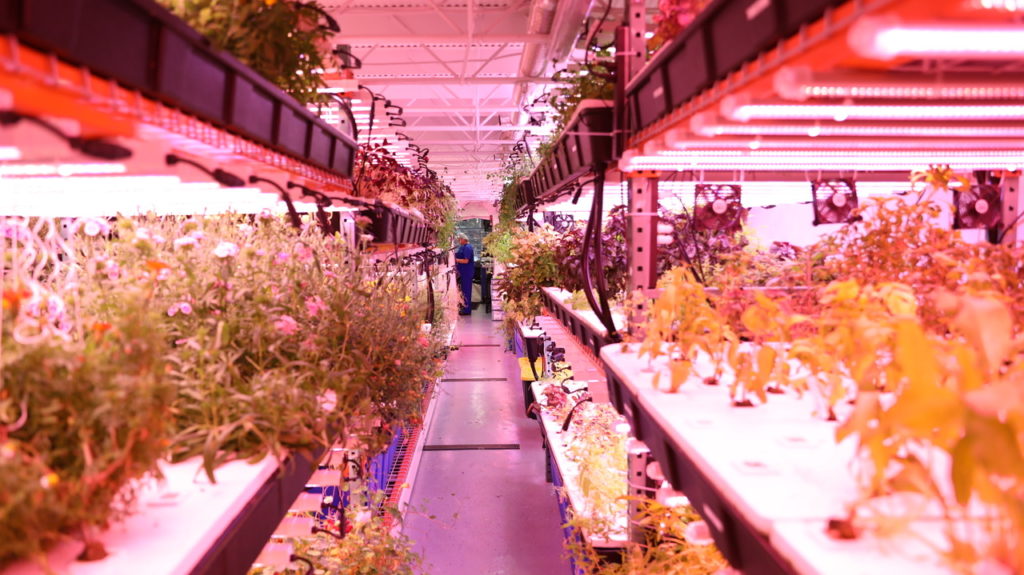
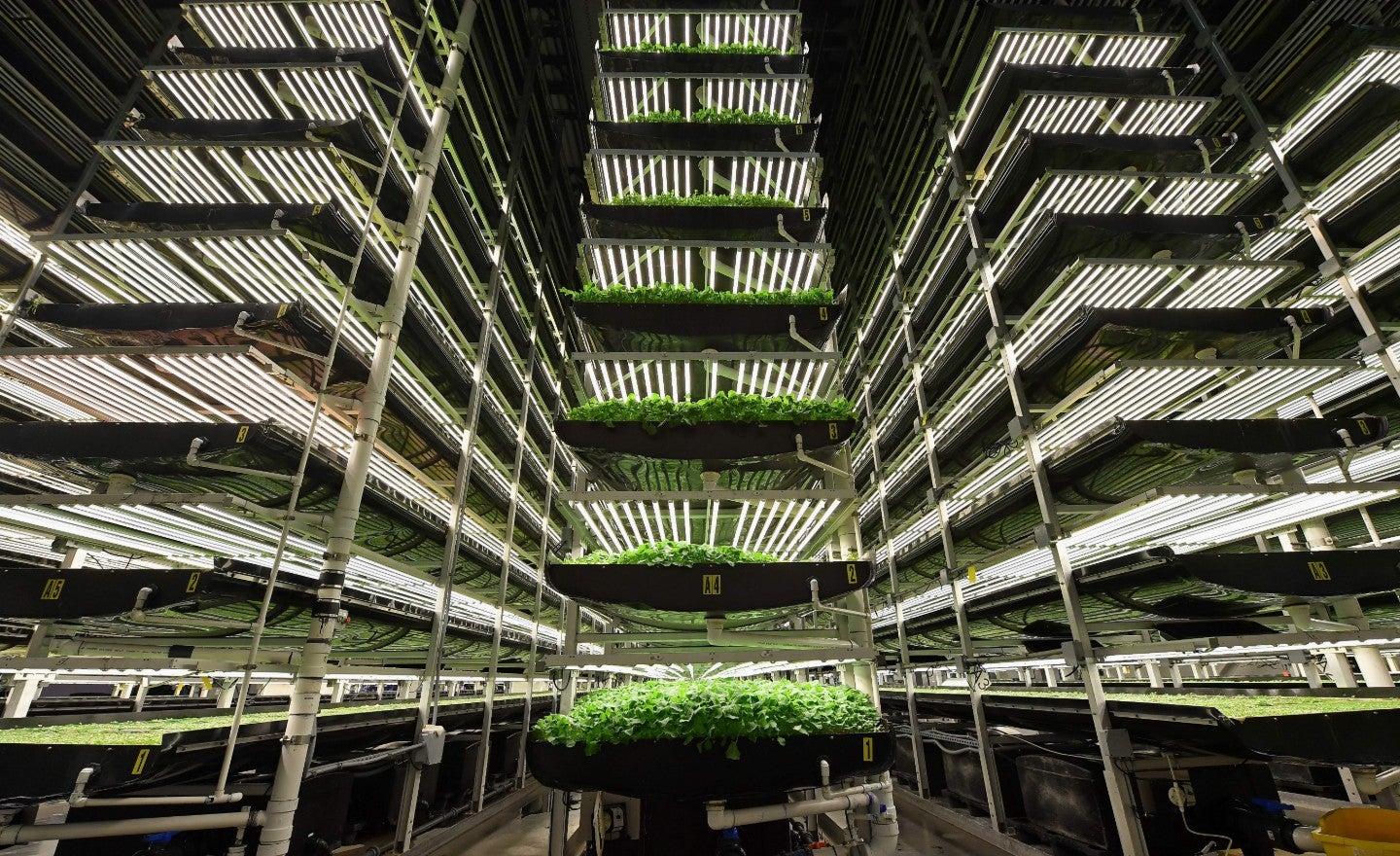
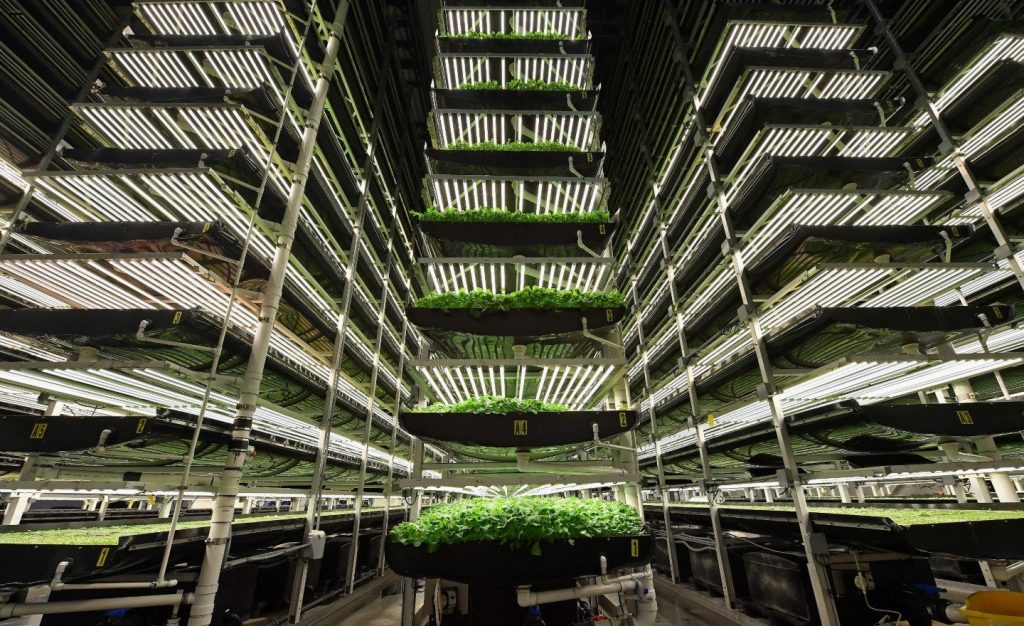
GOODNEWSNETWORK.ORG – From an ag-tech startup named Plenty, a two-acre indoor vertical farm produces yields that would normally require a 720-acre ‘flat farm’—and it can be done with 95% less water.

Saving water is critical in an agricultural state like arid California, where Plenty is set to supply fresh produce for 430 Albertsons grocery stores.

The vision is truly one out of Star Trek, with Plenty’s use of robotics and artificial intelligence to ensure perfect plants year-round.

The reasons to support indoor vertical farming are varied, ranging from climate-related benefits to removing cumbersome logistical challenges like long-distance transportation.

READ THE FULL ARTICLE: https://www.goodnewsnetwork.org/2-acre-vertical-farm-plenty-grows-350x-more/

Technology Helps Move Agriculture Indoors

ISRAEL21.C.ORG – Greenhouses and urban farm factories are expensive to set up but pay off in higher yield, quality and market value, growing all through the seasons.

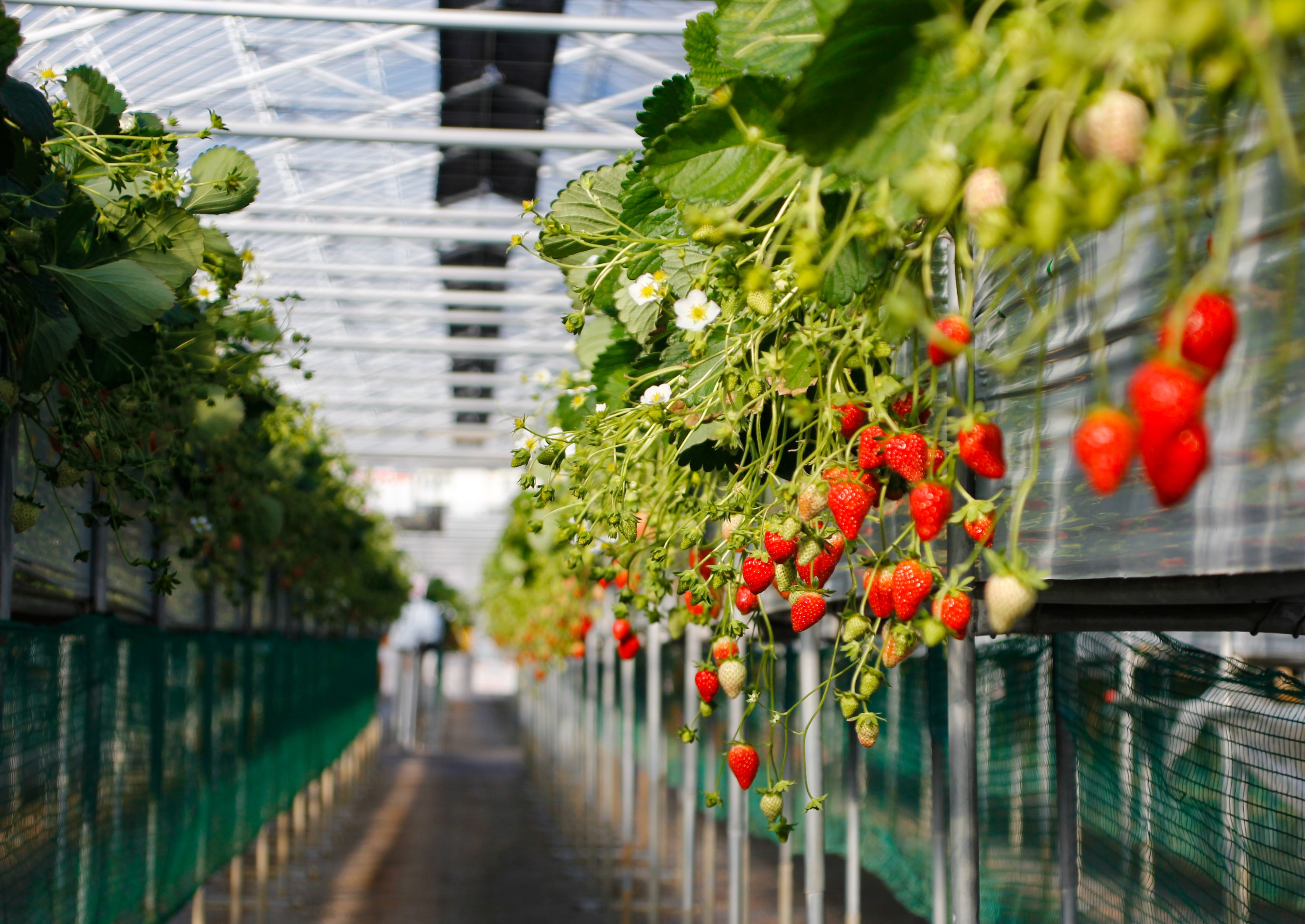
Grain crops will always need large fields. But tomatoes, leafy greens, peppers, and strawberries are some of the many fruits and veggies that thrive indoors under precisely controlled conditions.

Though it costs more to raise produce in greenhouses or urban “farm factories,” the payoff is higher yield, quality and market value. The plants can grow year-round with less fertilizer and pesticide.

READ THE FULL STORY: https://www.israel21c.org/the-technologies-helping-move-agriculture-indoors/

Urban gardening just got a whole lot easier and more sustainable

Vogue.com.au – How many dead plants are you responsible for? How many green-tinged dreams of becoming an amalgamation of Martha Stewart and Gwyneth Paltrow have ended in sad, withered herbs on your windowsill?

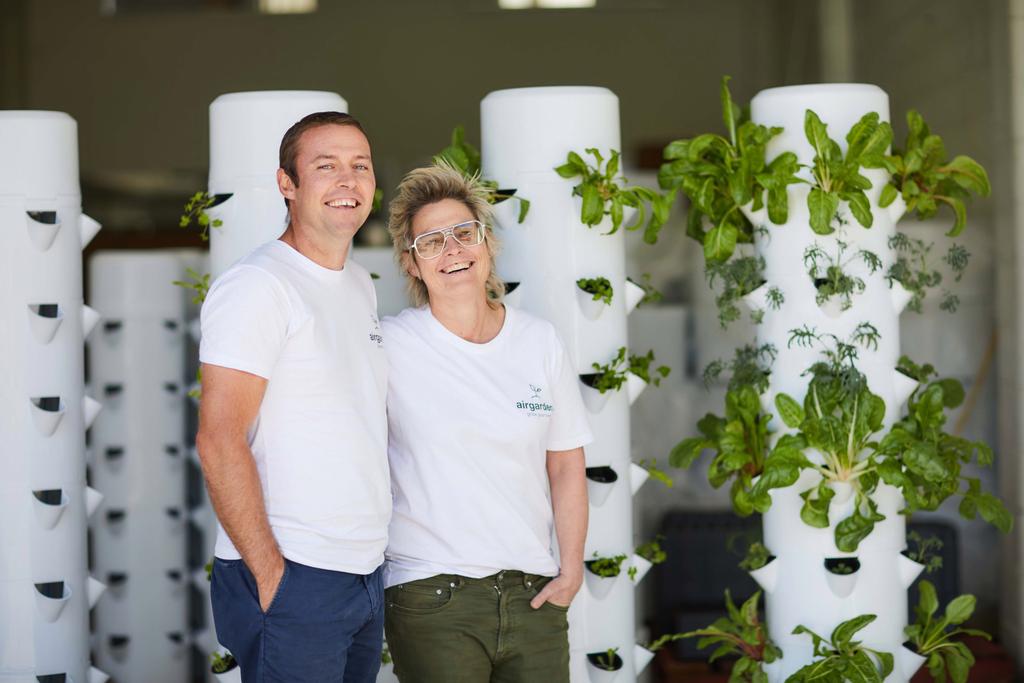
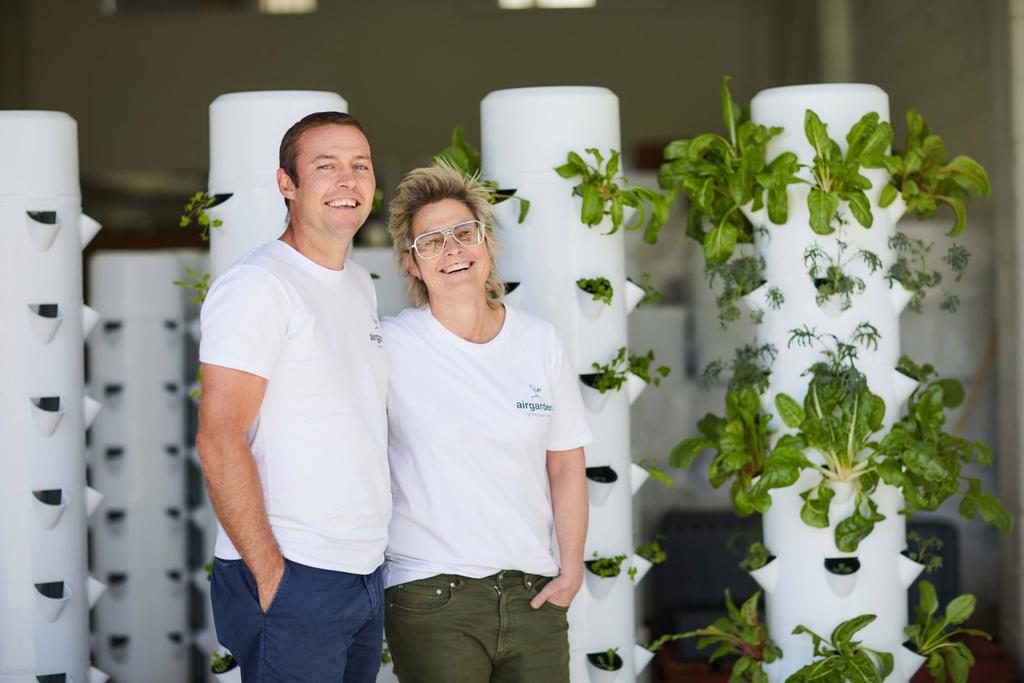
If you see yourself here and have minor amounts of regret or PTSD from killing plant after plant but still want to grow and garden, we may have just stumbled on the solution for you. Urban gardening is on the rise, as our homes are getting smaller and cities fuller, there’s still the urge to surround ourselves with greenery, especially if that greenery is ripe for eating. And Queensland-based Airgarden wants to help you do just that, by growing and gardening with their vertical, aeroponic garden.

READ THE FULL STORY: https://www.vogue.com.au/vogue-living/design/calling-all-green-thumbs-urban-gardening-just-got-a-whole-lot-easier-and-more-sustainable/image-gallery/202bc517e73c8cf6a5de1a8880a81d5c

Gardens of the World: Growing Influences

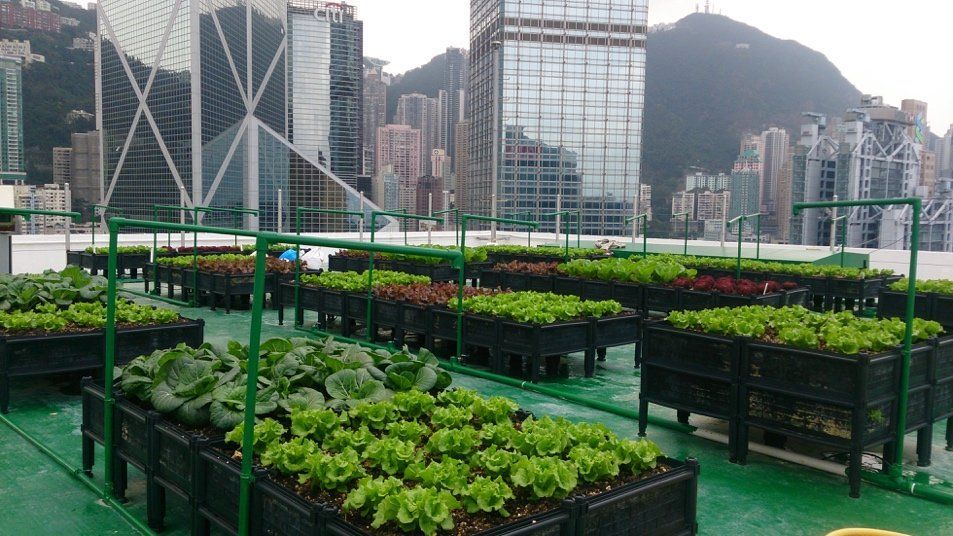
Roofs with vegetation are widely believed to extend roof life, conserve energy, and reduce stormwater runoff and air pollution; new studies show they can also boost the performance of solar panels. Plants reduce a roof’s contribution to the urban heat-island effect by lowering the surrounding air temperature through evaporation; this cooling can also make photovoltaic panels perform more efficiently. Plants also reduce airborne pollutants and dust particles, allowing the panels to absorb more sunlight.

GSFI CEO Madeline Cammarata comments, “In the last few years, rooftop gardening has been growing exponentially. The opportunity and necessity to grow crops on rooftops and inside tall buildings allows for efficient use of the limited space found in cities and we have the infrastructure in place to begin cultivating these structures alongside and even within a select group of our current projects.”

READ THE FULL ARTICLE: https://finance.yahoo.com/news/solar-urban-farming-implements-impactful-100000918.html


The Future Of Food: Inside The World’s Largest Urban Farm – Built On A Rooftop

TouChou/Pixabay

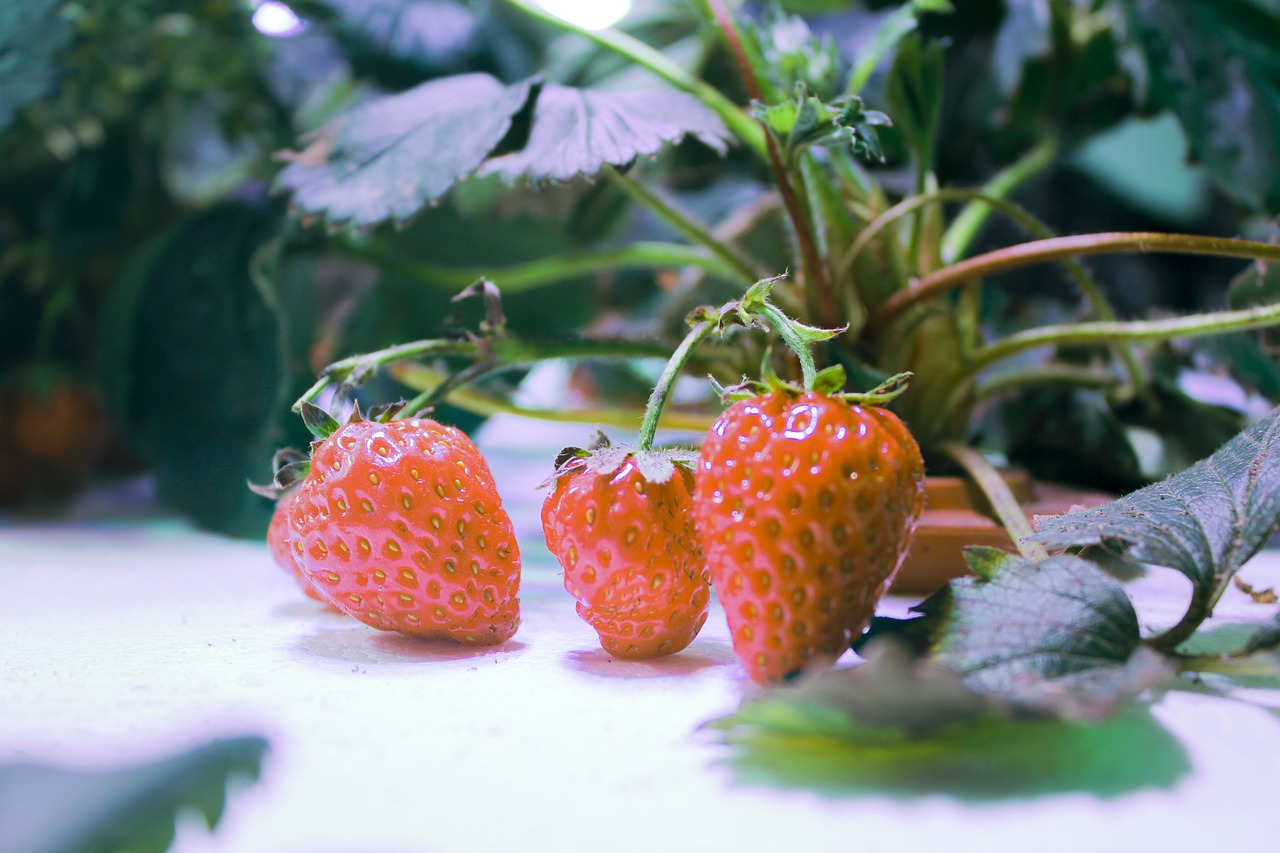
On top of a striking new exhibition hall in the southern 15th arrondissement of Paris, the world’s largest urban rooftop farm has started to bear fruit. Strawberries, to be precise: small, intensely flavored, and resplendently red.

They sprout abundantly from cream-colored plastic columns. Pluck one out to peer inside and you see the columns are completely hollow, the roots of dozens of strawberry plants dangling into thin air.

From identical vertical columns, nearby burst row upon row of lettuces; near those are aromatic basil, sage, and peppermint. Opposite, in narrow, horizontal trays packed not with soil but coco coir (coconut fiber), grow heirloom and cherry tomatoes, shiny aubergines, and brightly colored chards. (SEE PHOTO NOW!) -Sourced from The Guardian

READ THE FULL ARTICLE: https://livingarchitecturemonitor.com/news/2020/7/11/the-future-of-food-inside-the-worlds-largest-urban-farm-built-on-a-rooftop

How Arlington’s Only Commercial Urban Farm Shifted To ‘Community Supported Agriculture’

Thanks to changes brought about by the pandemic, Arlingtonians can now get farm-to-table produce delivered right to their door.

Tucked into an unassuming strip mall on Lee Highway, Fresh Impact — which we profiled in October — is the county’s only commercial urban farm. With no signage or disclosed address, Fresh Impact has been growing specialty ingredients such as edible flowers and microgreens for chefs in the local restaurant industry for over three years.

This past February, according to founder Ryan Pierce, the farm had its most profitable month yet. But a few weeks later as COVID-19 began to spread in the D.C. area, ultimately shutting down all dine-in restaurant service, Pierce said Fresh Impact lost every single customer.

“We were faced with a choice: do we shut it down and try to ride it out, which would have meant laying off our staff, or do we try to pivot to the consumer market?” said Pierce.

READ THE FULL ARTICLE: https://www.arlnow.com/2020/06/08/how-arlingtons-only-commercial-urban-farm-shifted-to-community-supported-agriculture/

Scientific Gardening: A Personal Experiment with Hydroponic Gardening

It’s that time of year again – to get your hands dirty and plant the yummy array of veggies you’ve picked for your garden. Traditionally, we plant our gardens in the ground, but last year my boyfriend and I investigated the topic of hydroponic gardening and were fascinated by the idea! He and I both being handy people plus his science major helped set us up for success with this new endeavor.

Don’t get me wrong, you don’t need to be super handy and/or have a science major to have hydroponic gardening work for you. When doing our research on how to get this project started, we found multiple pre-made kits you can buy online.

There are a couple of things to note if you want to try this project for your garden, which I will explain… roots cannot get direct sunlight indoors, therefore if you have five-gallon buckets laying around that you want to use, be sure the sun cannot penetrate through the plastic. When you hold the bucket up to the sun and can see through the plastic, similar to when you shine a flashlight on your fingertips at night, you need to spray paint them with a of couple coats until the sun can’t get through. Also, when it comes to nutrients and PH levels, be sure to do specific research on what your veggies will want.

READ THE REST OF THIS ARTICLE: https://www.sentinelsource.com/elf/scientific-gardening/article_f43ae68e-a5ba-11ea-8fe6-2f0b2336e337.html

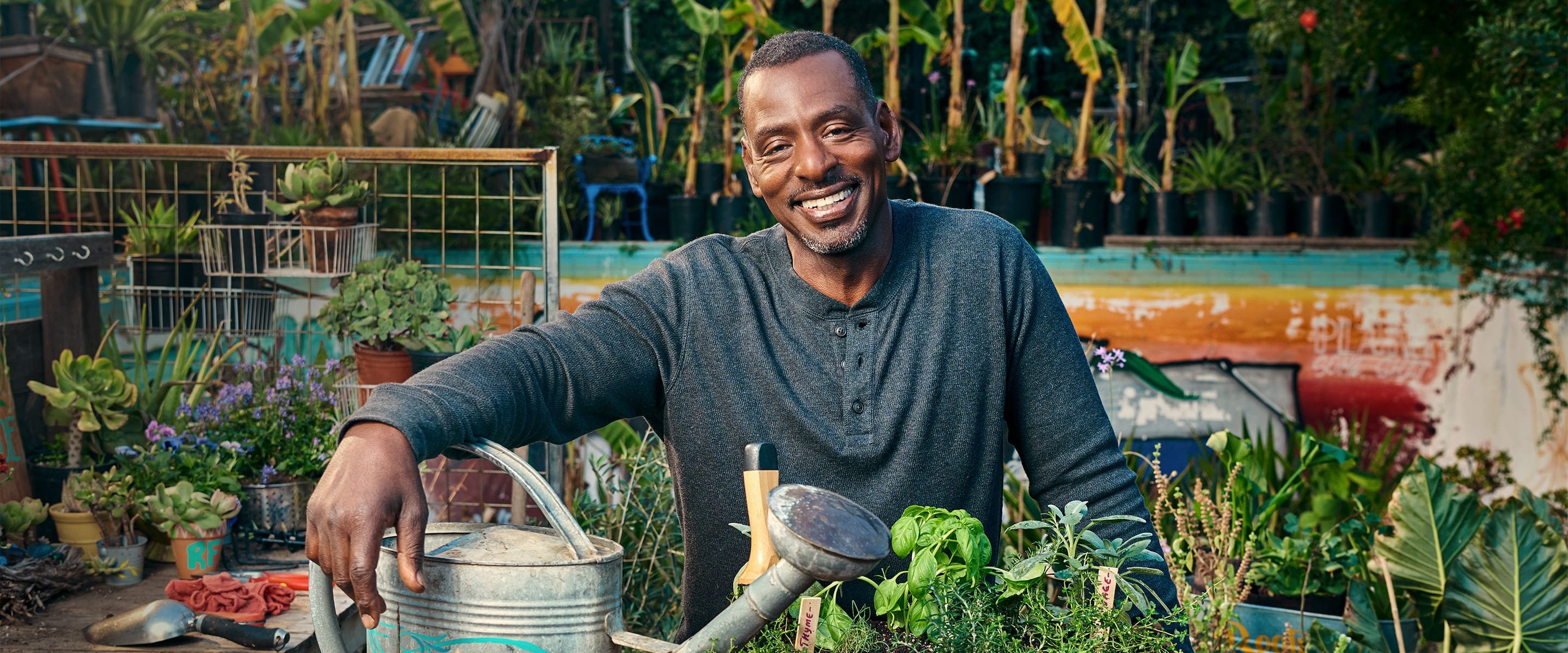
Ron Finley’s gardening MasterClass will teach you how to grow food & change your life

MasterClass.com

If you want to learn to grow your own food, there’s no better teacher than Ron Finley. Lucky for you, he now offers a MasterClass on gardening — and shared some tips to take to heart.

While California is one of the nation’s leaders in agricultural output, smog-cloaked and concrete-coated Los Angeles is hardly considered representative of the Golden State’s verdancy. But don’t tell that to South Central L.A. native Ron Finley, who in 2010 embarked on a guerrilla gardening project by growing food on the humble strip of soil sitting adjacent to the sidewalk in front of his house. Despite objection from local authorities, Finley persevered with his groundbreaking initiative, and the legend of the Gangsta Gardener was born.

TAKE AN ONLINE GARDENING CLASS NOW: https://www.masterclass.com/classes/ron-finley-teaches-gardening?utm_source=Paid&utm_medium=Affiliate&utm_term=Aq-Prospecting&sscid=61k4_2zswy


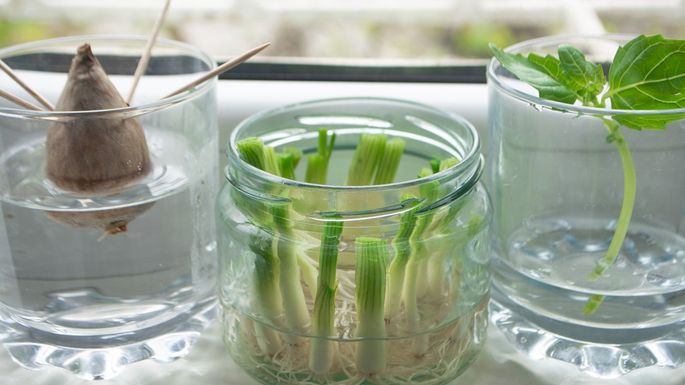
The Easiest Gardening Trick Ever: Vegetables You Can Regrow in Nothing but Water

Mehriban Aliyeva/Getty Images

These days, it seems like everyone is jumping into the victory garden trend, enjoying the benefits of a soothing activity in the fresh air while reaping fresh and tasty produce to eat. But even those who don’t have a yard, or just don’t want to get dirt under their nails, can still enjoy the miracle of growing something that’s destined for the dinner table—without even ordering vegetable seeds.

That’s because you can start an indoor garden from your kitchen leftovers. No soil required!

We talked to master gardener Linda Tyson, owner of garden design and maintenance company South Suburban Garden Girl, and Kevin Espiritu, author and the founder of Epic Gardening, to get their tips on growing vegetables without getting down and dirty.

READ THE FULL ARTICLE: https://www.realtor.com/advice/home-improvement/regrow-vegetables-in-water/

The indoor farm revolution – NASA INSPIRED

NOTE FOR 2020 READERS: This is the eleventh in a series of open letters to the next century, now just 80 years away. The series asks: What will the world look like at the other end of our kids’ lives?

Dear 22nd Century,

For all the pain, grief and economic hardship the 2020 coronavirus pandemic has sown, a handful of green shoots seem to have taken root in its blighted soil.

Green being the operative word, because many of these developments could be a net positive for the planet. In lockdown, many of us are seeing what our cities look like without smog. Office workers are experiencing office life without the office; just last week, Twitter announced that most of its employees could work from home forever, while much of Manhattan is reportedly freaking out about what could happen to commercial real estate. Thousands of companies just discovered they can still function, and maybe even function better, when they don’t chain employees to desks or force them to make a soul-crushing, carbon-spewing commute 10 times a week.

READ THIS FULL ARTICLE: https://mashable.com/feature/indoor-garden-farming-grow-your-own-food/

Texas A&M undergraduate initiates urban farm on campus

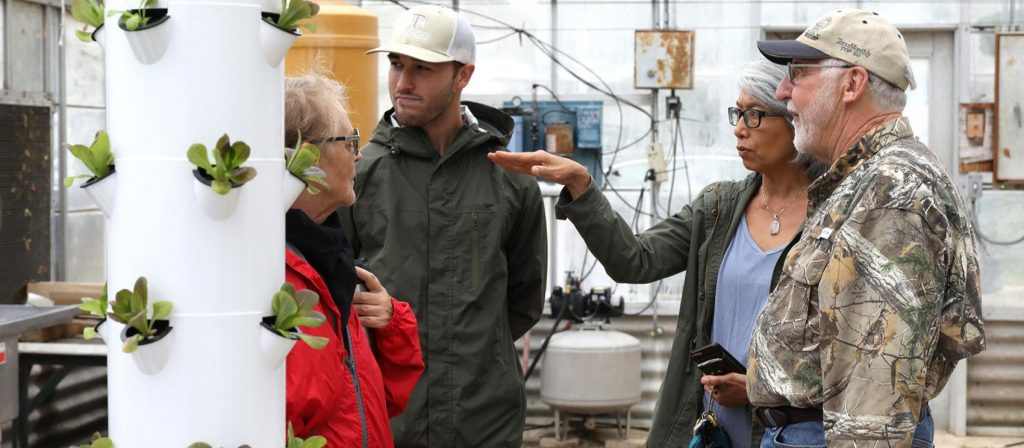
Urban farming comes in many forms, and now one of those, vertical farming, is helping feed students at Texas A&M University.

The project is part of an experiential learning initiative, which is a required part of the curriculum for undergraduates in the Texas A&M’s Department of Soil and Crop Sciences.

The department offers internships and study abroad opportunities to help students meet this requirement. Broch Saxton, one of the department’s December graduates, created his own internship as a student leader and greenhouse project director with Texas A&M’s Urban Farm United, or TUFU.

READ THE FULL ARTICLE: https://www.wacotrib.com/townnews/agriculture/texas-a-m-undergraduate-initiates-urban-farm-on-campus/article_16c8a60e-285b-503f-a422-77cd6deac43a.html

Produce with a purpose: Aquaponics farm employs adults with disabilities

CHEVIOT, Ohio (WKRC) – An unconventional farm is helping it’s westside community in a unique way.

o2 Urban Farms uses aquaponics to grow fresh lettuce. It’s produce with a purpose. The farm employs adults with developmental disabilities to assist in germinating, transplanting and harvesting the produce at its Cheviot facility.

“It’s a wonderful opportunity,” Kevin Potts, executive director of the Ken Anderson Alliance, said.

Urban Farms is working in partnership with the Ken Anderson Alliance while utilizing the facility space provided by Vineyard Westside.

READ THE FULL ARTICLE AT: https://local12.com/news/local/produce-with-a-purpose-aquaponics-farm-employs-adults-with-disabilities

This is where the food of the future will be grown

On a cold, blustery day while bare tree branches sway in the winter wind, vibrant, leafy salad greens packed with nutrition and bursting with flavor are flourishing at FreshBox Farms, an indoor vertical farm — where it doesn’t matter what the weather is outside — in Millis, Massachusetts, about 30 miles southwest of Boston.

With the world’s growing population expected to exceed 9 billion by 2050, the U.S. Department of Agriculture sees indoor vertical farms — which can operate year-round — as having potential in addressing food security. In a vertical farm, crops are grown in vertically stacked layers to save space and in a climate-controlled system to optimize growing conditions.

FreshBox Farms, which has been operating since 2015, joins a growing number of indoor vertical farms that have been sprouting up in recent years and spanning the country. These include 80 Acres Farm in Cincinnati,  which claims to be the world’s first fully automated indoor farm, all the way to the West Coast, where kale, tatsoi, beet leaves, arugula and mizuna greens thrive at the California-based Plenty.

READ THE FULL ARTICLE: https://thehill.com/changing-america/sustainability/environment/475977-vertical-farms-grow-the-food-of-the-future

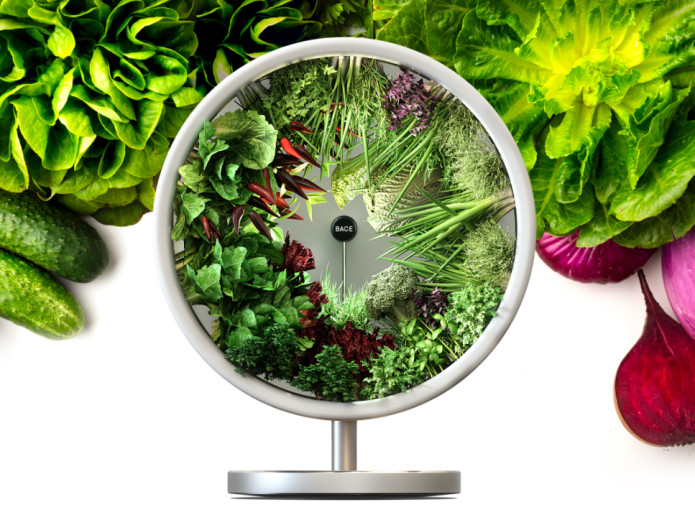
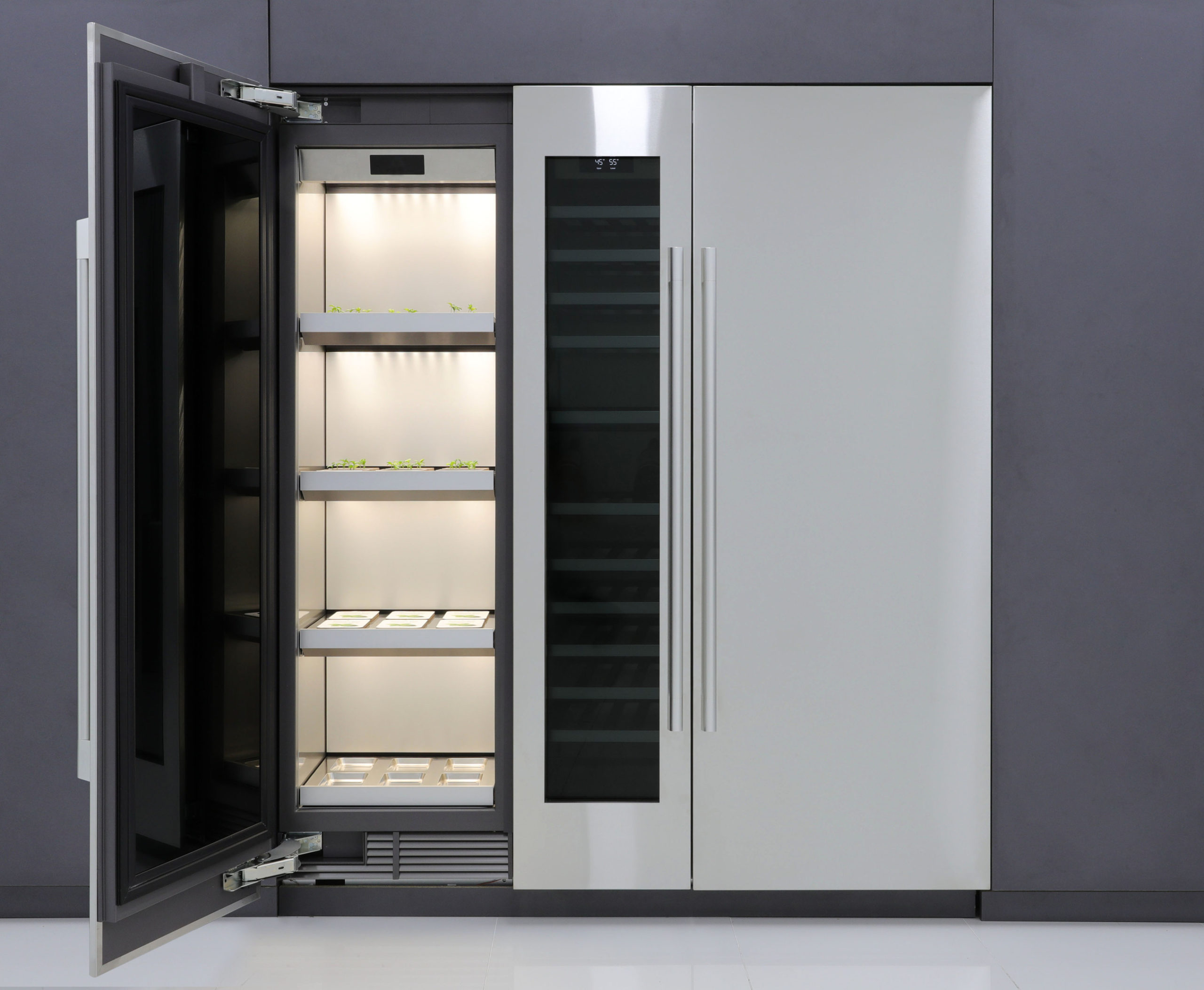
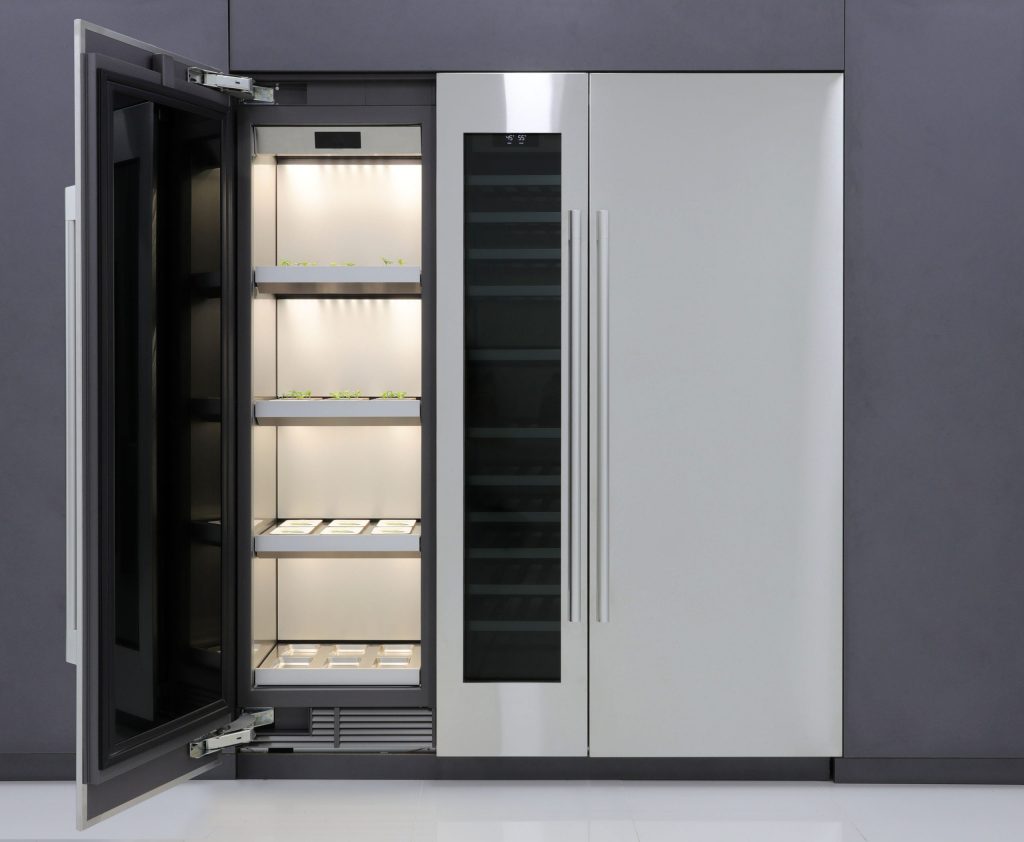
LG Will Unveil an Indoor Farm for the Consumer Kitchen at CES 2020

LG Electronics (LG) will unveil an indoor gardening appliance at CES® 2020, its first foray into the booming indoor gardening movement.

With CES right around the corner, the announcements are pouring in for new gadgets and products to be on display at the Las Vegas show, including those that will change the way we cook, eat, and think about our food.

Appliance-maker LG is the latest. The company announced this week it will unveil a smart gardening appliance for the consumer kitchen at CES 2020, one that uses advanced lighting, temperature, and water control to let consumers grow greens year-round inside their kitchens.

The as-yet unnamed appliance takes many of the functions found in commercial-scale indoor farming and applies them to a device specifically made for the average consumer. Software, controlled via the user’s smartphone determines the precise “recipe” of LED lights, air, and water the plants need and when that recipe should change based on the time of day. The goal is to replicate “optimal outdoor conditions by precisely matching the temperature inside the insulated cabinet with the time of day,” according to the announcement from LG.

READ THE FULL STORY: https://thespoon.tech/lg-will-unveil-an-indoor-farm-for-the-consumer-kitchen-at-ces-2020/

How Urban Farming With Hydroponics Can Help Feed the World While Saving Water

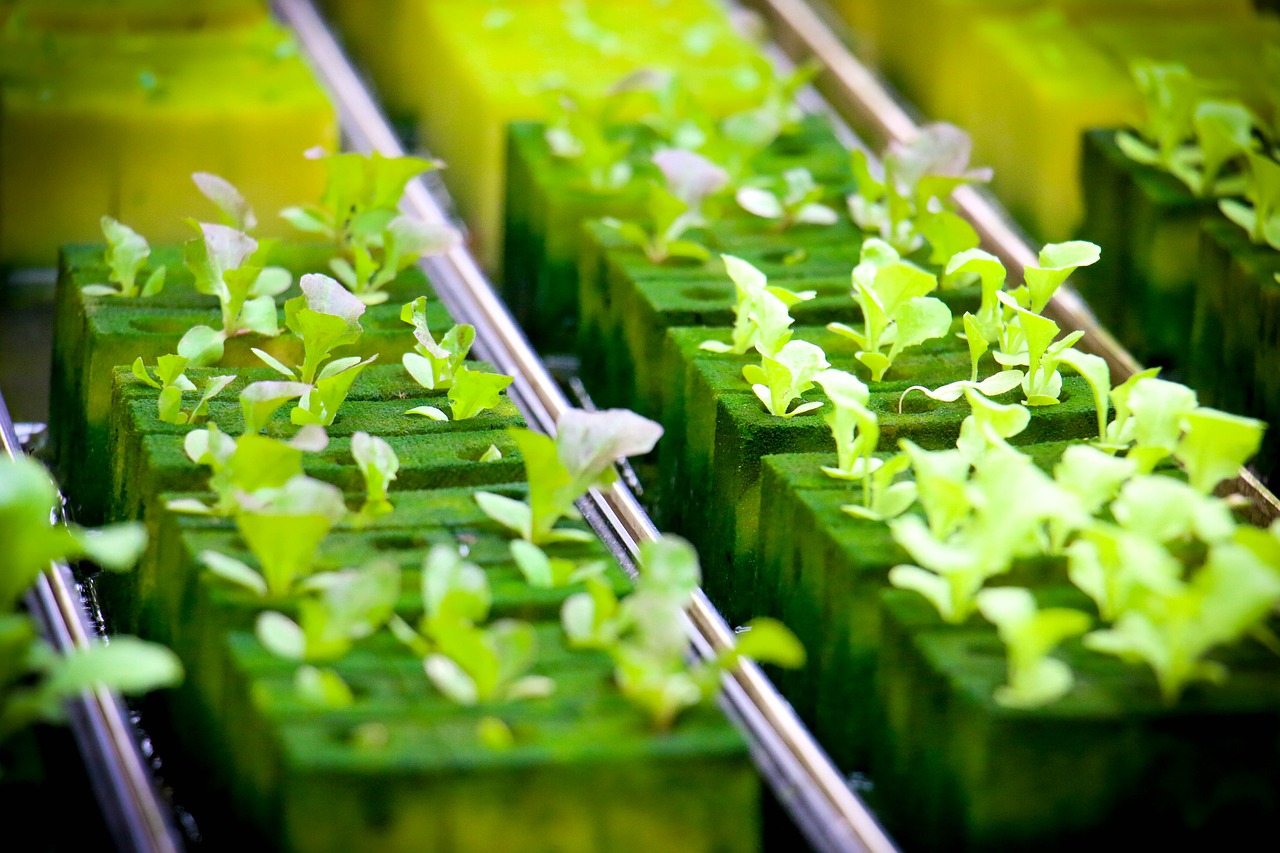
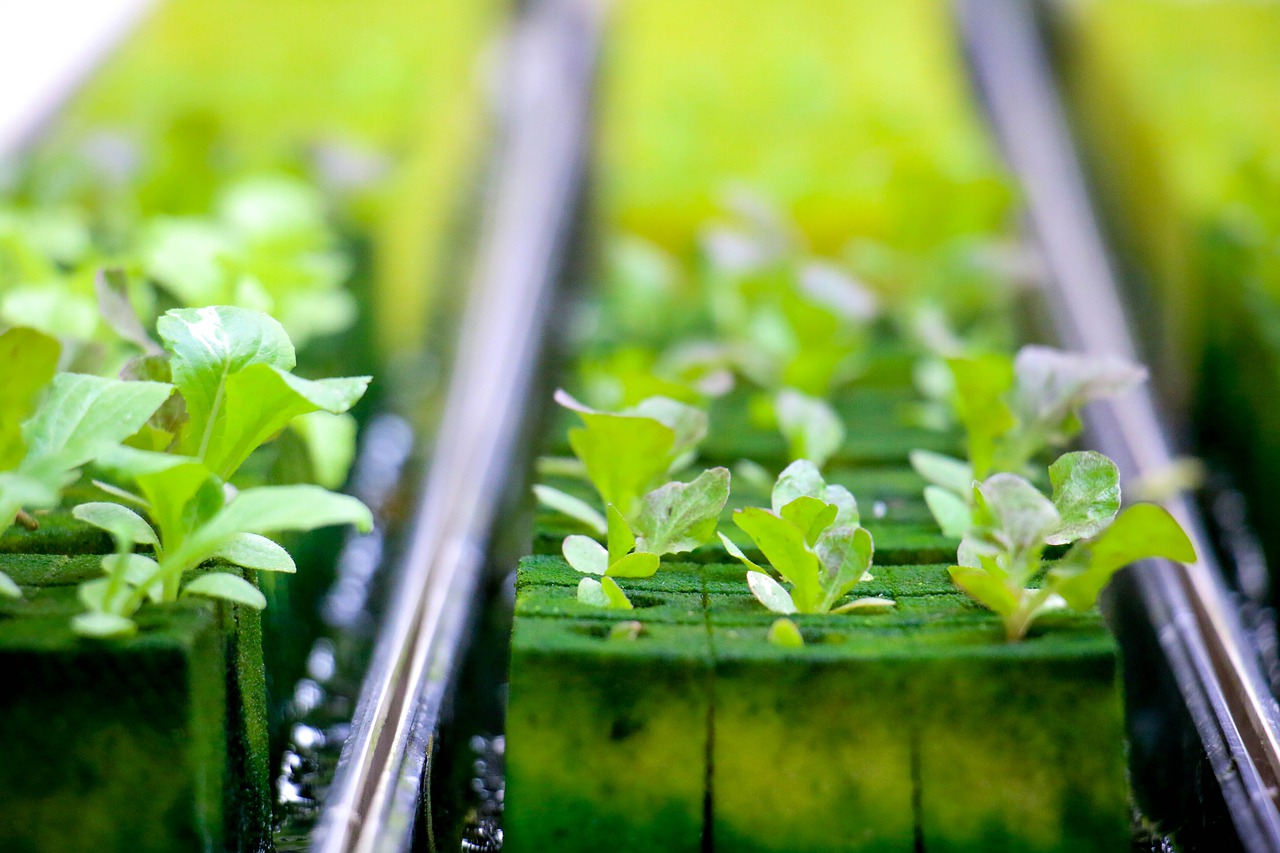
Unlike a traditional farm, the sprouting plants here grow without soil. They flourish atop vast racks with water trenches running through them that are slightly angled so that gravity helps the irrigation water shuttle around the closed system, instead of using energy-sucking pumps to move water around. Nutrients that the plants need are dissolved into the water, which comes from the local municipality’s supply. Any water runoff is purified, nutrient re-enriched, and released back into the channels.

The crops here grow year round and under relatively little stress, because conditions in the greenhouse, including the amount of sunlight and the temperature, are monitored closely by sensors. Water evaporation is also minimal.

READ THE FULL ARTICLE https://weather.com/forecast-change/marketing/news/2019-10-07-urban-farming-hydroponics-help-feed-world-saving-water

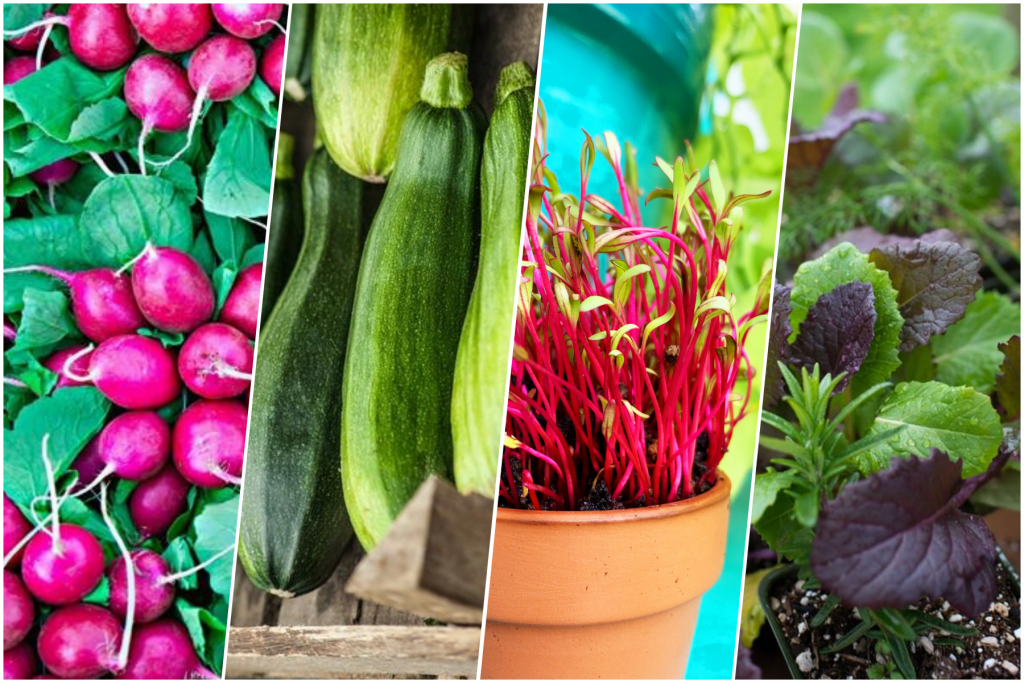
Quick Maturing Crops You Can Grow Almost ANYWHERE!

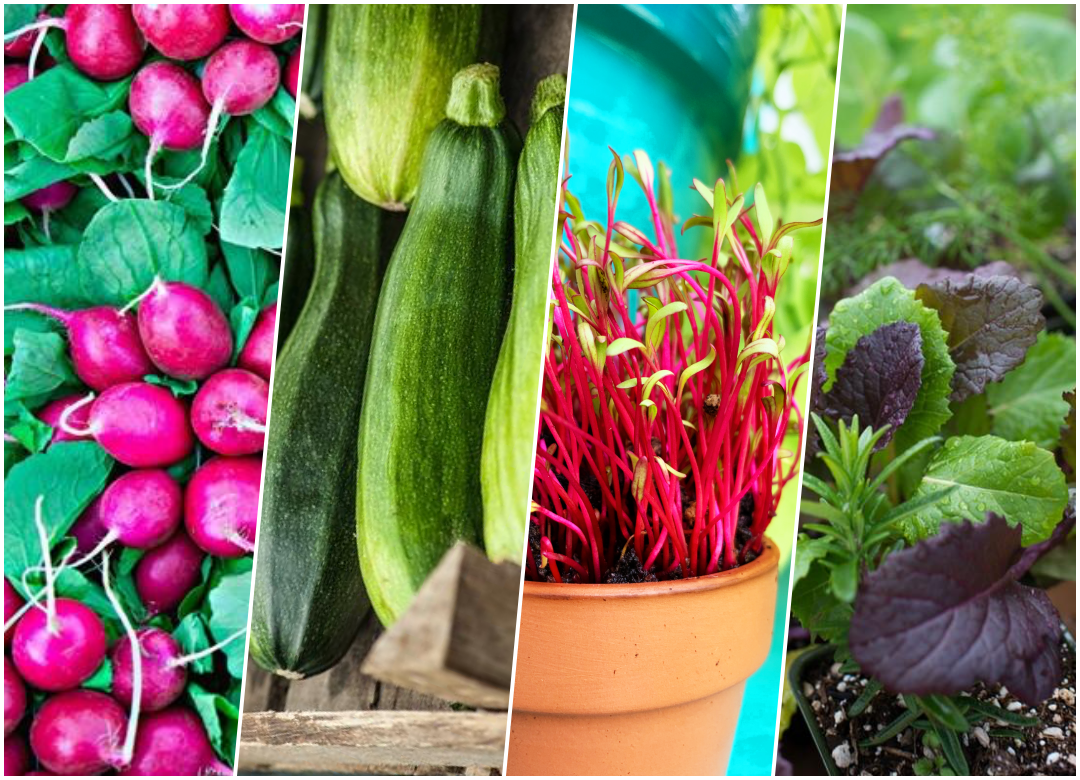
Don’t let space or time hold you back from growing your own food! There are plenty of things you can plant in your garden, windowsill or tiny patio that will produce in less than 45 days. In some cases, you can even enjoy homegrown food in less than 1 week! Here are our top selections if you’re short on time & space in the garden.
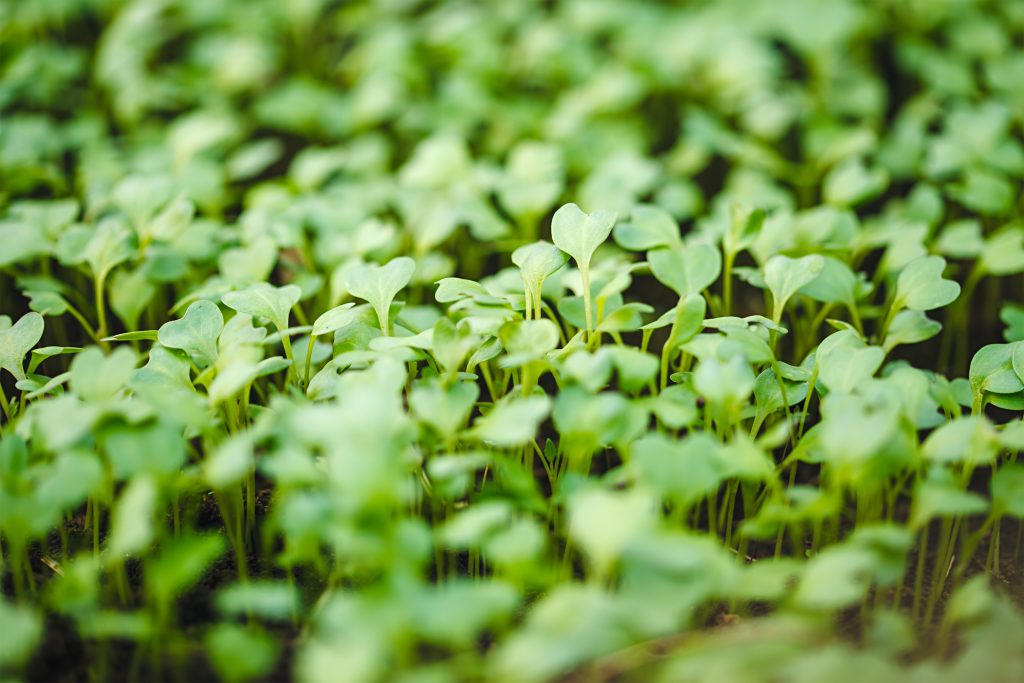
Sprouts / Microgreens – Ready to eat in 3 days to 2 weeks

Each and every living seed will grow into a plant. It’s when that seed begins to grow (germinate) that we call the beginning growth stage of the plant a “sprout”. They are a convenient way to have fresh vegetables for salads, or otherwise, in any season and can be germinated at home or produced industrially. Sprouts are said to be rich in digestible energy, vitamins, minerals, amino acids, proteins, and phytochemicals! See MORE Sprout/Microgreen Varieties, here! 
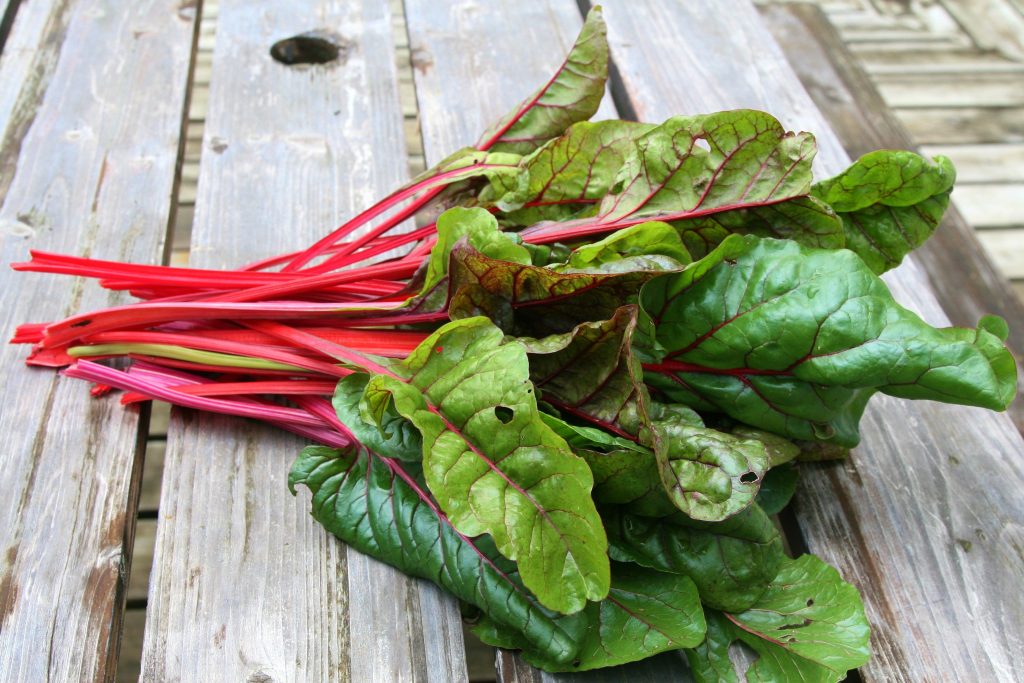
 

Swiss Chard – Ready to eat in about 5 weeks

Chard is a leafy green vegetable often used in Mediterranean cooking. Fresh young chard can be used raw in salads. Mature chard leaves and stalks are typically cooked or sauteed; their bitterness fades with cooking, leaving a refined flavor which is more delicate than that of cooked spinach. See MORE Swiss Chard Varieties, here!
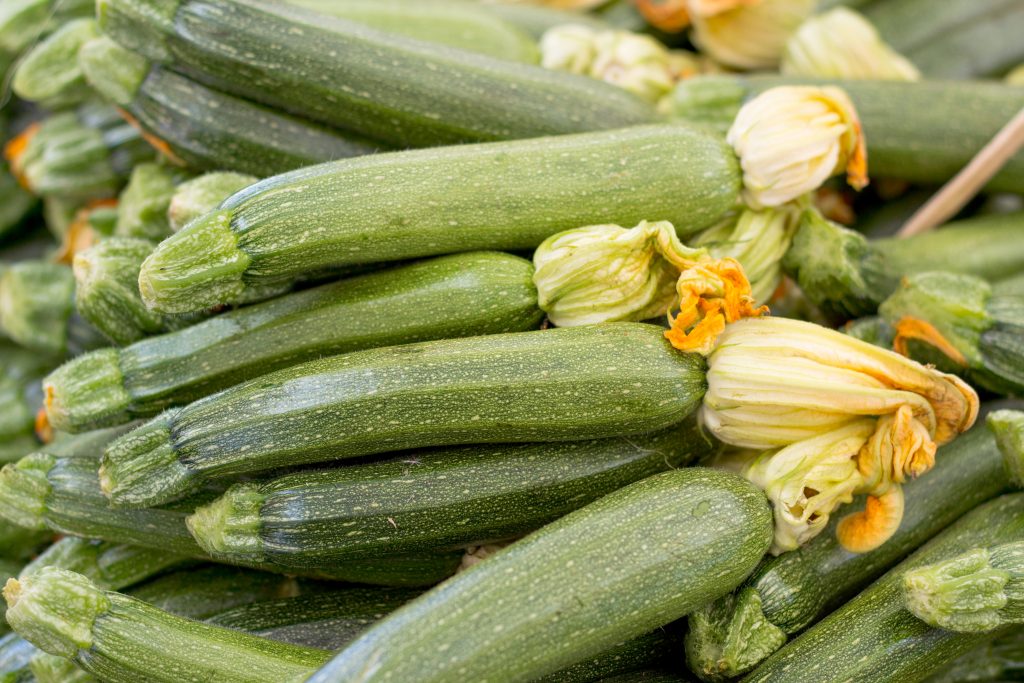
 

Zucchini Squash – Ready to eat in about 6 weeks

Though considered a vegetable in cooking, botanically speaking, squash is a fruit (being the receptacle for the plant’s seeds). Squash can be served fresh (in salads) and cooked (squash stuffed with meat, fried squash, baked squash). See MORE Squash Varieties, here!
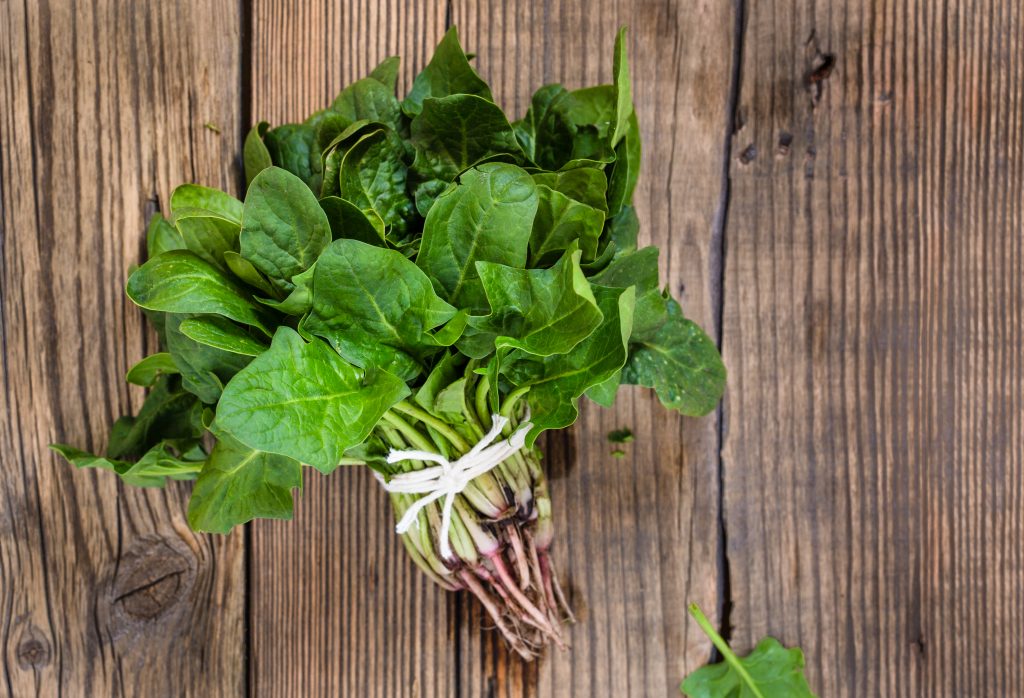
 

Spinach – Ready to eat in about 5 weeks

Spinach can grow anywhere there is at least a month and a half of cool growing weather. Spinach is a cool-season crop, hardy to frosts and light freezes. In rows 12 inches apart, space seedlings 3 inches apart. After thinning, cover the plants with row covers to keep the pests away.  (Soak seeds overnight before planting because it germinates slowly.) See MORE Spinach varieties, here!
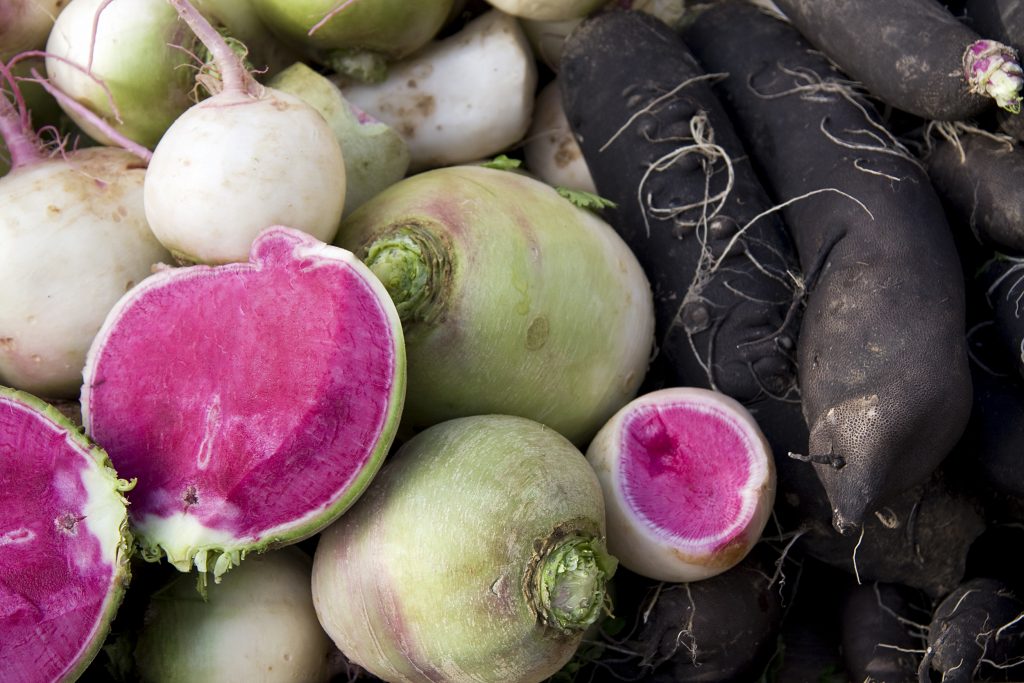
 

Radishes – Ready to eat in 4 weeks

Radishes are a fast-growing, cool-season crop that can be harvested in as little as twenty days.  Eaten raw they can be whole, sliced, diced, or grated. You can also cook and pickle them. Most of them are typically eaten fresh and make a good addition to a salad or a substitute to pepper on a sandwich. See MORE Radish varieties, here!
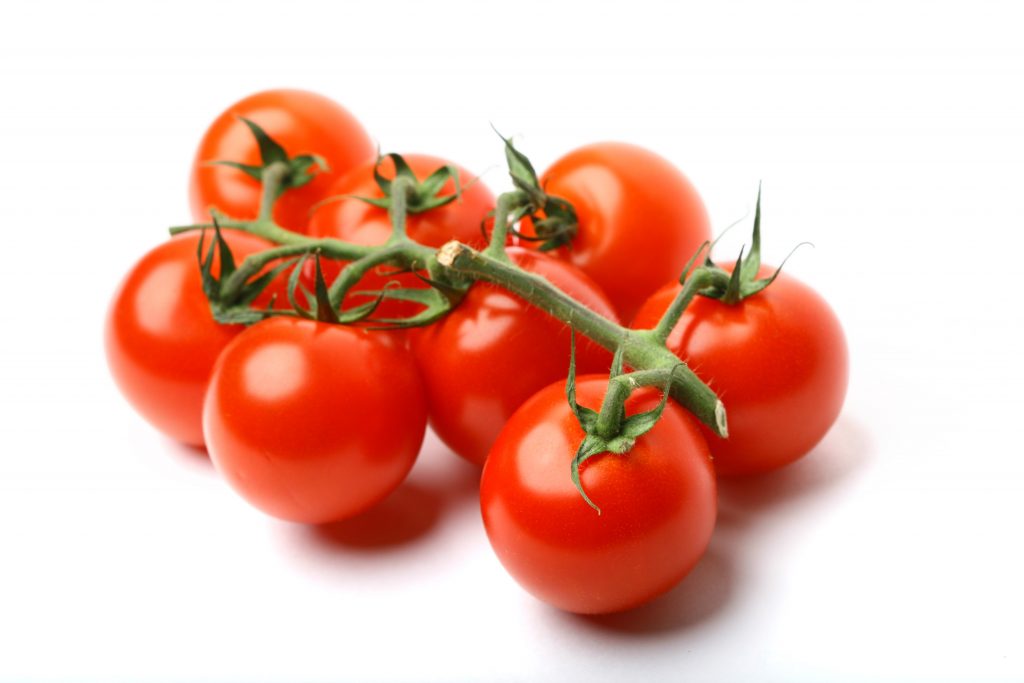
 

Tiny Tim Tomatoes – Ready to eat in about 6-8 weeks

The Tiny Tim tomato plant is a dwarf type plant produces excellent yields of ¾” – 1″  bright red cherry tomatoes. They are perfect for patio gardens. Grows well in pots, containers, and windowsill gardens. See MORE Tomato varieties, here!
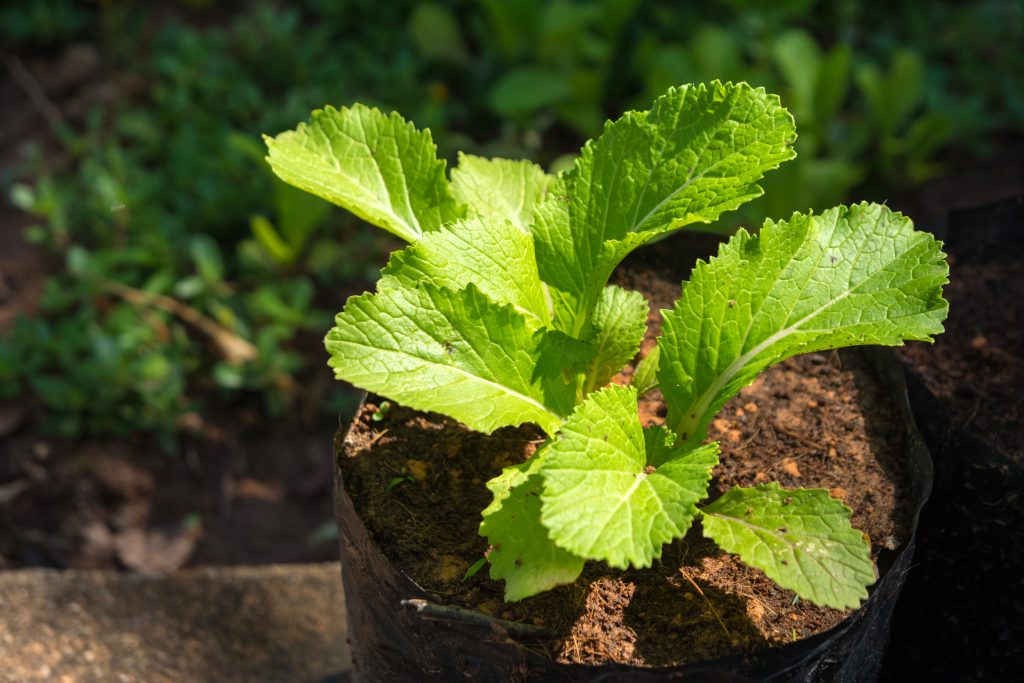
 

Mustard Greens – Ready to eat in about 6 weeks

Growing mustards are a quick and easy crop to grow in your home garden.  They are a spicy green, which will quickly become one of your favorite crops. When growing from seed, start them outdoors 3 weeks before the last frost. For a more steady harvest, plant seeds about every 3 weeks or every month to give you a successive harvest. Mustard greens prefer cooler weather, so plant late in the summer for a fall harvest, or very early in spring before the summer heat sets in. See MORE Mustard varieties, here!
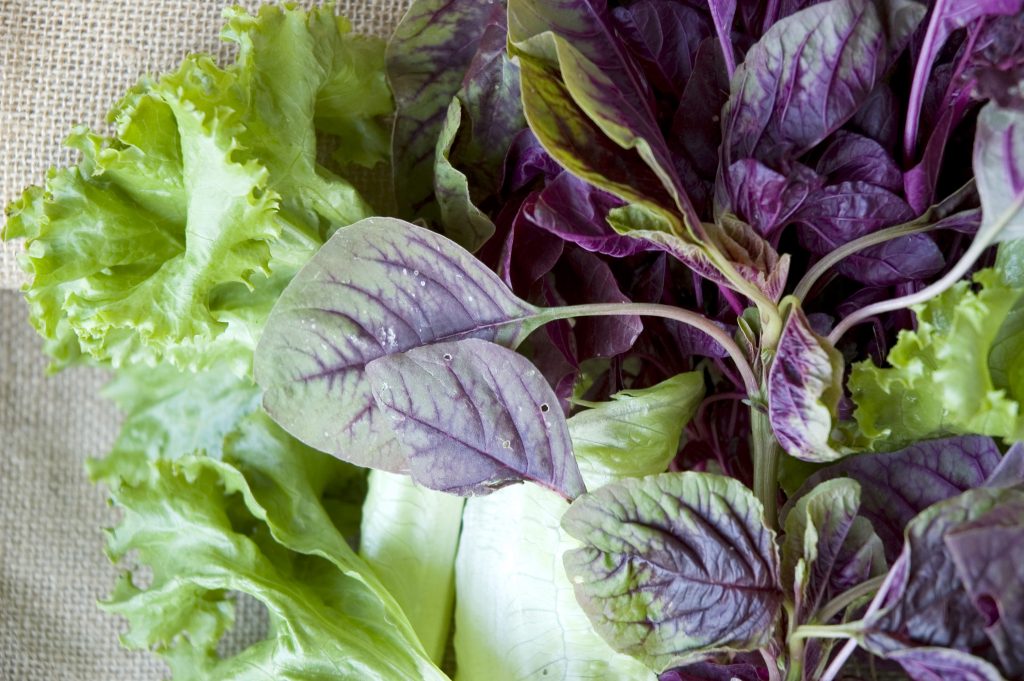
 

Lettuce – Ready to eat in as little as 6-8 weeks

Seed should be sown thinly in rows 1 foot apart; for leaf types, thin plants to 2-3 inches apart, then thin again by pulling every other plant when half-grown. This will encourage thickly developed plants. For head types, space rows 18 inches apart, plants 8-10 inches apart. Closer spacing results in smaller heads, which may be preferable for small families. Specialty growers are spacing lettuce very close for selling baby lettuces, a rapidly growing produce market. See MORE Lettuce varieties, here!

 

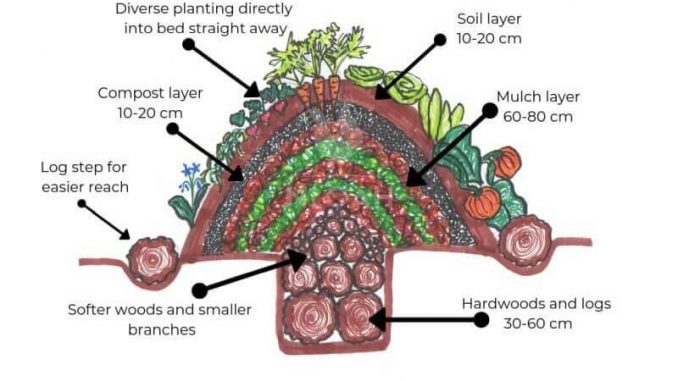
How to Build Hugelkultur Beds and Why You Need Them

The concept of a permaculture garden is to provide long-term solutions that maximize outputs and minimize inputs while cycling energy and resources through the system. This creates closed-loop efficiency within your system and prevents excess waste. In fact, one of permaculture’s most favored sayings is ‘there’s no such thing as waste, just things in the wrong place’.

Hugelkultur is a great example of recycling resources on your site to create long-term fertility in the soil. In doing this, you create beds that become more productive over time, helping to produce better quality crops with higher yields.

READ MORE ABOUT THIS New Life On A Homestead

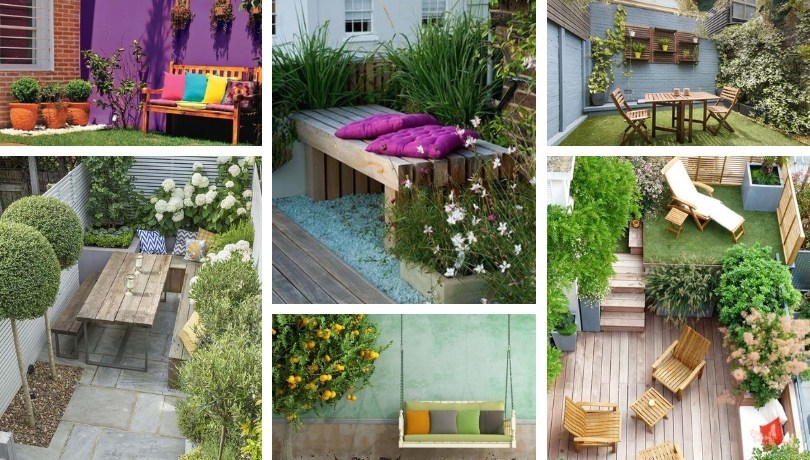
66 Inspired small gardens for houses and apartments

Inspired small gardens for houses and apartments

Many people have the desire to own a green area in their residence, so the small gardens have taken up space in the area of decorating and landscaping. To make a beautiful garden does not take many expenses, simply organize the essential items in stages and have a good taste in choosing the plants and accessories that will compose.

To start the project you need to keep in mind which plants you will use. It is recommended not to mix many types of flowers and foliage so as not to spoil the sense of balance of the environment. Another important item is to see the size of the plants to suit the space.

Using the pebbles and lawn as flooring is a good option to have a beautiful and clean garden. The cool thing is to go drawing with these materials, tracing paths and alternating with some plants.

For garden furniture, use few accessories and with simple lines. A pair of armchairs, a small table, bench with cushions or even those futton mattresses are enough. Nothing to carry too much environment, because this is not the proposal for the garden. Use vases to decorate the place and for those who live in an apartment is the most practical way to conserve a garden.

Check out our ideas of beautiful little gardens to inspire you: https://mydesiredhome.com

Gardening Made Easy With Straw Bales!

Image credit: Ruth Temple @ Flickr

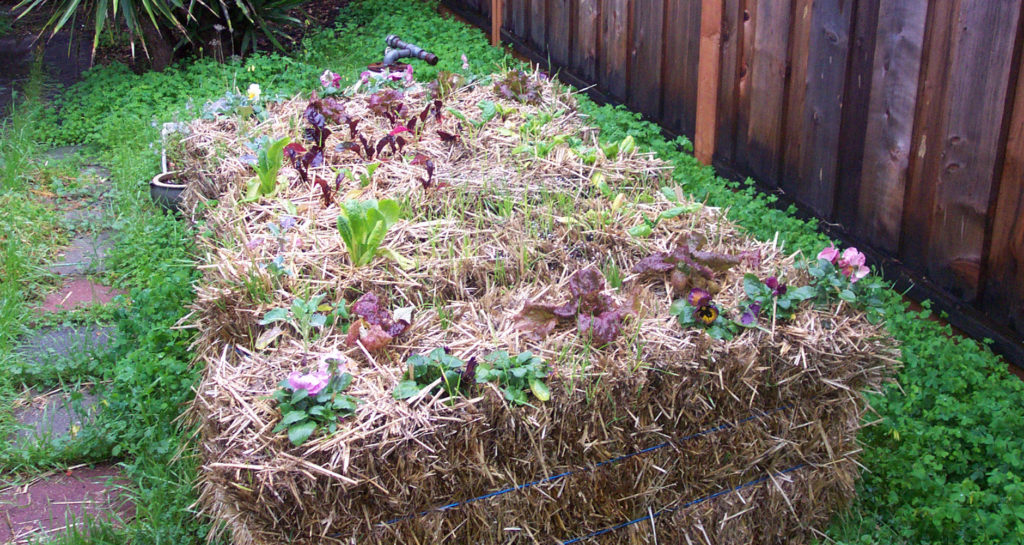
Gardening can be tricky even when you are graced with good soil, but what if you’re dealing with unpleasant growing conditions? Or does the very idea of endless weeding give you a backache? Starting a straw bale garden this spring may be the answer to all your gardening prayers. This method of gardening uses bales of straw as your garden beds — with no soil — and is a versatile, thrifty, and easy way to garden.

What Is Straw Bale Gardening?

Straw bale gardening is essentially a form of container gardening with the container being the bale of straw itself. Straw’s hollow tube design helps to soak up and hold moisture, making it an ideal material for growing vegetables. These mud-free and weed-free gardens can be started anywhere that gets six to eight hours per day of direct sunlight. Arrange as few or as many bales as you wish right on your lawn, or even in your driveway (maybe you will inspire a neighbor or two!).

READ THE REST OF THE ARTICLE AT https://www.farmersalmanac.com