Urban Roots celebrating 50th anniversary

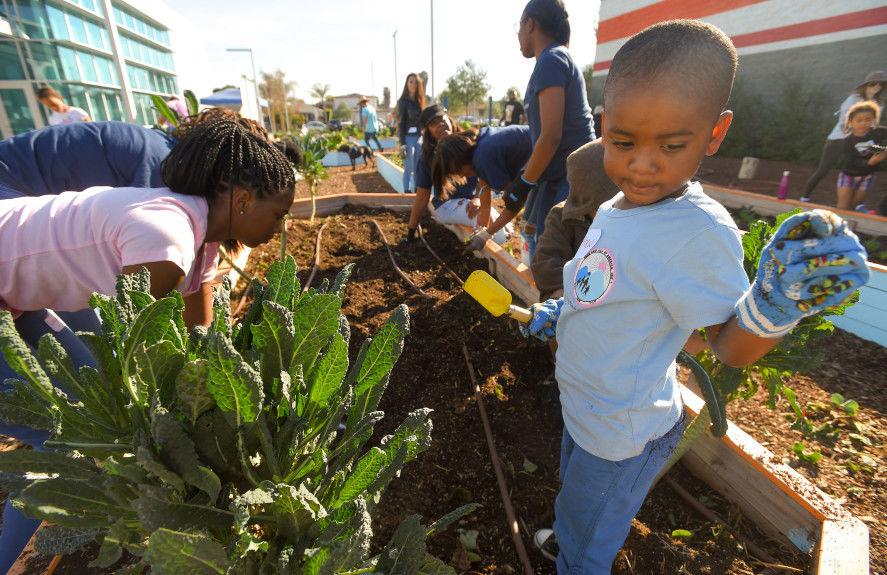
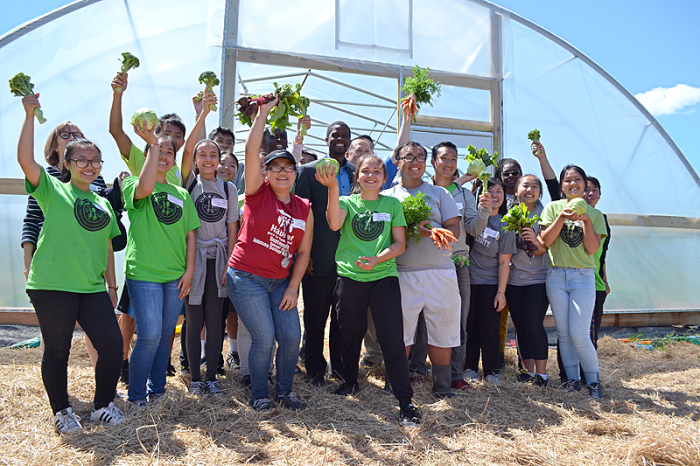
East Side youth nonprofit Urban Roots will spend 2019 celebrating its 50th anniversary.

The urban agriculture organization will kick off celebrations with an event at Summit Brewing Company, 910 Montreal Circle in St. Paul, on Wednesday, March 6, from 5:30 to 8 p.m.

The organization has grown substantially over the past half-century, starting with one small garden and expanding to include not only gardening but conservation and wellness to its programming.

Today, Urban Roots has three main programs for high school students: the Market Garden program, where students grow and sell produce; conservation, which involves students working on a number of natural resources projects on the East Side; and Cook Fresh, a healthy eating and wellness program.

With each program, not only are students getting job experience, they’re also learning leadership skills, self-development and about possible future careers, said Patsy Noble, executive director of the organization.

READ MORE: http://www.lillienews.com/articles/2019/02/25/urban-roots-celebrating-50th-anniversary
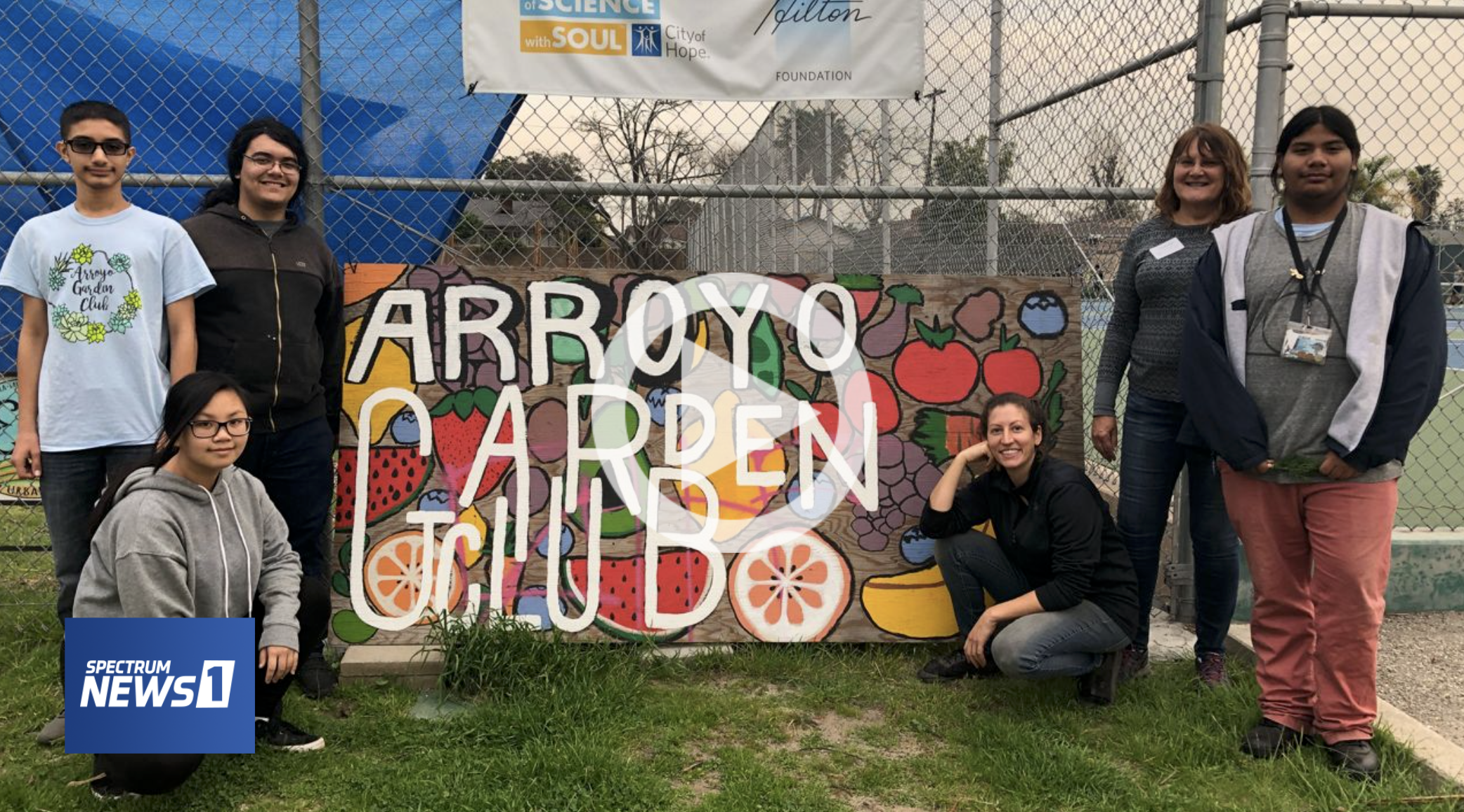
High School Garden Club Helps Students ‘Grow’ Their Skills

LOS ANGELES, CA – Pens and paper are the typical supplies for many high school students, but that is not the case at Arroyo High School in El Monte.

  • Students growing their skills in garden club
  • Found in part by Eco Urban Gardens
  • Helping students learn about agriculture, nutrition

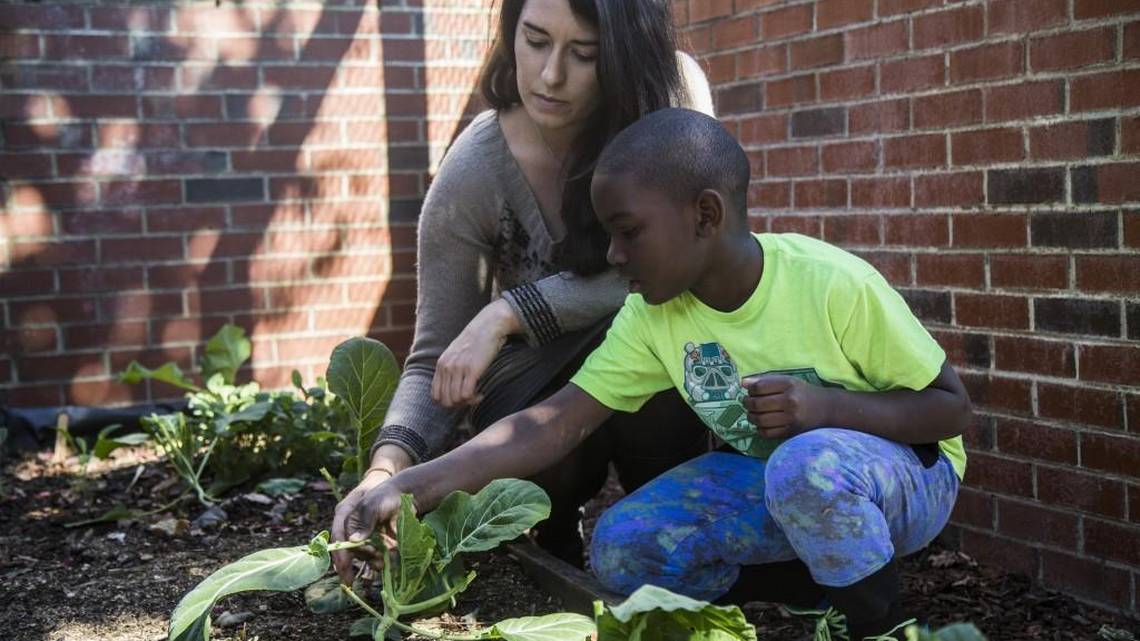
The school is part of a growing program, founded in partnership with a local nonprofit Eco Urban Gardens, meant to help students learn skills in agriculture, environment, and nutrition. Arroyo’s garden club features about 15 students who meet regularly after school to tend to their crops.

“What school wouldn’t have a garden because it honestly promotes healthy living and gives students a place to chill if they’re stressed out,” said senior Oscar Ramos, the president of the club.

READ THE STORY: https://spectrumnews1.com/ca/la-east/education/2019/02/13/gardening-program-grows-at-arroyo-high-school#

14 Year Old Donates EVERYTHING He Grows To Families In Need

Help Ian WIN a $10,000 grant for Katie’s Krops!
(SCROLL TO THE BOTTOM OF THIS POST)

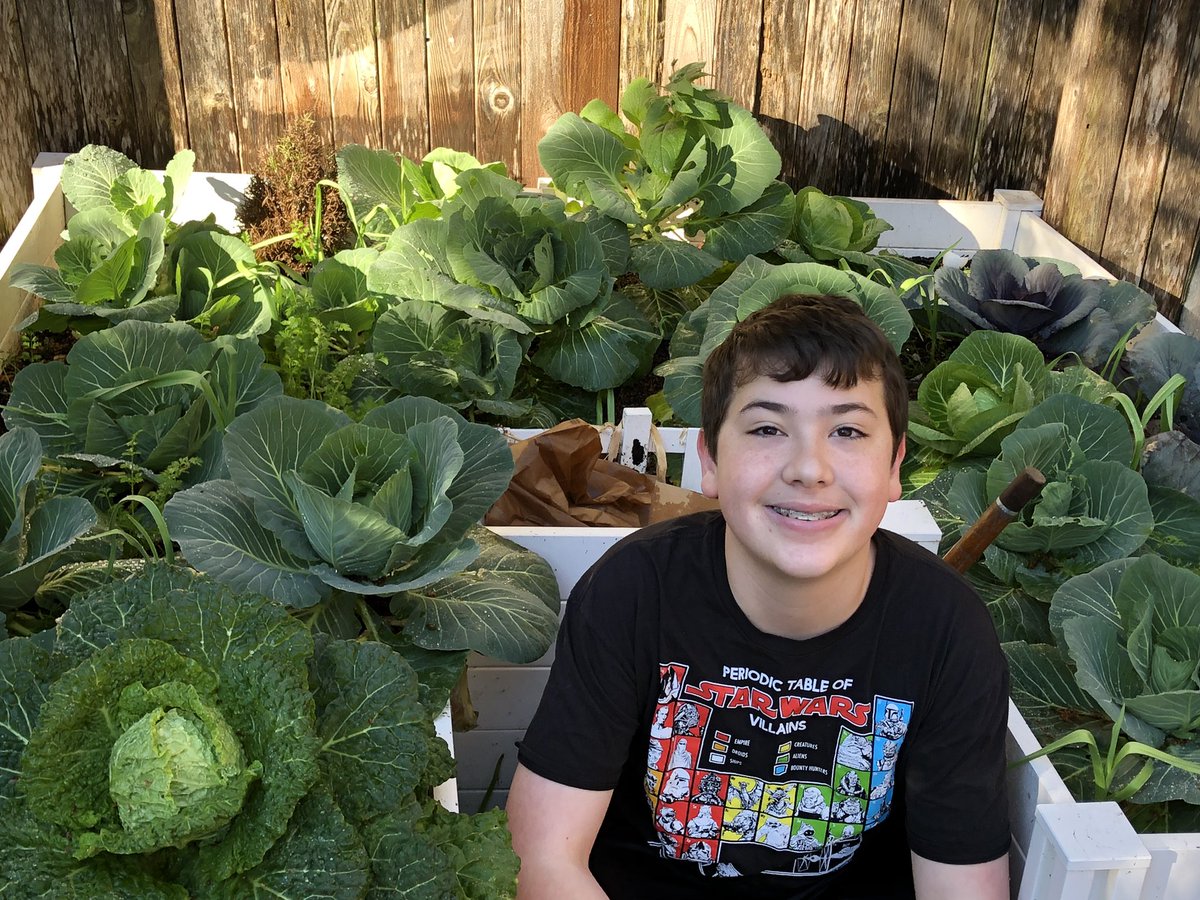
“The Giving Garden was created when Ian learned there were children at his school going to bed hungry. Wanting to make a difference for his classmates, Ian decided to take action. He raised funds and solicited volunteers to construct a raised bed garden and small fruit orchard at his elementary school to provide free access to fresh produce for anyone in need in his community. Ian began to realize that many students didn’t have the knowledge to prepare the produce they were receiving from the gardens. He began offering cooking demonstrations and provided sample recipes to help teach the students that healthy food can taste good. He didn’t stop there. Ian has continued to install gardens in local schools and communities in the Austin area. In the spring of 2016, his sister, Addison, joined the fight against hunger by developing the Frutas Frescas Orchard Program. The siblings have partnered with each other to help fight hunger in their community. In 2016, Ian became part of the Katie’s Krops garden program. He was able to build a garden in his own backyard and donates 100% of the produce to local hunger relief organizations or to families in need. In 2016, Ian grew and donate 869 lbs of organic produce. He reached his goal of growing and donating 1,000 lbs of organic produce in his backyard Katie’s Krops garden in 2017 and will exceed his donation totals in 2018.”

LEARN MORE ABOUT IAN AND HIS GARDENS: https://iansgivinggarden.weebly.com/about-us.html

Help Ian WIN a $10,000 grant for Katie’s Krops!

  1. CLICK – Ian McKenna’s name at the “Vote Say Thanks, Austin” link 
  2. TEXT – MCKENNA to (512) 456-9244
  3. MESSAGE – MCKENNA to our Facebook fan page at facebook.com/recognizegood
  4. TWEET – MCKENNA to @RecognizeGood with the hashtag #saythanksaustin
  5. EMAIL – MCKENNA (in the subject line) to saythanks@recognizegood.org
  6. WRITE IN – your name, then sign and date where indicated on Say Thanks forms (also downloadable) – I can pick up write in votes locally or if you’re out of town, you can scan or take a picture and email them to saythanks@recognizegood.org with MCKENNA in the subject line. 

Why Raleigh needs a stronger commitment to urban agriculture

The City of Raleigh supports urban agriculture rhetorically in its Strategic Plan. The city has made ad hoc interventions, like providing resources for rain harvesting at Raleigh City Farm and the Inter-Faith Food Shuttle farm.

Yet this leaves Raleigh behind other cities, like Atlanta, that implement systematic programs supporting the wide array of urban agriculture. Without a comprehensive plan, programs like land for community gardens, setting up organic matter drop-offs for composting, hiring master gardeners to provide expert knowledge, and more do not have the municipal support they need.

This is the case, even though the city’s Environmental Advisory Board has unanimously adopted an Urban Agriculture Program recommendation. That recommendation includes important steps, such as surveying vacant and public land, building a farm incubator system, and hiring a full-time city employee to administer urban agriculture programs. Implementing the recommendations will bring stability and growth to urban agriculture, which will entail beneficial impacts on communities, such as food security, food literacy, biodiversity, and income.

READ MORE HERE: https://www.newsobserver.com/opinion/article220040400.html

The city needs more gardens — urban gardening in Berlin [VIDEO]

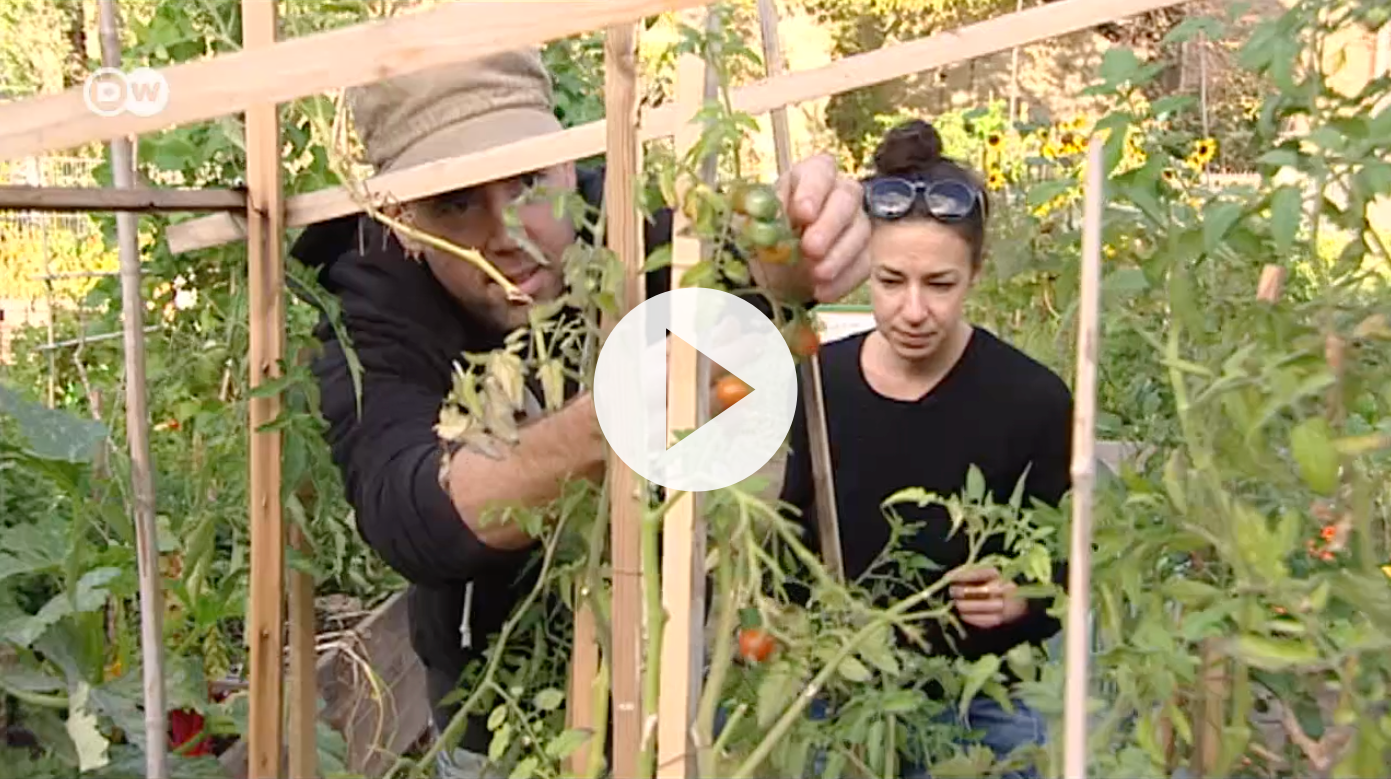
What was once a gloomy parking lot is now a green oasis in the middle of the German capital, Berlin. The “Prinzessinnengarten” (princesses’ garden) has become one of the best-known urban gardening projects in Europe. Neighborhood city gardening is on trend and in the last few years, pretty plots have been sprouting like mushrooms from the earth.

WATCH THE VIDEO/STORY: https://www.dw.com/en/the-city-needs-more-gardens-urban-gardening-in-berlin/av-46264250

Urban Gardening 101: How to Deal with Contaminated Soil

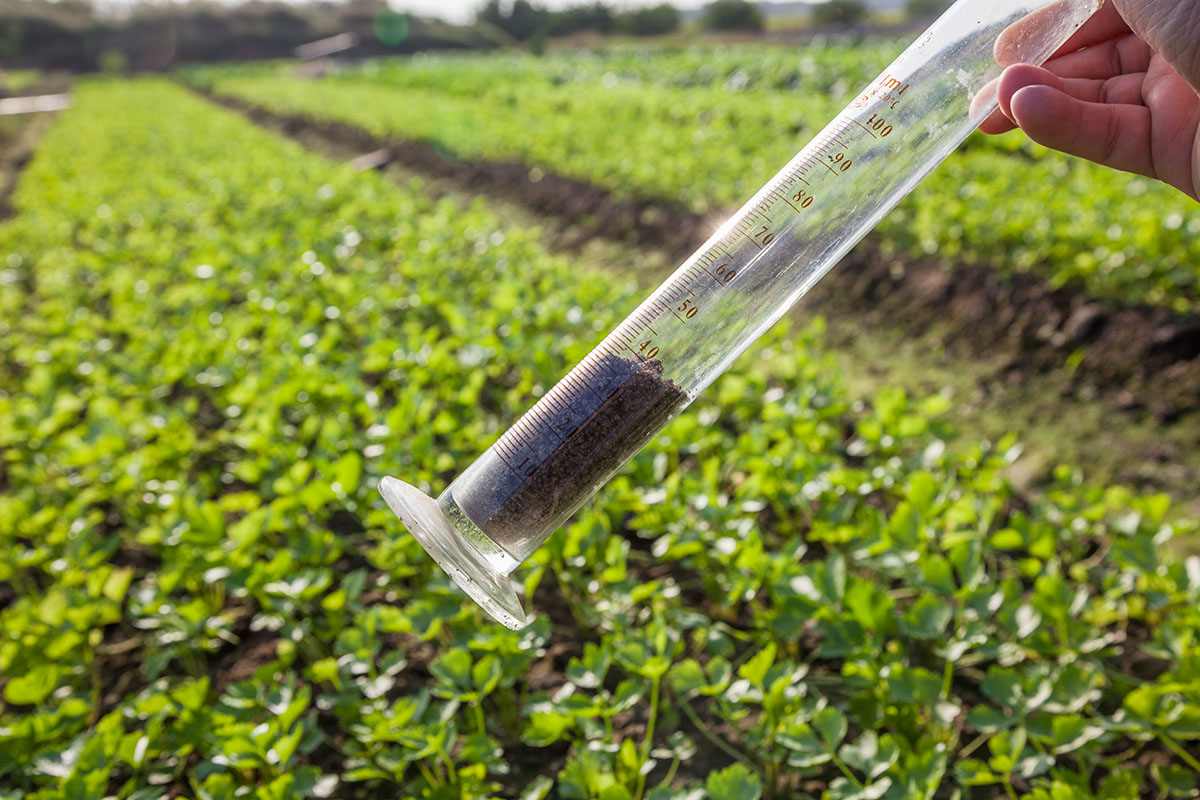
Urban soils are particularly prone to contamination. 50 years ago, your yard could have belonged to a farmer, who, perhaps not knowing any better, disposed of old bottles of anti-freeze or contaminated diesel in a hole out behind the tractor garage. Or perhaps the remains of a fallen down outbuilding, long ago coated in lead-based paint, was buried on your property buy a lazy contractor when your subdivision was built.

For those wanting to garden on non-residential urban property – school yards, church grounds, parks, commercial areas, vacant lots – the likelihood of contamination is even higher. There is no telling what sort of past activities took place there, all visible signs of which have disappeared. Prior the 1970s, environmental rules were very lax, and it was not uncommon for all sorts of hazardous chemicals to be dumped at any location where they were used. Many such chemicals persist in the soil for decades, if not longer.

The good news is that if the property was redeveloped (any significant new construction, demolition, or change of use) since environmental laws tightened, it would have had to go through a strict assessment to determine if contamination was present. If anything unacceptable was found, the owner would have been forced to remediate the soil before starting construction. However, if the property has remained more or less as-is since the 1970s (or earlier), it is unlikely that anyone has ever investigated what might be lurking in the soil.

READ THE REST OF THE ARTICLE: https://modernfarmer.com/2018/06/urban-gardening-101-how-to-deal-with-contaminated-soil/

Long Beach Gears Up For Martin Luther King Jr. Day Of Service

More than 400 Long Beach-area volunteers are expected to give back to the community to mark the national MLK Day of Service in honor of Dr. Martin Luther King Jr. Monday, Jan. 21.

The civil rights leader who fought against racism is honored with a federal holiday every January, around the time of his birthday. Some people get the day off from work, but others take part in the National Day of Service — where people are encouraged to participate in community work.

For the ninth year, Long Beach’s MLK Day of Service will connect volunteers to 16 local service projects for “Day On, not a Day Off.” The event is hosted by Leadership Long Beach, the Port of Long Beach and Mayor Robert Garcia, in addition to council offices and some neighborhood groups.

READ THE FULL STORY: http://www.gazettes.com/entertainment/nonprofits/long-beach-gears-up-for-martin-luther-king-jr-day/article_12781f62-1508-11e9-9ecc-772ea4330ed2.html

Urban Gardening Activist Works To Connect People To Their Food Sources

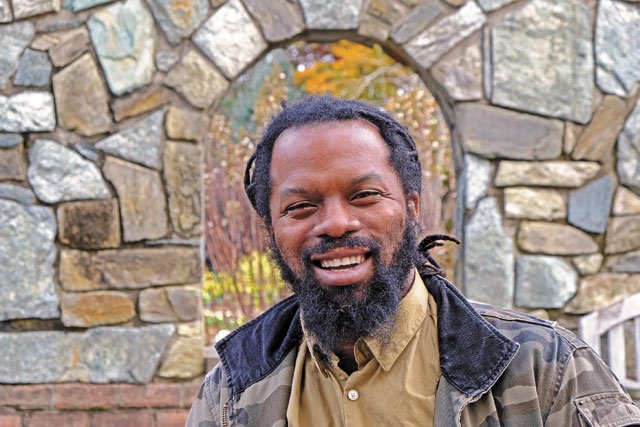
Activist Duron Chavis realized early on he needed to get his hands dirty, and that his work begins in the soil.

The 38-year-old is a proponent of urban gardening, an effort he says can address the disconnect African-Americans feel toward growing and accessing food, along with promoting self-sustainability. It’s not just about eating healthy; it’s about being able to provide for yourself.

“The urban gardening stuff has been an exercise in building community in its truest sense, and it changes the conversation,” Chavis says. “It’s one thing to talk about community issues and another to advocate about them.”

Growing up in the city’s South Side, Chavis, with friends, frequented convenience stores. Honey buns, soda, chips, ramen noodles and processed foods were all part of their diets. Nearby, the golden arches of McDonald’s, the smiling Hardee’s star, and the pink and purple hues of the Taco Bell sign shone brightly. The closest grocery store was miles away. The place he called home was smack dab in a food desert, an urban area with limited access to healthy and affordable food.

READ THE REST OF THE STORY: https://richmondmagazine.com/news/features/growing-activist/

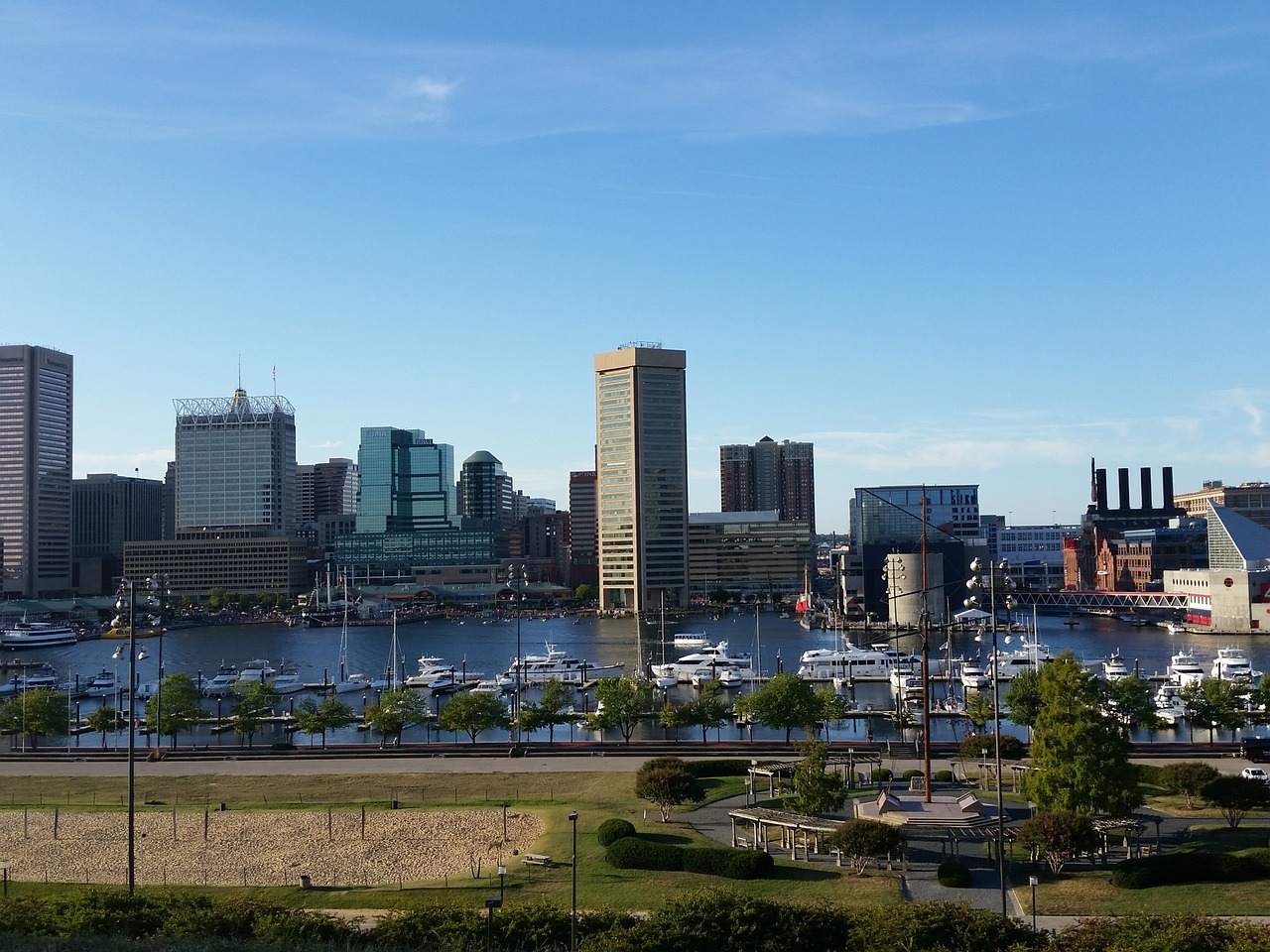
Vacant lot in West Baltimore being transformed into urban garden

“An urban garden that will yield colorful plants to make dye for artists and educators is being planned for a vacant lot in West Baltimore.

The half-acre garden will be located in the Rosemont community as part of a nearly 6-acre parcel in the 800 block of Ashburton Street. The property is owned by Coppin State University and will be a part of a pilot urban farming project by the nonprofit Parks and People Foundation and a group of partners.

The program aims to produce a rainbow of vegetables and flora for natural dyes from Black-eyed Susans, marigolds, onions, indigo and beets with assistance and support from the Coppin Heights community.

“It will be transformative for the surrounding community in such a creative way,” said Lisa Millspaugh Schroeder, CEO of Parks and People.”

READ THE FULL ARTICLE: BIZJOURNALS.COM

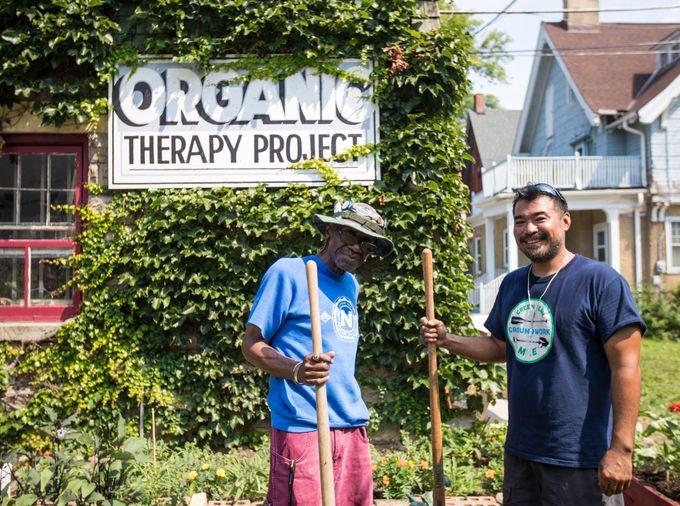
Milwaukee Program Uses Urban Agriculture To Help Veterans Heal From War

As far back as World War I, nature and farming have been used to help returning veterans heal invisible wounds from war.

Brian Sales, a disabled combat veteran who served nearly a decade in the U.S. Army Infantry, knows firsthand the power of connecting with nature after seeing war.

When he returned to civilian life after two tours in Iraq and one in Kosovo, he struggled to find purpose in his life.

“I went from the most important mission in the United States to facing jobs that I felt had no meaning,” he said. “The military turned me from a civilian into a soldier, but on returning I wasn’t turned from a soldier back to civilian, and that was pretty overwhelming.”

Sales floated between jobs and moved across the country looking for motivation, he said.

“I found myself going from organized, planned, team dynamics to unstructured chaos with very little transitional support,” Sales said. “I found myself, like so many other veterans, lacking direction and struggling with reintegration.”

READ THE FULL STORY AT: “WPR.org