


Take an Online Gardening Class and Learn How to Create Your Most Beautiful Backyard Ever

The coronavirus pandemic, and the broad quarantine guidelines that were put in place to help curb the spread of COVID-19, mean that Americans are spending more time at home than ever before. Staying home doesn’t have to be boring, though; in fact, we think this is the perfect time to exercise your green thumb. After all, if you’re going to log more hours in your own backyard, don’t you want it to be beautiful? Whether you’re new to gardening or consider yourself a total pro, there’s always an opportunity to pick up a few new skills. Now, the New York Botanical Garden is offering online classes—up to seven each day of the week—on a variety of different green topics, Apartment Therapy reports, so you can brush up on your gardening skills from the comfort of your own home.

If you’re interested in signing up, do so soon. One of the most popular classes—Botanical Watercolor for Beginners and Beyond—already has a waitlist for its May 4th session. “Enjoy painting botanical watercolors in a relaxed atmosphere. This class is designed for both inexperienced students and those who wish to improve their skills,” the course’s description on the NYBG website reads.

READ THE FULL ARTICLE: https://www.marthastewart.com/7797113/new-york-botanical-gardens-online-gardening-classes
 

The benefits of container gardening and why it’s an adequate substitute for conventional gardening

Photos: Lance Ellis | EastIdahoNews.com

Most times when we think of gardening, we envision a nicely laid out plot of straight rows of beans, corn, and other garden veggies. Often, we don’t consider other opportunities to produce great crops away from the garden and in unconventional methods.
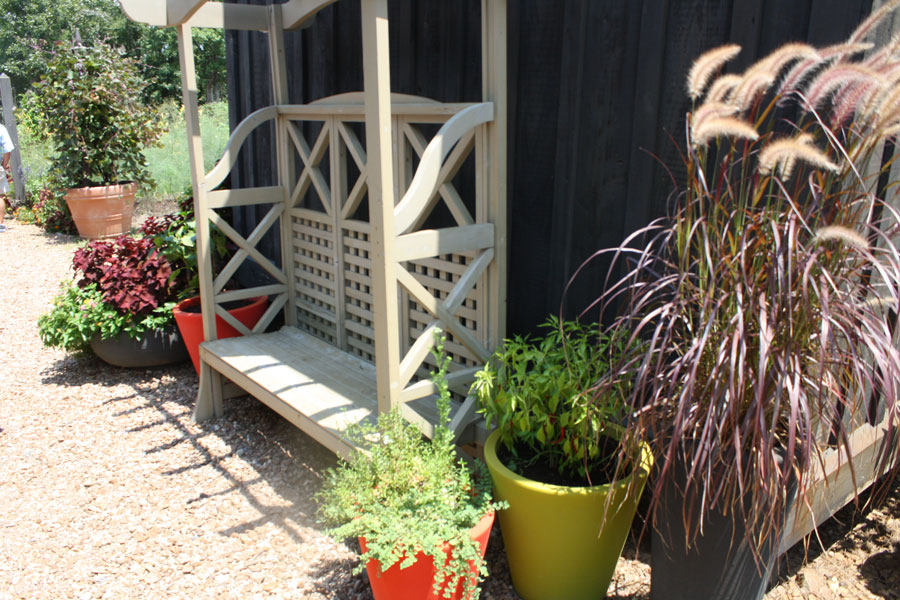
One of these ways is through container gardening. Not everyone has the acreage or square footage in the yard, such as people who live in apartments, to plant a garden. Others may not have the time or energy required to manage and maintain a garden plot. Container gardening can offer the benefits of fresh produce and the satisfaction of growing your own crops without the extra responsibilities of a conventional garden.

One of the added benefits of container gardening is being able to protect your crops from damaging frosts at the beginning or end of the season by bringing the entire plant and container inside a garage or other shelter.

Containerized gardens are also easier to cover with protective fabric or another covering to save them from frost damage.

READ THE FULL ARTICLE: https://www.eastidahonews.com/2020/04/the-benefits-of-container-gardening-and-why-its-an-adequate-substitute-for-conventional-gardening/

Gardening is Important, But Seed Saving is Crucial

The U.S. is in the midst of a gardening renaissance. As the coronavirus pandemic prompts big questions about the future of our food system, people everywhere are buying up seeds, pulling up lawns, building raised beds, and flocking to learn from Master Gardeners.

Most of these new and seasoned gardeners are making careful decisions about what type of plants they want to grow and how to organize the beds, but it’s also a good time to consider another, perhaps more important aspect of food sovereignty: what kind of seeds you’re planting and whether or not you’ll be able to save and share them next year.

To save seeds is to preserve food culture. Heirloom crops wouldn’t exist if it weren’t for the gardeners who meticulously grew and saved seeds including the Brandywine tomato, Purple Top White Globe turnip, and many other varieties, passing them on to future generations.

READ THE FULL ARTICLE: https://civileats.com/2020/04/21/gardening-is-important-but-seed-saving-is-crucial/

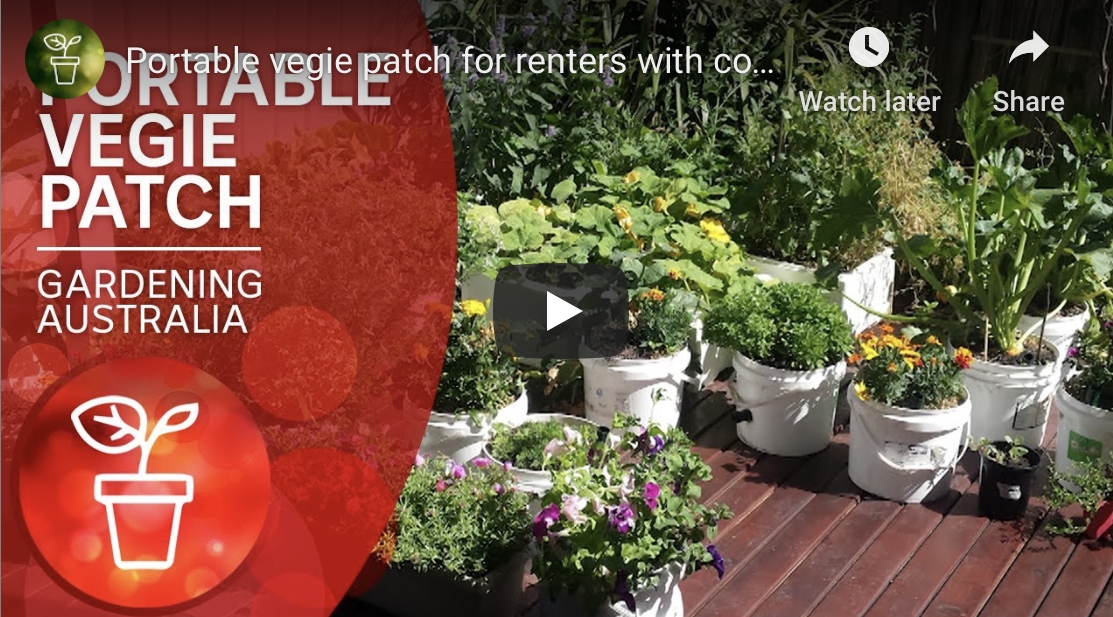
Portable veggie patch for renters with compost station and wicking beds

Renting and gardening… what are you supposed to do? Pour all your love (and hours of work) into the garden, only to leave it all behind when the lease ends? Or, you can get creative! Make a portable and productive garden (even in a courtyard) that provides loads of herbs, salad and vegies… with leftover space for a prolific compost system.

That’s what Steve and Rabea North from Melbourne did, but with the added innovation of a water-saving collection of up-cycled, DIY wicking buckets and tubs.

The criteria for their garden was simple – sustainable, portable, cost-effective and productive – so it was off to the local Indian takeaway for some alternatives to store-bought pots. “They had loads of 10 litre food grade buckets and polystyrene broccoli boxes that were destined for landfill, so we bought as many of those home as we could” Steve says. This is where the next level of innovation and ideas comes in. “Where appropriate for the plants, these have been converted into mini wicking beds” says Steve. Rabea explains that “A wicking bed is a self-watering container, and any renter can build these simple, portable wicking beds for $5-$10 each. They’re perfect for growing fruit and vegies using half the water (and effort) when compared to conventional pots”.

LEARN MORE: https://www.youtube.com/watch?v=dlNpf3O_MsE&fbclid=IwAR1KmcK3JvuaFTnaJoTkKa5gZ_eN2mihe5uW0eed8_an8DihCjKcVb65T6Y

Gardening Projects Kids Will Love

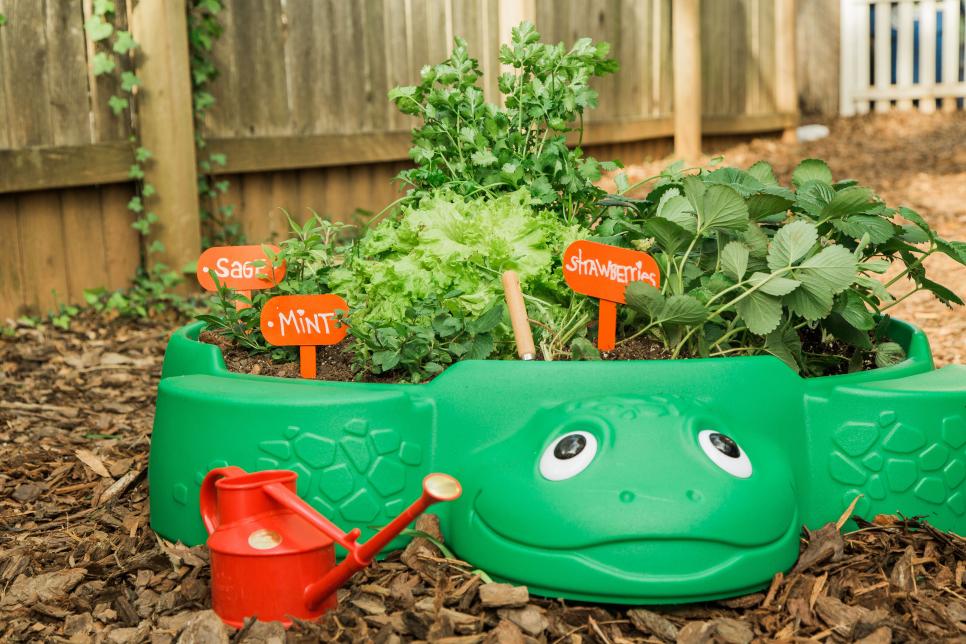
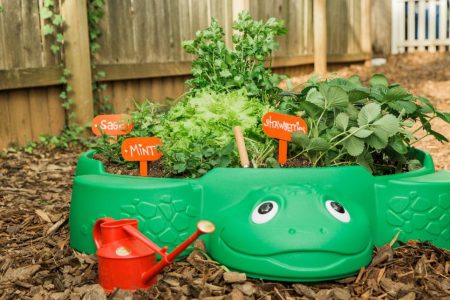
Upcycled Sandbox Garden

Put that old sandbox to good use by repurposing it into a fun, kid-friendly garden chock-full of healthy fruits and vegetables they’ll love.

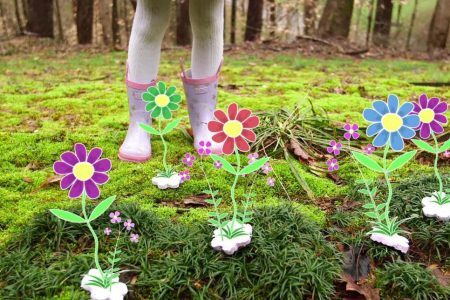
Seed Bombs

Bring life and color to bare areas of your yard with these DIY seed bombs made from scrap paper.

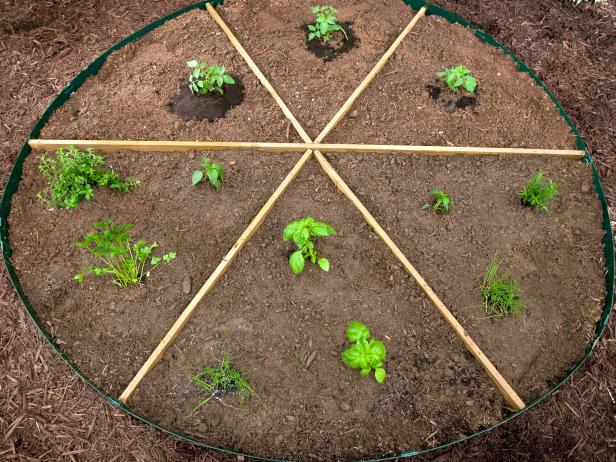
Pizza Garden

Plant a pizza-shaped garden with tomatoes, bell peppers, onions and other favorite toppings occupying each “slice.”

READ THE FULL ARTICLE & SEE MORE IDEAS: https://www.hgtv.com/design/make-and-celebrate/handmade/kids-gardening-projects-pictures?fbclid=IwAR2j-b_XtGFri1bu3sUiKANT0Z85yCAAaNJbKJiv2Yf0dW3RK3IGeujxN4Q

Master Gardeners Offer Tips As People Plant Pandemic Patches

Crystal Ligori/OPB

Crystal Ligori/OPB

Starting with the World War I, the U.S. government was encouraging Americans to grow their own food to help relieve shortages. Originally known as the war garden movement, these so-called “victory gardens” made a reappearance in the 1940s during World War II.

And the idea of growing your own food is still popular — so popular, in fact, that Oregon State University has seen online enrollment for their Master Gardener Short Course Series jump by nearly a thousandfold.

“In a normal year, we might get 20 to 30 folks who will enroll in one of those short courses,” said Gail Langellotto, the program’s statewide coordinator and a horticulture professor at OSU. “But this year we have over 29,000 who registered for our vegetable gardening course alone.”

READ THE FULL ARTICLE: https://www.opb.org/news/article/garden-community-coronavirus-safety-oregon-state-university/

Victory Gardens Are Making a Comeback—Here’s How to Start Your Own Vegetable Garden

As you may recall from high school history class, “victory gardens” first started in America during World War 1. In response to food shortages during the war, Americans were encouraged to begin growing their own food, and vegetable gardens popped up in backyards and at schools and public parks across the country. “In the U.S. in March of 1917, Charles Lathrop Pack began the National War Garden Commission—an organization to encourage ‘war gardens’ that might contribute to the Allied food supply and bring about victory,” explains Lora Vogt, the curator of education at the National WWI Museum and Memorial. “Gardening and agricultural support quickly became a way for Americans of all ages to both serve and show patriotism,” she says. The campaign was incredibly successful. By 1918, more than 5 million new gardens had been planted in the U.S.

During the current coronavirus crisis, the concept of the victory garden appears to be making a comeback, and although the crisis at hand and the context is different, Vogt points out that there are economic facets underlying both. During WW1, the railroad lines prioritized transporting members of the military, leaving less railcars devoted to food shipment. “Through gardening, Americans were able to produce an estimated 1.45 million quarts of home canned food—providing for their own needs and alleviating supply lines for others,” says Vogt.

READ THE FULL ARTICLE: https://www.realsimple.com/home-organizing/gardening/victory-gardens-are-making-a-comeback-heres-how-to-start-a-vegetable-garden

Watch This Inspiring Film for Free (Limited Time)

Industrial agriculture is turning our farmland into dead soil at an alarming rate. The Need To GROW is a film about SOLUTIONS for healing our broken food system.

🎬Watch the film right now for free at https://grow.foodrevolution.org/.

The UN estimates we have fewer than 60 years of farmable soil left on Earth. And many people are concerned that governments and “Big Ag” want to control what we eat. It’s as if our human right to eat safe food is under attack by industrial agriculture, pesticide and GMO manufacturers. “Agriculture is the most destructive human activity on the planet.” – Rosario Dawson (From “The Need To GROW” movie)

“Industrial agriculture is first and foremost a war against the earth because it’s a war against all species. Since you’re bringing war chemicals into the production of food and all they’re doing is killing.”
– Vandana Shiva, PhD

Something must be done. Which is why we spent the last 5 years making our film “The Need To GROW.” The Need to GROW is a story about real-world SOLUTIONS.

The Need To GROW follows three renegade leaders as they fight to heal our broken food system and protect new technology that holds the key to feeding the planet and reversing the damage caused by industrial agriculture.

✳️ An urban farmer struggles to keep his land after he pioneers a way to grow organic, nutrient-dense produce at warp speed ANYWHERE

(Imagine paved parking lots sprouting acres of huge, healthy, micronutrient-rich, organic veggies)

✳️ An 8-year-old girl scout challenges the ethics of a beloved organization in her quest to raise awareness and make healthy food available to everyone.

✳️ And a visionary inventor builds a machine that takes waste and turns it into a natural substance that can reclaim and regenerate dead soil. (Doing in days what takes nature 400 years!)

Watch the movie, learn about the solutions, spread the word and join us in making a difference:

https://grow.foodrevolution.org/

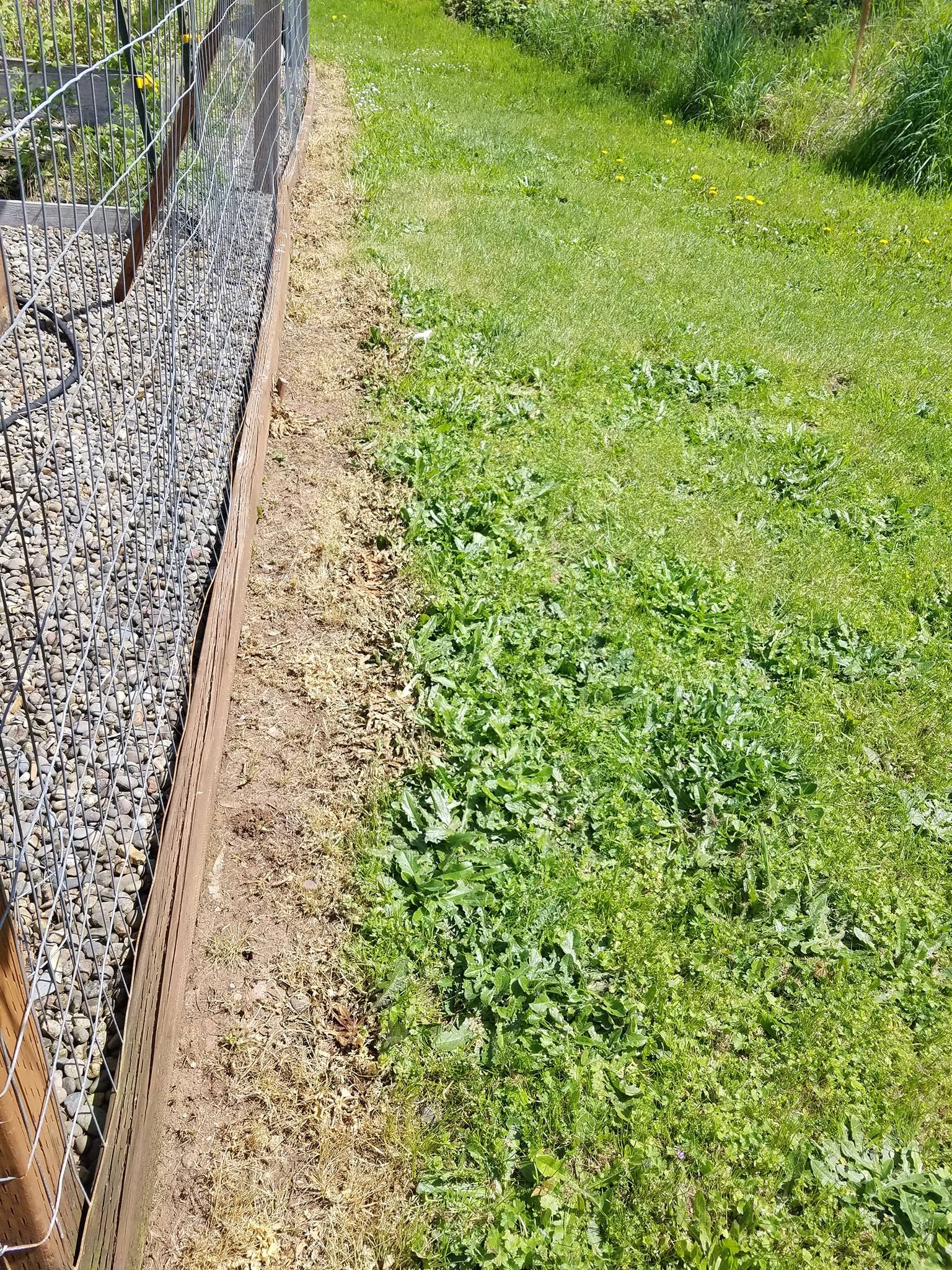
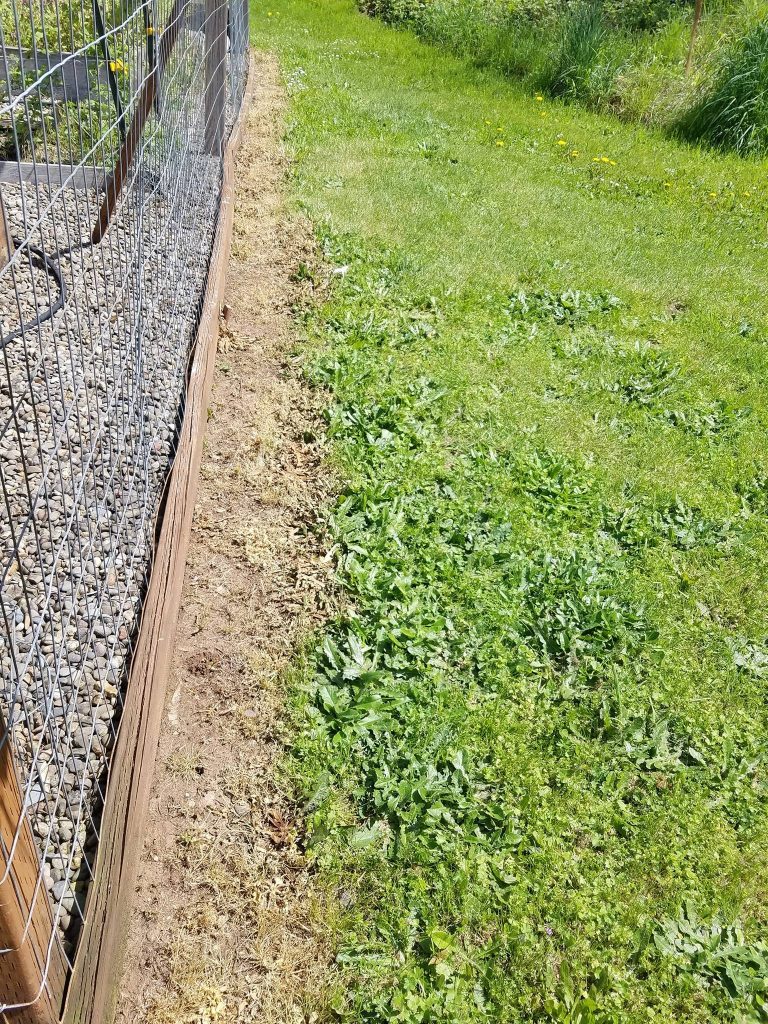
Homemade WEED KILLER: This is how well vinegar, epsom salt & dishwashing soap works!

If you hate weeds in your garden but despise chemicals even more than this homemade weed killer might just be your new best friend! Spray this mixture to immediately begin killing weeds in and around your garden area.

  • 1 gallon of vinegar
  • 1 1/2 cups Epsom salts
  • 2 tablespoons dishwashing liquid

READ THE ORIGINAL POST ON FACEBOOK: https://www.facebook.com/photo.php?fbid=10215884001387445&set=a.1084844875854&type=3&theater&ifg=1


Coronavirus claims an unexpected victim: Florida vegetables

(AP Photo/Lynne Sladky)

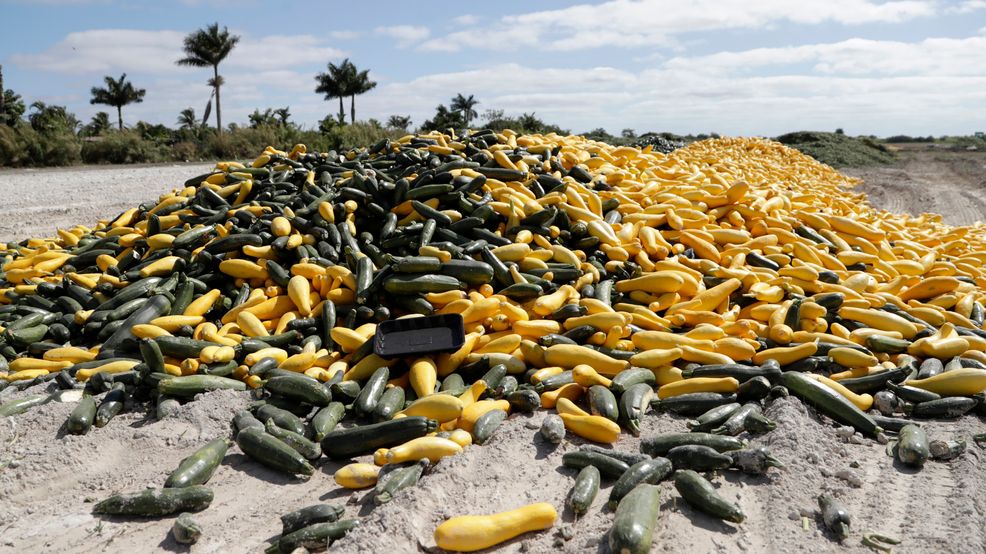
PALMETTO, Fla. (AP) — Mounds of harvested zucchini and yellow squash ripened and then rotted in the hot Florida sun. Juicy tomatoes were left to wither — unpicked — in farmers’ fields.

Thousands of acres of fruits and vegetables grown in Florida are being plowed over or left to rot because farmers can’t sell to restaurants, theme parks or schools nationwide that have closed because of the coronavirus.

Other states are having the same issues — agriculture officials say leafy greens in California are being hit especially hard, and dairy farmers in Vermont and Wisconsin say they have had to dump a surplus of milk intended for restaurants.

READ THE FULL STORY: https://komonews.com/news/coronavirus/coronavirus-claims-an-unexpected-victim-florida-vegetables?fbclid=IwAR1ERS1iekzx09XfLtLn6TWoUIJfqw9uiQIuNgHfAML5mEoMHWNv0HgoUTU

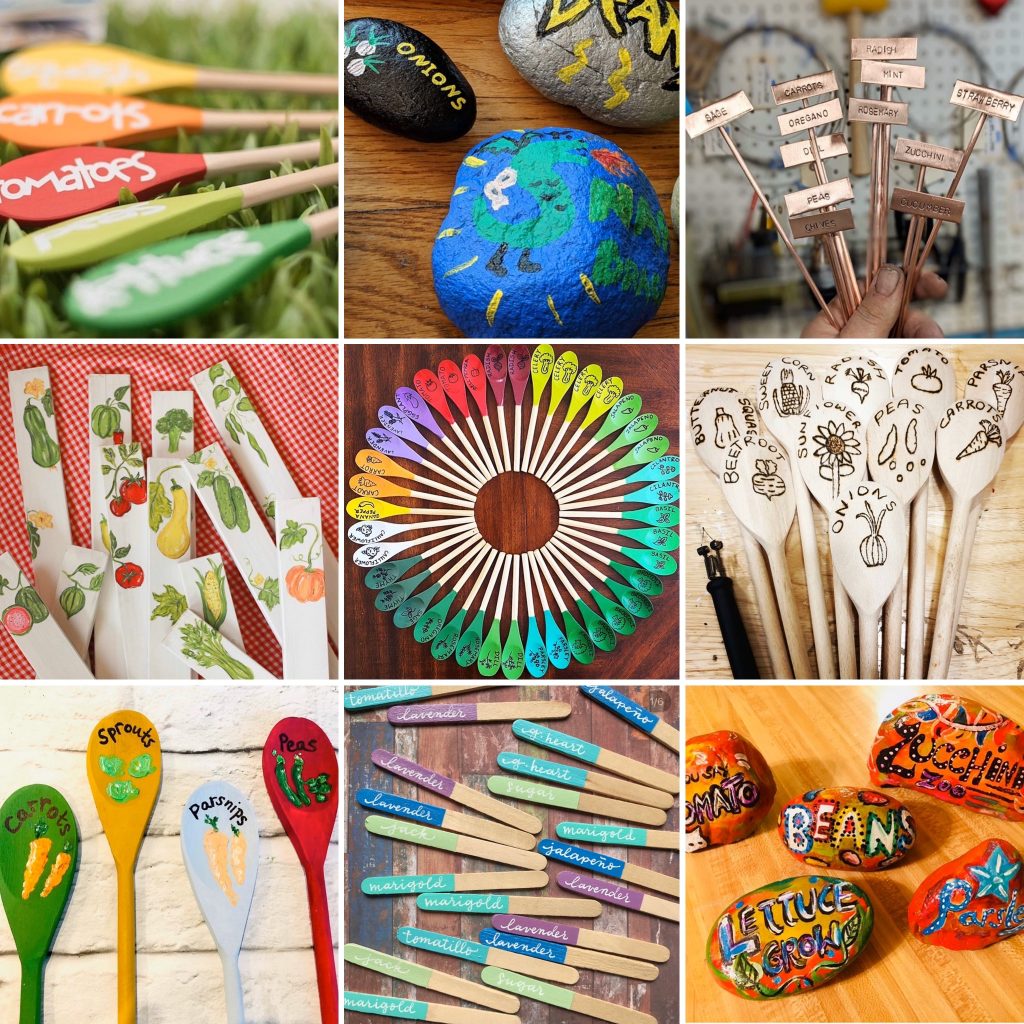
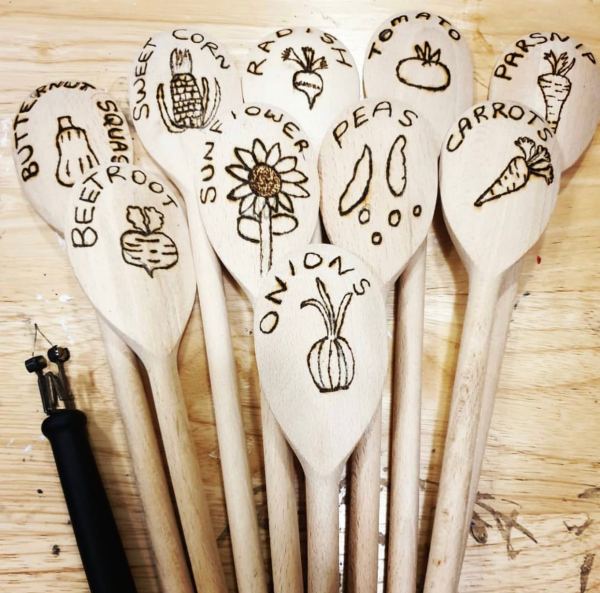
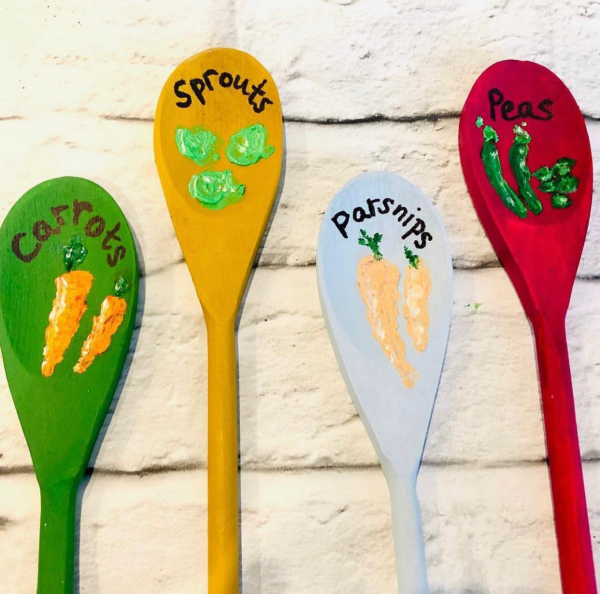
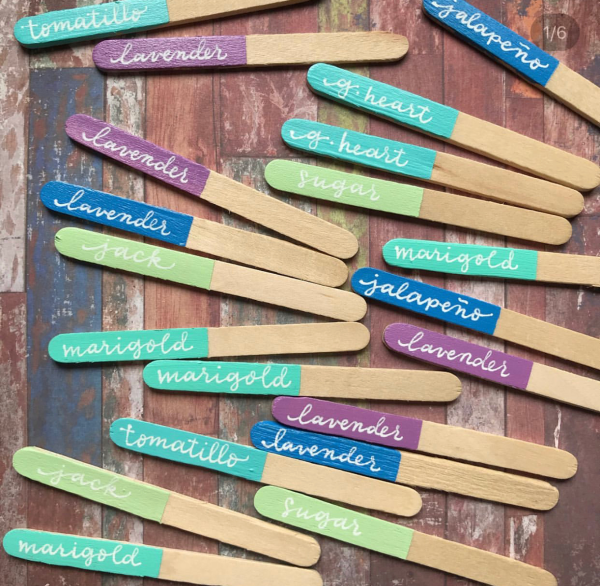
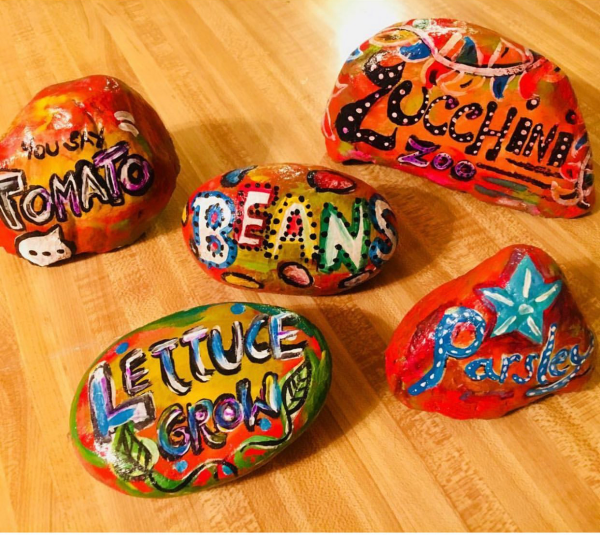
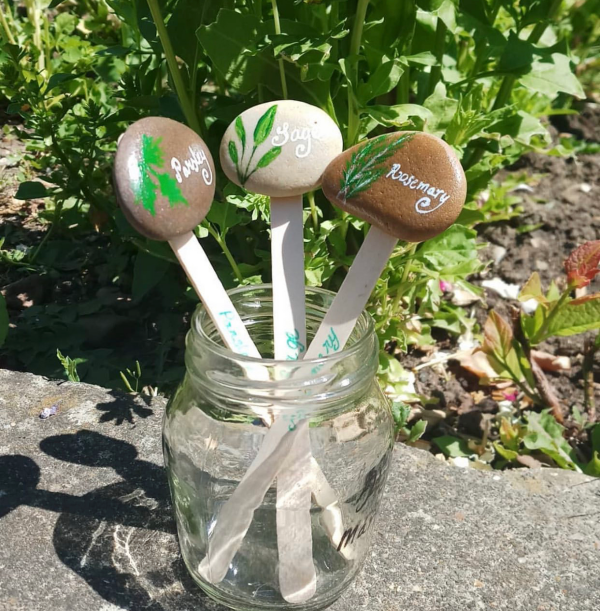
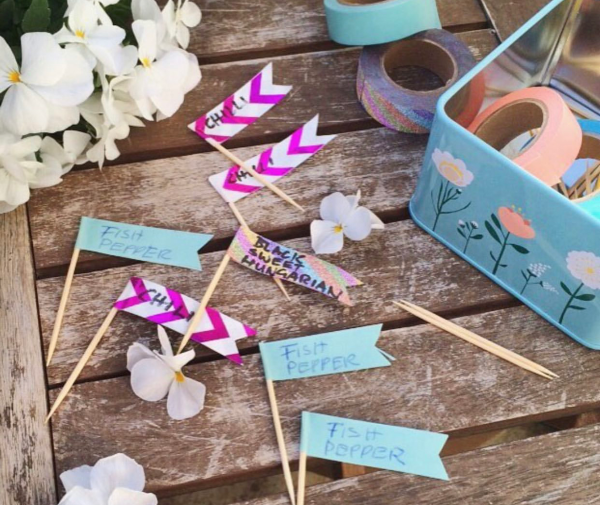
11 DIY Creative Garden Markers, It’s Easier Than You Think!

With supplies running low and companies pausing all new orders at this time, people may be wondering how they are going to come about their beloved garden markers! Without marking and properly labeling your newly sown seed, it can quickly become a “guessing game” in the garden once things start germinating. Take the guess-work out of what you planted, and head to your closets, pantries, and craft bins. Making your own plant markers is fun, and easier than you may think!

Here are some of our favorites that we stumbled upon on Instagram. 

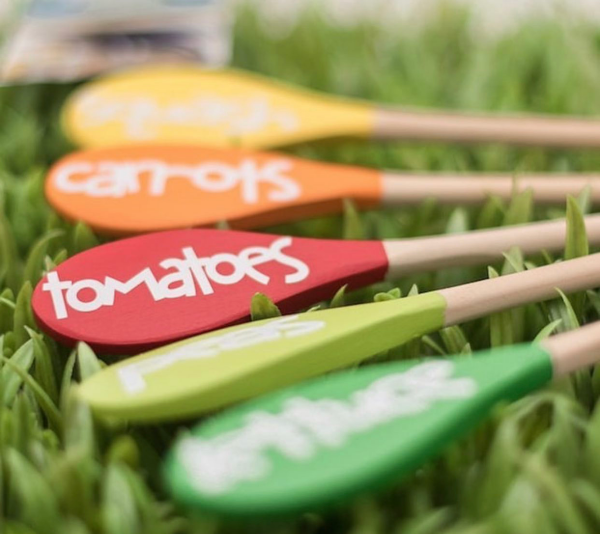
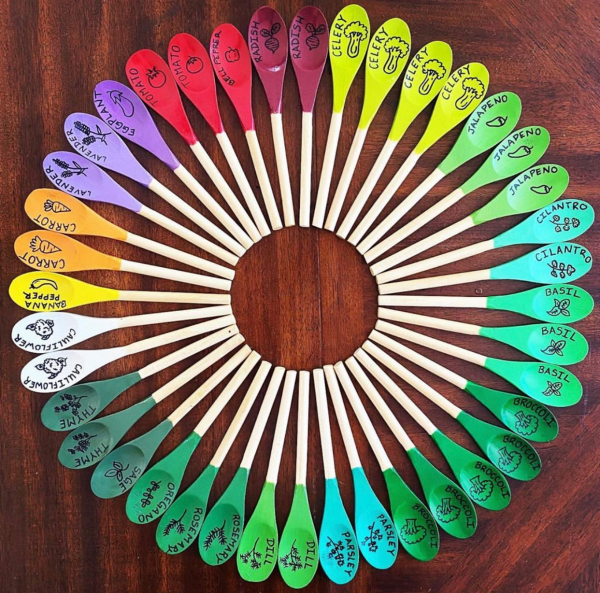
1. Painted Spoons with Text via @thekingstonhome


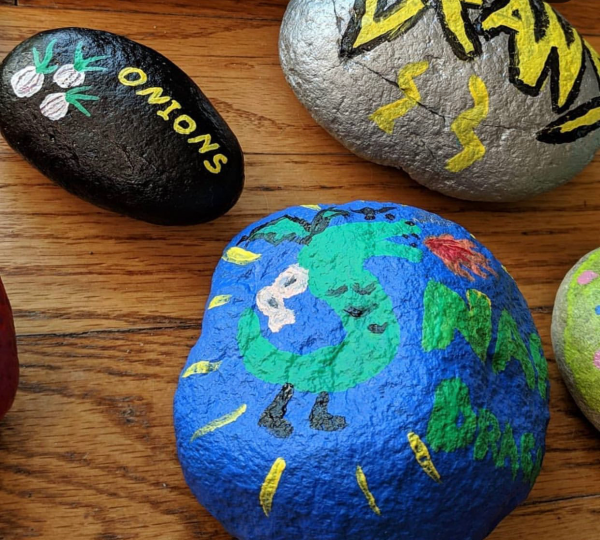
2. Painted Rocks via @valutree1


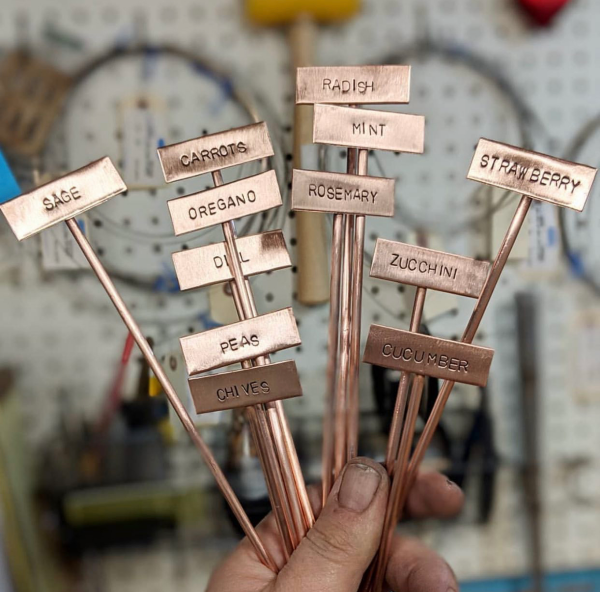
3. Copper Printed via @rubygirljewelry


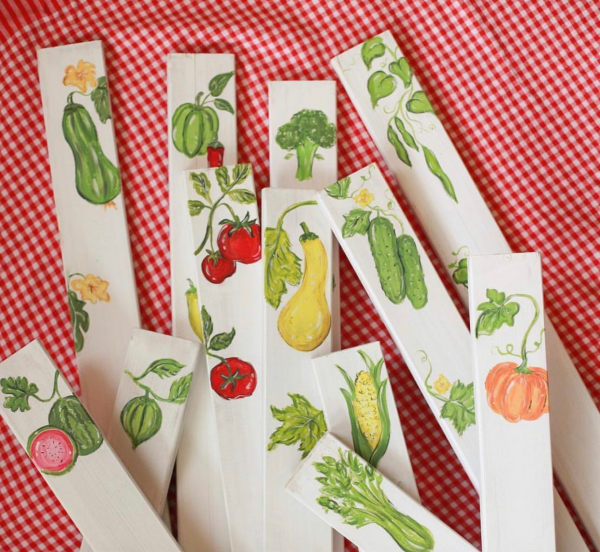
4. Wooden Painted via @sherellech


5. A rainbow of Spoons via @ntaladay


6. Woodburned Spoons via @georgiemakes


7. Painted Wooden Spoons via @homeandhorizon


8. Popsicle Markers via @hoffeeandanuffin


9. Painted Rocks via @openartedbylaurenbrenner


10. Rocks on Sticks via @scintillabysomita


11. Tape Labels via @theurbangardeness


Gardening improves the look of things

A vegetable garden can improve your health. A beautiful flower garden can improve the look of your home. But the mere act of planting and tending a garden can improve the way you look at things. After a few hours spent planting, weeding or pruning, most people have a more positive outlook, despite suffering a few muscle aches or maybe feeling tired. It’s a good tired, after all. A tired born of having accomplished something. A tired born of being in touch with nature.

The benefits of time spent outdoors in a garden are many.

Stress melts away in a garden. Whether it’s the fresh air or the sun or the birdsong or just the physical activity, studies have shown that gardening is one of the best ways to reduce stress. Go into a garden feeling a little tense, and a few whacks at a weed or clips to an unruly shrub will take care of any minor aggressions you’re feeling. Don’t take it out on your family, take it out on a weed, in other words.

Gardening can help overcome loneliness. Especially now, when so many of us have to work from home and avoid socializing to reduce the spread of COVID-19, gardening can be therapeutic. Being outside in the fresh air, stretching those winter-stiffened muscles behind a rake or shovel, and reconnecting with other gardening neighbors, albeit from a safe 6-foot distance across the fence, can make you realize you’re not in this alone.

READ THE FULL ARTICLE: https://www.sentinel-echo.com/news/local_news/gardening-improves-the-look-of-things/article_d4cdcd99-a555-590d-a5b9-bf1640a761da.html

Gardening: Give children joy of seeing fruits of labor in garden

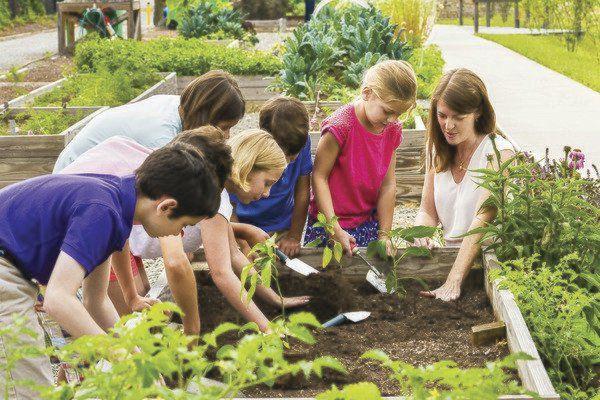
The third- and fourth-graders from Longfellow Elementary School in Spokane surrounded a big tube soil. The looks on their faces were skeptical. What do you mean there are potatoes in there?

Six sets of hands hesitantly dug into the dirt. All of a sudden, a hand brought up a round, red-skinned potato. Eyes got big. There are potatoes in there! After that it might as well have been the California Gold Rush all over again as they dug for the treasure. This is the joy of gardening with children. When their skepticism is overcome by the joy of discovery, it’s magical.

To garden with children, start with a raised bed or several large pots filled with good-quality compost or potting mix. If you start with ordinary dirt, you stand a chance of failure, and the children might think it’s their fault and that will shake their confidence.

Put the garden in a sunny place they can easily access to see what’s happening.

To decide what to plant, ask them about their favorite vegetables. This always leads to some interesting answers, some of which aren’t going to be practical. If the idea is far-fetched, break it down into manageable pieces. If they want to grow a pizza, then discuss what vegetables they like on their pizza. Tomatoes, onions, green peppers and sage are all easy to grow in a garden. This can be their pizza garden. This combination can also make a salsa garden.

READ THE FULL STORY: https://www.spokesman.com/stories/2020/apr/09/gardening-give-children-joy-of-seeing-fruits-of-la/

Backyard gardening can help relieve ‘stay at home’ stress

Everyone, at some point, feels some cabin fever during ‘stay at home’ orders due to COVID-19.

Whether working from home or making sure the kids are doing their school work — or both — being in the same, confined space can make anyone feel claustrophobic. Experts say a lot of people are fighting those feelings by working in their yard.

READ THE ORIGINAL STORY: https://www.fox13news.com/news/backyard-gardening-can-help-relieve-stay-at-home-stress

Apartment Gardening: Yes, It’s a Thing, and Yes, You Can Do It

You’ve successfully babied a houseplant or two, and now you’re ready for the next step. But how do you garden without a yard? Living in an apartment doesn’t mean you can’t grow things: It just takes a little ingenuity and planning. Start small with a few pots, window boxes or hanging baskets to get comfortable, and add more as you gain confidence. Before long, you’ll be expanding your greenery to cover your balcony, windowsills and stair railings.

1. Check your light levels

The most important factor is making sure you have the right light for your plants. Indoors, south-facing windows provide the most light, and you’ll be able to grow houseplants that need bright light (such as rubber trees and fiddle leaf figs) here. Herbs, such as thyme, parsley and rosemary, also do well in bright light or on a windowsill. Another solution? Invest in a stand-alone LED grow light, or one that comes with a shelving kit for a dark corner of your apartment.

Just wait until you see how easy apartment gardening can be, thanks to these simple tips.

Read all 8 tips here: https://www.yahoo.com/lifestyle/apartment-gardening-yes-thing-yes-110000213.html

‘Growing Together’ gardening program hands out free garden boxes

There’s something special about growing your own food.

From feeling the silky soil between your fingers to watching the seeds you planted finally begin to sprout — it’s a feeling of accomplishment and pure joy, it’s a feeling Dr. Steven Shimotakahara wanted to share with others.

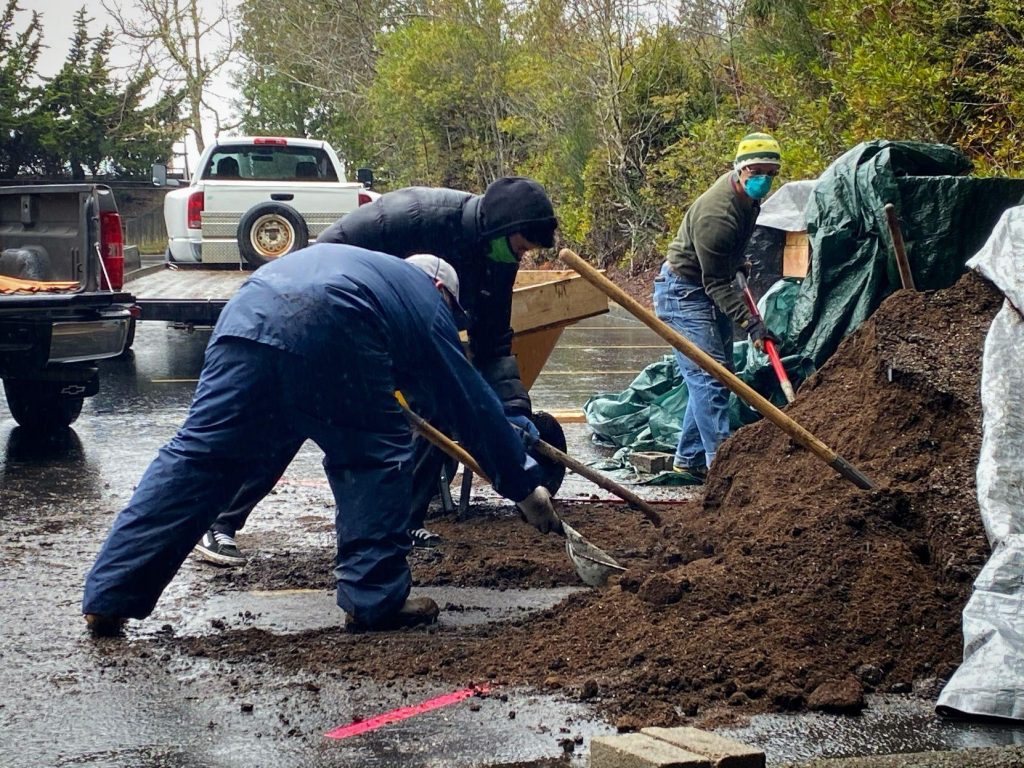
On Saturday, Dr. Shimotakahara, the chairman of the board of the North Bend Medical Center and board-certified ENT physician, donated over 20 garden boxes to local foster families throughout Coos County as a way to encourage their children to eat more vegetables.

A community-based project, which was started by Dr. Shimotakahara about two years ago, the “Growing Together” program not only taught young children about gardening but also encouraged them to eat healthy.

READ THE FULL ARTICLE: https://theworldlink.com/news/local/growing-together-gardening-program-hands-out-free-garden-boxes/article_57202ee8-76f5-11ea-8d90-2ba89f1ba124.html

How to grow your own food in a modern-day victory garden

One silver lining of the coronavirus lockdown is that it comes at the start of the growing season. Between now and the fall, folks have the chance to coax food from the soil while also feeding the soul.

This year, a vegetable garden may also provide one thing we seem to be lacking at the moment: control over our lives. It includes the satisfaction of raising nutritious and delicious food, exercising outdoors while socially distancing, relieving pressure on the nation’s food supply system, passing essential knowledge on to your children and growing extra to share with others. At the very least, it’s a constructive distraction in a confined environment.

You can think of it as a Doomsday Garden; I prefer to regard the spring 2020 plot as the Stick It to the Virus Garden.

READ THE FULL STORY: https://www.washingtonpost.com/lifestyle/home/how-to-grow-your-own-food-in-a-modern-day-victory-garden/2020/04/05/6a0fa7f0-737f-11ea-a9bd-9f8b593300d0_story.html