Why Urban Farm Grows Food in 100% Container Garden

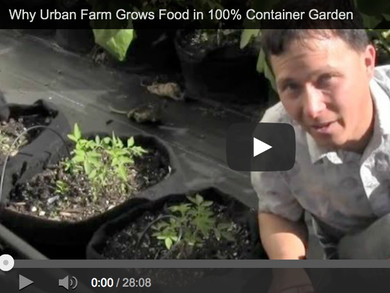
Take a peek at an Urban Garden growing food in containers, right in downtown Fort Lauderdale!

John from http://www.growingyourgreens.com/ goes on a field trip to downtown Fort Lauderdale, Florida to share with you a urban farm who grows food in 100% containers. In this episode, you will learn about Fort Lauderdale Vegetables who grow food in the city and teach about decentralized farming. You will learn some of the techniques they use to grow in a tropical environment that gets lots of rain. You will also discover why smoking is not a good idea around your garden and much, much more.

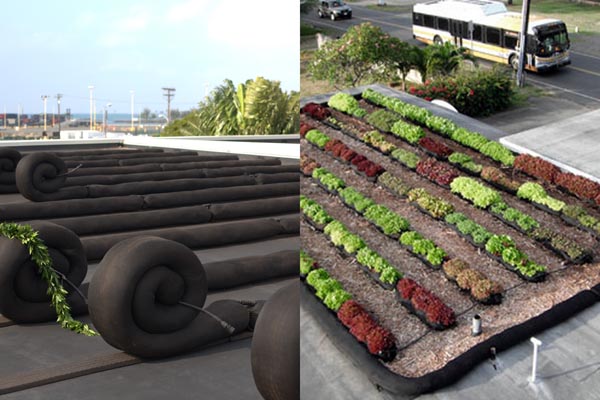
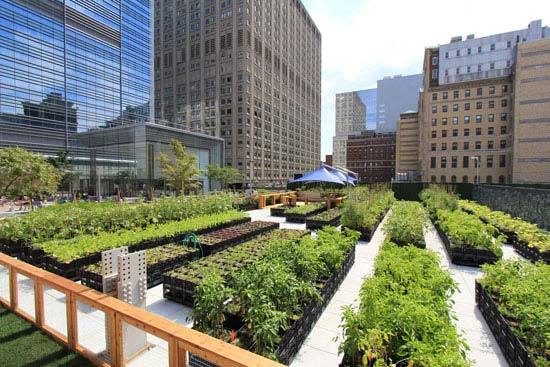
Honolulu’s first urban rooftop farm is on top of an auto dealership in Kakaako!

farmroof_600_2“Honolulu’s first urban rooftop farm is on top of an auto dealership in Kakaako.

It’s the juxtaposition of urban and rural that makes farm roofs so exciting. The reality is, we’re not all cut out for rural life, but with rooftop farming, we can bring a little bit of the agrarian into town. At a glance, rooftop farms make sense: utilize unused space to grow food. But there are challenges: irrigation, heat (10 minutes on top of AutoMart, and everyone was sweating), the weight of plants and soil and maintenance. Alan Joaquin, founder of FarmRoof, the certified-organic system on top of AutoMart, thinks he has it figured out. He’s also the founder of Wiki Garden and has adapted the modular, lightweight garden-in-a-sock system for roofs. From his test plot on top of Sweet Home Waimanalo, he sells produce to Whole Foods. On top of AutoMart, he has 38,000 square feet of rooftop to grow kale, arugula, Asian mustard and other rooftop-hardy plants, which he plans to offer to the neighborhood via a CSA.

Construction of 680 Ala Moana, an affordable housing development, also began last week (the day after the FarmRoof blessing), and rumor is it will also boast a rooftop farm. Kamehameha Schools, as part of its 15-year Kakaako master plan, is currently developing the neighborhood with an eye toward arts and culture and sustainability. (It’s a sign of the times when Kamehameha Schools, which previously sought a 28-fold rent hike on ag lands, is now carving out a bit of urban land for farming).” – www.honolulumagazine.com

This post, text, and images are from www.honolulumagazine.com

The Top “Dirty 5”. Time for you to GROW ORGANIC!

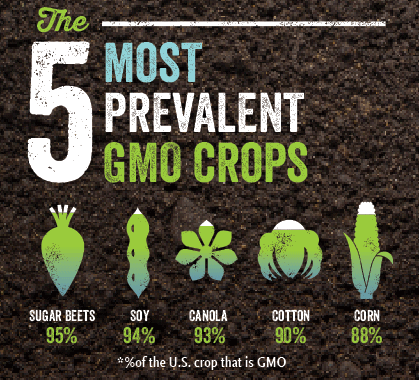
TOP 5 Source: Whole Foods Market:

UOG’ers know all too well about the top 5 Genetically Engineered crops grown and consumed here in the United States of America.

  1. Sugar Beets – A lot of people actually don’t know about this one.
  2. Soy – Yup!  Pretty much in everything.
  3. Canola – No Canola Oil in my kitchen.
  4. Cotton – Like the shirt you’re wearing,
  5. Corn – This chart says 80% but actually it’s a lot more than that now – probably closer to 93%.

The best way to stay away from GMO is to grow your own. Start a organic garden. Start seeds in 5 gallon containers. It’s not that hard.  Follow UOG on Instagram for tips and tricks.

Looking for NON-GMO seeds? Sources for Buying Non-GMO Seeds

A a great TED Talk on how you can grow your own food, regardless of your living situation.

“Britta Riley wanted to grow her own food (in her tiny apartment). So she and her friends developed a system for growing plants in discarded plastic bottles — researching, testing and tweaking the system using social media, trying many variations at once and quickly arriving at the optimal system. Call it distributed DIY. And the results? Delicious.” –http://www.ted.com

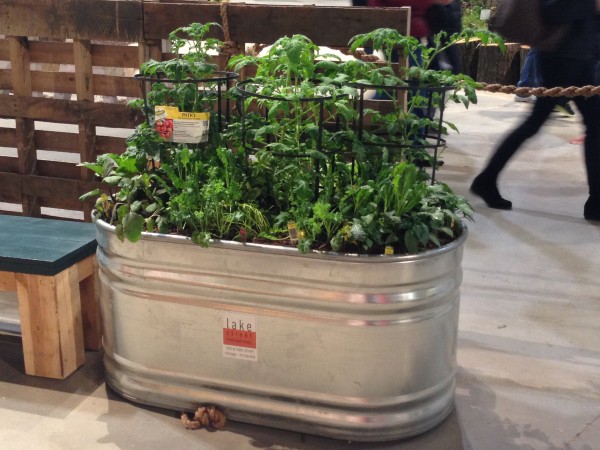
15 Tips for Growing Food in Metal Troughs AKA Stock Tanks

This post and its images are from this website: http://theyarden.com (link to the article).

trough-600x450

  1. Troughs, also known as stock tanks, make a great and attractive alternative to wooden raised beds. They’re easy to use (no building required!) and cost-wise not a bad investment as they will last forever and keep burrowing animals out. If you pick one 36″ or higher, they’ll also keep bunnies out, too
  2. Look for used stock tanks at farm sales or on Craig’s list. New stock tanks can be purchased at farm stores or some city garden centers like Lake Street Supply in Chicago. If you don’t see them where you buy your garden products, ask the manager to special order troughs for you
  3. Troughs come in a variety of sizes, shapes and heights and the taller ones provide a great option for those who don’t want to bend down to garden
  4. You can get really creative with stock tanks – they don’t just have to be a single lozenge shaped tank. Use your imagination and have fun with the possibilities!
  5. Troughs are heavy so think carefully about where you want to place it. It will be hard to move once filled
    trough3
  6. You will also want to consider reflection from the sun hitting the metal tough when you’re placing them – they may look lovely out your kitchen window but if the glare is blinding you as you wash the dishes, that’s not a great thing
  7. Most of the principles that apply to container planting also apply to troughs
  8. Make sure you have good drainage! You’ll want to drill holes in the bottom of your trough to allow for drainage. You will also want to set your trough on cinder blocks or bricks to allow the water to drain out thoroughly. If you raise the trough to facilitate drainage, make sure you have enough support under the trough so it doesn’t buckle due to the weight
  9. You will want to put 3-6″ of gravel, broken pot shards or other material at the bottom of the trough to help with drainage. You might want to put a fine mesh over the drainage material to keep your soil from slowly leaking out (and potentially clogging  drainage holes)
  10. Like other containers, troughs can dry out faster than in ground plantings or raised beds in hot weather. Be sure to check if the trough needs water frequently by putting your fingers into the soil. If you detect moisture 2-3″ down, you’re good
  11. Don’t over compensate by watering too much. Plants don’t like their roots in soupy soil – it prevents them from “breathing”
  12. Soil rich in compost is great for veggies and works in a trough
  13. Your trough will warm up faster in the spring so you can plant a little earlier. But it will also warm up significantly in the summer so be careful when touching the metal that it isn’t too hot – ouch! “Hot crops” like tomatoes, peppers and eggplant will most likely love the extra soil warmth a trough will provide
  14. From a decorative perspective, troughs can be painted on the outside to match a color scheme.
  15. Troughs are great for water gardens too, although different rules apply. But, consider your trough a very large container and come up with all sorts of ideas that suit your particular gardening situation!

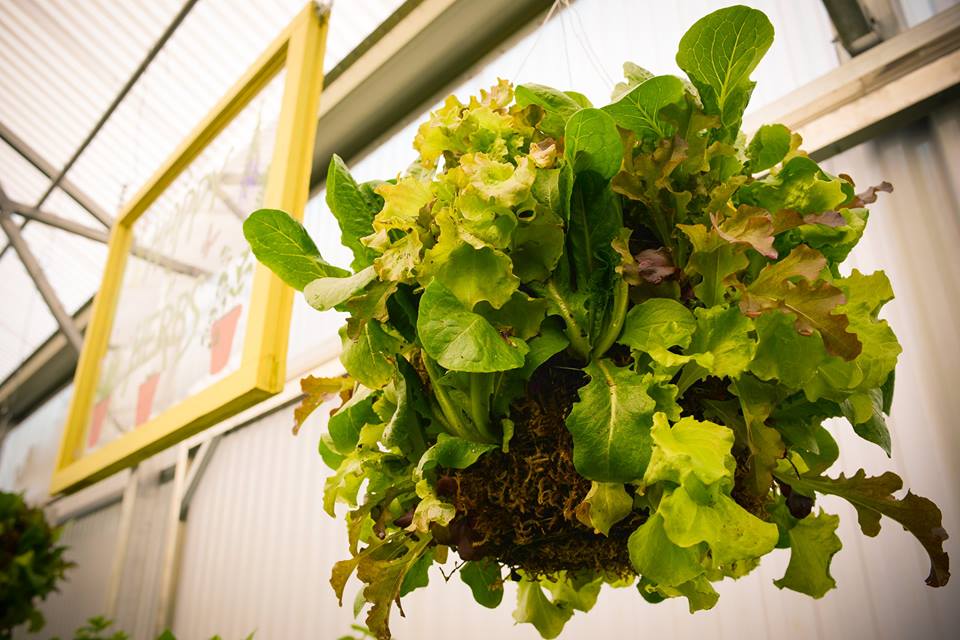
Hanging Basket of Lettuce Perfect for Urban Environments

You’ve seen hanging baskets of flowers, but have you seen a hanging basket of lettuce before? Cut small slits in the basket and place your lettuce through them. Fill with good potting soil and you’ve got an awesome basket of lettuce to hang on your patio.

hanging lettuce basket urban organic


Lettuce is super easy to grow from seed.  Lettuce seeds germinate in less than a week and mature sometimes as little as 20 days.

Sources to buy non-gmo seeds.

Vertical Gardening Goes High-Tech And Large-Scale

Source: ResilientCommunities.com

“We have spent a fair amount of time discussing vertical gardening techniques and how beneficial it can be for those with limited space or access to fertile land for gardening.

It’s entirely possible to create enough food to feed a couple of people using this technique in a space as small as a one bedroom apartment and perhaps more importantly, vertical gardening represents a sustainable, organic growing technique that anyone can implement inexpensively.

But what if we were to scale up vertical gardening into say…a food factory? I’m not talking about a factory in the normal sense of the word; rather, an abandoned factory that has been repurposed to produce fresh fruits and vegetables in a controlled environment year round.

Believe it or not, it’s already happening and this new practice could represent a departure from the negative connotations typically associated with mass-produced foods.
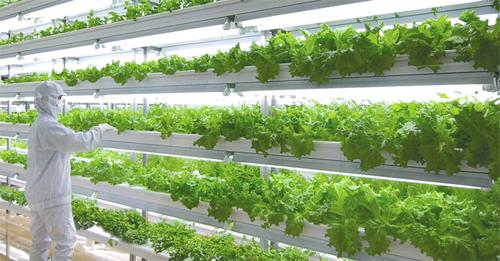
vertical garden 1


A recent market research report published by Reportstack estimates that plant factories will be a $1.97 billion business by 2020.

Using a combination of new growing techniques and more sustainable energy practices, food markets around the world could soon benefit from the adoption of plant factories taking up a lot less space than traditional agriculture but boasting significantly more production.

And if you ask me, these advances couldn’t come at a better time as the world faces a looming food shortage that many experts believe will begin manifesting itself in the next 20 years.

New Technology Could Make Plant Factories Self-Sufficient

Employing a controlled environment to oversee every aspect of plant growth, plant factories do not have to deal with detrimental influences like pesticides and poor weather conditions. This translates into a much more reliable harvest every year – helping to keep prices consistent and supply plentiful.

Other technological advances are also being used in many of these plant factories. Robots are being used to monitor plant health and even harvest crops at the perfect time without human intervention.

One of the questions critics often pose regarding the widespread reliance on indoor growing facilities is the power and resource consumption required for year round crop production. One entrepreneur in Chicago – John Edel – may have the answer.

Edel has converted a 93,000 square foot abandoned meatpacking facility into an indoor plant factory that differs from similar facilities in one important way. Rather than rely on grid power to keep the lights on, Edel’s factory uses a massive anaerobic digester designed to convert food waste into biogas.
vertical 2


As more people flock to urban areas every year, it only makes sense to begin looking at constructive ways to increase food production in areas known for consuming food resources; not producing them.

Even in more rural areas known for producing consistent fruit and vegetable crops, the effects of adverse weather conditions (such as this year’s drought in California) have far-reaching economic consequences; many of which have manifested themselves yet this year.

As technology continues to improve, adverse weather conditions and other problems typically faced by the agricultural community could become a thing of the past as plant factories like the one in Chicago begin to take over.

About the only problem I see with widespread adoption of this technique is the large initial investment required to make it a reality. Most farmers are already up to their neck in debt and are simply unable to take on the financial risk presented by implementing an indoor plant factory.

Hopefully, as technology continues to become less expensive and demand for a consistent food supply rises exponentially, the many benefits of plant factories will overshadow the cost constraints and we can confidently enter a new era where previously abandoned factory buildings are transformed into meccas for sustainable food production.”

Read the entire article here: http://www.resilientcommunities.com/
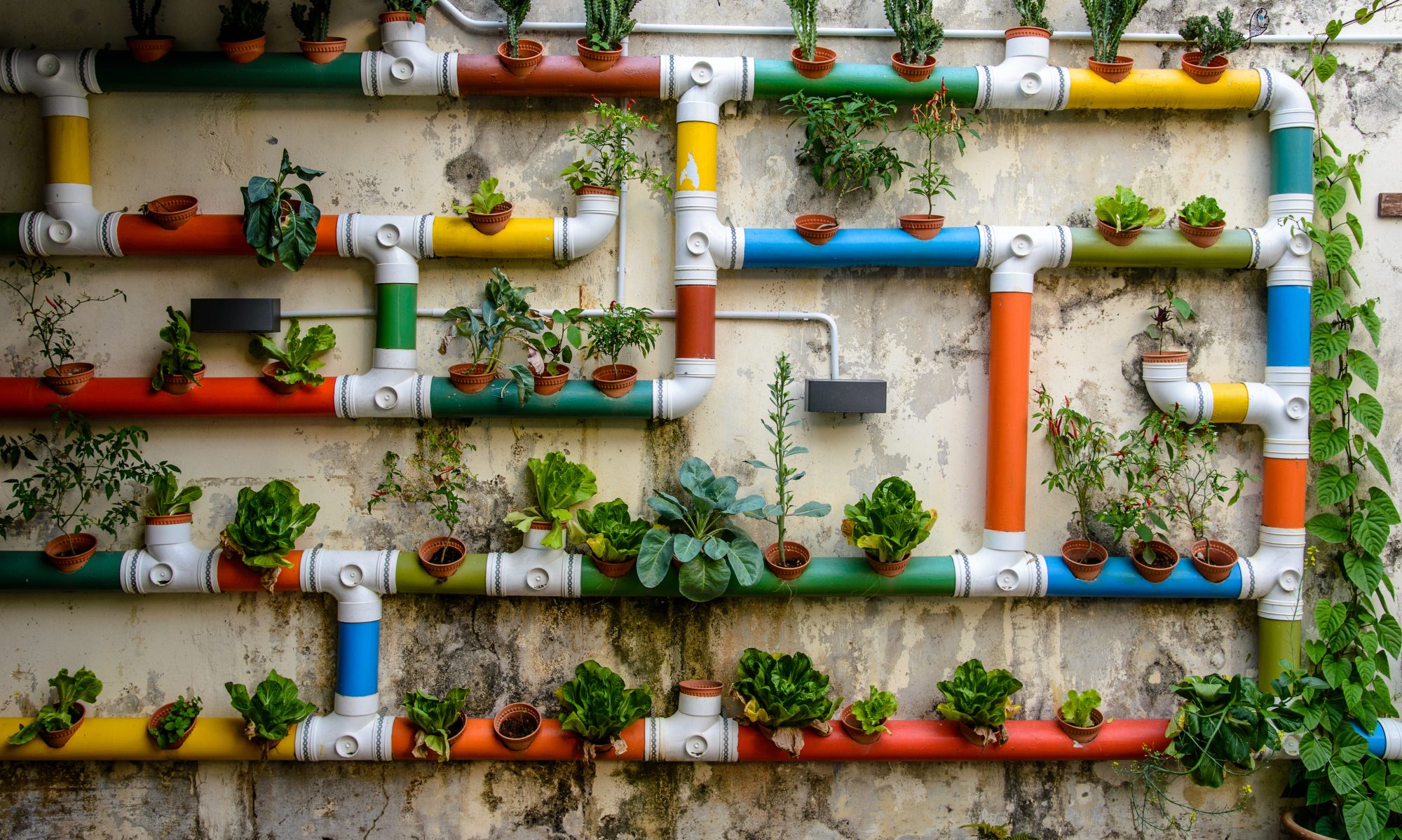
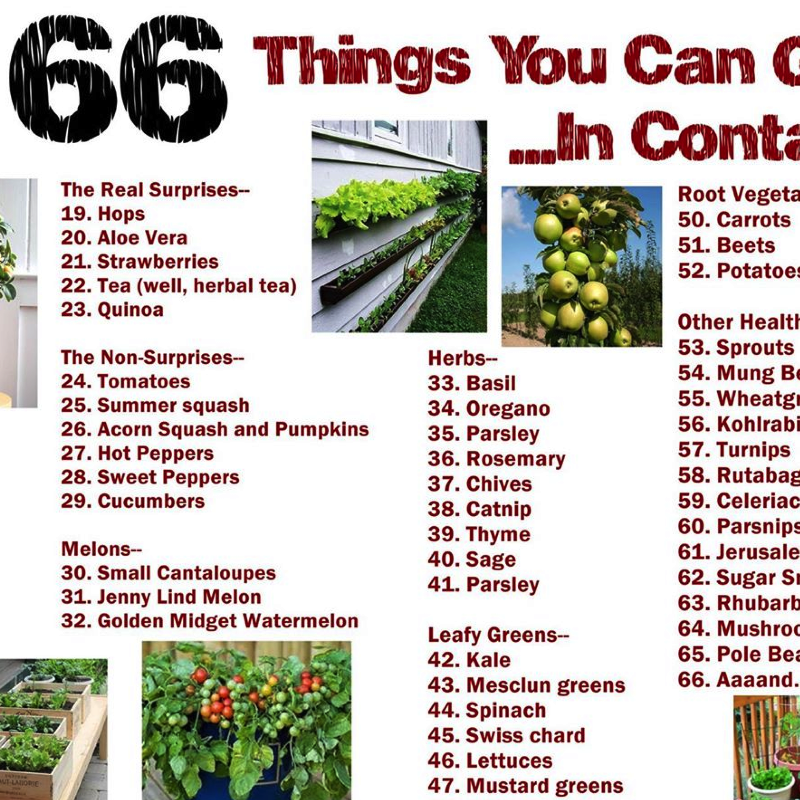
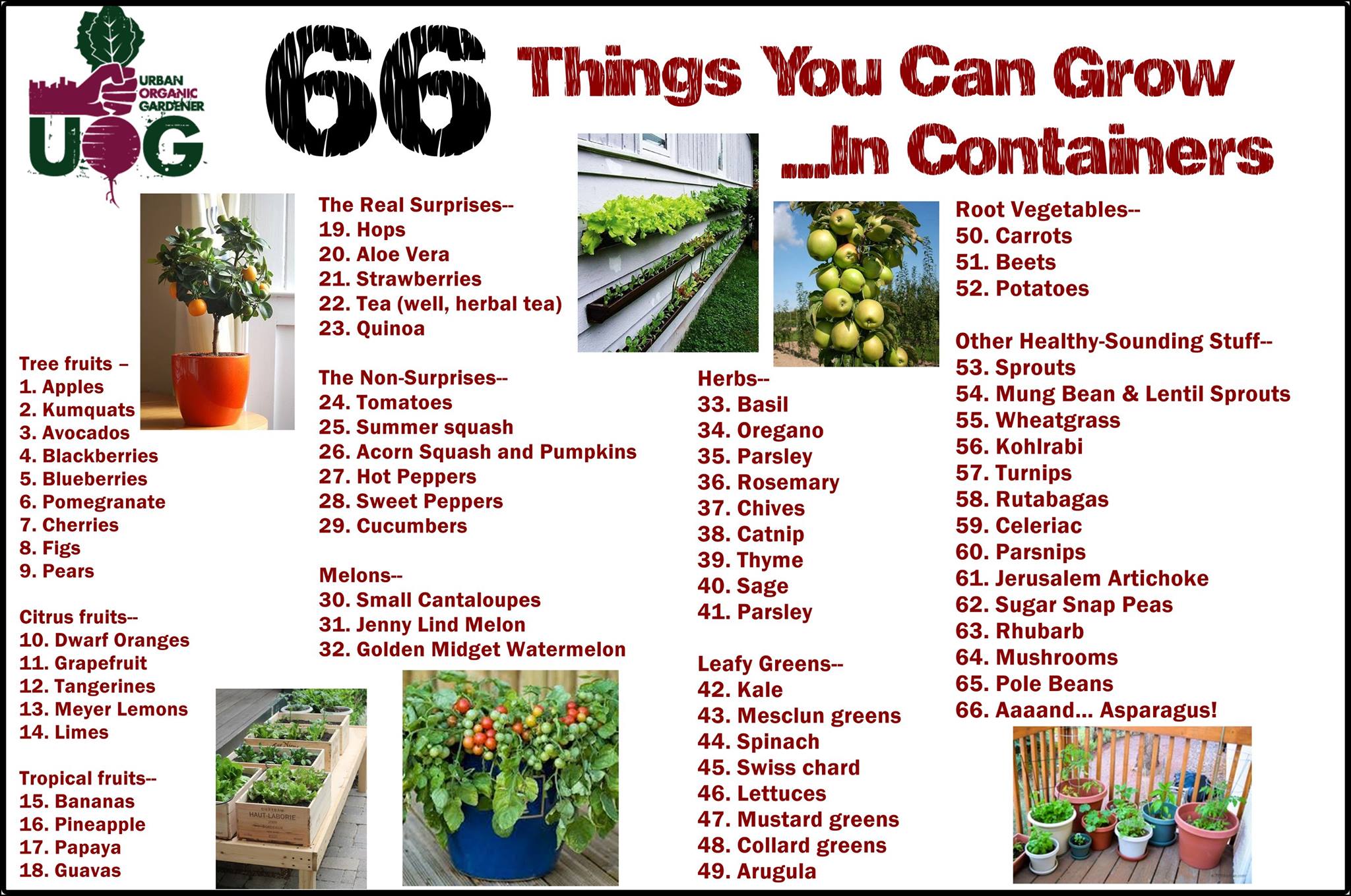
66 Things You Can Grow In Containers! No Excuses – Just GROW FOOD!

Heather Chapin from our Facebook page writes, “I have a tiny apartment and I’ve managed to grow 30 tomato plants, 3 flats of lettuce, peppers, green beans, sugar snap peas, avacado, basil, rosemary, potatoes and many more plants in just my kitchen and living room using the light that comes from three windows. Didn’t even have a grow light until just recently and I’ve had fresh veggies all winter long!” Check out the entire discussion here!

66 Things You Can Grow In Containers

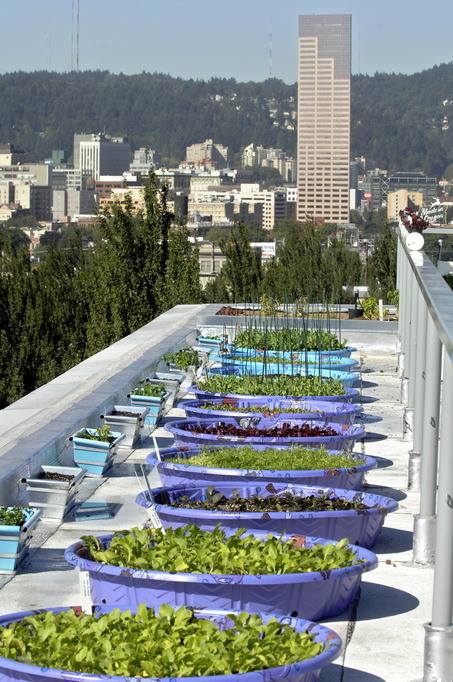
Urban Organic Kiddie-Pool Rooftop Garden

I don’t know about you guys but I think this is pretty badass!

The produce grown on the roof goes directly to a restaurant one floor down. The practices are innovative — like growing arugula in round kiddie pools to save space and resources — and sustainable.

1

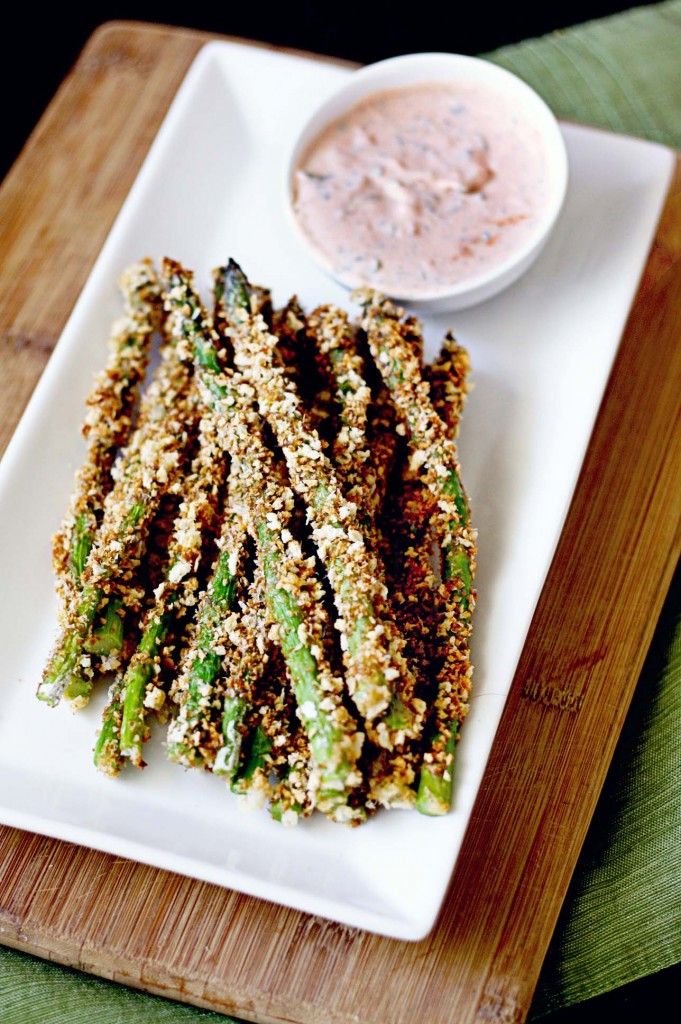
Crunchy Baked Asparagus Fries with Lemon Herb Sriracha Dip

Source: http://www.insockmonkeyslippers.com/crunchy-baked-asparagus-fries-with-lemon-herb-sriracha-dip

Crunchy Baked Asparagus Fries with Lemon Herb Sriracha Dip

  • 1 bunch of asparagus
  • 1 cup panko bread crumbs
  • 1/2 teaspoon salt
  • 2 eggs
  • 2 tablespoons water
  • 1/2 cup all-purpose flour

Lemon herb sriracha dip

  • 2 tablespoons lemon juice
  • 1 cup plain yogurt
  • 1 tablespoon fresh parsley, chopped
  • 1 tablespoon fresh dill, chopped
  • 1 clove garlic, minced
  • 2 teaspoons Sriracha
  • 1 teaspoon grated lemon zest
  • 1/4 teaspoon salt

*Panko Breadcrumbs and Sriracha can be found at most major grocery stores or on-line.

  1. Preheat oven to 425°F.
  2. Line a baking sheet with parchment paper.
  3. In a skillet over medium-low heat, toast the panko breadcrumbs until lightly golden.
  4. Transfer to a plate and add salt.
  5. Toss to combine.

  1. In a bowl beat eggs and water together to create an egg wash and pour onto a plate.
  2. Set up a “work station” with the asparagus, flour that has been placed on a plate, egg wash, toasted panko crumbs, and baking sheet.

To bread the asparagus:

  1. First roll an asparagus spear in flour, then egg was, and then panko crumbs – pressing to adhere.
  2. Repeat with remaining asparagus.

  1. Place the breaded asparagus on the baking sheet and place in the oven.
  2. Bake for 10 minutes until the asparagus is cooked but still crunchy.

While the asparagus is baking, make the dipping sauce. Place all ingredients for the sauce in a bowl and stir to combine.

Ingredients for lemon herb sriracha dip:

  • 2 tablespoons lemon juice
  • 1 cup plain yogurt
  • 1 tablespoon fresh parsley, chopped
  • 1 tablespoon fresh dill, chopped
  • 1 clove garlic, minced
  • 2 teaspoons Sriracha
  • 1 teaspoon grated lemon zest
  • 1/4 teaspoon salt


Enjoy!