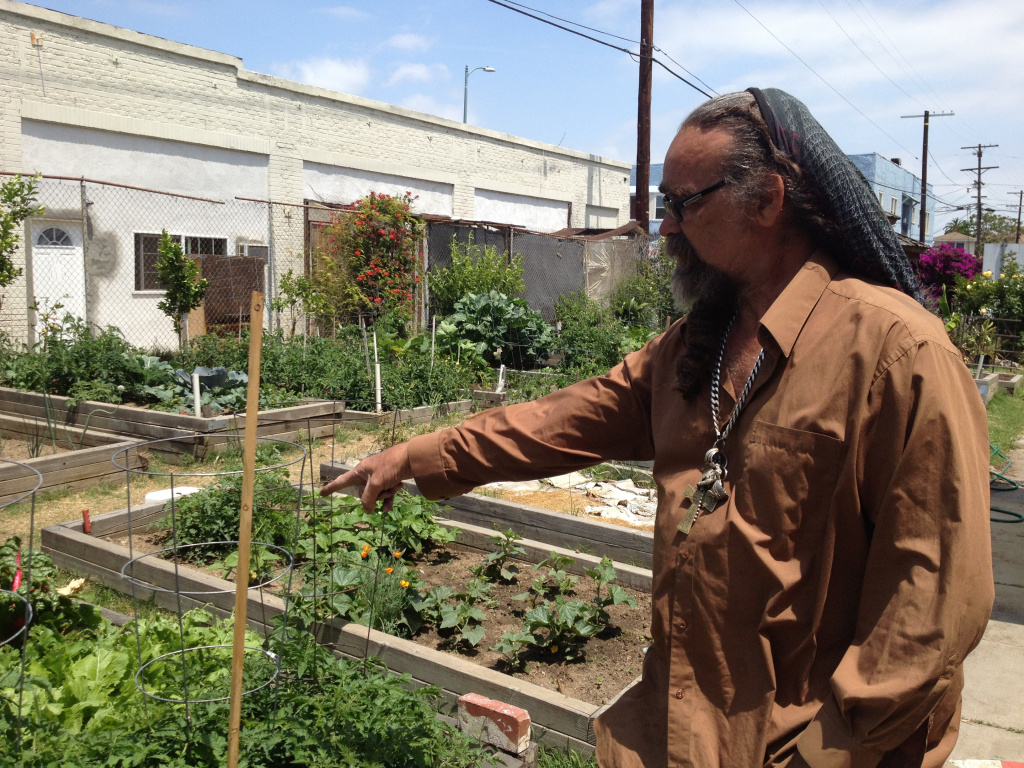
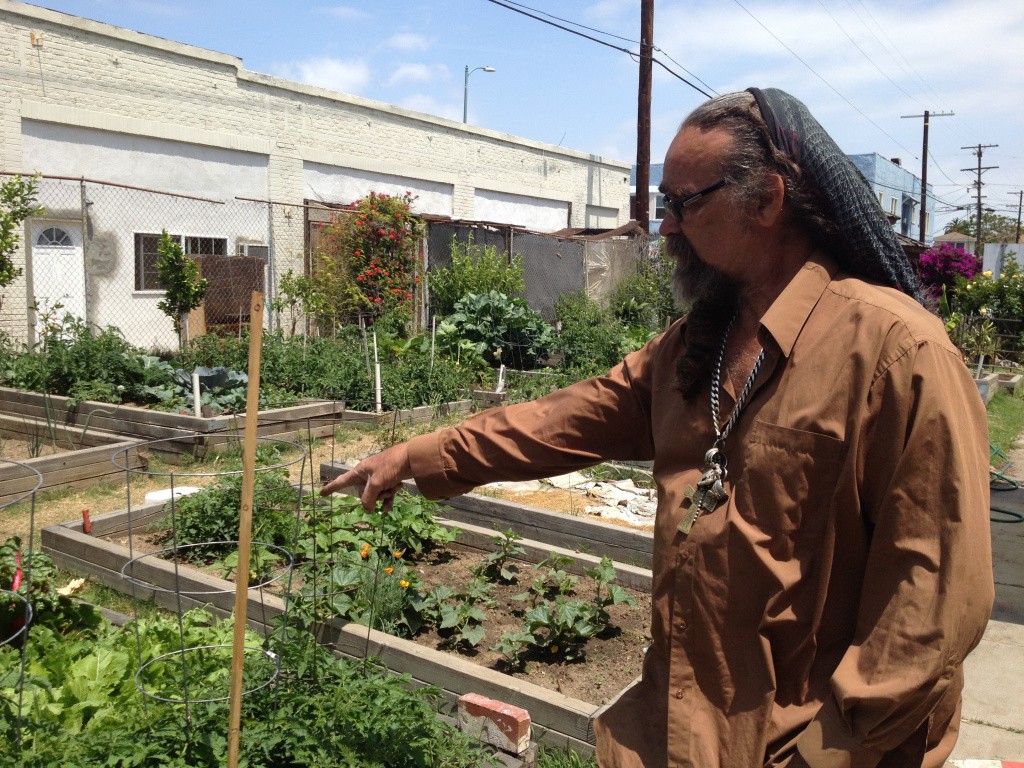
The Oakland Museum of California unveiled its new exhibit “Take Root: Oakland Grows Food” over the weekend. It highlights the different food communities and how food is grown by residents within in the city.
“The Oakland Museum of California is really interested in social justice issues and how they effect the citizens living here,” says Sarah Seiter, the curator. “There’s a lot of issues with food access in Oakland.”
Listen to the STORY here: “https://ww2.kqed.org“
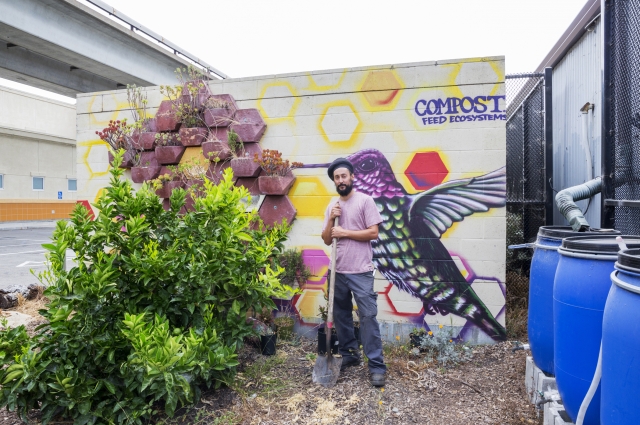
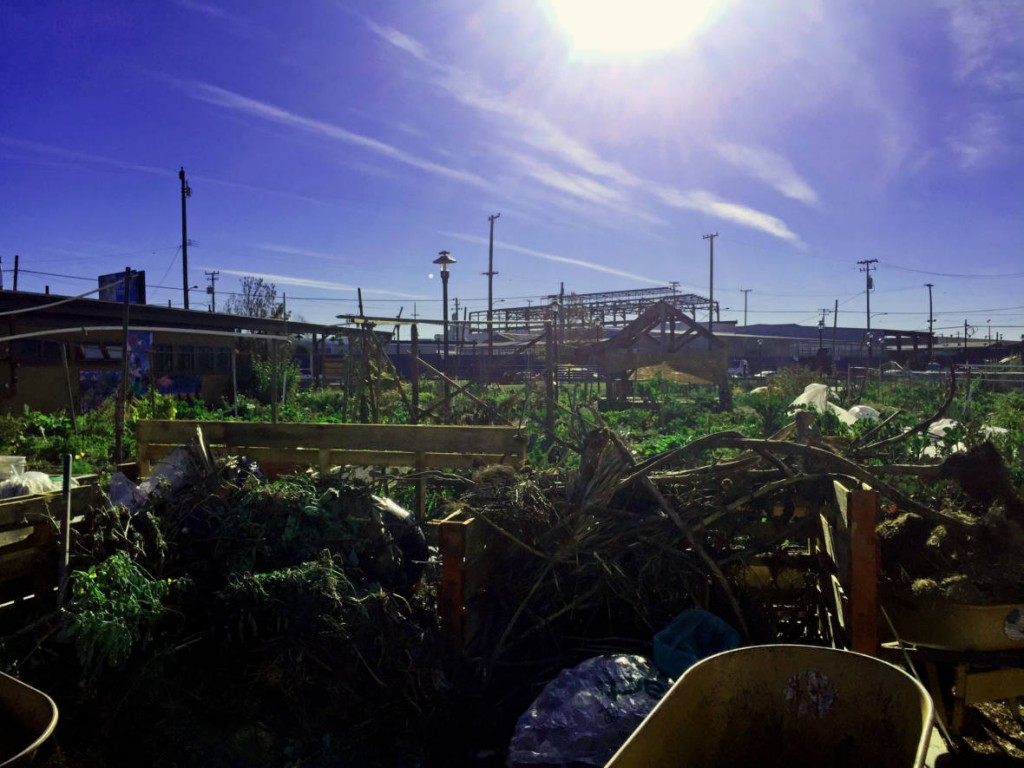
“Focusing on the cultivation of food right here in Oakland, the exhibition looks at how positive ecological practices are happening—and can continue to evolve—in our own backyard. “Urban gardens are a vital part of our cities, and are places where people not only cultivate food but also grow community and nurture healthy ecosystems,” says Associate Curator of Natural Sciences Sarah Seiter.”
“The exhibition is divided into three main sections. The first explores where gardens grow, and the conditions that help or impede successful urban gardening. Interactive maps show “food deserts”—the areas with compromised access to food—and areas with higher degrees of gentrification and soil contamination.”
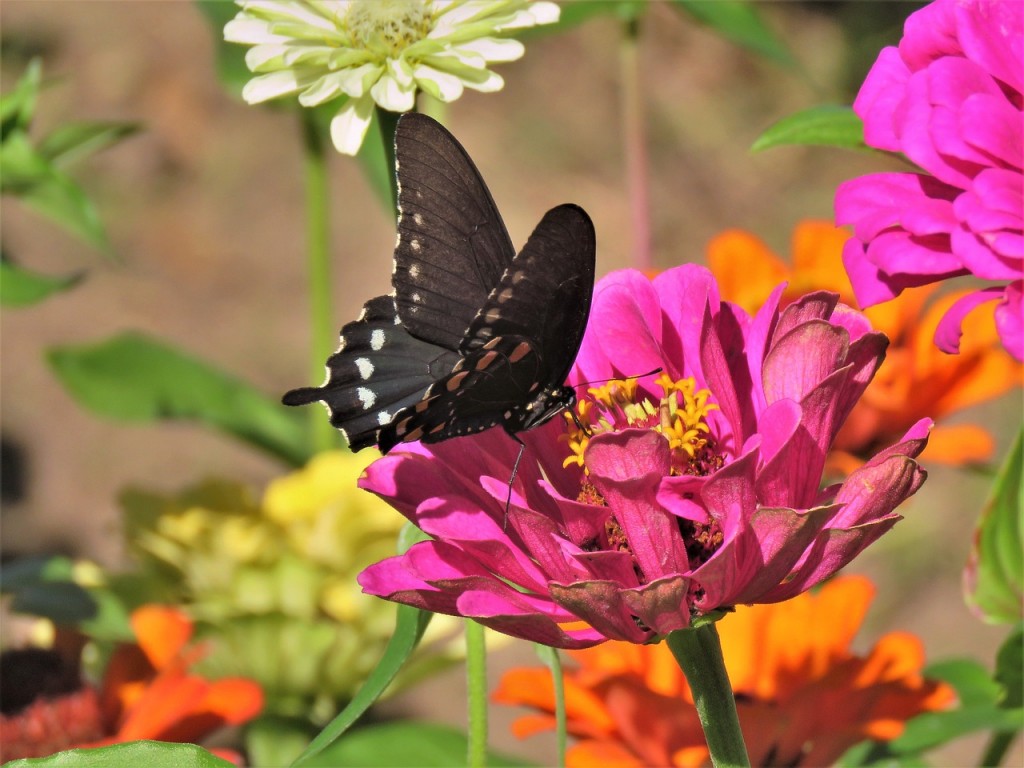
Another section takes a deep dive into garden ecosystems, examining how things grow, and the organisms and conditions that impact cultivation. Curious about which insects are friends and which ones aren’t? Want to know how different species—including humans—come together to create a productive garden? Interactive displays allow visitors to explore inter-species relationships, inviting them to learn about helpful pollinators, harmful parasites, and other living things. And a play area encourages kids to immerse themselves in a fanciful garden-like setting. “It’s all about interaction,” Seiter explains. “We want to offer opportunities for wonder, engagement, and fun.” via: “http://museumca.org“


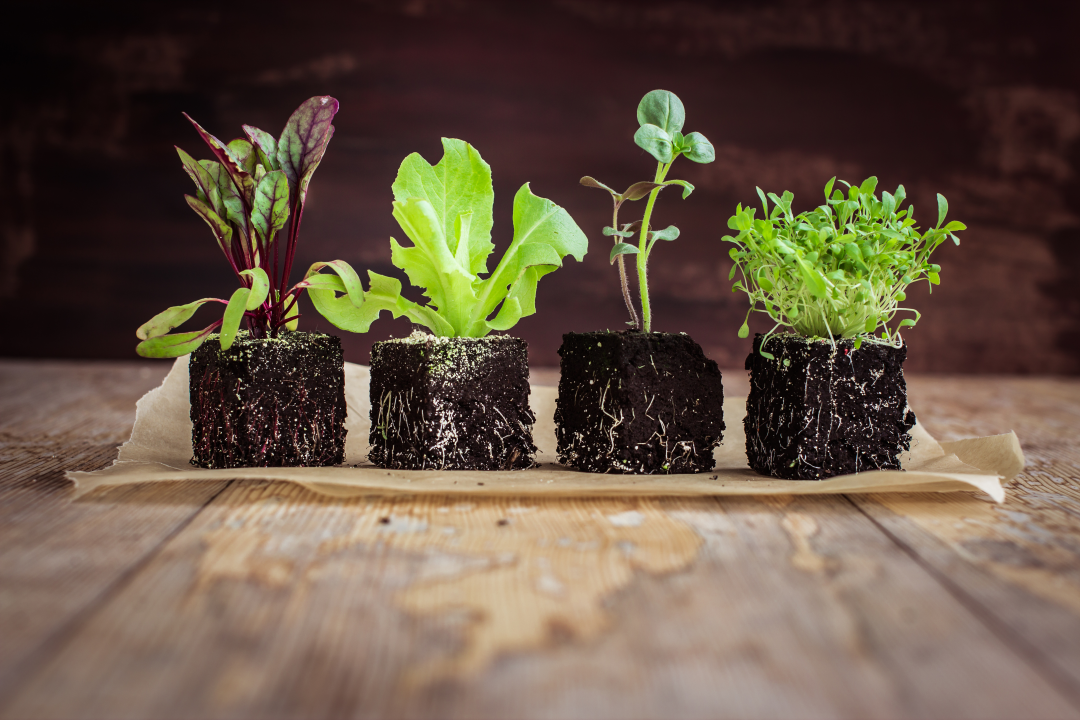







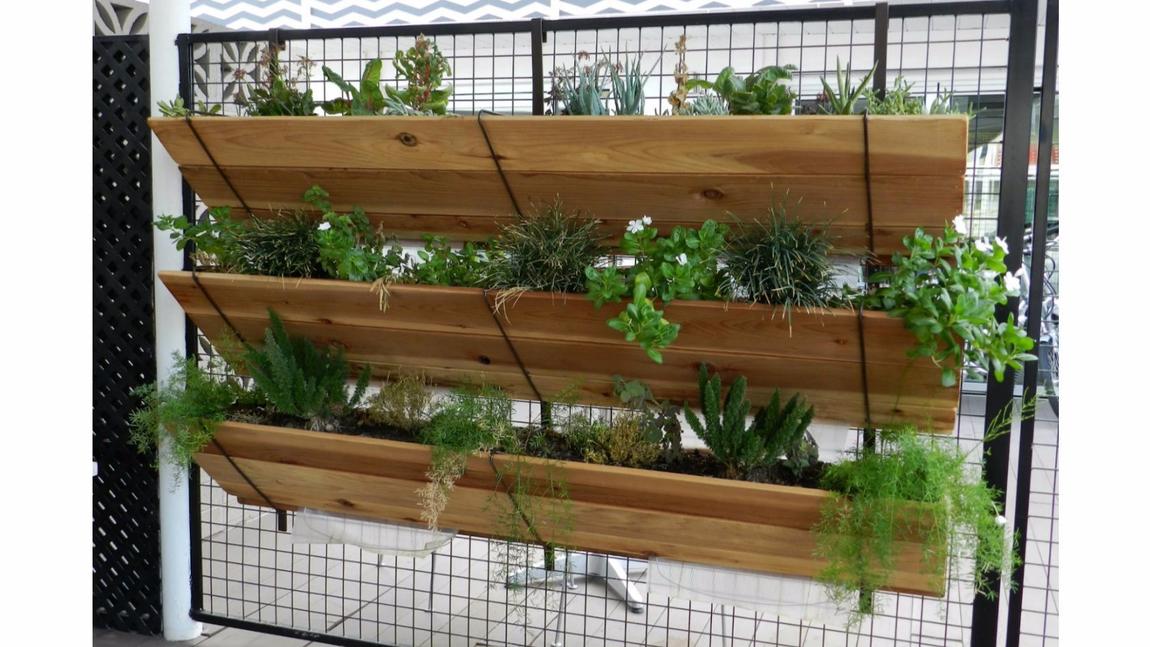
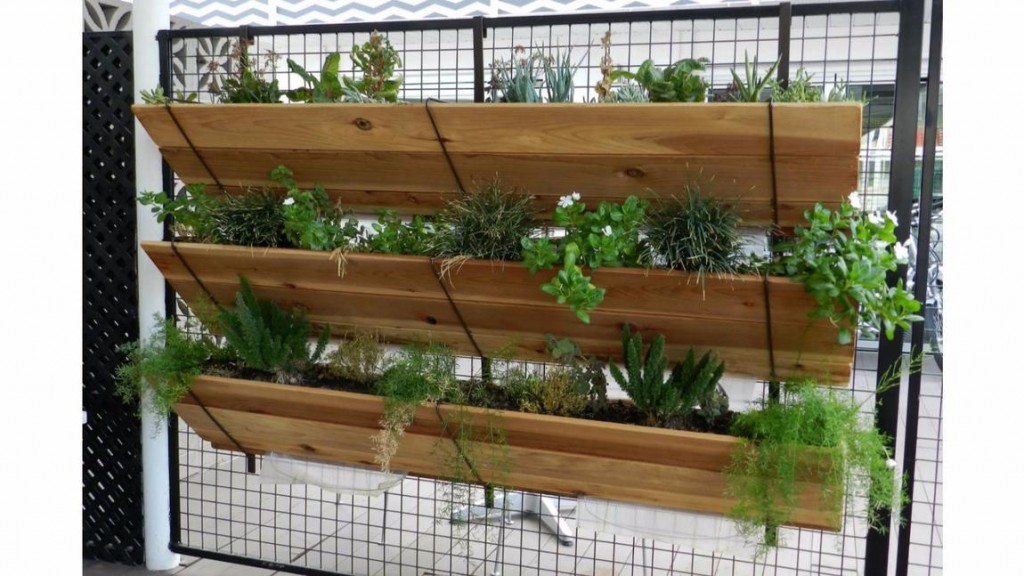 TIP 1– Soft, pouch-type containers are best for shallow roots like herbs, onions and succulents. Plants such as strawberries, lettuces and bushy veggies such as peppers like a larger, more rigid container. Tomatoes do best in large pots with some kind of support, like a cage.
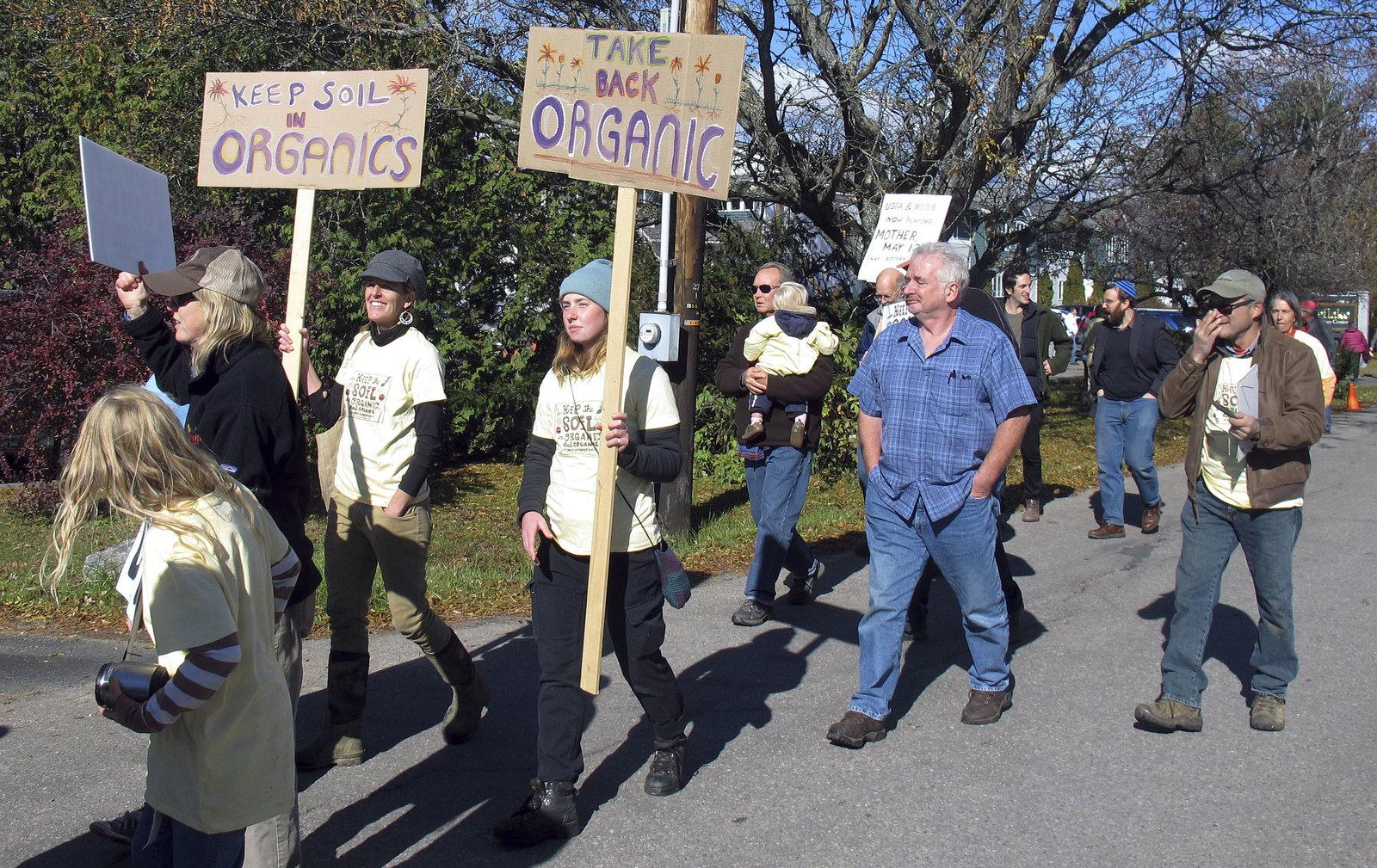
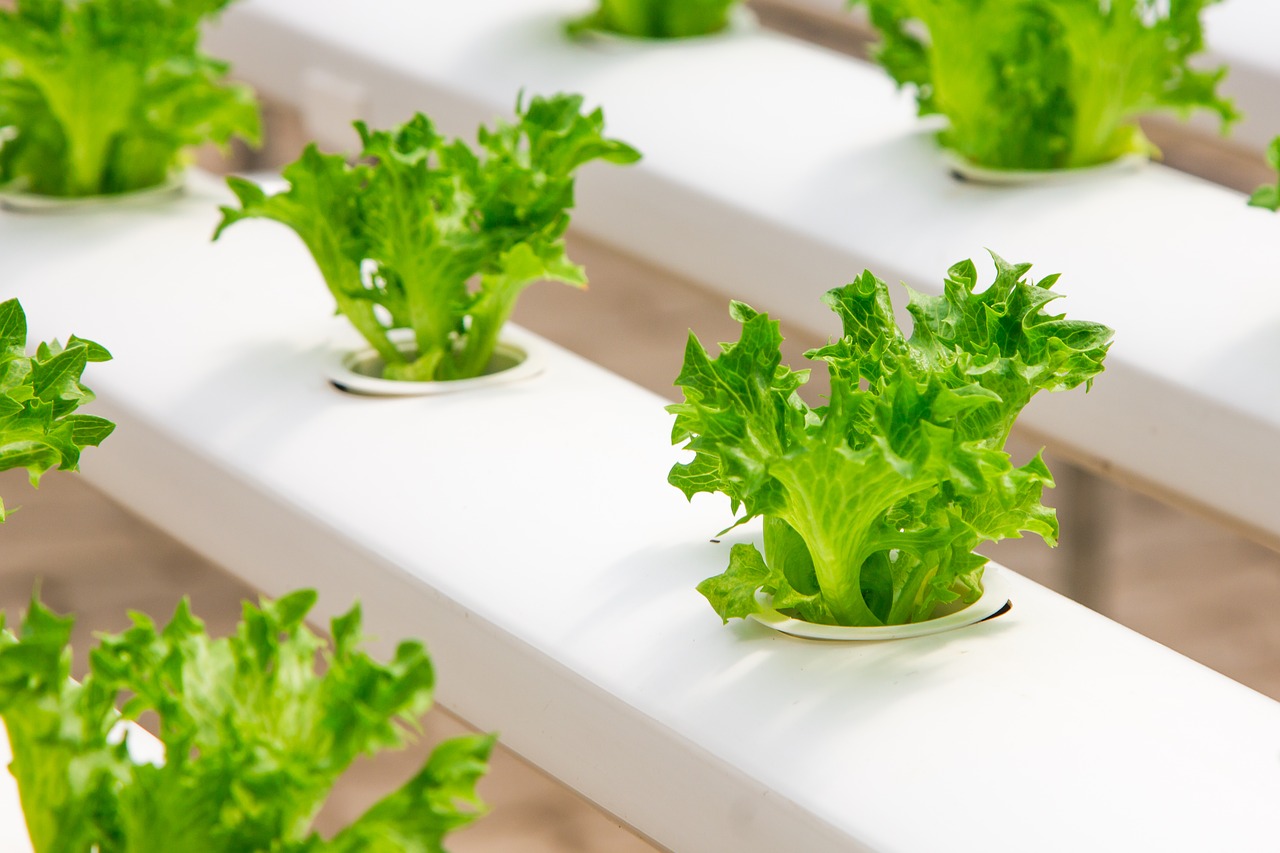
 “Dave Chapman and dozens of other longtime organic farmers packed a meeting of the National Organic Standards Board in Jacksonville, Fla., this week. It was their last-ditch effort to strip the organic label from a tide of fluid-fed, “hydroponic” greenhouse-grown vegetables that they think represent a betrayal of true organic principles.