“Half-Price” Bookstore Owner Opens a Store for Urban Farmers In Dallas

1480554986-nb_hall-rooster_1130bus_jl_03
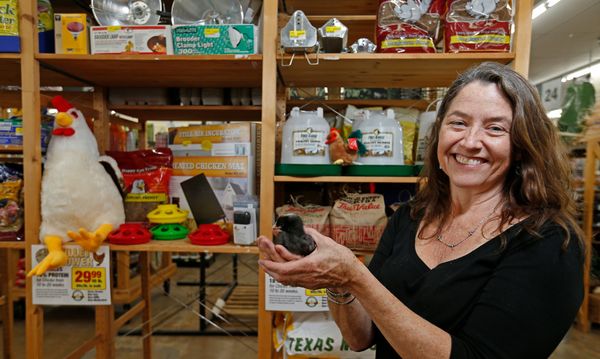
“The 58-year-old owner of Half Price Books is throwing a Lake Highlands neighborhood party Thursday for the public reveal of Rooster Home & Hardware, an eco-friendly hardware store that specializes in urban farming, beekeeping, live chickens and supplies, and local products.”

“Everyone, including my husband, thinks I’m crazy and says: ‘Why are you doing this? It’s a terrible, bad idea.'” Anderson says as workers busily unbox merchandise to replenish empty shelves. “I don’t know. I feel compelled to do it. If we can get through the mess, it sounds like fun.”

The 33-year-old’s family of five lives a homestead lifestyle, raising chickens, rabbits, quail and aquaponic food and canning jellies and vegetables. “I’ve always wanted to teach people how to grow, garden and be self-sufficient. Taking this job gives me the chance to do that.”

Read the entire article at: “DallasNews.com

How to Build a Safer Urban Garden

lead_largePhoto Cred: Mark Hogan/Flickr

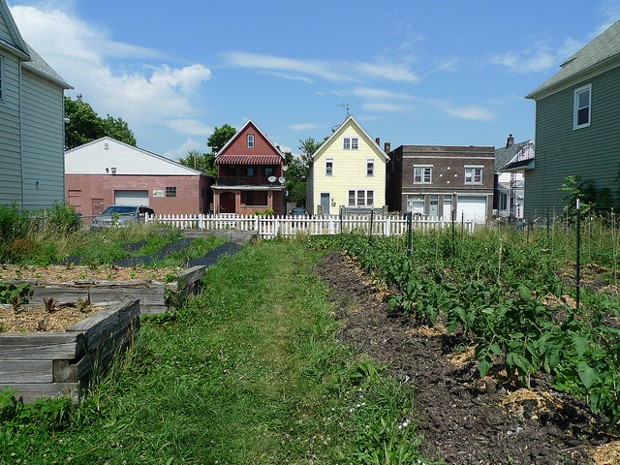
Lead is a being found in the soil in many urban gardens.  Recently surveyed were 71 urban gardens in New York City, and guess what? They all tested positive for high levels of lead and arsenic.  So what can you do to protect yourself if you’re gardening in the city?  Well, besides having your soil tested, here are some other ideas to help you keep gardening safe in your urban backyard.

“Learn about the land. Some businesses—such as dry cleaners, gas stations, and manufacturing facilities—leave more significant ecological footprints than others. Before you plant, consult historical materials, such as atlases of local businesses, to learn about what was on or adjacent to the property.

Build a better raised bed. If you do perform the soil testing and discover trace amounts of lead or other contaminants in the soil, you might choose to make a raised bed. That’s great, but it’s probably not enough, according to The Johns Hopkins Center for Livable Futures. That’s because crops with deep roots can extend to the dirt underneath. Consider adding a barrier in the form of a fabric cover, with holes big enough to let water through.

Choose plants wisely. Lead in urban soil doesn’t necessarily translate into contaminated fruits and veggies. Certain types of plants are more likely to take up lead than others. “Tomatoes aren’t a problem, while leafy greens and root vegetables you have have consider a bit more,” Cheng says. There’s also evidence to suggest that certain plants, such as sunflowers, are able to help extract harmful metals from soil through a process called phytoremediation.

Grow food in pots. If you don’t have space to build a raised bed, you can grow many varieties of vegetables in containers. Herbs and leafy greens are easy starter plants. Cheng suggests buying freshly bagged soil from the store; potted plants will do best in soil specifically designed for containers.” Source-“CityLab.com

To read the full article, please visit: “How to Build a Safer Urban Garden at CityLab”
Behind the Walls of the Largest Indoor Farm in North America

Original post can be found at: www.psfk.com

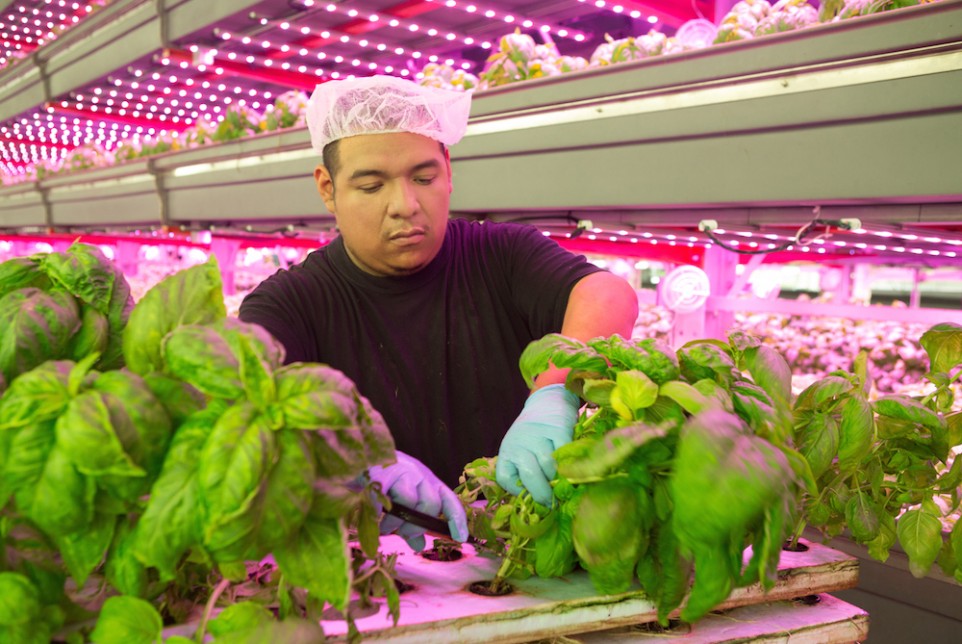
Behind the Walls of the Largest Indoor Farm in North AmericaFarmedHere is the largest indoor vertical farm in the United States, with 90,000 square foot space that all follow an eco-, city- and resource-friendly technique.

FarmedHere, located in Chicago, raises its plants with a technique called aquaponics. Plants grow without soil, directly in water kept nutrient-rich by fish. Using the technique, the farm yields both fishes and plants for harvest.

FarmedHere_190b.JPG

Vertical farming takes its name from growing plants on top of each other, often on tall racks indoors. These rooms are climate-controlled to conditions that maximize the growth and yield of crop. A major advantage of vertical farming is the sips of water it needs. FarmedHere, for example, uses just 3 percent of water traditional farming methods might use. Because the farms are enclosed, pesticides are unnecessary while the LED lights make sure there is enough “sunlight” all-year round.

Their website reads:

FarmedHere® produce is grown indoors in urban facilities, away from the bugs, diseases, pesticides, and weather that impact most produce today.

Our vertical growing technology and local distribution methods reduce energy use, travel time and costs tremendously, making this model one of the most sustainable ways to guarantee access to fresh, healthy produce in city centers, in any season.

Local farming also means fresher produce. Their products travel only a few miles compared to the thousand-mile journeys most agricultural products make.

FarmedHere-Beds.JPG

Right now, FarmedHere raises certified organic basil, baby kale, baby cabbage and microgreens with up to 15 times as many crop cycles a year compared to traditional farming. Right now, FarmedHere is able to supply to around 80 retailers in Chicago.

PSFK has previously reported on vertical farming on the opposite side of the world. Most of which are in developed countries where abandoned tech megafactories are finding a new purpose in vertical farming. Another startup in Japan is planning to build a fully automated vertical farm.

FarmedHere