
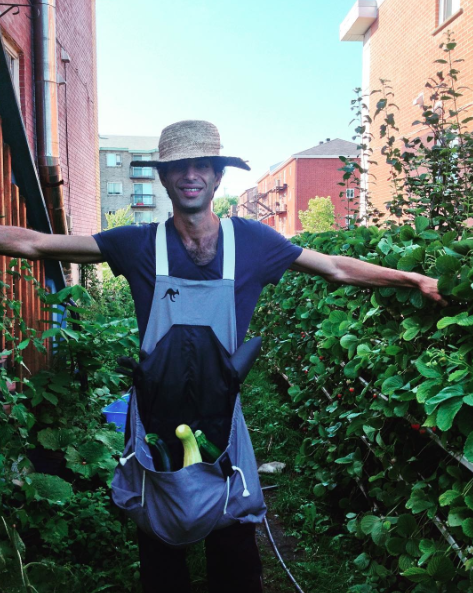
Vertical Farmer Extraordinaire! “Come Follow My Journey as I Disrupt the World of Agriculture!”

1

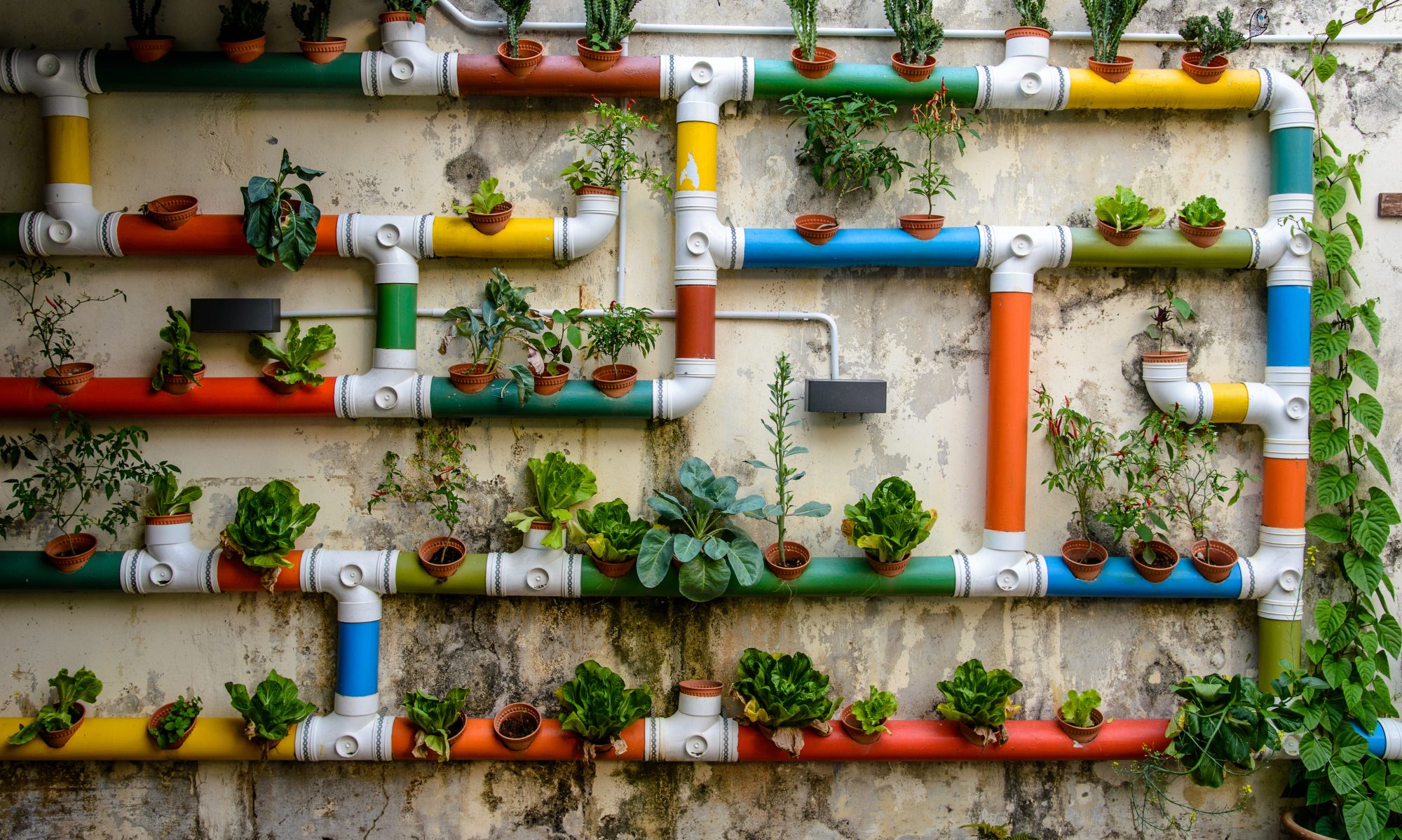
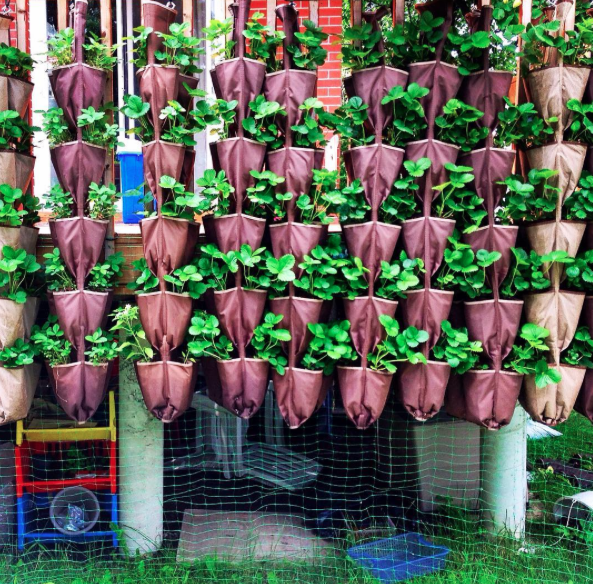
I was always fascinated by growing food but turned off by how inefficient “conventional” methods are.  I did try them but between weeds, bugs, bending over, digging, and the rest, I knew there had to be a way to come up with a better mouse trap!  I started looking for something that could be used for vertical growing and that could be deployed at scale while staying within reasonable cost. The idea was of course to lower production costs and increase productivity.  While cruising the local store alleys I came across the over the door shoe organizers and that became my first vertical system.
5

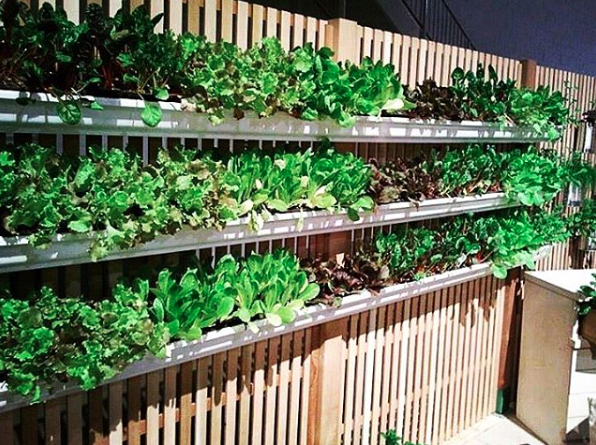
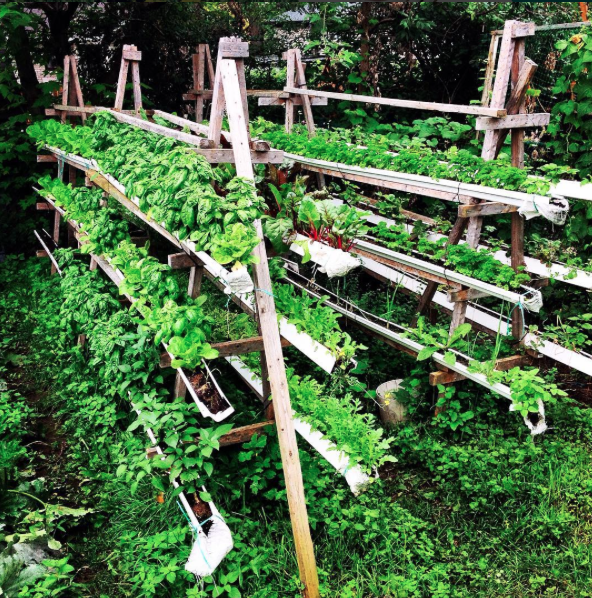
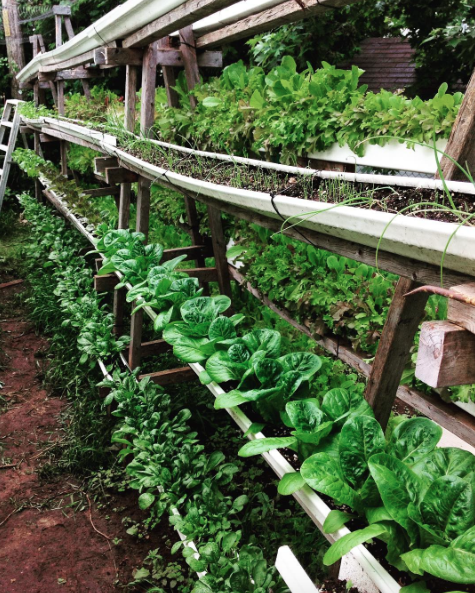
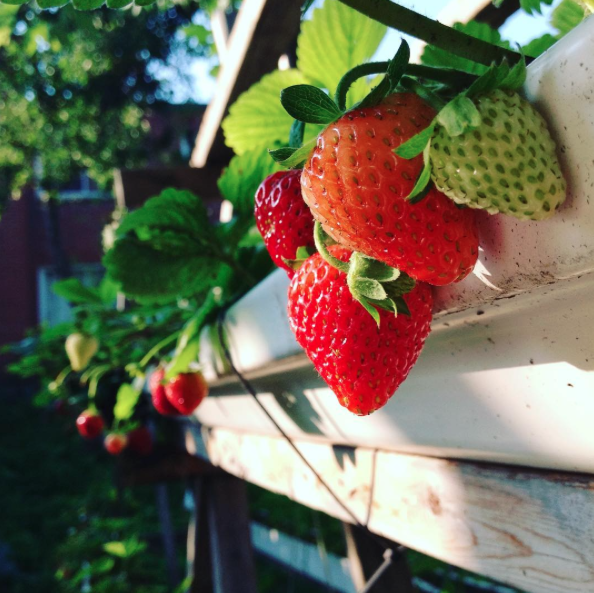
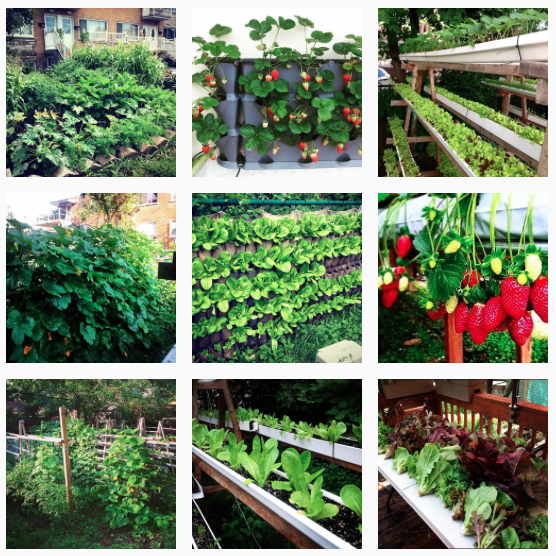
I have photos of this on my Instagram @ThePlantCharmer and it’s obvious from those that it grew plants REALLY WELL!  The issues came when it was time to amend/fertilize. We had to put a little bit of chicken manure pellets in each pocket and that took forever. Second issue was that each pocket being sealed from the next, the roots were limited in how much they could grow.  That also prevented me from deploying affordable automatic irrigation.  I started looking for a solution that would solve these challenges.  Enter the rain gutter systems.  Cheap to build, durable, easy to operate, solves all challenges mentioned above and yields up to 100$ per square foot at retail values.  I call it the holy grail of vertical farming.  One massive difference between what I do and other vertical operations is that we are WAY profitable.  We fixed all the quirks associated with vertical production and that translates into the highest production farming operation on the globe, however small it may still be at this point.  We’ve mastered production of over 100 crops in vertical systems and our catalog keeps on expanding rapidly.
2

I think my biggest successes are with crops that are small and prone to pests and weed competition when grown at ground level.  Those also happen to be the most expensive crops because of the very difficulty involved in growing them.  Lettuce, both head and loose leaf comes to mind.  Arugula, most herbs also.  Strawberries is a huge one as they are very difficult to grow without chemicals and without incurring large losses and investing lots of labour.  We also don’t need to bend over to harvest or tend to crops and that’s huge.  Most people don’t realize that one of the main problems of farming is that there is no local labour.  Nobody wants the pain associated with it in exchange for minimum wage.  When we increase productivity and make labour a little more fun and less painful, we overcome this important challenge.  Farming suddenly becomes a viable career possibility.
6

One of the main reasons we research vertical production in such an obsessive way is that this is the key to bringing local, fresh, affordable, chemical free food  everywhere.  I am building a full size farm next year and will be opening a sales location in a large city in parallel.  I will bring in a truck of fresh food every morning from our farm.  Our production levels, low labour requirements and direct sales model allows us to beat the competition on all levels.  Once this first operation is established we will slowly expand into every large city in Canada first, then the US.  We are in essence ushering in a new industry and pushing all middlemen aside.  Enter the era of seed to retail, traceable food systems.
3

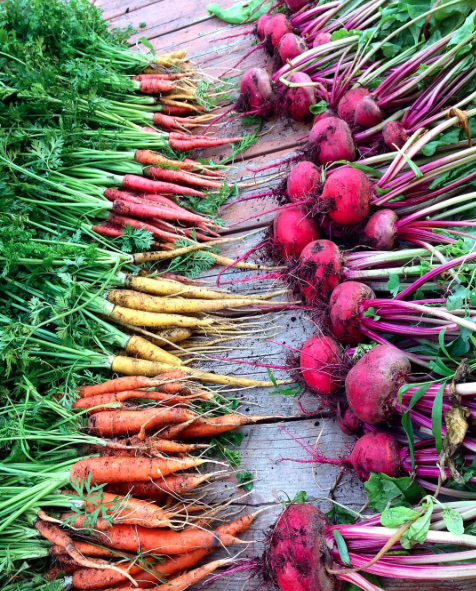
The produce I grow is what supports me and the research I conduct as well.  I sell it to neighbours, friends and people who have heard about us on social media.  This also is part of the research; I really wanted to go full circle and prove the model, from seed to repeat sales to a crowd of satisfied customers.  I give A LOT to charity.  My mom comes from a very poor background and I have always been extremely sensitive to poverty.  A smile from someone in need is better than a pay check for me.  I also try to balance this out with the very real need to pay my bills!  But ya it’s always a fresh food party on my block.  The neighbours are always like ” whats he gonna come up with next ” and that’s just awesome!  Me and my girlfriend also freeze and dehydrate a lot of stuff and are pretty much self sufficient in produce, bar the grain based foods and I think it’s pretty cool to know that we are eating real healthy foods!
4

My favourite plant is the strawberry by far!  From a cultural point of view at least.  I love it’s fruit, yet it can be a very finicky plant.  Mastering its production vertically has been my biggest challenge so far.  It’s one of those fruits that you never seem to have enough off.  I’m particularly proud of my work on them as they are the most chemical sprayed crop out there so growing them clean is always a pleasure!
7
8 insta

Urban Farmer Sharing Produce and Inspiration in Sacramento, CA

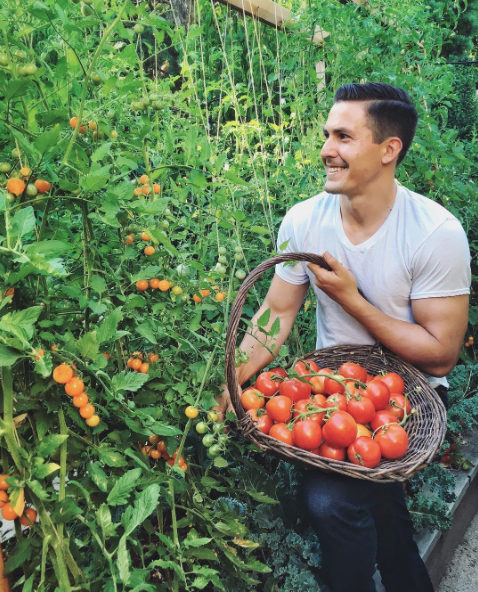
In Sacramento California, Zone 9b, Kyle Hagerty is inspiring Urban Gardeners around the world. They started growing just enough food for themselves, but now they have opened up a farm stand in their front yard where they share their homegrown goodness with their entire community. 

2

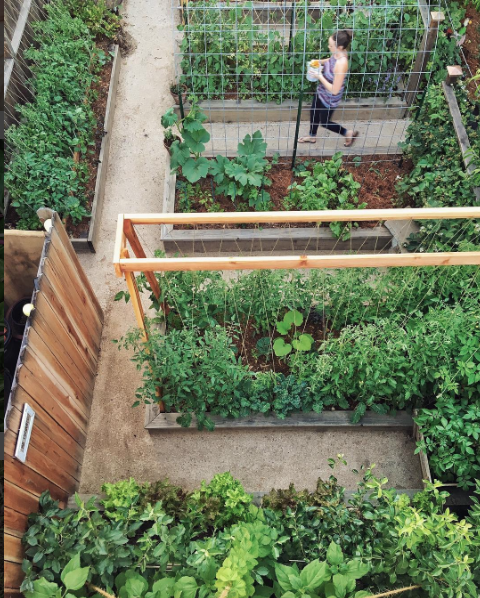
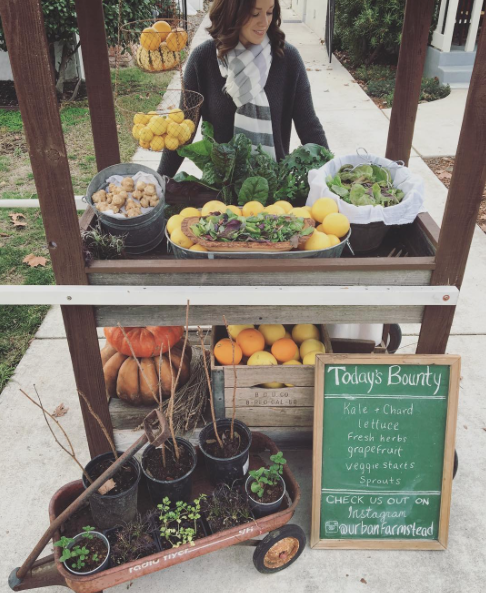
Tell us more about your amazing little farm stand and how it makes you feel being able to share your harvests with your local community.  Just over two years ago when I bought the house, the yard was completely empty but full of sunshine. I designed, planted, and built the urban farm with a focus on sustainability and it has grown into a wonderful place for sharing produce and inspiration with our community. The farm stand is wheeled out into the driveway full of anything that’s growing in the back yard and we give it all away to everyone who stops by. I also invite visitors to take a walk in the back yard to see where the magic is happening, and to hopefully inspire them to start their own garden or share some gardening tips with other gardeners. Being able to connect with my community through sustainable food and re-establishing the relationship between people and the food that they eat brings me immense joy. I am extremely grateful for all of the support I receive from my community here in the Farm-to-Fork Capital of America, and the social media community on Instagram who continue to encourage and inspire me every day. 

3

What’s your favorite part of your amazing backyard garden? My favorite feature in my garden is my tunnel trellis entryway into the raised bed area of the garden. I used two 16’x4’ galvanized  livestock panels bent into and arch and held in place by T-posts. The trellis spans the pathway between two raised beds and supports a wide variety of fruits and vegetables year round. I originally designed it with tomatoes in mind but through crop rotation it has hosted and supported gourds, pumpkins, zucchini, pole beans, peas, tomatillos, blackberries, cucumbers, butternut squash and more. I have recently noticed a few people re-create this trellis in their gardens and I hope to inspire everyone who has the space, to do the same. It is an easy, inexpensive, attractive, and highly effective trellising system!

4

Any plans or projects you’re working on currently for your garden? The projects are never ending. I am currently working on a design to build a vertical growing system for my zucchini and summer squash. With my limited space I am constantly experimenting with and developing ways to take advantage of vertical space by encouraging plants to grow up rather than out. 

I am also in the planning stages of incorporating chickens into the urban farm. Stay tuned for that this summer!

Follow @Urbanfarmstead on Instagram! 

Israeli Brings Urban Gardening to Harlem Kids

SeedStreet_2CreditNickSmithA new urban farm has sprouted up in Harlem “the northern Manhattan neighborhood synonymous with New York City’s African-American culture”.  A woman with strong hometown roots in Israel, had the goal to supply her community with organic and locally grown produce.

Children from her community are now planting hydroponic vegetable gardens inside of repurposed, old shipping containers.

“Israel was out of necessity forced to innovate agriculturally and generate its own food sources, and became a leader in agriculture innovation,” she says. “As a result, it has a much more natural cohesive ecosystem and way of being. People are already eating directly from the farm. That’s really beautiful, but it makes hydroponic farming a more difficult market to penetrate in the mainstream.”

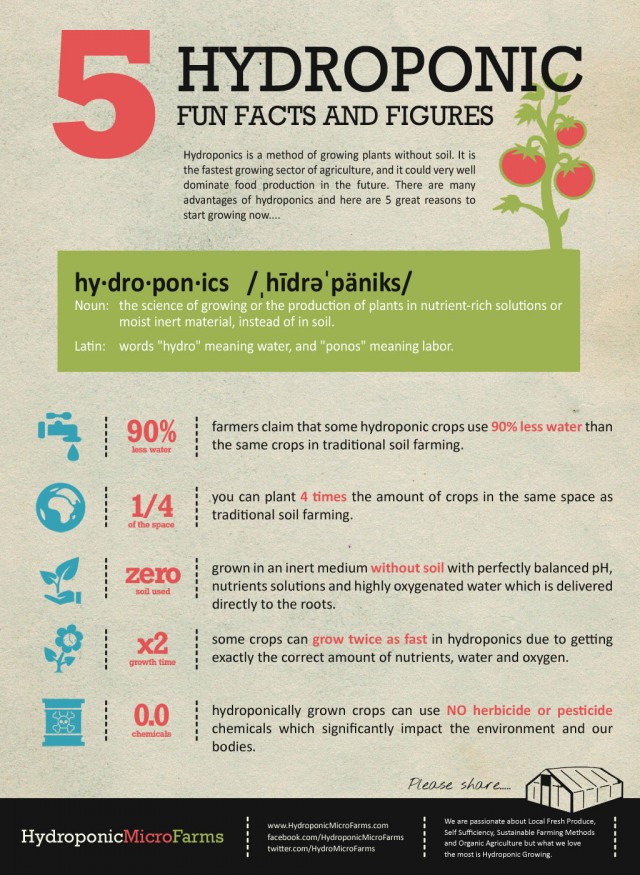
Growing hydroponically requires about 90 percent less water, takes up less space, and can produce more than growing in tradition soil.

To read more about this project, visit: “TheTower.org


A NEW SEED CLUB – Fully Customized Around YOU!

final seed club
Don’t wait, join the new Urban Organic Gardener’s Monthly Seed Club now! MUST JOIN BEFORE JULY 4th at 11:59pm PST to receive the next shipment. Sign up now at: https://urbanorganicgardener.cratejoy.com

For $10/month our garden experts will build a custom curated collection of seeds & garden supplies designed around you – your grow zone – garden space – and your preferences.

Includes everything you need to grow 5 new edible plant varieties every month – varieties can include herbs, vegetables, flowers, sprouts, micro-greens, bulbs, and more!

Join the rest of the UOG community and get growing now! We promise to make this a great experience for you and your family.

Join the new Urban Organic Gardener’s Monthly Seed Club

JULY UOG

Don’t wait, join the new Urban Organic Gardener’s Monthly Seed Club now! Must join before July 4th at 11:59pm PST to receive the next shipment.

Sign up now at: https://urbanorganicgardener.cratejoy.com

For $10/month our garden experts will build a custom curated collection of seeds & garden supplies designed around you – your grow zone – garden space – and your preferences.

Includes everything you need to grow 5 new edible plant varieties every month – varieties can include herbs, vegetables, flowers, sprouts, micro-greens, bulbs, and more!

Join the rest of the UOG community and get growing now! We promise to make this a great experience for you and your family.