Here’s How To Feed Your Garden Now For Success Next Year

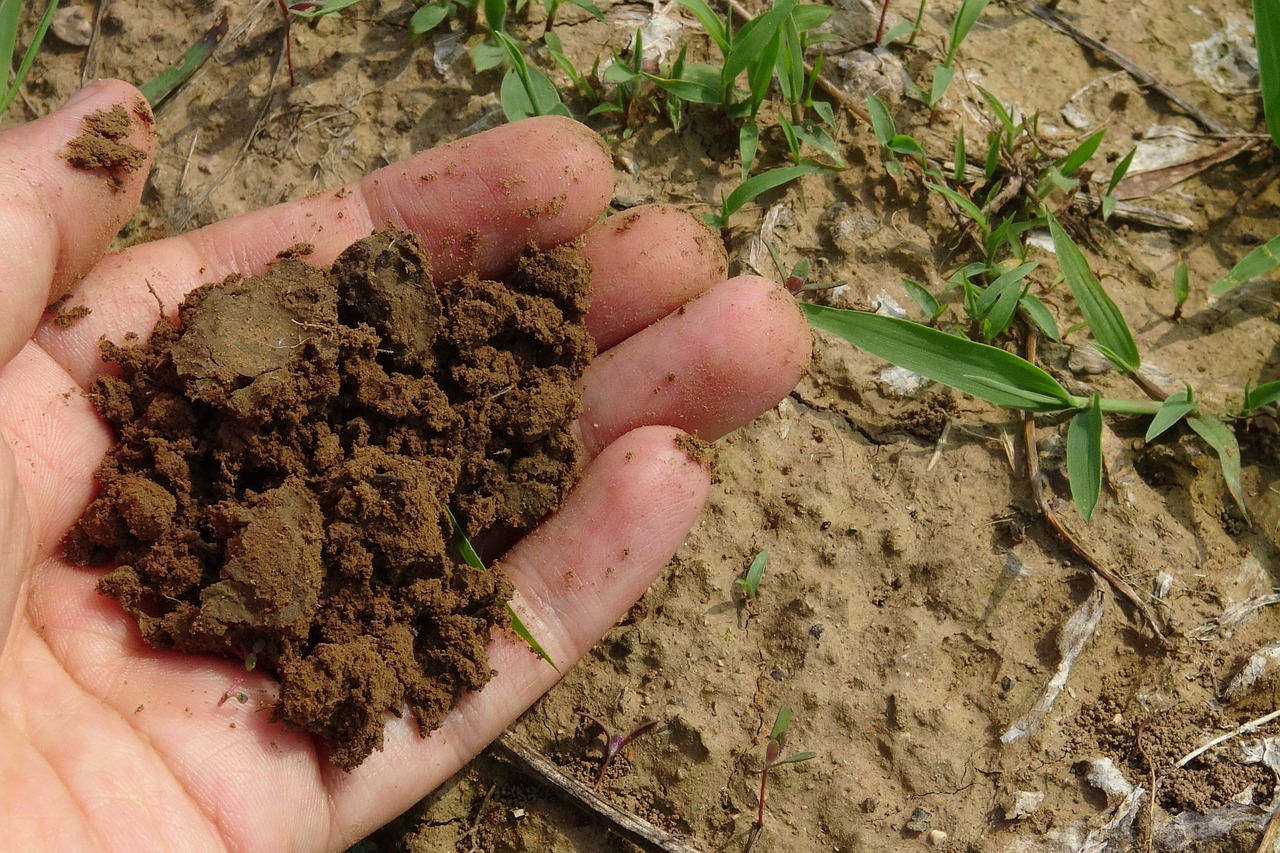
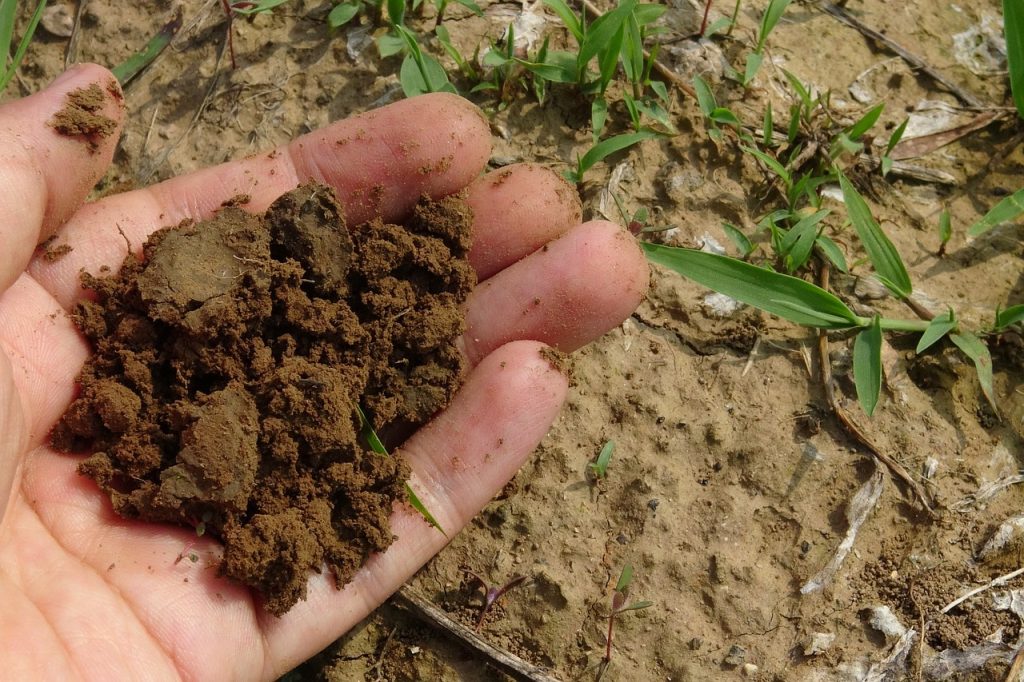
THESTAR.COM – Your soil is the cradle that will nurture your garden next year.

And now that your plants, flowers, and veggies are fading away for the season, it is important to give back to the soil so it can return a bounty for the next gardening season.

Here’s our list of important autumn jobs that will feed and protect your garden through the winter:

Compost — finished organic matter. If you have a backyard composter, now is the perfect time to spread the black gold that’s inside of it across the surface of your soil, about eight to 10 centimeters (three to four inches) thick. If your backyard composter has not produced finished compost, purchase it in by the bag at a garden retailer. Buy quality.

READ THE FULL ARTICLE: https://www.thestar.com/life/homes/2020/10/27/heres-how-to-feed-your-garden-now-for-success-next-year.html
10 Fall Gardening Practices That Will Protect Your Soil in Winter

BobVila.com – Throughout the growing season, garden plants work together with microbes to break down and use organic matter within the soil. During the off season, unprotected garden beds are at risk of erosion, a process that strips away the topsoil resulting in a loss of nutrients, and soil compaction, which reduces water infiltration and drainage, damaging the soil structure. Over time, this seasonal cycle can leave your garden infertile and unproductive. But this problem is easy to avoid by adopting a few soil friendly habits in the fall.

When the growing season comes to an end, the soil building season begins. This is the time to focus on rebuilding organic content, conserving nutrients, preventing erosion, and avoiding soil compaction.

READ THE ARTICLE: https://www.bobvila.com/slideshow/10-fall-gardening-practices-that-will-protect-your-soil-in-winter-577479

Could a Detroit Experiment Unleash the Power of Urban Soil?

Over the past few months, the COVID-19 crisis has hit Detroit hard, resulting in more 12,000 cases and more than 1,500 deaths. It’s also produced an unemployment rate perhaps as high as 29 percent and a surging demand at area food banks.

These problems have brought renewed focus to the importance of food sovereignty in Detroit and elsewhere, and on a changing climate, which could make pandemics worse. Urban farming and gardening sit at the intersection of these issues—and offer a possible way forward, allowing communities to access healthy food close to home and possibly mitigate climate change by capturing carbon in soil.

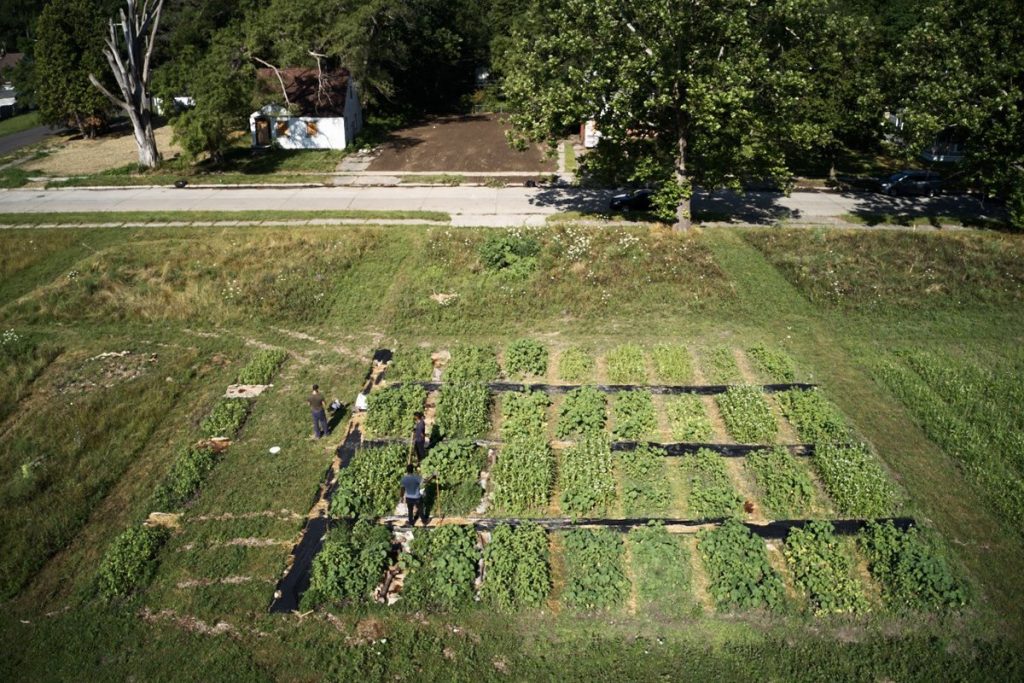
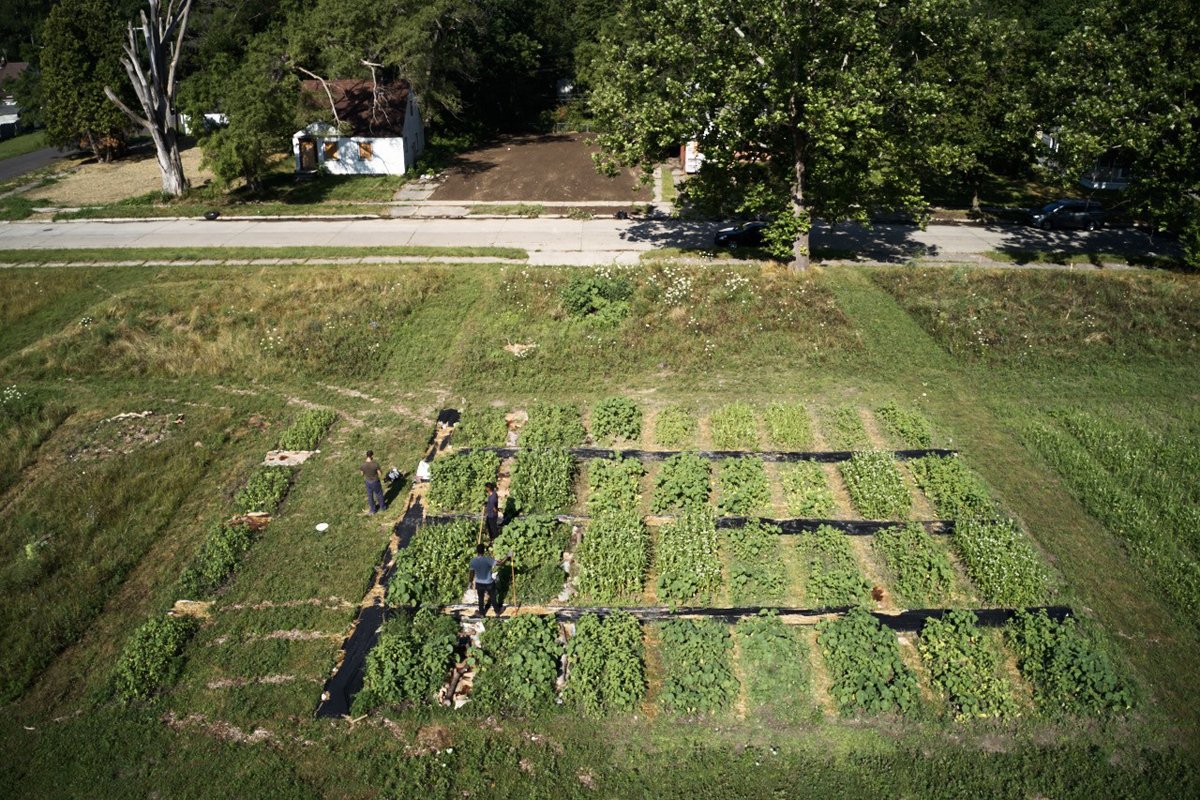
Midway into its second season, a three-year study underway in Detroit has already created some promising results that could be a big step forward for urban agriculture. In the northwest corner of the city, Naim Edwards, director of the Michigan State University (MSU)-Detroit Partnership for Food Learning and Innovation, is leading a multi-year experiment to study the quickest, cheapest, and most environmentally sustainable ways to build urban soil.

READ THE FULL STORY: https://civileats.com/2020/07/16/could-a-detroit-experiment-unleash-the-power-of-urban-soil/

What is Diatomaceous Earth (DE) and How Can You Use It In The Garden as a Pest/Insect Repellent?


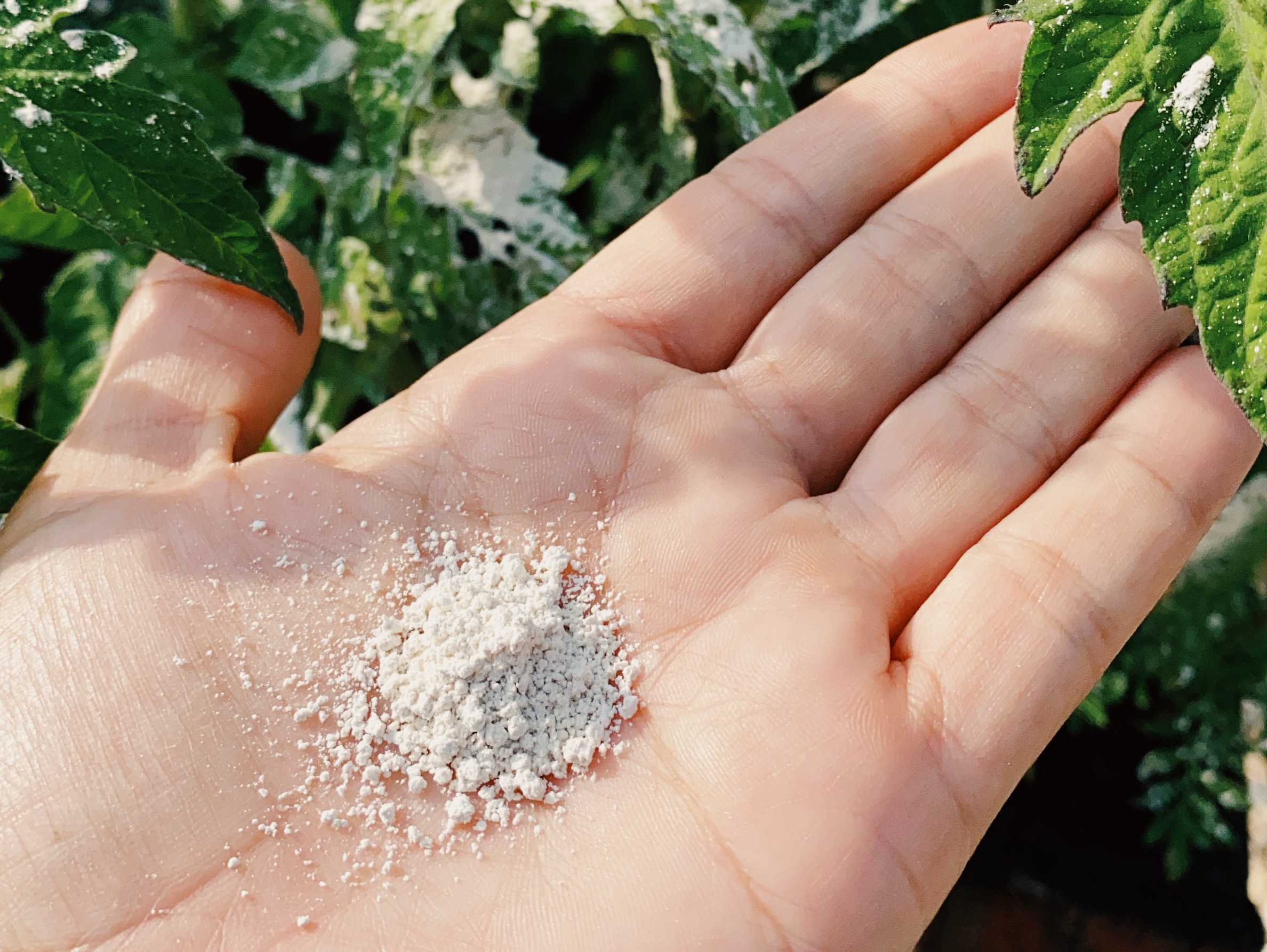
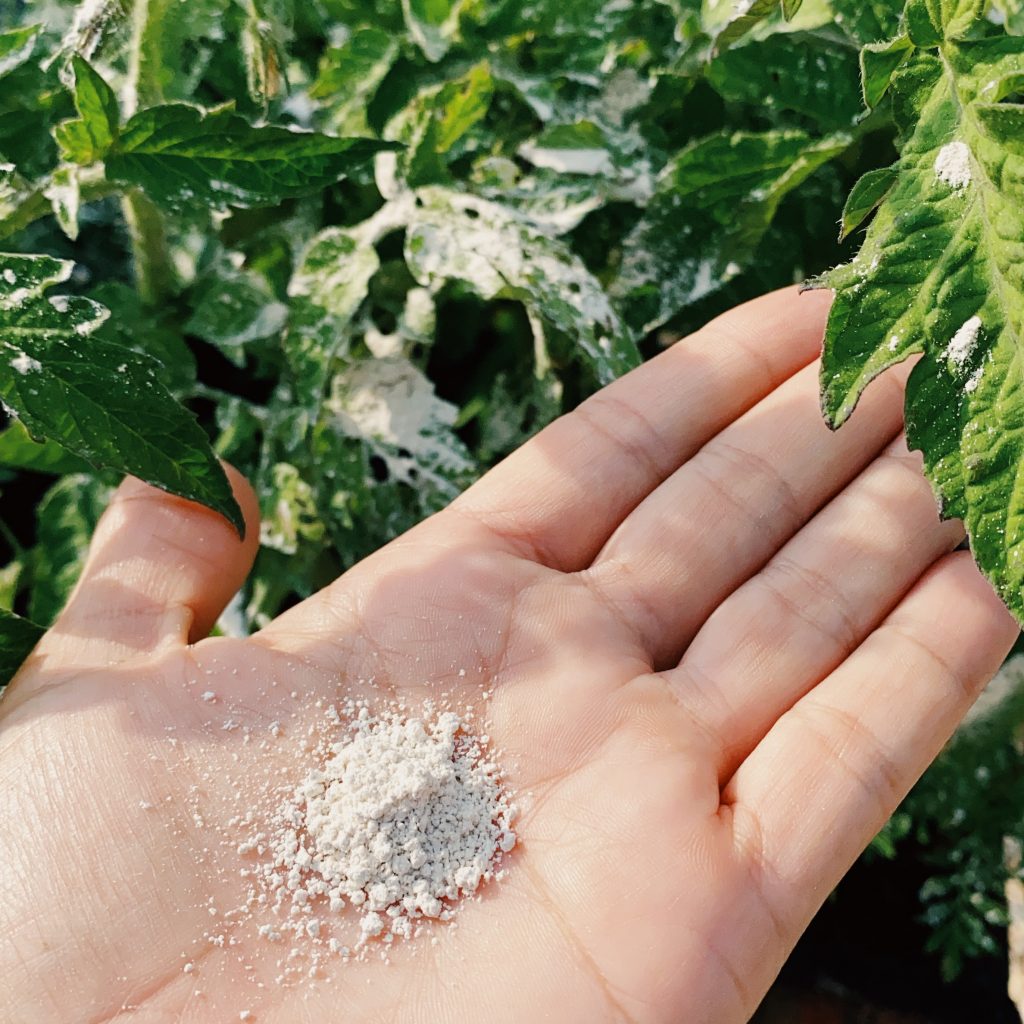
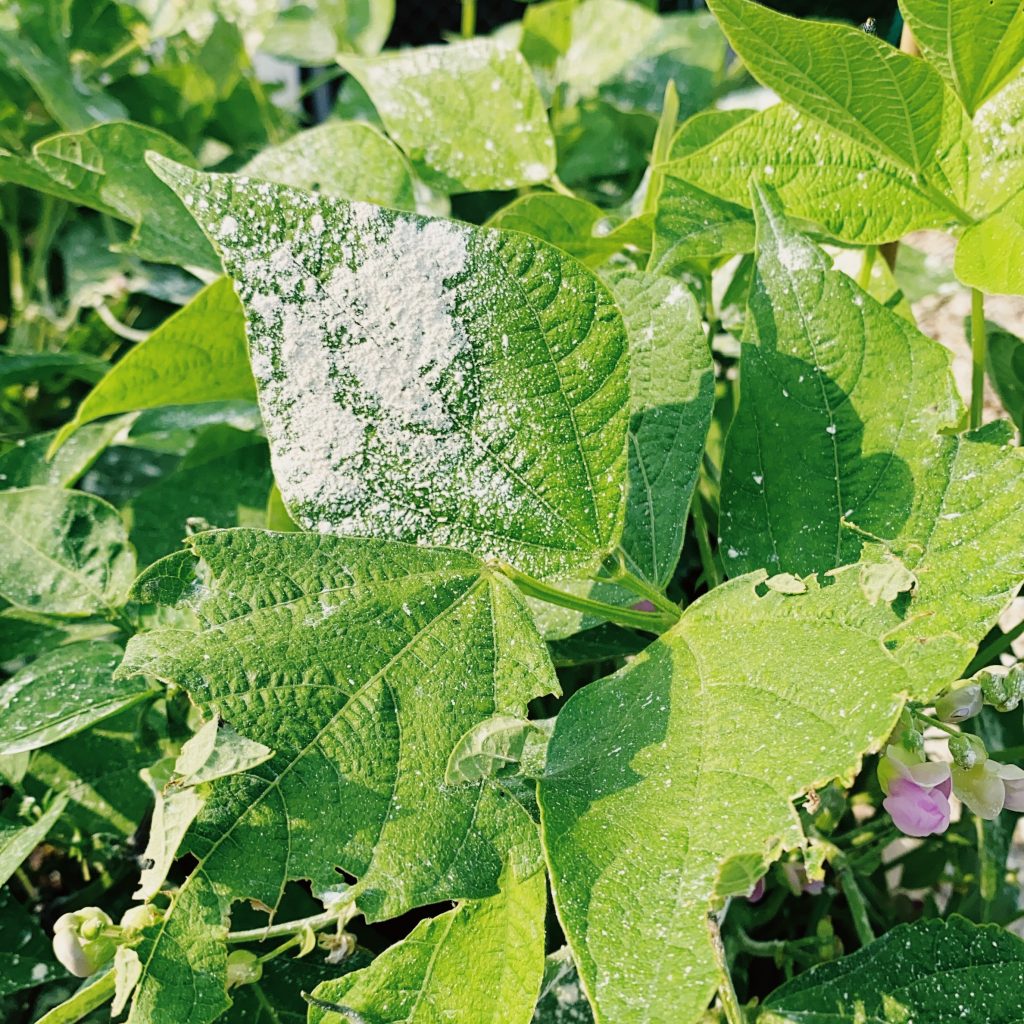
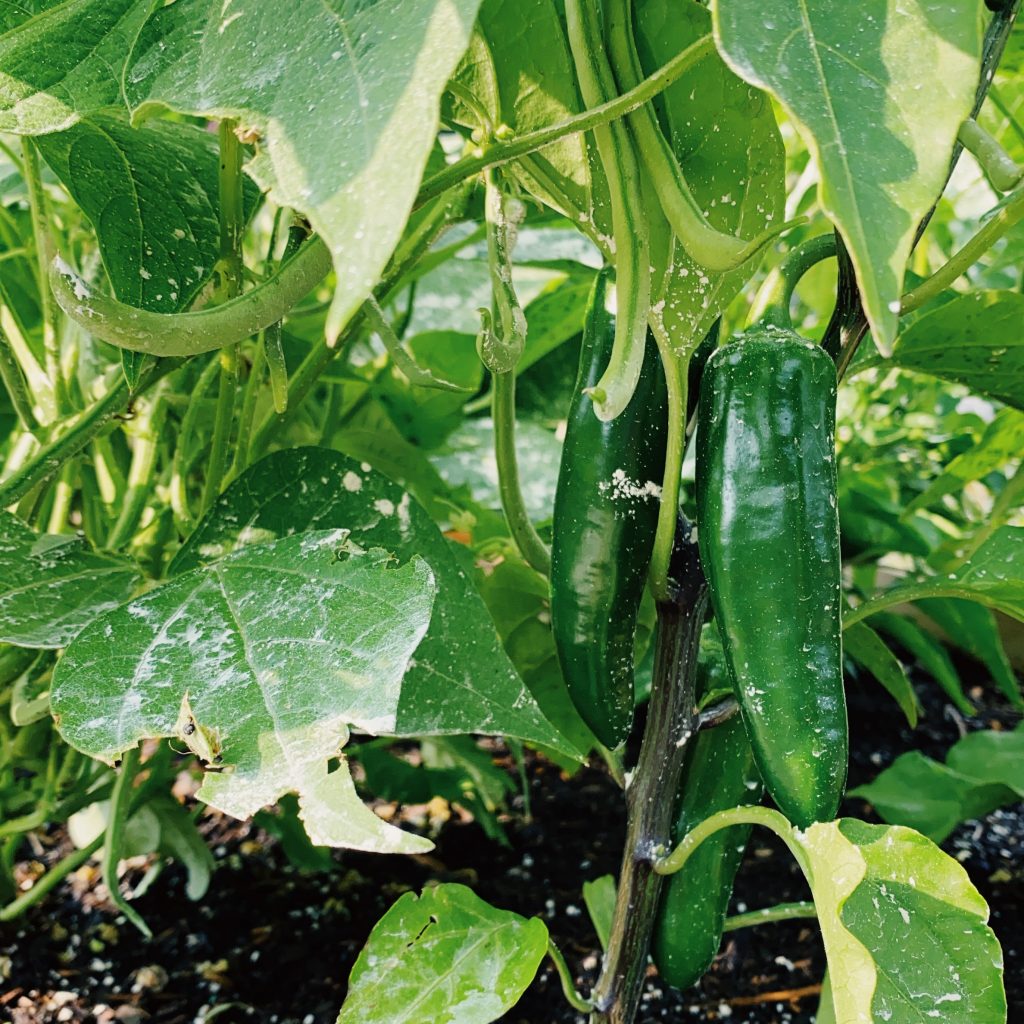
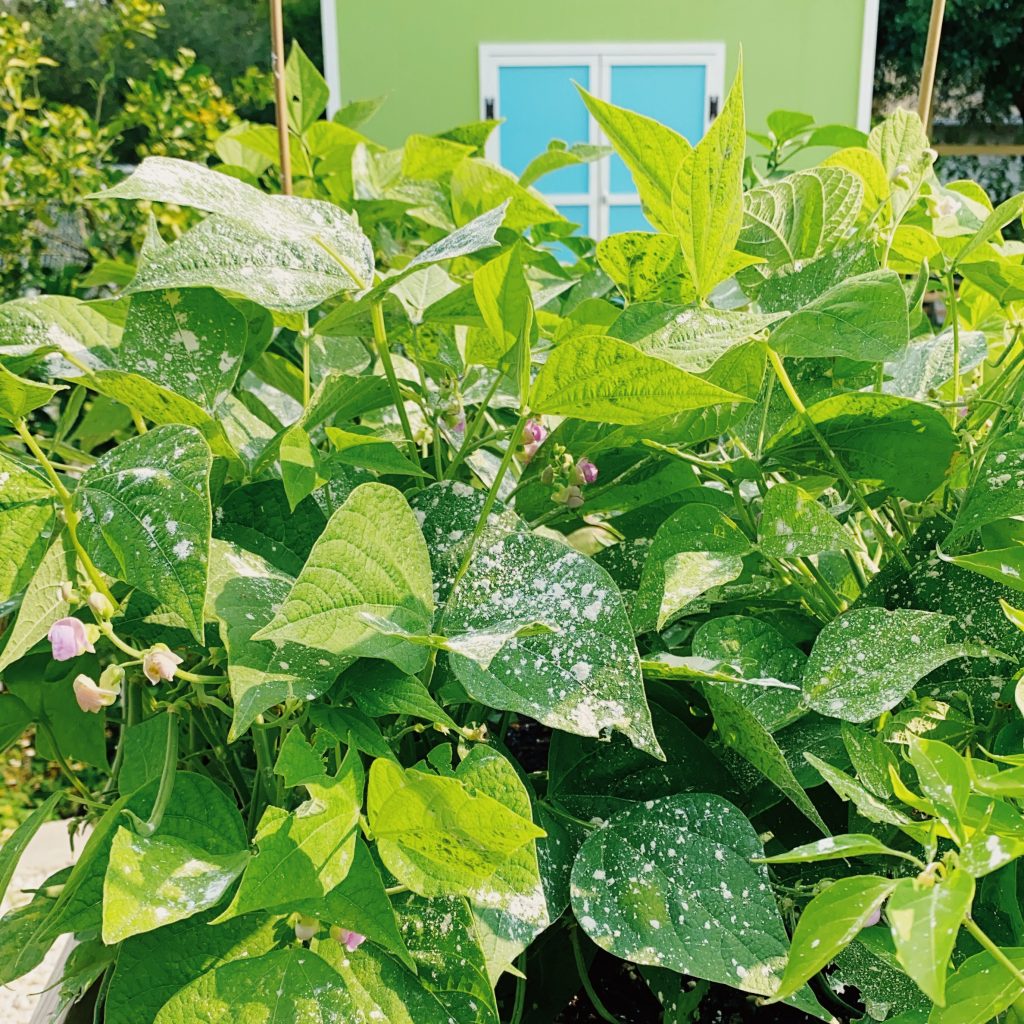
Diatomaceous earth is a naturally occurring, soft sedimentary rock that is crumbled into a fine white powder. Wondering how you can use DE in your garden? Well, as a natural method of pest control!

DE works at killing insects because the microscopic particles are very sharp and as an insect crawls over it, it gets cut. DE also can stick to the insect causing it to dry out.

Diatomaceous Earth is completely NON-TOXIC! Because it harms insects physically, and not chemically, it is very safe for you and your garden. Just remember to wear a mask, to avoid breathing in the dust particles.

It is very effective against slugs, beetles, worms, fleas, mites, spiders and MORE! Have you tried DE in your garden?

Learn more about ORGANIC PEST CONTROL: https://www.seedsnow.com/blogs/news/natural-pest-control

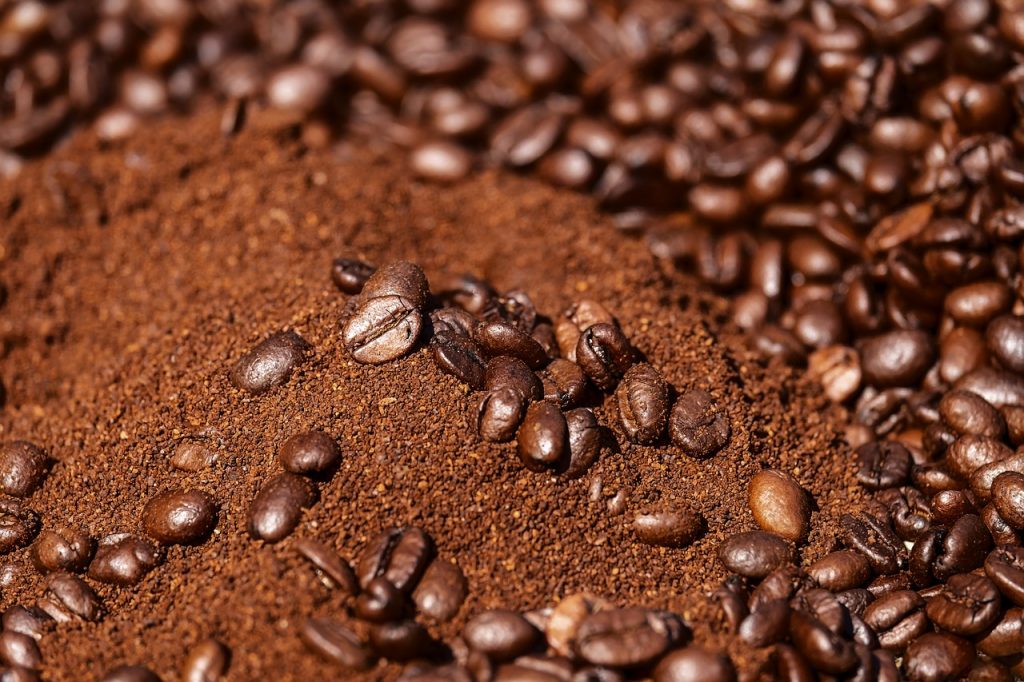
Whatever You Do, Don’t Put Coffee Grounds in Your Garden

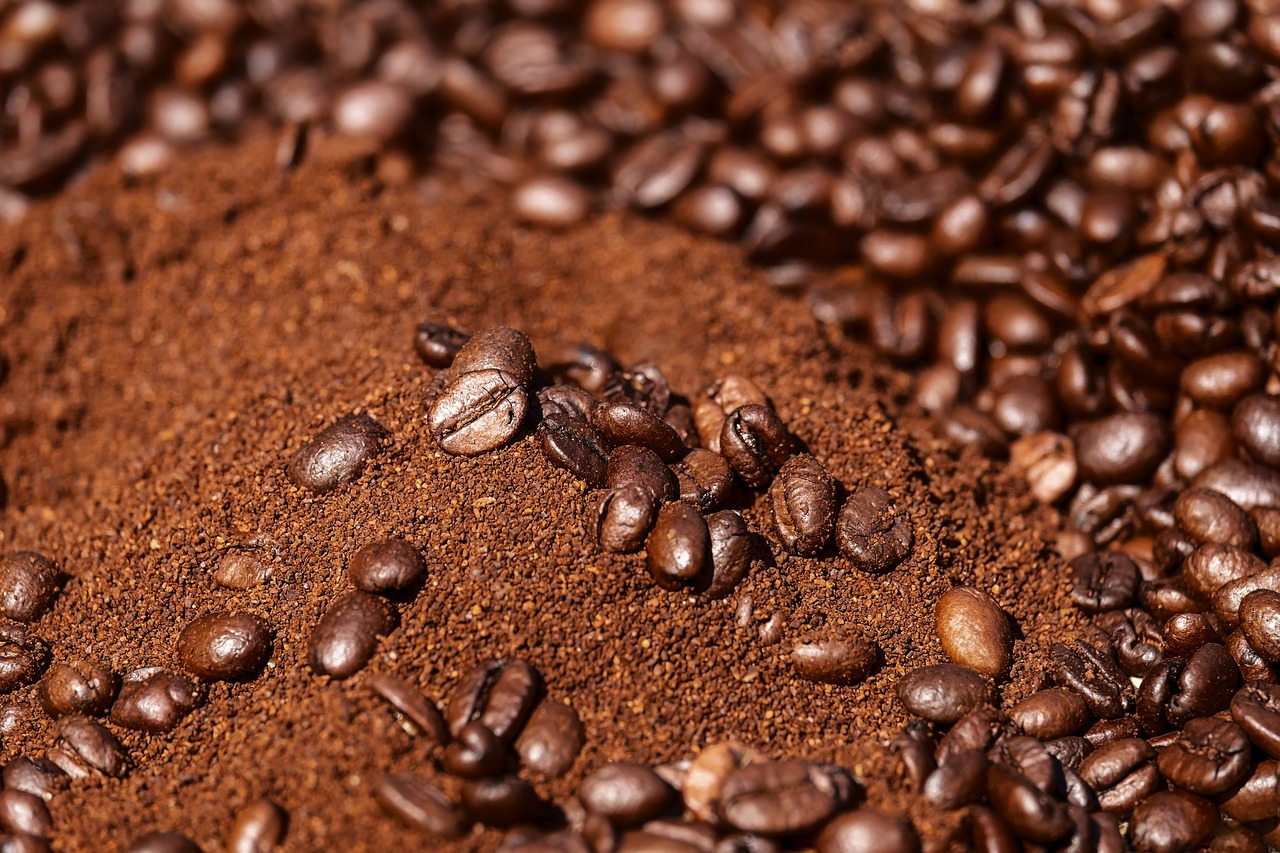
There’s nothing like eating veggies you grew in your own garden. But gardening is a big investment: there’s the daily watering, the careful pest control, and the delicate process of keeping the soil chemistry just right. The internet is full of ways you can make gardening easier and cheaper, but some methods are too good to be true. No matter what the gardening blogs tell you, leave the spent coffee grounds alone. They’re bad news for your garden.

We get it: It feels good to do something with your morning coffee waste besides throwing it in the garbage. The gardeners who write about it aren’t wrong when they say it’s full of soil-friendly nutrients like nitrogen, which is essential for plant growth. Generally, adding organic material to the soil is good for your garden, since bacteria will feed on it and break it down into more nutrients the plants can use.

Soil Scientists’ Advice to Urban Gardeners: Test for Lead

(photo: @NYCzerowaste)

In the past few years, the issue of soil contamination has gained the attention of environmental groups in New York City. New Yorkers have ample reason to be concerned about their soil. While the city is cleaner than it used to be, decades of pollution left our local soil thick with toxic levels of heavy metals. For years, the presence and persistence of these toxicants were unknown, posing risks to all urban residents.

Fortunately, public support for environmental protection has rehabilitated much of our city soil. But, there is still more that New Yorkers can do, and Climate Change Week NYC is a good time for us to consider how activities like urban gardening and farming can be done in a way that is both healthy for humans and helps to improve the environment and potentially mitigate climate change.

Abating contaminated soil with organic matter helps reduce greenhouse gas emissions because compost sequesters carbon, diverting it from the atmosphere.

READ THE FULL ARTICLE https://www.gothamgazette.com

Free Soil Tests Offered as U. of I. Studies Lead’s Impact on Urban Farming

As urban agriculture programs expand in Chicago and other cities, a new project aims to unearth data on one of the biggest potential obstacles to city-based farming efforts: soil contamination.

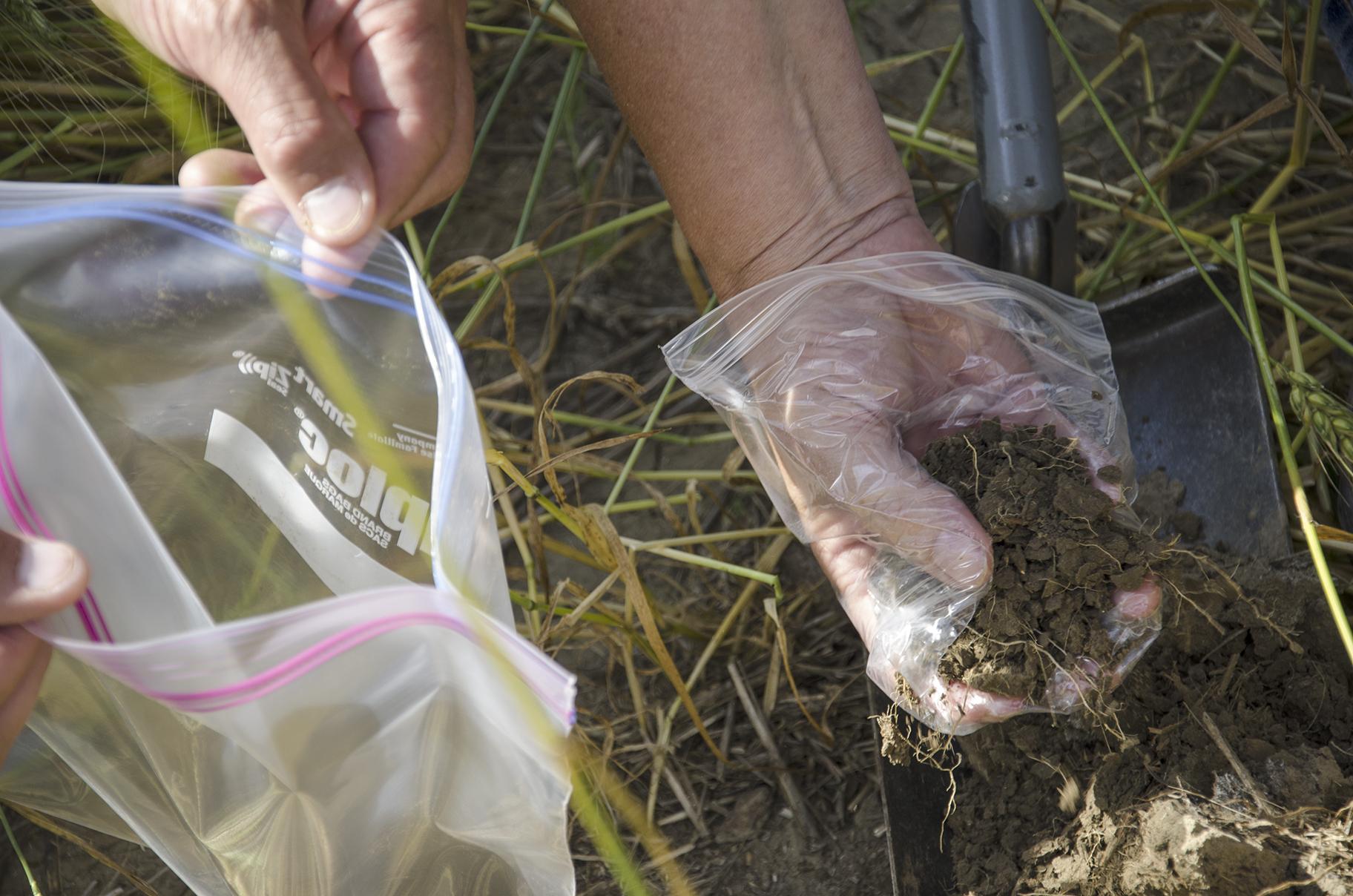
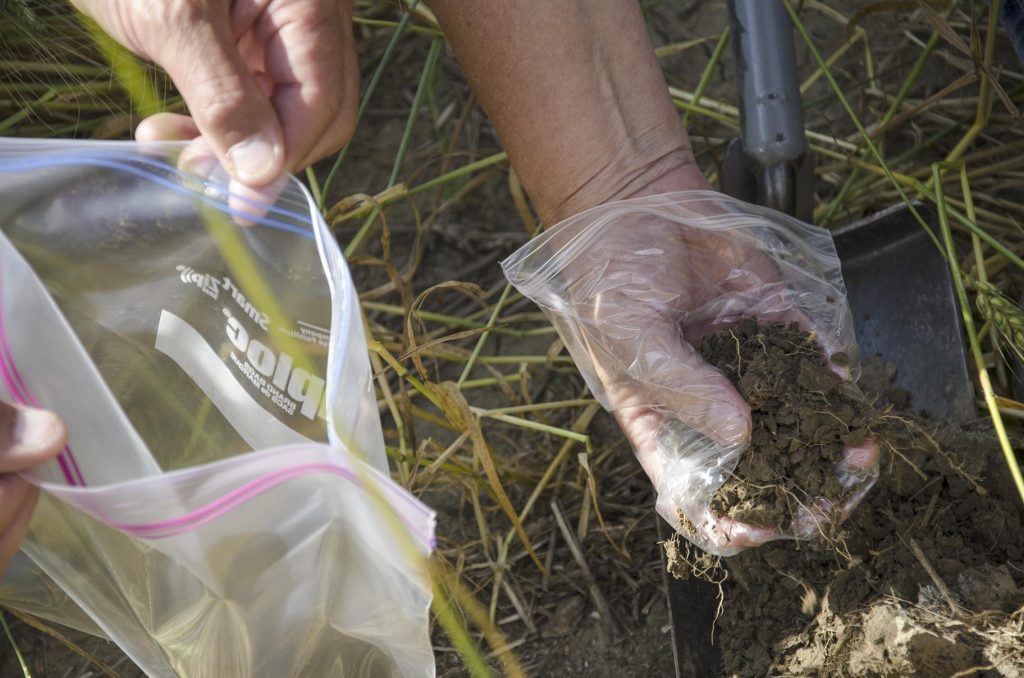
The University of Illinois’ Chicago Safe Soils Initiative is offering free soil lead tests to home gardeners and urban farmers across the Chicago area.

The new effort – led by the university’s College of Agricultural, Consumer and Environmental Sciences in partnership with U. of I. Extension and Chicago-based nonprofit Advocates for Urban Agriculture – is looking to collect thousands of soil samples from backyards, community gardens and larger-scale urban farms over the next two years.

Researchers say the results will allow them to map lead hot spots across the area. The data can then be used to guide decisions about where to start new urban gardens or farms and inform mitigation strategies in areas with contaminated soil.

READ THE FULL ARTICLE News WTTW

Could dirt be the answer to treating PTSD?

A new study from the University of Colorado Boulder found a certain type of bacteria in the soil helps reduce stress and overall, could make you happier.

Previous studies around the world have come to similar conclusions, but CU’s research may be the first step to a stress immunization for first responders and soldiers.

“What we’d like to do is look at effects in individuals that have already experienced trauma,” Associate Professor in Integrative Physiology at CU Boulder Christopher Lowry said. “[We could] either treat it immediately after trauma or treat it after developmental PTSD symptoms and see if it could also be beneficial at those times.”

So far, Lowry and other CU researchers have only studied this in mice. They injected them with the bacteria and found it keeps immune cells in the brain from becoming inflamed when you are stressed.

READ THE FULL ARTICLE 9News.com

What Is Humus Soil?

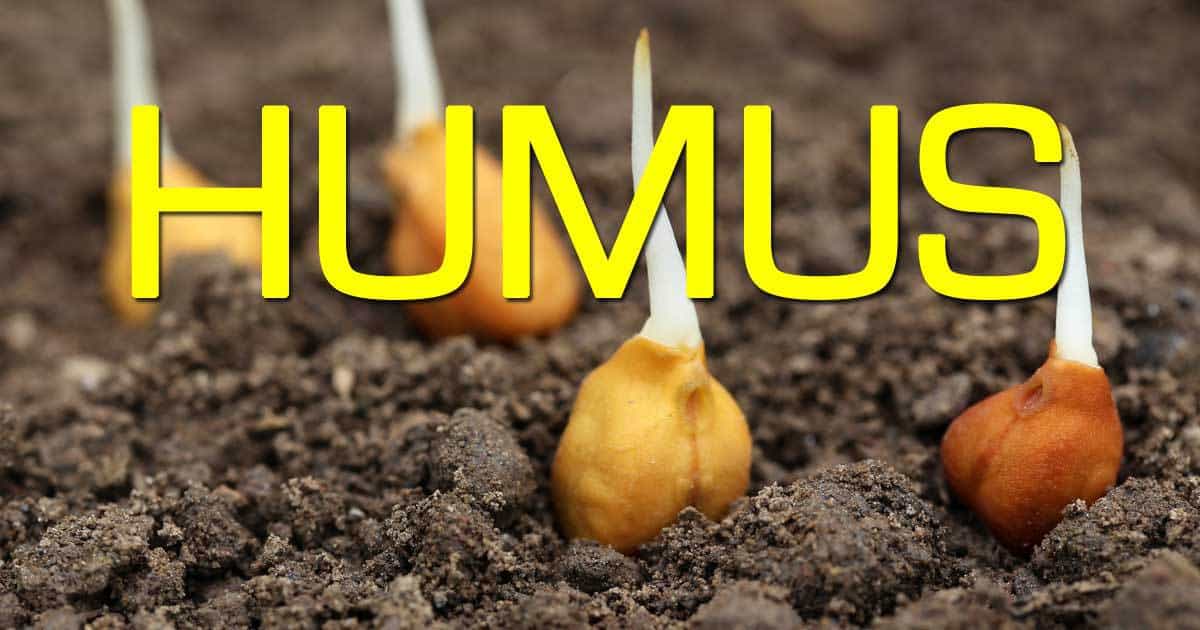
Humus is the blood, the life of your garden soil. Every gardener’s primary concern should be to make year-by-year improvements to their soil.

Soil without humus, is inactive, lacking the ability to produce quality plants and flowers. Read on to know more about humus soil and its role in creating a soil structure with rich organic matter content.

What Is Humus Soil?

Humus is the crumbly, loose material resulting from the decay of: peatmoss, grass clippings, leaf compost, wood chips, decayed sawdust, garden waste or any other types of organic material.

READ THE FULL ARTICLE Plant Care Today