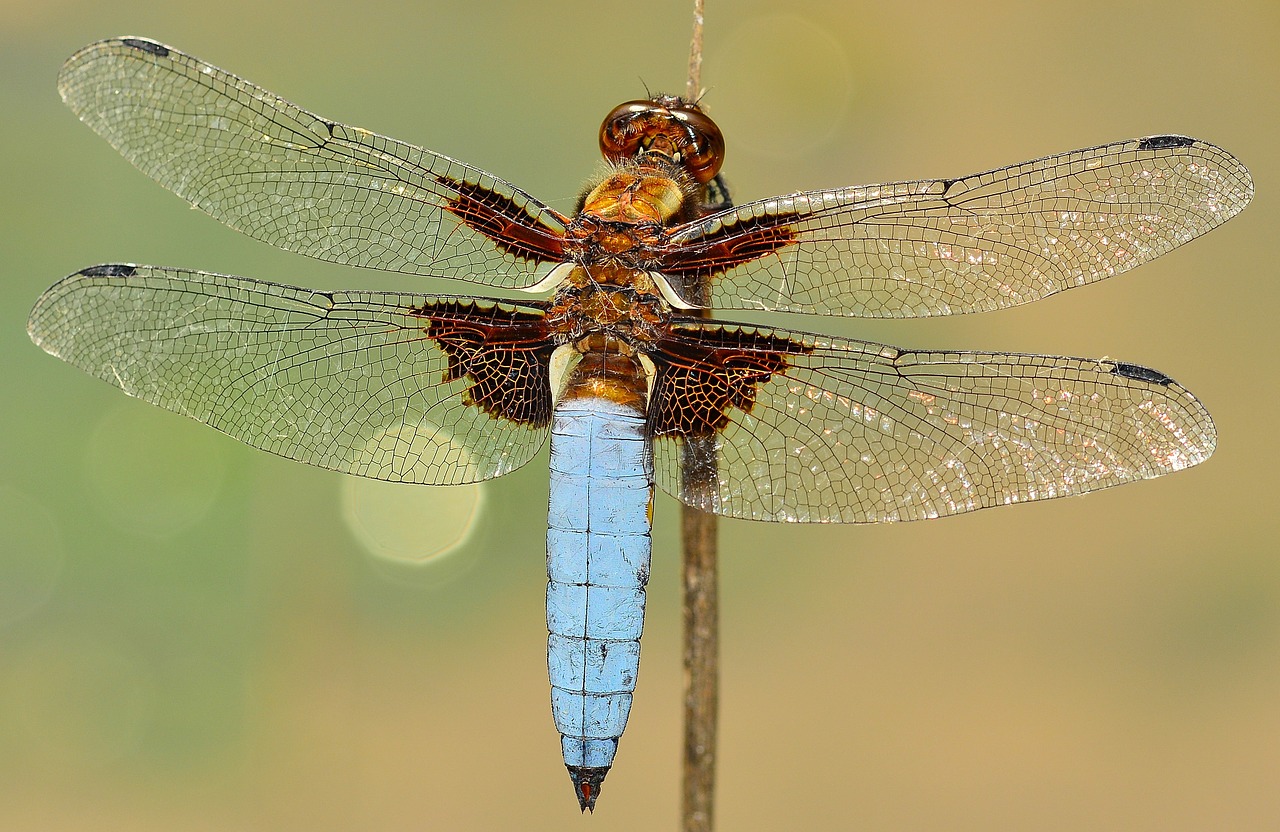
It’s possible to help reduce mosquito populations around your house without using nasty chemicals. Did you know that dragonflies are the biggest predators of mosquitos and can eat hundreds of them a day? This makes them a great addition to your garden and the safest natural pest control. They keep the mosquito population in check.
Dragonflies eat mosquitoes, both at the larval stage and as adults. Having a few dragonflies in your backyard will ensure mosquitoes do not trouble you during a high mosquito season.
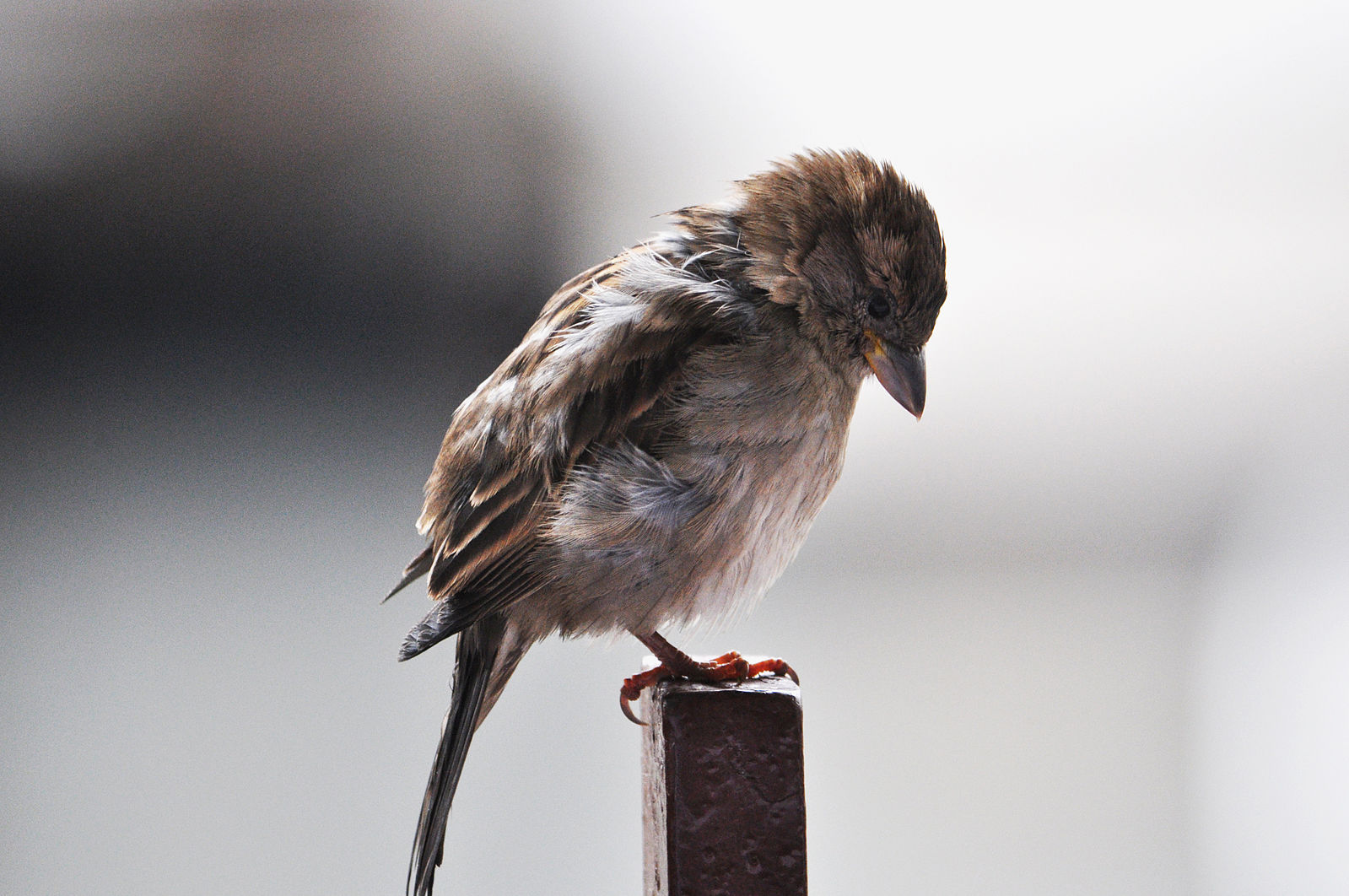
Photo by: Agonjaka[CC BY-SA 3.0 (https://creativecommons.org/licenses/by-sa/3.0)]So spring has arrived, and you’re feeling accomplished! You carefully transplant your young plants out into the garden and sow your seeds into the soil. Days later you come out to find all of your newly planted crops have disappeared! Birds have been eating away at your tiny seedlings faster than they could grow, which devastates your crop.
Let’s explore 10 easy ways you can keep birds from entering your garden:
1. Garden netting: Garden netting is light-weight and easy to install. It is recommended to suspend it over your crops. Not only will netting protect against birds, but it is also great at deterring other small animals. Keep the mesh size small, so that birds can not try to squeeze through and injure themselves or get stuck.
2. Soda bottles: Soda bottles are a cheap, easy, and effective way to protect young seedlings from birds, snails, slugs, etc. Just make sure you vent the top, by removing the cap, otherwise, your young tender plants can get too hot and die.
3. Motion activated sprinklers: Highly effective, these motion activated sprinker “scarecrows” will deter more than just birds! Water your garden and keep pests away at the same time.
4. Chicken wire: Chicken wire is cheap and versatile. You may already have a roll laying around that you can cut some small pieces from to protect your newly planted crops. You can also use chicken wire to cover a constructed wood frame that can easily be placed over an entire raised bed.
5. Scare Balloons: Most garden centers carry some type of “scare balloon”. They are generally inflatable mylar balloons with large printed eyes on them. Most have reflective material somewhere on the balloon, and often will have “streamer-like” tails.
6. Electronic scarecrows: While motionless electronic scarecrows can be very effective at chasing away birds, it is recommended to move them often.
7. Garden fleece: Garden fabric helps protect young plants from many things, not just birds! Cover your crops to help protect against light freezes, wind, insects while also providing light shade.
8. Plastic predators (owls and toy snakes): Place plastic snakes and owls in and around your garden space. Often birds flying overhead can’t tell the difference between plastic and the real thing! Move them frequently to keep the birds away.
9. CD’s and mirrors: Birds do not like shiny or weirdly reflective objects. Hanging CD’s can play tricks with the light and cast weird shadows.
10. Bird repellent tape: This works very similar to CD’s or mirrors, but can be easier to work with. Simply cut to your desired length, and tie around objects that need protecting. This can be a very effective tool tied around fruit trees or blueberry bushes.
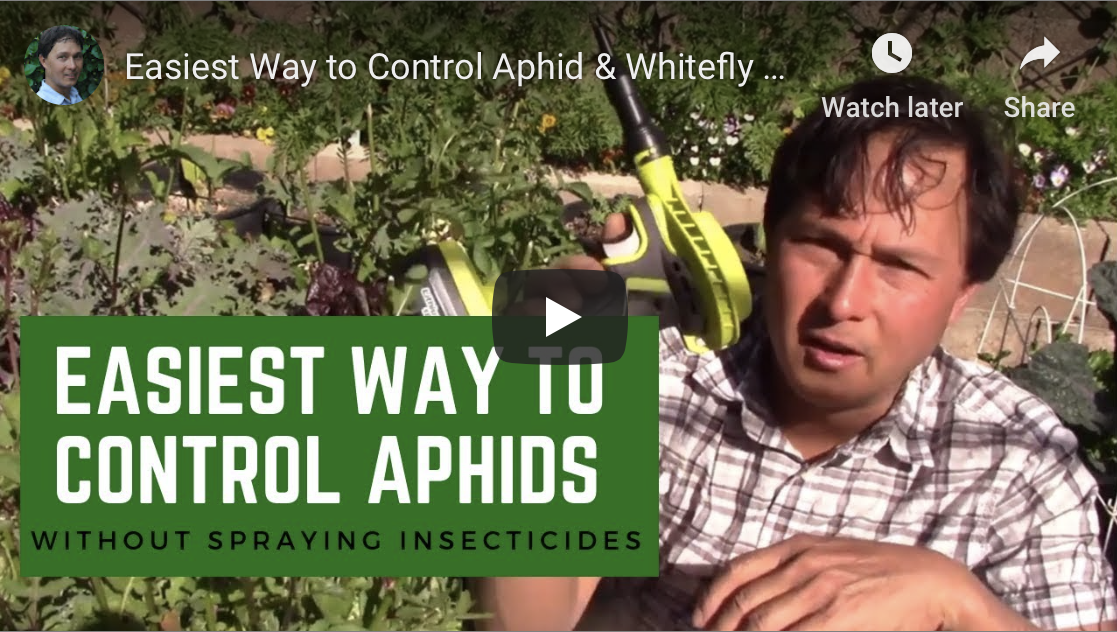
“John from http://www.growingyourgreens.com/ shares with the easiest way he has discovered to rid his vegetable plants of aphids and whiteflies without using any insecticide.
In this episode, you will learn about how a Ryobi tool on clearance can be used to remove aphids and other soft-bodied insects from your plants.
You will learn how the Ryobi High Volume Power Inflator can be used to blow aphids and whiteflies off even the most delicate areas of your plants in your garden without spraying or using any kind of chemicals.
You will discover how you can easily blow bugs off your plants all day on a single charge.
You will see aphids getting blown off plants at high velocity in slow motion.
Finally, John will share his opinions on using this high volume power inflator as the best soft-bodied insect control tool in your garden.
After watching this episode, you will learn if you should purchase a Ryobi High Volume Power Inflator to blow soft-bodied pests such as aphids and whitefly off the plants in your garden.”
Shortly after a California court linked glyphosate, the herbicide in the popular weed killer Roundup, to a plaintiff’s cancer, Los Angeles County officials ordered a moratorium on that same weed killer, citing a need for further research on the herbicide’s safety risks.
“I am asking county departments to stop the use of this herbicide until public health and environmental professionals can determine if it’s safe for further use in L.A. County and explore alternative methods for vegetation management,” Los Angeles County Supervisor Kathryn Barger stated.
More than 50 other U.S. cities and counties have already banned the use of glyphosate from schoolyards and playgrounds.
As snowbanks recede and temperatures inch higher, Mainers’ minds will inevitably turn to green lawns and lush gardens.
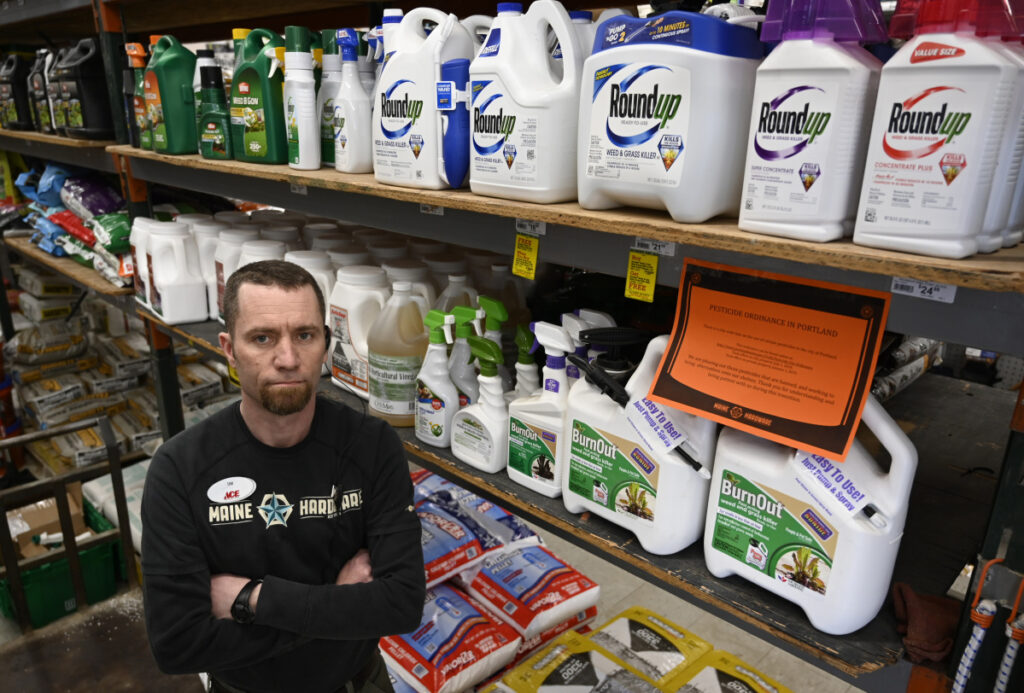
But Portlanders need to think twice before picking up that bottle of Roundup or bag of weed and feed. Beginning this year, the use of synthetic pesticides is prohibited in Maine’s largest city, unless an emergency waiver is granted. The city has delayed the ban for some publicly owned athletic fields and exempted the municipal golf course, but a spokeswoman says those properties will be managed to minimize harmful pesticide use.
Adopted just over a year ago, Portland’s pesticide ordinance bans synthetic pesticides use on lawns, gardens, landscaped areas, patios, sidewalks, driveways, parks and playing fields. Only organic treatments can be used to beat back weeds and insects such as grubs.
Scientists have revealed for the first time the natural weapon used by marigolds to protect tomato plants against destructive whiteflies.
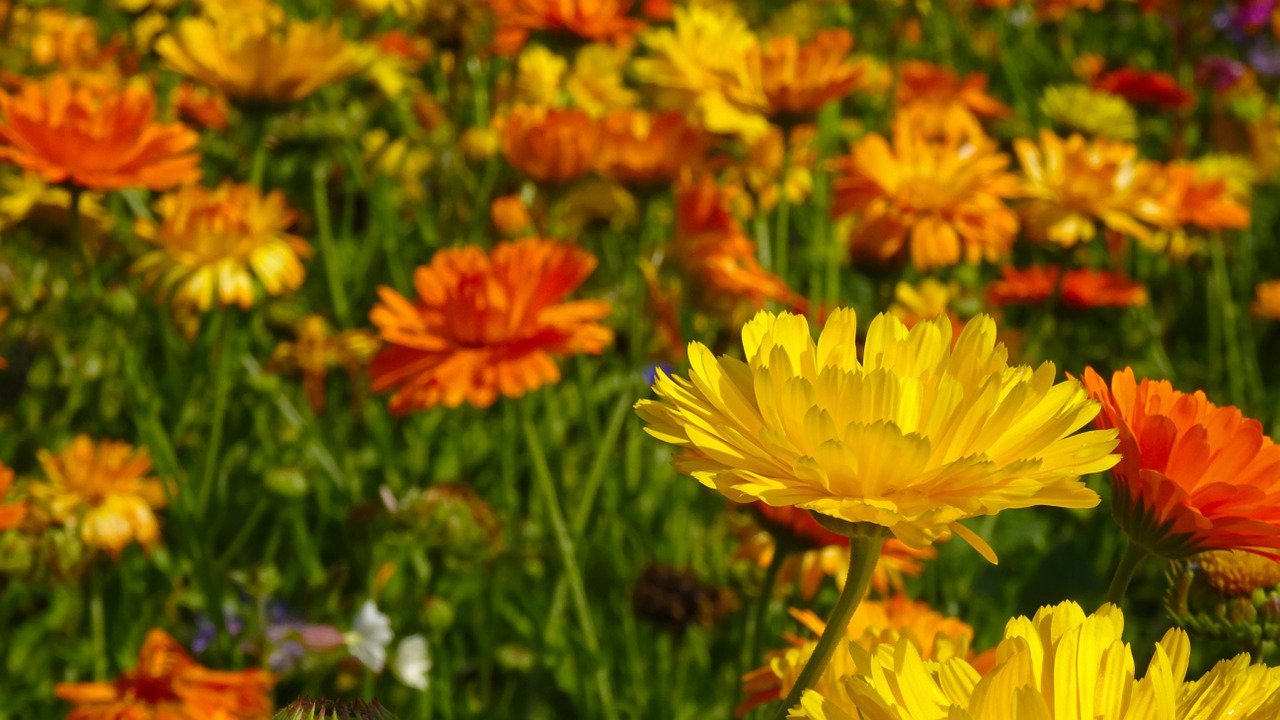
Researchers from Newcastle University’s School of Natural and Environmental Sciences carried out a study to prove what gardeners around the world have known for generations — marigolds repel tomato whiteflies.
Publishing their findings today (1 March) in the journal PLOS ONE, the experts have identified limonene — released by marigolds — as the main component responsible for keeping tomato whiteflies at bay. The insects find the smell of limonene repellent and are slowed down by the powerful chemical.
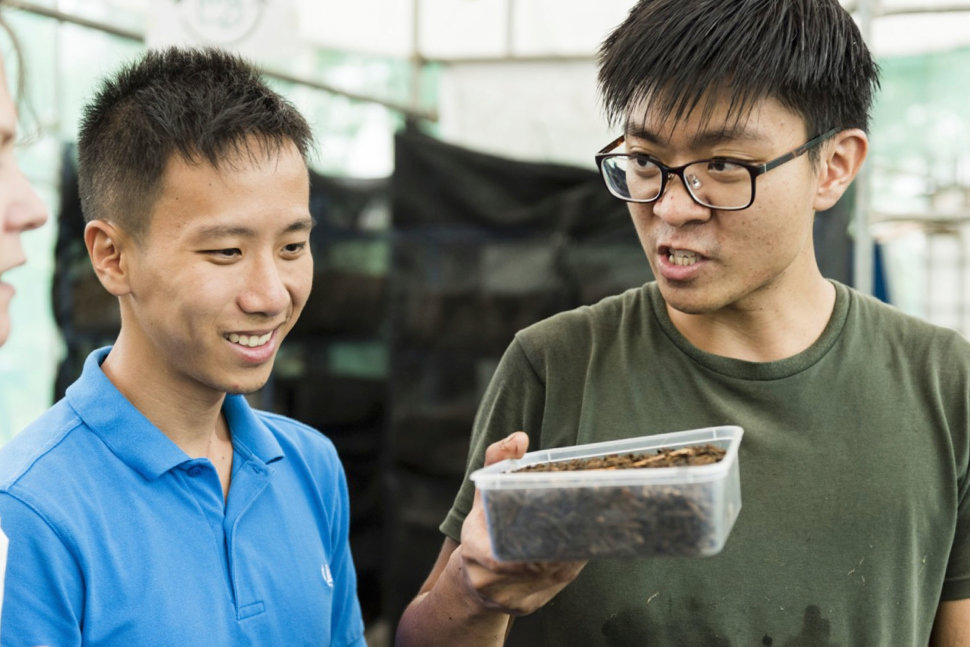
“SINGAPORE — IT’S HARD not to miss the giant black flies that flit within the white net enclosures at Insectta, Singapore‘s first licensed insect farm. The swarm of flies looks like something from the start of the apocalypse, but these flying insects are not here to mark humanity’s downfall – in fact, they may be here to save it.
Singapore is experiencing a trash crisis. Some predict the world’s second most-densely populated city will run out of room in its landfill by 2035. According to figures from the country’s National Environment Agency, while recycling rates for food waste are going up in Singapore, residents still threw away 676,800 metric tons of food in 2017. Only 16 percent of this was recycled – the rest went to the landfill.
Yet there may be a solution, according to a group of urban farmers and scientists in this Southeast Asian city-state, and it’s one that has been buzzing under everyone’s noses all along.
Living within the jungles of Singapore is the black soldier fly – nature’s own waste disposal unit. When its larvae are born, they voraciously eat almost any food waste left in their way. The sleek tropical insect is now being intentionally brought into the city by two entrepreneurial farmers, Darren Ho and Ng Jia Quan, who have created Insectta – an insect farm in the residential area of Queenstown. The goal of Ho, a natural resources management graduate, and Ng, a former chef, is to adopt sustainable farming practices that reduce urban waste and embrace the natural, eco-friendly food cycle long a feature of the island.”
“Some Bayer AG investors were surprised to learn about the thousands of farmers lining up before U.S. courts to argue that Roundup — the blockbuster weedkiller the German company recently acquired when it bought Monsanto Co. — had given them cancer. But Roundup is hardly the only chemical in Monsanto’s portfolio carrying legal risks.
There are also lawsuits aplenty for dicamba, its next best-selling herbicide, which U.S. farmers are spraying on about 50 million acres of soybean and cotton crops this summer to combat weeds that have become resistant to Roundup.
Dicamba has a tendency to vaporize after being sprayed and drift onto neighboring fields, harming crops and other plants that aren’t genetically modified to withstand its effects. More than 1 million soybean acres are claimed to have been damaged this year as of mid-July, and last summer, that number was more than 3 million.
Monsanto and other crop-chemicals companies have come up with formulations that they say will stay put when applied correctly. St. Louis-based Monsanto pins the crop damage on incorrect application by farmers, and that’s going away with increased training. The company has received only a third of the complaints about an off-target movement that it did last year, while acres have more than doubled, said Scott Partridge, vice president at Monsanto. Moreover, 12 states last year saw record soybean yields.”
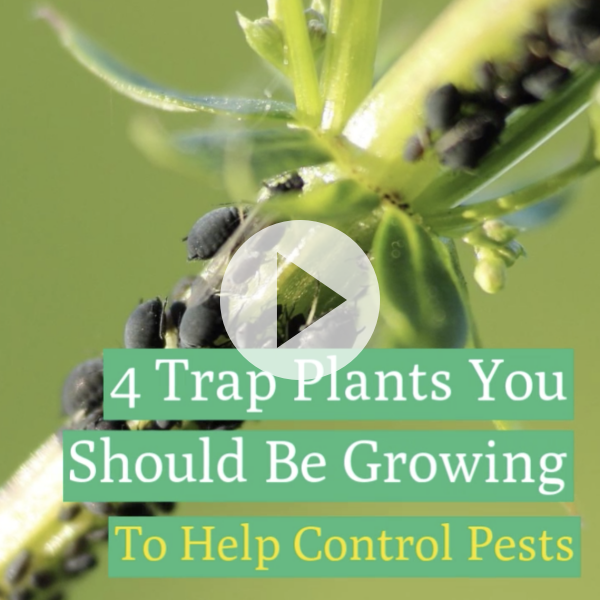
Controlling insects in the garden may seem like a never ending battle for some, but have you ever considered that fixing the problem may be as simple as just planting a few “sacrificial crops” for the problematic bugs to feast on instead of your prized fruits or vegetables?
Planting a variety of “trap plants” will lure those pests away from your favorite crops. It is an organic, natural, and quite effective way to approach controlling pests and insects in your garden.
Different insects prefer different types of crops, so do your research to find out what those pesky buggers are drawn to, and plant them in your garden away from the crop you’re trying to protect. Usually a border of “trap plants” around your garden area will help minimize the damage to the plants you want to thrive.
When your “trap plants” become over-run with insects, feel free to remove the plant all-together and dispose of it to keep the pests from breeding and creating a larger habitat in your garden.
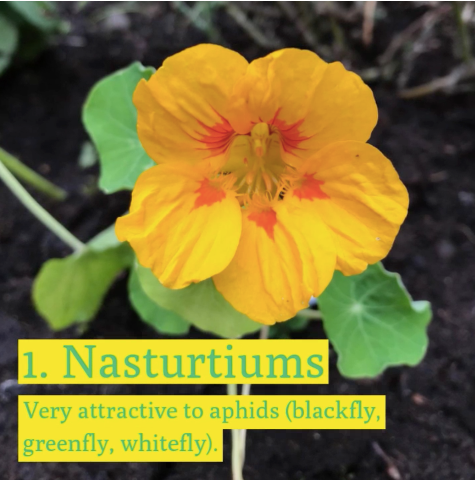
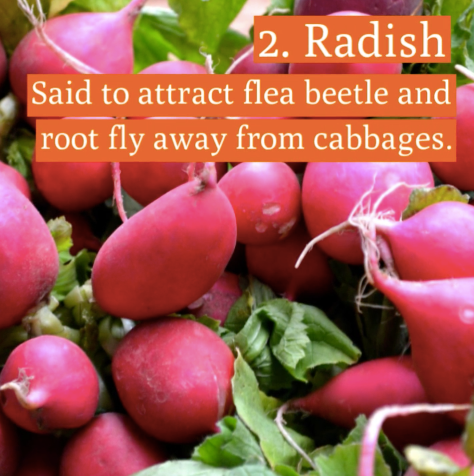
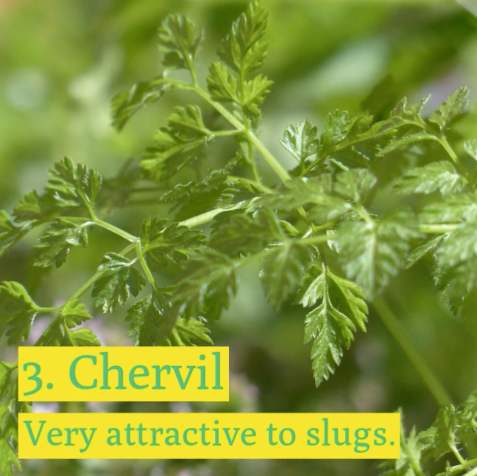
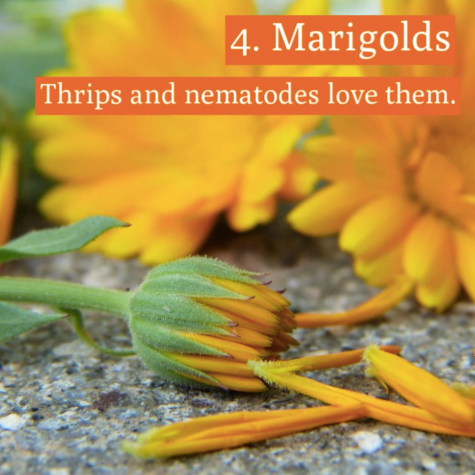
Nasturtium, Marigold, Chervil, & Radish are some of our favorite “Trap Plants”! Planting each of these will cover a wide variety of pests you may have lurking in your garden waiting to destroy your precious crops.
Controlling insects in the garden may seem like a never ending battle for some, but have you ever considered that fixing the problem may be as simple as just planting a few “sacrificial crops” for the problematic bugs to feast on instead of your prized fruits or vegetables?
Planting a variety of “trap plants” will lure those pests away from your favorite crops. It is an organic, natural, and quite effective way to approach controlling pests and insects in your garden.
Different insects prefer different types of crops, so do your research to find out what those pesky buggers are drawn to, and plant them in your garden away from the crop you’re trying to protect. Usually a border of “trap plants” around your garden area will help minimize the damage to the plants you want to thrive.
When your “trap plants” become over-run with insects, feel free to remove the plant all-together and dispose of it to keep the pests from breeding and creating a larger habitat in your garden.
Nasturtium, Marigold, Chervil, & Radish are some of our favorite “Trap Plants”! Planting each of these will cover a wide variety of pests you may have lurking in your garden waiting to destroy your precious crops.
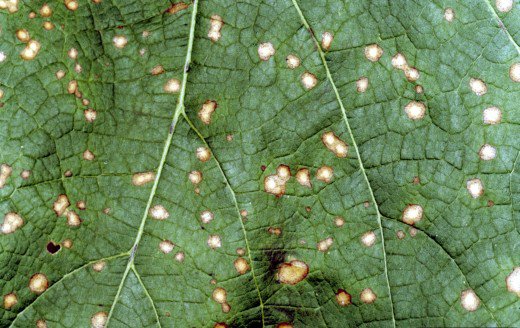
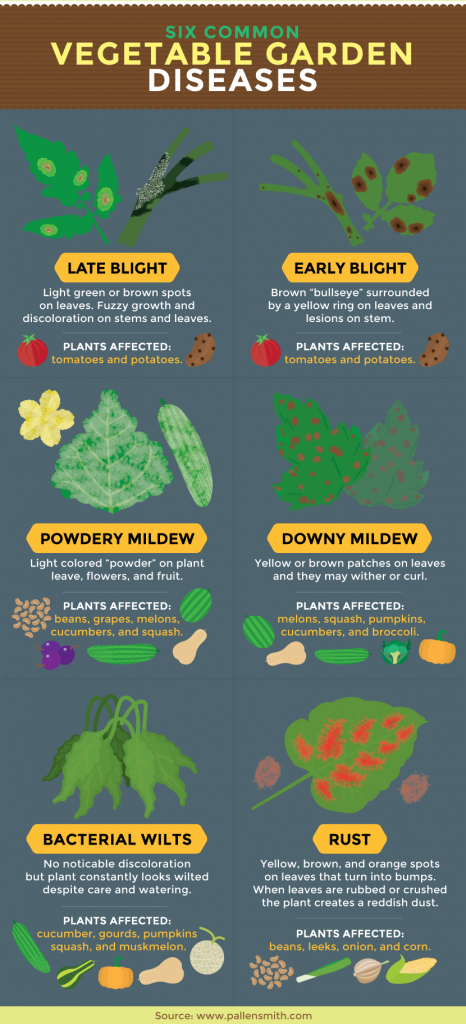
“Diseases of leafy vegetables can cause devastating effects to your crop. They can completely kill your crop or significantly reduce its quality, which means that you can incur great losses if one of the diseases strikes your garden.
Just in case you didn’t know, leafy vegetables refer to crops such as: collard green, kale, cabbage, spinach, broccoli, rape, cauliflower, lettuce, celery and turnip, among others. They belong to the family- Cruciferae.
There are several diseases that attack leafy vegetables, and they are majorly caused by fungi, bacteria or viruses. If you grow greens or planning to grow them, here are the common diseases of leaf vegetables, their causes, prevention, control and treatment. See clear vegetable disease photos in order to exactly diagnose the problem with your crop!”
We want to be where our fans and fellow gardeners are, so we’ve headed over to snapchat and created an account! We hope you’ll share all of your awesome gardening successes/tips/and learning experiences with us over there.
Let’s be friends! Just use the snap code below to quickly and easily add us and see more great content from us, everyday!
10 Leaf-Eating Bugs and How to Stop Them From Destroying Your Garden
Gardening is such a rewarding experience. But it can also be absolutely devastating when all your hard work goes to the bugs.
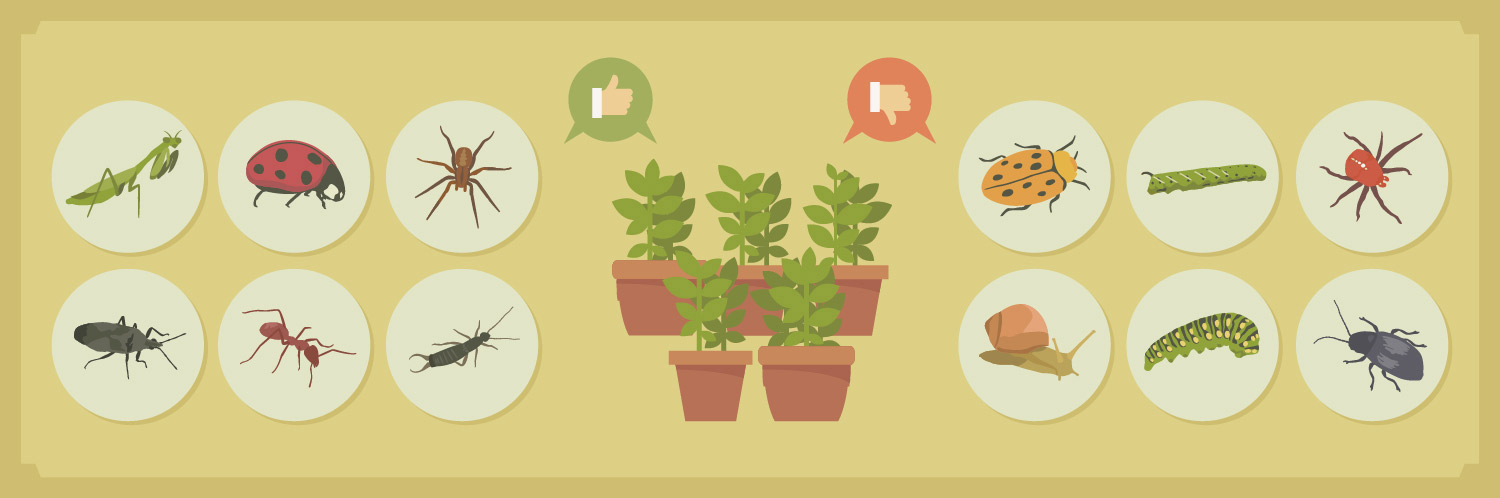
There are 10 main munching culprits to look out for to protect your plants from getting destroyed before they can produce the flowers and vegetables you can enjoy. Safer Brand created the below infographic detailing how to tell which bug is eating your plant and natural ways to get rid of them without spraying harmful chemicals.
Leafminers, which are the larvae of flies and beetles, often will leave maze-like tunnels in a leaf. They are most harmless but if you want to get rid of them for aesthetic reasons you can use neem oil.
Sucking insects-like box suckers, aphids, squash bugs, and spider mites- often will leave needle-sized holes in a leaf. While a few will hardly be noticeable, enough sucking insects can gradually kill your plants by sucking all the nutrients out. Spray an insecticidal soap on both sides of the leaves to keep those sucking insects away.
Vine weevil larvae in the soil will eat a plant’s roots till it collapses. Your plant may seem like it’s suffering from a nutrient deficiency at first so be sure to check the soil for any creepy crawlies hiding there. You can soak the soil in insecticidal soap or dust plant leaves with diatomaceous earth to get rid of the adult vine weevils.
Caterpillars are often the bug that comes to mind when gardeners see holes eaten out of their plants’ leaves. Caterpillars can be a pain to get rid of. The easies method is to brush leaves with B.T. on a dry night. B.T. will kill the caterpillar.
Sawfly larvae (which look like caterpillars) leave transparent holes in leaf tissue. Use insecticidal soap or horticultural oil on the top and bottoms of leaves to get rid of them.
Bees are both a blessing and a curse. We need bees to pollinate plants but they can sting and leaf-cutting bees can even cause damage to your plant’s leaves. However, the missing half-moon pieces shouldn’t kill your plant.
Earwigs are common leaf-eating bugs in indoor plants. To get rid of them dust your plant with diatomaceous earth or fill a cup with straw and tilt on it’s side. The earwigs will craw into the hay away from the plant and then you can dispose outside.
Japanese beetles can cause some of the most extensive damage to plants killing them in just a few days. Adult Japanese beetles eat all the leaf tissue in between the veins on your plant. You can use a Japanese beetle trap to make sure you don’t have issues with them all summer long or spray your plant with neem oil every few days to keep them away.
Viburnum beetles and larvae can be taken care of by releasing lady bugs in your yard every spring.
Cucumber beetles are well known for the devastation they cause to squash plants. While row covers are a great way to keep these insects away, you can also dust the leaves with diatomaceous earth to kill any beetles who may come into contact with it. Just remember that diatomaceous earth only works when dry and it has to come into contact with the insects.
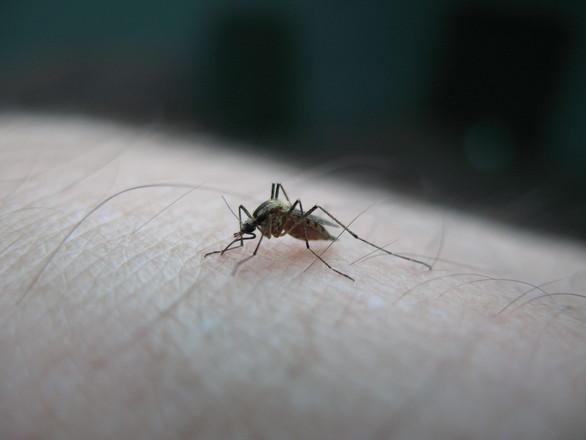
Mosquitoes can quickly ruin the enjoyment of your outdoor garden experience. Ordinary repellents are full of nasty chemicals that you probably don’t want to put onto your family, and bug zappers are annoying. It also can be debated, how effective candles or incense really is.
The threat of contracting a disease from a mosquito is very real. Not only are humans being infected with dangerous illnesses, so are animals including household pets. Over one million people are said to die each year from contracting diseases from mosquitoes. In the US, the most common disease is West Nile, but they also carry diseases like malaria, dengue fever, dog heartworm, chikungunya and the recent Zika Virus, which is responsible for outbreaks in tropical areas throughout the world and was found in 2015 for the first time in the Western Hemisphere. More can be learned about the Zika Virus, here.
To help keep mosquitoes from using your yard as a breeding ground, make sure you eliminate all standing water, trim back un-needed vegetation, and consider planting these mosquito repelling plants.