7 tips to ensure a flourishing indoor herb garden

620x349

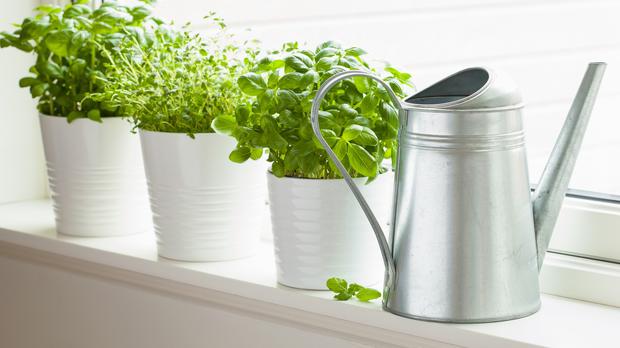
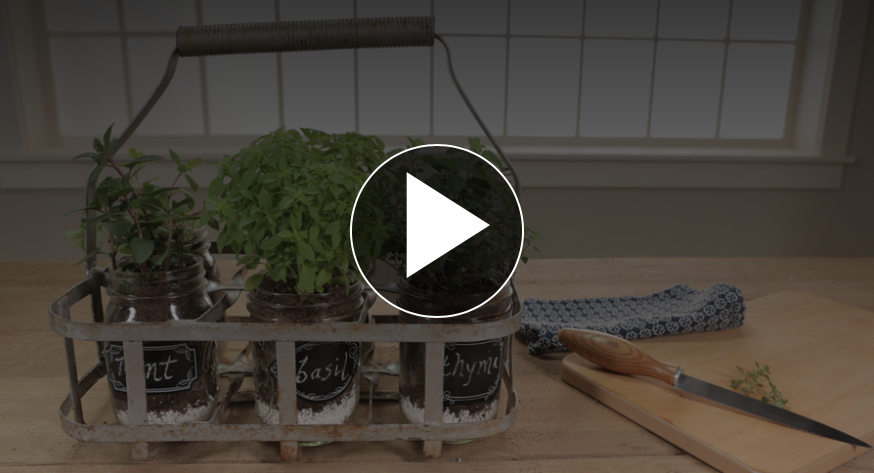
“If you live in an apartment block or, have a tiny garden and would love to start your own herb garden, we have good news for you:  don’t allow either of these factors to deter you.

You really can create your own herb garden indoors – all you need is a sunny balcony or, an unused space on your naturally-lit kitchen counter. Creating your very own herb garden really is that simple, not to mention incredibly rewarding.

The benefits are innumerable, from enjoying more flavourful food, to lower grocery costs as well as it being a wonderful way to teach your children about nature and caring for a garden.”

Read the rest of the article HERE!

Can Food Still Be Organic If It’s Grown Without Soil?

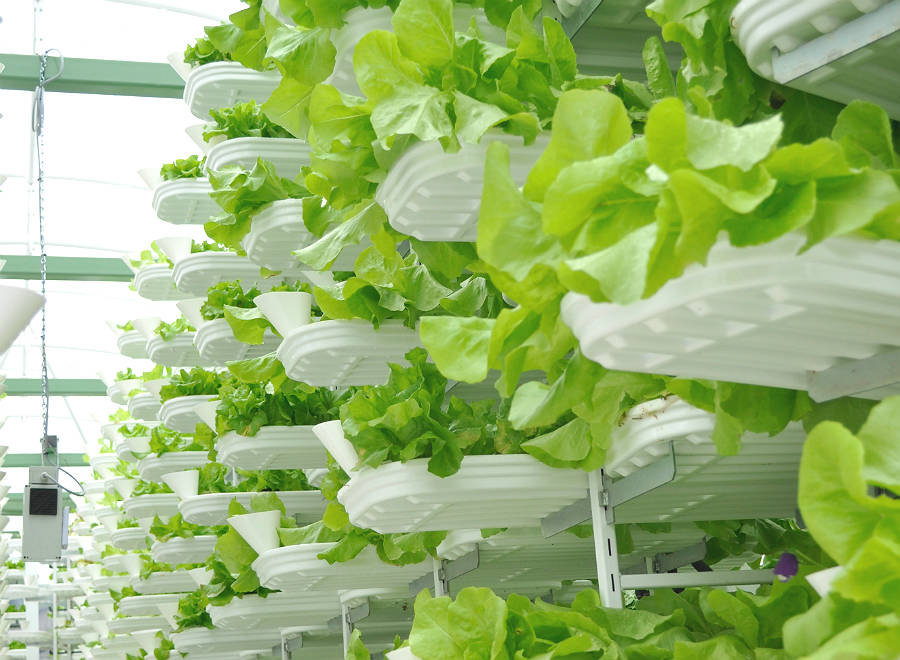
verticrop1_valcenteau-cc-by-sa-20

“A crucial battle in a long-brewing conflict over organic farming came to a head Wednesday when an influential government panel met to discuss whether soil is an essential element of organic farming.

On one side: “Dirt first” traditionalists who say that fruits and vegetables must, by definition, be grown in soil to qualify as organic.

On the other: Agri-technophiles who say “controlled environment” methods like hydroponics and aeroponics are just as deserving, dirt or no dirt.”

READ the FULL STORY at: “InsideClimateNews.org”

Grow a Fall/Winter Garden! Join the Monthly Seed Club, TODAY!

Fall UOG Seed Club GIF
ORDER BEFORE 11:59 PM PST November 4th to receive a shipment THIS MONTH! https://urbanorganicgardener.cratejoy.com/

Grow food ALL-YEAR-ROUND with us! Now is the perfect time to start stockpiling seeds for your fall, winter and even early spring gardens!All of our seed club members will be receiving varieties that are perfect for growing during the cooler months. Let us hand-select 5 varieties of heirloom, GMO-free seeds to ship to you EVERY MONTH!

TO LEARN MORE or SIGN UP just visit: https://urbanorganicgardener.cratejoy.com/


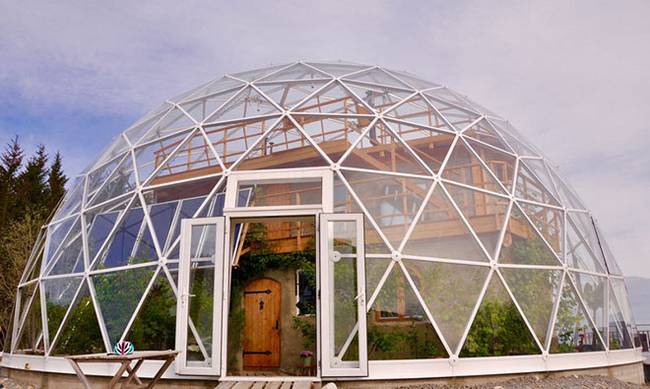
Geodesic dome protects cob house and family of 6 in Arctic Circle

“Inside a glass dome in Northern Norway, lives a family of five. In the inhospitable Arctic climate the Heart Followers have found their unique way of life. In the garden around the little house, they grow their own food all year round. In this nature friendly shelter, they are protected from all kinds of weather, and lives in harmony with the spectacular surroundings, and the elves in the forest.”

Hjertefølgerne / The Heart Followers from Deadline Media on Vimeo. / Images via GoodHomeDesign

We’re on SNAPCHAT! [Let’s Get Snapping]

We want to be where our fans and fellow gardeners are, so we’ve headed over to snapchat and created an account! We hope you’ll share all of your awesome gardening successes/tips/and learning experiences with us over there.

Let’s be friends! Just use the snap code below to quickly and easily add us and see more great content from us, everyday!

SnapChat UOG IG


UOG SnapChat Logo

Ikea’s Hydroponic Garden Concept Uses 90% Less Water Than a Regular Farm

m

l

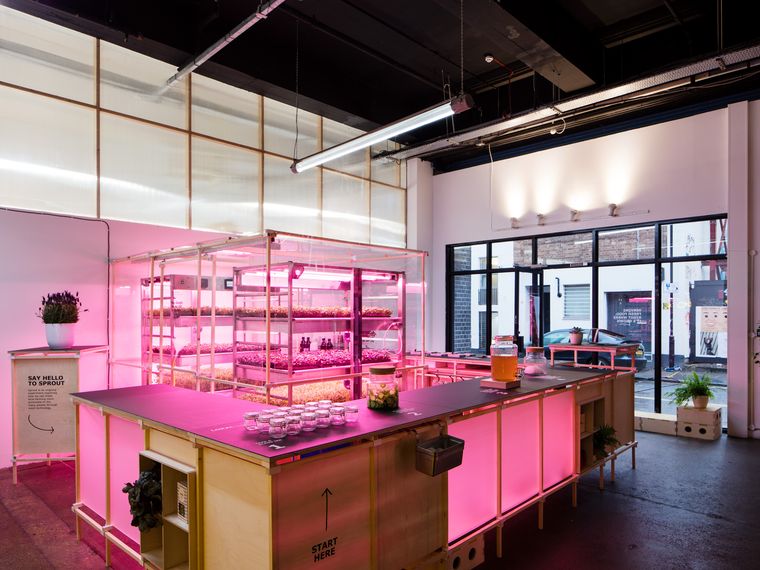
“Ikea is known for its low-cost furniture that comes packed in cardboard boxes, but now it’s experimenting with something entirely different: Cutting-edge indoor farming.

At the London Design Festival in September, Space10 — Ikea’s “future-living” design lab — debuted its concept for a salad bar prototype whose ingredients are grown using an indoor hydroponic farming system.”

Read the original article at: “Mic.com

Grow a Fall Garden! Join UOG’s Monthly Seed Club NOW!

UOG Seed Club

**IF you wish to receive a shipment for this month, you MUST JOIN before 11:59 pm PST Monday, September 4th!**

Now is the time to start collecting seeds for your fall/winter gardens. Let our Garden Guru’s hand select popular heirloom, GMO-FREE varieties for you to start each month, customized to your location and grow zone! (Think frost hardy crops or varieties that can be grown indoors such as sprouts, lettuces, leafy greens and MORE!)

Sign up today at https://urbanorganicgardener.cratejoy.com

During sign-up, just let us know whether you prefer to grow indoors, outdoors, in partial shade or in the sun. Do you grow hydroponically? Not a problem, we’ve got that figured out too!

Each month you’ll receive a 5 varieties, and everything you need to start growing more food! Happy Gardening to you, in 2017!

Grow an indoor herb garden: easily, sustainably and veganically

The Joy of Growing Window Herbs Year-Round

Have you ever thought about growing your own indoor herbs? If you’re kitchen windowsill isn’t already crammed full of pots overflowing with leaves, then it should be!

The beauty of keeping a “windowsill herb garden” is that you can rely on a steady supply of leaves all through the year. When outdoor plants have died back or gone dormant over winter, your window herbs will keep happily ticking along.

The process of starting your own “kitchen herb garden” from seed is simple. The great thing is that many plants not normally found in garden centers are available to you. Scrumptious edibles like dark basil, chamomile, lovage and yarrow (to name a few) are all options. What about the magical, medieval plant mugwort? Or that favourite for making lozenges, horehound?

Old favourites like thyme and rosemary will also fare wonderfully indoors as long as they’re properly looked after. Energetic perennials like chives will continue to grow even when light levels dip in winter. So you can lightly harvest even through the darkest months.

All you need are some pots, a good potting mix and some plant feed. If you’re starting your seeds indoors, where there’s no risk of critters eating the young seedlings, you can sow directly into the pots.

Let several seeds germinate and keep the best after they’ve put on some growth, snipping off the others with a pair of scissors. During late spring, summer and early autumn, your plants will be grateful for a bi-monthly or monthly liquid feed. Use a balanced NPK fertilizer (nitrogen-phosphorous-potassium) and a micronutrient feed like liquid seaweed. Many of the problems with herbs are due to trace element deficiencies.

And that’s it! The infographic included below is a visual guide to the process. Remember not to overcomplicate things and don’t be afraid of killing the odd plant…they don’t mind too much.

Herb-Gardening-Infographic

Indoor herb gardening is growing in popularity by the day. Space-stretched city-dwellers, foodies, and even people with big gardens are filling their kitchen windowsills with potted herbs.

There are so many benefits and almost no drawbacks. It’s cheaper, tastier and also possible to grow unusual and forgotten plants…yarrow or lovage, anyone?

In this little guide, and with the help of my infographic below, I want to cover the main steps involved in growing a scrumptious indoor herb garden.

View the original post with infographic at UrbanTurnip.org

Urban Farming 2.0: From Plow Beams to Leafy Green Machines

1043253_1_0725-URBANFARM2.0_standard

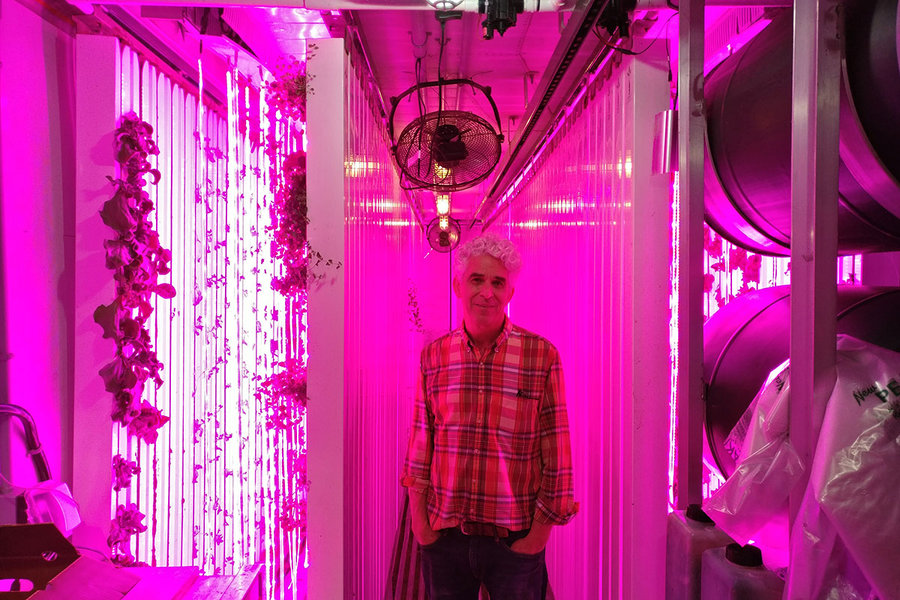
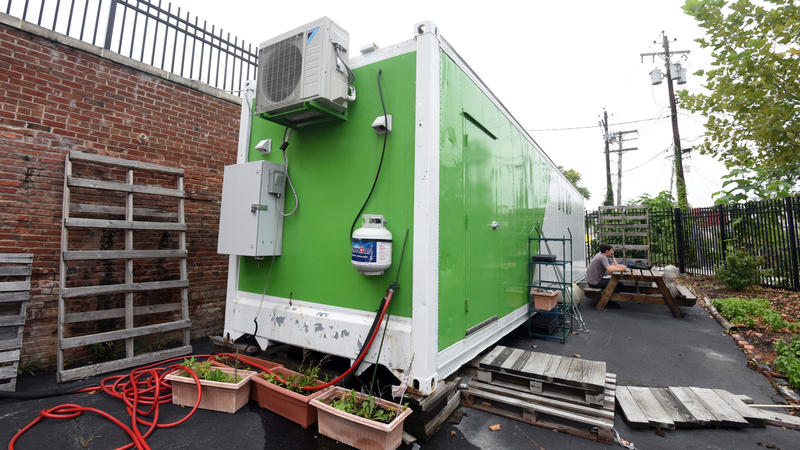
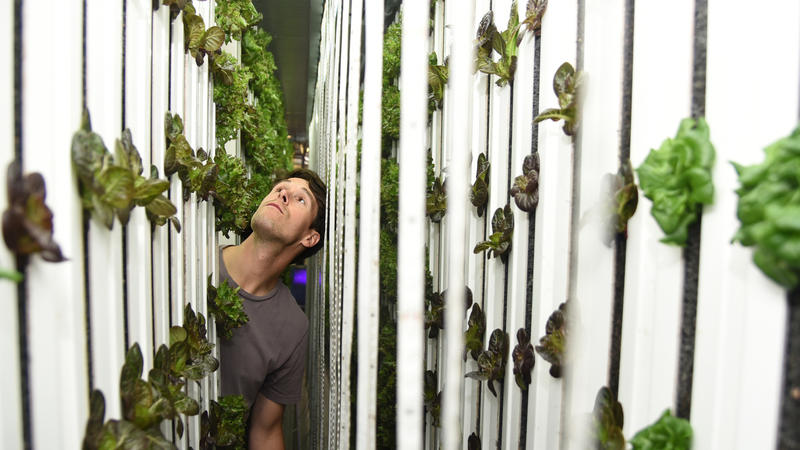
Shawn Cooney swings open the door of a 320-square-foot industrial shipping container to reveal a futuristic setting: hundreds of edible plants growing in vertical columns, fed by the energy from strings of neon red and blue LED lights. Nutrient-infused water cascades from ceiling spigots down through artificial root systems in the growing towers. The temperature inside feels like a comfortable spring day – about 70 degrees F., with a touch of humidity. There isn’t a speck of dirt anywhere.

Welcome to the new urban farm.

This shipping container is one of four that comprise Corner Stalk Farm run by Mr. Cooney and his wife in the heart of Boston. Once the cargo holds for exhaust-spewing 18-wheelers, these discarded freight vessels have been transformed into units known as Leafy Green Machines outfitted with state-of-the-art growing technology by a company called Freight Farms. Now they help farmers turn out crops of lettuce and herbs at a rapid pace.

Read the FULL Article CSMonitor.comat: “CSMonitor.com”

Baltimore Farm-In-a-Box a Potential Catalyst in Urban Revitalization

bal-urban-pastoral-bs0056115130-20170808

This retrofitted ex-shipping container in a parking lot in Broadway East is hardly your grandfather’s farm. And in his skinny jeans, black sneakers and recycled-materials T-shirt, J.J. Reidy will remind no one of the guy with the pitchfork and overalls in Grant Wood’s “American Gothic.”

Reidy, 29, is the founder and CEO of Urban Pastoral Collective, a two-year-old business with a dual mission: to produce and sell fresh, whole foods in an urban setting and to help leverage the value of such foods into a movement that transforms the way Americans live and interact in cities.

Read the rest of this article at: “BaltimoreSun.com

Enter to WIN a FREE 1 Month Subscription to UOG’S Monthly Seed & Garden Club!


Join UOG’s Monthly SEED & GARDEN Club!

🍉 Get Seeds & Garden Supplies Delivered Every Month – Fully Customized Around You! We are now preparing our members for Fall planting season! 👏 Visit: www.UrbanOrganicGardener.club

Subscriptions are only $9.99/month + s/h.

💧🌱💧 NOW AVAILABLE: Options for RAISED BEDS -&- CONTAINER GARDENS -&- TOWER GARDENS – & – HYDROPONIC SYSTEMS💧🌿💧

We’re making it easy for everyone to grow organic food all-year-round! 👍

Ready to sign-up or just learn more? Visit: www.UrbanOrganicGardener.club

Disney Uses a Variety of Techniques to Grow Food Served In Their Restuarants

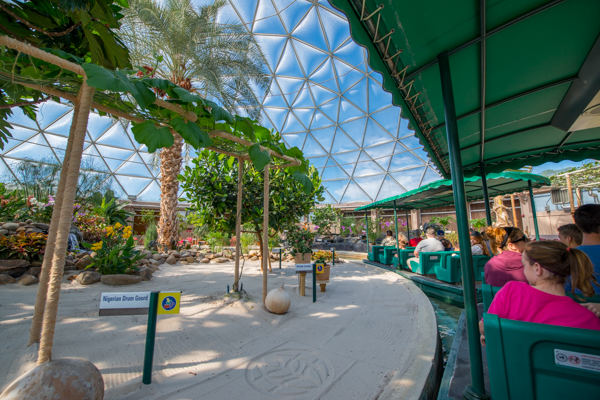
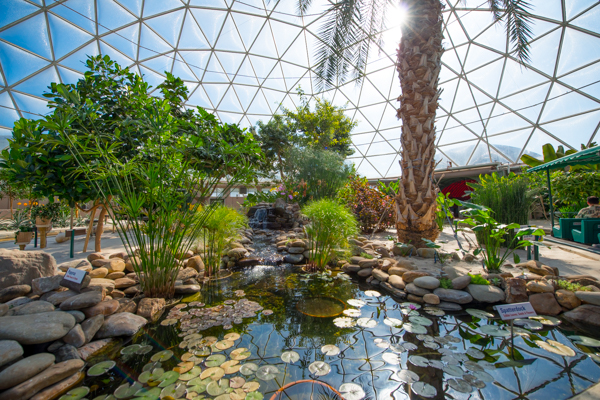
“Living with the Land (originally Listen to the Land) is a log flume tour ride located within The Land pavilion which is part of Epcot theme park in Walt Disney World Resort at Lake Buena Vista, Florida. It is a slow-moving boat ride, which is part dark ride and part greenhouse tour. The focus of the ride is on agriculture, especially new technology to make agriculture more efficient and environmentally friendly.” –Behind The Seeds

SAR_1090wdwjan2017

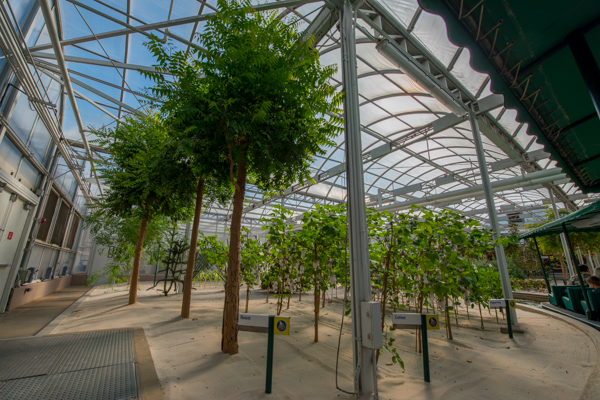
String Greenhouse (formerly the Production Greenhouse) – This greenhouse focuses on innovative high-density techniques, such as Nutrient film technique. It also shows off “vertical growing techniques”, in which plants are grown on specialized trellises which cause the herbaceous plants to approximate the shape and structure of trees.

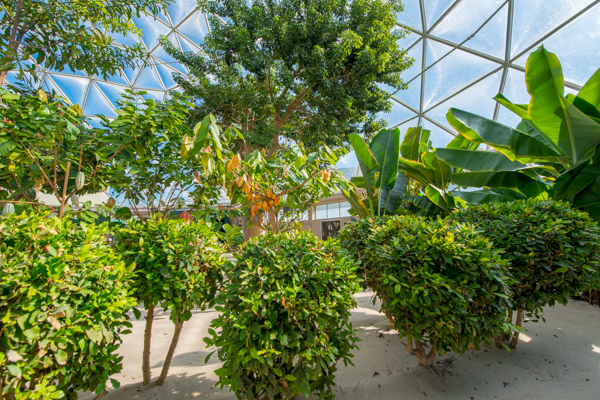
One of the most famous examples of these trees is The Land’s “tomato tree”, which produced over 32,000 tomatoes in a 16-month period. It was recognized by Guinness World Records as both the largest and most productive tomato plant in the world. Other crops include eggplant, peppers, winged bean, lettuce and snake gourd. Furthermore, cucumbers and pumpkins are grown in the shape of Mickey Mouse through the use of special molds. Much of the produce grown in the String Greenhouse is used in The Garden Grill and Sunshine Seasons, both restaurants in The Land pavilion. In total, over 30 tons of produce are harvested from The Land each year.

SAR_1109wdwjan2017


SAR_1093wdwjan2017

Creative Greenhouse – The final greenhouse in the attraction shows some unusual ideas about the future of agriculture. Most of the plants in Creative House are grown via Aeroponics, in which a fine mist of water and nutrients is sprayed directly onto the roots of the plants. The roots dangle freely in the air, and are not hindered by any growing medium. Some of the plants’ roots in Creative House are enclosed within rotating columns and A-frame structures, while others are completely exposed to the open air, at least temporarily, so the entire plant may be viewed by the Guests on the boat ride. Creative House also features a small exhibit of NASA hydroponic growing units, which were developed for use on extended-length space journeys. Crops on display include tomato, squash, lettuce, basil, rosemary, cabbage, super-dwarf wheat, swiss chard, marigold and snapdragon.

SAR_1102wdwjan2017
Biotechnology Lab – Attached to the Creative Greenhouse, the Biotechnology Lab is a sterile research environment. Several USDA scientists are on-site at The Land, performing research on crop improvement. The Land also produces a product called “Mickey’s Mini Gardens” in the Biotechnology Lab, which are available for purchase in several locations in Epcot.” –Excerpt from Wiki

SAR_1117wdwjan2017

37 Edibles You Can Grow Indoors In The Winter

indoor-vegetable-garden-940x582
Live in a colder climate? Worry that because of freezing temperatures outdoors that you may not be able to garden like your friends in warmer locations? That’s not the case! There are actually many options that you can choose from when it comes to gardening fruits, vegetables and herbs indoors. “If you want to find out which goodies you can grow in pots, read: Indoor Vegetable Gardening: 37 Edibles You Can Grow Indoors In The Winter.”


“As you can see, there are many vegetables that can be grown indoors during winter, or in all seasons if you don’t have a garden at all. Now, you only have to decide which veggies you want to grow.”

Read the FULL Article at: “LoyalGardener.com

Orange County Convention Center Launches Urban Garden

os-orange-co-convention-garden-20161110
Orange County is aiming for going more GREEN with a new local food sourcing program called the “Center-to-Table Gardens in the West Concourse”. The program which began in May, gives convention goers a chance to see where their food comes from, on-site.


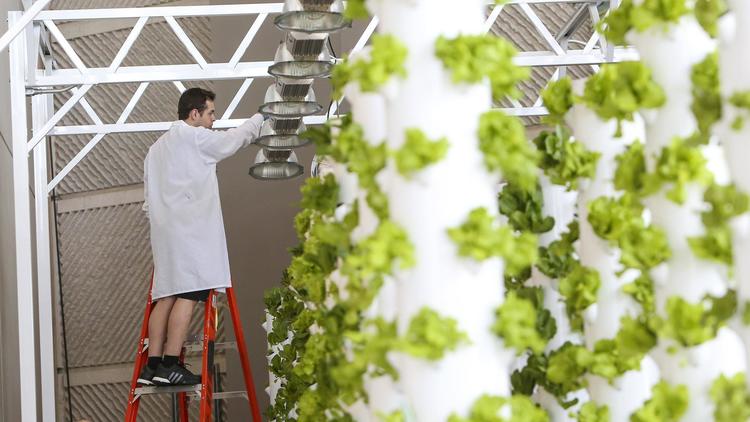
“The farm, operated by Urban Smart Farms, includes 81 towers for growing lettuce, microgreens, herbs and the occasional tomato or pepper plant, all on full view along the concourse from the main parking lot. An opening reception for the gardens is set for this afternoon. There are about seven types of lettuce grown on-site and a variety of greens including chards, choi, mustard, celery and kale.”

To read the entire article, visit: “OrlandoSentinal.com

Tackling Urban Farming with a Mobile Greenhouse Concept

gg_6_sarah_hitchens_bsu

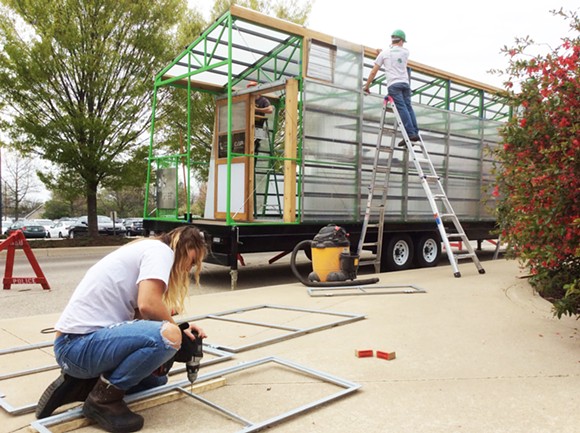
People all over the world are beginning to understand the importance of having a connection with the land and farmers who are growing your food. Butler University has designed a new concept which is “designed and constructed by a group of fourth-year architecture students at Ball State University, and is the first fully automated mobile greenhouse.”

“Funded by a Butler University Innovation Fund Grant, the $50,000 greenhouse prototype was created because of a building code issue. “The farm is in a flood plain, so we couldn’t build a permanent structure,” Gray explains. Realizing that many urban farms face land access challenges that could be appeased by a mobile growing platform, the college embraced the idea as an educational opportunity and a model for others.”

To read the entire article, visit: “NUVO.net