
Secrets of Companion Planting + Popular Planting Combinations

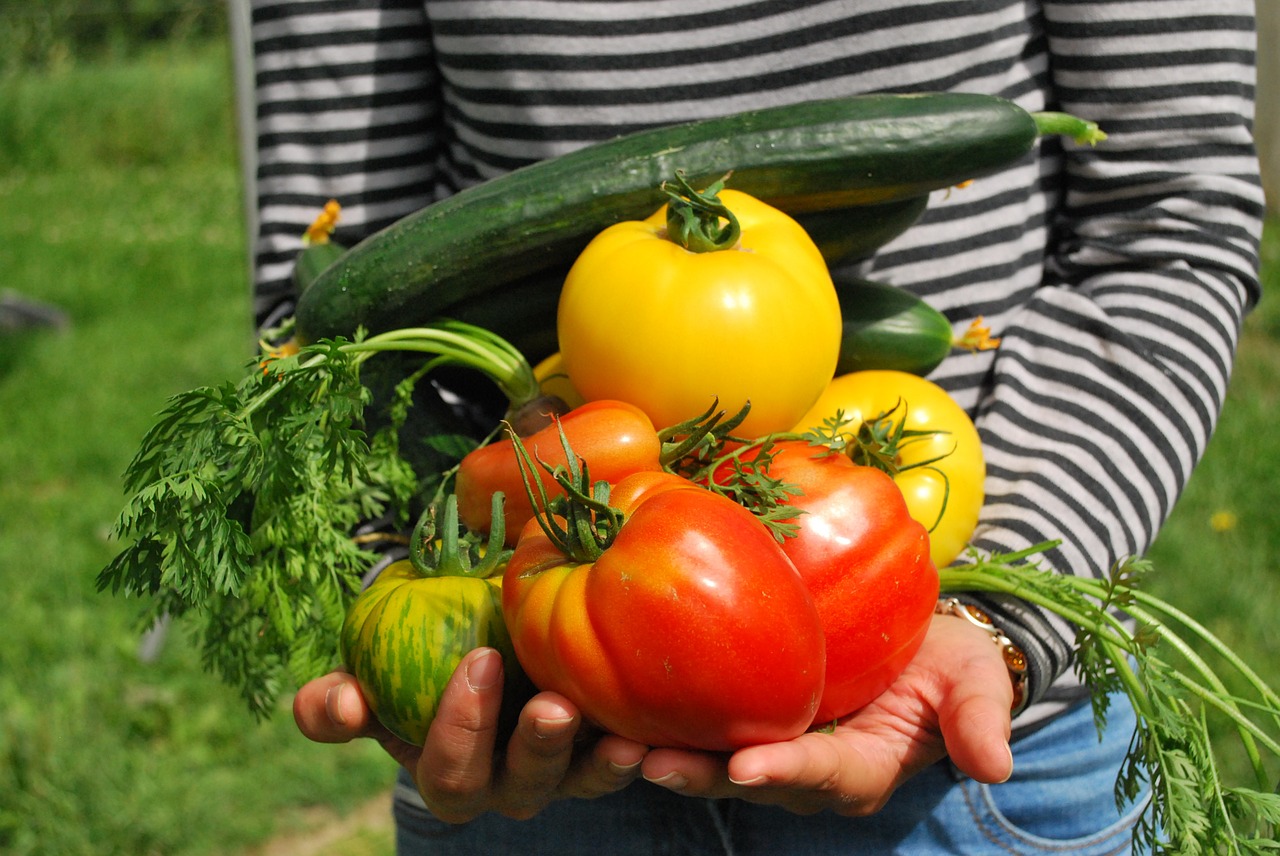
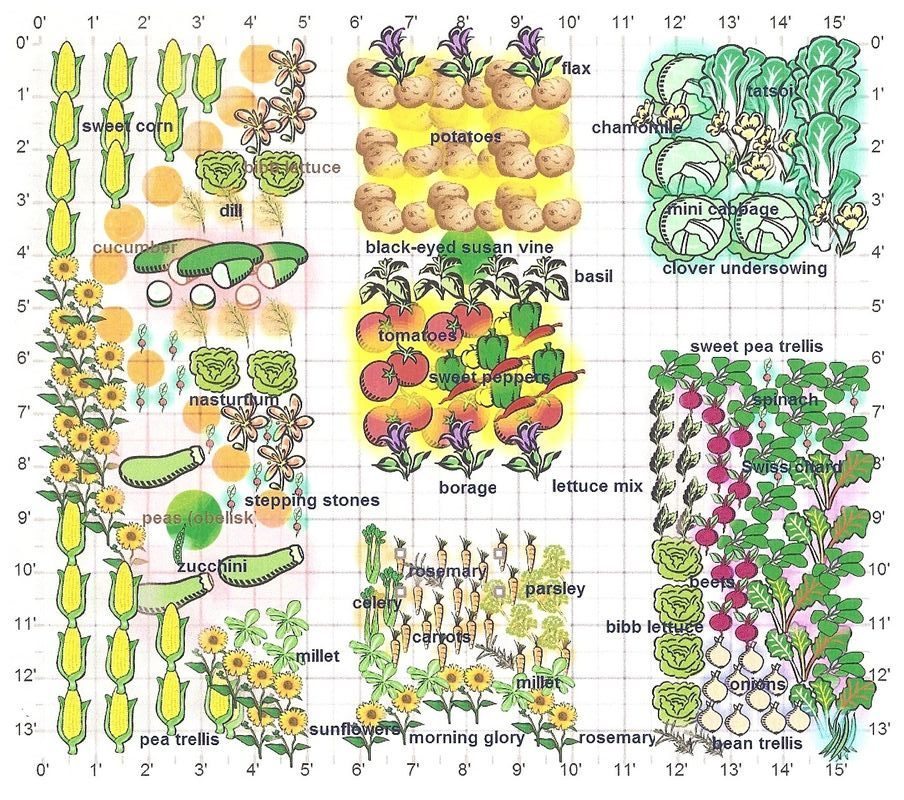
Did you know that tomatoes hate cucumbers?

While they might taste great together in a salad, tomato plants actually dislike growing in close proximity to any member of the cucurbit family, which includes cucumbers.

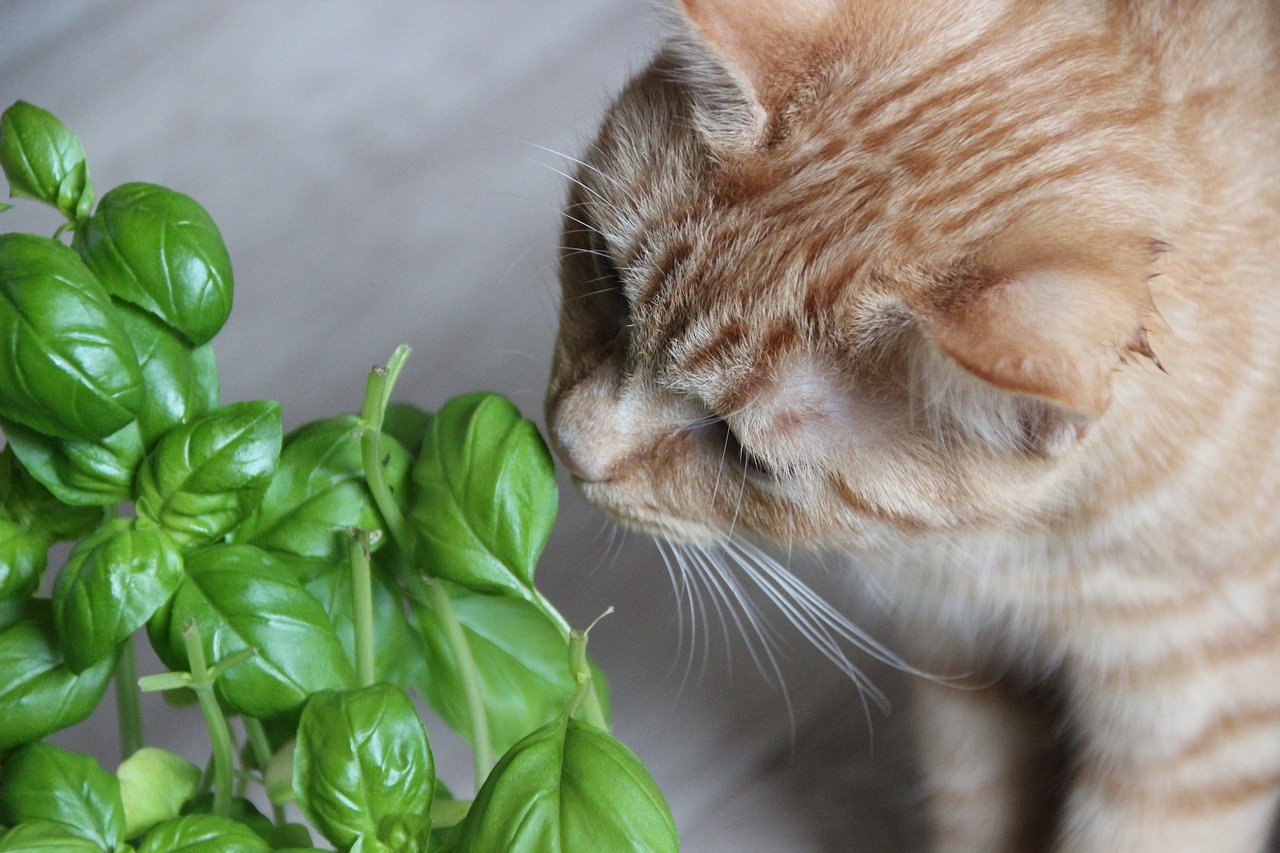
Tomatoes love carrots and basil, however – so planting these together will actually make them each grow more vigorously!

Planting your veggies in neat rows with labels is satisfying to the eye, and easier to harvest. However, when we look to nature, we don’t see rows anywhere, nor do plants all grow clumped up in groups of the same thing together.

READ MORE FROM THE ORIGINAL STORY AT https://thehomestead.guru/companion-planting-2/?fbclid=IwAR05qOCv3BBuE4sa2BKzQaepcBMDtBzOaEaYUUezr8J6QsIcnd0dkGPK9gc
Permaculture Puts Organic Gardening on Autopilot

Organic food and farming have seen a huge increase over the past ten years, and for good reason. Farming and gardening techniques that use fewer harmful, synthetic fertilizers and pesticides are better for the environment and better for human health. Permaculture methods of growing food reach far beyond these benefits. Growing food organically is just the starting point.

According to a report from 2014 by Stephen Daniells titled US organic food market to grow 14% from 2013-18, 81% of American families reported buying organic food at least sometimes. For many people, the barriers to buying organic food are accessibility and cost. Growing organic produce at home overcomes both of those issues. Permaculture practices are a great way to achieve the best results.

What is Permaculture 

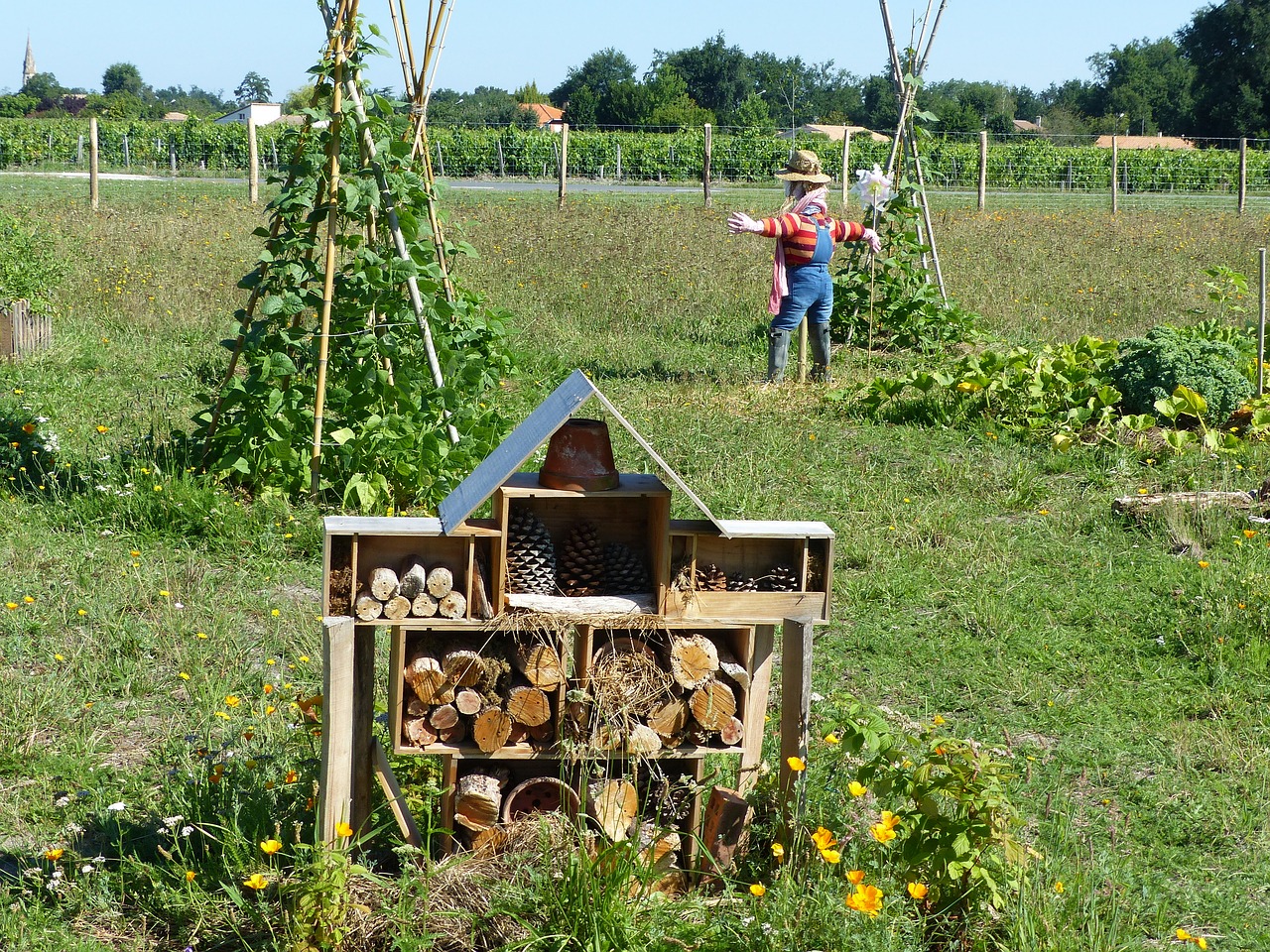
Permaculture (permanent + agriculture) was developed in the late 1970s by Bill Mollison and David Holmgren. It’s a set of principles and techniques for food production at any scale that focuses on mimicking natural systems, instead of competing against them. It puts humans into the system as engaged participants, departing from the conventional agricultural approach of conquering nature. The principles can be applied to container gardens on apartment balconies, large scale agricultural operations, and anything in between.

READ THE FULL STORY AT https://thehomestead.guru/permaculture/?fbclid=IwAR2uez2yUOTZ4_KM8Yttd92ZXYK6rCKTNAUUUnmHn33hPA3h7YLh4K7ATHM

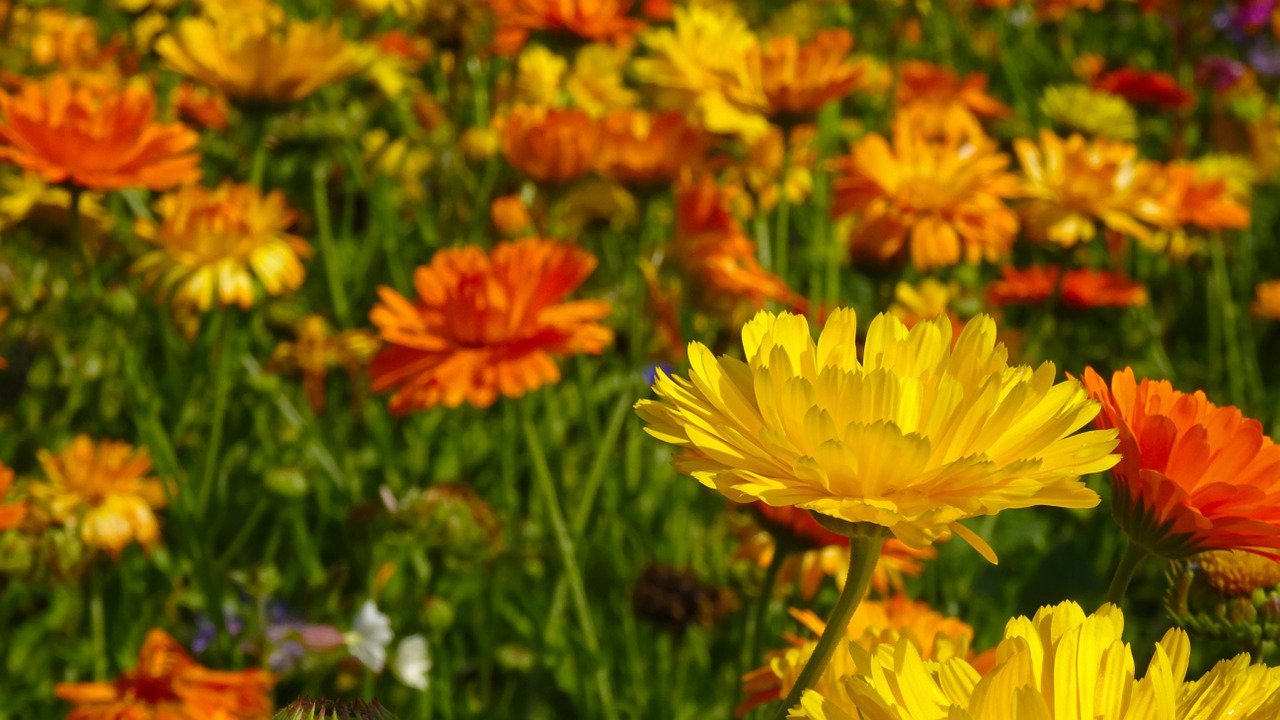
How the humble marigold outsmarts a devastating tomato pest

Scientists have revealed for the first time the natural weapon used by marigolds to protect tomato plants against destructive whiteflies.

Researchers from Newcastle University’s School of Natural and Environmental Sciences carried out a study to prove what gardeners around the world have known for generations — marigolds repel tomato whiteflies.

Publishing their findings today (1 March) in the journal PLOS ONE, the experts have identified limonene — released by marigolds — as the main component responsible for keeping tomato whiteflies at bay. The insects find the smell of limonene repellent and are slowed down by the powerful chemical.

READ THE FULL ARTICLE AT https://www.sciencedaily.com/releases/2019/03/190301160909.htm?fbclid=IwAR1pjbDZ-CXBamdFowvimdELr4S1KWfJRGbUdoY2Rd6qA4WtcIzchUyKbIo

Do’s and don’ts for early spring gardening

“A warm day in March can inspire a kind of madness in gardeners. It can cause them to burst out the door, desperate after months cooped up by cold and snow, and start work way too soon.

“Be careful what you do right now,” said Sharon Yiesla, plant knowledge specialist at the Morton Arboretum in Lisle. “There are things it’s just too early for.”

Here are some do’s and don’ts for early spring gardening:

Do get rid of tree wrap. If you wrapped the trunk of a young tree to protect it from animals over the winter, unwrap it now. “Leaving tree wrap on too long can trap moisture and encourage disease,” Yiesla said.

Don’t walk on or dig in wet soil. “That can compact the soil, which smothers plant roots,” Yiesla said. “Compacted soil is a very difficult condition to correct.” Even as the soil thaws at the surface, a hidden layer of impermeable ice often remains below, trapping water like a soup bowl. Wait until the soil has thawed all the way down and water is draining freely through it before you start digging or even walking on any part of the yard, including the lawn.

Do force branches of flowering shrubs. Cut branches of forsythia, flowering quince or other spring bloomers and stand them in a vase of warm water to encourage them to bloom indoors. “Just make sure you prune carefully and leave the overall shape of the shrub looking good,” Yiesla said.”

READ THE REST OF THE ARTICLE at ChicagoTribune.com

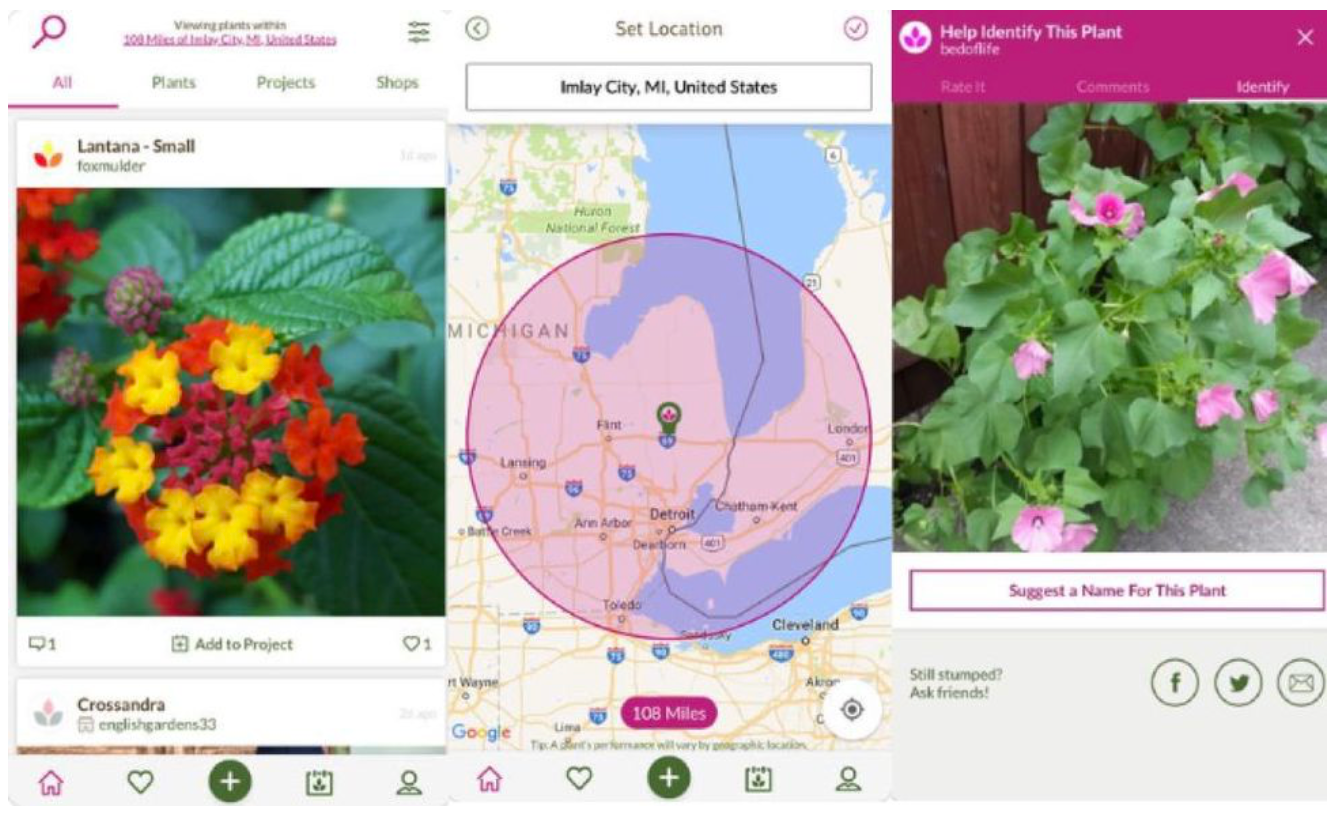
Best apps for gardening and yard work for spring 2019

“Not everyone has a green thumb or an eye for landscaping. Some people don’t even get to try because they’re so busy. Others watch HGTV over and over again and still never achieve the yard of their dreams because it’s easy to forget most of what you learned by the time you get outside.

But since you can take your phone with you when you walk out into the yard, there are now some digital tools that can make you a more effective gardener. We’ve gathered together some gardening and landscaping apps that can walk you through how to take care of your plants and keep your yard looking fabulous.”

See the BEST APPS NOW, at CNET.com

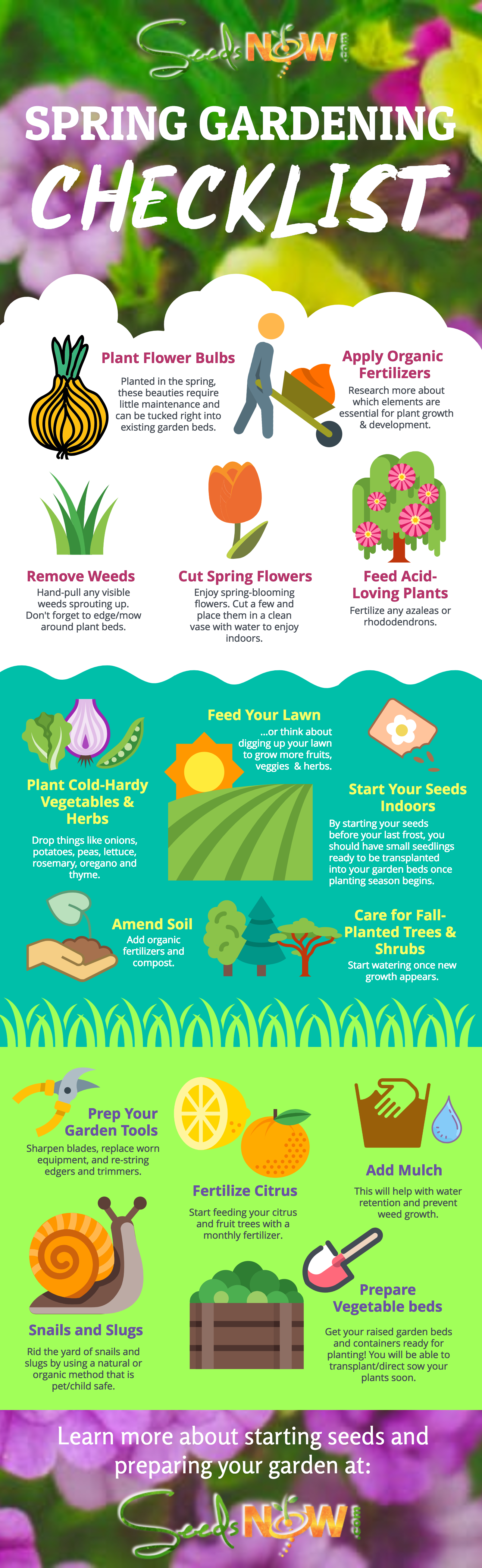
Spring Gardening Checklist


Spring will officially be here on March 20th and whether there’s still snow out where you are, or it’s already feeling like summer… Spring is a great time of year to start working on a few things in the gardening department.

In March, in addition to starting seeds indoors, gardeners with cold frames (see season extension techniques) may use them either to start an early crop of greens (especially spinach) or to start plants like broccoli that will later get transplanted outside the cold frame.

Each grow zone will be a little bit different when Spring finally does roll around, so we encourage you to do what you can and what the weather is permitting in your unique location.

Below is a list of chores that we’ve compiled to help give you some things to start thinking about this time of year.

  • Plant summer bulbs.
  • Read up on applying organic fertilizers.
  • Remove winter weeds and edge plant beds.
  • Cut flowers of spring-blooming bulbs and place them in water & a clean vase to enjoy indoors.
  • Feed acid-loving plants such as azalea & rhododendron.
  • Plant cold-hardy vegetables and herbs, such as onions, potatoes, peas, lettuce, rosemary, oregano, and thyme. (View more cold-hardy vegetables and herbs, here!) 
  • Feed your lawn with a high nitrogen fertilizer. (Or think about digging up your lawn to grow more fruits, veggies and herbs!)
  • Remove weeds before they flower, to keep them from multiplying.

  • Start seeds indoors. (Read our tips on how to start seeds indoors!) 
  • Amend soil by adding organic fertilizers and compost.
  • Water fall-planted trees and shrubs once new growth appears.
  • Sharpen hand tool blades, replace worn equipment, and re-string edgers and trimmers.
  • Fertilize citrus and feed it monthly thereafter.
  • Prepare vegetable beds for when the soil is warm enough to sow seeds or transplant tender plants. For tomatoes, that temperature is 55 degrees.
  • Deadhead spent spring bulb blooms leaving the leaves to continue to produce food that will be stored in the bulb for next year’s blooms.
  • Plant bare root trees and plants just as they are about to break dormancy.
  • Apply mulch around the base of trees. This will help with water retention and prevent weed growth.
  • Rid the yard of snails and slugs, using a natural or organic method that is pet/child safe.
  • Take cuttings of roses, azaleas & geraniums to start new plants.

How urban gardeners can lower their risk of contact with soil contaminants

TEMECULA – City dwellers may once have thought that gardening was a hobby for suburbanites or those living in rural areas. But urban gardening has grown in popularity as more and more city folk have looked for ways to increase their access to healthy, low-cost produce.

Urban agriculture may seem like a relatively new idea, but according to National Geographic, it actually dates back to the 19th century, when former Detroit Mayor Hazen Pingree devised a plan to help the city’s unemployed laborers during a period of economic crisis. Pingree developed an idea to use acres of vacant and idle lands throughout the city to create subsistence gardens. Begun in 1894, the program would peak in 1897 with the participation of more than 1,500 families. The program would taper by 1901 as the economy improved, but there’s no denying the relative success of the mayor’s program.

READ THE STORY https://www.myvalleynews.com/story/2019/03/08/lifestyles/how-urban-gardeners-can-lower-their-risk-of-contact-with-soil-contaminants/64932.html

25 Gardening Tips Every Gardener SHOULD KNOW!

1. If it’s getting cold and you have tomatoes still ripening on the vine — save your tomatoes! Pull the plants up and bring them inside to a warm dry place. Hang them up, and the tomatoes will ripen on the vine.

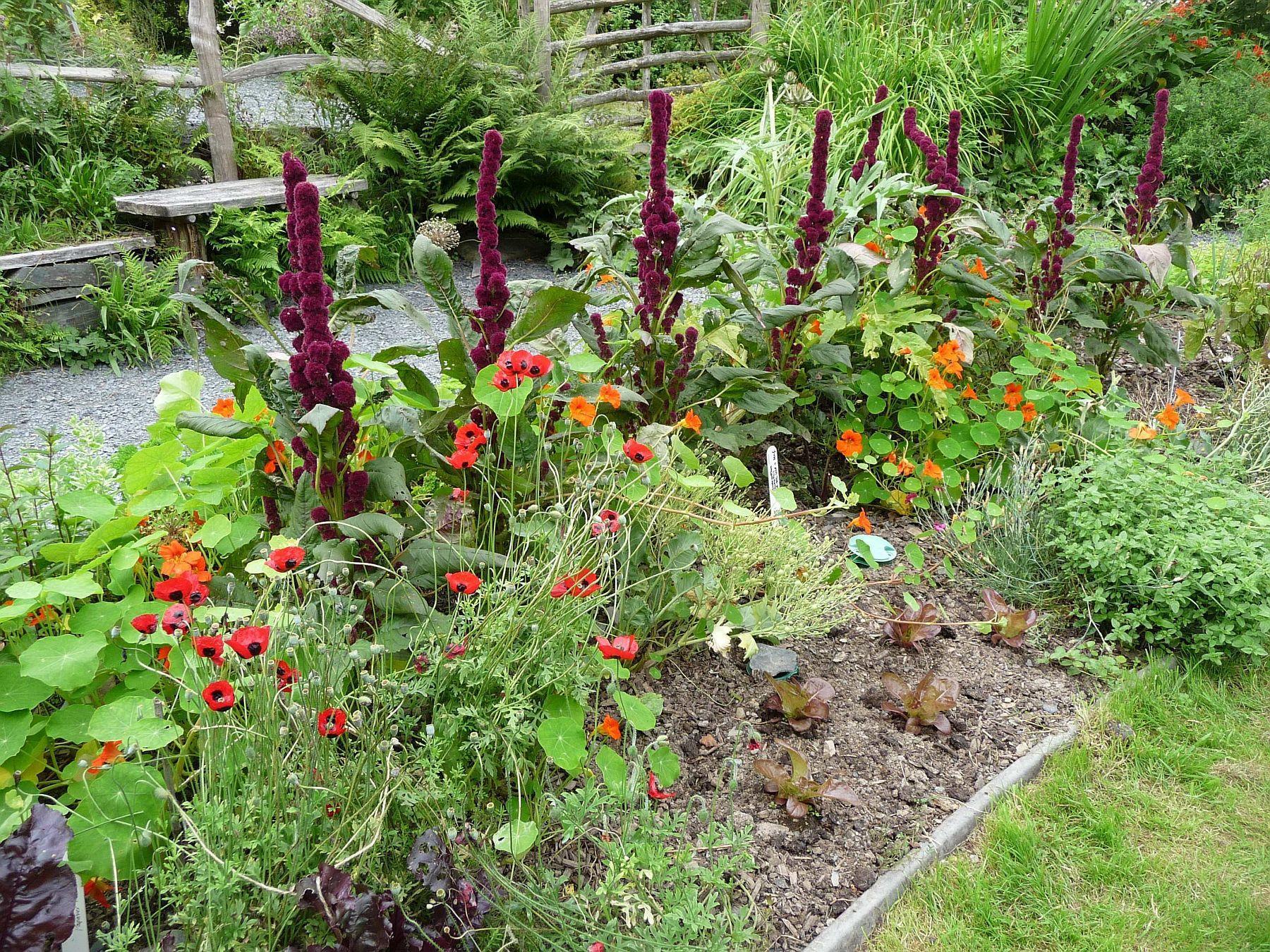
2. Companion planting is an excellent way to improve your garden. Some plants replenish nutrients lost by another one, and some combinations effectively keep pests away.

3. Paint the handles of your gardens tools a bright, color other than green to help you find them amongst your plants. You can also keep a mailbox in your garden for easy tool storage.

4. Compost needs time to integrate and stabilize in the soil. Apply two to three weeks prior to planting.

5. There is an easy way to mix compost into your soil without a lot of back-breaking work: Spread the compost over your garden in the late fall, after all the harvesting is done. Cover with a winter mulch such as hay or chopped leaves and let nature take its course. By spring, the melting snow and soil organisms will have worked the compost in for you.

READ THE OTHER 20 TIPS HERE: https://www.planetnatural.com/vegetable-gardening-guru/tips/

Growth In Gardening: Companion Gardening

I am jumping on the companion gardening bandwagon with both feet this year. I have experimented with companion planting in small ways in my gardens over the last several seasons and I am 100 percent convinced that the system is the way to go.

The basic idea behind companion planting is as simple as it is sensible: many plants grow better near some comrades than they do near other plants or when alone. By itself companion planting your garden will not work miracles but applied in a well-maintained garden, it can produce startling results. It sure has for me. It can drastically improve the use of space, reduce the number of weeds and garden pests, and provide protection from both heat and wind, two problems I run into every year. So, as far as I am concerned, in my vegetable garden, this all adds up to getting me what I really want: increased yield.

I will be employing companion planting in my vegetable gardens, but it can also be used when flower gardening and in full-scale farm fields. In fact, some of the most familiar examples come from farming, where it’s a long-standing practice to sow vetch or some other legume in the fall after the harvest. This cover crop provides erosion control through storms and supplies both nitrogen and organic material to the soil when it is plowed under in spring. Most such crops themselves need a helper, known as a nurse crop, usually, a grain that is sown along with the legume. The grain provides weed control while the legume gets established, and helps protect the legume from both wind and the weight of snow.

READ THE FULL ARTICLE: https://www.sanmarcosrecord.com/features/growth-gardening-companion-gardening

Pet-Friendly Indoor Gardening

Houseplants make a wonderful addition to our home’s décor and improve the indoor air quality.  Those with pets, however, may struggle with keeping plants safe from curious pets and the pets safe from indoor greenery.

The good news is you can grow an indoor garden even when you own pets. Yes, some do love to dig in the soil or even eat our favorite houseplants, but with proper plant selection and planning, you can keep your pets safe while enjoying an indoor garden.

Start by selecting plants that are safe for your pets.  Consult the American Society for the Prevention of Cruelty to Animals website for a list of pet-safe plants to grow and toxic plants you should avoid.  This will reduce your anxiety by helping you create an indoor green space safe for your pets.

READ THE FULL ARTICLE: https://www.tapinto.net/towns/belmar-slash-lake-como/articles/pet-friendly-indoor-gardening-477c2881-e5be-4de5-bace-0397f405593c

This Garden Planner makes urban gardening easy

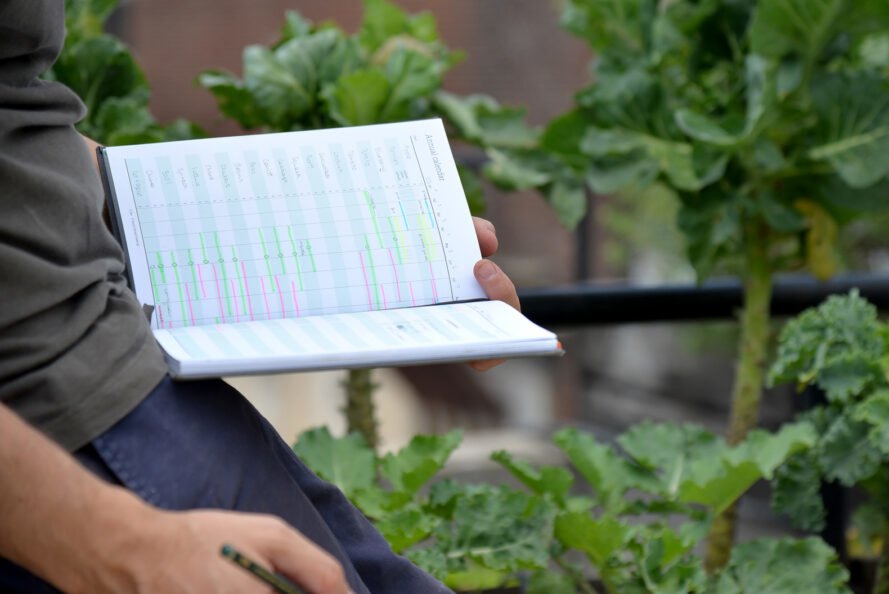
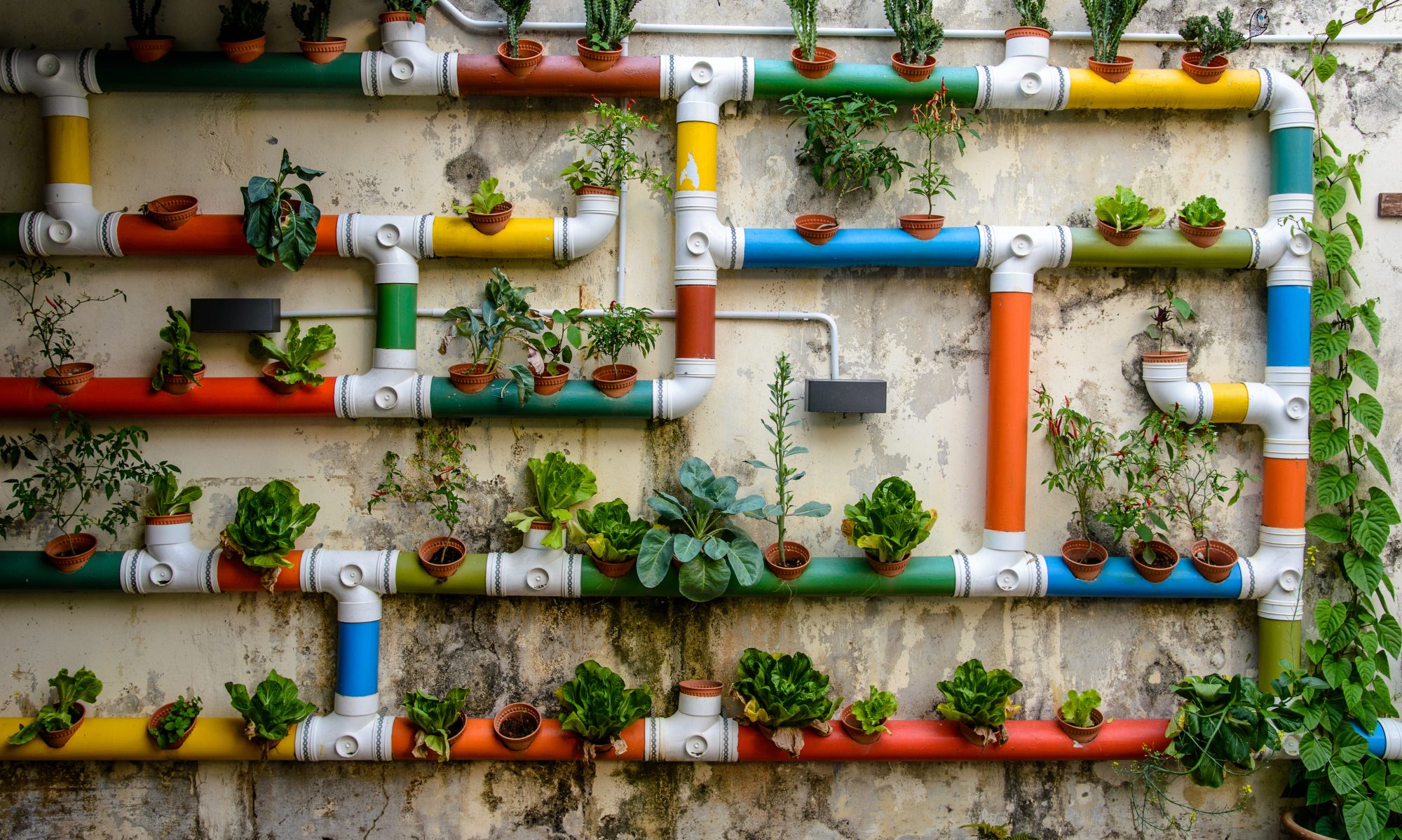
Gardening can seem like a daunting task. When do you plant? What should you plant in your area? How can you effectively grow produce? When you start asking the questions, it may become too overwhelming to tackle. But don’t walk away from the idea of a balcony overflowing with greenery just yet, because the team at The Green Conspiracy understands your angst.

The template allows the user to list what was planted and then chart the plant growth in order to keep a record of problems, timelines, and harvests. The goal is not only to identify problems early but also to produce a record that will provide information for successful subsequent planting seasons. Another section of the planner actually includes a planting calendar, so you can organize when seeds or plants should go into the ground.

LEARN MORE ABOUT THIS: https://inhabitat.com/this-garden-planner-makes-urban-gardening-easy/

Race on to make urban agriculture viable, durable

In a world faced with the conundrum of mountains of waste and obesity for some and dire shortages and malnutrition for others, the future of food is the main dish on today’s global menu.

A key ingredient is a trend in ever more imaginative forms towards , a multi-faceted recipe already being pored over by some 800 million people globally, according to the UN’s Food and Agriculture Organization.

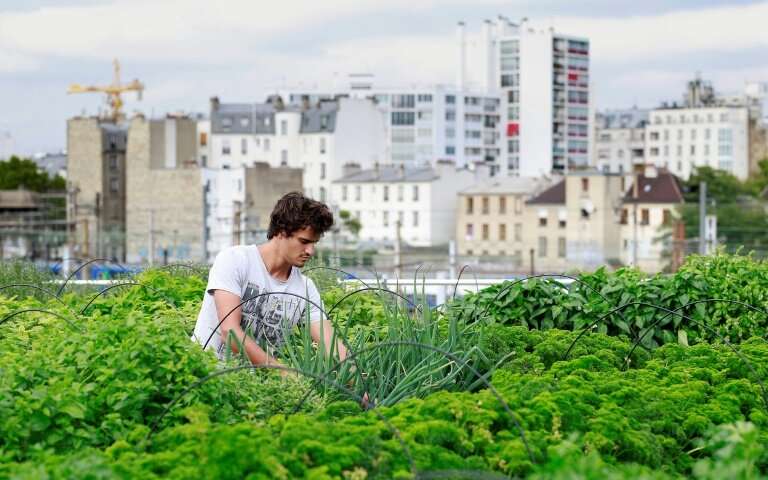
The trend takes many forms—from collective market gardens in even the most run-down of urban districts to connected vertical farms using indoor farming techniques to meet spiraling food demand in areas largely bereft of arable land.

The FAO wants to see the trend prosper and become durable and sustainably embedded within .

Yves Christol, of French cooperative In Vivo, has identified six models of the genre.

They include a key European variant, electronically managed without recourse to pesticide—or even soil or sunshine.

Read more: https://phys.org/news/2019-02-urban-agriculture-viable-durable.html

An app can help introduce newbies to the garden. But the real rewards are in the dirt.

Some children garden at the knee of their parents or grandparents, and by the time they are young adults and ready to start their own plant adventures, a lot of the horticulture comes naturally.

But such lucky people are thinner on the ground than in previous generations, I suspect, even though there has never been a more urgent time to introduce younger folks to the power of the plant kingdom, given the issues of climate change.

What are soil contaminants—and how did soil get contaminated?

“The biggest risks for soil contamination are in urban areas, and former industrial sites,” writes Lauren Svejcar, a researcher at Murdoch University. “Common contaminants in urban soils include pesticides, petroleum products, radon, asbestos, lead, chromated copper arsenate, and creosote.”

Svejcar has specific tips for gardeners. “Urban gardens are usually a good idea, but it’s best to know your soil. Many vegetables and herbs can absorb contaminants as they grow. That puts you at risk if you eat them. Also, vegetables and herbs can have dust on them coming from contaminated soil. If not properly washed, you could ingest the contaminants. Some garden beds may also be lined with chemically treated wood. If you did not build your garden beds yourself, it’s best to test your soil because the chemicals can leach into the garden soil.”

READ THE ARTICLE: https://www.newswise.com/articles/what-are-soil-contaminants-and-how-did-soil-get-contaminated

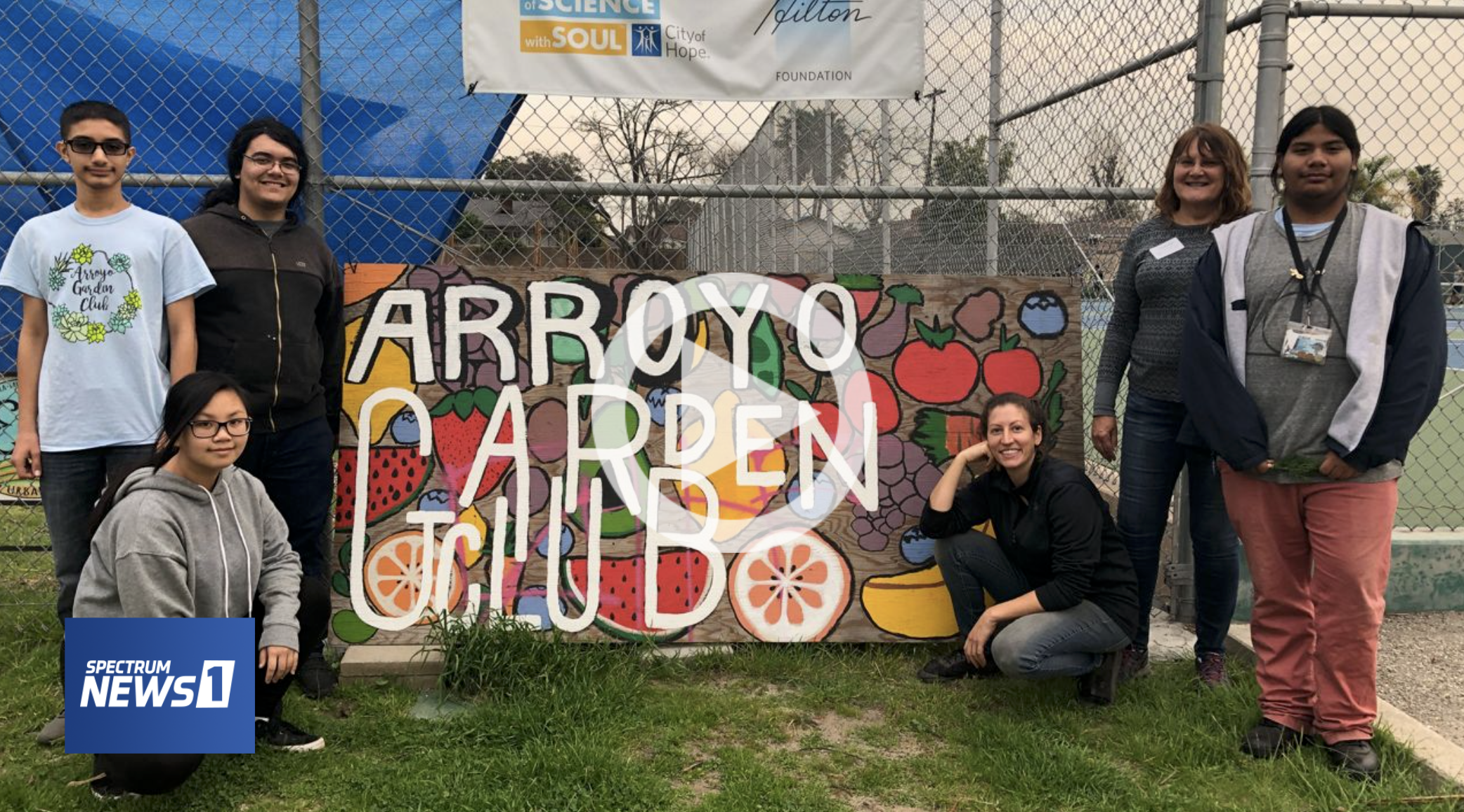
High School Garden Club Helps Students ‘Grow’ Their Skills

LOS ANGELES, CA – Pens and paper are the typical supplies for many high school students, but that is not the case at Arroyo High School in El Monte.

  • Students growing their skills in garden club
  • Found in part by Eco Urban Gardens
  • Helping students learn about agriculture, nutrition

The school is part of a growing program, founded in partnership with a local nonprofit Eco Urban Gardens, meant to help students learn skills in agriculture, environment, and nutrition. Arroyo’s garden club features about 15 students who meet regularly after school to tend to their crops.

“What school wouldn’t have a garden because it honestly promotes healthy living and gives students a place to chill if they’re stressed out,” said senior Oscar Ramos, the president of the club.

READ THE STORY: https://spectrumnews1.com/ca/la-east/education/2019/02/13/gardening-program-grows-at-arroyo-high-school#

7 Innovative Architectural Ideas With World-Changing Potential

Our ancient relatives, Homo heidelbergensis, were constructing shelters at least 400,000 years ago, and architectural innovation has been a defining feature of societies since then, changing to suit the needs and desires of the builders and occupants as they evolved. From energy-efficient designs to community-based spaces, these seven designs could help shape the future.

As the population ages, society is faced with a challenge: How to help people who require special care. The current way that many buildings are designed—and even the way hospitals are set up—makes it difficult for older people to get around and be independent. This is a big problem, because older people are a huge part of the population. As of 2015, there were nearly 50 million people in the United States over the age of 65. By 2030, the Census projects that 20 percent of Americans will be older than 65. “By 2035, there will be 78.0 million people 65 years and older compared to 76.7 million … under the age of 18,” Jonathan Vespa, a demographer with the U.S. Census Bureau, stated in a 2018 press release.

READ THE FULL ARTICLE: http://mentalfloss.com/article/91686/innovative-architectural-designs


We Need to Prioritize Urban Farming in City Planning

Last November, I stood on the stage of the Meeting of the Minds Summit in Sacramento, sandwiched between a panel led by energetic Stockton Mayor Michael Tubbs and his vision for economic prosperity, and a talk on the future of autonomous delivery vehicles. My talk? To encourage city planners, developers and urban architects to bring agriculture back to cities and urban spaces, and what this addition can do for the future of their communities’ resiliency, job creation, healthy citizens and carbon footprint.

Stay with me here. I know, agriculture is not “the new wave.” It’s not even close. I mean, we’re talking something that started about 10,000 years ago when eight of the Neolithic founder crops, like emmer wheat, hulled barley, lentils, and chickpeas, were first cultivated. Fast forward to the late 1800s in the Sacramento Valley, when Yolo County was the largest producer of wheat in the entire United States.

READ THE ARTICLE AT: https://www.comstocksmag.com/article/we-need-prioritize-urban-farming-city-planning

DIY Fungi – Interview: William Padilla-Brown

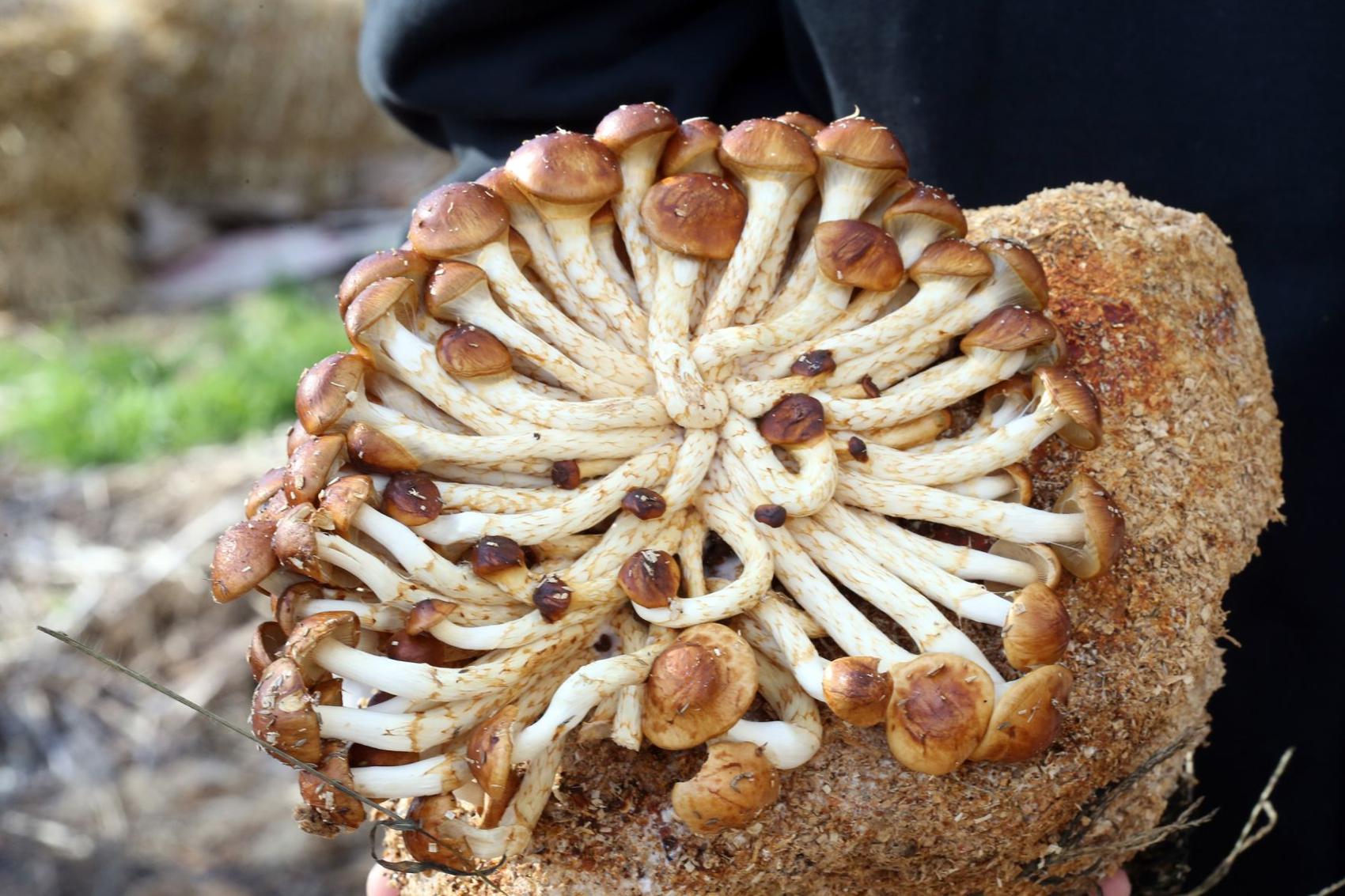
Not long into our conversation at his lab based in Lemoyne, I decide that William Padilla-Brown, of Elizabethtown, is one of the most fascinating people I’ve ever met. At 24, Padilla-Brown is the founder of his own mushroom cultivation company, MycoSymbiotics. He’s traveled the world, attending schools here in central Pennsylvania, in Taipei, London and elsewhere. He dropped out, got a GED and a permaculture certification. He designed his own model for a DIY college-level curriculum. He learned all he could about growing mushrooms from experts and online videos and started his own business, which he has slowly grown in the past few years. He wrote “Cordyceps Cultivation Handbook Vol. 1” — one of the first books written in English detailing the process of growing cordyceps, a type of fungus used in traditional Chinese medicine. He organizes mushroom festivals and foraging expeditions. He lectures about sustainable, low-tech, DIY gardening and growing methods with the aim of making it so anyone, anywhere can grow their own food.

READ THE STORY: https://lancasteronline.com/sunday/interview-william-padilla-brown-on-diy-fungi/article_b1bc0f70-1fee-11e9-b44b-db2654101d38.html