
How to Grow Competition-Sized Pumpkins!

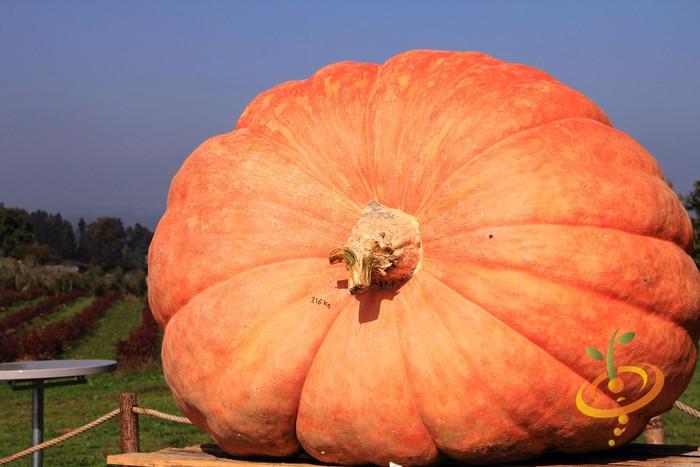
Do you want to grow MASSIVE pumpkins? Are you interested in making this a new hobby or perhaps you’re wanting to take it to the “next level” and start entering competitions? Either way, we’ve gathered some of the best tips and tricks to help you start growing MASSIVELY large, competition-size pumpkins right in your own backyard!
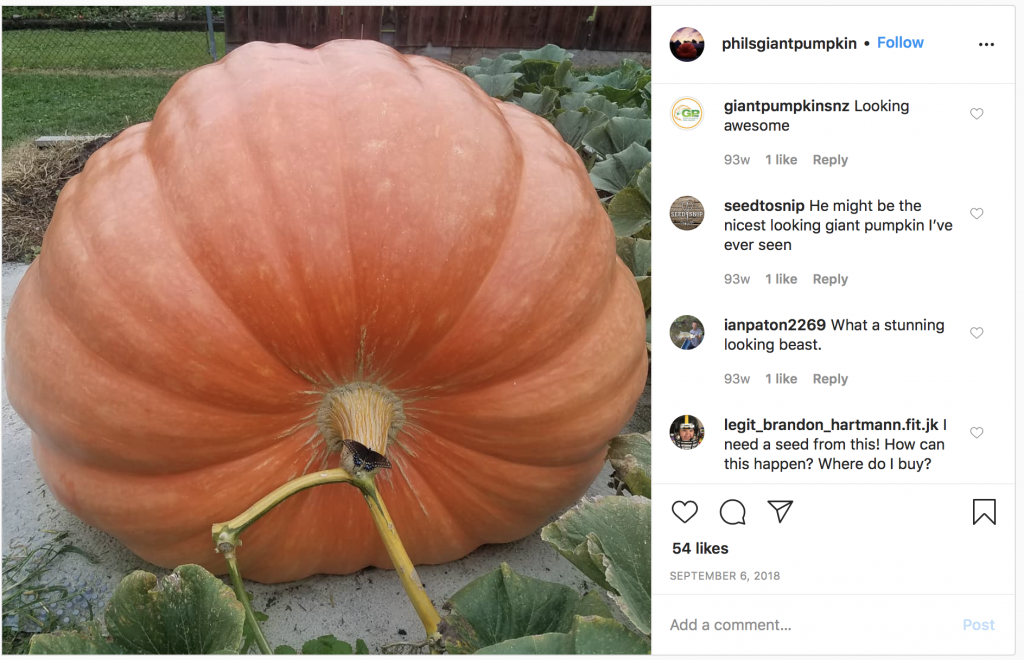
First, you want to make sure you’re starting with the correct type of pumpkin. Sure, you can always bend genetics, slightly, but you’ll have better success if you choose an heirloom pumpkin that organically grows larger than most varieties. We highly recommend if you’re just getting started to try the BIG MAX or ATLANTIC GIANT variety.
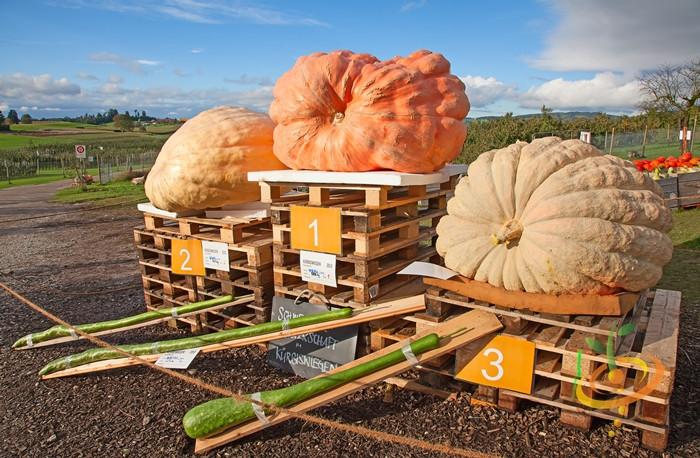
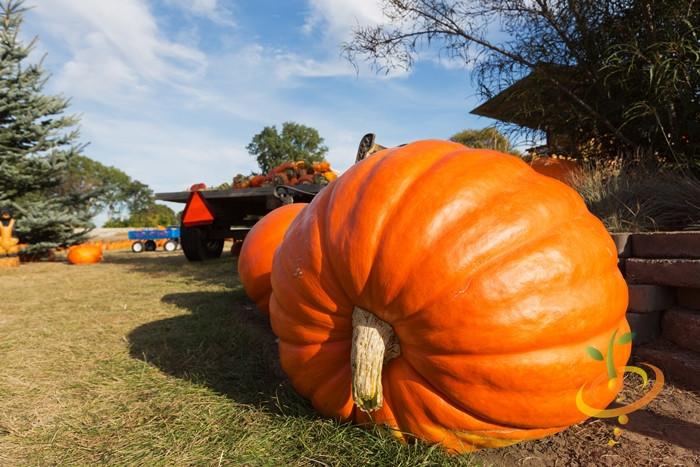
Atlantic Giant Pumpkin – The Atlantic Giant pumpkin has been known to grow over 1,500 pounds!  Without special treatment, the Atlantic Giant Pumpkin can grow up to 200 to 300 pounds – easily.
Big Max Pumpkin – The Big Max pumpkin produces an extremely large (60″+ diameter and weighs 100+ lbs.) bright orange pumpkin.

Once you have chosen your variety of pumpkin, you’ll need ideal growing conditions. Depending on your location, garden type, and grow zone many factors will come into play but let’s start off with the basics:

Temperature:

  • In order to germinate properly, pumpkin seeds generally need temperatures between 65 and 75 degrees F.
  • Ideal soil temperatures should fall into the 70-90 degrees F. range.

Sunlight: 

  • Pumpkins need A LOT of sunlight to grow and develop. Pick a location with FULL SUN, and stay away from anything that gets partial shade.

Soil Quality:

  • Not only is the type of pumpkin you choose to grow, and the location important, but let’s not skip over one of the MOST important factors to growing a successfully LARGE pumpkin…the soil! Your pumpkins will do best if you choose a location that has either a slightly acidic or neutral soil. Make sure the ground is loose and drains well. Loam soil is best.

Spacing:

  • If you’re planning on growing a LARGE pumpkin, keep in mind that you’ll need up to 1200 sq. feet for just ONE pumpkin! Spacing is everything, so don’t crowd them together. The larger you want to grow, the further apart the spacing should be.

Watering

  • The larger the pumpkin gets, the more water it will need! It’s not uncommon for competition-sized pumpkins to use up to 500 gallons of water per week! After watering, the ground should be evenly moist, but never soggy. Like many fruits, try to keep the water off the foliage of the plants. This will discourage disease.

Feeding / Fertilizing:

  • Early in spring, you’ll want to add something like aged manure or compost into your soil. In the fall, lime can help bring the soil back to neutral if it’s more on the acidic side. During your growing season, apply aged compost or manure to fertilize.
  • Fertilize with fish emulsion early on, and then as the pumpkin starts to develop, switch to phosphorus or bone meal. Near the end of the growing season move onto potassium or greensand.

Growing/ Harvesting:

  • Pinch off all flowers in the beginning to encourage growth. Until your plant reaches about 10 feet long, there should be no flowers left on the plant. Pinch. Pinch. Pinch.
  • Once your vine is 10 feet long, allow it to start setting fruit. Remove ALL but the largest pumpkins for the next few weeks.
  • Try placing your “strongest/largest” pumpkin on a piece of cardboard to help repel any insects that live in the soil.
  • Stake down any large vines or bury them to help keep them from rolling.
  • Keep the area you’re growing in “weed-free” so your pumpkin plant won’t have to compete for nutrients in the soil.
  • As the pumpkin matures, keep it shaded to help prevent it from overheating or being scalded by the sun. This also will help prevent splitting or cracking.
  • Harvest your pumpkin RIGHT before your first frost, and if you’re planning on entering any competitions be careful to harvest before any cracks appear as this might disqualify you and your pumpkin.

Ready to start growing MASSIVE PUMPKINS? SHOP the BEST SEEDS HERE!
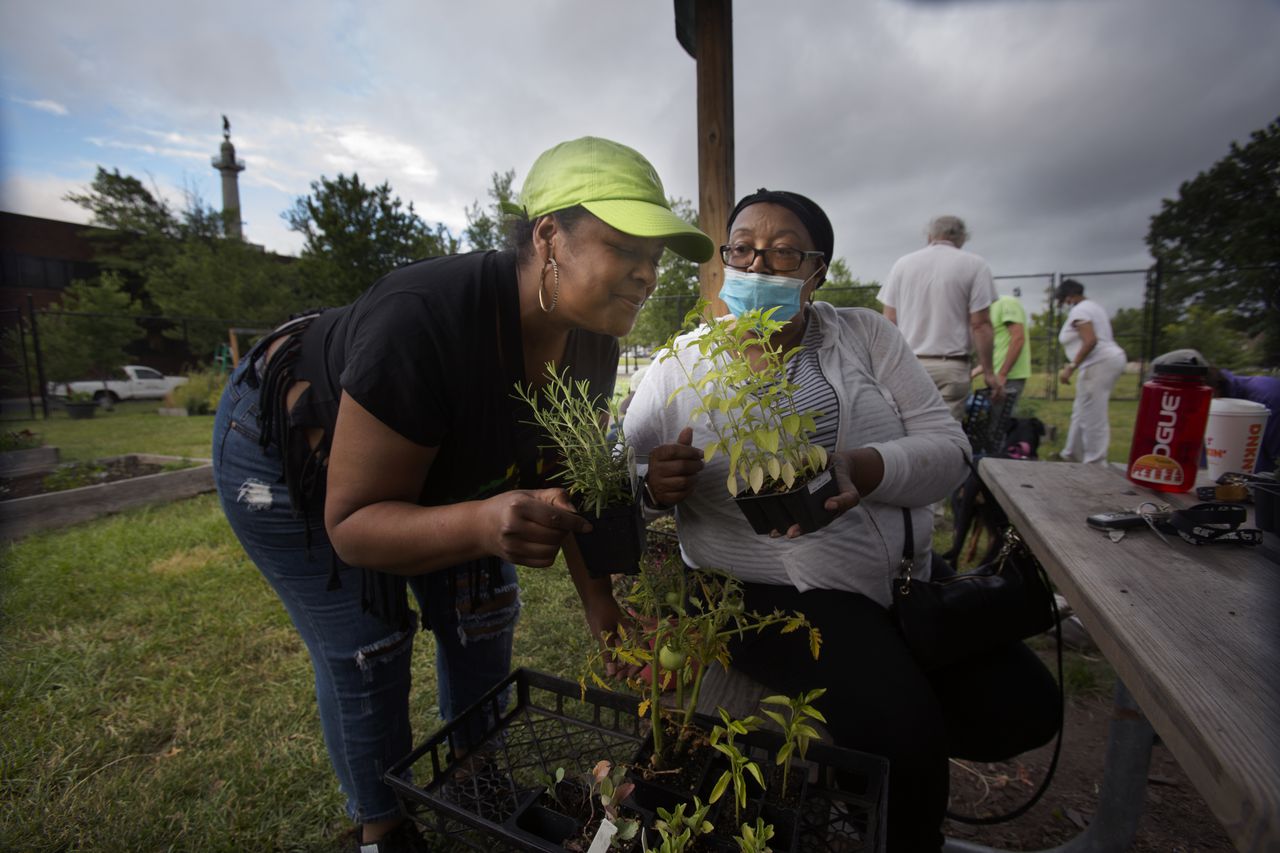
Pandemic affects volunteering at Greener Garden Urban Farm

By: Kelly Broderick

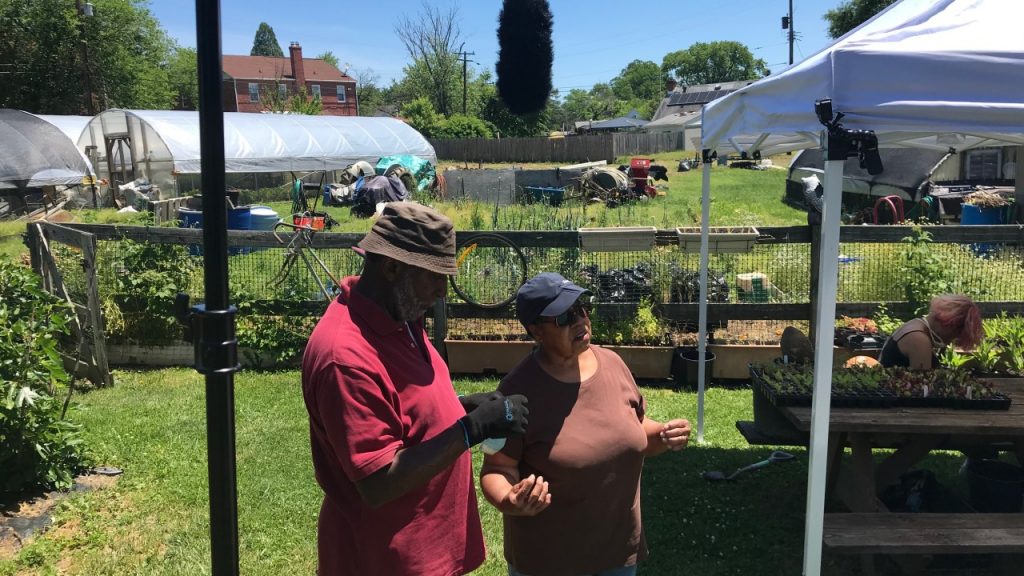
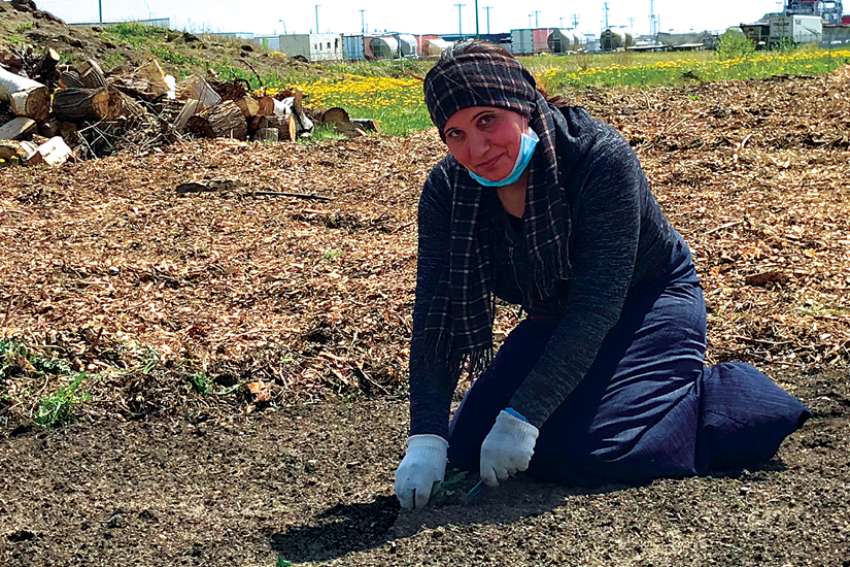
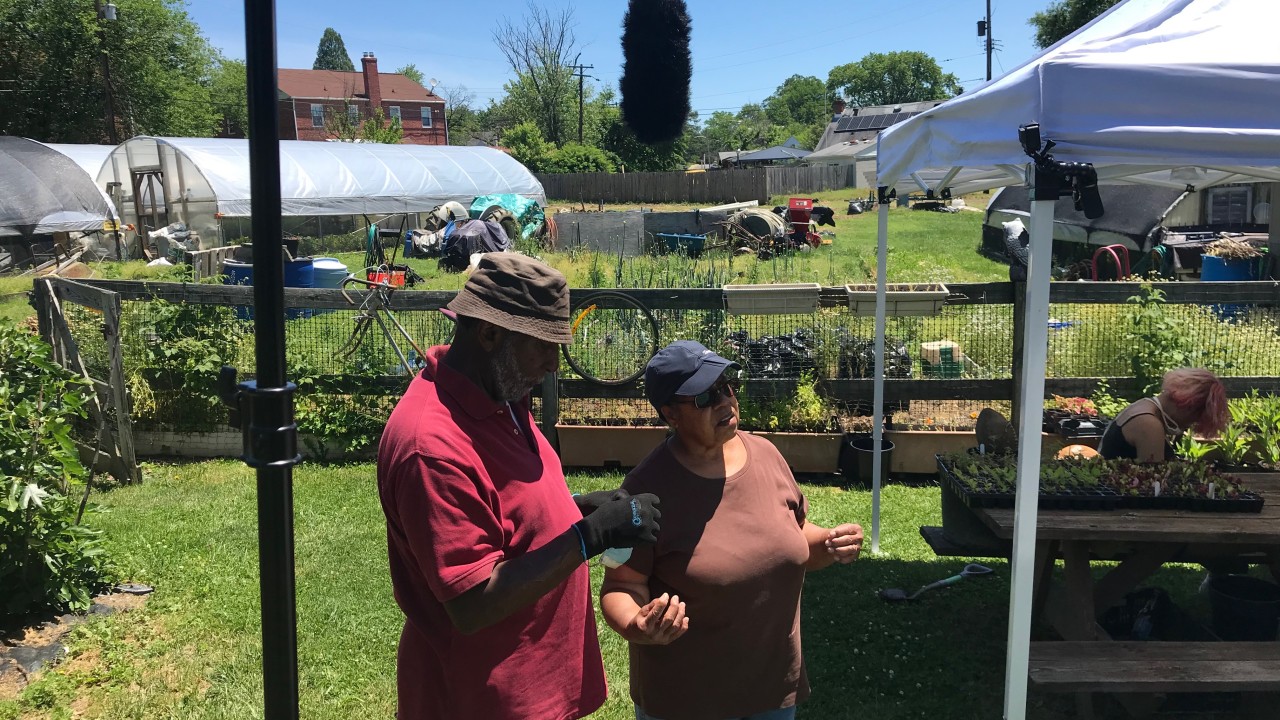
For Warren and Lavette Blue, they’ve always had volunteers and trainees at their farm.

They’re the owners and operators of Greener Garden Urban Farm

In previous years they would get an abundant amount of help with anything they needed. The volunteers would come any time they needed literally anything done.

But when the pandemic hit, everything changed.

“We couldn’t get the help because of the virus, that’s the gist of it. Some people still wanted to volunteer. But we had to think of it in terms of safety.”

They said it took an emotional toll on them, but they do have a rebound plan.

READ THE FULL STORY AT: https://www.wmar2news.com/reboundmaryland/pandemic-affects-volunteering-at-greener-garden-urban-farm

How to grow tomatoes: Gardening tips and tools

Capelle.r / Getty Images stock

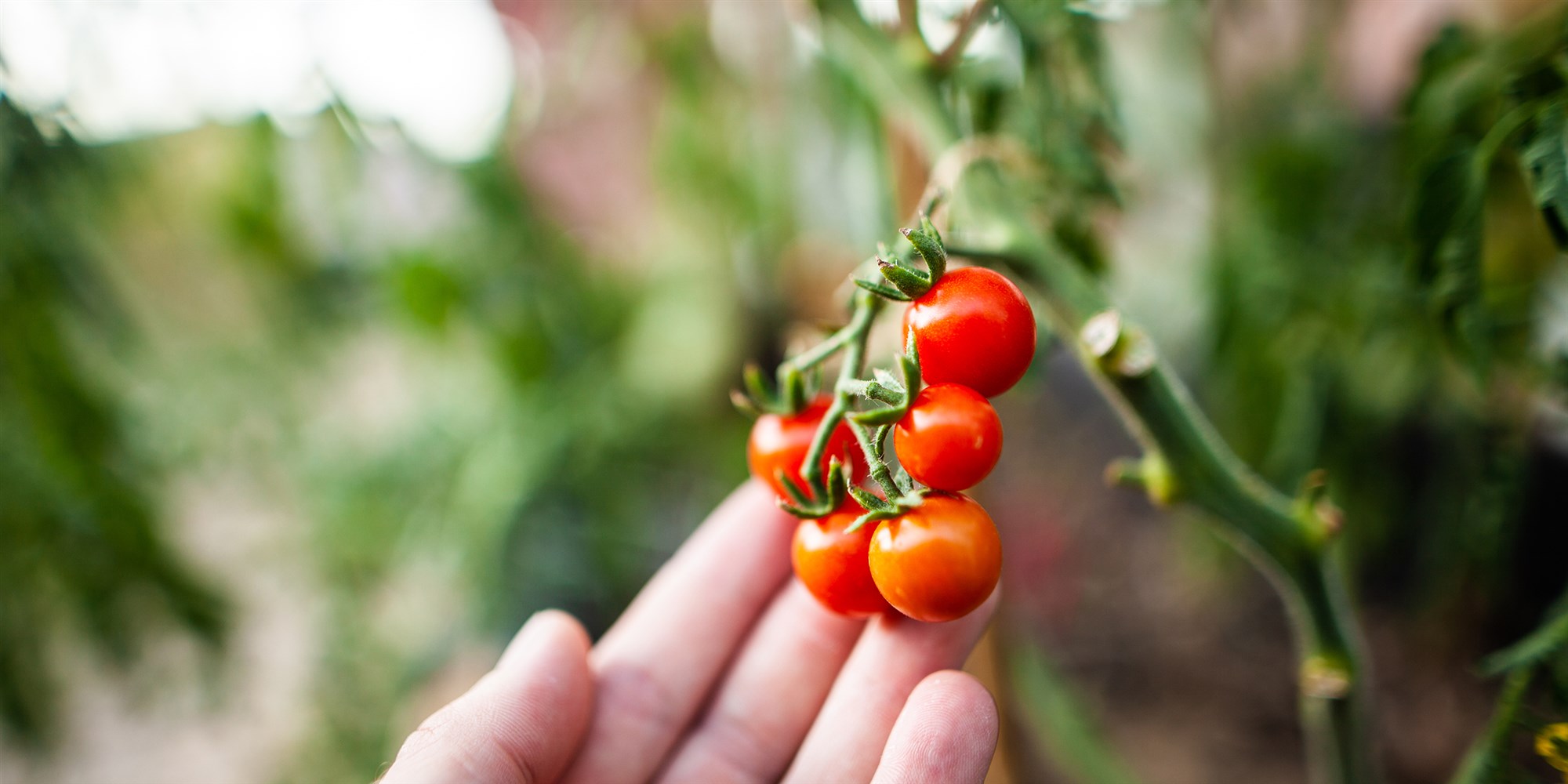
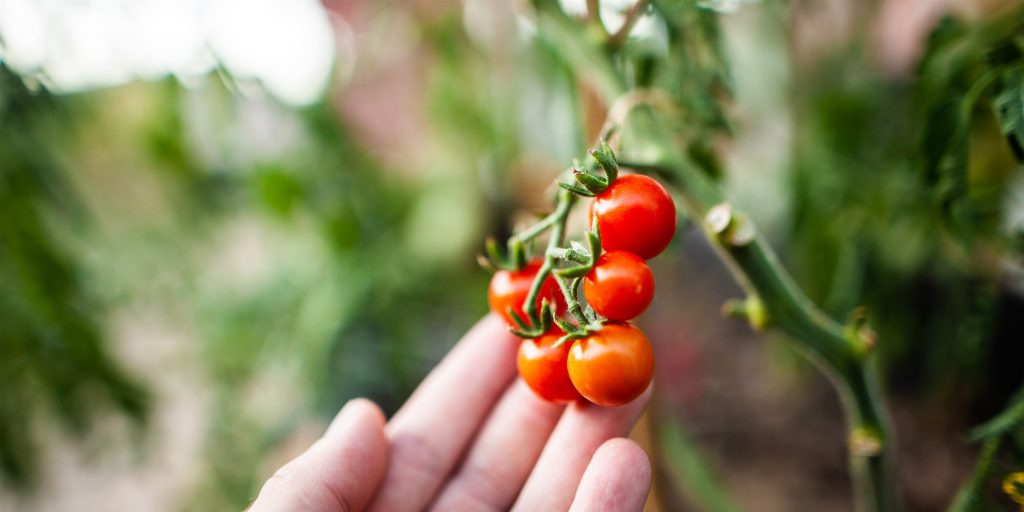
While building a sandwich, have you ever thought to yourself, “Wouldn’t it be nice if I could just pluck my own tomatoes off the vine to slice up and pile on this, Ina Garten-style?”

There’s no better time than now to get started with seedlings or small plants — which you can pick up at your local farmers market or plant store — and enjoy the fruits, so to speak, of your labor. When planting, wait until after the last frost of the season. If cooler weather is looming, cover pots with burlap sacks or frost cloth for protection, or bring them indoors. The best times to plant tomatoes are early in the morning or late in the day so the plants aren’t exposed to the hot sun right away.

WATCH THE VIDEO & READ THE FULL ARTICLE AT: https://www.today.com/food/how-grow-tomatoes-gardening-tips-tools-t184555

City Launches Website to Help Prospective Urban Farmers Get Started

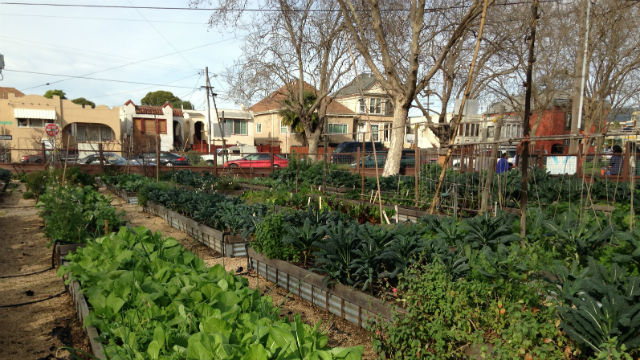
With more people spending time at home due to the coronavirus pandemic, the city of San Diego launched a website Tuesday that provides information and assistance on how to become a successful “urban farmer.”

Urban farming can come in many forms and sizes. It can be vegetables grown in containers on a home patio, a community garden that covers one or more city blocks, or raising certain animals such as chickens or bees.

The city’s new urban farming website includes:

  • Resources for both home and community gardens
  • Information on raising bees, chickens and goats
  • Access to additional data from various local and national sources
  • Details about city programs for assistance with permits, composting, seed libraries and more

“Just because we live in a big city doesn’t mean we cannot become small-scale farmers,” said Erik Caldwell, the city’s deputy chief operating officer for Smart & Sustainable Communities. “The urban farming website is a one-stop shop with a lot of great information to help San Diegans produce their own food.”

READ THE FULL ARTICLE: https://timesofsandiego.com/politics/2020/06/16/san-diego-debuts-website-to-help-prospective-urban-farmers-get-started/

New urban gardens sprout amid coronavirus, aiming to feed N.J. cities

Trenton, a city of nearly 85,000 people, contains only one full-service supermarket. It is one New Jersey’s several food deserts, where access to groceries — let alone fresh produce — is scarce.

Now, as the coronavirus pandemic has provided some with more free time and plunged many more into poverty, local community groups and residents are getting their hands dirty to address the problem.

Urban gardens have experienced a boom in community interest and participation in recent months — more people are learning new skills, connecting with their neighbors and, importantly, helping to fill nutritional needs.

San Diegan is raising Monarch butterflies in her backyard

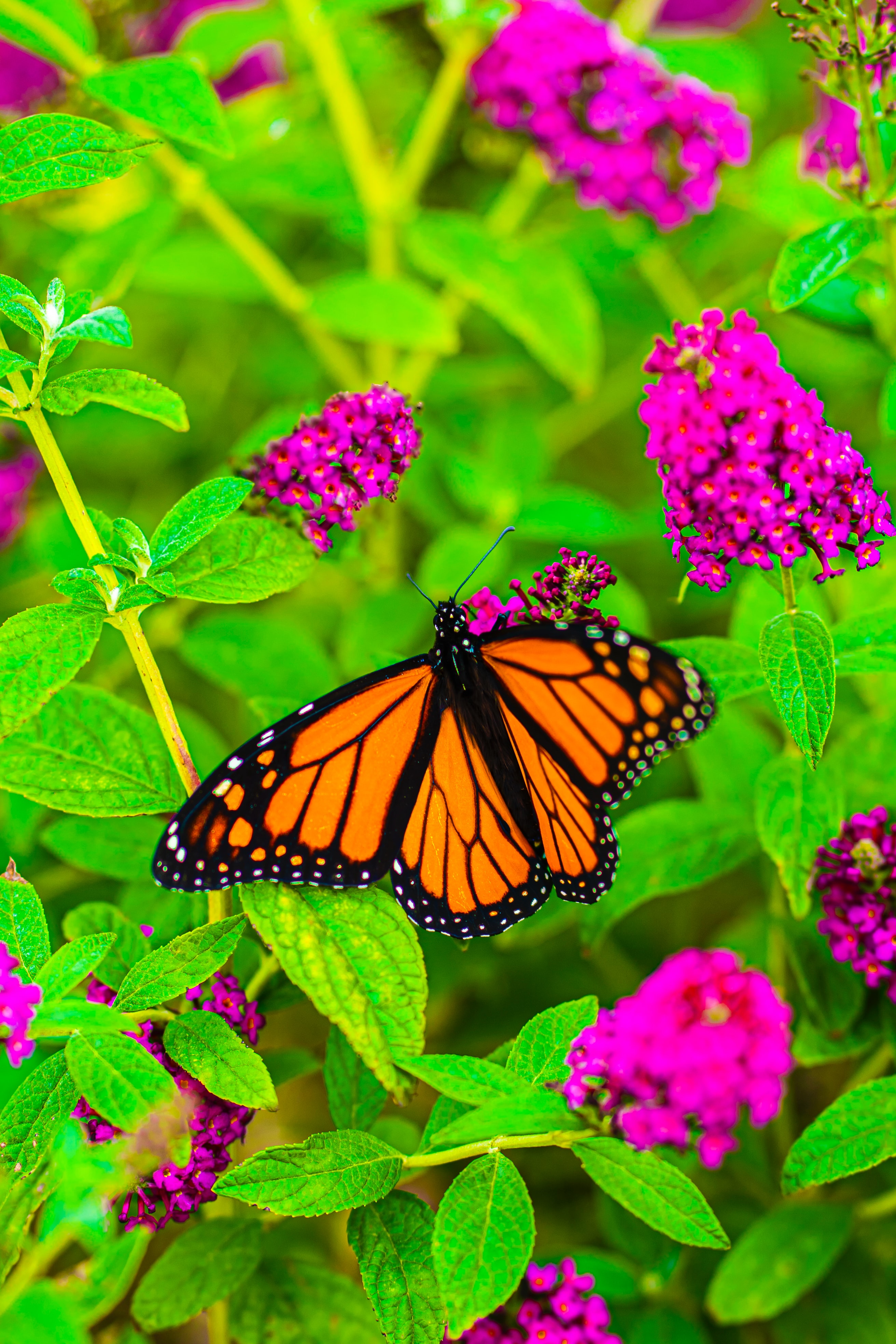
SAN DIEGO COUNTY, Calif. — I designed my garden to attract pollinators like bees and butterflies, specifically Monarchs.

A family in Eastlake is doing the same.

“I went out and bought Milkweed and they just showed up. They have radar for milkweed,” said Airam Marlett, who was inspired by an Instagram post and has had success from day one. “My first year, I had 30 Monarchs, and it’s been wonderful to watch.”

READ THE ORIGINAL ARTICLE: https://www.cbs8.com/article/news/local/outreach/earth8/earth-8-san-diegan-is-raising-monarch-butterflies-in-her-backyard/509-d249de4b-64a0-4d7d-ba0e-60ef8f1dea24

GCU’s urban farms plant seeds to nourish neighbors


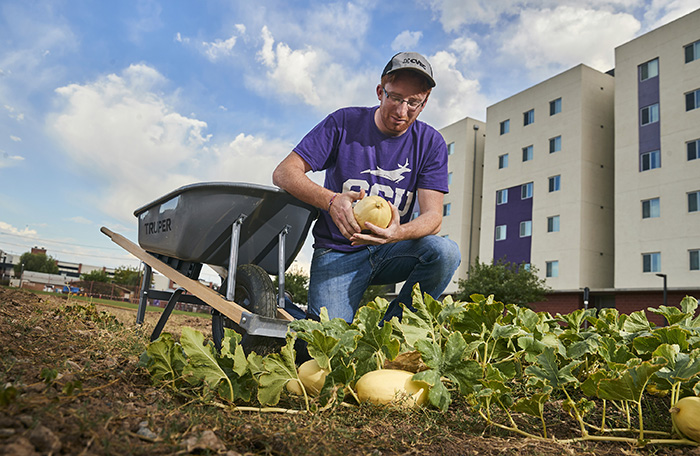
Nathan Cooper, Urban Farm Manager at Grand Canyon University Friday, June 5,, 2020 in Phoenix, Ariz.

Nathan Cooper was back on the southwest Minnesota plains, where farming engaged four generations of his family, and didn’t think he’d ever return to the Arizona desert, where he graduated with a business degree from Grand Canyon University in 2019.

But after GCU President Brian Mueller hatched the idea for a community garden to provide food for the neighborhood and asked Colangelo College of Business Dean Dr. Randy Gibb if he knew any farmers, Cooper soon was asked to return.

By September, he was leading the expanded idea of Canyon Urban Farms. Its centerpiece is a small plot north of Agave Apartments on campus. The farms’ manager already has harvested 40 pounds of squash that GCU donated to Lutheran Social Services of the Southwest on Thursday.

READ THE FULL ARTICLE AT: https://news.gcu.edu/2020/06/gcu-urban-farm-nourish-neighborhoodnager-plants-ideas-to-nourish-neighborhood/

In Baltimore County, interest in gardening keeps growing during COVID-19 crisis

Those into gardening and landscaping usually are pretty much on auto-pilot when spring and summer roll in, weeding, planting, watering, etc., but this year, with the coronavirus pandemic, their hobby may have taken on an even more important role. It’s a way to relieve stress while expressing creativity.

Even with many businesses locked down for months, gardening and nursery centers have remained open and thrived to meet those needs of customers and clients.

TDH Landscaping, an arm of TDH Design, has undertaken a number unique projects for clients during the course of the pandemic. Some involve creating stumperies, in which a decomposed tree stump is incorporated into a garden design.

In Pasadena, James Revere, with a big assist from his wife, Erika, decided to turn a furlough that hit one week into the pandemic shutdown into something positive, nurturing a garden. Erika began the process back in November with small indoor plants coaxed into sprouting by a heat lamp.

READ THE FULL ARTICLE: https://www.baltimoresun.com/coronavirus/cng-co-gardening-pandemic-covid-19-20200615-cbbykdirovhkhfglin5b3creou-story.html

Tips For Becoming A Better Seed Saver

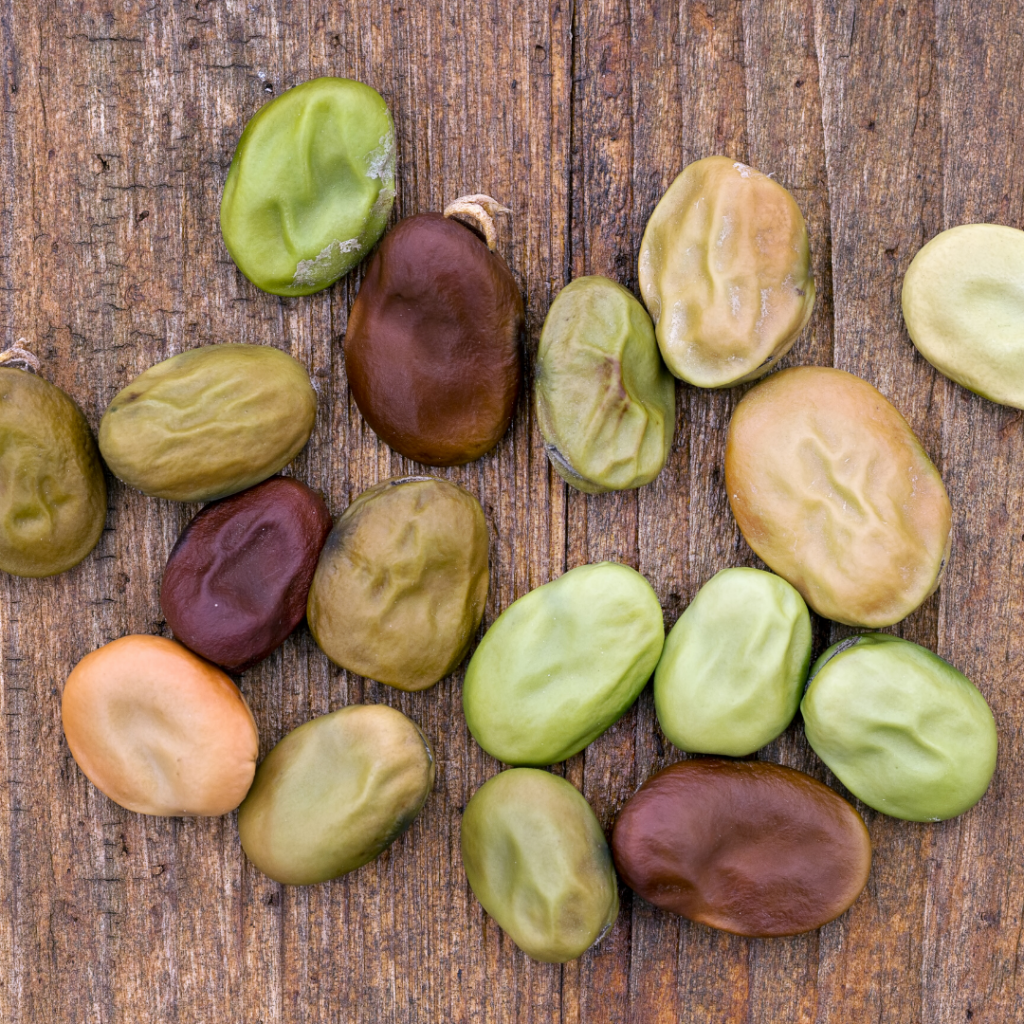
Saving your own heirloom garden seed year after year can be very rewarding! Here are just a few reasons why gardeners everywhere are saving their seeds! 

💰SAVE YOURSELF MONEY

🥗HAVE BETTER FLAVORED FOOD

❤️PRESERVE GENETIC DIVERSITY

🐝SAVE THE BEES

💪BECOME SELF-SUFFICIENT

👭SHARE WITH A NEIGHBOR/FRIEND

🌎CONNECT WITH YOUR GARDEN


Check out the 4 important TIPS below on how to get started saving your own garden seeds:


Seed Saving TIP #1:

When saving your seeds, make sure you are using open-pollinated varieties. These will produce true-to-type crops year after year!

Seed Saving TIP #2

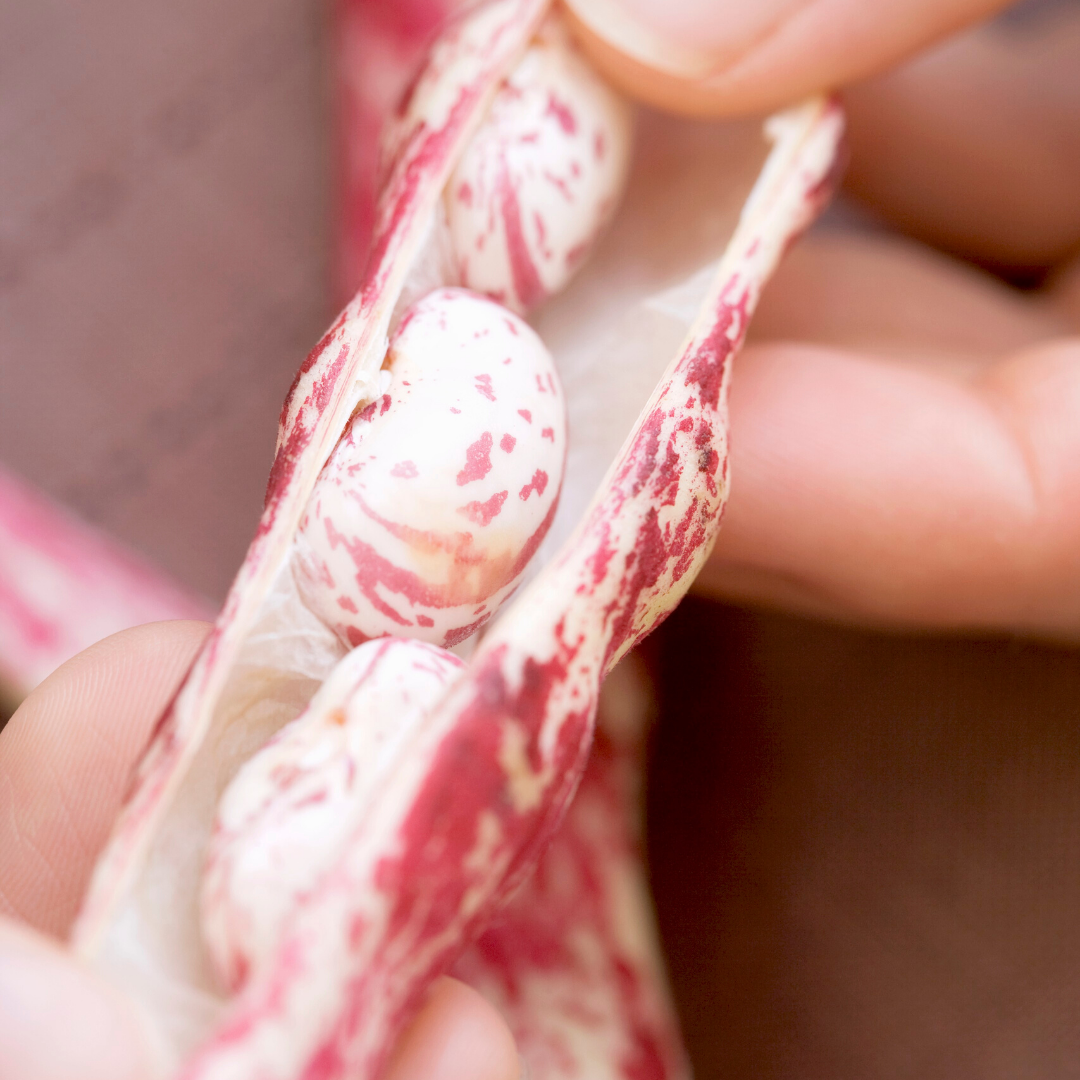
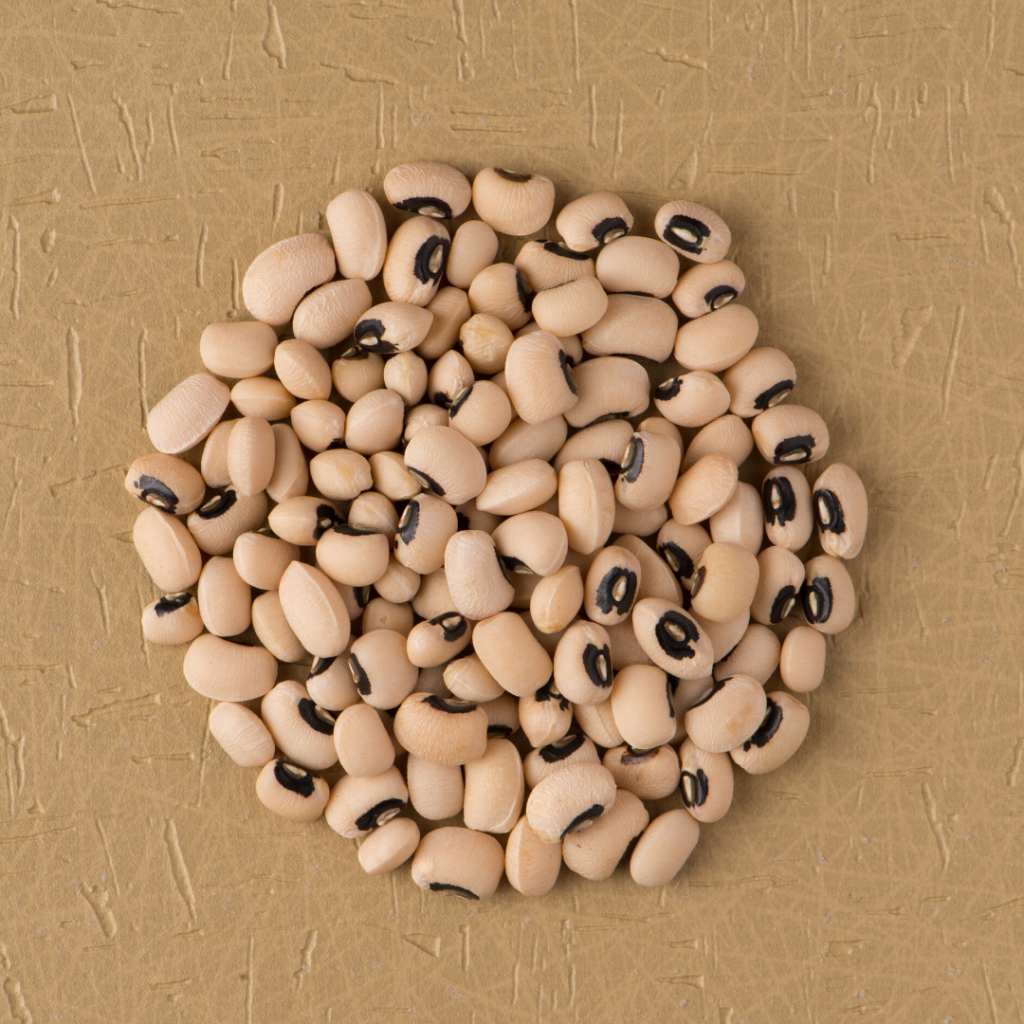
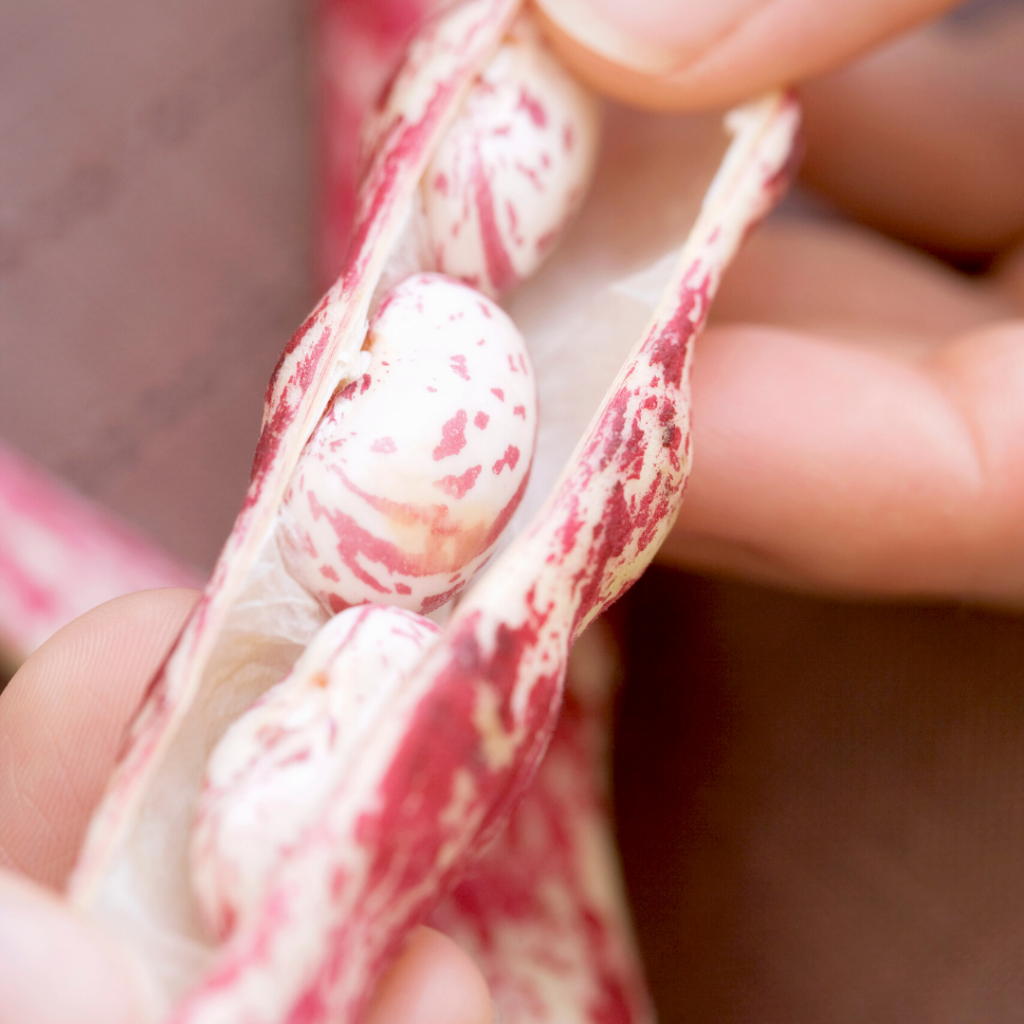
Start with EASY TO HARVEST crops such as peas, beans, lettuce, and tomatoes! Each of these are annuals and self-pollinating. Plus, you will only need a few plants to reap a decent harvest of seed.

Seed Saving TIP #3

Curious as to when it’s time to harvest? For crops with wet fruits, you’ll need to leave a few fruits on the plant to fully mature in the garden. If your harvesting from dry fruited crops such as grainslettuce, or beans… they can be removed from the plant once the seeds are dry and hard.

Seed Saving TIP #4

Always store your garden seeds in a cool, dark, and dry place. This rule of thumb makes THESE seed vaults the PERFECT solution for long term seed storage. Place your properly dried seeds into the airtight container and store it in the refrigerator or freezer for several years!

Residents plant more gardens; retailers see revenues grow

Photo by: Kendra Caruso

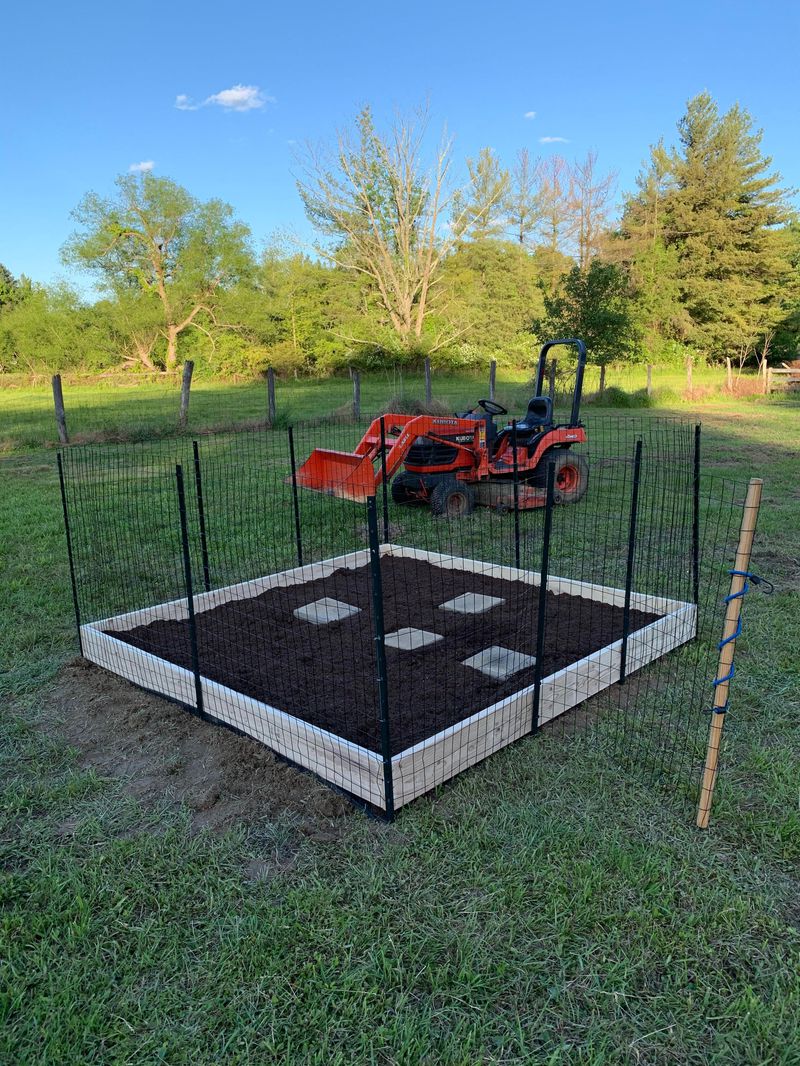
BELFAST — Since Belfast resident Elsa Mead started her “victory garden” over two months ago, she said she has noticed more raised bed gardens in people’s yards. The coronavirus has given people more time for gardening and provided local garden and hardware centers a business boost.

Victory gardens are rooted in World Wars I and II, when people started growing their own food to supplement the nation’s limited food supply and to lift people’s spirits during a time of uncertainty and economic hardship.

“It’s something to look forward, to have something beautiful to look at, to be involved with growing food, be able to share our harvest. That’s why we call it a victory garden,” Mead said.

She said she is not traditionally a gardener, but when her daughter, Stephanie Mead, and her boyfriend, Erich Winzer, came for a visit right before a coronavirus outbreak around their New York City neighborhood, the two decided to wait out the pandemic in Maine and spend their time planting a garden with Mead.

Stephanie and Winzer have an urban garden on the rooftop of their apartment building, where they grow much of their own food, they said. The couple had been looking for properties in upstate New York to have a little farm and workshop for their work of building sets and props for theaters and TV shows like “Sesame Street,” Stephanie said.

READ THE FULL ARTICLE: https://waldo.villagesoup.com/p/residents-plant-more-gardens-retailers-see-revenues-grow/1860748

Doorstep delights: why front gardens matter

Photograph: Pål Hansen/The Observer

Last month, with more time at home than usual, Charlotte Harris, one half of the landscape design duo Harris Bugg, decided to dig up her paved front garden in Newham, east London. “It was a discussion we’d been having for a while,” says Harris, who gardens with her girlfriend Catriona Knox. They’d already removed the paving from the back garden of their house, which is in a densely populated area of the city undergoing vast amounts of regeneration. “Around here every bit of green space feels precious,” she says. “Obviously there are parks, but I think each of us has to take responsibility for any space we have.”

As you’d expect in a city, the new front garden needs to work hard to accommodate bins, bikes and a composting hot bin, but Harris is determined to plant as much as possible in the rest of the space, including a small tree (on the shortlist are a Sichuan pepper tree, hawthorn or a Chinese fringe tree) underplanted with perennials and bulbs.

In an area where 50% of the front gardens have no plants, the ones that do provide moments of joy. Harris’s neighbors include a couple who boast “the most beautiful magnolia” in their shady spot, while on the opposite side another front garden has been turned over to an abundant veg patch complete with frames and climbing squash. “They were the inspiration, really,” adds Harris. “It’s a gift isn’t it? It’s the ultimate in gardening altruism, because your back garden is for you to enjoy, but your front garden is about improving everyone’s experience.”

READ THE FULL STORY: https://www.theguardian.com/lifeandstyle/2020/jun/07/doorstep-delights-why-front-gardens-matter

Community garden helps immigrants heal, and grow their future

Quinton Amundson, Canadian Catholic News

Growing fruit and vegetables at a 30-acre urban farm has provided Kamo Zandinen sustenance for her family and a window into her past.

Preparing the soil, planting seeds, adding water, and fertilizing transfers her mind and soul back to Sinjar, Iraq, to the days when she cultivated vegetables alongside her husband and seven children.

Two or three times a week during spring and summer, she gardens at the Land of Dreams, a long-gestating initiative launched 11 months ago by the Calgary Catholic Immigration Society(CCIS).

“Since we have begun to plant on this land in Canada, I feel physically, mentally and emotionally better than before,” says Zandinen through translator Kheirya Khidir, a settlement counselor for the CCIS.

Profound devastation was inflicted upon Zandinen, her family and the Yazidi people of Sinjar starting on Aug. 3, 2014 when ISIL forces invaded the northern Iraq town in the Nineveh governorate — an area with a long history of being the homeland to Iraq’s minority populations.

READ THE FULL STORY: https://grandinmedia.ca/community-garden-helps-immigrants-heal-and-grow-their-future/


Protecting Our Pollinators

Hannah Ridings, Daily Sun

Take a look at the butterflies and bees in a garden, and the colorful flowers they feed on for nectar. They all serve a $24 billion purpose.

Pollinator species are responsible for one out of every three bites of food, pollinating 87 of the world’s 124 leading food crops, according to the United Nations.

Pollinators contribute about $24 billion to the U.S. economy, including $15 billion from bees alone, the White House estimated when it launched the Pollinator Partnership Action Plan in 2016.

Conscious of the roles pollinators play in the food we eat and the products we buy, Villagers are helping conserve the tiny species that have enormous environmental and agricultural footprints.

Many have transformed their home landscapes into habitats for butterflies, birds and non-aggressive bee species.

Ann Marie Acacio, a butterfly gardener from The Villages, said the reason she gardens for pollinators is simple: to help the planet.

READ THE FULL STORY: https://www.thevillagesdailysun.com/local_news/protecting-our-pollinators/article_7903d7ea-a980-11ea-85a2-479580936c10.html

Scientific Gardening: A Personal Experiment with Hydroponic Gardening

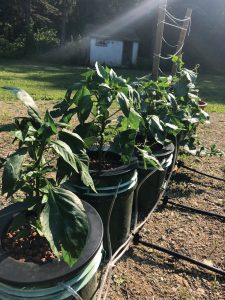
It’s that time of year again – to get your hands dirty and plant the yummy array of veggies you’ve picked for your garden. Traditionally, we plant our gardens in the ground, but last year my boyfriend and I investigated the topic of hydroponic gardening and were fascinated by the idea! He and I both being handy people plus his science major helped set us up for success with this new endeavor.

Don’t get me wrong, you don’t need to be super handy and/or have a science major to have hydroponic gardening work for you. When doing our research on how to get this project started, we found multiple pre-made kits you can buy online.

There are a couple of things to note if you want to try this project for your garden, which I will explain… roots cannot get direct sunlight indoors, therefore if you have five-gallon buckets laying around that you want to use, be sure the sun cannot penetrate through the plastic. When you hold the bucket up to the sun and can see through the plastic, similar to when you shine a flashlight on your fingertips at night, you need to spray paint them with a of couple coats until the sun can’t get through. Also, when it comes to nutrients and PH levels, be sure to do specific research on what your veggies will want.

READ THE REST OF THIS ARTICLE: https://www.sentinelsource.com/elf/scientific-gardening/article_f43ae68e-a5ba-11ea-8fe6-2f0b2336e337.html

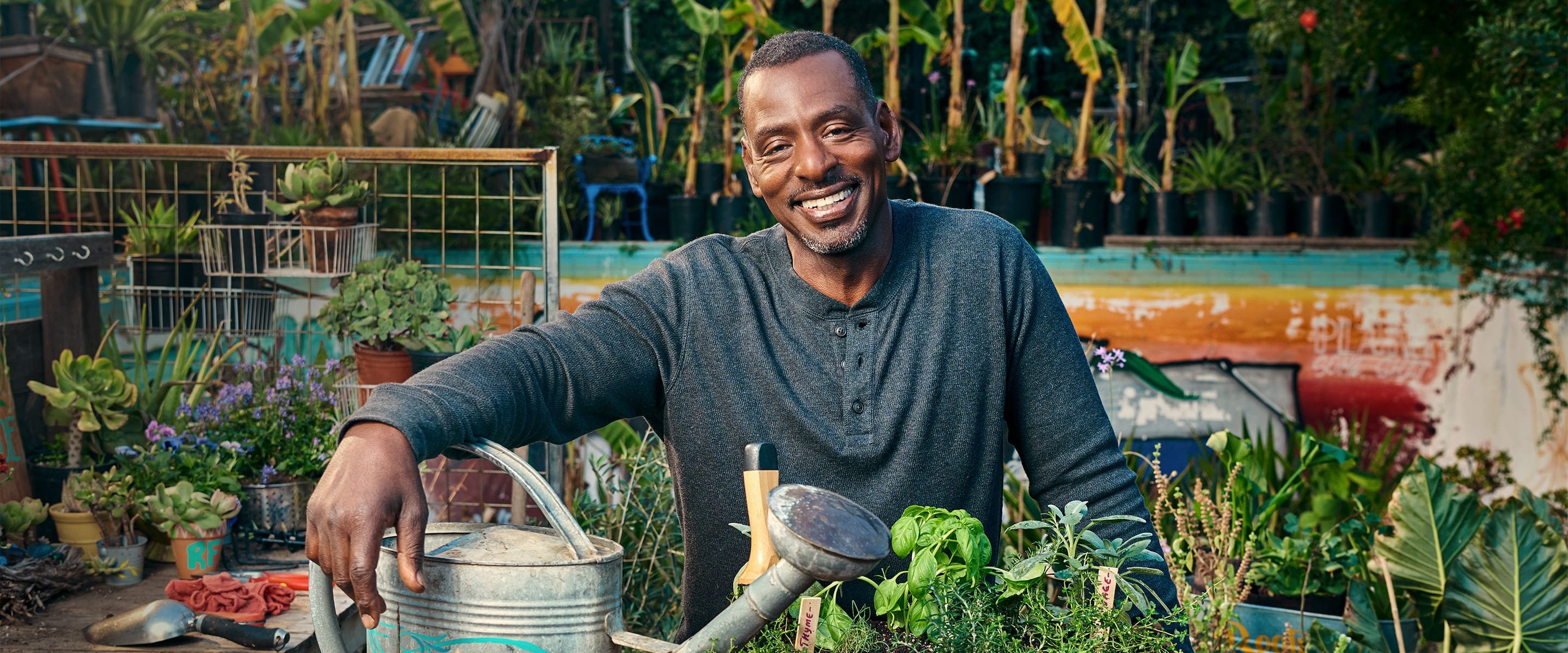
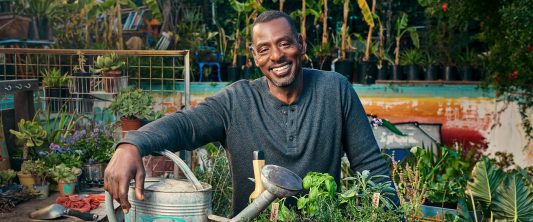
Ron Finley’s gardening MasterClass will teach you how to grow food & change your life

MasterClass.com

If you want to learn to grow your own food, there’s no better teacher than Ron Finley. Lucky for you, he now offers a MasterClass on gardening — and shared some tips to take to heart.

While California is one of the nation’s leaders in agricultural output, smog-cloaked and concrete-coated Los Angeles is hardly considered representative of the Golden State’s verdancy. But don’t tell that to South Central L.A. native Ron Finley, who in 2010 embarked on a guerrilla gardening project by growing food on the humble strip of soil sitting adjacent to the sidewalk in front of his house. Despite objection from local authorities, Finley persevered with his groundbreaking initiative, and the legend of the Gangsta Gardener was born.

TAKE AN ONLINE GARDENING CLASS NOW: https://www.masterclass.com/classes/ron-finley-teaches-gardening?utm_source=Paid&utm_medium=Affiliate&utm_term=Aq-Prospecting&sscid=61k4_2zswy


Gardening pro talks about growing food in hot climates

Photo: Yi-Chin Lee, Houston Chronicle / Staff photographer

Nicole Johnsey Burke had lived and gardened in many places where her plants would just shut down in the winter. When she moved to Houston in 2013, she started growing that fall and was stunned at how abundant her harvests of greens were. She pulled from her boxes every day and didn’t buy salad from the grocery store for six months.

When she told friends and neighbors of her lettuce successes, they looked at her like she was crazy. Nothing grows here in Houston, they said, it’s too hot, it’s too humid, and the soil is terrible.

READ THE FULL STORY: https://www.houstonchronicle.com/life/food/article/What-a-gardening-pro-learned-about-growing-food-15310783.php#photo-19486815

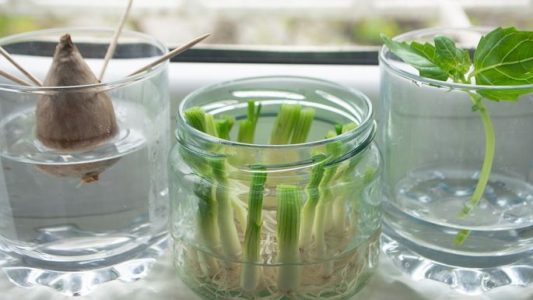
The Easiest Gardening Trick Ever: Vegetables You Can Regrow in Nothing but Water

Mehriban Aliyeva/Getty Images

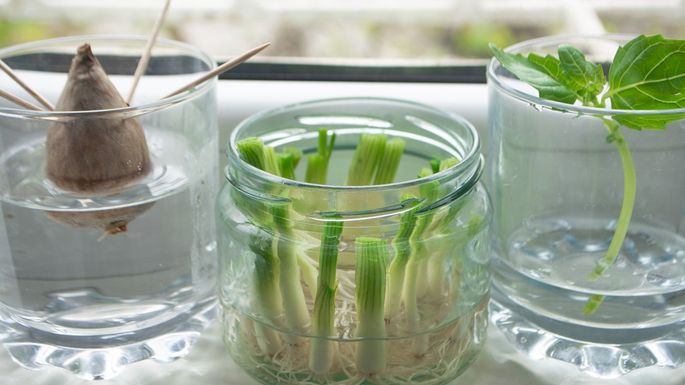
These days, it seems like everyone is jumping into the victory garden trend, enjoying the benefits of a soothing activity in the fresh air while reaping fresh and tasty produce to eat. But even those who don’t have a yard, or just don’t want to get dirt under their nails, can still enjoy the miracle of growing something that’s destined for the dinner table—without even ordering vegetable seeds.

That’s because you can start an indoor garden from your kitchen leftovers. No soil required!

We talked to master gardener Linda Tyson, owner of garden design and maintenance company South Suburban Garden Girl, and Kevin Espiritu, author and the founder of Epic Gardening, to get their tips on growing vegetables without getting down and dirty.

READ THE FULL ARTICLE: https://www.realtor.com/advice/home-improvement/regrow-vegetables-in-water/

Gardens Have Pulled America Out of Some of Its Darkest Times. We Need Another Revival.

As the pandemic smolders and the economy plunges into an abyss, Americans have reverted to the venerable World War II–era tradition of organized disaster gardening. According to headline writers, that is.

“Food Supply Anxiety Brings Back Victory Gardens,” declared the New York Times in late March. “Just like World War II, many are relying on their garden’s bounty to get them through this uncertain time,” echoed Good Housekeeping in early May. The multinational lawn-chemical giant Scotts Miracle-Gro wants to leverage this sentiment. “Plant your #VictoryGarden today,” a recent ad urges watchers over scenes of sun-dappled suburbanites pulling produce from loamy backyard plots.

READ THE FULL ARTICLE: https://www.motherjones.com/food/2020/05/gardens-have-pulled-america-out-of-some-of-its-darkest-times-we-need-another-revival/

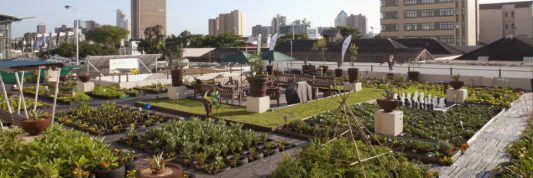
Urban Gardening: The Rooftop Gardens of Cairo

In recent years, there have been several initiatives and campaigns, promoting urban gardening on rooftops and elsewhere, to encourage more eco-friendly solutions across the country. Fortunately, there has been a positive response from both Egyptian residents and the government in following and implementing such initiatives.

Founded by brothers, Sherif and Tarek Hosny due to their interest in plants and nature, Schaduf is a social enterprise that initially started off by offering microloans in the form of rooftop gardens for low-income Egyptians, and later expanded to creating more green spaces on rooftops of the entire country.

Today, Schaduf is a leader in designing and implementing green walls and roof gardens, as well as vertical and roof landscaping.

READ THE FULL ARTICLE: https://www.greenroofs.com/2020/05/28/urban-gardening-the-rooftop-gardens-of-cairo/

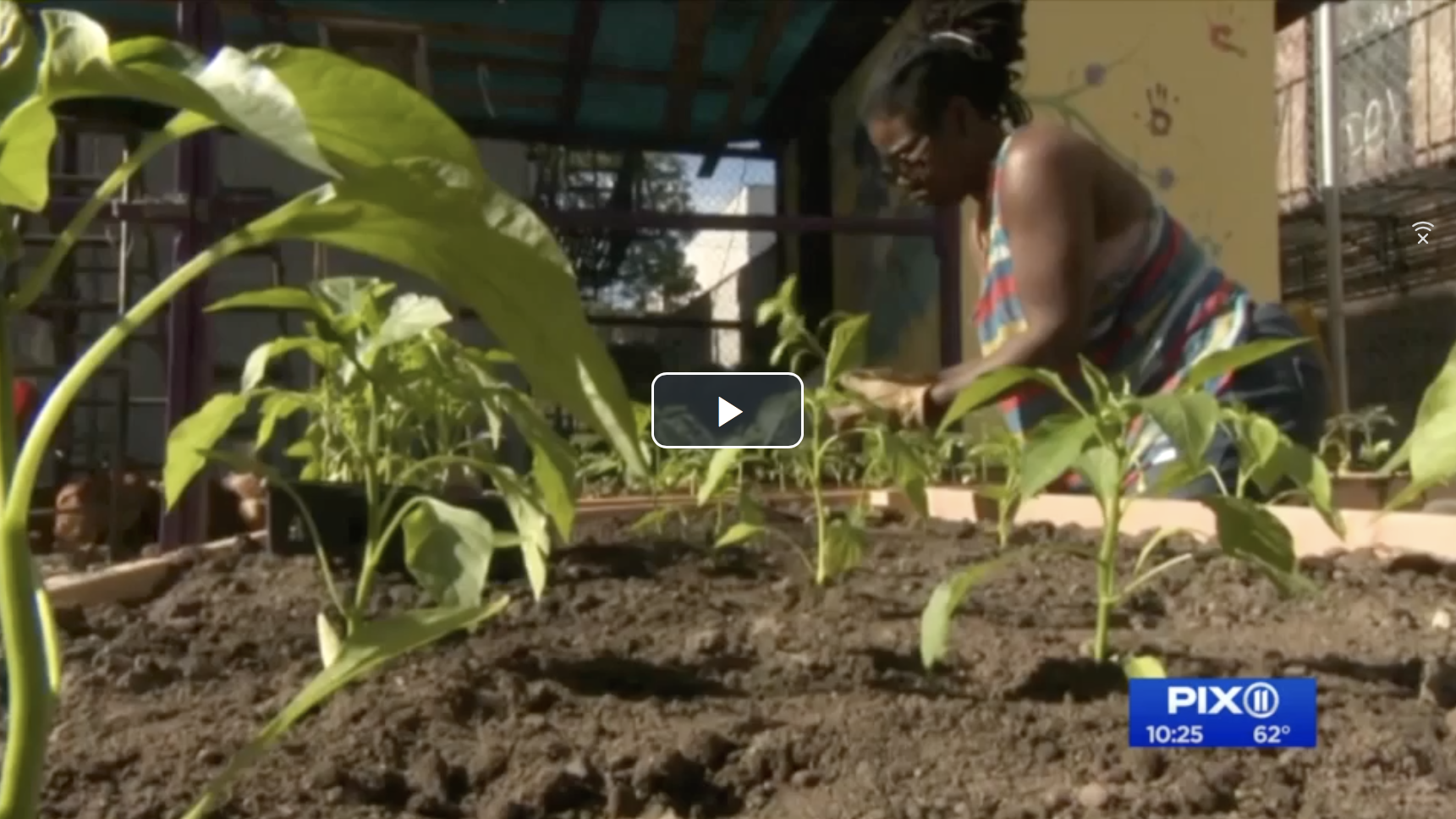
Urban farm in the Bronx helps nourish neighbors


LONGWOOD, the Bronx — It’s planting season at Black Joy Farm along East 163rd Street and Simpson Street in the Longwood neighborhood of the Bronx.

With precautions and social distancing in place, volunteers and staff have been preparing planters and spreading the soil. The growth and the harvest this year will have a special significance.

Tanya Denise Fields established the urban farm six years ago in the former vacant lot, which is owned by the city.

“Our mission is a place that cultivates radical joy for community residents and folks of color,” said Fields.

READ THE FULL ARTICLE: https://www.pix11.com/news/coronavirus/urban-farm-in-the-bronx-helps-nourish-neighbors