
8 Dehydrating Recipes You’ve Got To Try This Summer

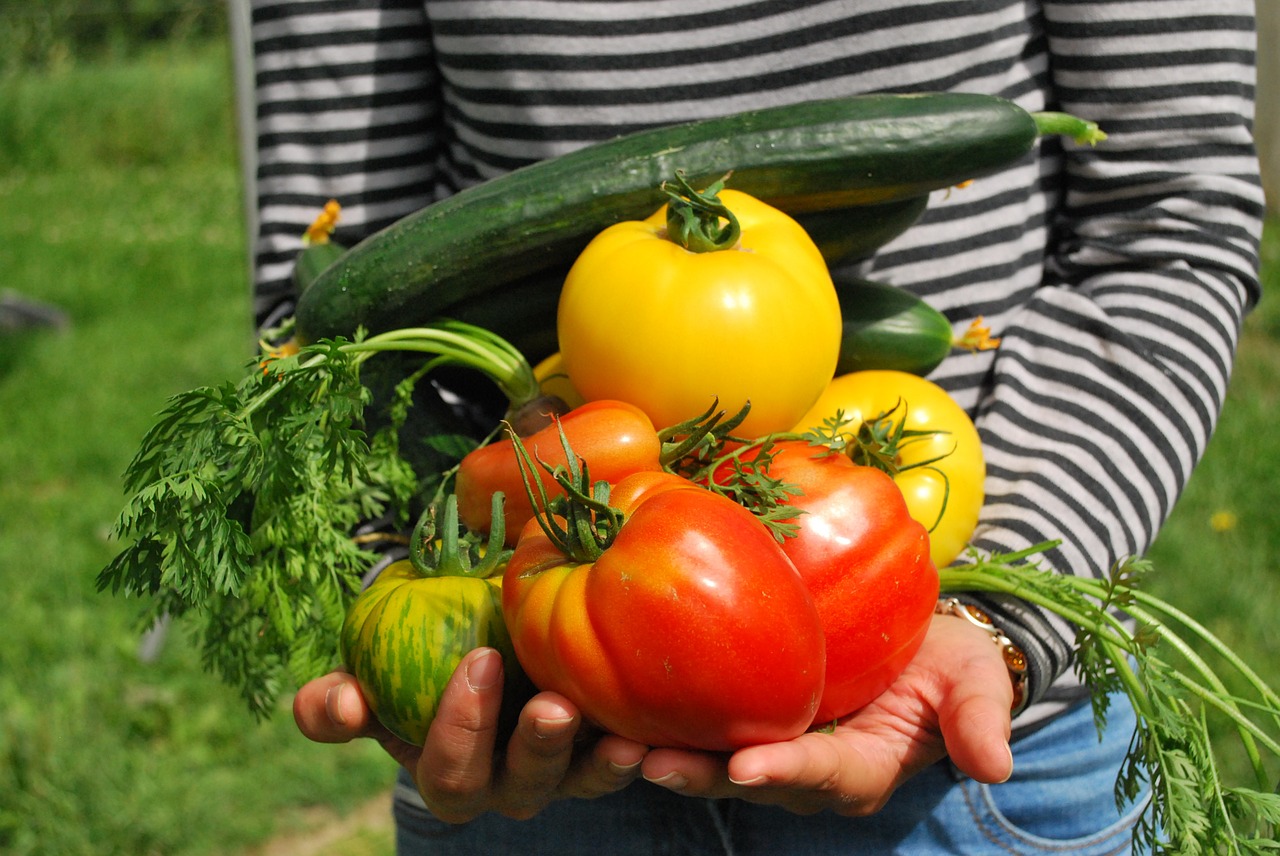
Summer is coming to an end, and your gardens are bursting with produce! It’s time to break out your dehydrator to start preserving your fruits, vegetables, and herbs so that you can enjoy them later on in the season or throughout the fall and winter months.

Here are some of our favorite Instagram posts that deliver awesome dehydrated food inspiration!

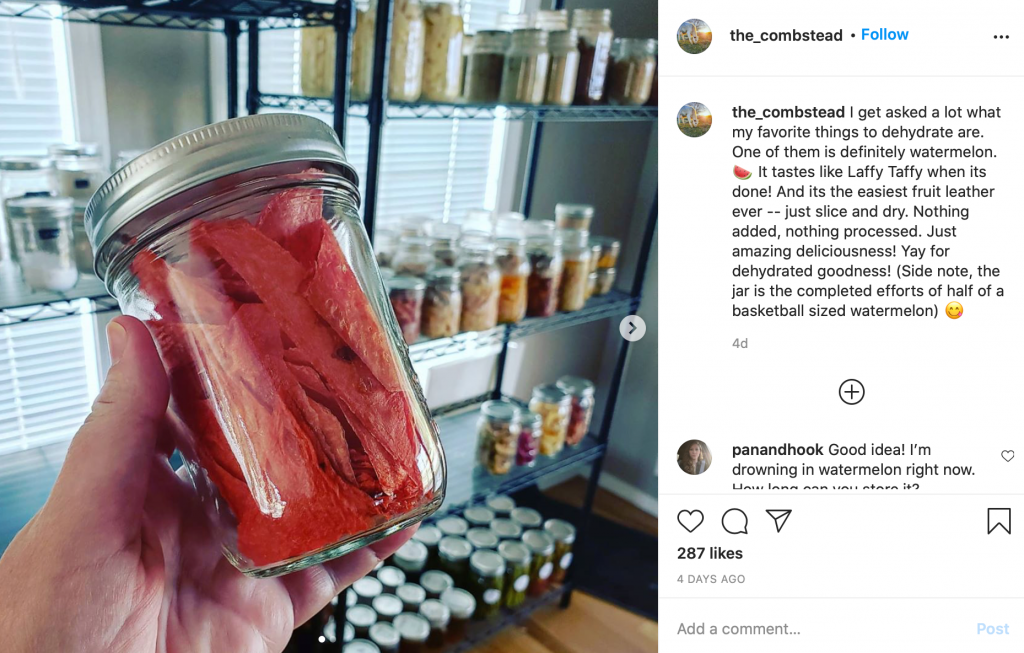
1. Watermelon Candy via @the_combstead 

Dried “watermelon jerky” or watermelon candy is a sweet and delightful treat! It’s chewy like taffy and the flavor is reminiscent of a watermelon Jolly Rancher. Generally, you can be enjoying this homemade snack in 24 hours or less.

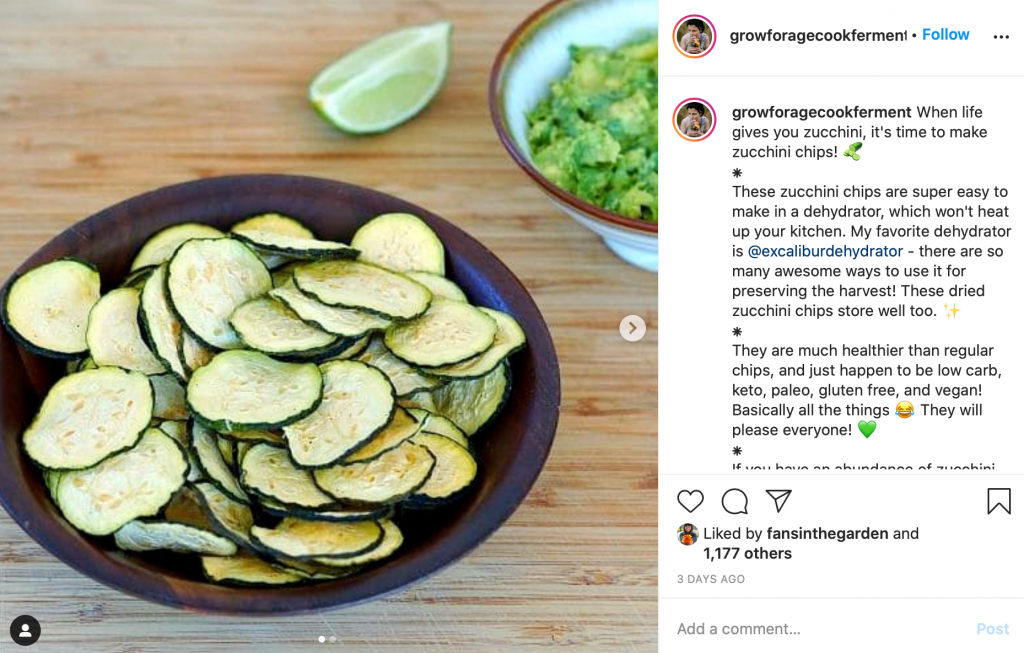
2. Zucchini Chips via @growforagecookferment

Skip the fatty potato chips and crunch on these! Zucchini chips can be seasoned with your favorite flavors and are completely guilt-free, so snack away!

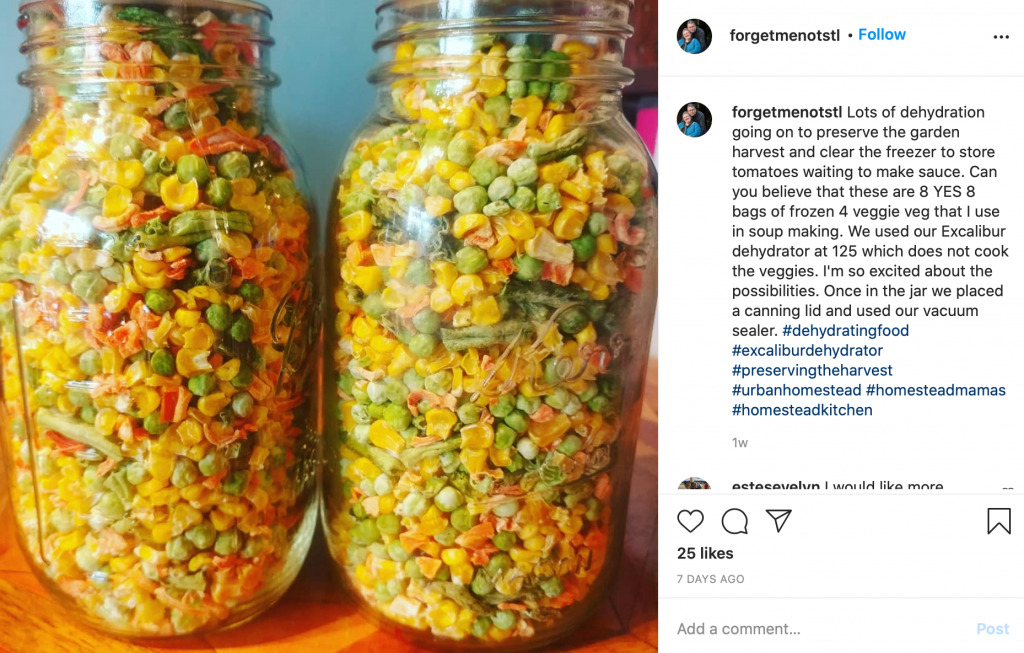
3. Frozen Mixed Veggies via @forgetmenotstl

Let us introduce you to this meal-prepping hack! Dehydrate your mixed veggies and then freeze for long term storage. Make sure to use your vacuum sealer before sealing them away.

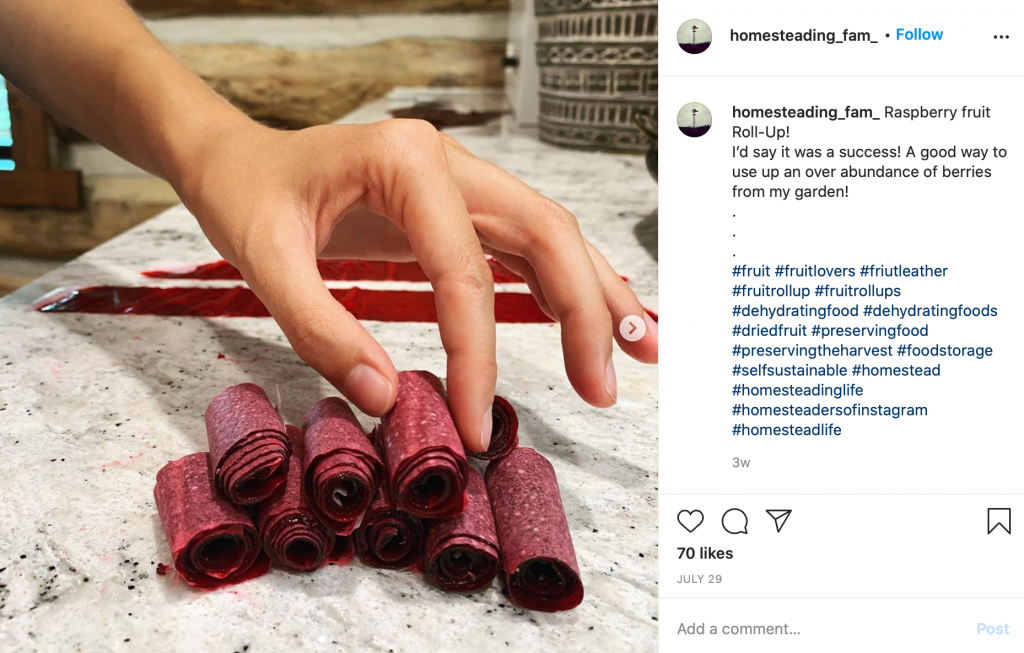
4. Fruit Leather Roll-Ups via @homesteading_fam_

If you have kids, this one’s for you! You’ll feel great about feeding your kids this healthy treat without any added sugar, colors, or preservatives. You’ll never buy store-bought fruit roll-ups again!
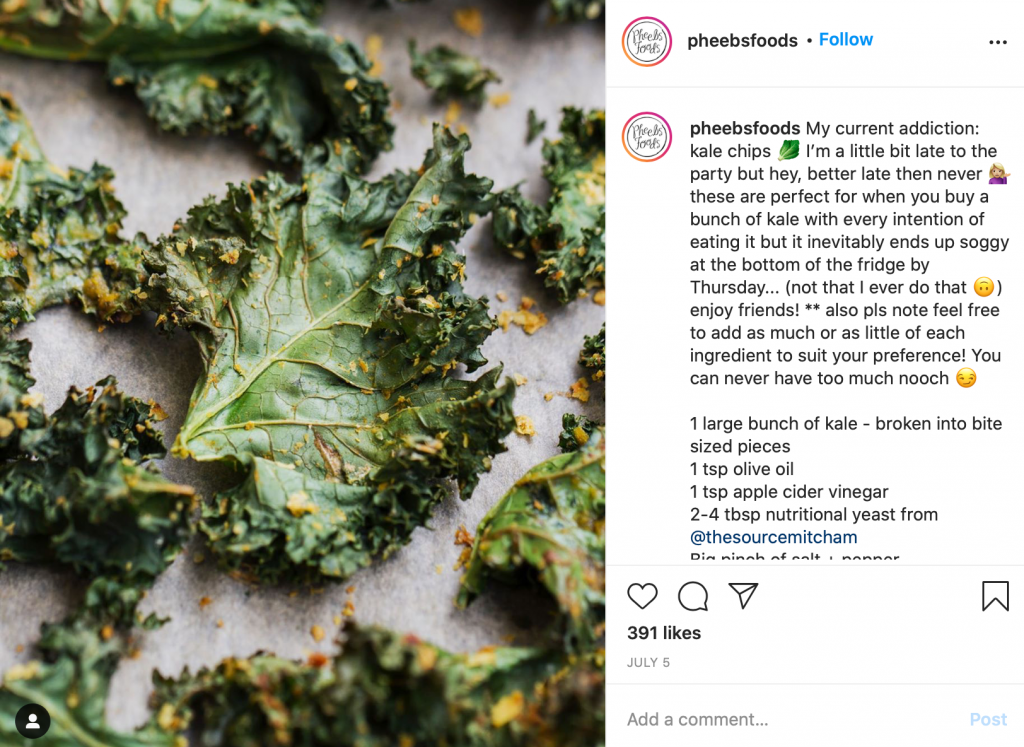
5. Kale Chips via @pheebsfoods

This light and flavorful snacks will satisfy your cravings for potato chips. Coat them with your favorite flavors and never let another leaf of kale from your garden go to waste.

6. Sundried Tomato Candies via @yaelfoodie_in_tlv

These truly are nature’s candy! Enjoy them on salads, sandwiches or right out of the jar.


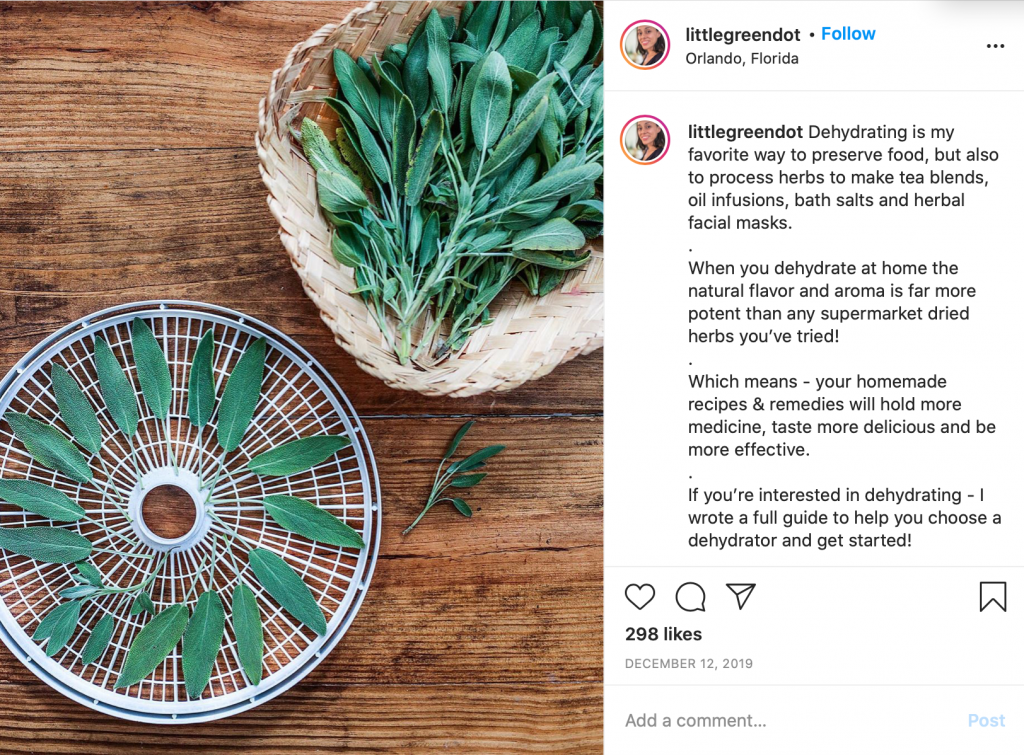
7. Dehydrated Herbs via @littlegreendot

Save your abundance of fresh herbs by dehydrating them for future use.

8. Beet Chips via @afoodloverslife

These crisp, crunchy and nutritious beet chips will satisfy even the pickiest of snackers in your home! They are super flavorful and delicious.

 

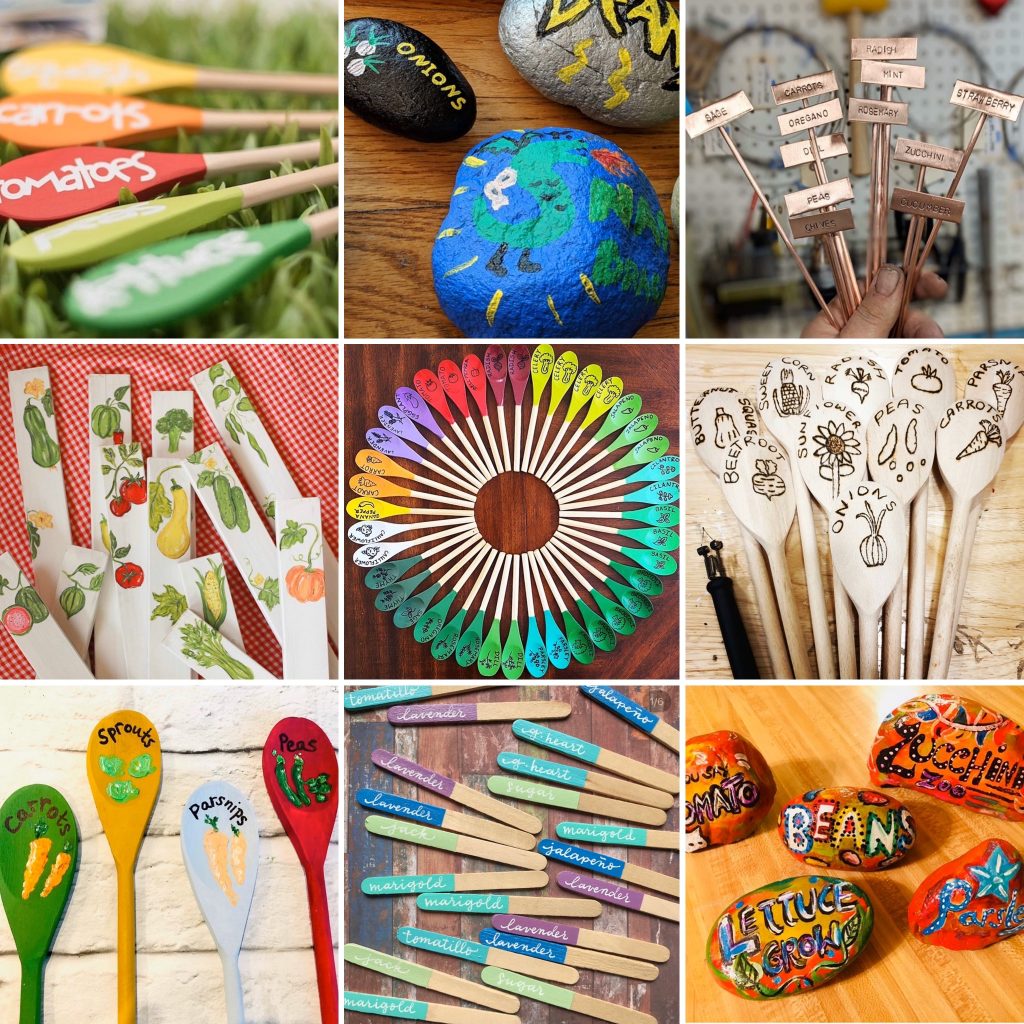
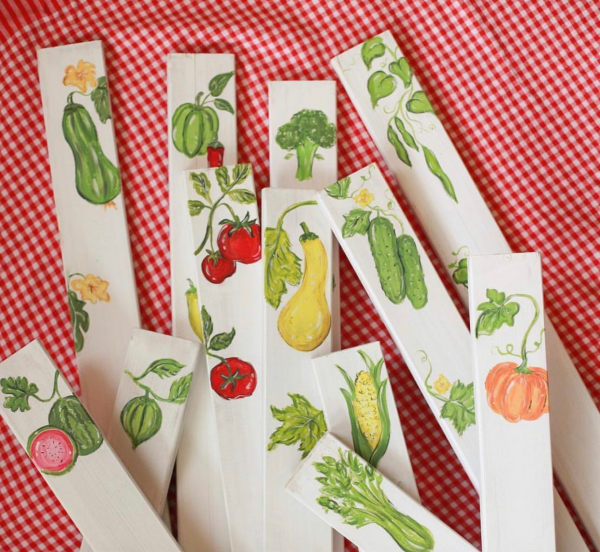
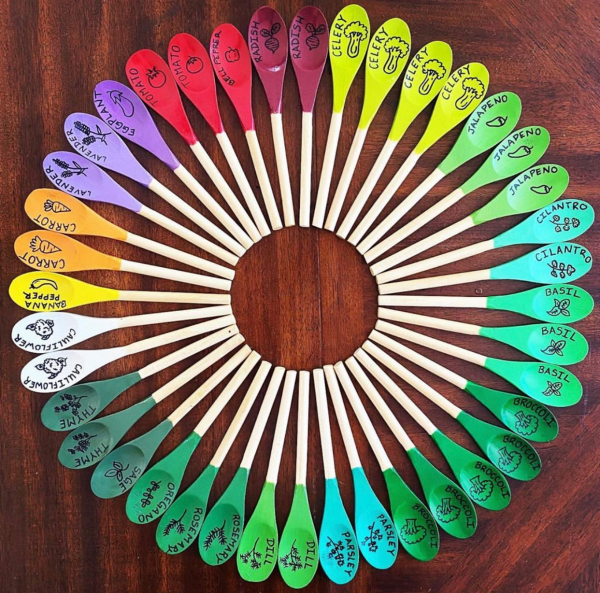
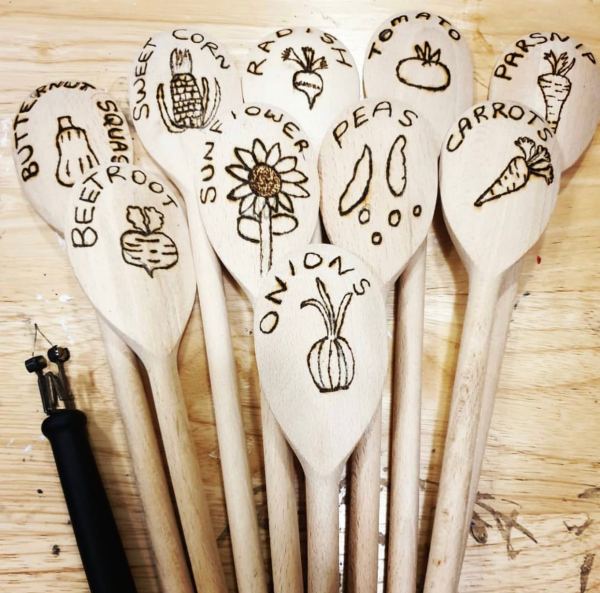
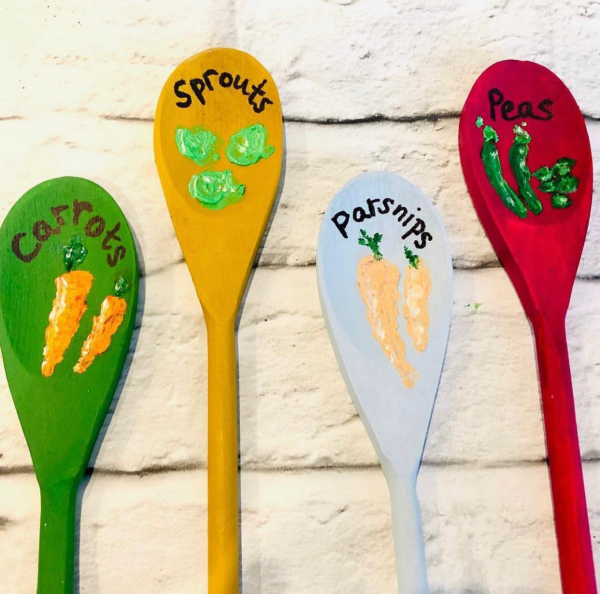
11 DIY Creative Garden Markers, It’s Easier Than You Think!

With supplies running low and companies pausing all new orders at this time, people may be wondering how they are going to come about their beloved garden markers! Without marking and properly labeling your newly sown seed, it can quickly become a “guessing game” in the garden once things start germinating. Take the guess-work out of what you planted, and head to your closets, pantries, and craft bins. Making your own plant markers is fun, and easier than you may think!

Here are some of our favorites that we stumbled upon on Instagram. 

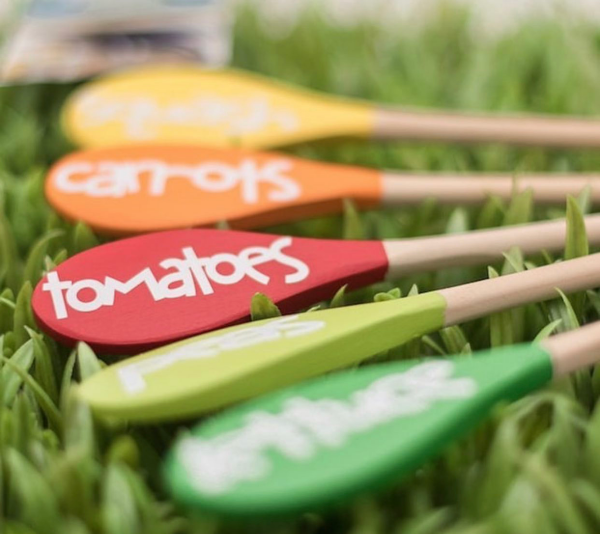
1. Painted Spoons with Text via @thekingstonhome


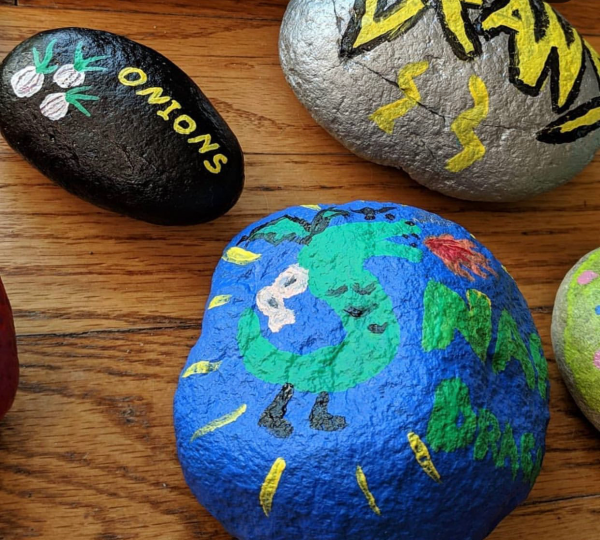
2. Painted Rocks via @valutree1


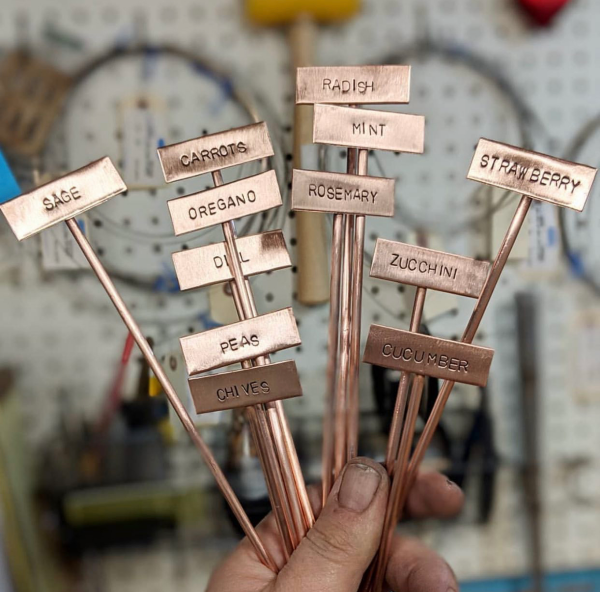
3. Copper Printed via @rubygirljewelry


4. Wooden Painted via @sherellech


5. A rainbow of Spoons via @ntaladay


6. Woodburned Spoons via @georgiemakes


7. Painted Wooden Spoons via @homeandhorizon


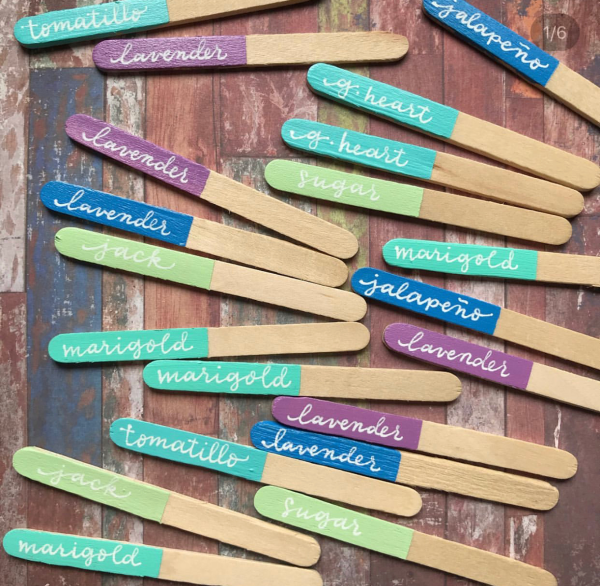
8. Popsicle Markers via @hoffeeandanuffin


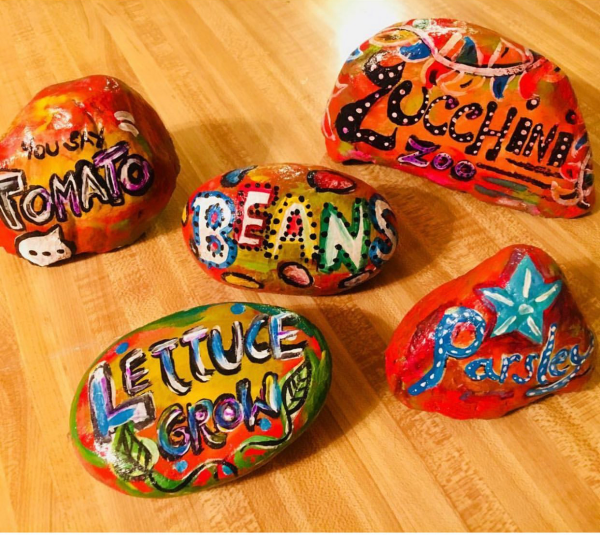
9. Painted Rocks via @openartedbylaurenbrenner


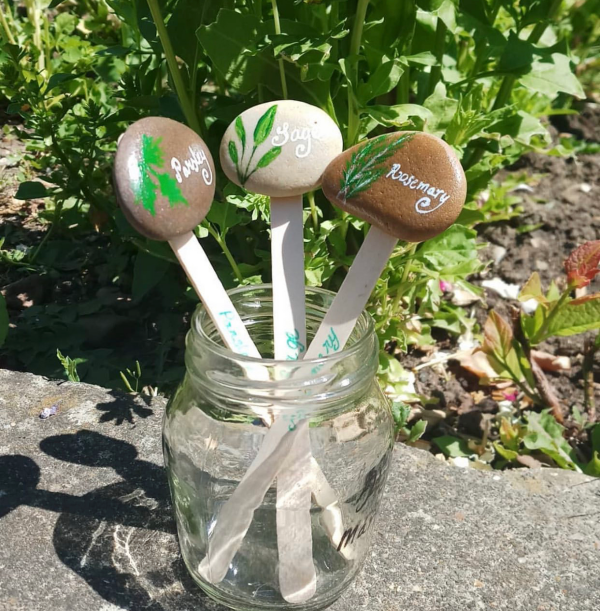
10. Rocks on Sticks via @scintillabysomita


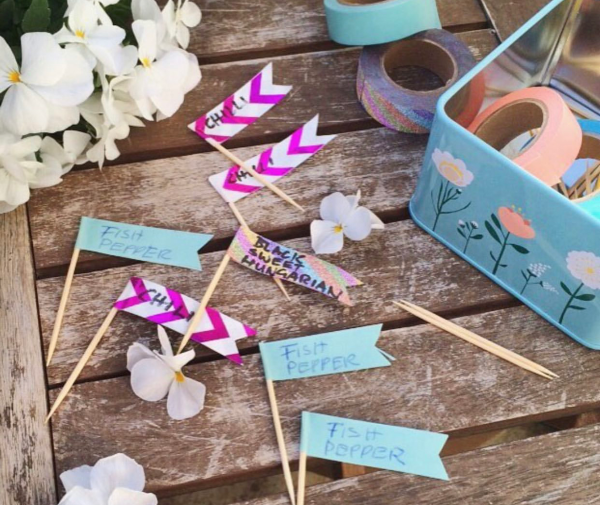
11. Tape Labels via @theurbangardeness


DIY urban gardening hacks for small spaces

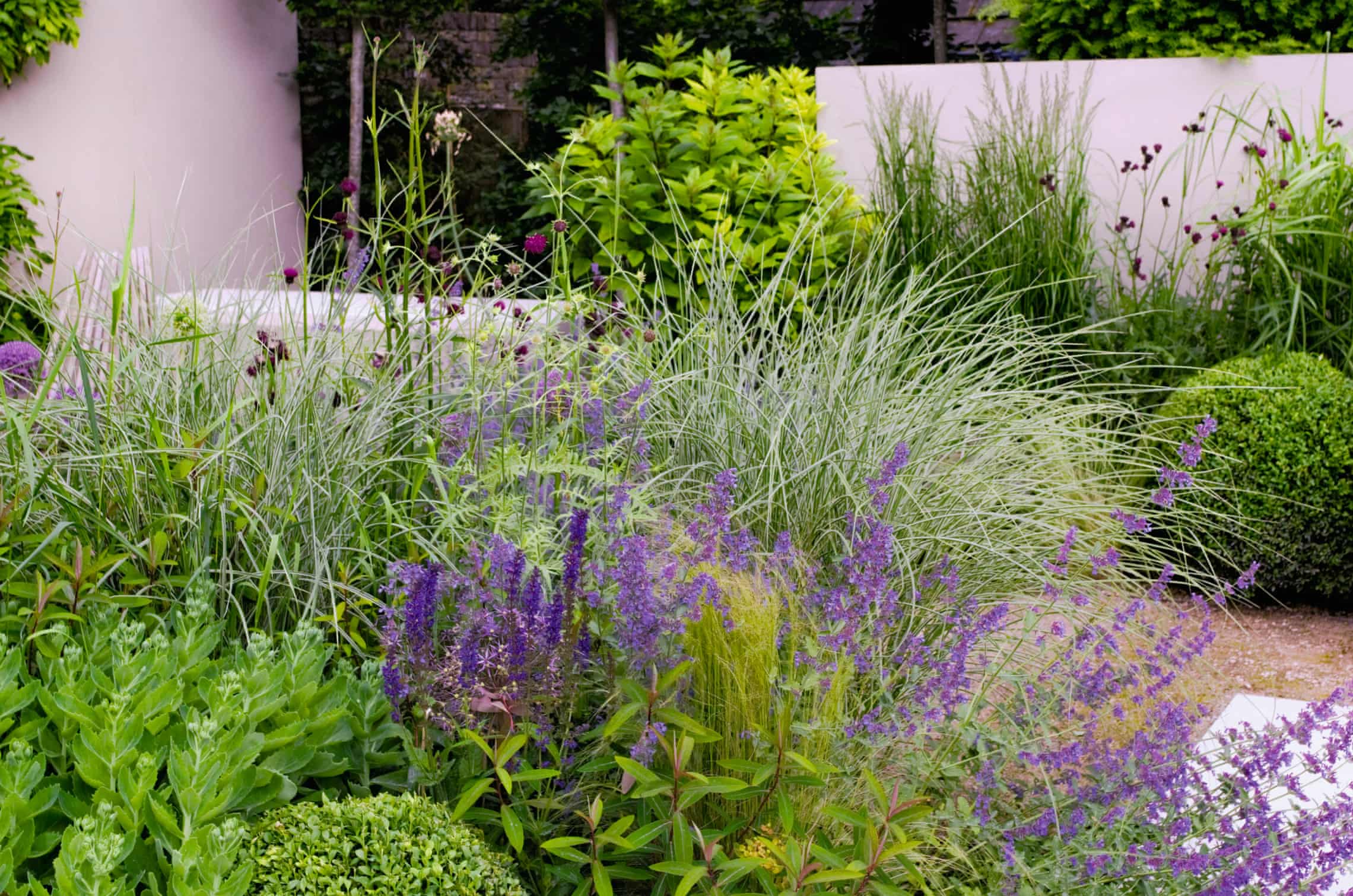
Small gardens are often seen as having little or no scope for design. This couldn’t be further from the truth. You can squeeze a lot into a small plot: be bold, be strong, ensure a lavish backbone of evergreens with spring color to enliven spirits after the long winter gloom – and don’t forget to incorporate the scent. But remember, in small gardens, less is often more: it’s better to do one thing well rather than a lot in a muddled fashion.

Large gardens have an element of safety, deploying swathes of green lawn which is economical to install and covers large areas of ground. A small garden has to work much harder and, per sq meter, can cost more. But it’s worth it: with thought and care, your little patch can be a true extension of your home and provide a haven for you, as well as the wildlife we share our urban spaces with.

Before you start, measure your space and draw it to scale. This may sound ‘designery’, but will help you to figure out the plants and materials you need, what furniture will and will not work and, more importantly, what will fit through the access you have, if you don’t want to run the expense of a crane or lifting equipment.

READ THE ARTICLE https://www.theguardian.com

25 Gardening Tips Every Gardener SHOULD KNOW!

1. If it’s getting cold and you have tomatoes still ripening on the vine — save your tomatoes! Pull the plants up and bring them inside to a warm dry place. Hang them up, and the tomatoes will ripen on the vine.

2. Companion planting is an excellent way to improve your garden. Some plants replenish nutrients lost by another one, and some combinations effectively keep pests away.

3. Paint the handles of your gardens tools a bright, color other than green to help you find them amongst your plants. You can also keep a mailbox in your garden for easy tool storage.

4. Compost needs time to integrate and stabilize in the soil. Apply two to three weeks prior to planting.

5. There is an easy way to mix compost into your soil without a lot of back-breaking work: Spread the compost over your garden in the late fall, after all the harvesting is done. Cover with a winter mulch such as hay or chopped leaves and let nature take its course. By spring, the melting snow and soil organisms will have worked the compost in for you.

READ THE OTHER 20 TIPS HERE: https://www.planetnatural.com/vegetable-gardening-guru/tips/

This Garden Planner makes urban gardening easy

Gardening can seem like a daunting task. When do you plant? What should you plant in your area? How can you effectively grow produce? When you start asking the questions, it may become too overwhelming to tackle. But don’t walk away from the idea of a balcony overflowing with greenery just yet, because the team at The Green Conspiracy understands your angst.

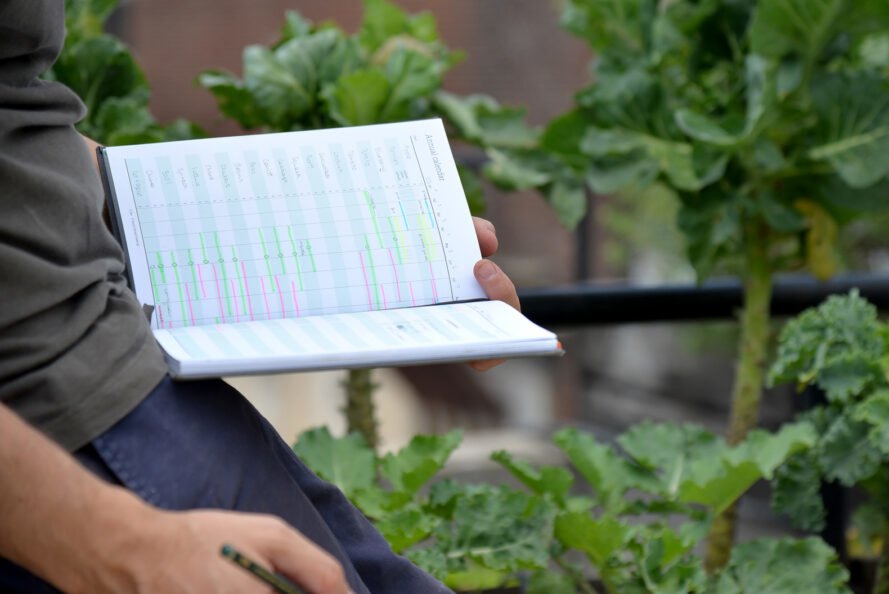
The template allows the user to list what was planted and then chart the plant growth in order to keep a record of problems, timelines, and harvests. The goal is not only to identify problems early but also to produce a record that will provide information for successful subsequent planting seasons. Another section of the planner actually includes a planting calendar, so you can organize when seeds or plants should go into the ground.

LEARN MORE ABOUT THIS: https://inhabitat.com/this-garden-planner-makes-urban-gardening-easy/

DIY Fungi – Interview: William Padilla-Brown

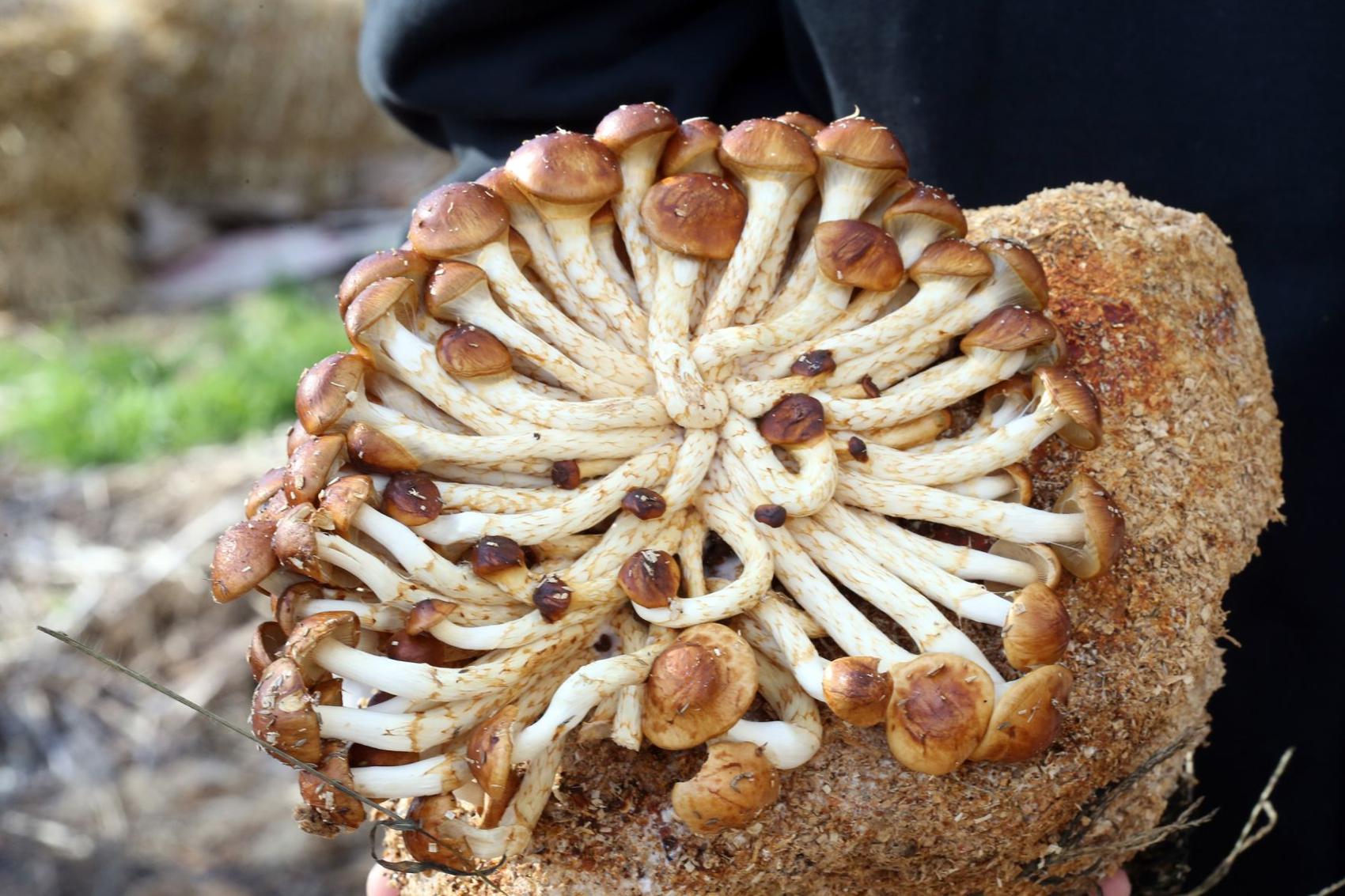
Not long into our conversation at his lab based in Lemoyne, I decide that William Padilla-Brown, of Elizabethtown, is one of the most fascinating people I’ve ever met. At 24, Padilla-Brown is the founder of his own mushroom cultivation company, MycoSymbiotics. He’s traveled the world, attending schools here in central Pennsylvania, in Taipei, London and elsewhere. He dropped out, got a GED and a permaculture certification. He designed his own model for a DIY college-level curriculum. He learned all he could about growing mushrooms from experts and online videos and started his own business, which he has slowly grown in the past few years. He wrote “Cordyceps Cultivation Handbook Vol. 1” — one of the first books written in English detailing the process of growing cordyceps, a type of fungus used in traditional Chinese medicine. He organizes mushroom festivals and foraging expeditions. He lectures about sustainable, low-tech, DIY gardening and growing methods with the aim of making it so anyone, anywhere can grow their own food.

READ THE STORY: https://lancasteronline.com/sunday/interview-william-padilla-brown-on-diy-fungi/article_b1bc0f70-1fee-11e9-b44b-db2654101d38.html

How To Grow Wheatgrass At Home *WITHOUT SOIL*

Growing your own wheatgrass at home is easy and fun to do – especially during the winter months!

There are a lot of different methods on how you can achieve this, so below we are going to share with you some of our favorite.

There are both soil and soil-less methods.  Today we are focusing on soil-less.  Make sure you choose which will work best for you.

Before you get started, purchase your wheatgrass seeds.

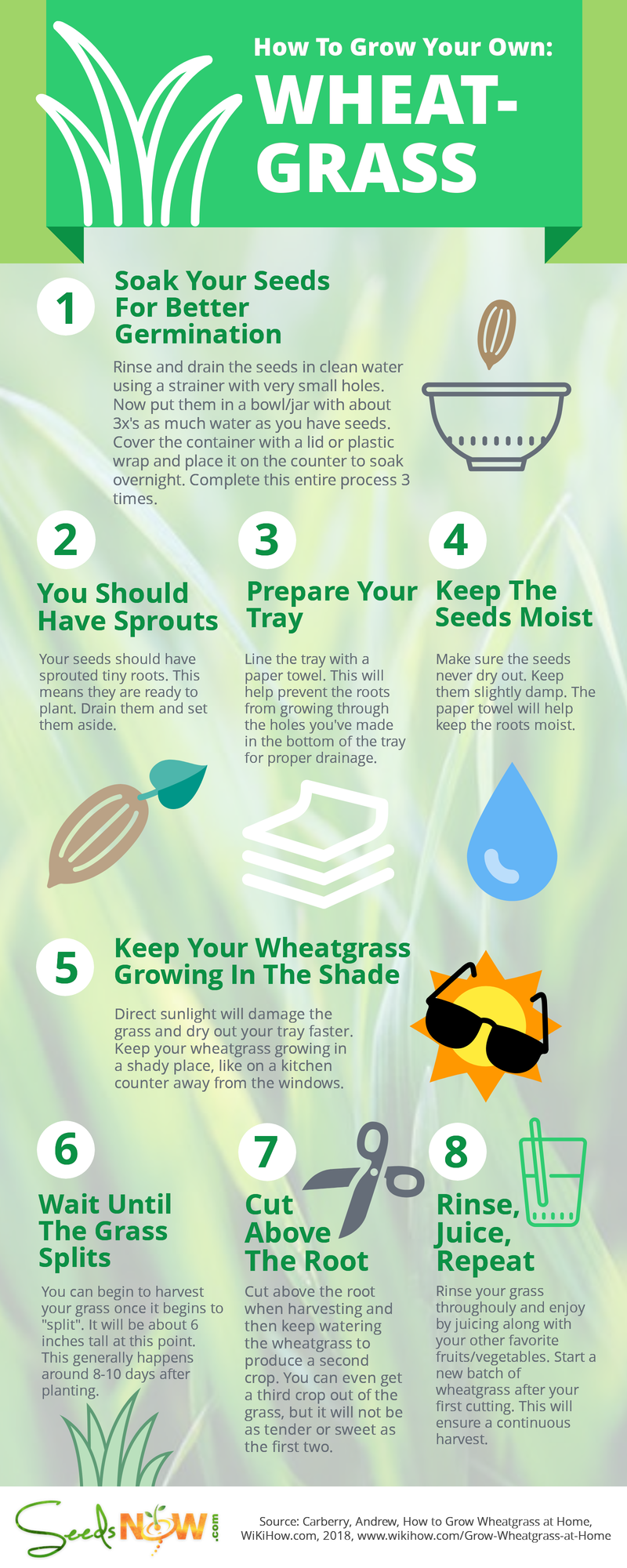
And this is how it’s done ….

As you can see, wheatgrass can be easily grown and prepared at home.

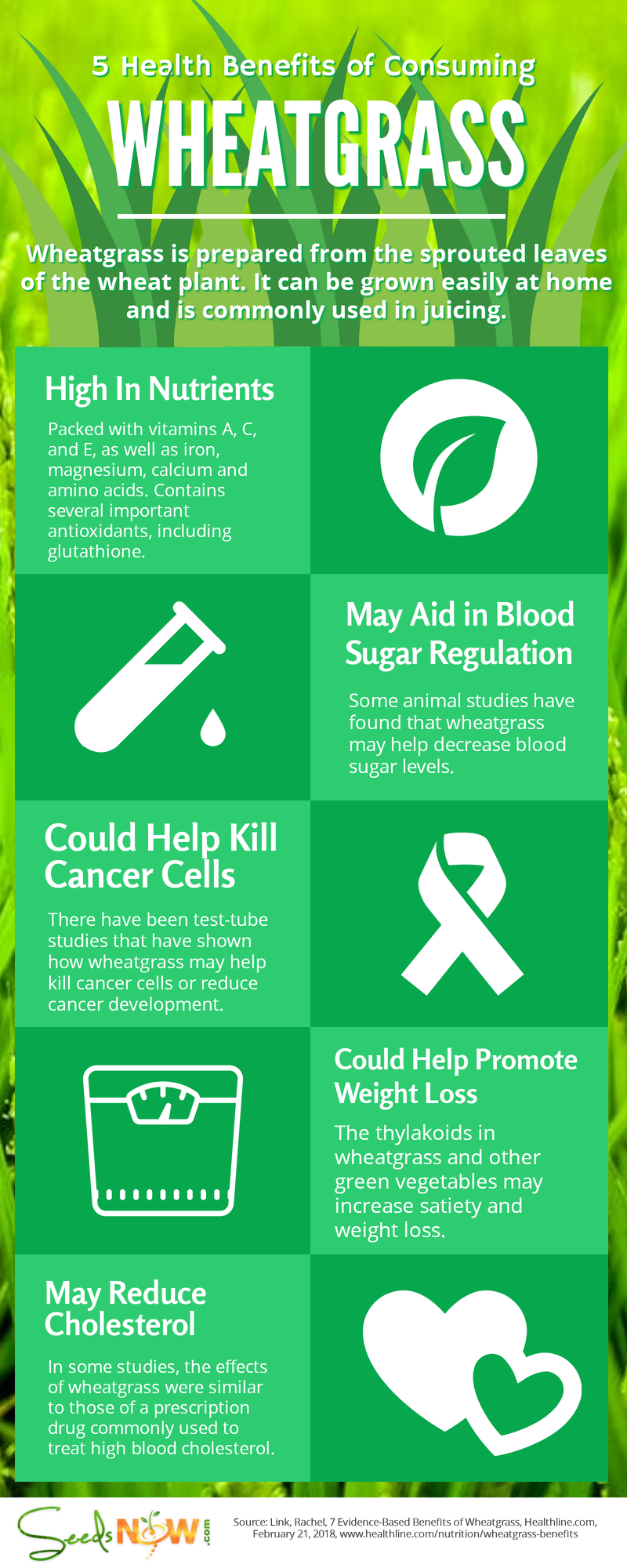
Some claim it can do everything from detoxifying the liver to improving immune function & boost weight loss. Nevertheless, wheatgrass delivers many amazing benefits.

Now, let’s see what happens to your body if you drink wheatgrass daily …


We’ve talked about the amazing health benefits of consuming wheatgrass and showed you how to grow your own, now here are some great ways to enjoy your raw, healthy, nutrient-packed wheatgrass!

Check out these wheatgrass recipes:


Ready to start growing your own Wheatgrass? 
SHOP Wheatgrass seeds!

11 Essential Fall Planting Tips

1. At the nursery: Buy the best

Look for plants that have healthy foliage and no roots creeping out of the nursery container’s bottom drain holes (which means they’re probably rootbound).

2. Small is smarter

When you have a choice, buy little plants (in 4-inch nursery pots); they’re less expensive (usually under $5), easier to handle, and will catch up to the larger ones with winter rains. Smaller plants are your best bet if you need multiples to fill out a bed. Gallon-size plants, on the other hand, start around $10 each but can provide instant effects.

3. Check plant tags

Find out how big the plants will grow, and whether they need sun or shade. Then choose plants that will thrive in the spot you have in mind for them. “Full sun,” for example, means you should plant in a spot that gets at least six hours of sun a day.

4. Consider compost

Unless you have your own compost pile at home, or perfect garden soil that drains well, buy bagged compost to add to the soil before planting annuals, edibles, and many ornamentals (trees and native plants generally do not need added compost). It’s often sold at nurseries in 1- and 2-cubic-foot bags, and in bulk at garden suppliers. Avoid bagged compost that looks as though it has been piled and stored in hot sun for months—it won’t do much for your soil.

SEE THE REST OF THE TIPS, HERE: “Sunset.com


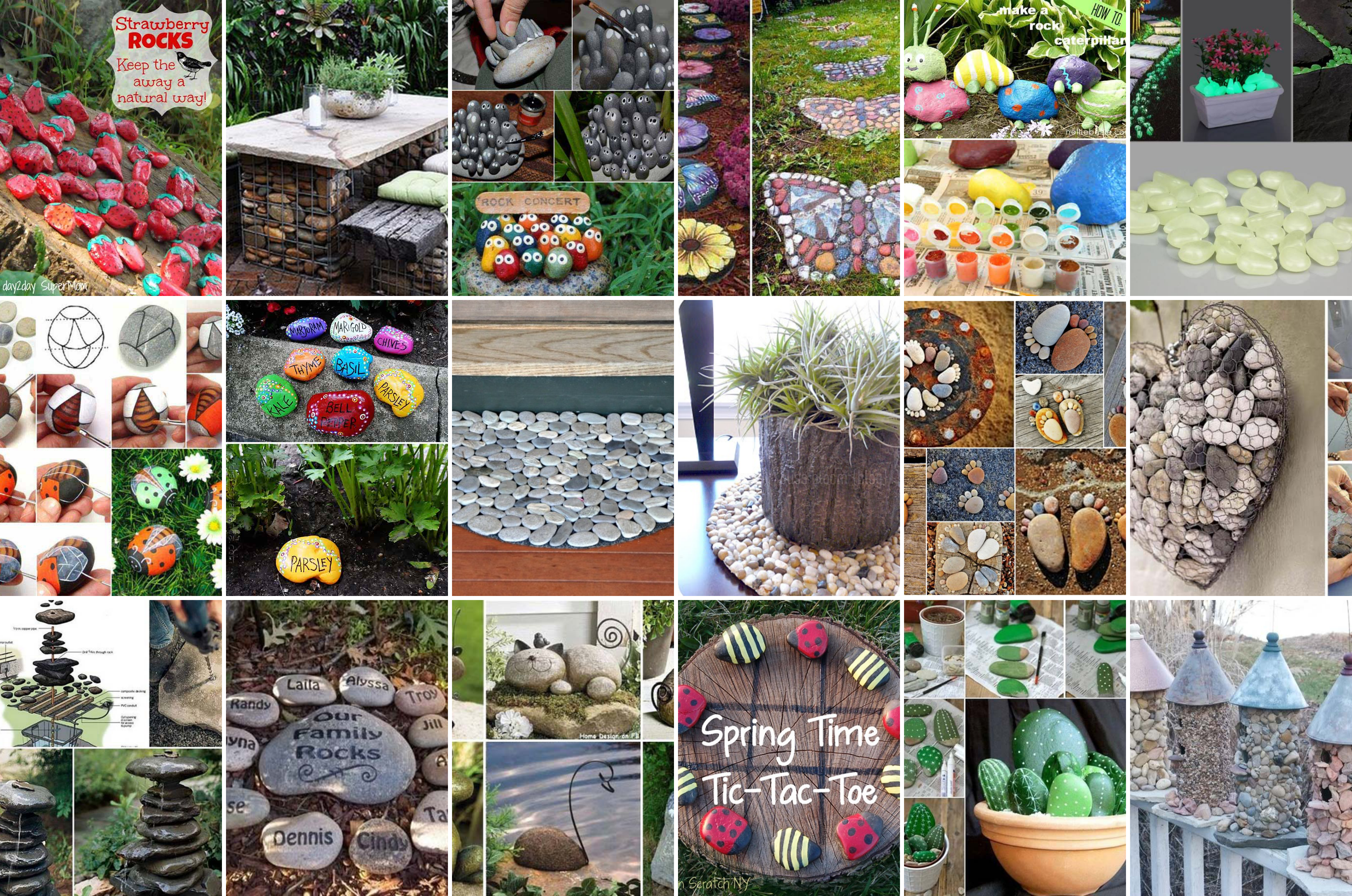
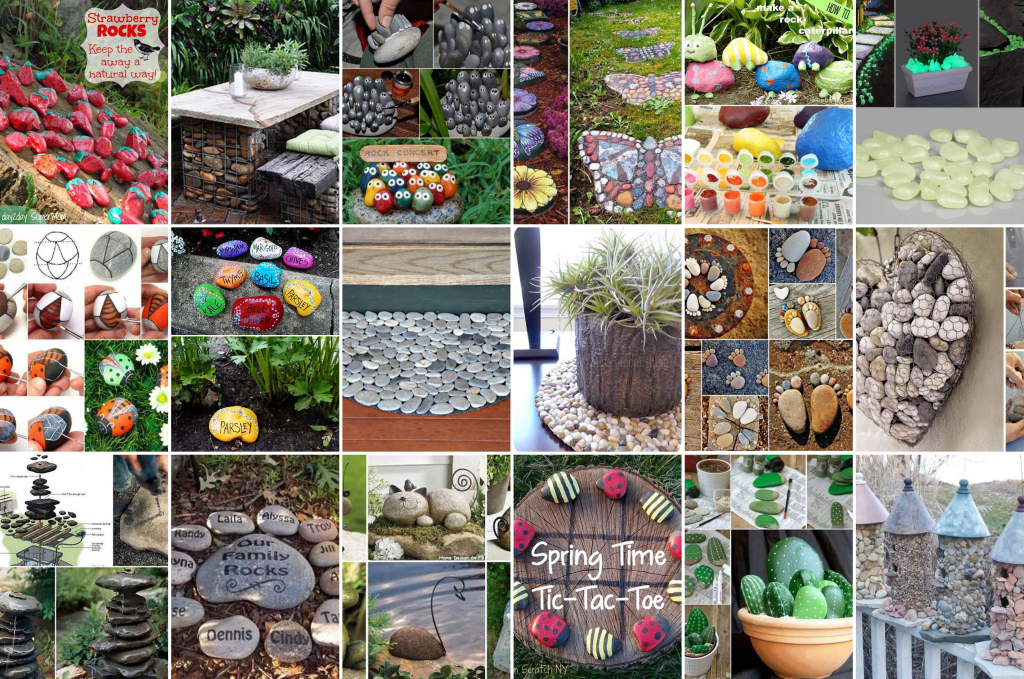
Upgrade Your Garden With These 19 Cheap Homemade Decor Projects

Sample 19 Garden Projects

“Does your garden need a little refreshment? If you have no idea of how to upgrade your garden and add some life to it, not to worry. We have these awesome DIY Cheap Garden Decor Ideas to solve your problem. It’s always fun to make creative and unique outdoor garden projects. Your garden is the place for outdoor activities, fun BBQ parties or even if you are in a mood to chill. If you are ready to put little efforts, you would be able to add a personality and glow to your garden.

These projects are so cheap. You can re-purpose existing stones from your garden, colors, wires etc.”

Learn how to create all 19 Garden Decor Projects, HERE!