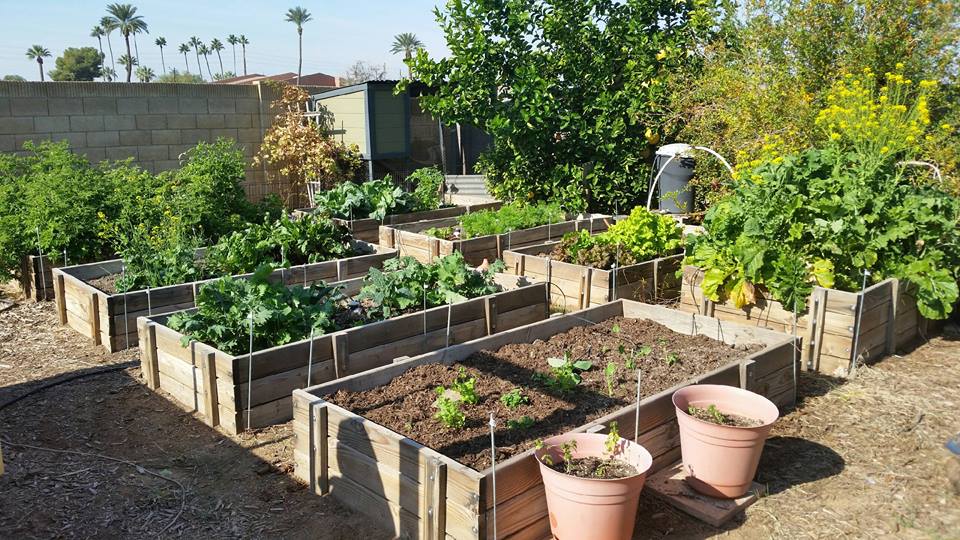
“How to make gardening easy. Simple gardening tips. We summarize simple tips that we found to work well in our garden that doesn’t take a lot of cash to implement.” Learn more at: “GreenDesert.org”
Live in a colder climate? Worry that because of freezing temperatures outdoors that you may not be able to garden like your friends in warmer locations? That’s not the case! There are actually many options that you can choose from when it comes to gardening fruits, vegetables and herbs indoors. “If you want to find out which goodies you can grow in pots, read: Indoor Vegetable Gardening: 37 Edibles You Can Grow Indoors In The Winter.”
“As you can see, there are many vegetables that can be grown indoors during winter, or in all seasons if you don’t have a garden at all. Now, you only have to decide which veggies you want to grow.”
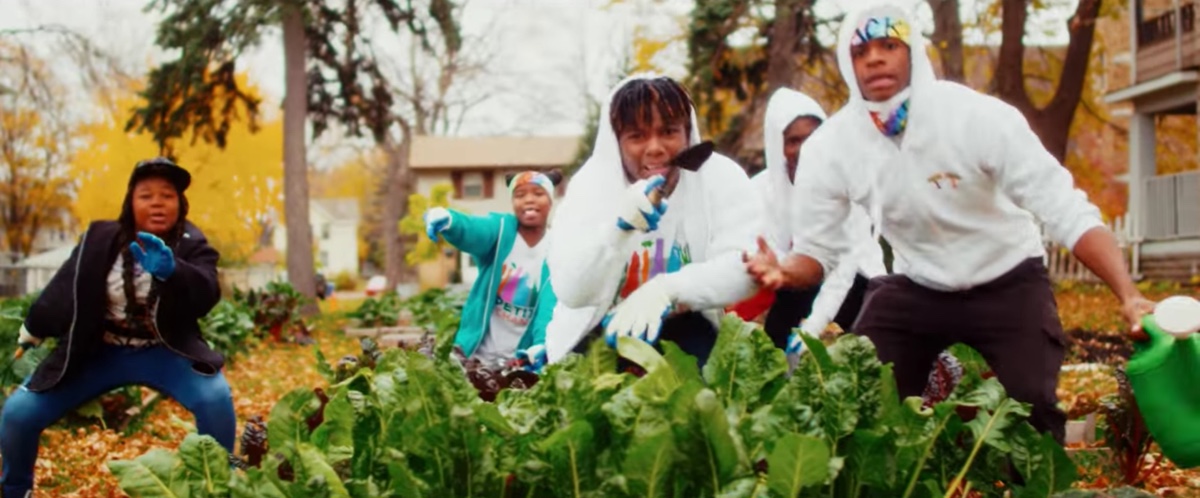
“Remember that “Hot Cheetos & Takis” video featuring those cute Minneapolis kids from back in 2012, which got more than 14 million views on YouTube? From that same studio comes something a bit more grown up.
Appetite For Change, a Minneapolis-based nonprofit dedicated to using food as a means for economic and social growth, recently released a new video with a slightly different message—but some familiar faces.”
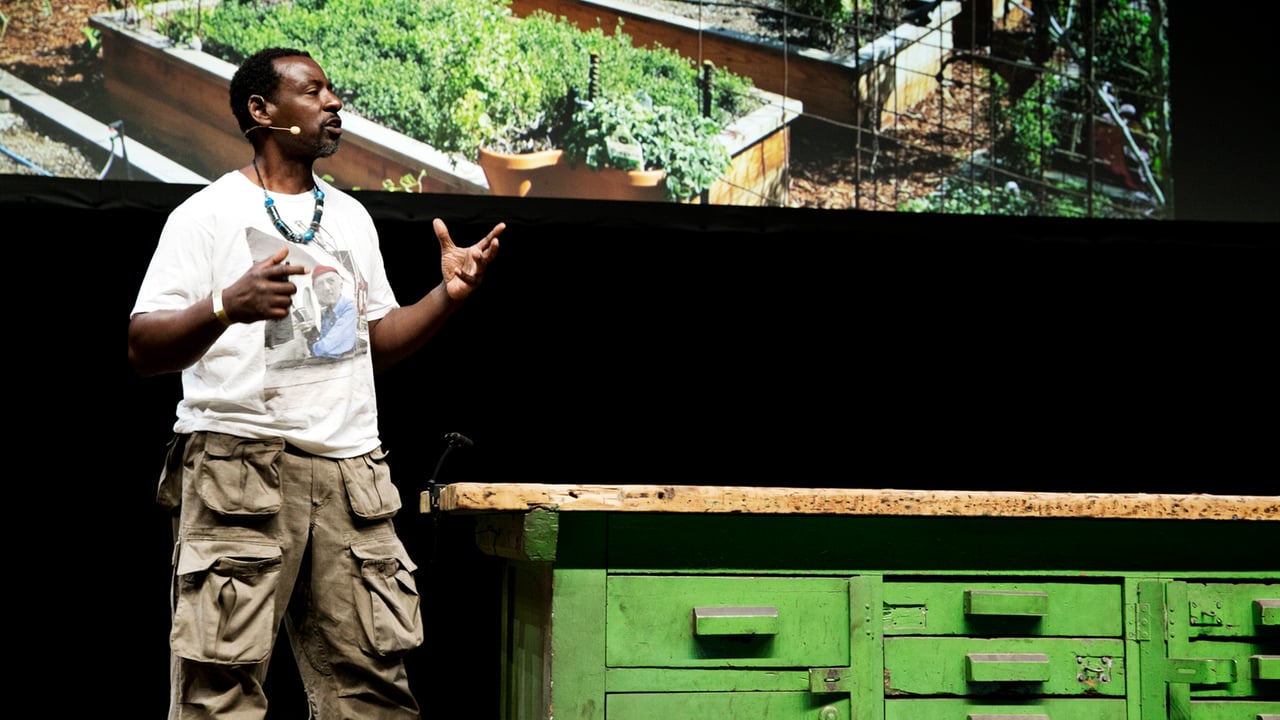
“If you haven’t already seen this inspirational and entertaining Ted Talk by Ron Finley, then do yourself a favour and watch it — truly an inspiring talk and man.”
“With the help of a dedicated team and executive producer John Legend, Finley has put together a documentary that helps to spread the word of Gangsta Gardening. Can You Dig This explores the urban gardening movement that is sprouting up through the concrete and colouring the urban landscape. As part of an urban gardening movement taking root in South LA, people are planting to transform their neighbourhoods, changing their own lives in the process. Calling for people to put down their guns and pick up their shovels, these “gangster gardeners” are creating an oasis in the middle of one of the most notoriously dangerous places in America.”
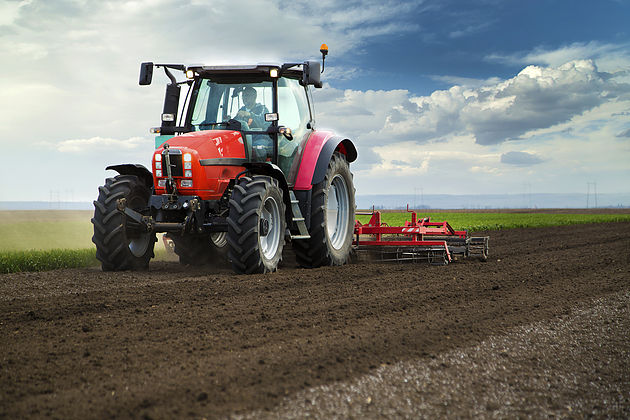
Close-up of agriculture red tractor cultivating field over blue sky
Due to a concoction of irresponsible, shortsighted and cheap practices, conventional agriculture is extremely environmentally damaging and unsustainable. These practices are numerous and all contribute to agricultures unsustainability in different ways. They will be explored in the following paragraphs. The first practice that will be discussed is monoculture. Monoculture is growing a single crop on large plots of land. This is done because it is cheaper than growing a variety of crops, although at the cost of biodiversity. It is also the perfect environment for pests and diseases that could easily infect and ruin the entire crop.
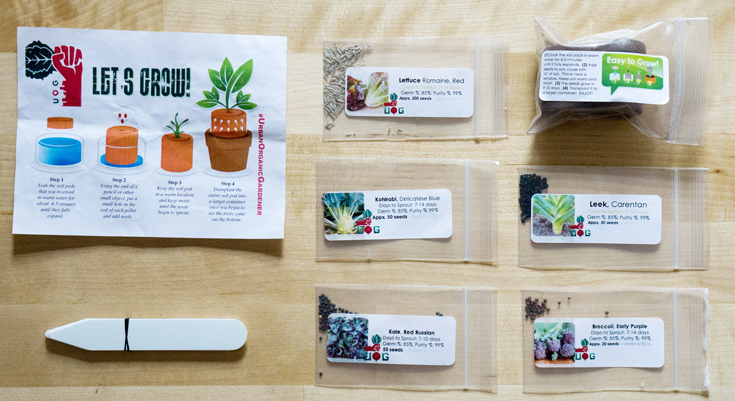
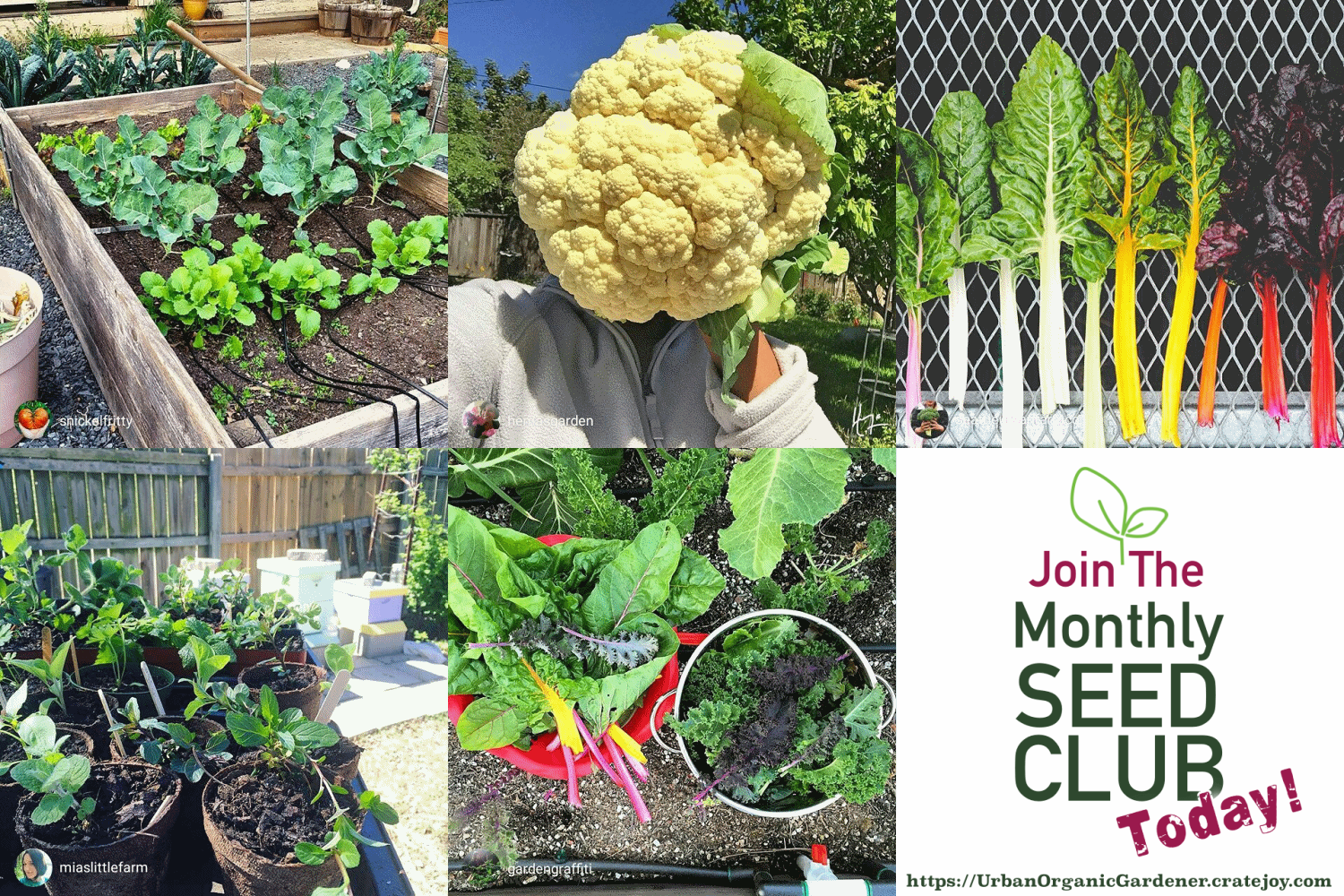
“Irrespective of whether you are gardening in patio containers or have backyard hydroponics, UOG’s seed packs are the way to go, because the UOG team creates your tailor-made parcel each month, taking into consideration your geographical location, prevailing weather, growing season and your growing preferences. How do they know what’s best? Well, I think there is some magic involved (and I suspect you will too when your first seeds germinate), but just to keep it conventional, they ask you to complete a small questionnaire about your garden.”
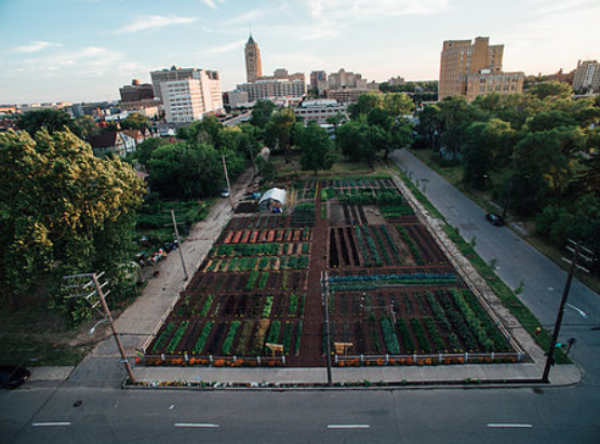
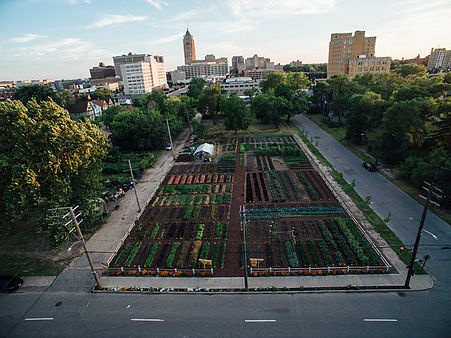
“Through the construction of urban gardens on abandoned city lots, Buckets of Rain diminishes urban blight, rekindles hope in struggling neighborhoods, brings fresh vegetables into the neighborhoods, and feeds the homeless through partners like the Detroit Rescue Mission Ministries and others. We have re-purposed 30 blighted lots into food production since 2013, and grown or provided hundreds of thousands of servings of vegetables, free of charge, to our partners and neighbors.”
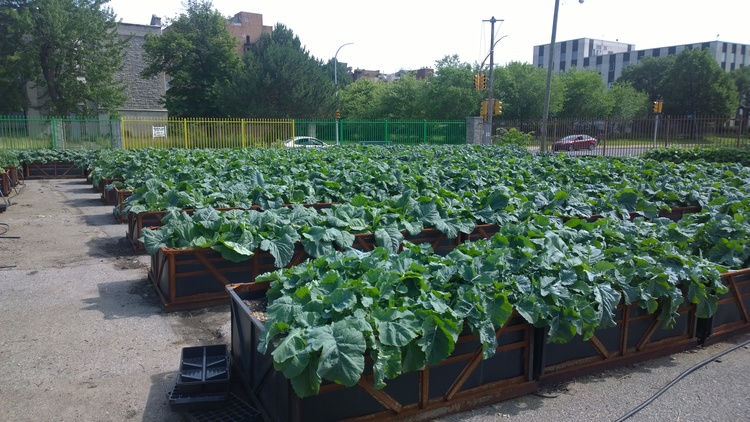
This rapidly expanding effort of urban gardening yielding over 50,000 servings of locally grown food. A new parking lot garden now has over 220 raised beds and a half a mile of drip irrigation installed. Most of the raised beds are constructed from reclaimed materials. As of late Nov. 2014, they had converted 23 abandoned city lots into food producing urban farms.
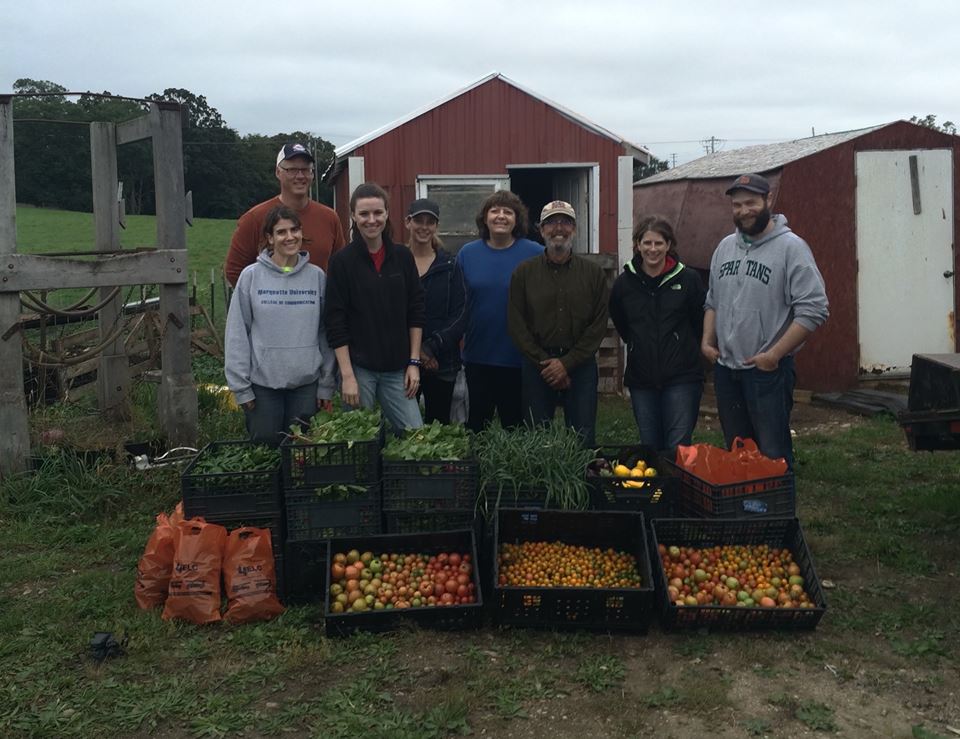
“Harvesting occurs daily during the growing months and food is transported to soup kitchens and homeless shelters of the Detroit Rescue Mission. One day a week, at least, we make bags of fresh veggies available for direct pickup by neighborhood residents. By 2020, we aim to produce a million servings of fresh vegetables per season. This will require about 10 acres in continuous production and ten full time seasonal employees.”
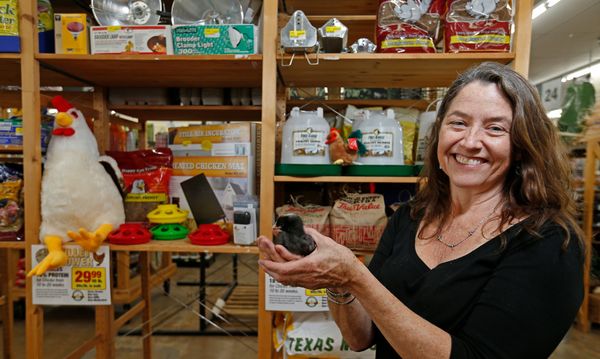
“The 58-year-old owner of Half Price Books is throwing a Lake Highlands neighborhood party Thursday for the public reveal of Rooster Home & Hardware, an eco-friendly hardware store that specializes in urban farming, beekeeping, live chickens and supplies, and local products.”
“Everyone, including my husband, thinks I’m crazy and says: ‘Why are you doing this? It’s a terrible, bad idea.'” Anderson says as workers busily unbox merchandise to replenish empty shelves. “I don’t know. I feel compelled to do it. If we can get through the mess, it sounds like fun.”
The 33-year-old’s family of five lives a homestead lifestyle, raising chickens, rabbits, quail and aquaponic food and canning jellies and vegetables. “I’ve always wanted to teach people how to grow, garden and be self-sufficient. Taking this job gives me the chance to do that.”
“Eight miles from downtown, amid the warehouses and factories and railroad tracks of Bell, Corinne McAndrews plots out two rows of Purple Queen garlic. “I want to be part of a new way of thinking about urban agriculture,” she says of GrowGood, the farm she manages here. This isn’t a communal plot; it isn’t really a commercial one, either. GrowGood harvests food for people who are in no position to sort through the produce at the Santa Monica Farmers Market. Spread over one-and-a-half acres of U.S. Army land that a few years ago, she says, was “void of biological life,” its dozens of varieties of vegetables and herbs and 50 fruit trees serve as the engine of GrowGood’s mission: sending its harvest to the large homeless shelter across the parking lot.
This little urban farm has only 6 employees, and a dozen or so volunteers. Visitors to the shelter are encouraged to volunteer and may even be hired for employment.
In Detroit, a three-story vacant building will now be a home to a community resource center adjacent to an urban garden which provides fresh, locally grown produce to about 2,000 homes in the area.
“The Michigan Urban Farming Initiative bought the building several years ago at auction. The restored building and cafe are expected to be unveiled in May.
The two-acre urban garden features a 200-tree fruit orchard and provides free produce to about 2,000 homes in the area. The Michigan Urban Farming Initiative says Wednesday that the project is an alternative neighborhood growth model.”
Grow food ALL-YEAR-ROUND with the NEW Urban Organic Gardener’s Monthly Seed Club!
December is a great time to plant frost-hardy crops such as beets, cabbage, green onions, parsnips, cauliflower, celery, collards, leaf lettuce, mustard, radishes, swiss chard, spinach & MORE!
Receive a custom curated collection unique of garden seeds specific to your GROW ZONE, MONTH, and PREFERENCES.
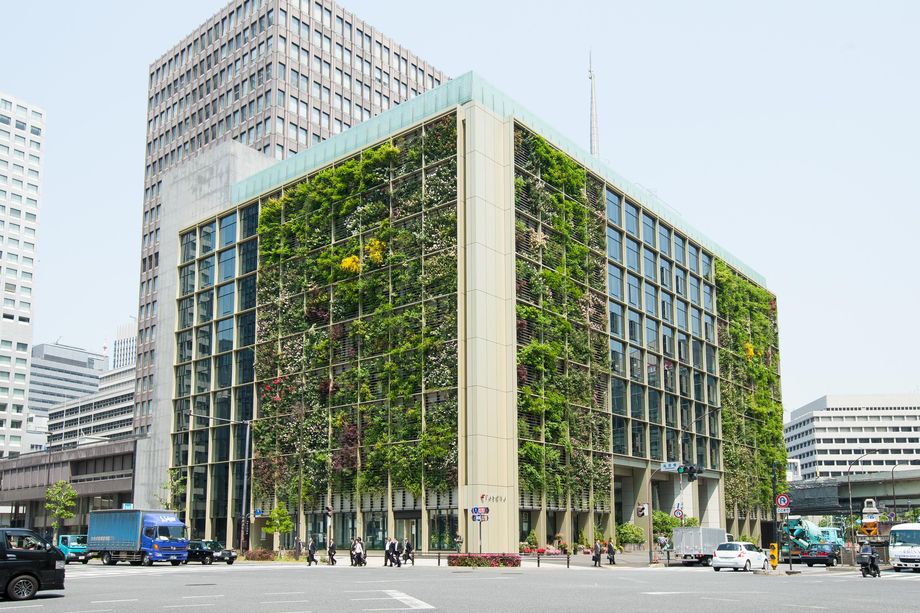
In Tokyo you can find a 9 story office building which boasts an urban farm built into it, right in the middle of the city’s modern and crowded streets.
“The headquarters of the Pasona Group, one of the country’s largest staffing and talent agencies, literally blooms, a garden in the sky that provides Tokyo with a striking display of foliage. More than 100 types of roses grow on the building’s “green curtain” exterior during the late springtime, and in autumn months, vines growing on the trellised facade display fall colors. And that’s just the outside. The ground floor entrance, lined by citrus plants such as limes and kumquats, leads to a lobby with a functioning rice paddy and urban farm.”
“We’re trying to broadcast what you can do in a metropolitan environment,” says Yukie Yoneyama, who works for the company’s urban farm division, which began seeding and planting the midcentury office building in 2010.
In 2003, Rosa found an 1,800-meter dumpsite that was inhabited by homeless beggars…she “decided to look for the owner of this site, who gave it to her under a commodatum (gratuitous loan). Then, she moved into the dumpsite, setting up a provisional camp, and started working with her two sons on cleaning the waste that had been piling up during the past 40 years.”
To read more about this story, visit: “LinkTV.org“
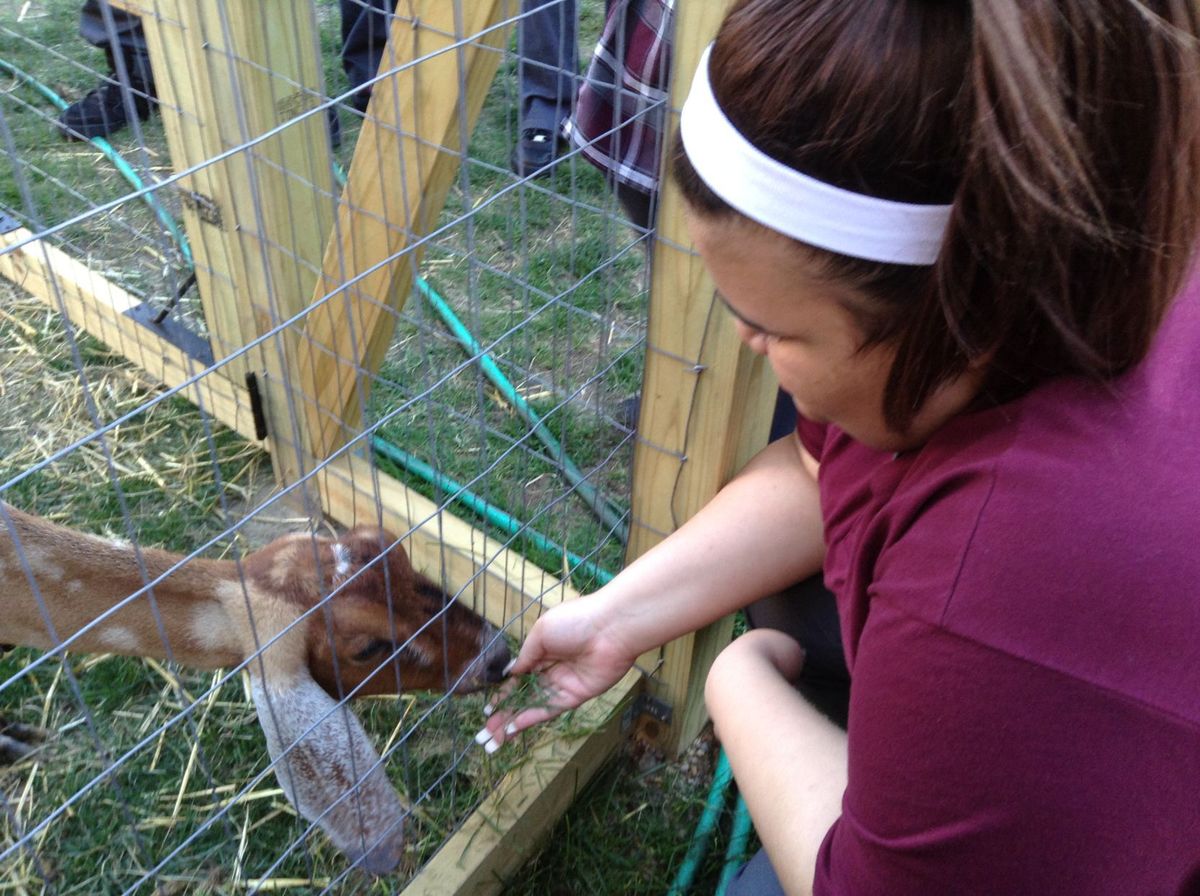
In Gary, “Nearly two dozen students at the high school are taking the Entrepreneurship and Personal Finance class, which oversees the farm. A couple of years ago, teens wrote a business plan to operate it and are continuing to expand it. They are responsible for feeding and caring for the animals, harvesting the chicken eggs and learning the basics of farming.”
While farms are supposidly declining around the country, the number of urban farms are rising all over the united states in cities we’re all familiar with. “Urban agriculture or urban farming is the practice of cultivating, processing and distributing food in or around a village, town or city. Urban agriculture also can involve animal husbandry, aquaculture, urban beekeeping and horticulture.”
There’s a lovely garden being operated in DC where neighbors are coming together to learn how to cook with fresh produce, grown right in their own neighborhood. This particular urban garden, which was started just three years ago, began with a dream of providing low-cost produce to people living in area’s without access to a grocery store.
“They studied successful urban gardens in other states and learned about grant writing to fund theirs. They utilized neighborhood ambassadors like Parker and added two more sites. Now, they have three mini-farms in parts of southeastern D.C. labeled by the U.S. Department of Agriculture as food deserts — places usually in low-income areas that lack fresh fruits and vegetables.”
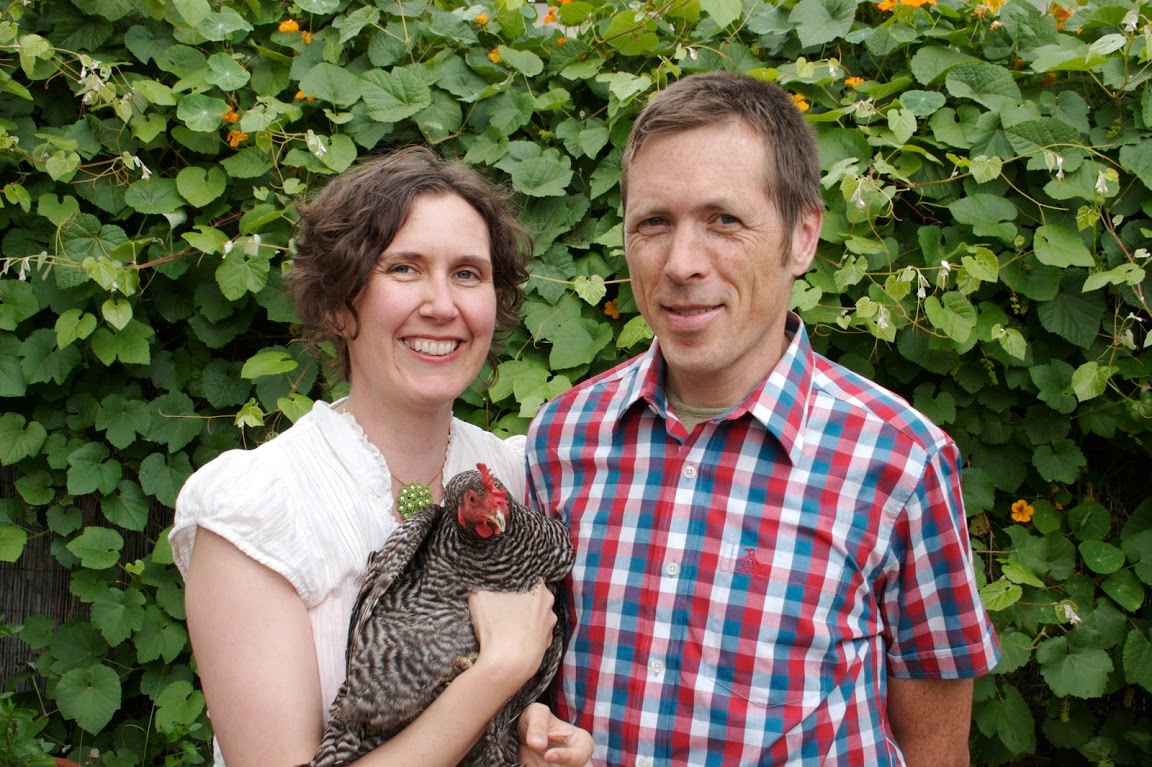
Erik Knutzen and Kelly Coyne have been farming their yard in Los Angeles for over a decade. In addition to a mini orchard and extensive veggie garden, they have all the instruments of an urban homestead: chickens, bees, rainwater capture, DIY greywater, solar fruit preserver, humanure toilet, rocket stove, adobe oven. But they don’t like to talk about sustainability of self-sufficiency, instead they prefer the term self-reliance.
“I don’t like the goal of self-sufficiency, I think it’s a fool’s errand to chase that goal,” explains Knutzen. “I think we live in communities, human beings are meant to live, and trade and work together. I think self-reliance is okay, in other words, knowing how to do things.”
Knutzen and Coyne share their tinkering, DIY and small scale urban agriculture experiments on their blog Root Simple and in their books “The Urban Homestead: Your Guide to Self-Sufficient Living in the Heart of the City” and “Making It: Radical Home Ec for a Post Consumer World”. They believe in the value of shop classes and old-school home economics (back when you learned how to make things, not shop for things).
For the couple, their true goal with all of this self-reliance is freedom to live as they please. By growing their own and canning, pickling, preserving, freezing and baking their own breads and beans, they live frugally. They also only own one car (plus a cargo bike), one cellphone and no tv. “I think a lot of it has to do with our overdriving ambition to be free,” explains Coyne, “makes being cheap fun, because it means you can be free”.
Ron Finley plants vegetable gardens in South Central LA — in abandoned lots, traffic medians, along the curbs. Why? For fun, for defiance, for beauty and to offer some alternative to fast food in a community where “the drive-thrus are killing more people than the drive-bys.”
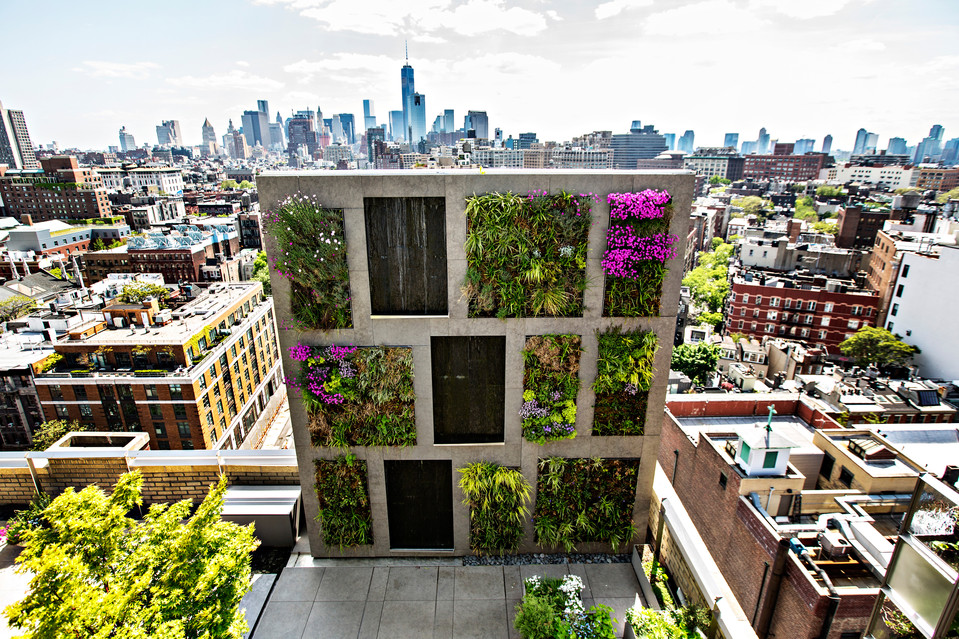
“David and Henrie Whitcomb’s vertical garden redeemed a chunk of unusable space on their 2,500-square-foot wraparound terrace in New York’s Greenwich Village. The green wall must be replanted each spring, ‘based on what plants will survive there, and what plants will hold the soil,’ said Emma Decaires, the Whitcombs’ horticulturalist. ‘I’m guessing that it might have been, by itself, a half-million dollar installation,’ said Mr. Whitcomb. DOROTHY HONG FOR THE WALL STREET JOURNAL”
One of the state’s LARGEST urban farms is being dreamed up right in the center of the city’s biggest food deserts. “When Jonathan Lawler decided to turn his Greenfield farm into a mission to feed the hungry last spring, he had no idea how he would touch the lives of people living on the north side of Indianapolis.”
“Today, Lawler of Brandywine Creek Farms is working with staff at Flanner House community center to develop the state’s largest urban farm in the heart of one of the city’s biggest food deserts, areas that lack access to fresh fruit, vegetables and other healthy whole foods.”