Urban Farms Continue To Be On The Rise

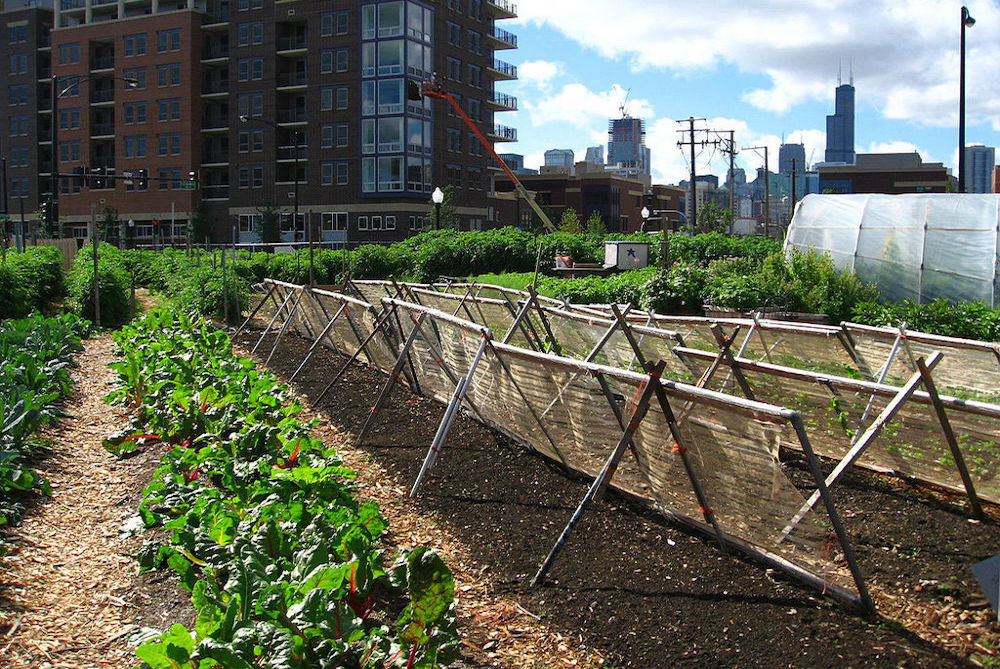
New_crops-Chicago_urban_farm-1

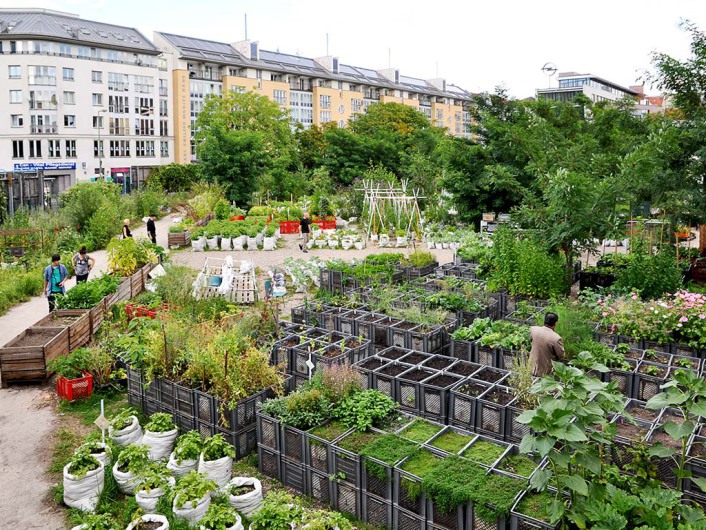
“The New York City urban farm has moved from a scene to a movement. Foodies, growers, chefs, non-profits and artists converge to get ever more creative in how to utilize space in the city for growing fruits and vegetables. Swale by artist Mary Mattingly has taken to putting a farm out on the water. Chicago’s O’Hare airport has installed an aeroponic, or vertical, farm. From hotels to restaurants, urban farming so far has been highly specialized and for hyper-local food distribution like Brooklyn Grange’s two food markets and neighborhood CSA. “This is truly seed-to-plate agriculture, with no use of fossil fuels, people walk over from where they live, and go home with produce that was picked that morning.” says Anastasia Cole Plakias, Brooklyn Grange’s vice president and founding partner.”

Read the rest of this story at: “PSFK.com

Urban Farm to Feed Most Food Insecure Residents

cvefoiuveaa7gsi

“the problem with local food right now is that it is very expensive. We would like to see local food affordable because it is part of the access issue. A lot of people talk about food deserts and I totally agree not having not having a grocery store makes a big difference, but when tomatoes are three dollars a pound or four dollars a pound or cucumbers are a dollar each-that’s also an accessibility issue because people cannot afford to buy this produce”

“Flanner Farms will sprout this year on the 2½-acre campus of Flanner House.  It’s not a community garden, but instead a working farm. A weekly farmers market will offer a portion of the farm’s organic produce at below-retail prices.”

Read the rest of this story at: “WFYI.org

Proposed Lincoln Project Combines Farm and Urban Housing

goat-1596880_960_720

A developer is planning a project in north Lincoln that would combine urban housing and working farms, merge small cottages with traditional single-family homes, maintain a wetland area and encourage composting.

…”about two-thirds of the development will be green space and could potentially be used for community gardens, fruit trees and large animals, and composting would be encouraged to improve the soil for gardening.

He said turning some of the area into a working farm will ease the difficulty of sustaining the property financially. He also said some housing will be laneway cottages, which are smaller houses but still bigger than tiny homes. The laneway cottages with single-stall garages are expected to sell for around $150,000.”

Read more of this at: “USNews.com

A D.C. Urban Farm Takes on Urban Problems

kellymiller4-700x467

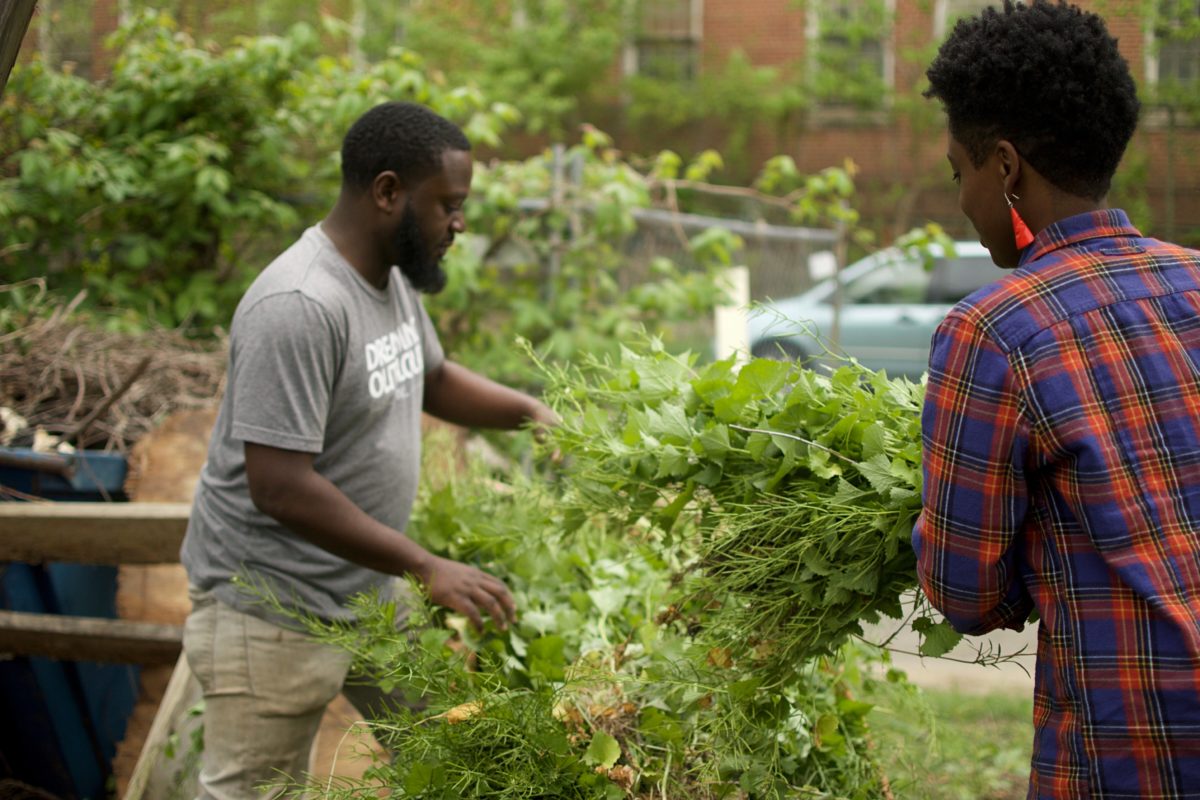
“It’s like a food system in a box — in one space, in one community,” said Christopher Bradshaw, executive director of Dreaming Out Loud. The D.C. food justice nonprofit is partnering with the city and a half-dozen other organizations to run the farm in a way that generates revenue while also meeting the community’s unique needs. “I don’t know too many places combining those things,” Bradshaw said.

“With $150,000 in seed money from the U.S. Department of Agriculture (USDA) — through programs promoting farmers’ markets and specialty crops — and a mix of other local grants, the founders plan to build infrastructure such as hoop houses and a greenhouse while transforming a gutted shipping container into a commercial kitchen space. Construction is scheduled to begin in the spring and be completed by midsummer.”

Read the FULL ARTICLE, here: “GreenBiz.com

Urban Farm Bill Passes in Montgomery County, MD

427db266-8d9b-475c-8759-06e798ebeb08-large16x9_MocoFarm.PNG

“The more we can grow healthy food close by, and reduce the food miles, the greenhouse gas footprint of bringing food from all over and the more we can create an opportunity for local students in an urban environment like Silver Spring to come right here and see where their food comes from,” said Councilman Hucker.

“There are safeguards in place that prevent just anyone with a backyard garden from getting a tax break. You have to live within a residential area and 1,000 feet from a Metro stop, and earn at least $5,000 annually from the farm.”

Read the FULL Article, at: “WJLA.com


Students Give Food Science Lab a Green Thumbs Up

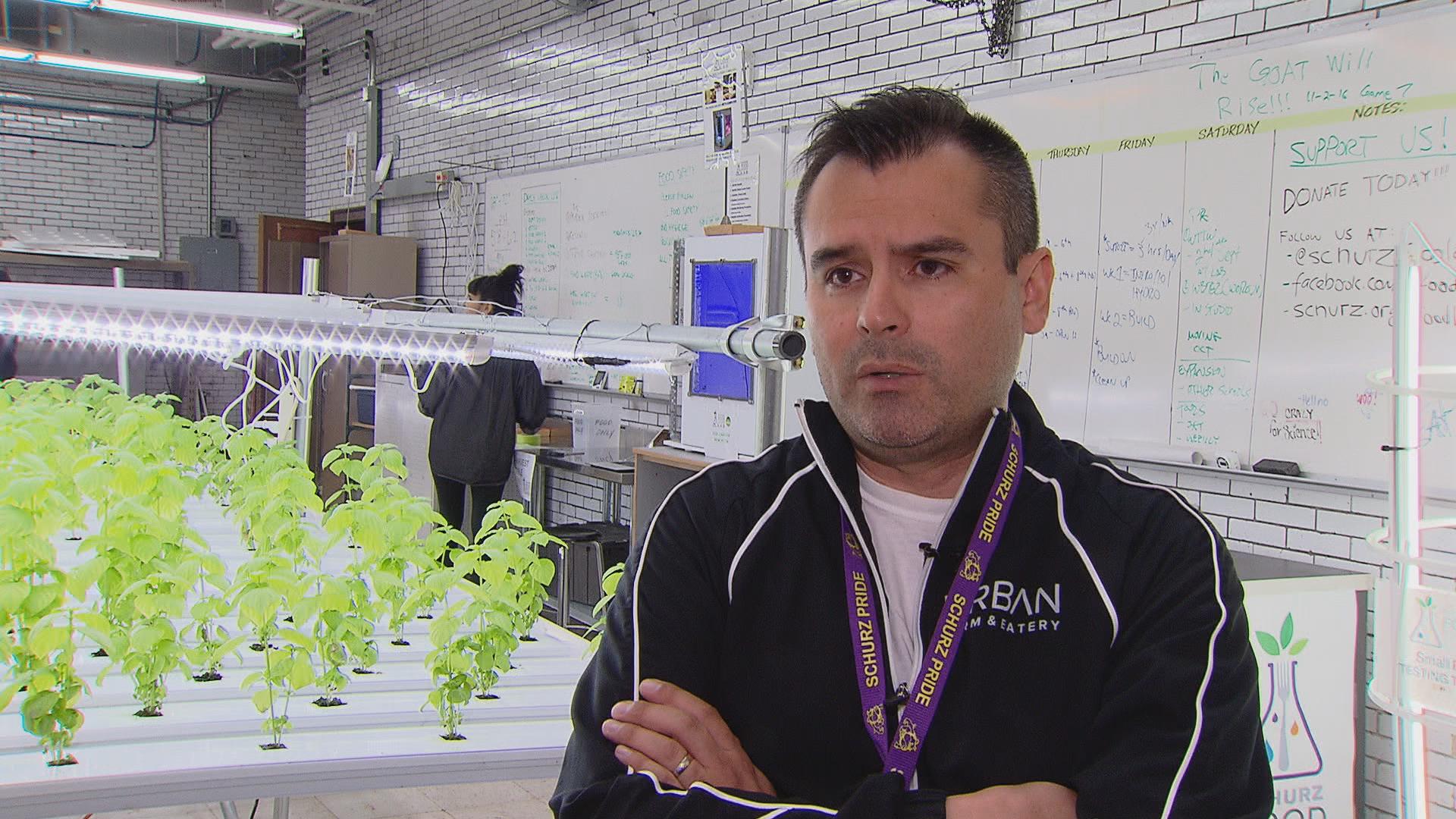
“Hydroponics farms are hot in Chicago, with new farms sprouting up all over the city. But finding experienced hydroponics workers can be tough, so a local chef decided it was time for Chicago to grow its own. His program in a Northwest Side high school offers students the chance to get their hands dirty – and wet – growing greens in a working hydroponics farm.”

Read the full article at: “ChicagoTonight.wttw.com

Gardening for Physical and Mental Health

“As well as providing exercise and boosting energy levels, gardening has a whole range of benefits for you to make the most of no matter what your age! Whether you have your own garden, flat, communal garden or an allotment, get outdoors and enjoy nature and start reaping all the benefits for your physical and mental health, which is especially beneficial for seniors for keeping fit and mobile.”

Gardening for physical and mental health


Read the full article at: “www.uksmobility.co.uk

Urban Farm Gives Innovative Look at Recovery Process

58b5e4416c533.image

“Gro Huntington is a healing urban farm located in a residential neighborhood in Huntington with a volunteer program centered around serving individuals in addiction recovery in the area. By working on the farm, individuals learn job skills and coping mechanisms to give them a better chance at a successful recovery, Harrison said.”

CLARK DAVIS / WV PUBLIC BROADCASTING

“Through gardening, clients will learn to provide. Through yoga and meditation, clients learn to cope.”

“Successful recovery comes from having those coping mechanisms established,” she said. “They know stuff is going to get hard but that they can ‘return to my breath and calm myself down.’ The other aspect of that is having a job established.”

To read the full story, visit: “Herald-Dispatch.com


Urban Farm Providing Affordable Healthy Options

“People in New Town said they just don’t have many resources for healthy living. That’s why, a  community garden through Urban Geoponics is hoping to change that by providing healthy food that are affordable.

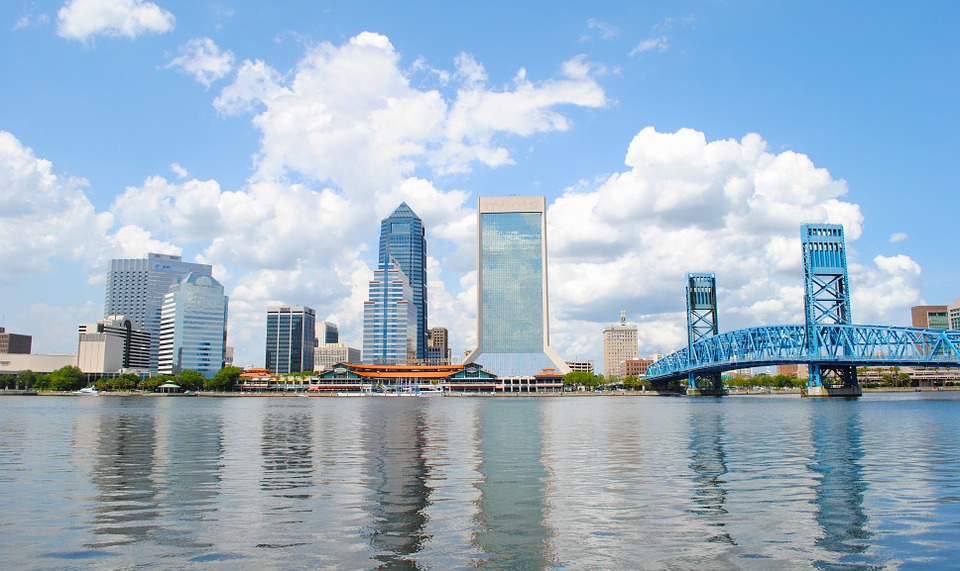
The garden is located at the Urban Farm at 3rd and Pearce streets in New Town.

“We have lemon trees, cocktail, broccoli, cauliflower trees…” said Urban Farm CEO Diallo Sekou.

Families unable to shop at a grocery store can get fresh fruits and veggies at a good price. There’s even an outdoor kitchen to teach better cooking.”

Read the entire article at: “News4Jax.com

D.C.’s Urban Farms Wrestle with Gentrification and Displacement

Dreaming-Out-Loud-2-1200x800

“If you’ve lived or worked in Washington D.C. over the last decade, the scale and pace of gentrification there has been impossible to miss. Over the last decade, the city has experienced a rapidly increasing demand for, and cost of, housing, similar to that in other knowledge hubs and “superstar cities” like New York, San Francisco, Seattle, and Boston.

In addition to all the good things that come with increased interest in density and urban living, those cities have been the hardest hit by displacement, a process that disproportionately affects poor folks of color. Everyone who lives or works in D.C. can palpably feel this slow-motion injustice, and we are all forced to grapple with it, whether we want to or not.”

“Everybody—wherever you go, no matter the educational background—sees what’s going on,” Xavier Brown told me. Brown is the founder of Soilful City, an urban agriculture organization in D.C. with the justice-centered mission of healing “the sacred relationship between communities of African descent and Mother Earth.”

To read the REST OF THE ARTICLE, visit: “CivilEats.com

Virginia Beach urban farmer maximizes ‘Nottalotta’ space to provide fresh veggies

IMG_2069

“Since the farm opened for business last February using a small plot of land owned by a family friend, Gerber has expanded the farm to two additional plots owned by neighbors. Getting started was no easy task, Gerber said. Because much of the land was covered in a thick layer of clay, which hindered plants from taking root, Gerber and her farming partner Art Amorese had to bring in loads of compost and horse manure to make the area more fertile.”

The work hasn’t stopped there. According to Gerber, tending the farm is a full-time job.

“I work on the farm seven days a week, even through the winter,” she said. “Because of the amount of time and work that goes in to growing each plant, I treat them like my babies. We’re a small farm, so losing just one plant is a very big devastation for me.”

Read the ENTIRE article at: “SouthsideDaily.com

Join the Urban Organic Gardener’s Monthly Garden & Seed Club

uog 1

Calling all Urban Organic Gardener’s! Did you know that right now is the perfect time to start planning your Spring/Summer urban gardens?

Our NEXT shipment will feature some of the most popular varieties to grow in warmer weather.

Our garden experts will build a custom curated collection of seeds & garden supplies designed around YOU – your grow zone – your garden space/location – and your preferences!

To receive a shipment for the month of March, you must join before March 4th at 11:59pm PST. Sign up now at: https://urbanorganicgardener.cratejoy.com

Urban Farmers Grow Crops in Brooklyn Parking Lot

Square_Roots_Web

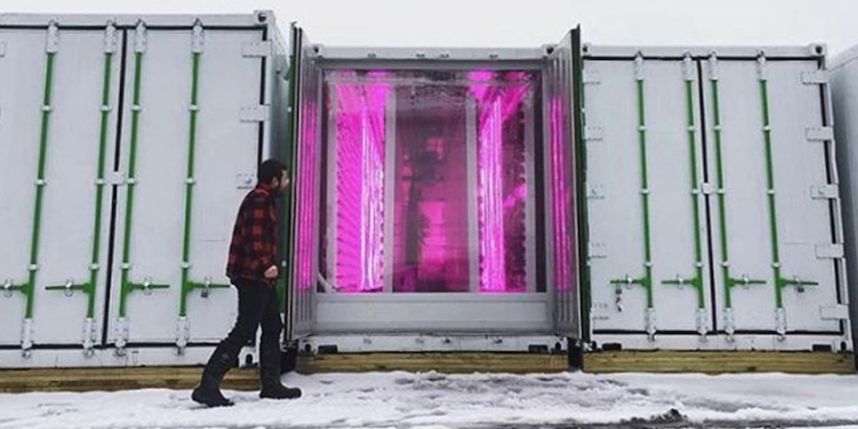
“These farms aren’t your traditional sprawling upstate acreage tended by laborers or a guy on a tractor in bib overalls. Set up near where Jay Z grew up, they’re 10 steel shipping containers converted into hydroponic vertical farms, meaning crops grow in tower formation with recycled water and without soil.

Inside the LED-lit modular containers are rows of panels sprouting pesticide-free plants in a controlled climate — so freezing temperatures and snow pose no problem. Each container produces an annual harvest equivalent to an estimated two acres of land.

Square Roots raised seed financing to build the campus, which cost more than $100,000. Then, 10 young farmers were chosen from more than 500 applicants for a yearlong stint that started in November.”

Read the entire article at: “Metro.us

Is this spherical vertical garden the future of urban farming?

GrowRoom-SPACE!0-1.png.838x0_q80
“Space10 wants to change the way we look at what’s on our plates now in preparation for what will potentially appear on our plates in the years to come as the global population increases, the threat of climate change worsens and the old, tried and true methods of food production are rendered unsustainable. And just a heads up: The future of food, as Space10 sees it, will involve homegrown micro-greens and deep-fried cricket bites.”

GrowRoom-SPACE10.jpg.653x0_q80_crop-smart

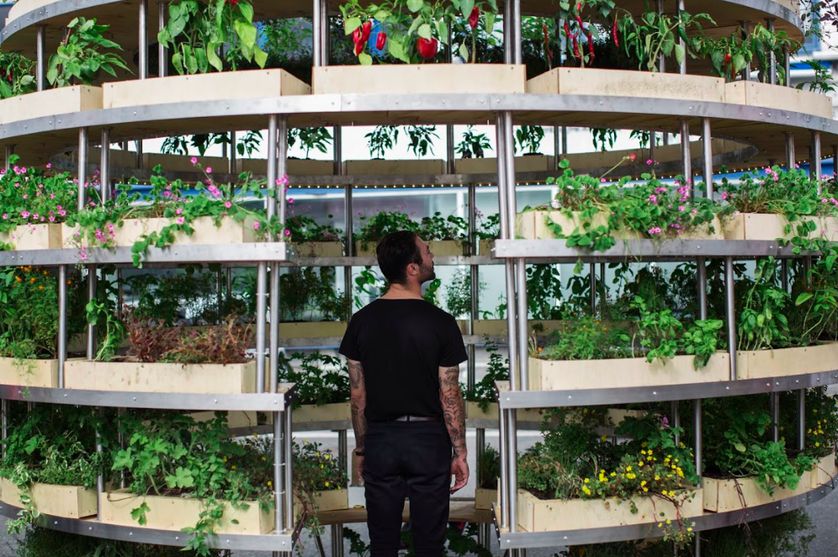
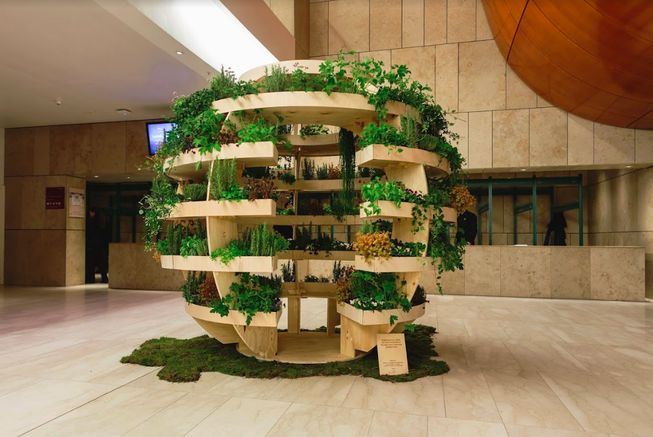
“Last fall, Space10, in collaboration with architects Sine Lindholm and Mads-Ulrick Husum, unveiled Growroom, an art installation-cum-urban farming solution that somewhat resembles an alien space pod that’s been merrily dragged through a veggie patch a couple dozen times. Bursting with fresh herbs and veggies, the Growroom is indeed a room — or more of a partially enclosed chill-out lounge/greenhouse hybrid of sorts, an oversized planter that pulls double duty as a public pavilion large enough to comfortably accommodate a small crowd.”

Read the full article at: “mnn.com

Urban Farming: A Food Desert Oasis

“KCET is working with community partners in El Monte and South El Monte to learn about the health and nutrition options available to residents in both cities and throughout the San Gabriel Valley and beyond.

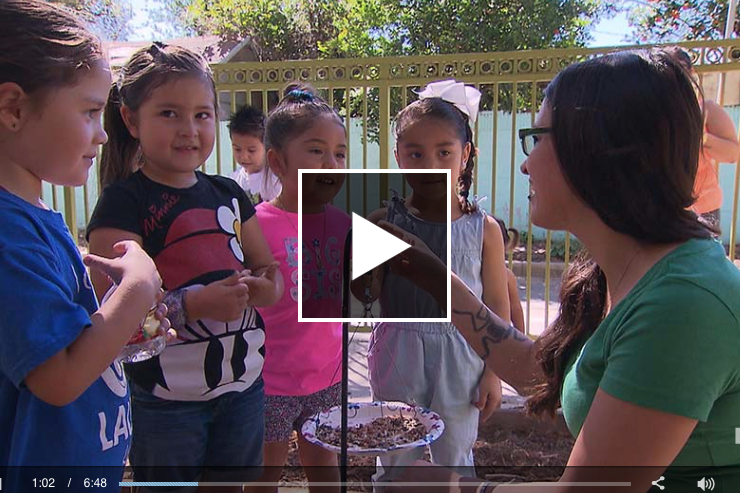
Can an urban farm make a difference in a community labeled a food desert? “SoCal Connected” goes to South El Monte where Earthworks, an urban farm, is changing the diets of families and children. Reporter Cara Santa Maria profiles the Morales family who has found that being a member of Earthworks is a way to return to their roots.”

Original article can be found at: “KCET.org

Sprawling Urban Garden Coming to San Antonio’s East Side

“The best way to trick kids to eat veggies is to get them to grow it. They see the entire process from seed to plate,” said Lucke, who added that a number of community partners have been working for at least two years to make this day a reality. “We knew that the east side was a food desert. We knew that the east side didn’t have access to fresh fruits and vegetables. And so having an urban micro-farm, we felt, would be a good step in the right direction.”

“One of the things that we heard from the residents was, ‘We don’t have enough access to healthy food options. We need to bring more of those here,’ and I think the urban farm is going to be part of that solution,” said Rosario Neaves with SAHA, who noted that from the youngest to the oldest, all neighbors will benefit. “It’s going to be great for families to enjoy together. It’s also going to create job opportunities on the east side and access to better overall healthier nutritious food.”

Read the entire article, here.

The Urban Farming Revolution / TEDx Talk


“Jesse DuBois is an urban agriculturalist. He moved to Los Angeles to become a screenwriter, but instead got caught up in reshaping the food system. He is the CoFounder and currently serves as the Chief Eclectic Officer for two start-ups: Farmscape, an urban farming maintenance company, and Agrisaurus, a web-based polyculture gardening assistant. Horticulturally, he is a big fan of the nightshade family.”