What is Diatomaceous Earth (DE) and How Can You Use It In The Garden as a Pest/Insect Repellent?


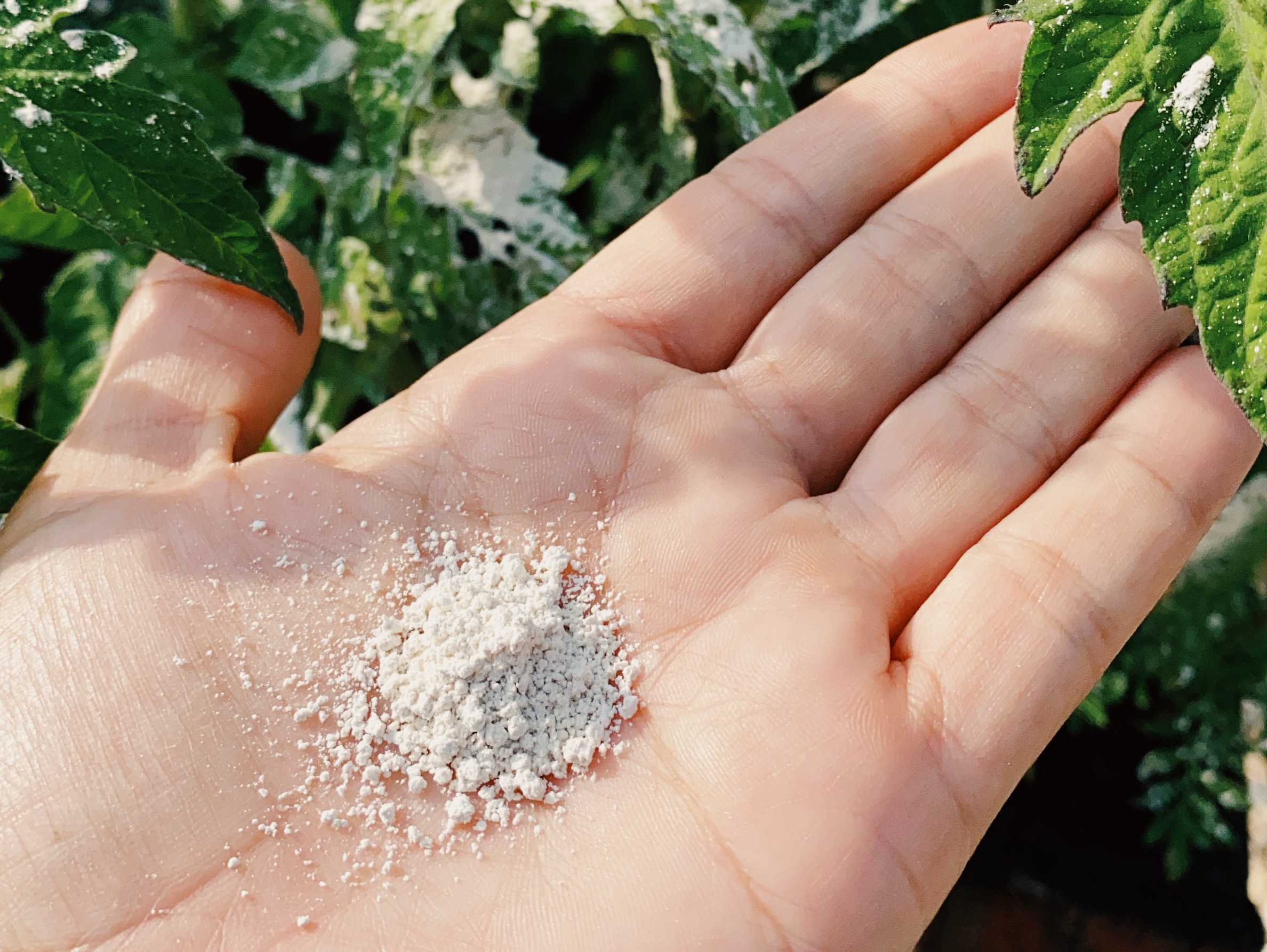
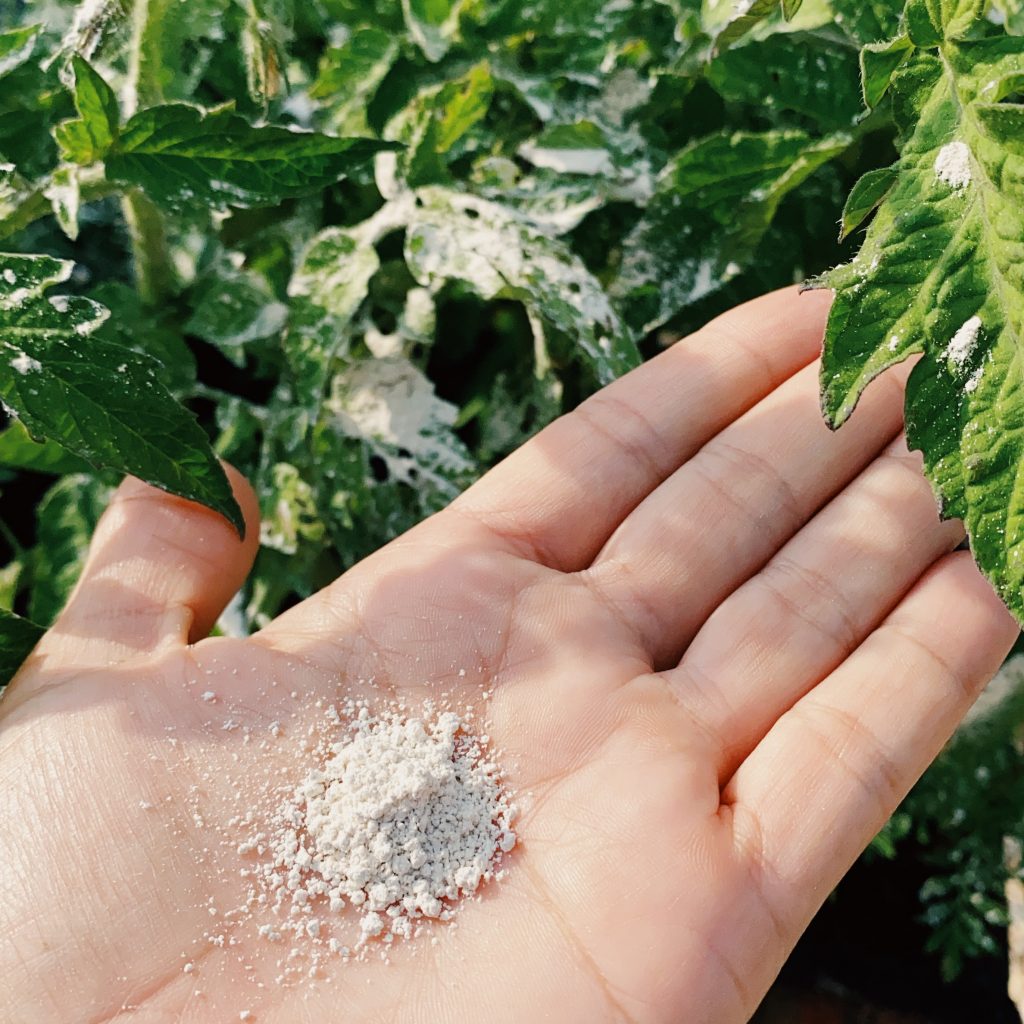
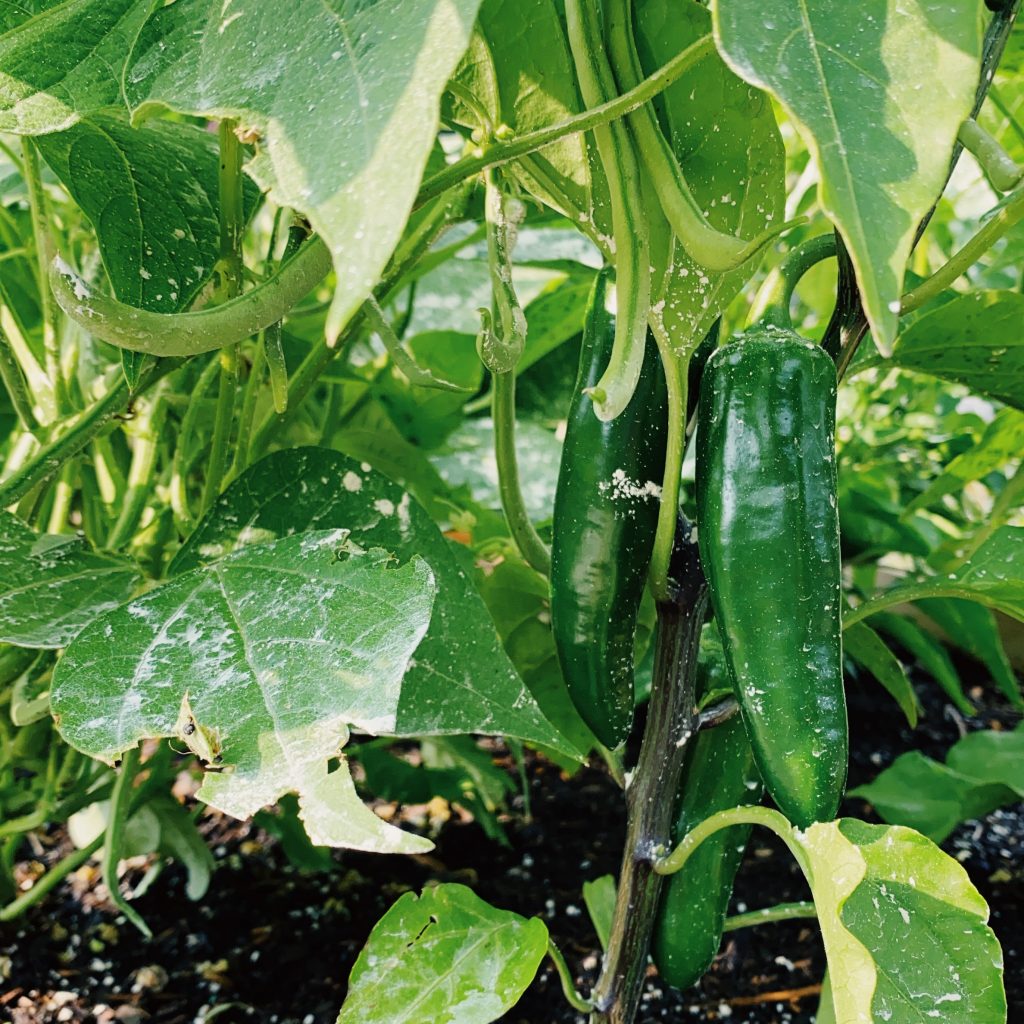
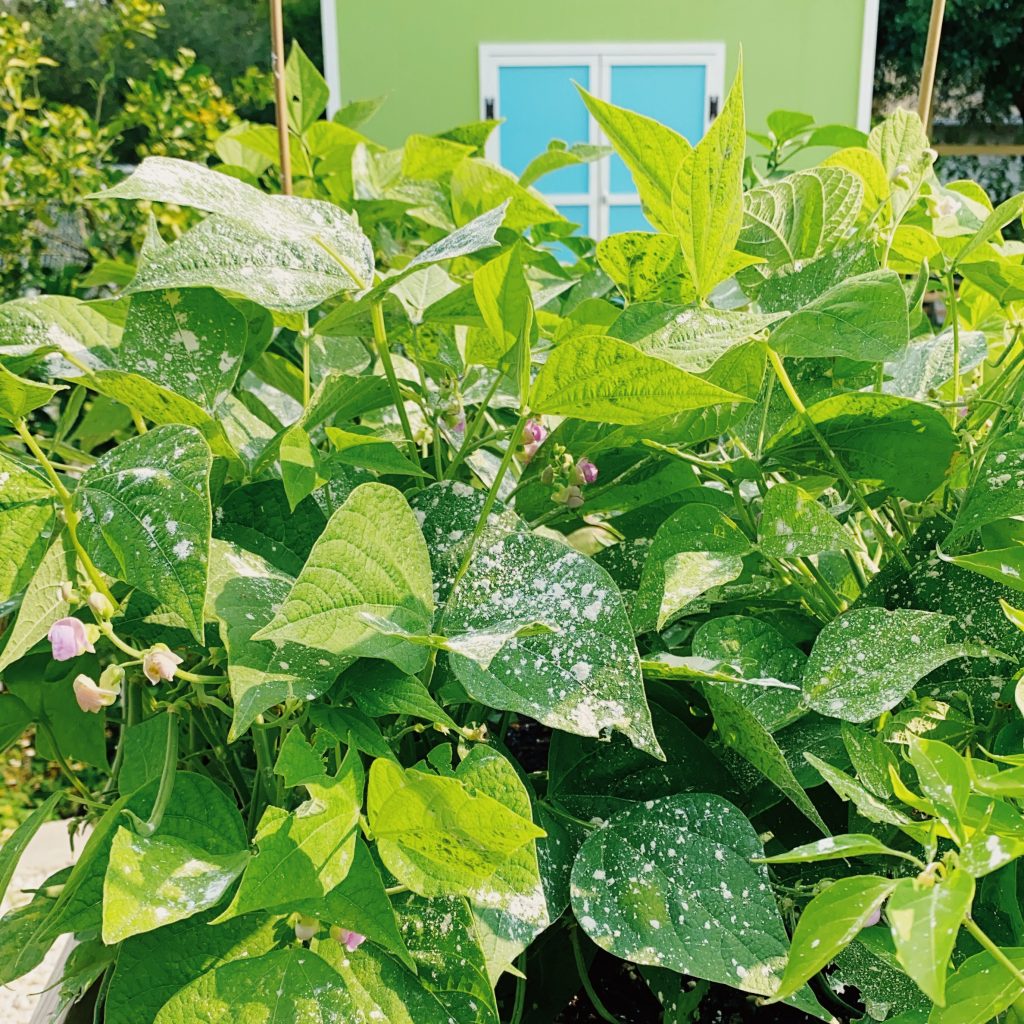
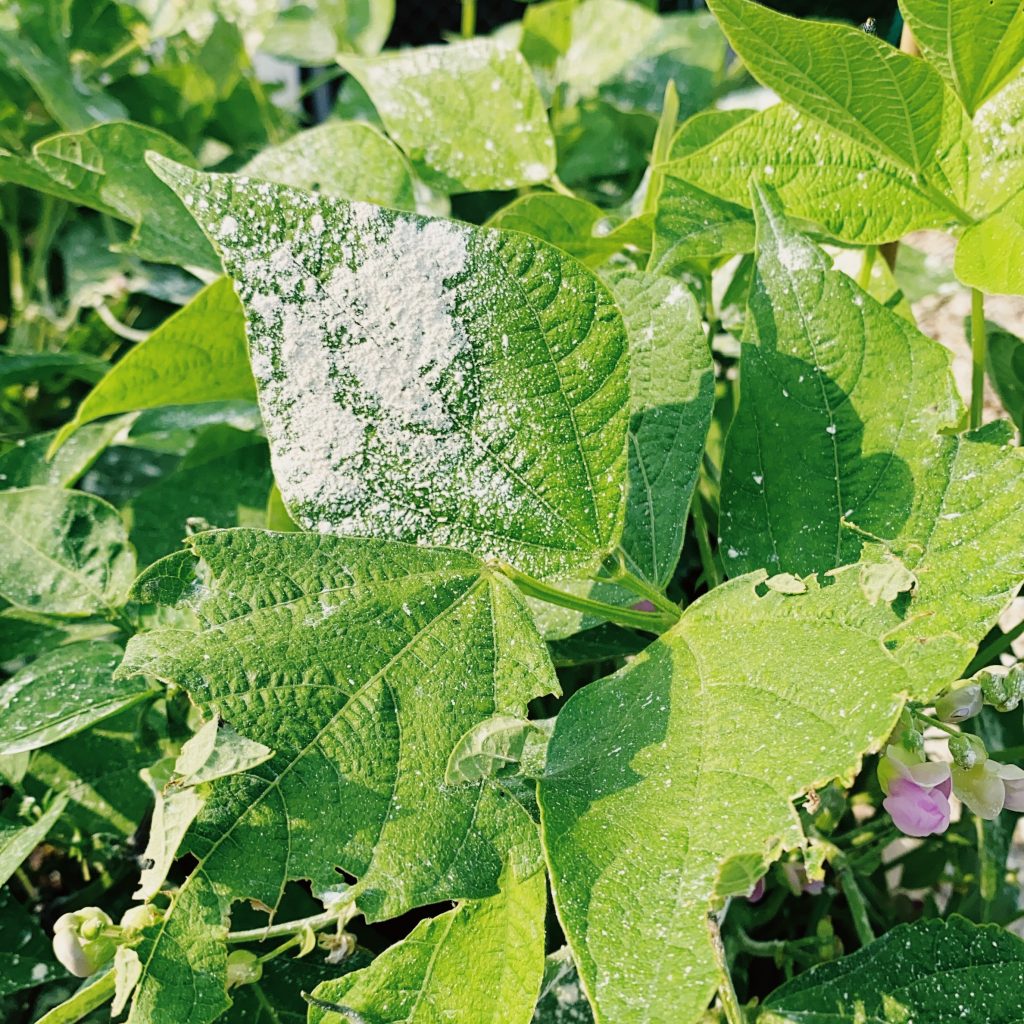
Diatomaceous earth is a naturally occurring, soft sedimentary rock that is crumbled into a fine white powder. Wondering how you can use DE in your garden? Well, as a natural method of pest control!

DE works at killing insects because the microscopic particles are very sharp and as an insect crawls over it, it gets cut. DE also can stick to the insect causing it to dry out.

Diatomaceous Earth is completely NON-TOXIC! Because it harms insects physically, and not chemically, it is very safe for you and your garden. Just remember to wear a mask, to avoid breathing in the dust particles.

It is very effective against slugs, beetles, worms, fleas, mites, spiders and MORE! Have you tried DE in your garden?

Learn more about ORGANIC PEST CONTROL: https://www.seedsnow.com/blogs/news/natural-pest-control

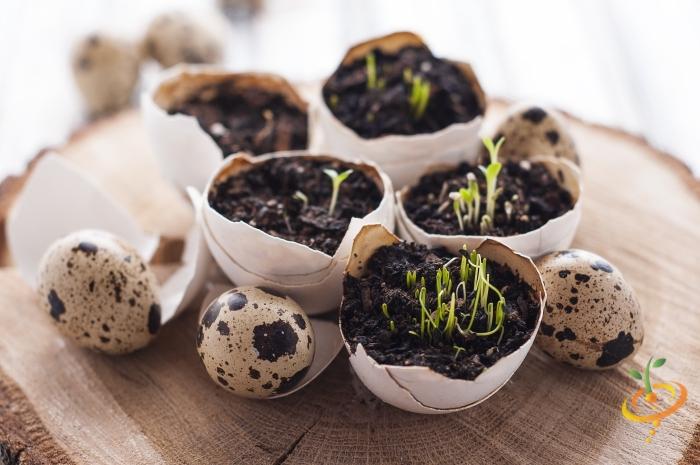
10 Uses For Eggshells In The Garden

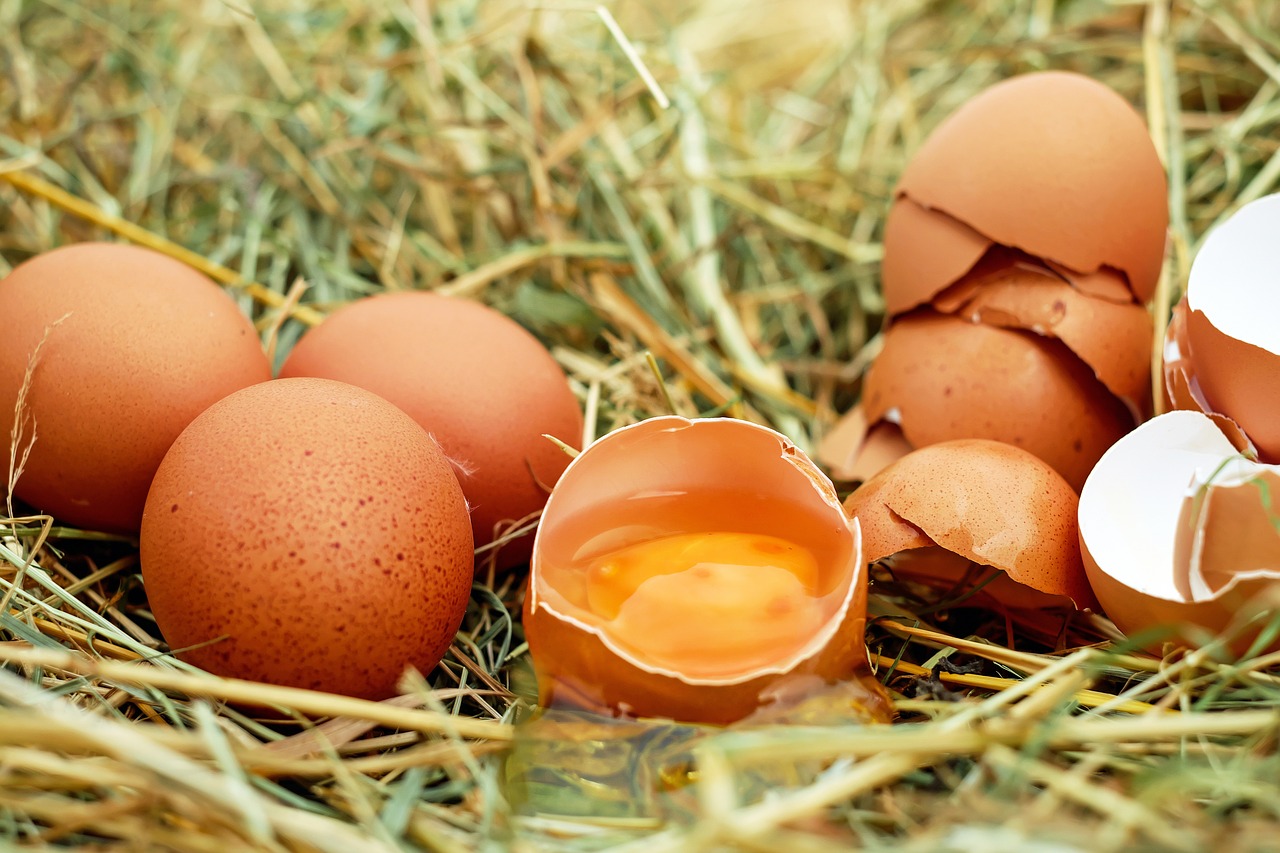
Whenever I cook or use up the eggs that are in my refrigerator, I always make sure to save the shells so that I can use them again for one of these many garden-specific applications. It doesn’t seem to take long to accumulate a huge baking sheet of eggshells that I can then bake to dry and clean.

Consider these tips for using eggshells, and implement them in your garden this spring.

#1. Fertilizer

Ground eggshells serve as a fantastic source of calcium for your plants. While you can put them into the soil or toss them out into your garden whole, it may be more effective for you to dry and grind them first.

This will help keep any scavenging pests away and also allow them to break down more quickly, releasing their nutrients back into the soil more rapidly.

Most people don’t realize this, but many soil types are deficient in calcium. This is especially true if your soil has been exposed to extensive tilling or has seen lots of cultivation in the last few years.

Calcium is vital for building healthy cell walls in a plant – which are essentially the “bones” of the organism. Plants need calcium for these cell wall s just as we need calcium for our bones!

Eggshells decompose quickly because they have a high surface area to volume ratio. To add eggshells to your soil, you don’t have to dry them first or even grind them up – although keep in mind that ground eggshells will break down more quickly.

While you can till calcium into the soil at any time during the planting season, there are two best times to add eggshells to your garden. The first is when you’re planting in the spring.

Simply grind up your eggshells into a fine powder, and then place them at the bottom of the hole before you plant. This will help all of your plants, but particularly tomatoes, thrive. You can even mix your eggshells with coffee grounds, which provide lots of nitrogen. Together, the two pack a powerful dose of plant-boosting nutrients.

You can also add eggshells in the fall or in the spring in their whole forms, but remember that they will take longer to break down. In addition to providing your soil with lots of calcium, eggshells can also reduce the acidity of your soil and provide a nice aerating effect – a must if you have heavy, compacted soils.

READ THE OTHER 9 USES HERE https://www.newlifeonahomestead.com

Do’s and don’ts for early spring gardening

“A warm day in March can inspire a kind of madness in gardeners. It can cause them to burst out the door, desperate after months cooped up by cold and snow, and start work way too soon.

“Be careful what you do right now,” said Sharon Yiesla, plant knowledge specialist at the Morton Arboretum in Lisle. “There are things it’s just too early for.”

Here are some do’s and don’ts for early spring gardening:

Do get rid of tree wrap. If you wrapped the trunk of a young tree to protect it from animals over the winter, unwrap it now. “Leaving tree wrap on too long can trap moisture and encourage disease,” Yiesla said.

Don’t walk on or dig in wet soil. “That can compact the soil, which smothers plant roots,” Yiesla said. “Compacted soil is a very difficult condition to correct.” Even as the soil thaws at the surface, a hidden layer of impermeable ice often remains below, trapping water like a soup bowl. Wait until the soil has thawed all the way down and water is draining freely through it before you start digging or even walking on any part of the yard, including the lawn.

Do force branches of flowering shrubs. Cut branches of forsythia, flowering quince or other spring bloomers and stand them in a vase of warm water to encourage them to bloom indoors. “Just make sure you prune carefully and leave the overall shape of the shrub looking good,” Yiesla said.”

READ THE REST OF THE ARTICLE at ChicagoTribune.com

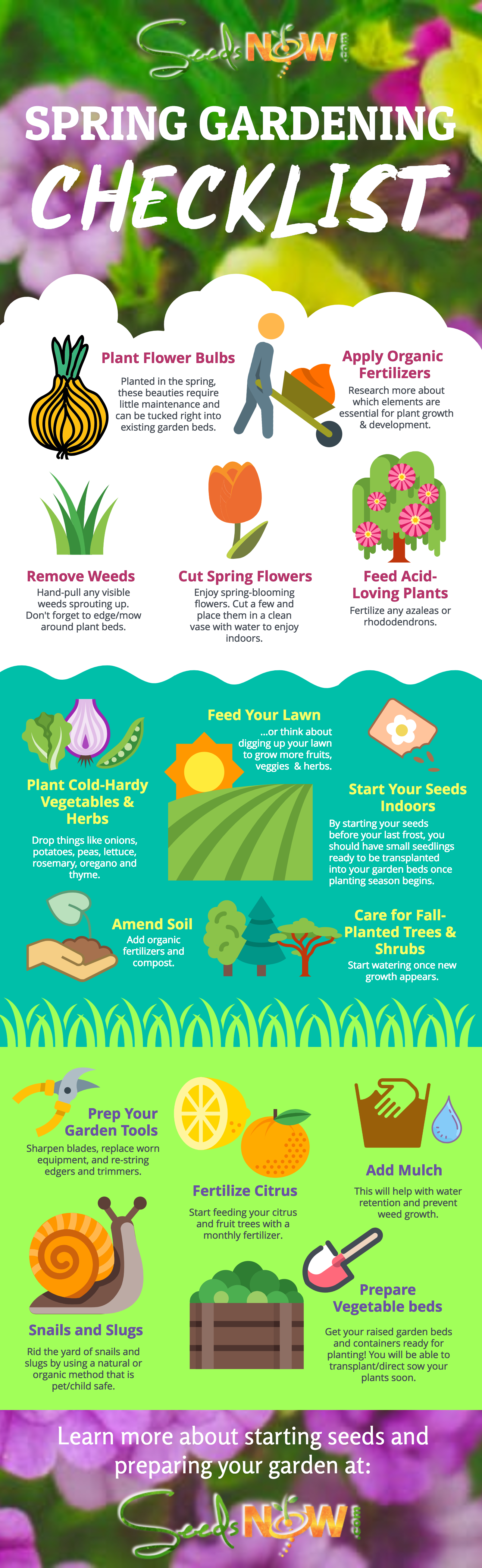
Spring Gardening Checklist


Spring will officially be here on March 20th and whether there’s still snow out where you are, or it’s already feeling like summer… Spring is a great time of year to start working on a few things in the gardening department.

In March, in addition to starting seeds indoors, gardeners with cold frames (see season extension techniques) may use them either to start an early crop of greens (especially spinach) or to start plants like broccoli that will later get transplanted outside the cold frame.

Each grow zone will be a little bit different when Spring finally does roll around, so we encourage you to do what you can and what the weather is permitting in your unique location.

Below is a list of chores that we’ve compiled to help give you some things to start thinking about this time of year.

  • Plant summer bulbs.
  • Read up on applying organic fertilizers.
  • Remove winter weeds and edge plant beds.
  • Cut flowers of spring-blooming bulbs and place them in water & a clean vase to enjoy indoors.
  • Feed acid-loving plants such as azalea & rhododendron.
  • Plant cold-hardy vegetables and herbs, such as onions, potatoes, peas, lettuce, rosemary, oregano, and thyme. (View more cold-hardy vegetables and herbs, here!) 
  • Feed your lawn with a high nitrogen fertilizer. (Or think about digging up your lawn to grow more fruits, veggies and herbs!)
  • Remove weeds before they flower, to keep them from multiplying.

  • Start seeds indoors. (Read our tips on how to start seeds indoors!) 
  • Amend soil by adding organic fertilizers and compost.
  • Water fall-planted trees and shrubs once new growth appears.
  • Sharpen hand tool blades, replace worn equipment, and re-string edgers and trimmers.
  • Fertilize citrus and feed it monthly thereafter.
  • Prepare vegetable beds for when the soil is warm enough to sow seeds or transplant tender plants. For tomatoes, that temperature is 55 degrees.
  • Deadhead spent spring bulb blooms leaving the leaves to continue to produce food that will be stored in the bulb for next year’s blooms.
  • Plant bare root trees and plants just as they are about to break dormancy.
  • Apply mulch around the base of trees. This will help with water retention and prevent weed growth.
  • Rid the yard of snails and slugs, using a natural or organic method that is pet/child safe.
  • Take cuttings of roses, azaleas & geraniums to start new plants.

25 Gardening Tips Every Gardener SHOULD KNOW!

1. If it’s getting cold and you have tomatoes still ripening on the vine — save your tomatoes! Pull the plants up and bring them inside to a warm dry place. Hang them up, and the tomatoes will ripen on the vine.

2. Companion planting is an excellent way to improve your garden. Some plants replenish nutrients lost by another one, and some combinations effectively keep pests away.

3. Paint the handles of your gardens tools a bright, color other than green to help you find them amongst your plants. You can also keep a mailbox in your garden for easy tool storage.

4. Compost needs time to integrate and stabilize in the soil. Apply two to three weeks prior to planting.

5. There is an easy way to mix compost into your soil without a lot of back-breaking work: Spread the compost over your garden in the late fall, after all the harvesting is done. Cover with a winter mulch such as hay or chopped leaves and let nature take its course. By spring, the melting snow and soil organisms will have worked the compost in for you.

READ THE OTHER 20 TIPS HERE: https://www.planetnatural.com/vegetable-gardening-guru/tips/

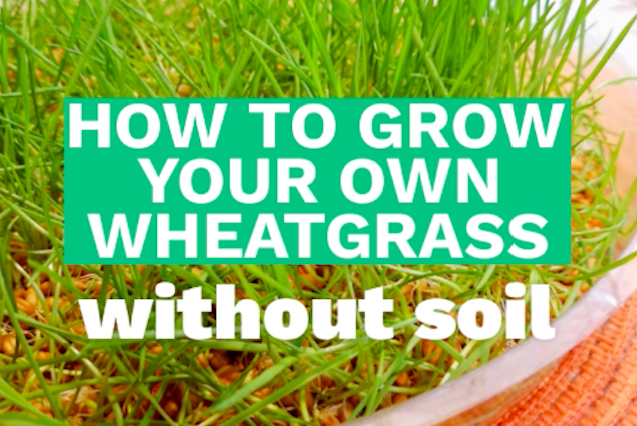
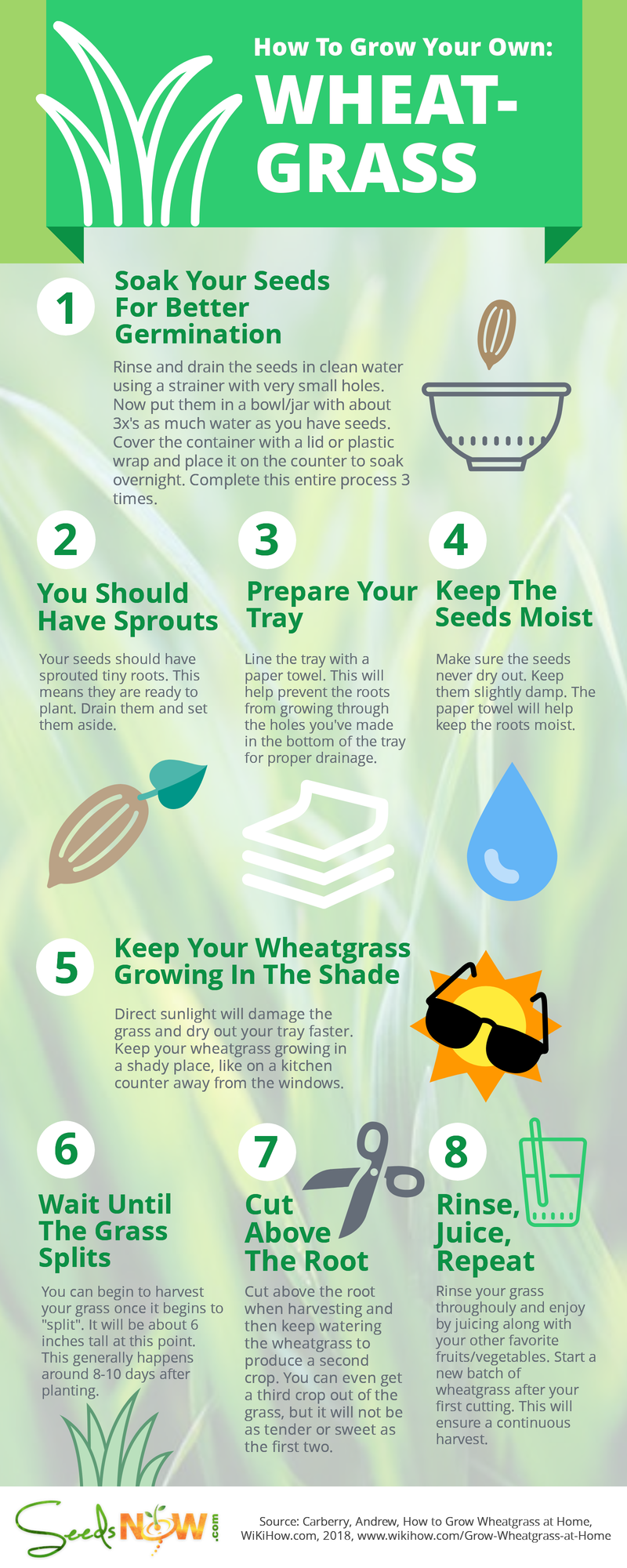
How To Grow Wheatgrass At Home *WITHOUT SOIL*

Growing your own wheatgrass at home is easy and fun to do – especially during the winter months!

There are a lot of different methods on how you can achieve this, so below we are going to share with you some of our favorite.

There are both soil and soil-less methods.  Today we are focusing on soil-less.  Make sure you choose which will work best for you.

Before you get started, purchase your wheatgrass seeds.

And this is how it’s done ….

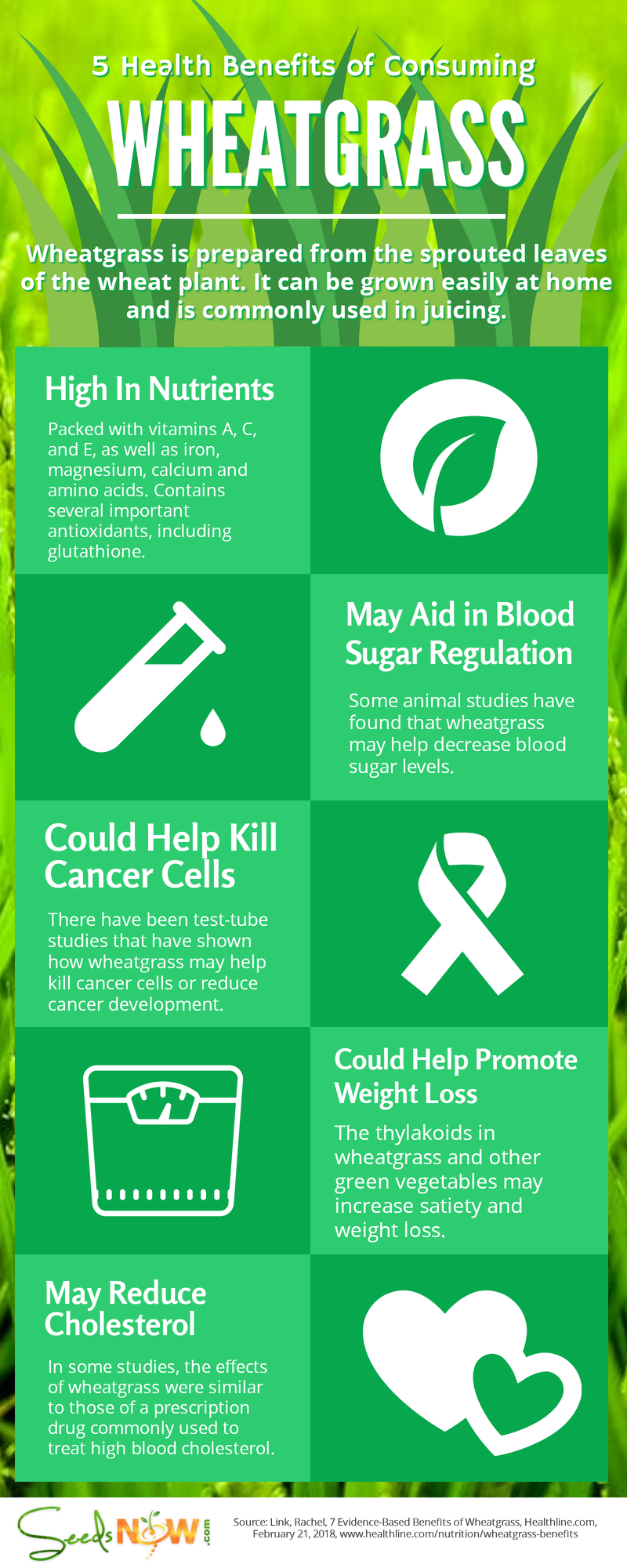
As you can see, wheatgrass can be easily grown and prepared at home.

Some claim it can do everything from detoxifying the liver to improving immune function & boost weight loss. Nevertheless, wheatgrass delivers many amazing benefits.

Now, let’s see what happens to your body if you drink wheatgrass daily …


We’ve talked about the amazing health benefits of consuming wheatgrass and showed you how to grow your own, now here are some great ways to enjoy your raw, healthy, nutrient-packed wheatgrass!

Check out these wheatgrass recipes:


Ready to start growing your own Wheatgrass? 
SHOP Wheatgrass seeds!

Grow a Fall/Winter Garden! Join the Monthly Seed Club, TODAY!

Fall UOG Seed Club GIF
ORDER BEFORE 11:59 PM PST November 4th to receive a shipment THIS MONTH! https://urbanorganicgardener.cratejoy.com/

Grow food ALL-YEAR-ROUND with us! Now is the perfect time to start stockpiling seeds for your fall, winter and even early spring gardens!All of our seed club members will be receiving varieties that are perfect for growing during the cooler months. Let us hand-select 5 varieties of heirloom, GMO-free seeds to ship to you EVERY MONTH!

TO LEARN MORE or SIGN UP just visit: https://urbanorganicgardener.cratejoy.com/


We’re on SNAPCHAT! [Let’s Get Snapping]

We want to be where our fans and fellow gardeners are, so we’ve headed over to snapchat and created an account! We hope you’ll share all of your awesome gardening successes/tips/and learning experiences with us over there.

Let’s be friends! Just use the snap code below to quickly and easily add us and see more great content from us, everyday!

SnapChat UOG IG


UOG SnapChat Logo

Top 100 Urban Blogs & Websites On The Web (UOG Made #6!)

architecture-2575511__480

Top 100 Urban Blogs And Websites On The Web
http://blog.feedspot.com/urban_blogs/

Congrats Winners!!

1. URBACT – URBACT is a European exchange and learning program promoting sustainable urban development. The URBACT Blog is a platform for sharing ideas on current urban issues and innovative solutions for cities in Europe and in the world.

2. Urban Survival Site – Disaster can strike at any time, so if you are unable to move out of the city, you need to know how to survive in the city. Follow this blog to learn about urban survival.

3. Urban Adventures – Stories about local life, city culture, and urban adventures.

4. Urban Travel Blog – Urban Travel Blog describes fresh ideas for city breaks in Europe and the rest of the world. Travel articles focusing on nightlife, trends, culture, and eco-tourism authored by expert travel writers, headed up by experienced travel journalist and editor Duncan Rhodes, who report on trends, experiences, festivals and nocturnal adventures in cities around Europe.

5. CityLab – Through original reporting, sharp analysis, and visual storytelling, CityLab informs and inspires the people who are creating the cities of the future—and those who want to live there.

6. Urban Organic Gardener –  (That’s US!) Urban-style organic gardening blog about growing your own food with limited space and creative resources.

Congrats to everyone who made the list! To see the other TOP 94 Urban Blogs CLICK HERE!

Join UOG’s Monthly SEED & GARDEN Club!

🍉 Get Seeds & Garden Supplies Delivered Every Month – Fully Customized Around You! We are now preparing our members for Fall planting season! 👏 Visit: www.UrbanOrganicGardener.club

Subscriptions are only $9.99/month + s/h.

💧🌱💧 NOW AVAILABLE: Options for RAISED BEDS -&- CONTAINER GARDENS -&- TOWER GARDENS – & – HYDROPONIC SYSTEMS💧🌿💧

We’re making it easy for everyone to grow organic food all-year-round! 👍

Ready to sign-up or just learn more? Visit: www.UrbanOrganicGardener.club

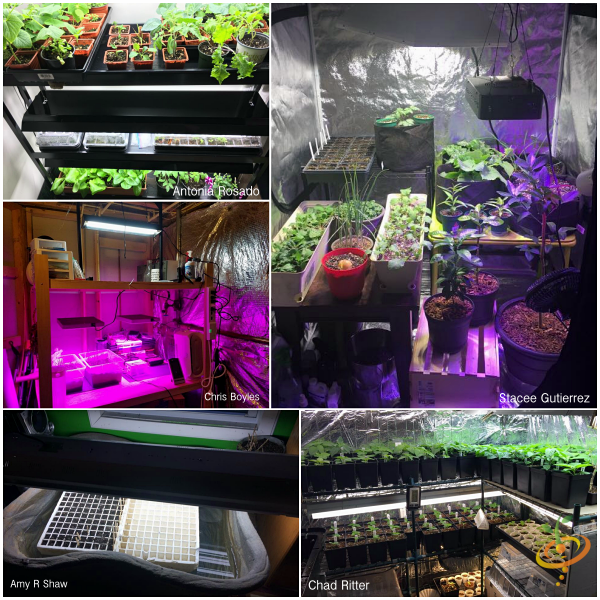
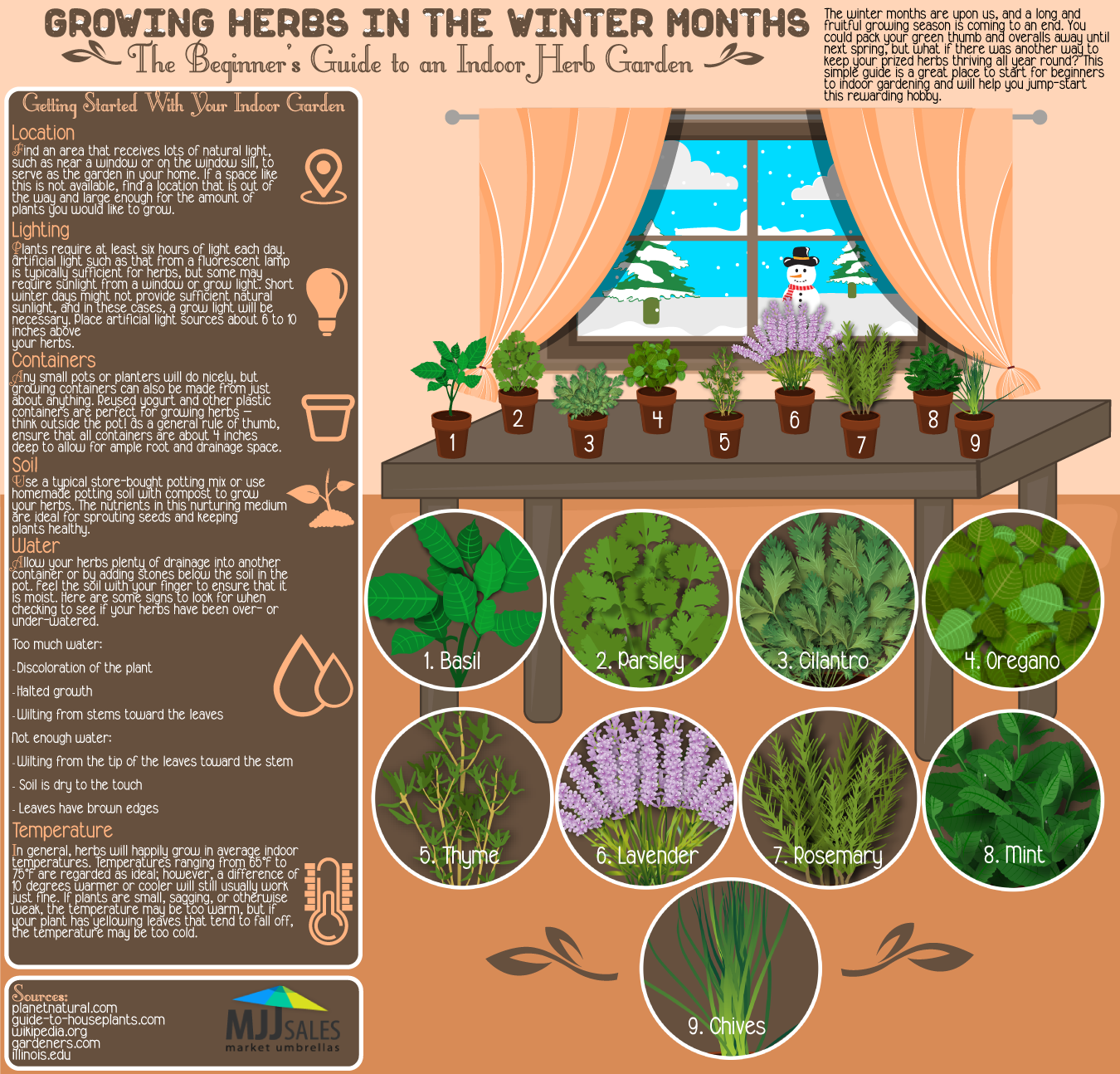
37 Edibles You Can Grow Indoors In The Winter

indoor-vegetable-garden-940x582
Live in a colder climate? Worry that because of freezing temperatures outdoors that you may not be able to garden like your friends in warmer locations? That’s not the case! There are actually many options that you can choose from when it comes to gardening fruits, vegetables and herbs indoors. “If you want to find out which goodies you can grow in pots, read: Indoor Vegetable Gardening: 37 Edibles You Can Grow Indoors In The Winter.”


“As you can see, there are many vegetables that can be grown indoors during winter, or in all seasons if you don’t have a garden at all. Now, you only have to decide which veggies you want to grow.”

Read the FULL Article at: “LoyalGardener.com

Get Your “Cool-Season” Vegetable Garden Off To a Great Start – Join the NEW UOG, Monthly Seed & Garden Club TODAY!

uog-gif
Last Chance! Must join before November 4th if you’d like to receive a shipment this Month. Shipments go out November 5th. Get seeds & garden supplies delivered to you at just the right time of the year.

🌱Fully customized based on your grow zone – garden specs – sunlight – and more. Get your fall and winter garden off to a great start with a hand-selected, customized selection of seeds for your area and garden type.

🌿Join now: https://urbanorganicgardener.cratejoy.com/

🌱This is the easiest way to grow an organic garden all-year-round with totally raw un-treated GMO-FREE seeds. We will guide you and your family on your way to living a healthier and more self-sufficient lifestyle. Join UOG today and let’s grow something together.

19 Frost Hardy Vegetables to Plant this Fall

Having a thriving vegetable garden doesn’t have to end when summer does. With a little bit of planning, and preparation you can grow vegetables well into the winter months or even year round if you live in a warmer climate down south. But regardless of where you live, there’s a few crops you can count on to withstand cooler temps, frost, and even sometimes snow.

Did you know that there are vegetables you can plant now that will only become sweeter and more delicious if they go through a frost?

When a frost comes into contact with a lot of these cool season vegetables, they naturally react to the cold and produce extra sugars which can make some of the more bitter tasting vegetables taste rather sweet.

Prepare now to have the garden you’ve always wanted during Fall/Winter! With these crops, put the fear of your plants being damaged or destroyed aside. When Winter weather rolls around, these vegetables will do well & actually THRIVE!

Here is a list of 19 Frost Hardy Vegetables you should plant this fall:

Source//www.SeedsNow.com

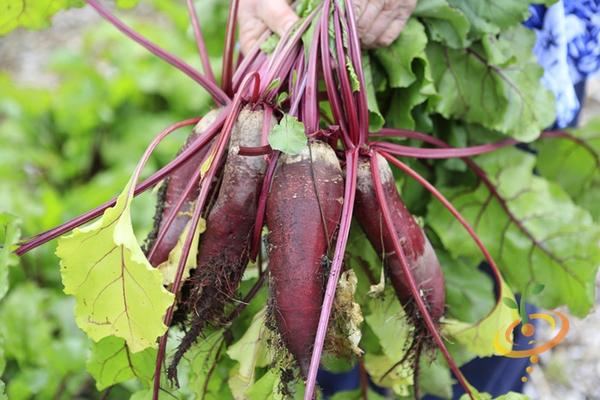
1. Beets

Although beets grow well during warm weather, the seedlings are established more easily under cool, moist conditions.

2. Broccoli

Broccoli plants thrive in cool temperatures, they have been known to survive temperatures as low as 28 F.

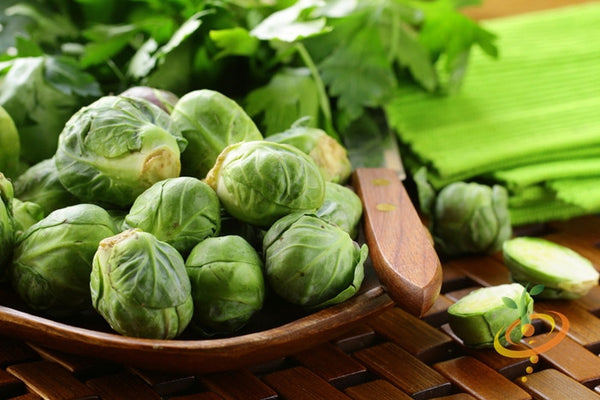
3. Brussels


The plant will withstand frost and can be harvested until a hard freeze strikes. The best-quality sprouts are produced during sunny days with light frosts at night.

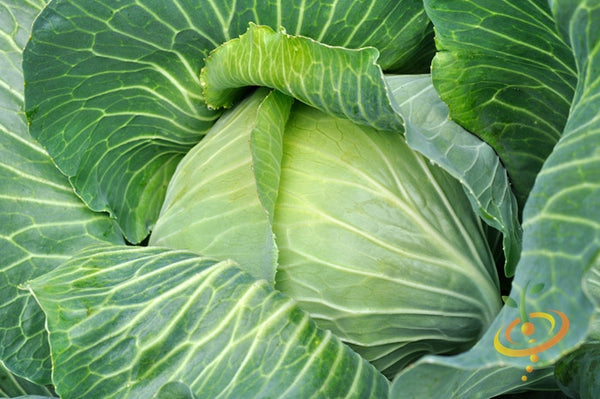
4. Cabbage

Cabbage can withstand frost down to 20 degrees or even 15 degrees F.


5. Carrots

Carrots can survive temperatures as low as 15 degrees Fahrenheit, but prolonged periods of cold results in long, pale roots.


6. Cauliflower

Cauliflowercan survive temperatures as low as 10 degrees Fahrenheit.


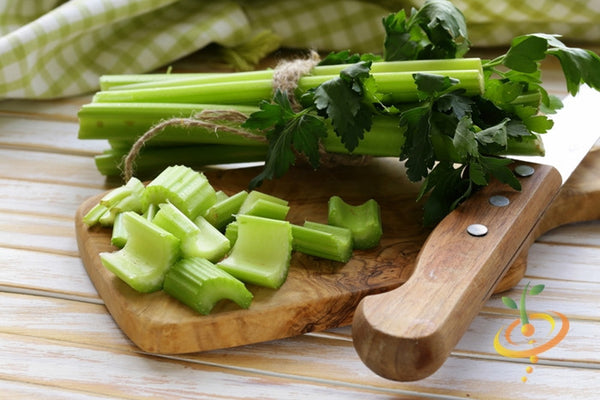
7. Celery

Celery tolerates light frost only.


8. Collards


Collard greens are the most cold resistant of any plant in the cold-hardy Brassica family.
Collards can withstand winter temps. down to 5 F. and they usually come through the cold even more flavorful.

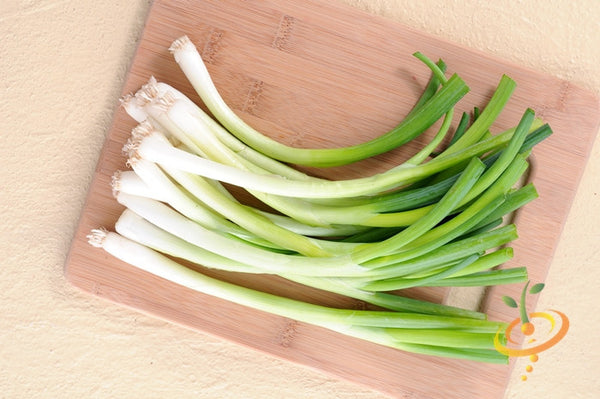
9. Green Onions


Onions are as hardy as they come. Frosts, freezing temperatures and snow will not kill them.

10. Leafy Lettuces

Frost damage on leafy vegetables doesn’t render the plant inedible like a disease. You can harvest non-damage parts by cutting away brown areas and edges that are frost damaged and save just the leaf parts that are uninjured and your plant will continue to grow.


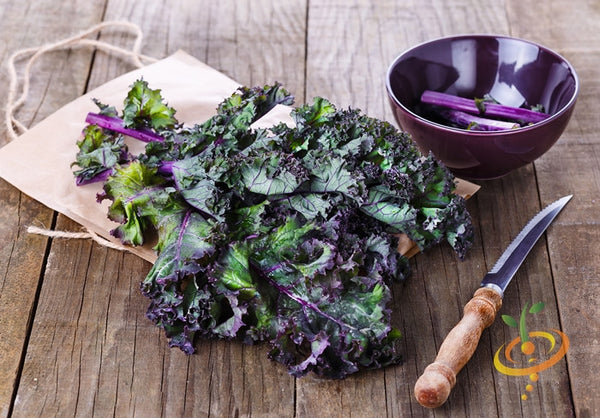
11. Kale

Snow can protect plants from extreme cold so that they stay in the garden longer. Kale is one of these plants! Very cold-hardy.


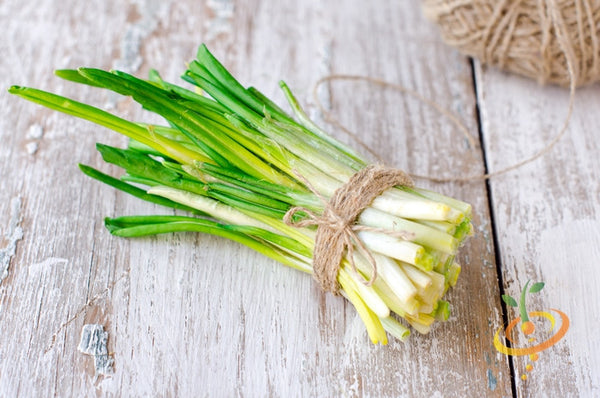
12. Leeks

Leeks are very cold-tolerant, most likely to survive plunges to 0 °F


13. Mustard

When spent days under the cover of snow they have been known to emerge in perfect condition once the snow melts.


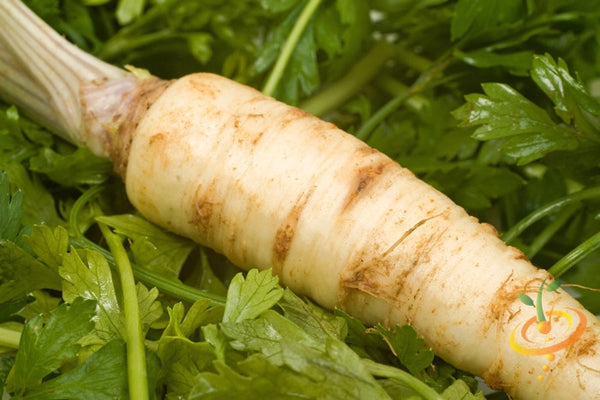
14. Parsnips

Parsnips are generally tolerant to 0 °F and will sweeten in flavor if hit with a light frost or two.


15. Radishes

Radishes thrive in the cooler weather when frost can be a threat to other crops. They can survive hard freezes as well.


16. Rutabagas

When exposed to light frost, rutabagas can actually taste sweeter. To extend the harvest season & protect the crops from heavier frosts, just add a thick layer of straw.


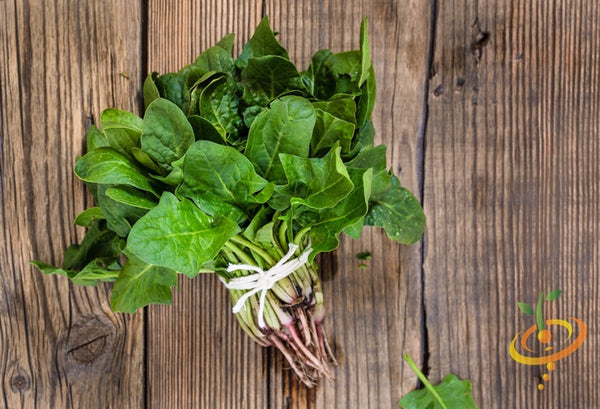
17. Spinach

Grows slowly through the winter but will always bounce back in early spring.


18. Swiss Chard

Swiss chard is very cold-tolerant, & can survive dips to 15 °F without any protection.


19. Turnips

Turnips lose much of their spiciness and accumulate sugar when they mature in cold weather.

A NEW SEED CLUB – Fully Customized Around YOU!

final seed club
Don’t wait, join the new Urban Organic Gardener’s Monthly Seed Club now! MUST JOIN BEFORE JULY 4th at 11:59pm PST to receive the next shipment. Sign up now at: https://urbanorganicgardener.cratejoy.com

For $10/month our garden experts will build a custom curated collection of seeds & garden supplies designed around you – your grow zone – garden space – and your preferences.

Includes everything you need to grow 5 new edible plant varieties every month – varieties can include herbs, vegetables, flowers, sprouts, micro-greens, bulbs, and more!

Join the rest of the UOG community and get growing now! We promise to make this a great experience for you and your family.

Plants That Naturally Repel Mosquitoes


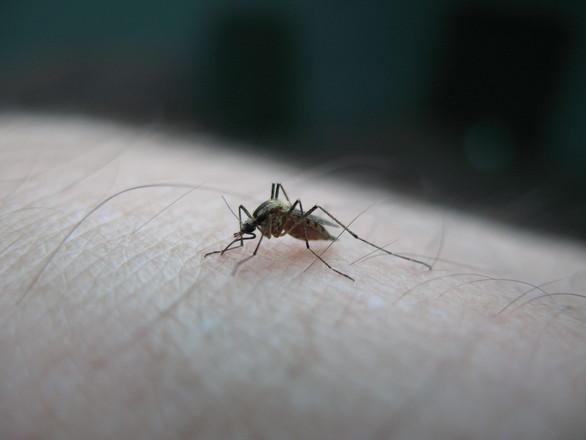
Mosquitoes can quickly ruin the enjoyment of your outdoor garden experience. Ordinary repellents are full of nasty chemicals that you probably don’t want to put onto your family, and bug zappers are annoying. It also can be debated, how effective candles or incense really is.

The threat of contracting a disease from a mosquito is very real. Not only are humans being infected with dangerous illnesses, so are animals including household pets. Over one million people are said to die each year from contracting diseases from mosquitoes. In the US, the most common disease is West Nile, but they also carry diseases like malaria, dengue fever, dog heartworm, chikungunya and the recent Zika Virus, which is responsible for outbreaks in tropical areas throughout the world and was found in 2015 for the first time in the Western Hemisphere. More can be learned about the Zika Virus, here.

To help keep mosquitoes from using your yard as a breeding ground, make sure you eliminate all standing water, trim back un-needed vegetation, and consider planting these mosquito repelling plants.

Plants that Naturally Repel Mosquitoes:

1. Basil

2. Catmint

3. Garlic

4. Lavender

5. Lemon Balm

6. Lemon Grass

7. Lime Basil

8. Marigolds

9. Pennyroyal

10. Rosemary

11. Tansy

12. Wormwood

Source: “SeedsNow.com

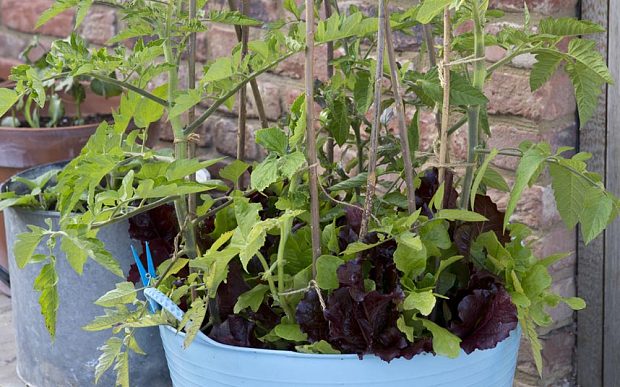
1 Container, 10 Crops. How To Grow Food in a Container Year-Round.

Cherry-Tomatoes_3230404b

Even if you’re short on space, or gardening in urban areas, you can still grow some of your own food and enjoy a year-round garden.  Container gardening can be very productive as long as you maximize your containers potential.  As long as you have one large pot, (we suggest 18″ or larger in diameter) you can grow “10 different crops in a single year if you combine compatible plants and plan the growing year carefully.” -source “Telegraph.uk.co

To Get Started, You will need:

• 1 large pot – a rubber tub bin is ideal or any plastic pot at least 45cm diameter

• Household drill and drill bit if no drainage holes

• Multipurpose, organic, peat-free compost

• A wigwam support made from bamboo canes or any strong flexible sticks such as willow

Click here to read the rest of the article on how to grow 10 different crops in one container! 

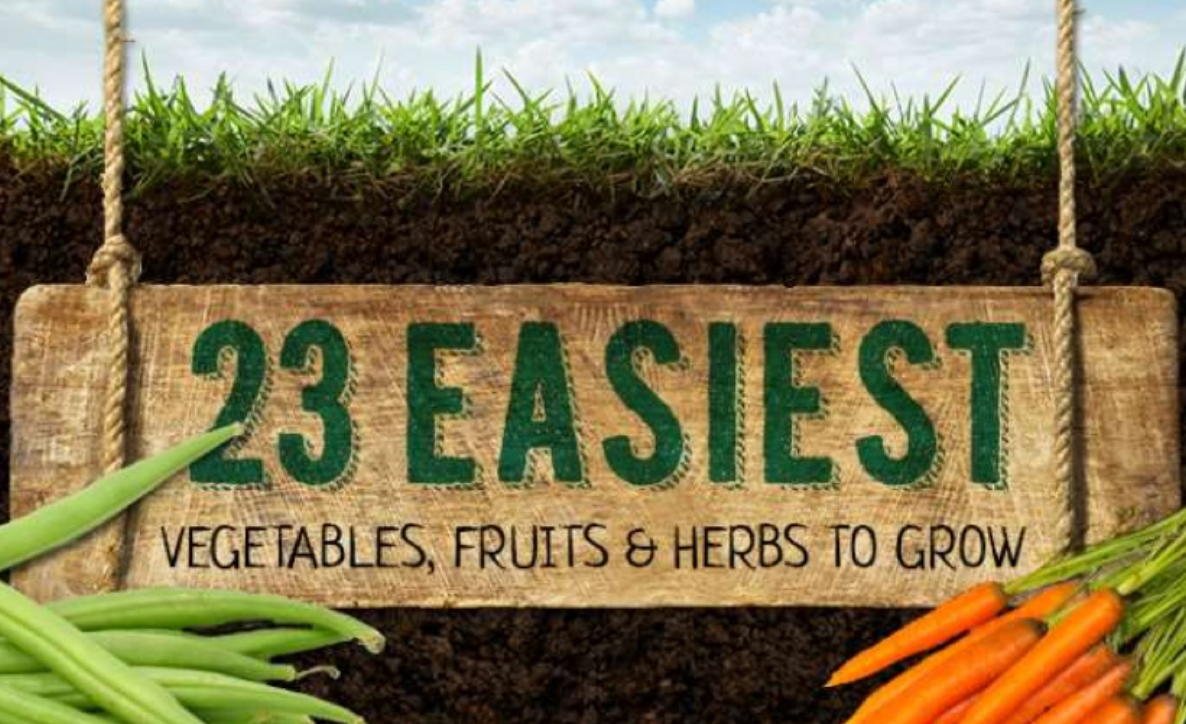
23 Easiest Vegetables, Fruits, and Herbs to Grow

From Visually by WebpageFX.


#1.  LETTUCE

Lettuce can be grown practically anywhere. Lettuce it is a cool-season vegetable, with an ideal temperature of 50-60 degrees. It does poorly in hot weather, and is tolerant to some frost and light freezes. The leafy types mature quickly and are more suited for warm climates. Cos is also more heat tolerant. It will prefer a little shade during the warmer part of the season. It can be grown year round with proper varieties, and some additional winter protection. Lettuce will generally grow best in the spring and fall seasons.

How to Grow Organic Lettuce from Seed

#2.  CARROTS

Carrots grow quickly at first, sending down a tiny orange root that expands and develops more quickly toward the end of its growing period. As with all root crops, rapid, steady development produces the best results. Keep the row weed free with light shallow cultivation or heavy mulching. The seedlings must have steady moisture to develop well, with less moisture as the roots mature. Too much moisture at the end of maturing will cause the roots to crack. To prevent greening the shoulders, hill up dirt around the greens.

How to Grow Organic Carrots from Seed

#3.  GREEN ONIONS & CHIVES

Chives are grown best in cooler weather, are cold hardy and usually are planted early in the spring.  Chives can quickly take over your garden if you allow the plant to go to seed. Chives are also very easily transplanted in case you wanted to dig up the plants and move them to another area. Sow your chive seeds directly into the soil as soon as it is workable and at least 60 degrees F.   Choose an area that is well drained, and add several inches of compost or organic matter around the plants to help fertilize the soil and to help cut down on weeds.

How to Grow Organic Chives (AKA Garlic Chives) from Seed

#4.  SPROUTS

The easiest method of growing sprouts is to use a Mason jar. The key is to provide plenty of fresh air to enter the jar and only cover the top with a mesh screen. Step 1: Soaking — For a quart-sized jar, put 1 ½ to 2 tablespoons of small seeds (up to 1 cup if using larger seeds like green peas or garbanzo) in the sprouting jar. Cover top of jar with cloth or sprouting lid and rinse the seeds in warm (not hot) water. Drain and refill so that water is about an inch above the seeds. Let the seeds soak 8-12 hours (overnight). Protect from light by covering with a dish towel or placing in a cupboard. Step 2: Rinsing — Rinse 2 to 3 times per day for 2 to 3 days. After thoroughly draining the rinse water, lay the jar on its side to spread out the seeds. Do not expose to light. After 2 to 3 days the sprouts should be filling up the jar.

Order Organic Sprout Seeds Online
#5.  GARLIC

Garlic can be planted in the spring as soon as the ground can be worked, but fall planting is recommended. Bulbs will grow bigger and more flavorful when you plant them in the fall.  Plant 6 to 8 weeks before your first hard frost.  In southern areas, February or March can be a better time to plant.

Guide to Growing Organic Garlic

#6.  ONIONS

Onions are easy to grow, have a fairly short growing period and take up little space in the garden. If you don’t have a vegetable garden, plant a few onions in your flower garden or in a pot or box and set them on your patio or in a sunny window.

Onions are a cool-season crop, hardy to frost and light freezes, although certain varieties are exceptions. They can be grown practically everywhere, and prefer a cool- season start. Onions are as hardy as they come. Frosts, freezing temperatures and snow will not kill them. They should have steadily moist soil and even growing weather to mature at a steady pace. Otherwise they bolt to seed or do not form good bulbs. High temperatures and low humidity are advantageous during bulbing and curing.

How to Grow Organic Onions from Seed

#7.  BROCCOLI

Broccoli is an annual cool-season crop hardy to frosts and light freezing, often overlooked and overcooked. Broccoli is sensitive to the heat, if the weather is too hot, it will flower quickly and won’t produce an edible head, it tends to grow best in the fall due to the more predictable cool weather. To prevent spreading clubroot and other soil-borne diseases, don’t compost brassica roots. Some gardeners won’t compost any part of the plant. Also, rotate the placement of brassica plants in your garden so they aren’t in the same 10-foot radius for at least 3 consecutive years. Some experts recommend a rotation of 7 years. Headed broccoli is the most common form in the United States, with big central heads closely packed with buds.
How to Grow Organic Broccoli from Seed

#8.  BELL PEPPERS

Peppers are easily second only to tomatoes as a home gardeners favorite. Try spot planting them around the garden for bursts of beautiful color too. Pepper roots don’t like to be disturbed, so plant them indoors in seed starting pellets two months before your last frost date, usually three or four seeds to a pellet.

How to Grow Organic Sweet Bell Peppers from Seed

#9.  THYME

Thyme can be grown in many climates.  It makes for an attractive and fragrant ground cover, and has fragrant, tiny flowers that the bees love. Grow thyme to attract pollinators for your garden.  Try using fresh thyme in meat dishes, incorporated into sausage, stuffing or your favorite soup recipe.  It also does very well in containers, both inside and outdoors. Plant seeds when the ground temperature has warmed to at least 70 degrees. Loosen soil and then sprinkle seeds on top.  Mist lightly, being careful not to allow the soil to become soggy.

How to Grow Organic Thyme from Seed

#10.  STRAWBERRY

#11.  ARTICHOKES

Artichokes have a preference for a long, frost-free season. They do not grow well when there is heavy frost or snow. The temperature should not be under 55°F at night. For best results, plant them on the average date of last frost for your area. Artichokes need rich, well-drained soil that will hold moisture. They also need as much sun as possible. 8 hours of sunlight is ideal.

How to Grow Organic Artichoke from Seed

#12.  RHUBARB

#13.  BEETS

Beets are an annual cool-season crop, half-hardy to frost and light freezes. They thrive in all parts of the country. Beets are closely related to spinach and chard, and once called “blood turnips” because of their bright red juice. Growing beets will provide delicious colorful roots and nutritious greens. Most beets are open-pollinated and multi-germ, where one seed yields a clump of 4-5 plants that need to be thinned.

How to Grow Organic Beets from Seed

#14.  BASIL

Basil is planted in the spring and dies at the first fall frost. It can be grown year-round indoors or in frost-free climate. Basil also needs daytime temperatures over 70° F and nighttime temps over 50° F. Basil thrives in warmer temperatures.  Sow your seeds outdoors in spring, after all danger of frost has passed. Basil needs at least 6-8 hours of full sun each day, so keep that in mind when choosing a location to start your seeds. Try to space your basil plants about 12 inches apart.

How to Grow Organic Basil from Seed

#15.  ZUCCHINI & SQUASH

Squash is a warm-season crop, very tender to frost and light freezes. Plan an average of 2 winter plants per person and two summer plants per 4-6 people. Summer squash can be grown almost anywhere, as the vines develop quickly. Harvest begins in 2 months. Winter squash requires a longer growing season and more garden space for sprawling plants. They generally do not tend to thrive in hot, dry regions where there is a limited water supply.

How to Grow Organic Squash & Zucchini from Seed

#16.  CUCUMBER

Cucumbers self regulate how many fruits they can carry at one time. In order to maximize production, harvest fruits as soon as they reach picking size. Pick daily, because under ideal conditions, cucumber fruits can double in size in just one day. Grow cucumbers where a long, warm growing season, minimum 65 days, can be assured. Cucumbers are a warm-season crop, very tender to frost and light freezing.

 How to Grow Organic Cucumbers from Seed »

#17.  GREEN BEANS

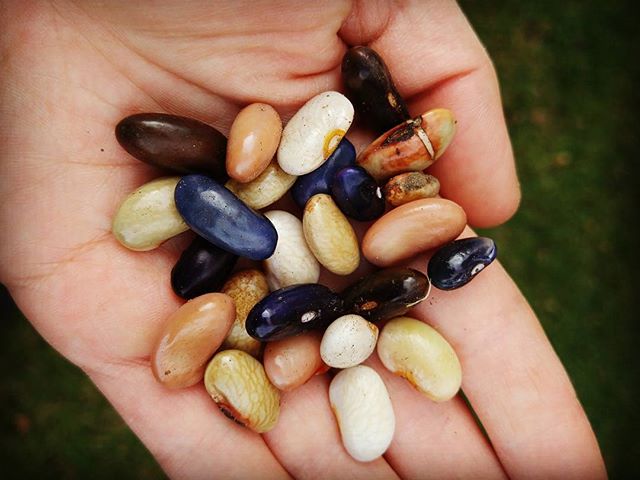
Beans can be grown in average soil, almost anywhere in the United States. They grow best if the soil is well drained and the summer is consistently warm. Seeds will rot in the ground in cold, damp weather. Plant seeds 2 inches apart, 1 1/2 inches deep in rows 2 feet apart. Thin to about 6-8 plants per foot of row. Bean plants produce the bulk of their crop for a 2 week period. Rather than plant the entire row, sections should be planted at 2 week intervals until mid-July or 8 weeks before the first killing frost. This will assure a steady crop all summer.

How to Grow Organic Green Beans from a Seed  »

#18.  MINT

Mint is said to be the easiest to grow out of all herbs. It’s great for beginning gardeners and grows best in zones 4-9.  Use Mint leaves to add flavoring to a wide array of food and beverages. It also serves as a natural pest deterrent around other vegetables.  Chewing on the leaves will freshen your breath and can calm an upset stomach. Mint is a hardy perennial that can really be started anytime as long as you’re about 2 months before your first Fall frost.  It also grows well indoors, year-round.  Start them inside in late winter, for your Spring planting, or wait until the soil warms up and sow the seeds directly outside in your garden.

How to Grow Organic Mint from Seed 

#19.  RADISH

Radishes are a fast growing, cool-season crop that can be harvested in as little as twenty days.  Eaten raw they can be whole, sliced, diced, or grated. You can also cook and pickle them. Most of them are typically eaten fresh, and make a good addition to salad or a substitute to pepper on a sandwich.

How to Grow Organic Radish from Seed »

#20.  TOMATO

The tomato is a warm-weather vegetable, it is very tender to frost and light freezes. Never plant near walnut family trees. The walnut trees excrete an acid that inhibits growth of nearby plants. Sow seeds using expanding seed starting soil pods about 8 weeks before the last frost date for your area. Seedlings will be spindly with less than 12-14 hours of light per day, try to keep them in a warm sunny location.

How to Plant, Grow, Harvest, and Save Organic Heirloom Tomato Seeds »

#21.  POTATOES

The ideal potato soil is deep, light and loose, a well-drained but moisture retentive loam. Most potato varieties are very aggressive rooting plants, and are able to take full advantage of such soil. In ideal soil, potatoes can make incredible yields. Fortunately, the potato is also very adaptable and will usually produce quite well even where soil conditions are less than perfect.

How to Plant, Grow, and Harvest 
 Organic Potatoes from Seed »

#22.  KALE

Kale is a very easy vegetable to grow. It is generally more disease and pest resistant than other brassicas. Kale also occupies less space than other brassicas. Use it as a spinach substitute in a wide variety of dishes. Kale maintains body and crunch which makes it a good substitute in dishes where spinach might not be suitable; its especially delicious in stir-fry dishes. It is recommended to cook over high heat to bring out the best flavor and prevent bitterness.

Many specialty growers are planting kale in wide beds only 1/2 to 12 inches apart and harvesting kale small as salad greens. In England, close plantings of kale have been shown to prevent aphid infestations through visual masking.

#23.  MICRO-GREENS

Each and every living seed will grow into a plant. It’s when that seed begins to grow (germinate) that we call the beginning growth stage of the plant a “sprout”. They are a convenient way to have fresh vegetables for salads, or otherwise, in any season and can be germinated at home or produced industrially. Sprouts are said to be rich in digestible energy, vitamins, minerals, amino acids, proteins, and phytochemicals!

Order Organic Sprout Seeds Online