
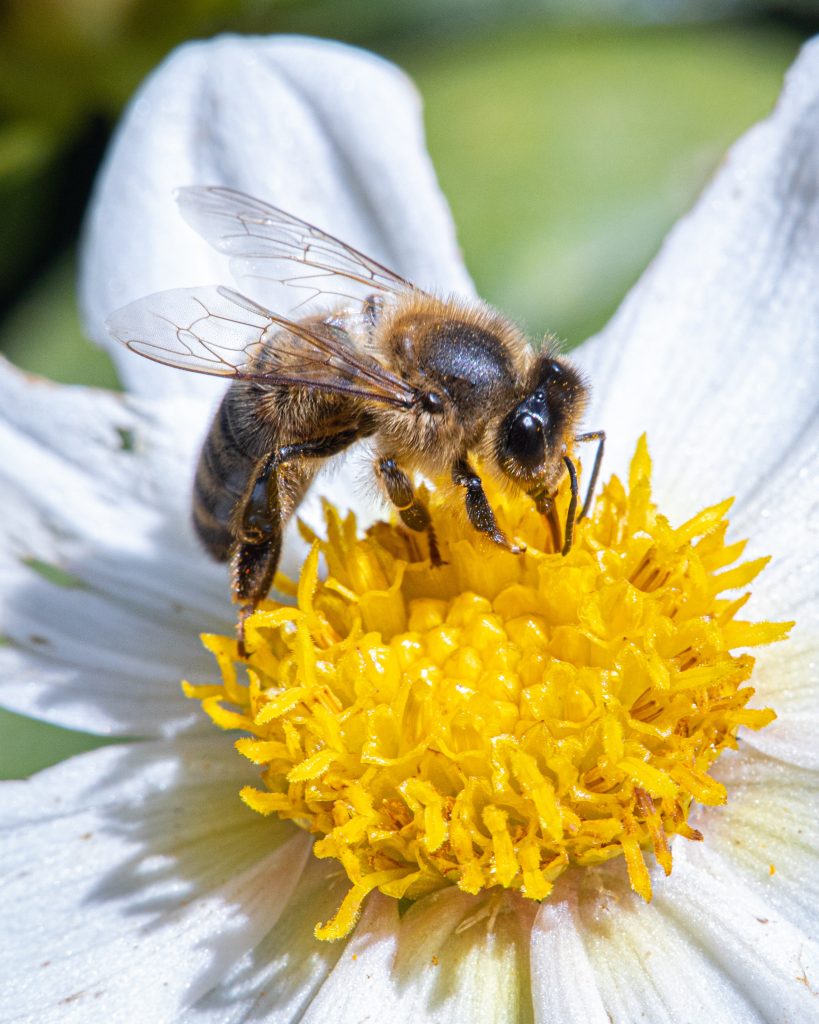
Insecticides the Pesticide Industry Said Were “Safer for Bees” Found to Stress and Kill Honey Bees

sebastien rosset  | @metanephros

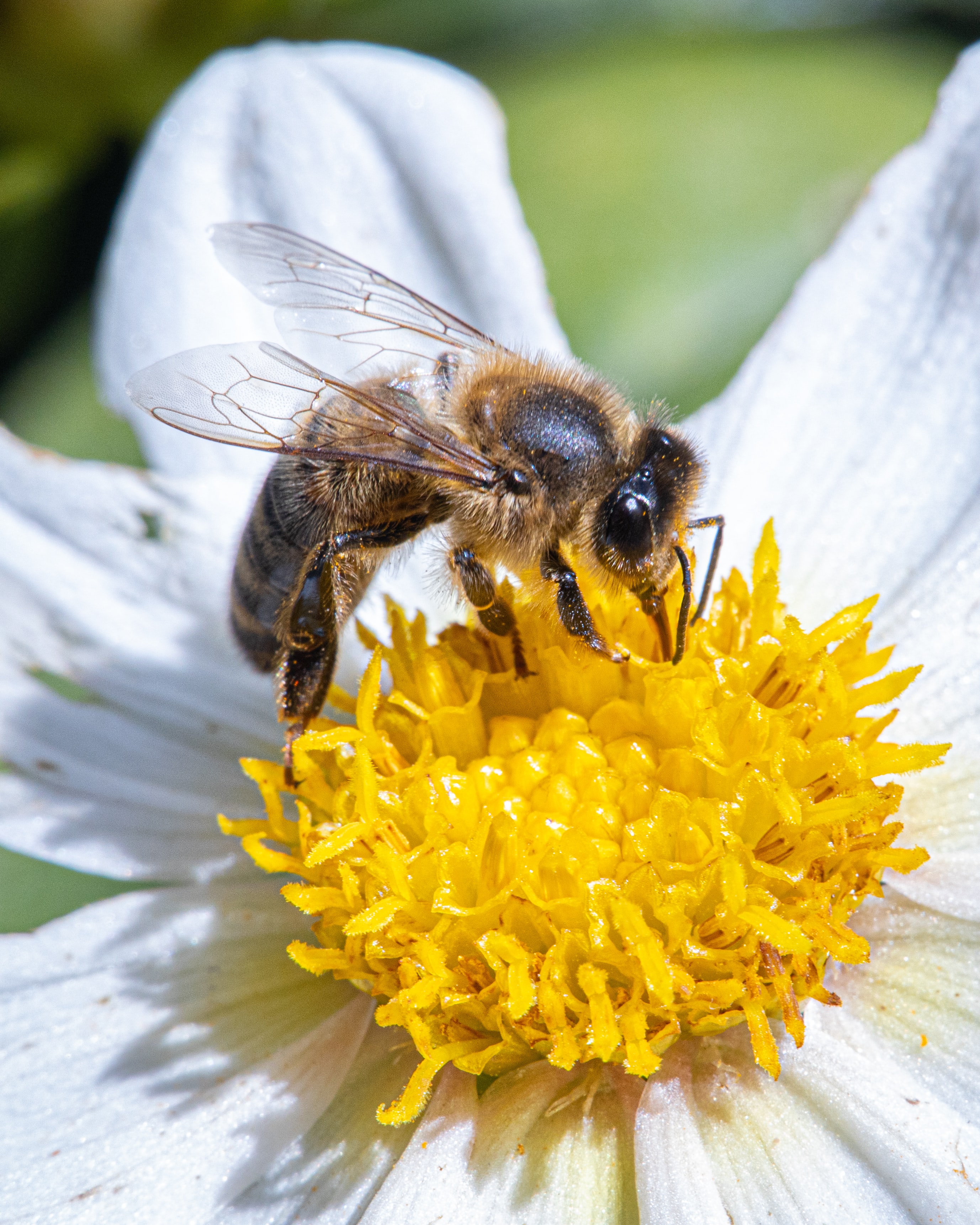
The study indicates that, “With the recent Environmental Protection Agency (EPA) approval for use of both flupyradifurone and sulfoxaflor, and with the growing concern regarding pollinator health, it is important to better understand any potential negative impacts (especially sub-lethal) of these pesticides on bees.” However, this statement begs the question ‘why these two new bee-toxic pesticide were approved by EPA in the first place.’

This process is familiar and frustrating to those who continue to fight against the decline of pollinators: the chemical industry introduces and EPA approves new toxic pesticides marketed as “safer” to the specific problem caused by its older products, only to find out through independent and academic research that the problem is not solved in the least.

READ THE FULL STORY: https://beyondpesticides.org/dailynewsblog/2020/06/insecticides
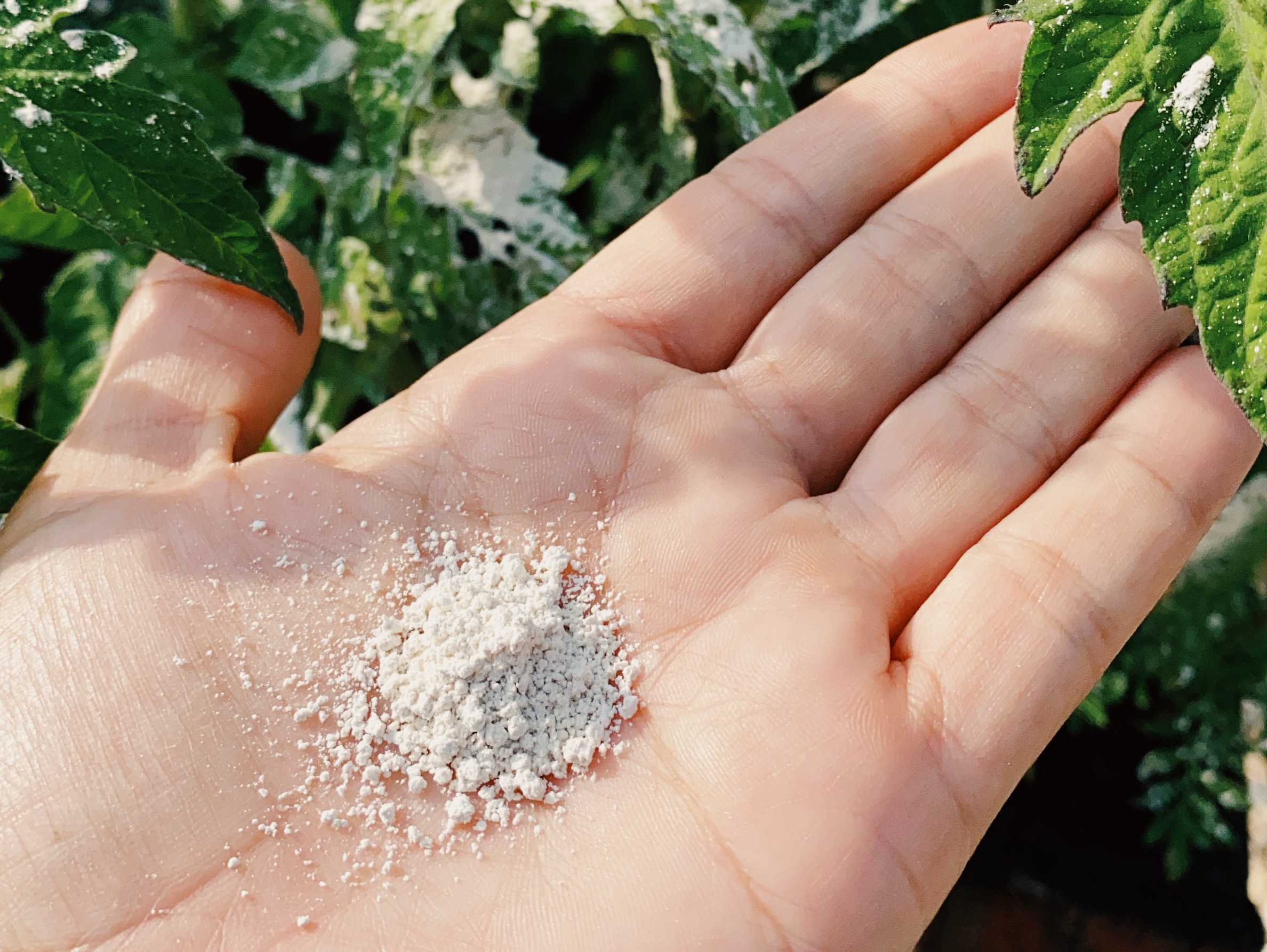
What is Diatomaceous Earth (DE) and How Can You Use It In The Garden as a Pest/Insect Repellent?


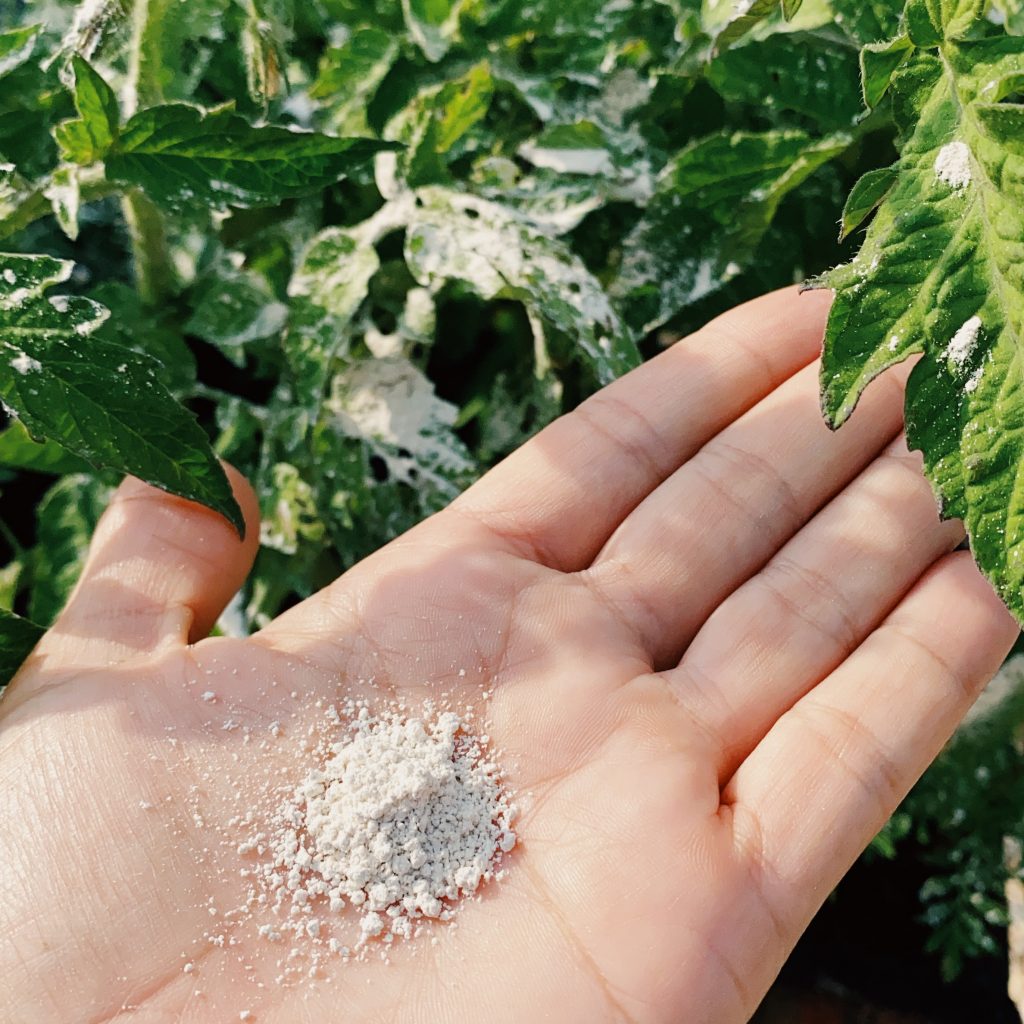
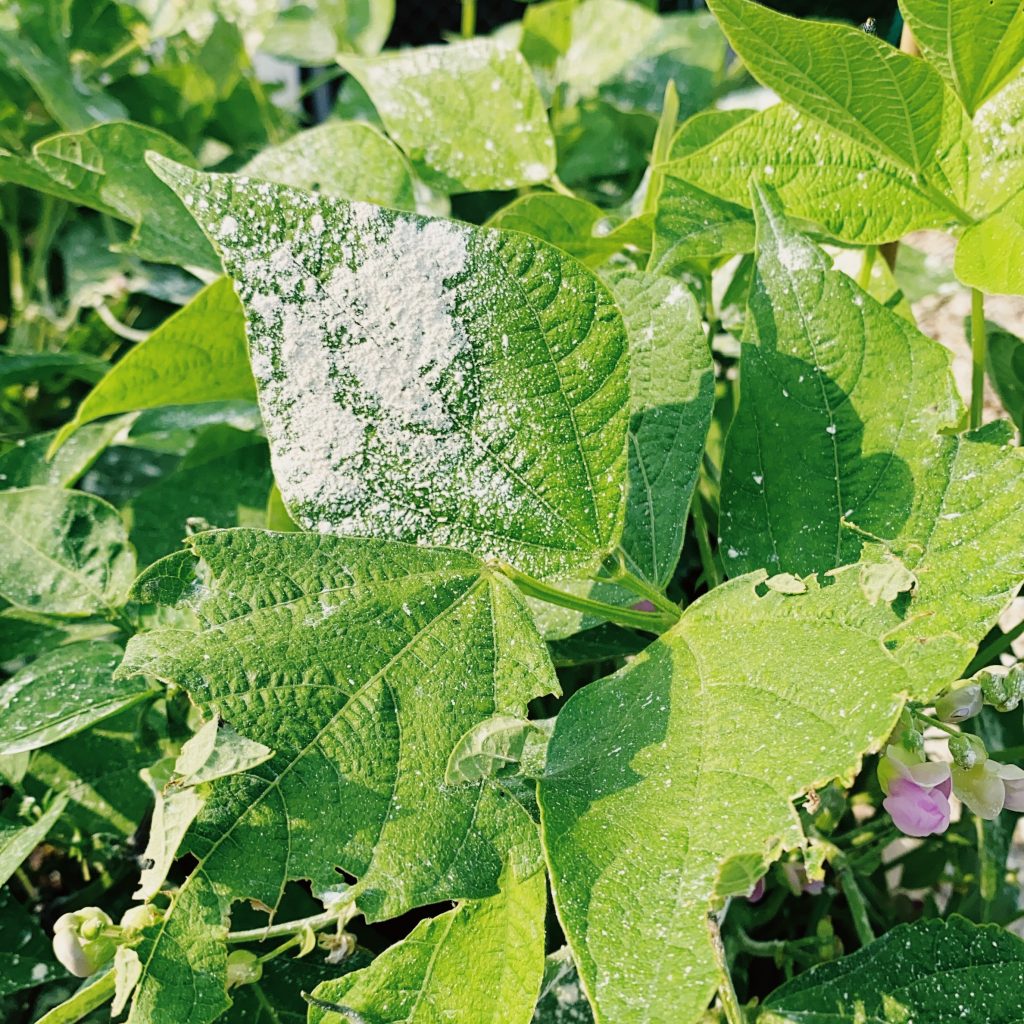
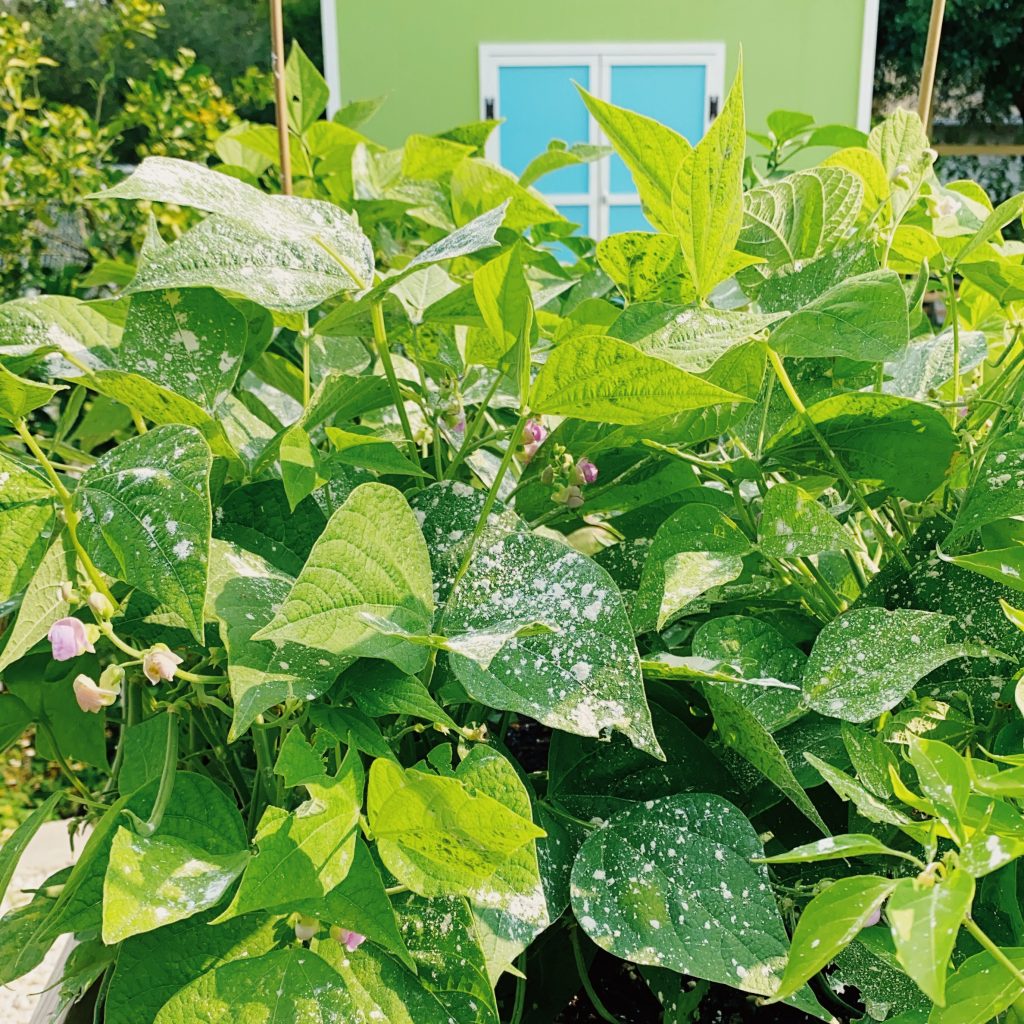
Diatomaceous earth is a naturally occurring, soft sedimentary rock that is crumbled into a fine white powder. Wondering how you can use DE in your garden? Well, as a natural method of pest control!

DE works at killing insects because the microscopic particles are very sharp and as an insect crawls over it, it gets cut. DE also can stick to the insect causing it to dry out.

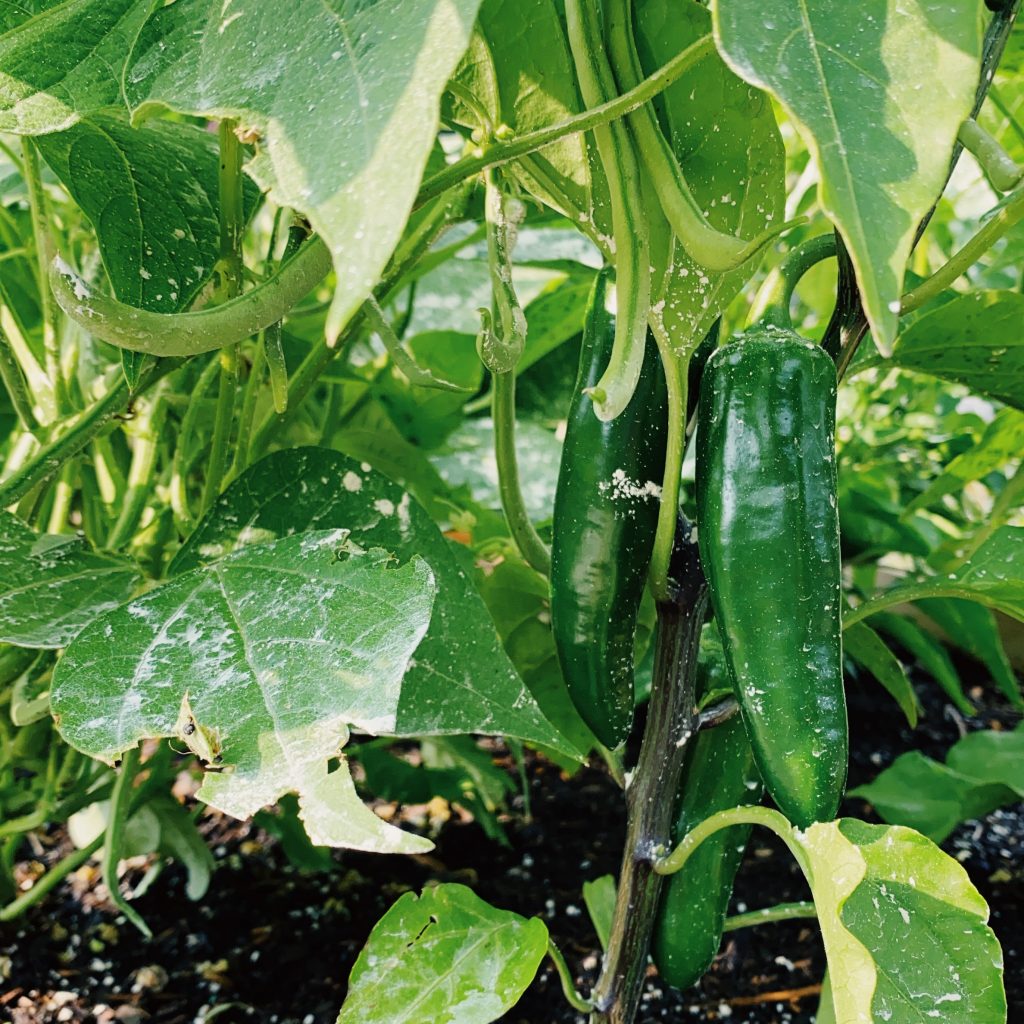
Diatomaceous Earth is completely NON-TOXIC! Because it harms insects physically, and not chemically, it is very safe for you and your garden. Just remember to wear a mask, to avoid breathing in the dust particles.

It is very effective against slugs, beetles, worms, fleas, mites, spiders and MORE! Have you tried DE in your garden?

Learn more about ORGANIC PEST CONTROL: https://www.seedsnow.com/blogs/news/natural-pest-control

Minnesota cities could get power to ban pesticides as bee populations fall

Lawmakers may give cities throughout Minnesota the authority to ban some widely used pesticides as native bumblebee and pollinator populations continue to collapse.

A measure introduced last week by state Rep. Jean Wagenius, DFL-Minneapolis, would essentially give cities their first chance in more than 30 years to have some form of local control over what pesticides can be used within their boundaries. It would grant each city the choice to issue a blanket ban on a group of pesticides that the Minnesota Department of Agriculture has labeled as lethal to pollinators. That list includes neonicotinoids, which are among the most prevalent insecticides used on Minnesota farms and have proved to be particularly harmful to pollinators.

“Minnesotans should be able to protect pollinators if they want to,” Wagenius said. “We value local control in this state, and we always have.”

READ THE FULL STORY: http://www.startribune.com/minnesota-cities-could-get-power-to-ban-pesticides-as-bee-populations-fall/567930052/?fbclid=IwAR3RMqS8UE-GHaf7kfVA3G9czRivUDsoNrjrB90YdbzbtgySNoEmWflnf1E