Butterfly gardening relieves stress, provides homes for declining species

butterfly-2898052_1280

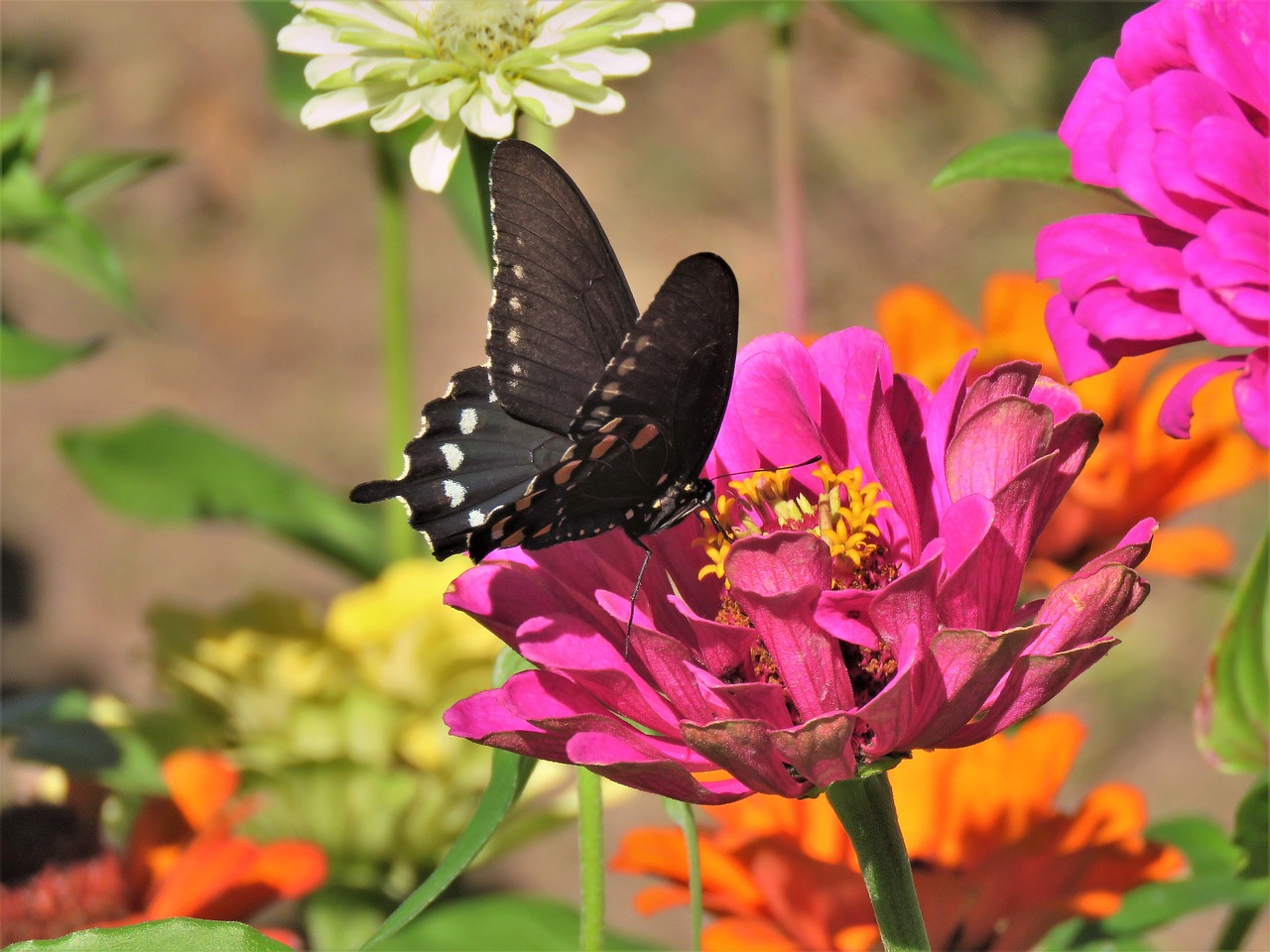
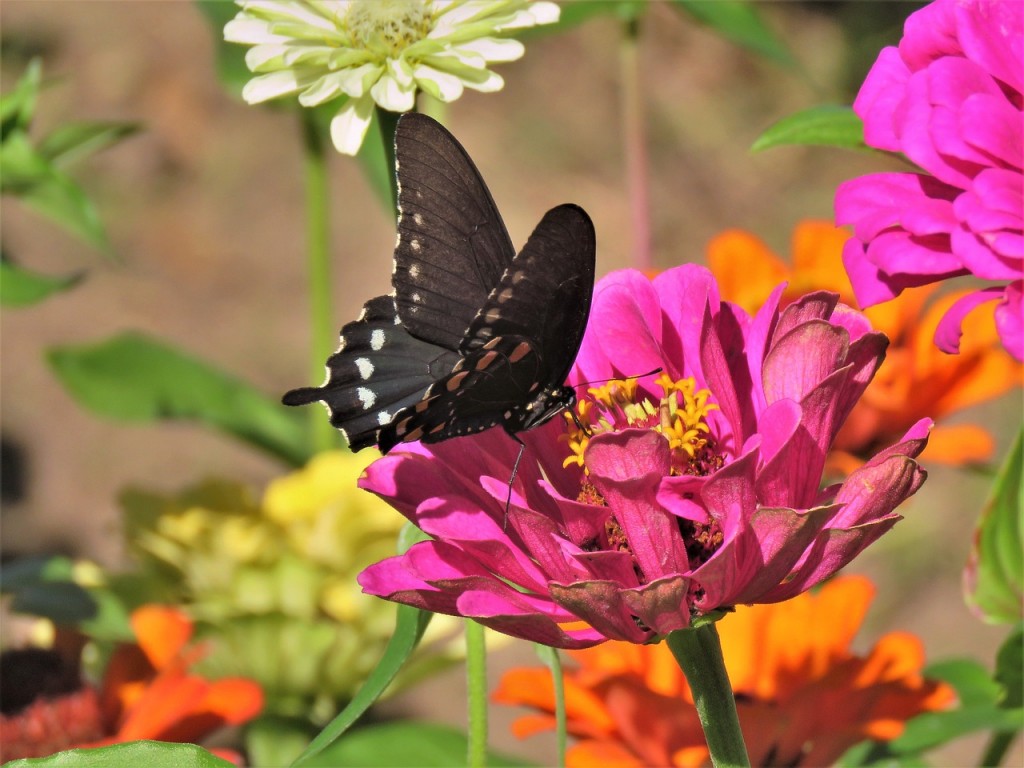
“Butterfly gardening can be a relaxing and rewarding experience for people across all ages and backgrounds. For students, it may seem like a hassle and unwanted expense to find the right materials and proper equipment for gardening. However, with enough information and many resources to consult on campus, students can still tend to a small garden.

Butterflies are majestic and intricate creatures, especially when provided the chance to look at them up close without worrying about one flying off immediately. They are also pollinators, which are vital to keeping ecosystems running.

One of the most important aspects to keep in mind when butterfly gardening is knowing the environment, as well as the types of plants that will thrive and attract butterflies. Many guides exist on the internet, but do not necessarily pertain to the Davis and Sacramento areas and weather patterns. If space is a problem in a dorm or apartment, getting a window box on a balcony with enough sunlight and the correct plant can still provide a great habitat for butterflies.”

Read the FULL STORY at: “TheAggie.org

7 tips to ensure a flourishing indoor herb garden

620x349

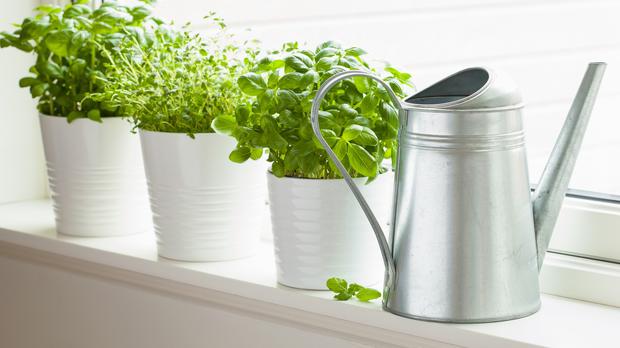
“If you live in an apartment block or, have a tiny garden and would love to start your own herb garden, we have good news for you:  don’t allow either of these factors to deter you.

You really can create your own herb garden indoors – all you need is a sunny balcony or, an unused space on your naturally-lit kitchen counter. Creating your very own herb garden really is that simple, not to mention incredibly rewarding.

The benefits are innumerable, from enjoying more flavourful food, to lower grocery costs as well as it being a wonderful way to teach your children about nature and caring for a garden.”

Read the rest of the article HERE!

Why you shouldn’t clean up the garden this fall

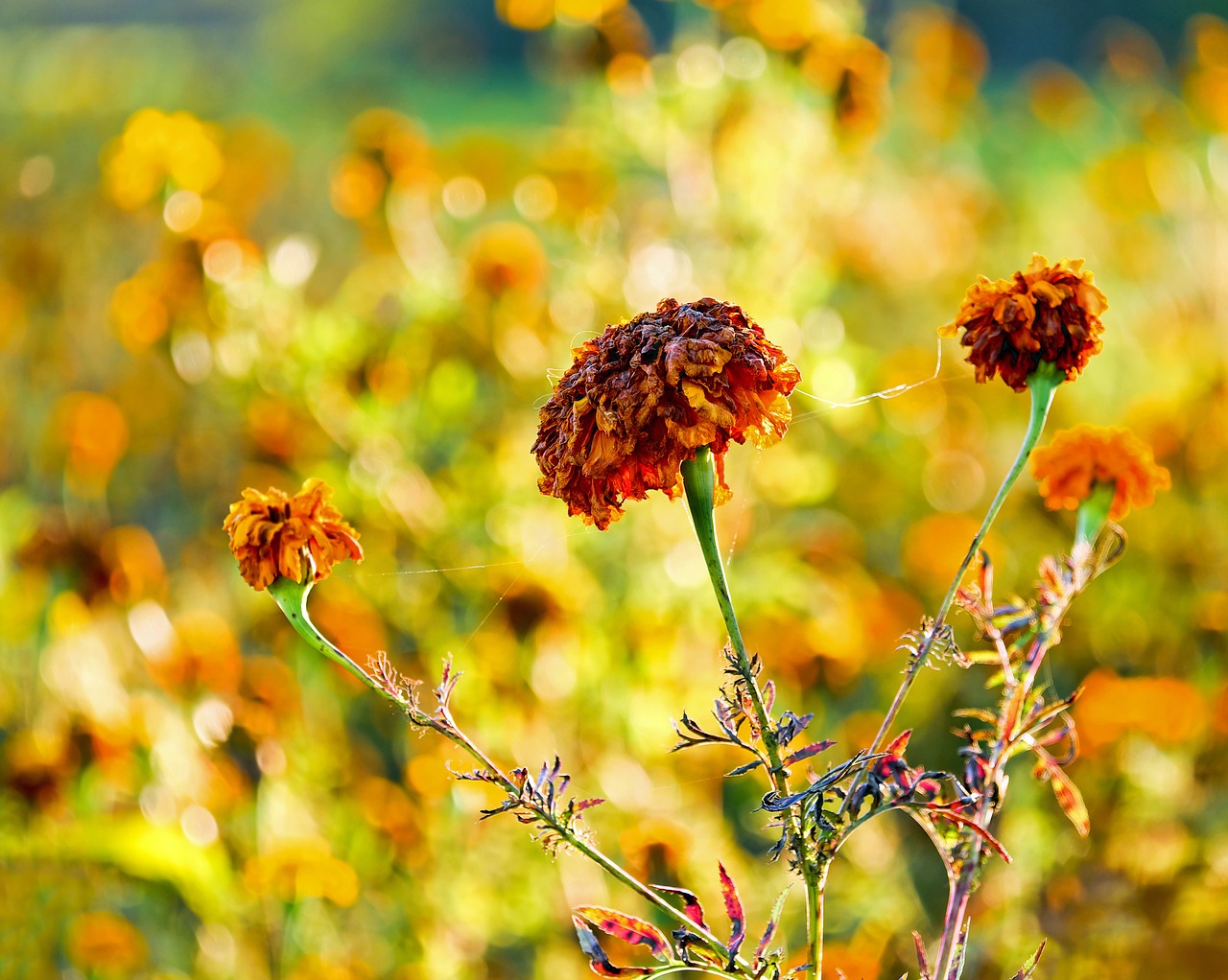
marigold-2942371_1280

Question: I’ve heard conflicting information about fall-winter garden clean up. Some advice says clean up and cut back perennials. Other sources say to leave seed heads and leaves, etc., for wildlife habitat. Which advice is better?

Answer: If you love nature, then I say leave the garden with her leaves, berries, pods and seeds for the birds, bees, bugs, snakes and salamanders.

READ the REASONS WHY you shouldn’t clean up your garden this fall, here: “StatesmanJournal.com

Smashing pumpkins brings nutrients to Naperville community garden

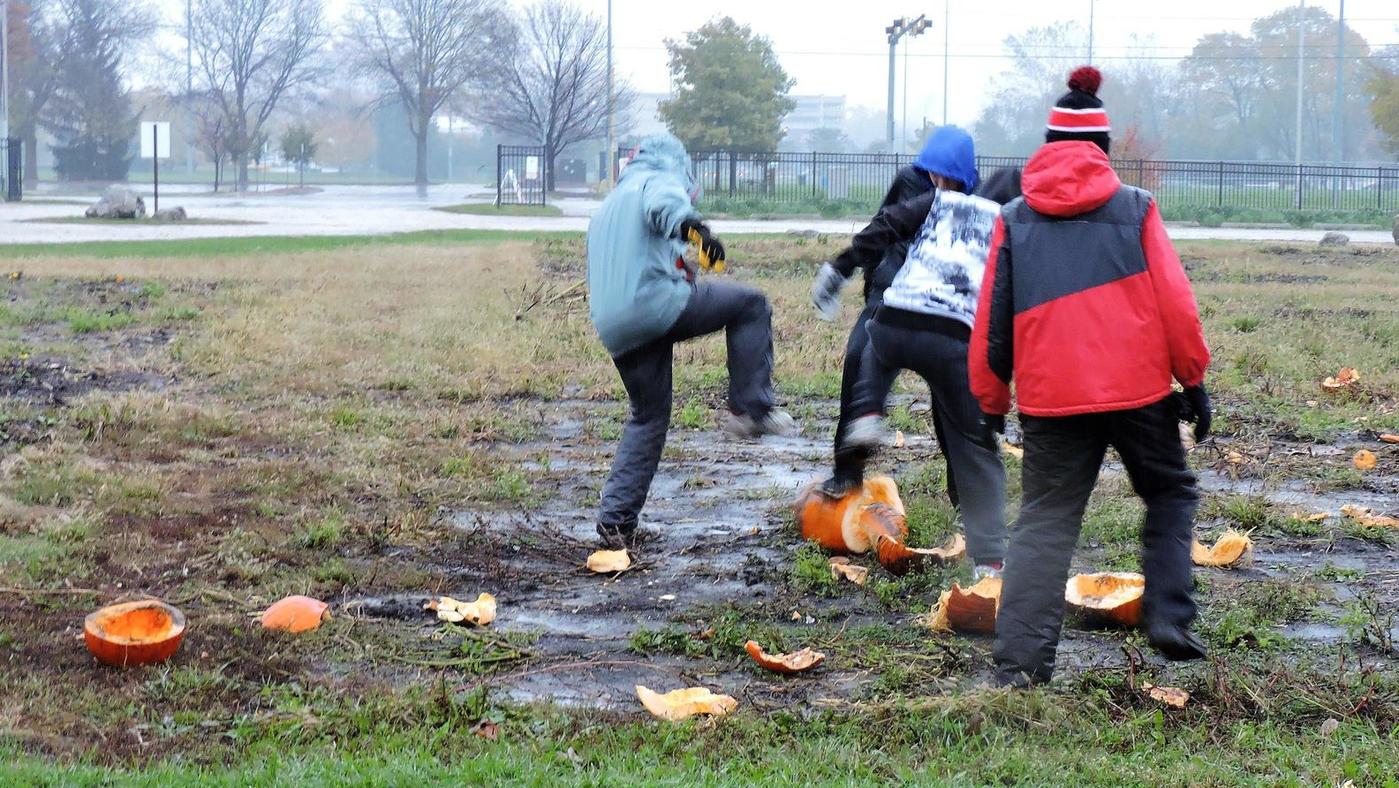
ct-ctlfl-ct-nvs-smash-2-20171104The pumpkins smashed Saturday morning had nothing to do with vandalism or kids letting off a little steam. If anything, those who participated were doing a good deed.

“This is the first time we’ve done this, although there have been other pumpkin recycling efforts in the area,” said Sue Omanson, the Naperville Park District’s community development manager. “We were talking with the Wheaton-based SCARCE group that does local recycling and composting, and our Green Team from the park district wanted to join in the effort.”

Read the rest of the STORY, here: “ChicagoTribune.com

How to grow stuff: everything the novice gardener needs to know

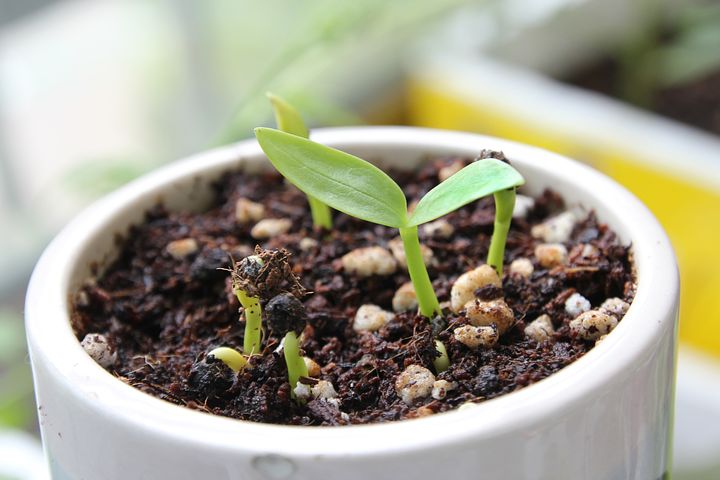
sprout-790155__480

“If I were to plot my journey as a gardener, it would start with a basil plant from Tesco. I kept it on the windowsill of my university hall bedroom (it could have easily become an ashtray if left in the kitchen) and, when I came home in those cerulean-hued nights of summer term, its sweet heady scent would hit me like a forgotten essay deadline.

That was 10 years ago and, last summer, when I was writing my first book, How to Grow Stuff, I made sure to include herbs – from seed and supermarket – because my experience would suggest that once you’ve learned how to keep a shop-bought basil plant alive, you’ll wind up wanting to grow your own from seed eventually.”

Read the rest of the story at: “Telegraph.co.uk

Grow a Fall/Winter Garden! Join the Monthly Seed Club, TODAY!

Fall UOG Seed Club GIF
ORDER BEFORE 11:59 PM PST November 4th to receive a shipment THIS MONTH! https://urbanorganicgardener.cratejoy.com/

Grow food ALL-YEAR-ROUND with us! Now is the perfect time to start stockpiling seeds for your fall, winter and even early spring gardens!All of our seed club members will be receiving varieties that are perfect for growing during the cooler months. Let us hand-select 5 varieties of heirloom, GMO-free seeds to ship to you EVERY MONTH!

TO LEARN MORE or SIGN UP just visit: https://urbanorganicgardener.cratejoy.com/


Why Not Consider Carving a Turnip Instead of a Pumpkin This Halloween?

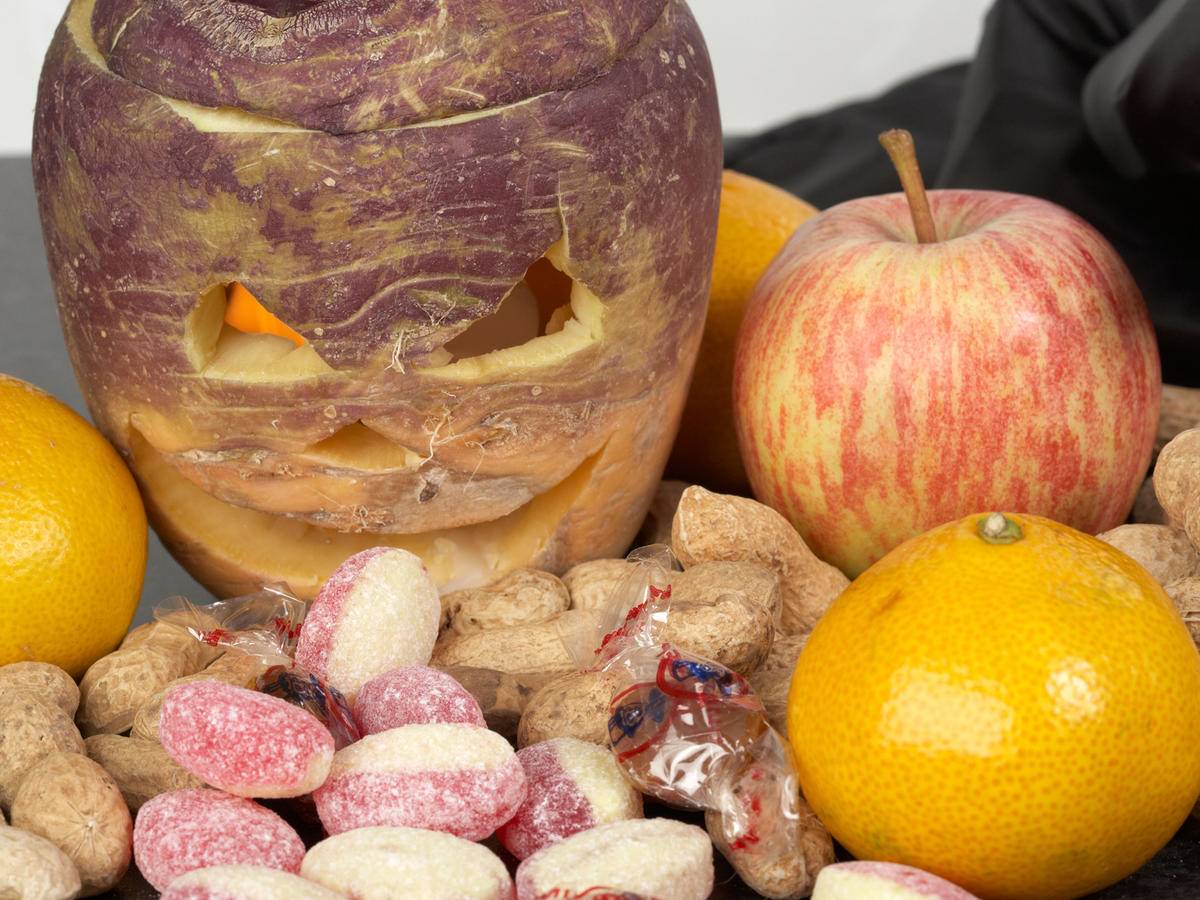
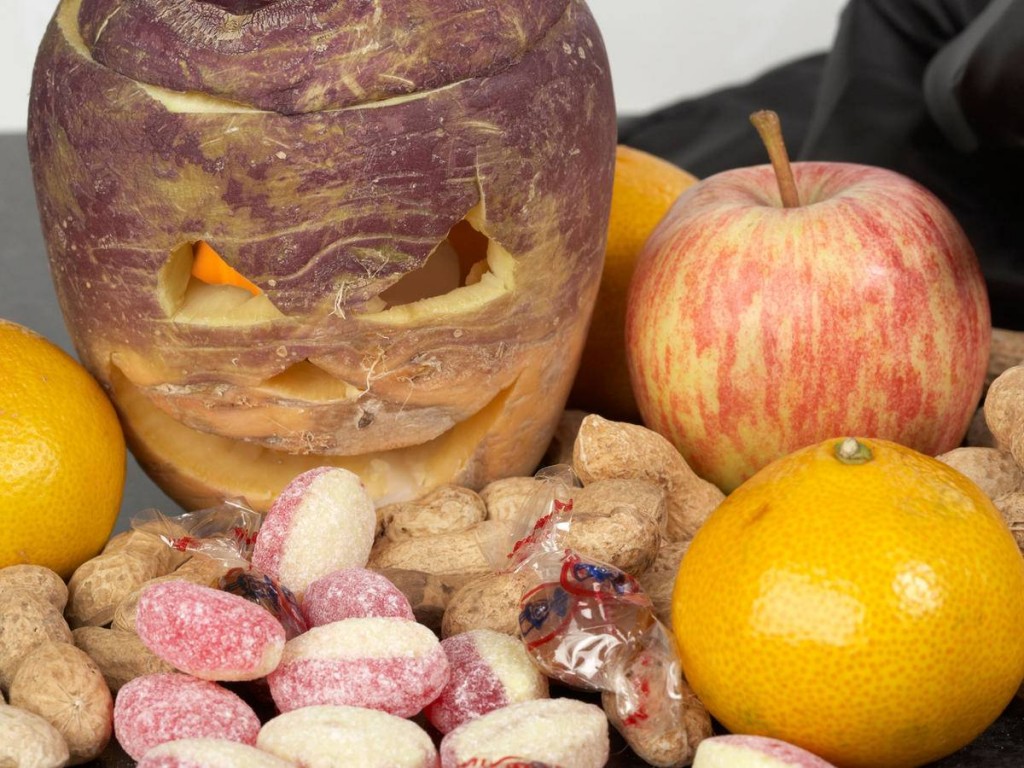
BT846X the spoils from trick or treating with halloween turnip jack-o-lantern. Traditionally in Ireland turnips or swedes were used

“Using this year’s pumpkin shortage in the UK as an opportunity to promote their bizarre turnip carving ways, English Heritage, an organization dedicated to preserving English history, has suggested people in their native country try reviving the original Halloween tradition of carving root vegetables.

According to the Independent, turnips were the OG pumpkins, with Brits carving scary faces into them long before people in the U.S. realized pumpkins were far easier to work with. “The tradition emerged from a folk tale about a man named Jack who, after trying to trick the devil, was forced to roam the earth with only a burning coal inside a hollowed out turnip—or the original Jack o’lantern,” the site writes. Although, I’d be remiss if I didn’t mention that the Oxford English Dictionary finds references to pumpkins as jack-o’-lanterns at approximately the same time the term started to appear in England.”

Read the FULL STORY at: “CookingLight.com

We’re on SNAPCHAT! [Let’s Get Snapping]

We want to be where our fans and fellow gardeners are, so we’ve headed over to snapchat and created an account! We hope you’ll share all of your awesome gardening successes/tips/and learning experiences with us over there.

Let’s be friends! Just use the snap code below to quickly and easily add us and see more great content from us, everyday!

SnapChat UOG IG


UOG SnapChat Logo

18 Surprisingly Effective Gardening Tricks That Keep Away Pests, Fight Disease And Improve Your Soil

16523165_1232520166824539_1751620879_o-1

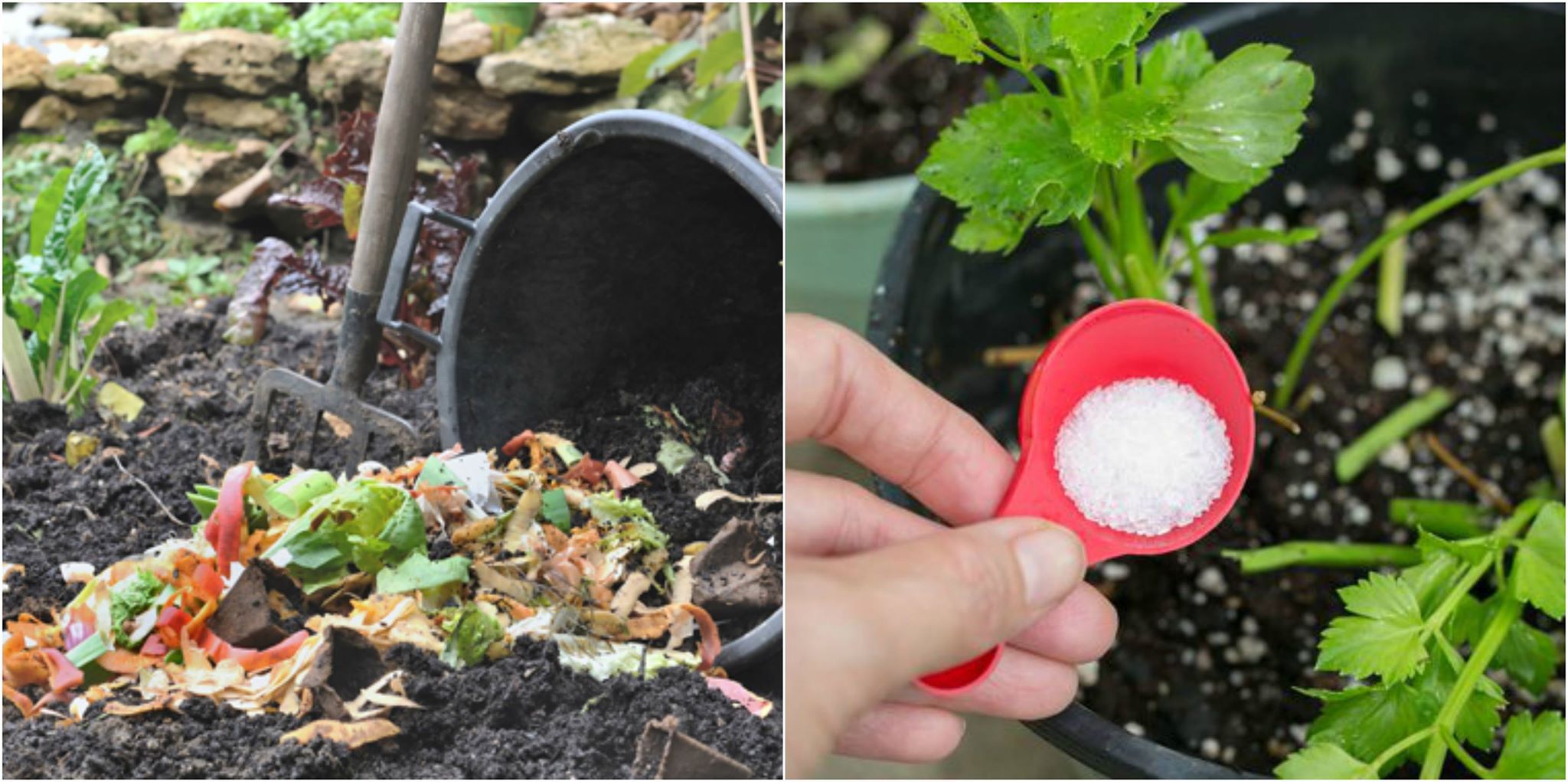
“Organic gardeners do their best when it comes to using non-harmful pesticides and chemical fertilizers. So, in order to keep your plants in the best possible shape, yet completely naturally, you need some tips and tricks, so today we are going to show you some. These natural remedies may seem strange to you at first, but, trust me, you won’t change them for nothing when you see the results!”

READ all 18 TIPS, here!

Ikea’s Hydroponic Garden Concept Uses 90% Less Water Than a Regular Farm

m

l

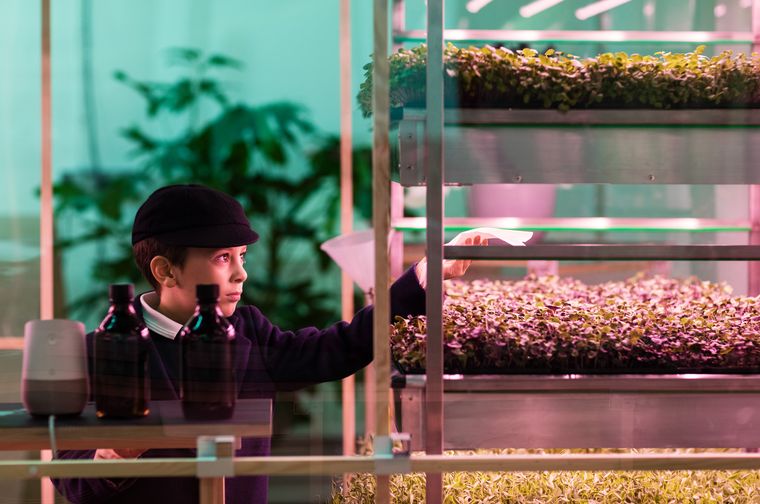
“Ikea is known for its low-cost furniture that comes packed in cardboard boxes, but now it’s experimenting with something entirely different: Cutting-edge indoor farming.

At the London Design Festival in September, Space10 — Ikea’s “future-living” design lab — debuted its concept for a salad bar prototype whose ingredients are grown using an indoor hydroponic farming system.”

Read the original article at: “Mic.com

How to Turn Fallen Leaves into Gardener’s Gold

“Leaf mold is incredibly useful in the garden, with uses ranging from improving soil, to suppressing weeds, to helping make up the perfect potting soil mix.

Leaves from most deciduous trees and shrubs can be used for making leaf mold, but avoid leaves from trees such as walnut, eucalyptus, camphor laurel and cherry laurel, which contain chemicals that inhibit plant growth. Thicker leaves – for instance horse chestnut – take longer to break down. These, along with tough evergreen leaves, can be included in a general compost pile, where the higher temperatures will help them to break down faster.”

How to Turn Fallen Leaves into Gardener’s Gold
Learn more: https://www.motherearthnews.com/…/turn-fallen-leaves-into-g…


This is How One Organic Farmer Grosses $100K An Acre

mad-genius-farmer-29-1426282839-750x393

“We need GMOs to feed the world like a fish needs dry land. A controversial farmer in California is proving that a veritable bumper crop can be had using new farming methods that don’t require GMO pesticides, herbicides, or even weeding, and require 10 times less water than the average farm. The best part – he earned $100K per acre last season without even harvesting all of his land.

What kind of super-fertilizer allows Paul Kaiser to grow so much food on a mere 8 acres? Lot’s of rotten food scraps and rotten plants – otherwise known as compost. And he uses loads of it.”

Read the full article at: “EcoNewsMedia.com

Chip Drop – Get Free Wood Chip Mulch, DELIVERED!

profile2

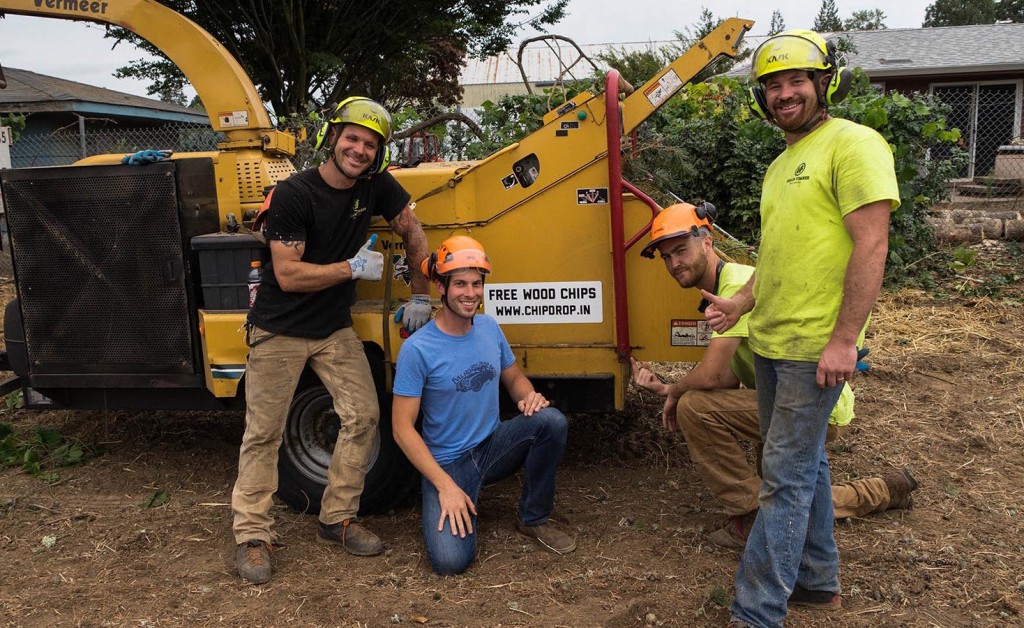
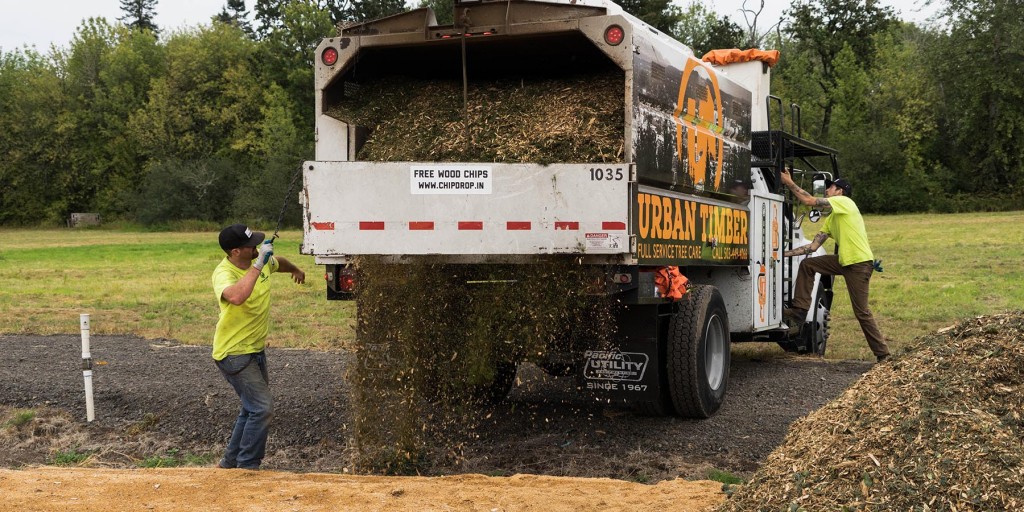
Chip Drop is a web service that helps homeowners and gardeners get free wood chip mulch from local tree companies who work in the area. It’s been operating since 2014 and has facilitated +22,000 deliveries of wood chips to 25 cities across the US and Canada. It was founded by Bryan Kappa in Portland, OR, and is rapidly expanding to serve most major metropolitan areas in the US. There’s a good chance that Chip Drop already serves your area, so check out their website to find out how you can get a delivery to your home or garden.
6

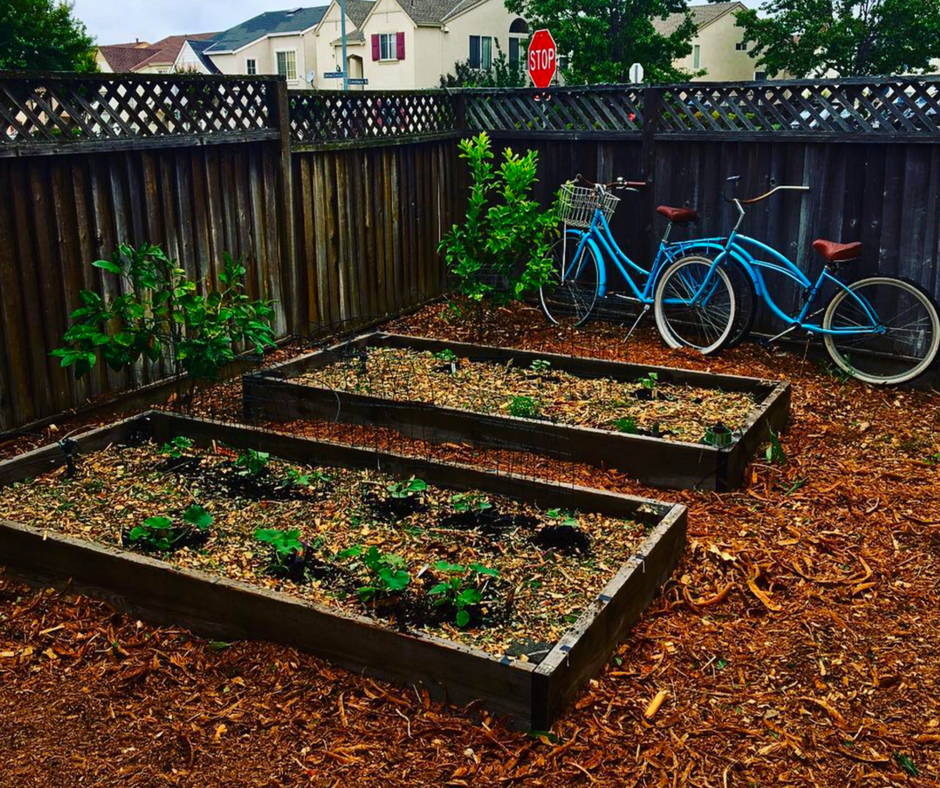
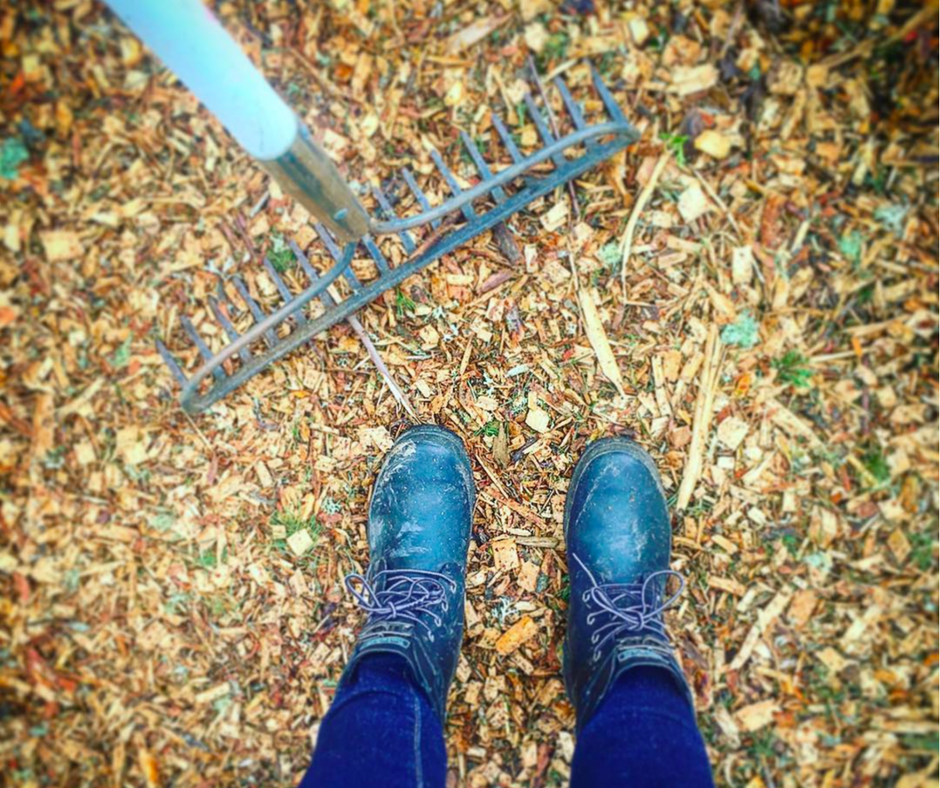
Using wood chip mulch in your yard is a great way to suppress weeds and retain water and nutrients in the soil. It works great for landscaping along paths and around garden beds. It also works as a soil amendment for most gardening applications.
gallery10

Using local tree mulch is a great way to help your local economy and save money. It keeps green waste out of landfills, reduces drive time of heavy trucks on the road, and keeps the plant material in your neighborhood in the same location. There’s no way to get a more local mulch product than getting it straight from an arborist!

Here are some common questions people have about the service, and getting wood chips from arborists in general.


Q: How much wood chips come with a delivery, and is there a way to ask for a small or specific quantity?

A: Most arborists will not deliver a partial load of wood chips, because it takes too much time for their crew to set up the delivery, and lost time is their number one cost. Tree companies are willing to deliver wood chips only because it is fast and easy for them, and for this reason, you must be willing to accept a whole truck load, which is about 10 – 15 yards in a single delivery. We always encourage folks to share a delivery with their friends and neighbors on nextdoor.com. It’s a great way to meet some folks and share a valuable resource.


Q: What about logs, leaves, pine needles, trash, etc. in a delivery? Are they ‘clean’ chips?

A: The short answer is ‘no’, they are not clean chips that you would buy from the store. They are usually a mixed variety of species and size and they always have leaves and pine needles mixed in. You can specify whether or not you’re willing to accept logs in your load. You can even sign up for a load of all logs if you’re looking for a cheap source of firewood. There is sometimes a small amount of trash in the pile that you’ll have to pick out, although it should be a very small quantity. The crews who do the tree work are often raking and sweeping up along the side of the road, and all kinds of interesting things can end up in the load.


Q: How will I know when to expect a delivery?

A: You won’t know when a delivery will be showing up, so you’ll need to have a drop site that is clear and accessible all hours of the day until a delivery arrives. That means making sure cars won’t be blocking the drop site. It’s also important to make sure there are no low overhead power lines or tree branches that might block the lift bed of the truck. You typically need about 15′ – 20′ of overhead clearance for the trucks to be able to deliver.
5 (1)

Fun Facts:

  • Chip Drop has helped keep 70,451 tons of wood waste out of landfills to date.
  • It has reduced the driving distance of arborists by 81,459 miles.
  • It has distributed 220,160 yards of affordable, locally sourced mulch to gardeners, schools and community gardens.
  • It has helped homeowners save 248,990 gallons of water per day, a total of 107 million gallons since 2014.