Help Support Nicaragua’s Education Farm & Nutrition Kitchen


HELP SUPPORT THIS PROJECT

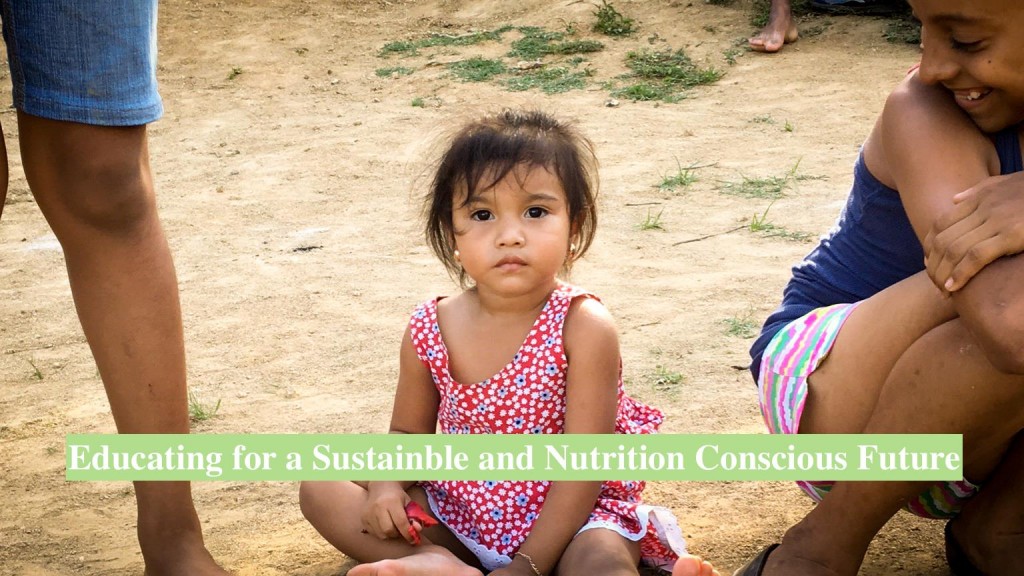
“Since moving to Nicaragua, a day doesn’t go by when we bite into produce grown here and taste the bitter flavor of chemicals. The use of these chemicals goes back generations. This, along with a changing climate and five years of drought has had a devastating impact on the environment, depleted soil quality, and caused malnutrition. With your support we can build a hands-on farm model that teaches sustainable growing methods, nutrition education, and improves health for families and children.”


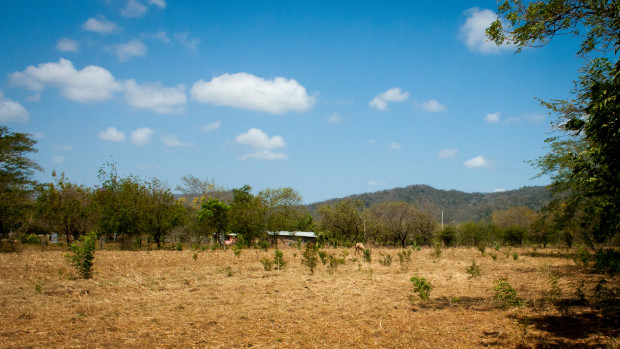
What Mesa Sostenible Looks Like Now:
uge7d3zqyh6i7ymefod6

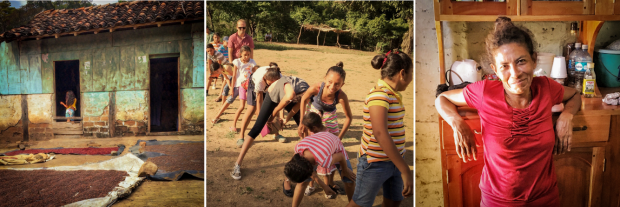
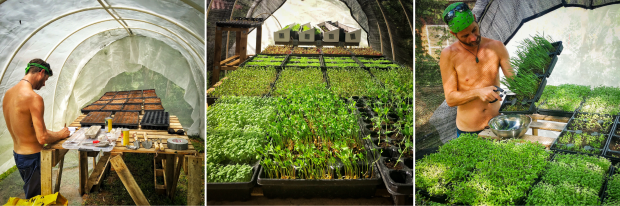
So far they have been successful at securing land, and growing various plant varieties from seed in two small greenhouses. They’ve also started a composting initiative to help reduce waste and promote soil health.
vdolrgig6jvnnejjsfdt

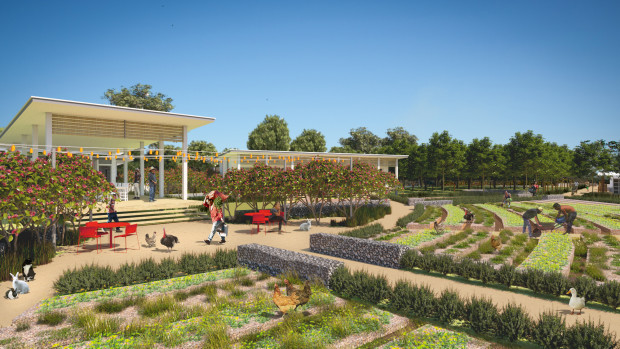
What Mesa Sostenible Can Look Like with Your Help and Support: 
dwh3xnzicrfkyvt1fs6u

The GOAL is to build a sustainable, working farm that will provide the community and visitors a-like the experience to participate in a unique and memorable educational experience in sustainable farming, living & healthy food preparation.

MESA Sostenible aims to have the following social, environmental and economic impacts:

  • Demonstrate the importance of year-round crop diversity to reduce malnutrition through a varied diet and nutrition education.
  • Increase soil fertility and reduce topsoil erosion.
  • Eliminate agricultural chemicals used on productive land.
  • Maximize rainwater infiltration and on-site treatment to improve ground water storage through water harvesting techniques.”

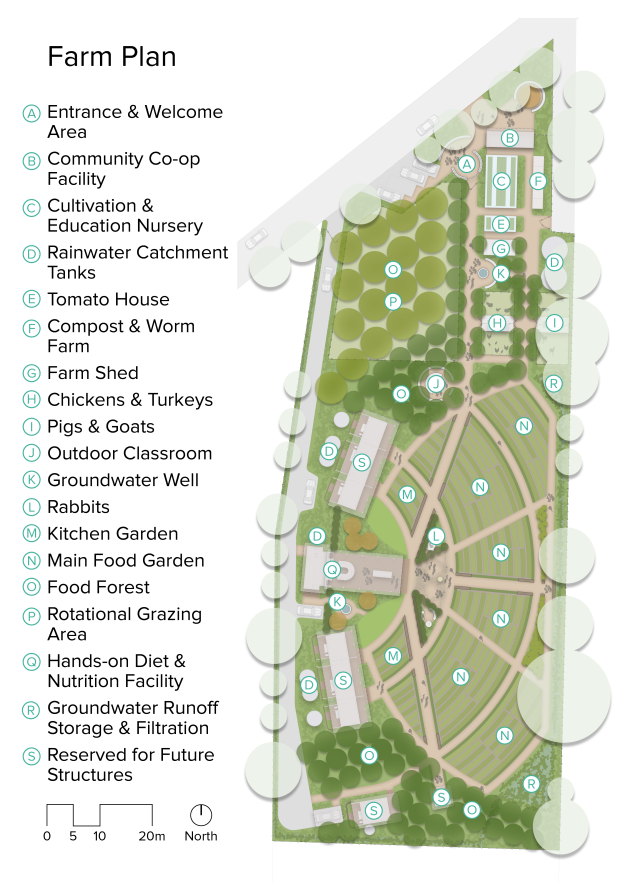
Here’s The Plan:
mwnywdc69z1ixmiyyczj

Our goal is to raise $95,000 in funds to bring the MESA Sostenible Sustainable Farm and Nutrition Kitchen to life.
w6cc4nbtfg4ccvaxdlql

Help us reach our funding goal!

Other ways you can ACT NOW:

  • SHARE: Facebook, Twitteruse the social icons at the top right
  • SHOW your family and friends, encourage them to help fund us.
  • EMAIL to five friends, show them you care. Click here.
  • VISIT our website to learn more about our work.

Thank you for your support!
 

19621179_356691158078519_5023329207602595294_o


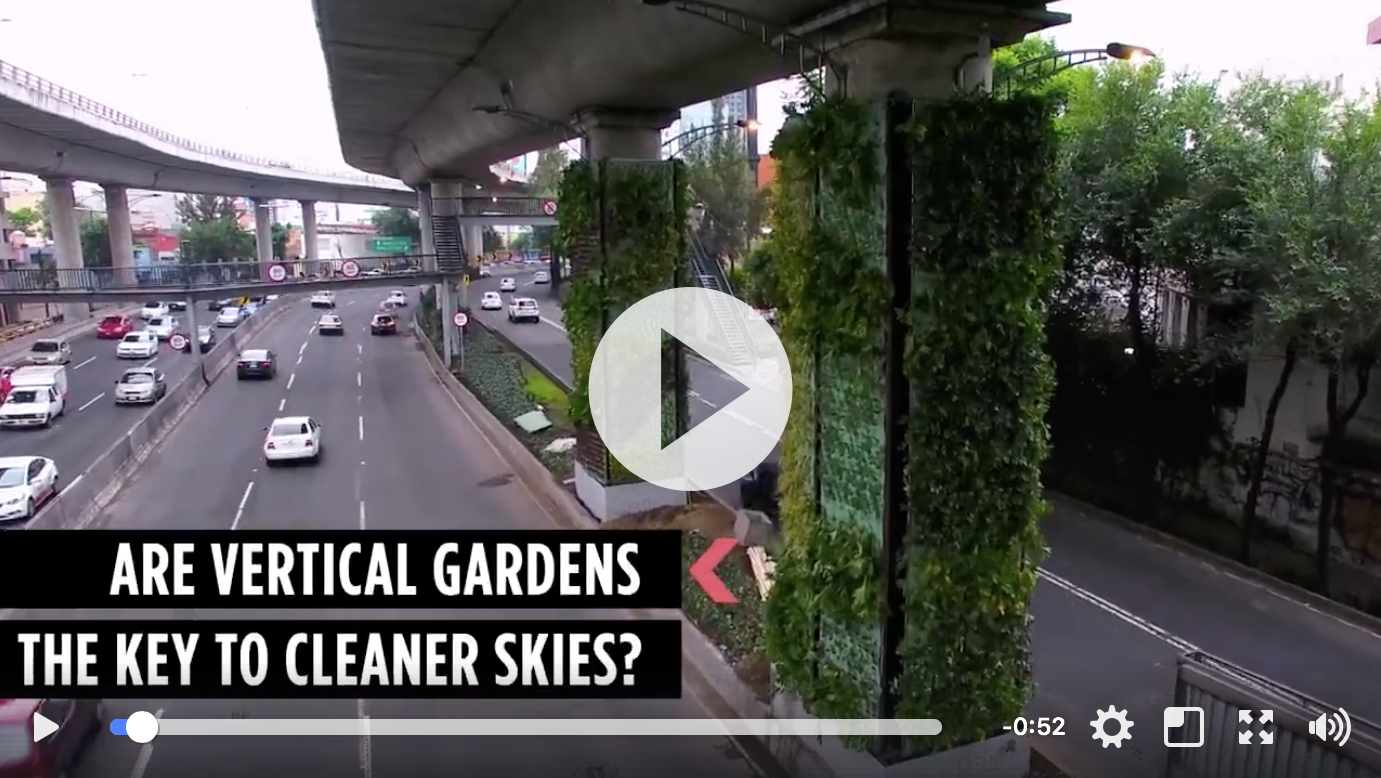
Are Vertical Gardens the Answer to Cleaner Skies? Mexico City THINKS SO!


Mexico City is elevating urban ecology to new heights with an initiative called “via verde” or green way. The project aims to transform hundreds of pillars supporting flyovers and elevated roads into vertical gardens to reduce pollution while improving the cityscape, says director Fernando Ortiz Monasterio.

“We live in a very grey city. Very grey and we forget because we have become used to that being our urban landscape. As soon as we find a park, a green landscape, we realize our mood changes.” The gardens are actually walls made out of metal frames and cloth that are placed on top of pillars to avoid damage to the concrete structures.

“It’s a special cloth which has a special density that allows the root of the plants interweave in this cloth. Each column has an automatic watering system that also works together with rain water.” The project aims to provide the city with an extra 40,000 meters of greenery to hopefully lift the air quality and the mood of the city’s 20 million residents. – via “reuters.com”

Collect Heritage Seeds and Grow a Garden All-Year-Round

uog seed club

We include everything you need to get started every month.  Receive a curated collection of heirloom/non-gmo garden seeds and garden supplies- delivered to you at just the right time of the year to plant them. Completely customized based on your USDA Hardiness Grow Zones  – your growing medium – garden location – amount of sunlight – experience,  etc.

Just start by answering a couple questions!

Indoor Farm Boxes Promise Little Work and Lots of Fresh Produce

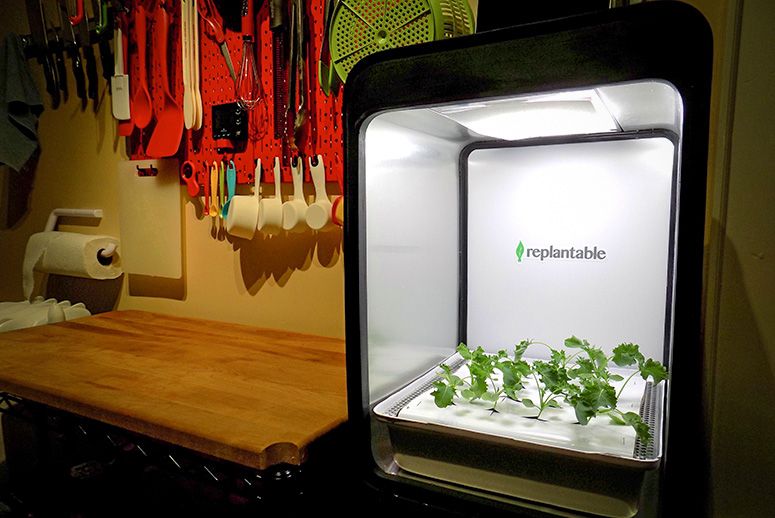
“For many city-dwelling apartment renters, securing a home with a sprig of green space is a tall order, let alone a place that gets enough sunshine or rain to cultivate a fresh vegetable garden. A pair of designers have found a way to bring farms to homes—no outdoor space required.

replantable-inline

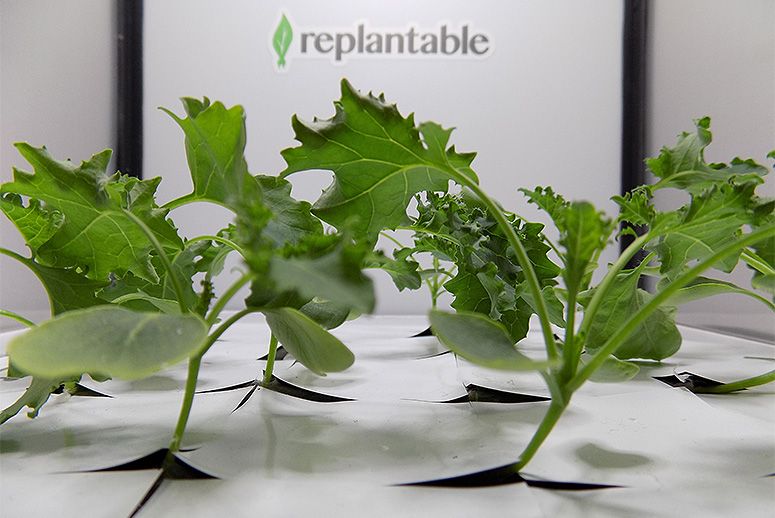
Enter the nanofarm, a roughly 18-by-14-inch wooden box that uses LEDs in place of the sun to nourish greens. Subasinghe has also created specially designed plant pads for the boxes. The fabric pads are woven to trap moisture and nurture the crops—including lettuce, arugula, beets, and bok choy—all without the use of pesticides.

The no-muss, no-fuss farm boxes simply require users to add water, turn on a timer, and wait for a notification light, which signals that the plants are ready for picking. So far, the nanofarm has been delivered to a handful of test users, all of whom report hands-off farming and plentiful harvests.”

Read the FULL ARTICLE at: “TakePart.com

Urban Gardening is Alive and Well and Living in Downtown San Jose

RS25757_Photo-May-25-11-43-22-AM-qut
“Ask any gardener: Nothing tastes so sweet as something you grew yourself, even in the big city. Before Silicon Valley was paved over with concrete, it was the Valley of Heart’s Delight, boasting some of the world’s richest topsoil.

Kumar is keen to spread the good word about gardening. Along with several PayPal colleagues, he volunteered to build a greenhouse for a San Jose non-profit called Valley Verde, which helps low-income families grow their own food.

RS25759_Photo-May-25-12-53-19-PM-qut-1180x664
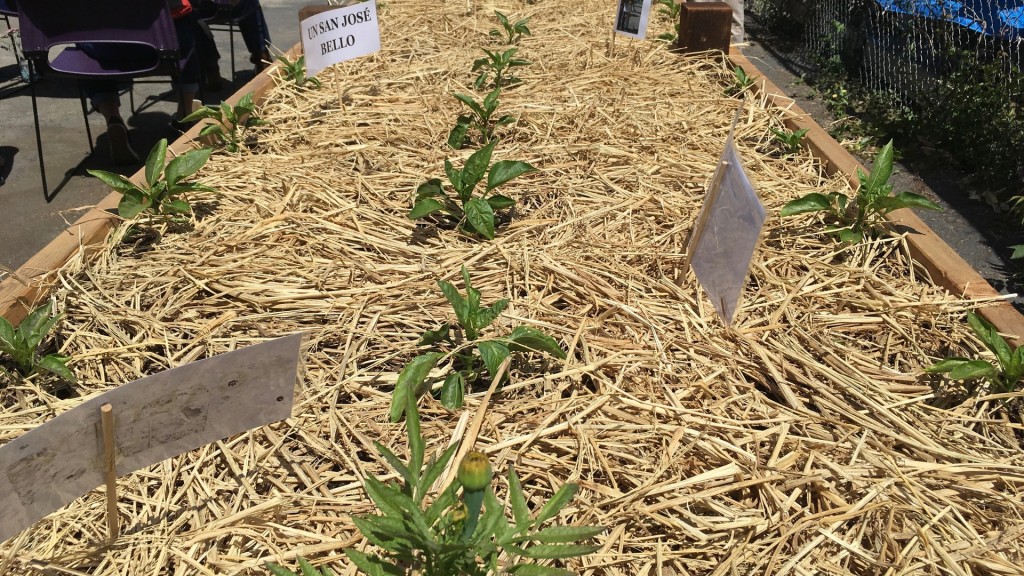
On a recent sunny day, the group celebrated the greenhouse’s grand opening in San Jose’s first “urban agriculture incentive zone.” What was a used car lot is now covered with raised planting beds and stacks of bagged soil.”

Read the full article at: “https://ww2.kqed.org/bayareabites/2017/06/22/urban-gardening-is-alive-and-well-and-living-in-downtown-san-jose/

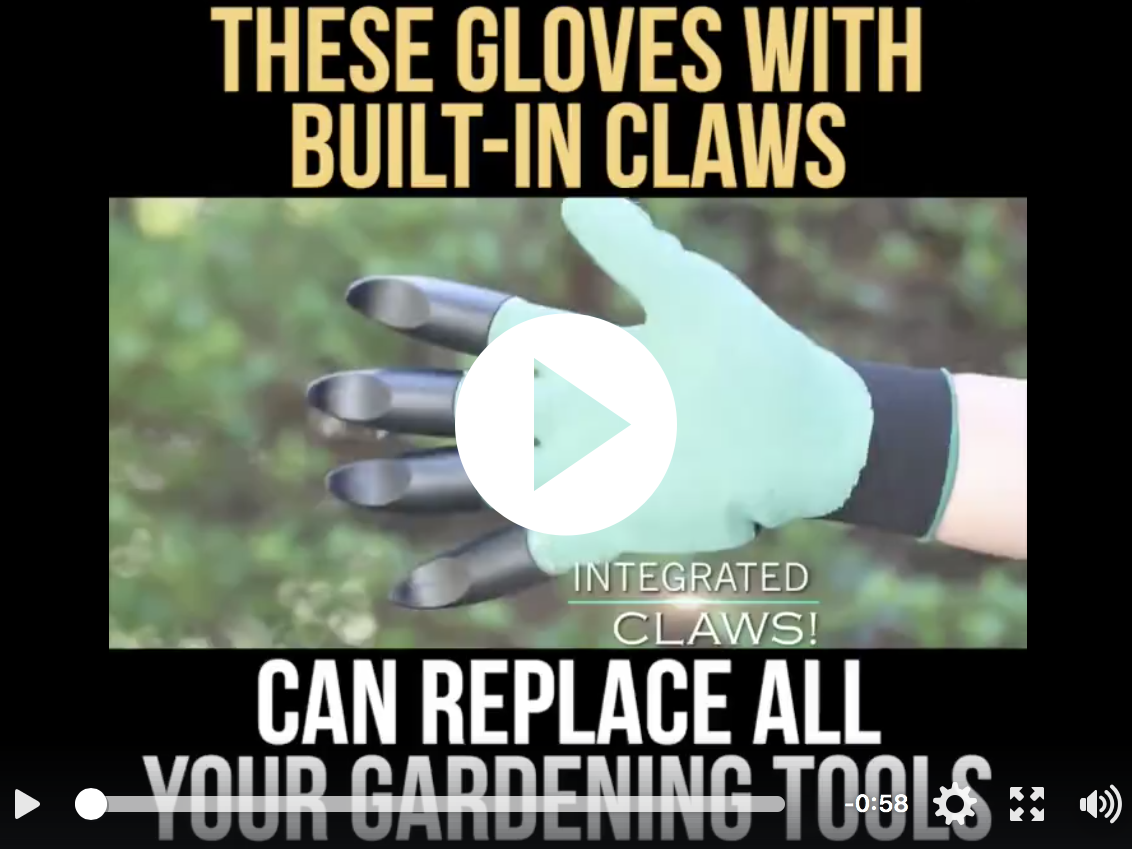
One Pair of Gardening Gloves that Every Gardener Needs!


Gloves that let you dig and plant without hand tools! 

  • Replace hand tools
  • Makes digging, planting, grading and raking fast and easy
  • Durable and puncture resistant to protect your hands — prevents cuts and blisters
  • Flexible, ergonomic design for handling small objects
  • Rinses clean and keeps hands dry

Guacamole Garden! Grow Your Own…

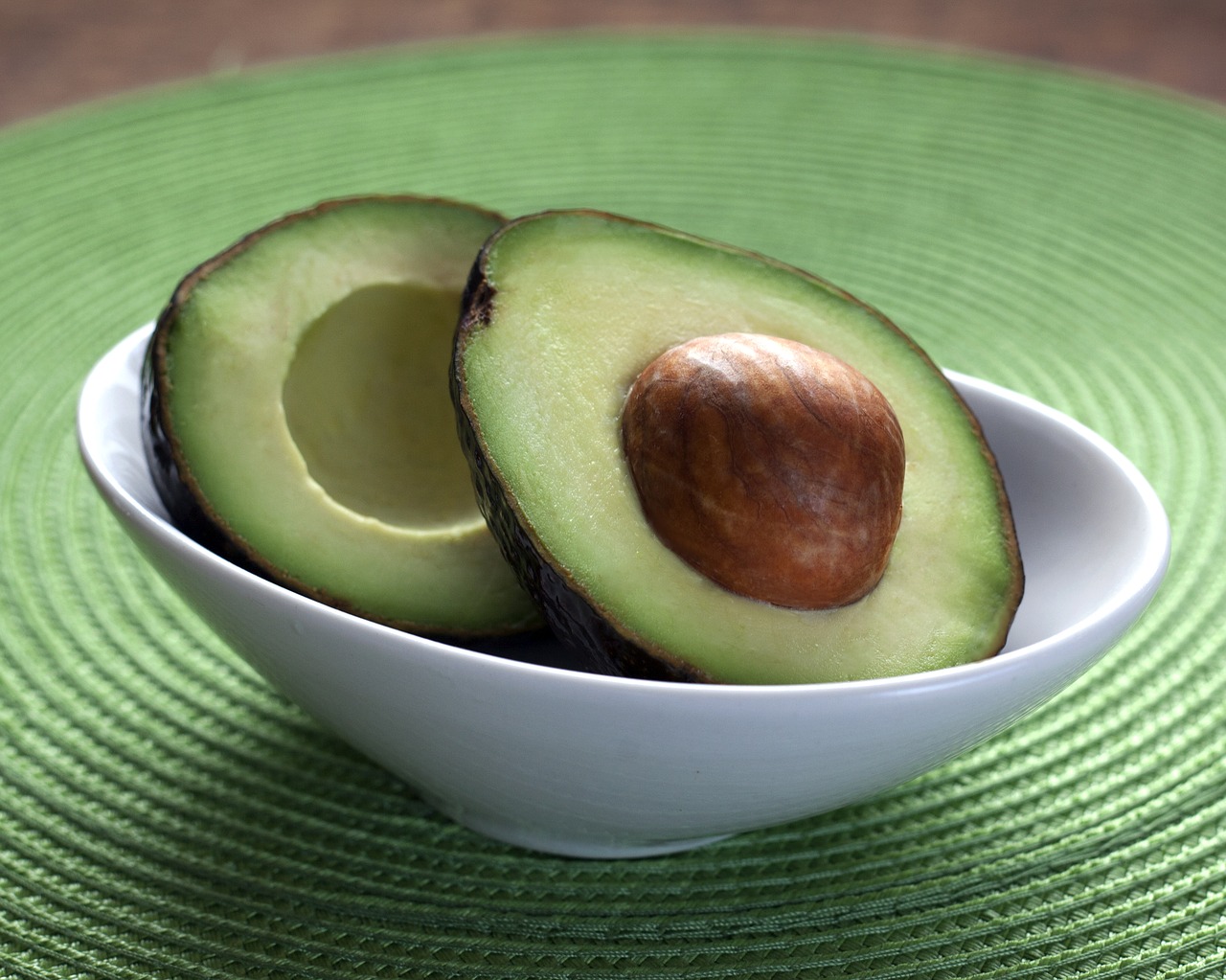
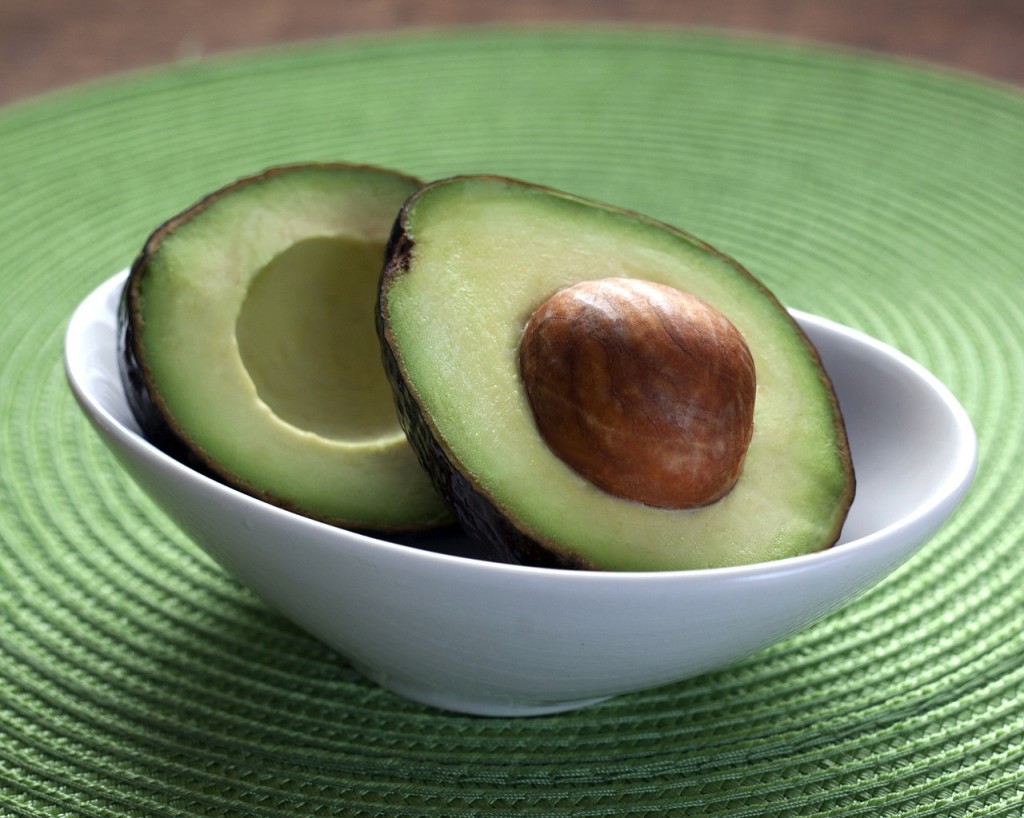
“You can start with the seed of an avocado. Wash it. Use 3 toothpicks to suspend it broad-end down over a water-filled glass to cover about an inch of the seed. Put the glass in a warm place out of direct sunlight and replenish water as needed. You should see the roots and stem start to sprout in about 2-6 weeks. (If you’ve followed this process so far and have not seen roots or a stem sprout in more than 6-8 weeks, give another seed a try!) When the stem is 6-7 inches long, cut it back to about 3 inches. When the roots are thick and the stem has leaves again, plant it in a rich humus soil in a 10-1/2″ diameter pot, leaving the seed half exposed. Water it frequently with an occasional deep soak. Soil should be moist but not saturated. And don’t forget, the more sunlight, the better. If the plant turns yellow, you may be over-watering; let it dry out for a few days. If leaves turn brown and fry at the tips, too much salt has accumulated in the soil. Let water run freely into the pot and drain for several minutes. When the stem is 12 inches high, cut it back to 6 inches to encourage the growth of new shoots.”

Learn MORE about how to care for your own avocado tree at: https://www.californiaavocado.com


avocado-1712583_1280

The Eden Project – Giant Biomes in Cornwall, England Home to Over 1 Million Plants!

IMG_0178-1170x853

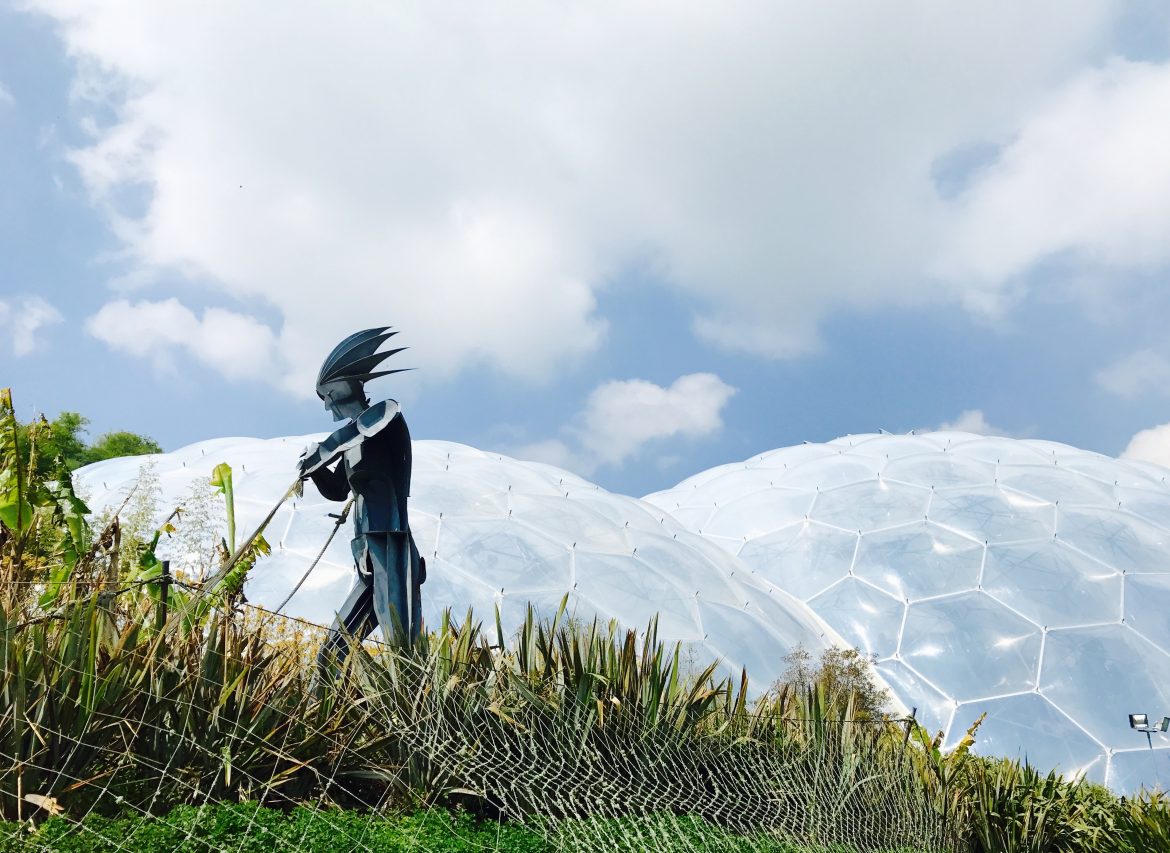
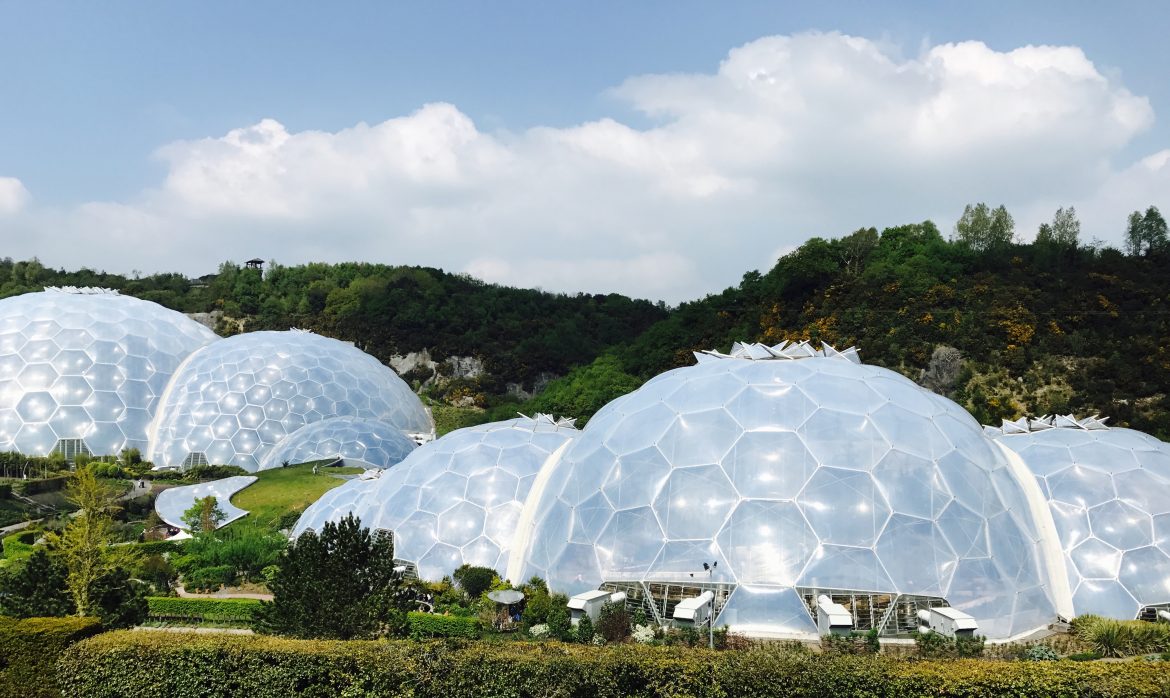
Buried in a steep-sided clay crater, deep within the southwest corner of England you will find The Eden Project; a global garden, home to more than 1 million plants from 5000 different species and housing the worlds largest rainforest in captivity. The site was formally opened on 17th March 2001 after a successful bid to the Millennium commission secured a £37.5 million investment, helping transform the 35 acre site into nothing anyone had seen before. A small group of people who wanted to make a difference, some brilliant entrepreneurial minds, 7 years and 83,000 tonnes of soil later, the Eden Project you see today was constructed. Displaying over 20 exhibits, weaving human stories and tales of historic adventure around the plants to engage visitors and encourage them to think about our relationship with the natural world you can visit this wonderful place all year round in Cornwall, England. Learn more about the Eden Project and view more photos: http://escapemedic.com/2017/06/19/the-eden-project/

Eden Project Biomes in Cornwall, England

Guests of the project are taken on a journey in which they see how plants have changed the world and the ways in which they may continue to do so. Eden itself is a wonderful example of how an old mining site can be reclaimed into a celebration of nature where gardeners can experiment with new varieties of plants capable of thriving in future climates. Learn more about the Eden Project and view more photos: http://escapemedic.com/2017/06/19/the-eden-project/

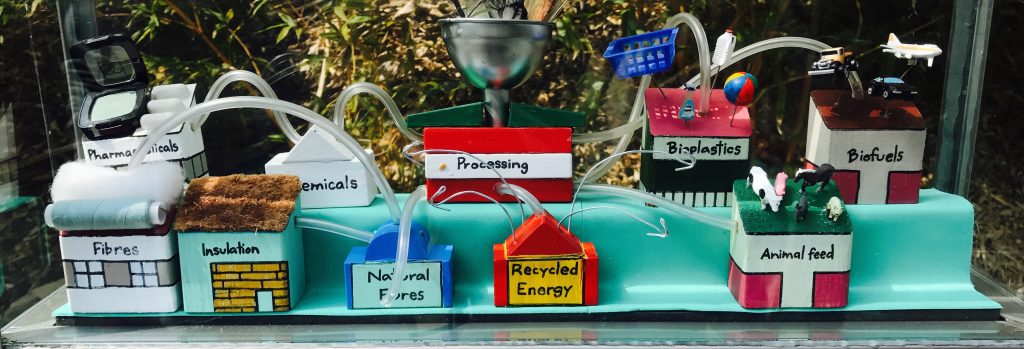
Sunflowers can be used in plastic manufacturing, sugar beet for making bioethanol, in turn utilised for everyday compostable goods.

Sunflowers can be used in plastic manufacturing, sugar beet for making bioethanol, in turn utilised for everyday compostable goods. Thinking about our impact on the environment allows us to explore new ideas to adapt to environmental challenges. Factories are now able to convert waste products into fuel for aircrafts and the emphasis on educational projects is increasing globally. Perhaps the next generation of conservationists will find even more remarkable ways to meet our energy demands.

Rainforest biome canopy walk

After 15 years of intensive love and affection, Eden has recreated the natural conditions of the tropics so perfectly that it is now home to a thriving rainforest exhibiting some of the worlds most vital crops and plants. Averaging between 20-30 degrees celsius and 90% humidity you’ll certainly feel you have been transported to the middle of the Congo Basin upon entering the curved space frame. Over half of the world’s terrestrial animals and plants have made their home in the rainforest and this incredible diversity makes it such a magical place. There are still endless creatures, plants and medicines waiting to be discovered.

Learn more about the Eden Project and view more photos: http://escapemedic.com/2017/06/19/the-eden-project/

As Urban Agriculture Gains Followers in Idaho and Beyond, Some Cities Loosen Codes

Urban farm Times-News Sutphin photo (2)
“Folks used to “homestead” — raise gardens and livestock, milk their own cows and gather eggs from their own hens — until it became easier and sometimes cheaper to purchase mass-produced foods from a store.

As people moved from the country into the city, many left their animals and their gardening skills behind. During the 1950s, cities across the nation began to outlaw animals within their boundaries, and the concept of sustainability seemed to disappear from the collective consciousness.”

Read more here: http://www.idahostatesman.com

Tips for Wild Foraging Along Roadsides

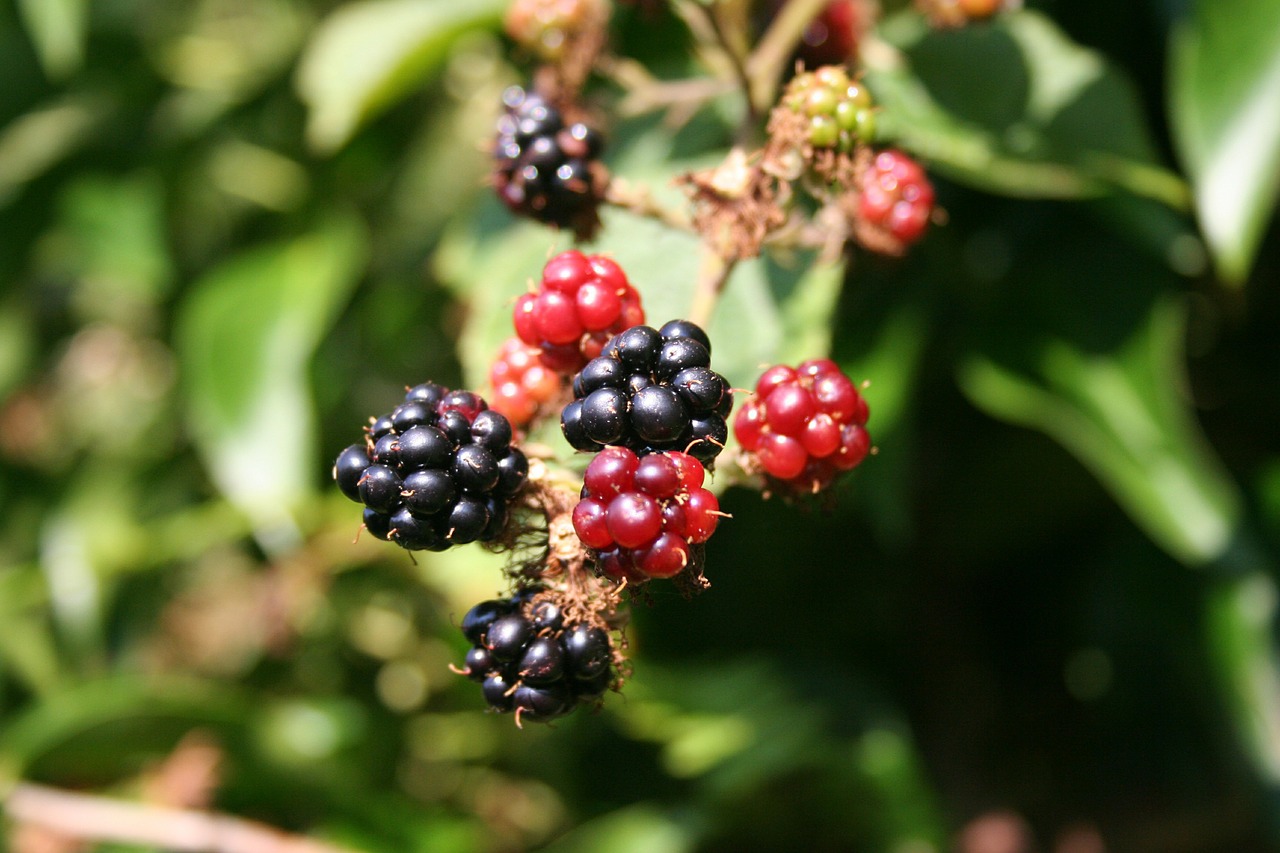
“Hey everyone! I am cycling across the United States right now and I just had to share this incredible tip with you that has given me so many beautiful days. And that is how to find a ripe berry tree. So, the thing is, you don’t look up. You look down! On the road, you’ll see dropped berries. Dropped berries mean the tree is ripe! So you see that as you’re biking or as you’re walking, and then you head to the tree. And sure enough, here you’ve got a white mulberry tree that’s just full of berries. And then you just go to town. And from this one tree alone, you can fill your entire stomach with berries. Completely free. And the thing is, I could just sit here for an hour and not even make a dent! And the thing is, when you see them like that, on the ground, you know they were going to waste. So you know you’re not taking someone’s berries. So this right here is the good life. I invite you to share this with your friends, get outside, and do some wild foraging.”

“Rob Greenfield is an adventurer, activist, and humanitarian for a sustainable and just world. He donates 100% of his media income to grassroots nonprofits. His YouTube channel is a source for all things sustainable living, off the grid, simple living, zero waste, tiny house, grow your own food, cycling, and green.”

Watch MORE videos from Rob Greenfield here!

Indiana’s Largest Urban Farm Giving Away Fresh Produce

5939783794ef9.image

“GREENFIELD, Ind. — Jonathan Lawler, executive director of nonprofit Brandywine Creek Farms, has a goal of donating 1 million pounds of fresh produce to those in need in 2017.

Last year, Lawler, with the help of volunteers and seasonal employees, grew 211 tons of produce — over 400,000 pounds.”

“Their goal this year is to produce 40,000 pounds of food on site, with Brandywine committing to another 50,000 to 60,000 pounds of donations. With that, the center hopes to feed a combined 5,200 households in the area.”

Read the FULL article at: “AgriNews-pubs.com

Start Getting Seeds Delivered to Your Door, EVERY MONTH!

how does this work

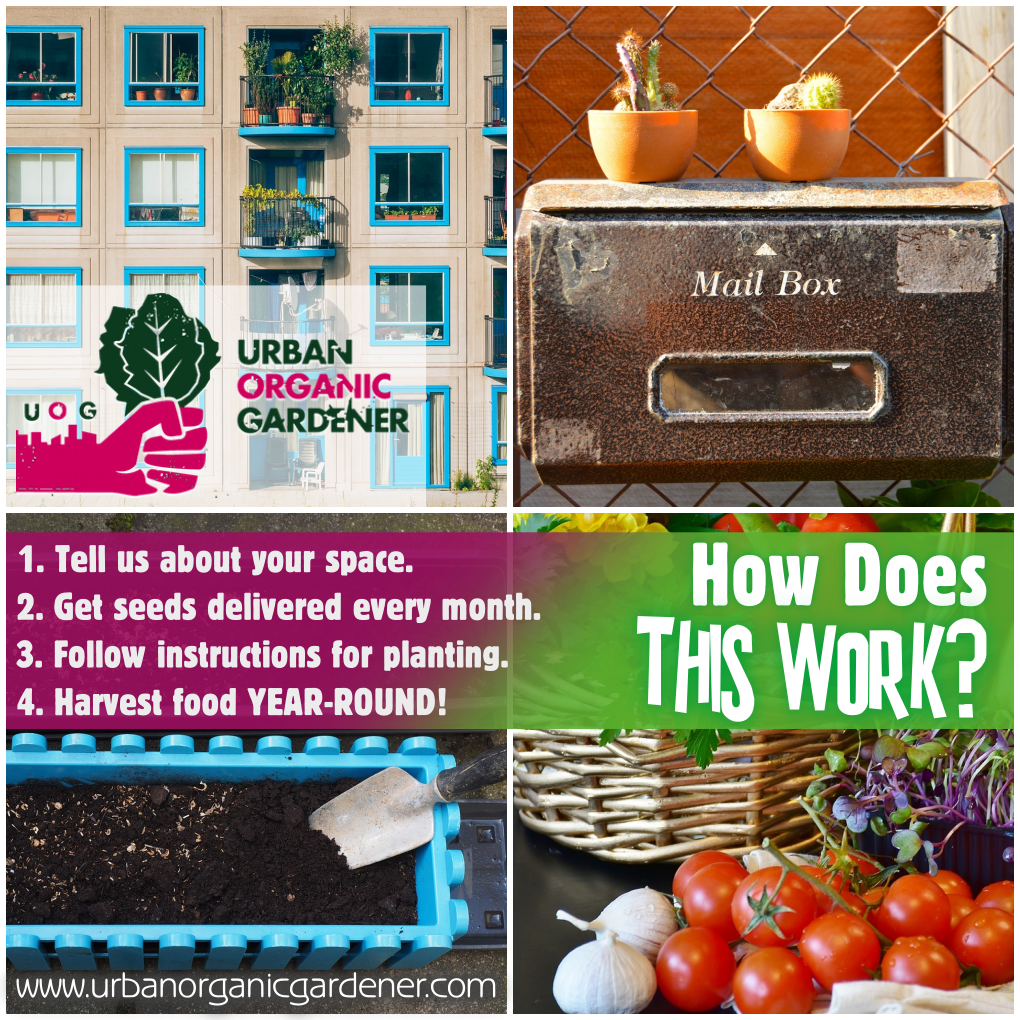
Want to learn more about how our Monthly Seed & Garden Club Works? Signing up is EASY! Let our Garden Gurus put together a custom curated collection of heritage garden seeds, perfect for planting in your specific grow zone and garden type. 

1. Tell us what you’re working with. Answer a couple of questions about where you will be growing a garden and then we will take care of the rest.

2. Get seeds & garden supplies delivered right to your door! Shipments occur on the 5th of every month. What’s included? 5 mystery seed packets, plant markers, seed starting soil pods, instructions, and more!

3. Follow the instructions that come in your package. We promise to make this as easy as we can for you to live a healthier and more self-sufficient lifestyle.

Ready to join the club? https://urbanorganicgardener.cratejoy.com

Could Urban Farming End Child Hunger in the Valley?

gardenupdated-620x310

“If you thought urban farming was something only Hipsters do in California, think again. Urban agriculture projects in Phoenix have been steadily growing since 2015. Yet, despite its recent popularity, urban agriculture is nothing new. The practice of cultivating, processing and distributing food in or around a village or town has been a regular practice in Europe since the early 19th century. In the U.S., poverty-stricken citizens in Detroit were asked to use any vacant lots to grow vegetables during the Depression to feed hungry families.”

“Using permaculture and chemical-free methods, we grow and harvest hundreds of pounds of fresh produce every week,” the society reports. “These fruits and vegetables are used in our kitchen and added to food boxes for families.

Read the entire article at: “KTAR.com

Youngsters Tend Urban Garden As Part of a Camp in Pennsylvania

AR-305159951.jpg&q=80&MaxW=550&MaxH=400&RCRadius=5

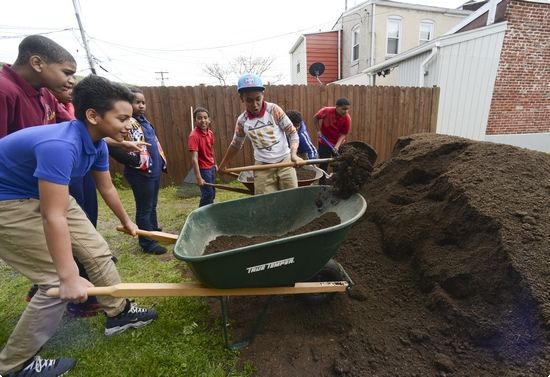
Children on the south side of Reading, Pennsylvania have an opportunity to grow, literally and figuratively, this summer. “We want to teach the kids that whatever you take care of will grow,” said Amanda Aparicio, pastor and director of student programs at City Light Ministry. “And that goes for caring for their environment.”

As part of the program, “the children will be helping tend a 36-by-10-foot garden, where they will grow an assortment of vegetables to be used in the campers’ daily meals. In addition to gardening, the kids will take educational trips to sites around the Reading area every week to learn more about history and culture. The camp will also include community service in the ministry’s neighborhood. The camp won’t be all work, though, as the kids will have a weekly visit to the Bernville Community Pool and also a weekly movie”.

To read the FULL article, visit: “ReadingEagle.com

Urban Farming in Singapore

“Land-scarce Singapore is hugely dependent on food imports but one man is hoping to change that. Dubbed “The Urban Farmer”, Bjorn Low set up a social enterprise to teach Singaporeans how to grow their own vegetables using simple recycled materials.”