Ikea’s Hydroponic Garden Concept Uses 90% Less Water Than a Regular Farm

m

l

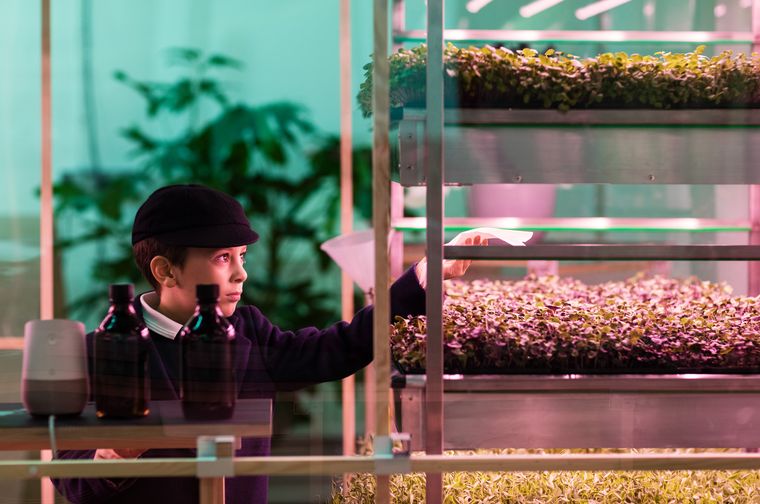
“Ikea is known for its low-cost furniture that comes packed in cardboard boxes, but now it’s experimenting with something entirely different: Cutting-edge indoor farming.

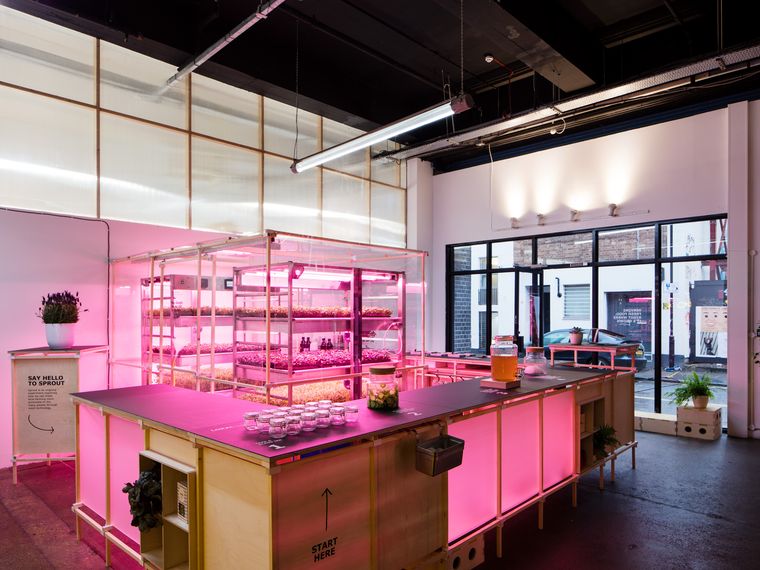
At the London Design Festival in September, Space10 — Ikea’s “future-living” design lab — debuted its concept for a salad bar prototype whose ingredients are grown using an indoor hydroponic farming system.”

Read the original article at: “Mic.com

How to Turn Fallen Leaves into Gardener’s Gold

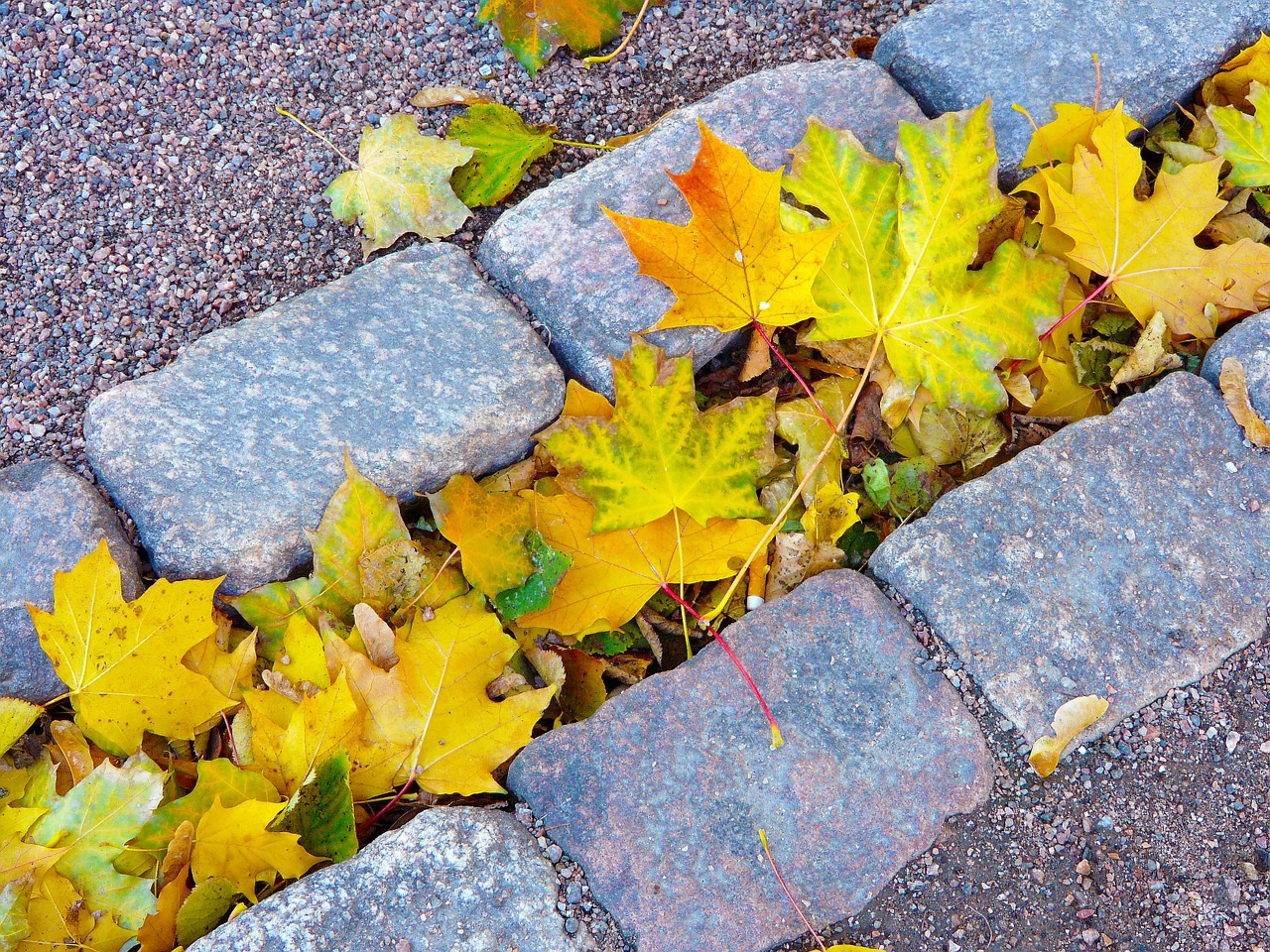
“Leaf mold is incredibly useful in the garden, with uses ranging from improving soil, to suppressing weeds, to helping make up the perfect potting soil mix.

Leaves from most deciduous trees and shrubs can be used for making leaf mold, but avoid leaves from trees such as walnut, eucalyptus, camphor laurel and cherry laurel, which contain chemicals that inhibit plant growth. Thicker leaves – for instance horse chestnut – take longer to break down. These, along with tough evergreen leaves, can be included in a general compost pile, where the higher temperatures will help them to break down faster.”

How to Turn Fallen Leaves into Gardener’s Gold
Learn more: https://www.motherearthnews.com/…/turn-fallen-leaves-into-g…


‘We Are A Desert’: Community Builds Urban Farm

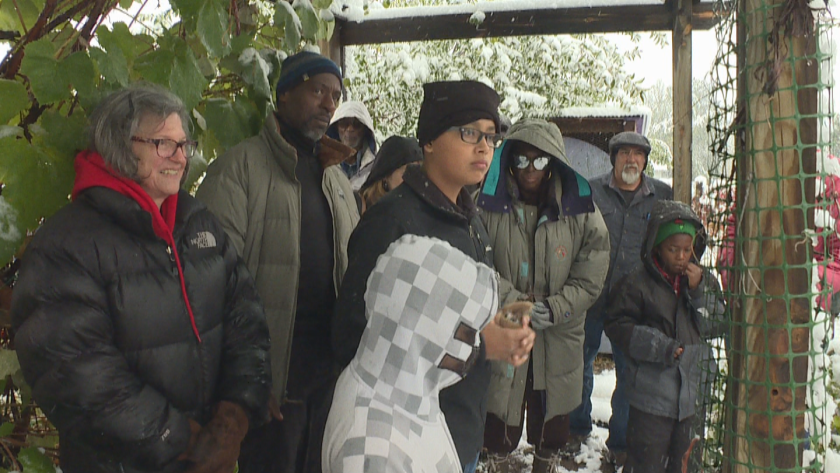
The community welcomed “Gangsta Gardener” Ron Finley from Los Angeles to celebrate the progress they have made as a neighborhood. “It’s beautiful, I mean the snow, it’s beautiful,” said Finley after touring the garden, “It’s a Winter Wonderland.” Finley gained nationwide recognition for planting fruits and vegetables in a small plot outside of his home in 2010. He had to convince city leaders what he was doing was necessary and get policies changed in order to make that curb strip of dirt he turned into a garden legal.

Read the original article at: “Denver.CBSlocal.com

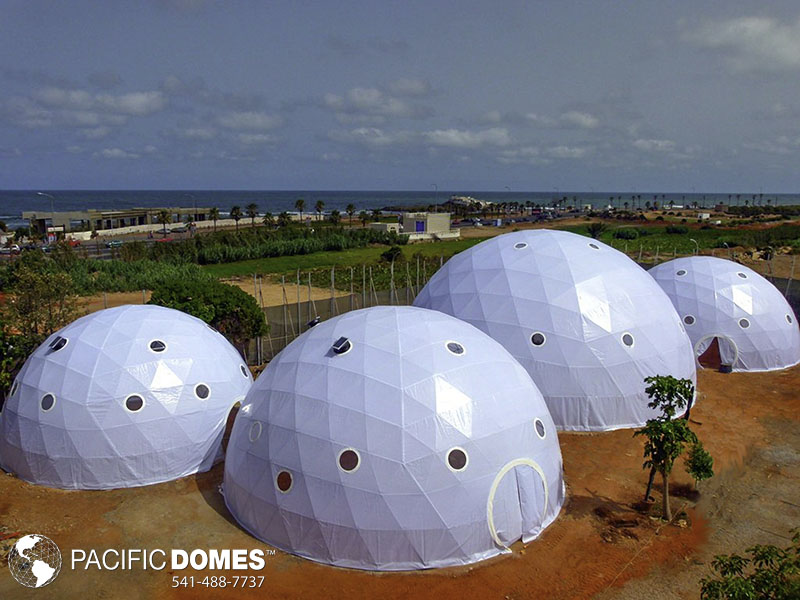
The Domed Greenhouse: Urban Farm BioDomes Mimic Nature’s Designs

“It is predicted that by the year 2050, well over 70% of the human population will be made up of urban dwellers.  Modeling a sustainable and scientific approach to growing, the urban farm domed greenhouse challenges city infrastructures to address the urgent need for creating fresh, abundant local food sources.

BioDome projects are rising to meet the challenge of responsible environmental stewardship through earth-based science.  Forging a new era and working toward the future of life on Earth and beyond, NASA’s BioDome is a working model of such an enclosed, controlled and self-sufficient eco-system.”

Read the original article at: “PacificDomes.com

This is How One Organic Farmer Grosses $100K An Acre

mad-genius-farmer-29-1426282839-750x393

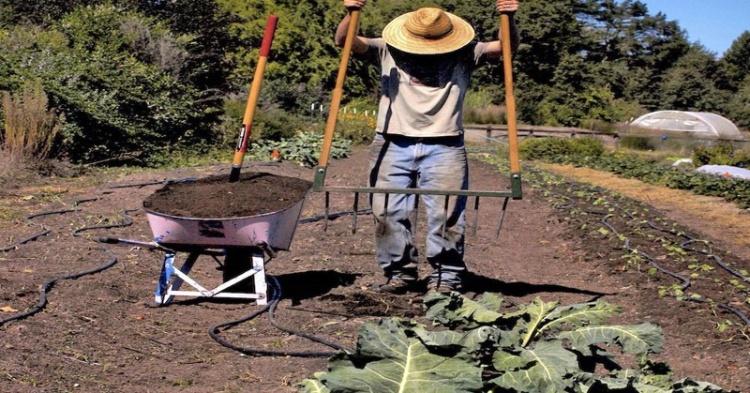
“We need GMOs to feed the world like a fish needs dry land. A controversial farmer in California is proving that a veritable bumper crop can be had using new farming methods that don’t require GMO pesticides, herbicides, or even weeding, and require 10 times less water than the average farm. The best part – he earned $100K per acre last season without even harvesting all of his land.

What kind of super-fertilizer allows Paul Kaiser to grow so much food on a mere 8 acres? Lot’s of rotten food scraps and rotten plants – otherwise known as compost. And he uses loads of it.”

Read the full article at: “EcoNewsMedia.com

Chip Drop – Get Free Wood Chip Mulch, DELIVERED!

profile2

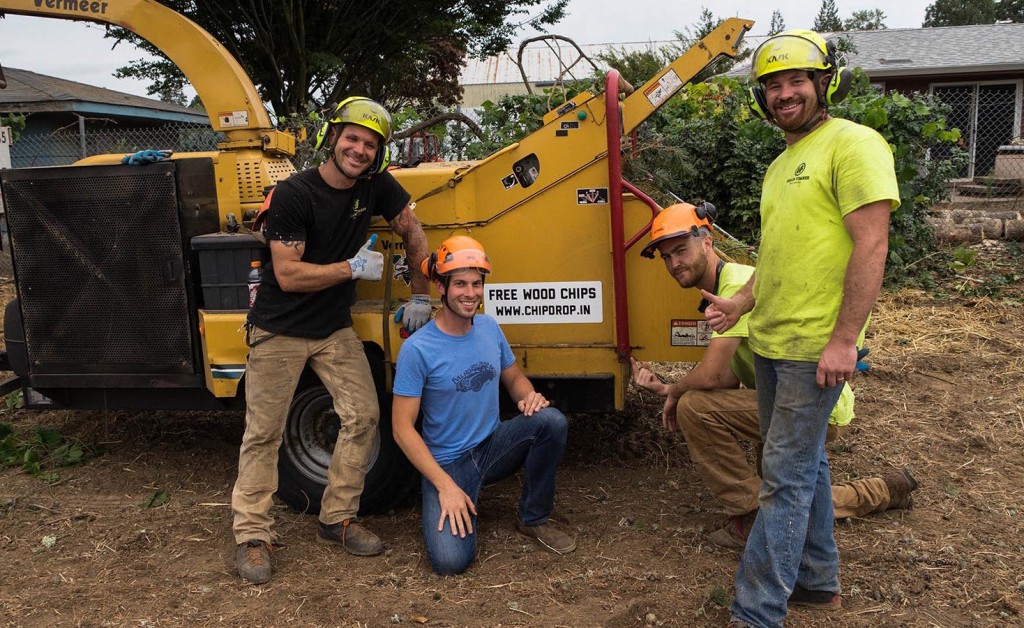
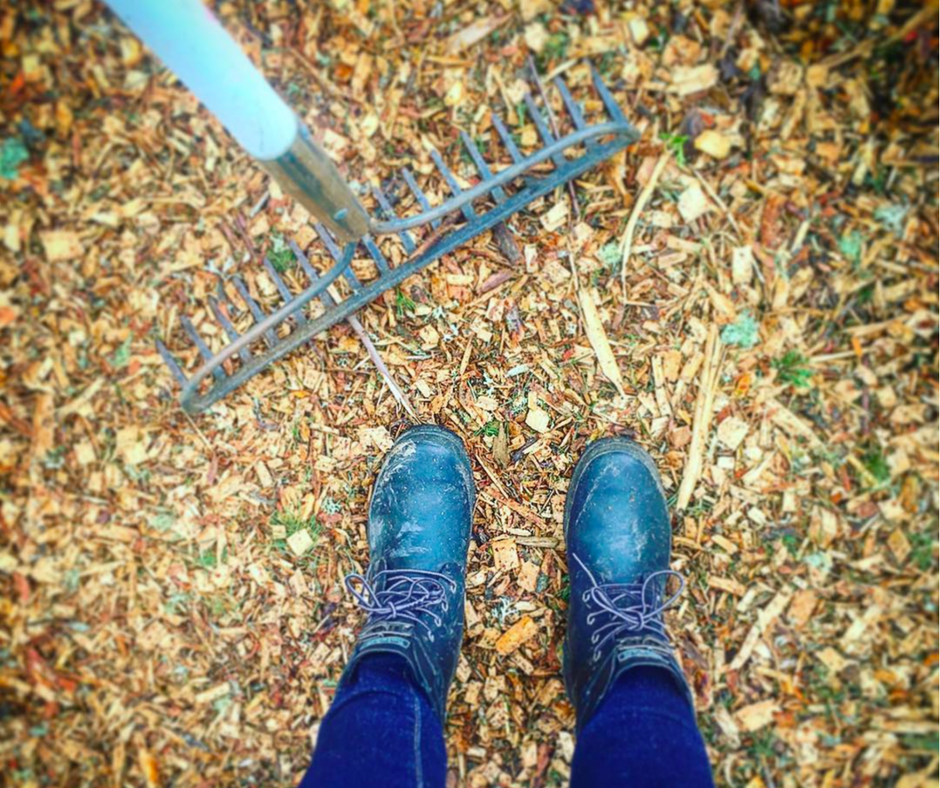
Chip Drop is a web service that helps homeowners and gardeners get free wood chip mulch from local tree companies who work in the area. It’s been operating since 2014 and has facilitated +22,000 deliveries of wood chips to 25 cities across the US and Canada. It was founded by Bryan Kappa in Portland, OR, and is rapidly expanding to serve most major metropolitan areas in the US. There’s a good chance that Chip Drop already serves your area, so check out their website to find out how you can get a delivery to your home or garden.
6

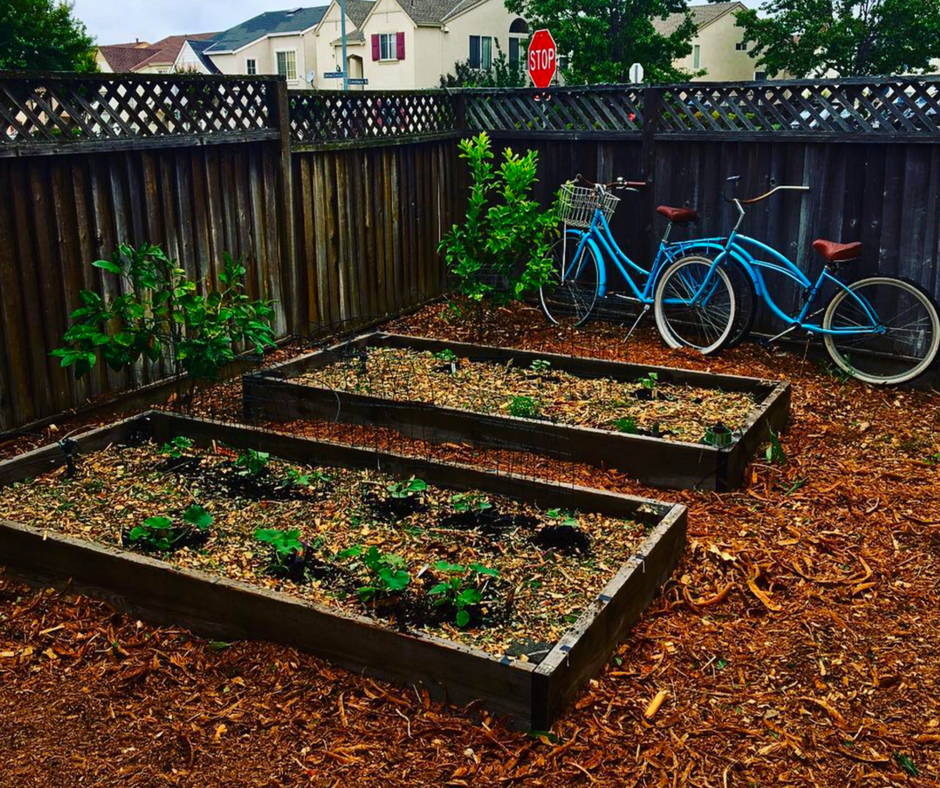
Using wood chip mulch in your yard is a great way to suppress weeds and retain water and nutrients in the soil. It works great for landscaping along paths and around garden beds. It also works as a soil amendment for most gardening applications.
gallery10

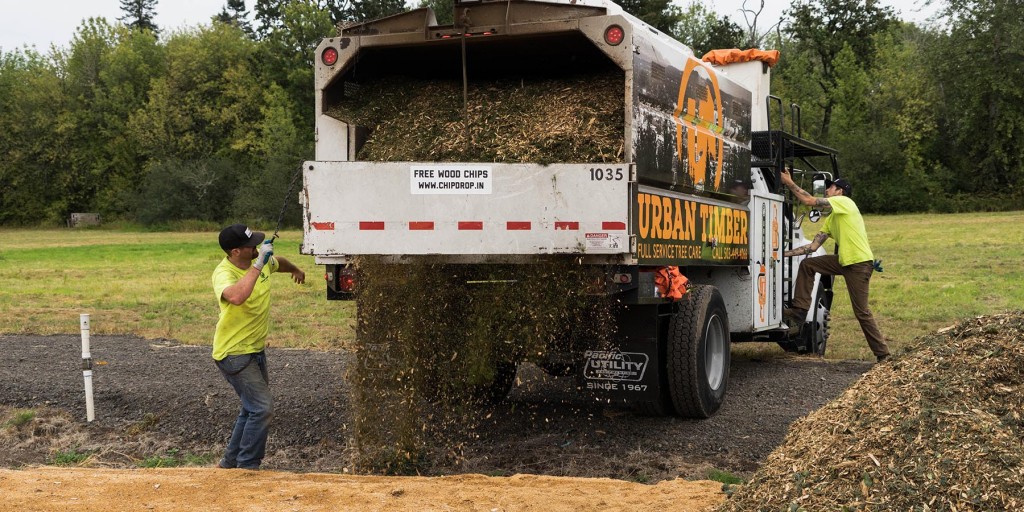
Using local tree mulch is a great way to help your local economy and save money. It keeps green waste out of landfills, reduces drive time of heavy trucks on the road, and keeps the plant material in your neighborhood in the same location. There’s no way to get a more local mulch product than getting it straight from an arborist!

Here are some common questions people have about the service, and getting wood chips from arborists in general.


Q: How much wood chips come with a delivery, and is there a way to ask for a small or specific quantity?

A: Most arborists will not deliver a partial load of wood chips, because it takes too much time for their crew to set up the delivery, and lost time is their number one cost. Tree companies are willing to deliver wood chips only because it is fast and easy for them, and for this reason, you must be willing to accept a whole truck load, which is about 10 – 15 yards in a single delivery. We always encourage folks to share a delivery with their friends and neighbors on nextdoor.com. It’s a great way to meet some folks and share a valuable resource.


Q: What about logs, leaves, pine needles, trash, etc. in a delivery? Are they ‘clean’ chips?

A: The short answer is ‘no’, they are not clean chips that you would buy from the store. They are usually a mixed variety of species and size and they always have leaves and pine needles mixed in. You can specify whether or not you’re willing to accept logs in your load. You can even sign up for a load of all logs if you’re looking for a cheap source of firewood. There is sometimes a small amount of trash in the pile that you’ll have to pick out, although it should be a very small quantity. The crews who do the tree work are often raking and sweeping up along the side of the road, and all kinds of interesting things can end up in the load.


Q: How will I know when to expect a delivery?

A: You won’t know when a delivery will be showing up, so you’ll need to have a drop site that is clear and accessible all hours of the day until a delivery arrives. That means making sure cars won’t be blocking the drop site. It’s also important to make sure there are no low overhead power lines or tree branches that might block the lift bed of the truck. You typically need about 15′ – 20′ of overhead clearance for the trucks to be able to deliver.
5 (1)

Fun Facts:

  • Chip Drop has helped keep 70,451 tons of wood waste out of landfills to date.
  • It has reduced the driving distance of arborists by 81,459 miles.
  • It has distributed 220,160 yards of affordable, locally sourced mulch to gardeners, schools and community gardens.
  • It has helped homeowners save 248,990 gallons of water per day, a total of 107 million gallons since 2014.

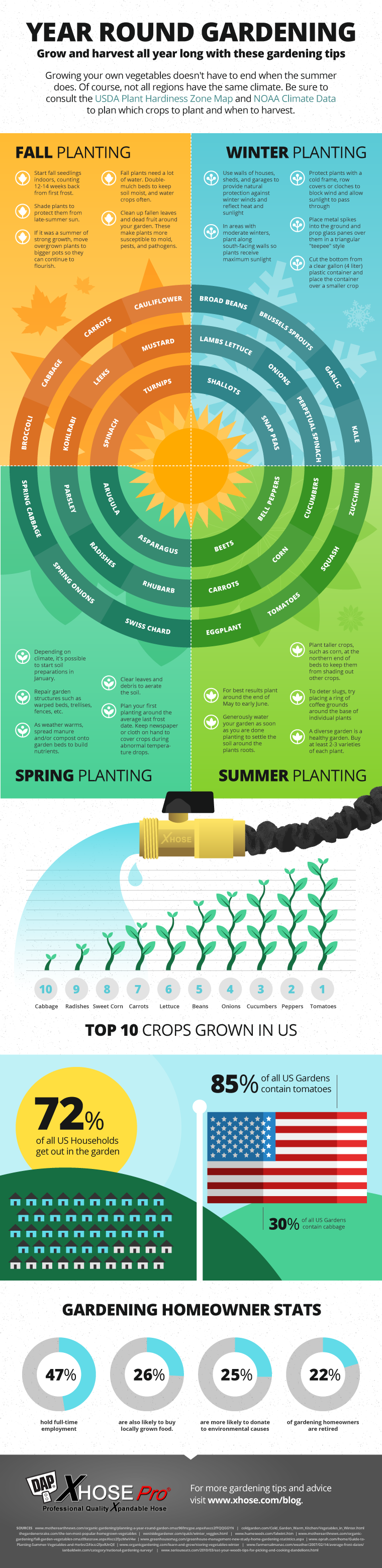
Start Planning Your Fall and Winter Gardens NOW!

UOG Fall Club

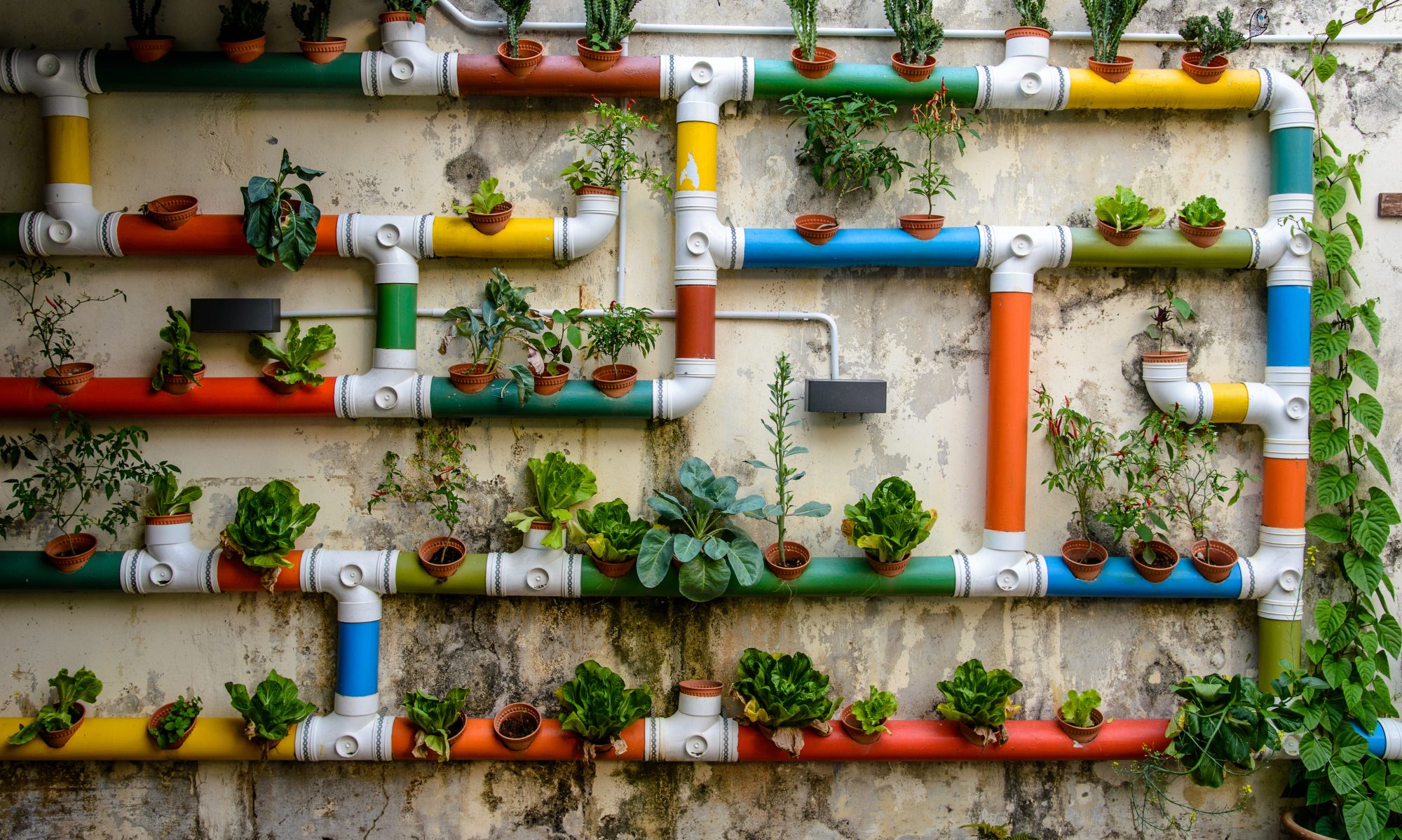
Now is the time to start planting seeds for your fall/winter gardens. Let our Garden Guru’s hand select popular heirloom, GMO-FREE varieties for you to start each month, customized to your location and grow zone! (Think frost hardy crops or varieties that can be grown indoors such as sprouts, lettuces, leafy greens and MORE!)

Sign up today at https://urbanorganicgardener.cratejoy.com

During sign-up, just let us know whether you prefer to grow indoors, outdoors, in partial shade or in the sun. Do you grow hydroponically? Not a problem, we’ve got that figured out too!

An Urban Garden Fights for its Life

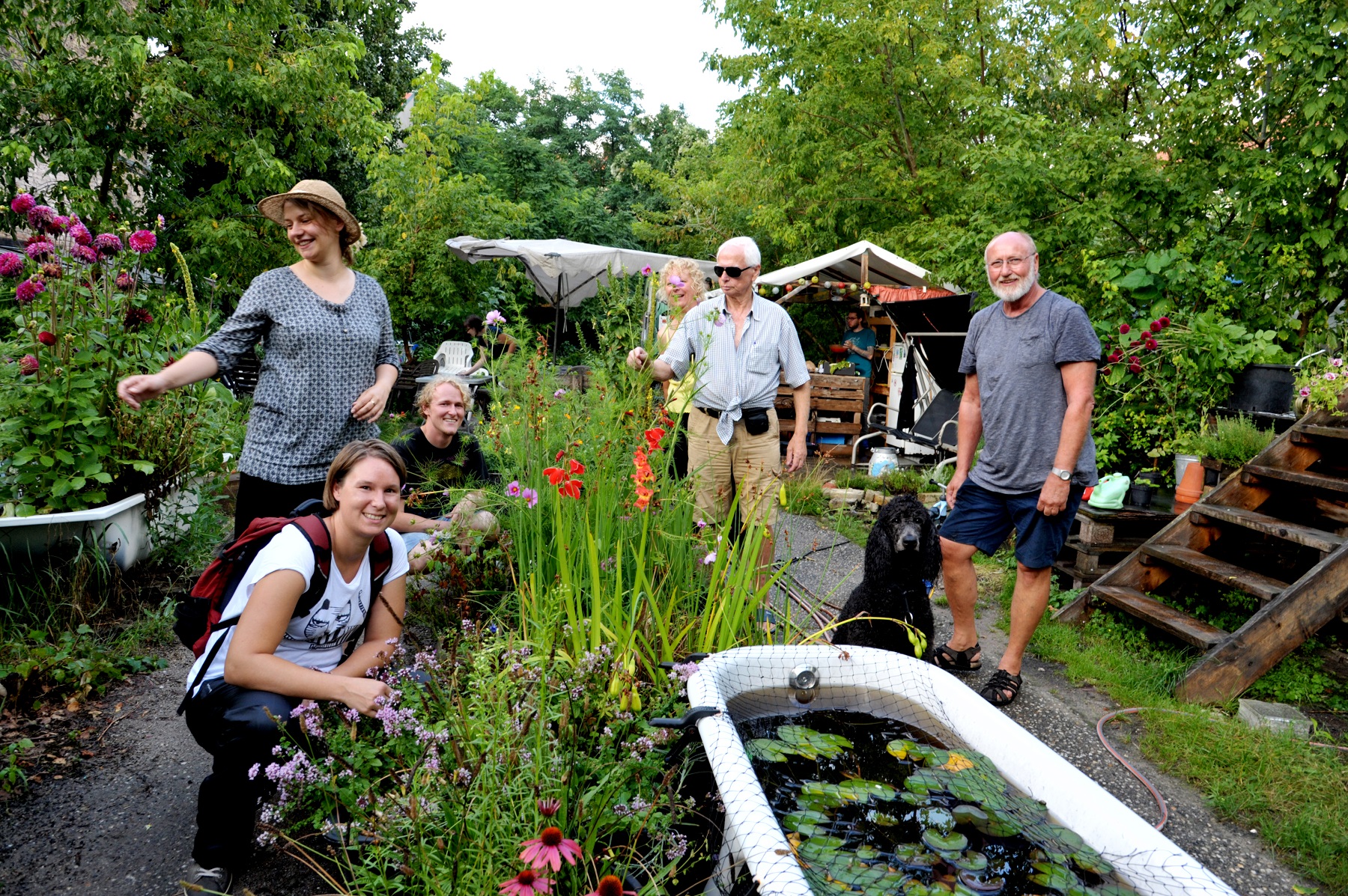
Die Stadtgärtner der „Prachttomate“ in Neukölln. In der Bornsdorfer Straße 9 -11 in Berlin Neukölln.  Das Urban-Gardening-Projekt gibt es schon seit 2011. Auf dem Foto sind die Gärtner: Vanessa und Anja. und mit lockigem Haar Johannes und mit Sonnenbrille ganz cool Achim. Paar mit Hund ist zu Besuch. - leider sind nach dem Unwetter nur wenig Leute zum shooting gekommen. Deike beschreibt im Text viel mehr exotische Leute. Foto: Doris Spiekermann-Klaas

“A community garden in Berlin turned an abandoned yard into a green paradise. But the growing pressures of gentrification may pull up the collaborative project’s roots.

They say paradise is a garden. For over six years now, community gardeners in the Berlin neighborhood of Neukölln have been growing a little utopia. They took over a patch of unused ground, planting the half-acre with flowers and vegetables, and sharing the harvest with their neighbors. Anyone can join in, and they do: kids from the local schools, lonely single parents, newly arrived immigrants trying to put down roots.

The garden, known as Prachttomate, which translates roughly as “prize tomato,” has become a local success story, a self-created community resource and a microcosm of one of Berlin’s most multicultural neighborhoods. The success of the garden fits in with a change in urban gardening’s image in the last decade. Once seen as a dowdy hobby for the middle-aged, city gardening now attracts all ages with its improvements for health and quality of life, a hint of civilized living in the urban jungle.”

Read the FULL article at: https://global.handelsblatt.com

When farm to table is just a few blocks away

AR-170919868.jpg&maxw=600&q=100&cb=20170924000915&cci_ts=20170923112437

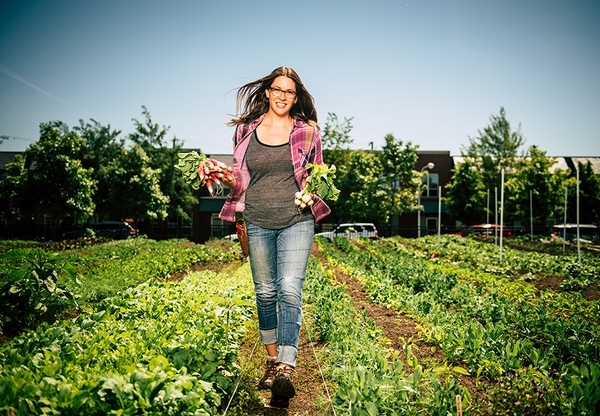
Jen Rosenthal walks beside a row of green pea tendrils bearing small, cloverlike leaves and thin stems. She kneels down to cut the top halves. Sugar snap peas would grow from their flowers if left to mature, but Rosenthal has found leaves from this particular type pack a lot of bright flavor. Place them in water after harvesting and they don’t deteriorate quickly like their siblings. It’s one of many lessons Rosenthal has learned in the two years she’s been growing produce at Legends Farm, a training site for urban farmers through the Chicago Botanic Garden’s Windy City Harvest program.

“Some restaurants try growing these on-site, but without the rich soil they get too leggy and spindly,” Rosenthal said of the pea plants while standing in one of the lower drainage rows that run parallel between the more elevated crop rows at Legends. “We’ll let some blossom and harvest peas before they all come out to make more room for peppers and eggplants.”

Read the FULL Article at:ChicagoBusiness.com

YOUR GO – TO MODERN GARDEN ROOMS GUIDE (INFOGRAPHIC)

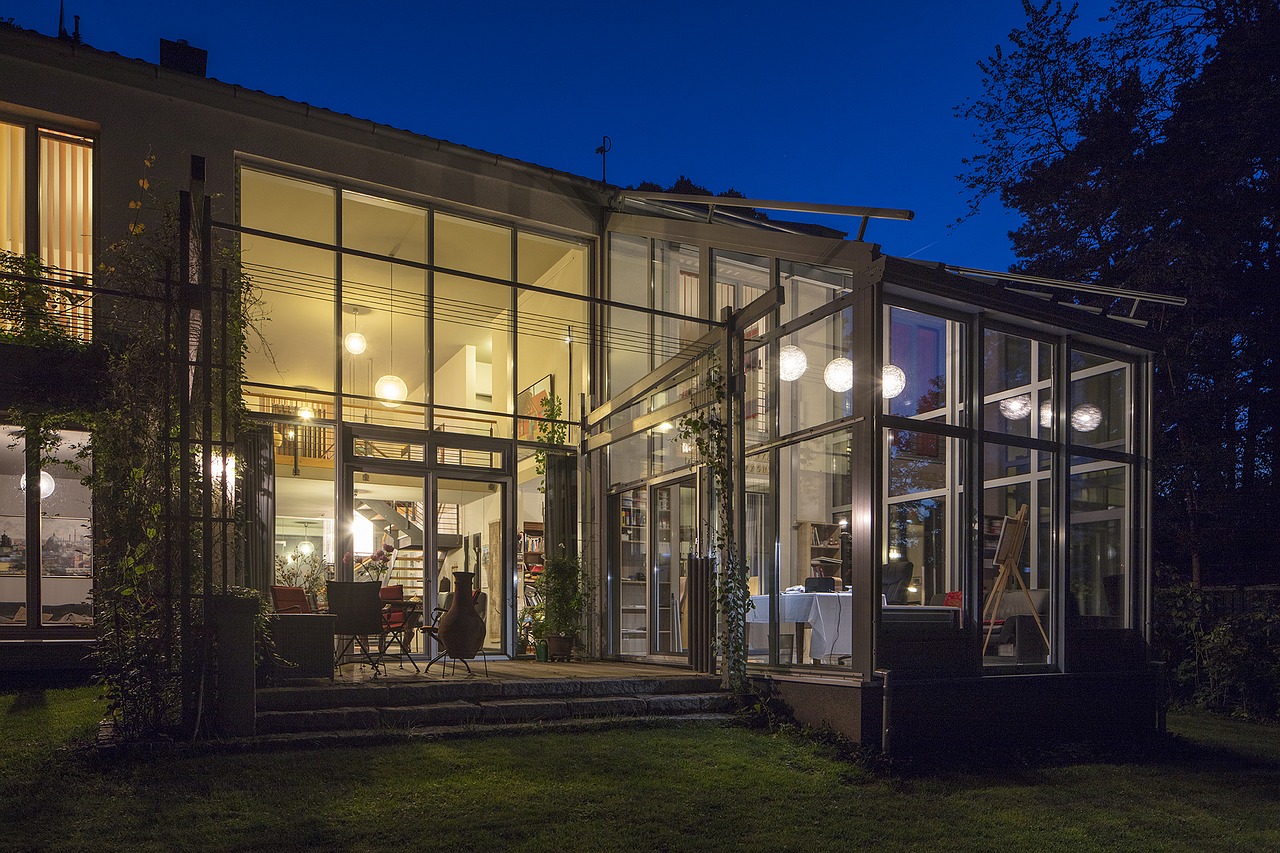
We’re right in the midst of the booming market of garden rooms. Perhaps you’ve taken the plunge and bought your first garden room, or you’re seriously considering one for your home business, study or music room. We here at Modern Garden Rooms are fully aware of a sea of questions that arise upon the consideration of a garden room:

What else is a garden room actually used for?

What are the legal legislation’s surrounding garden rooms?

How do I protect my garden room from damping?

Modern-Garden-Rooms-Infographic


Read the FULL article at: “ModernGardenRooms.com

Grow Together: The Benefits of Starting a School Garden Program

Click to Enlarge Image

School Garden Programs

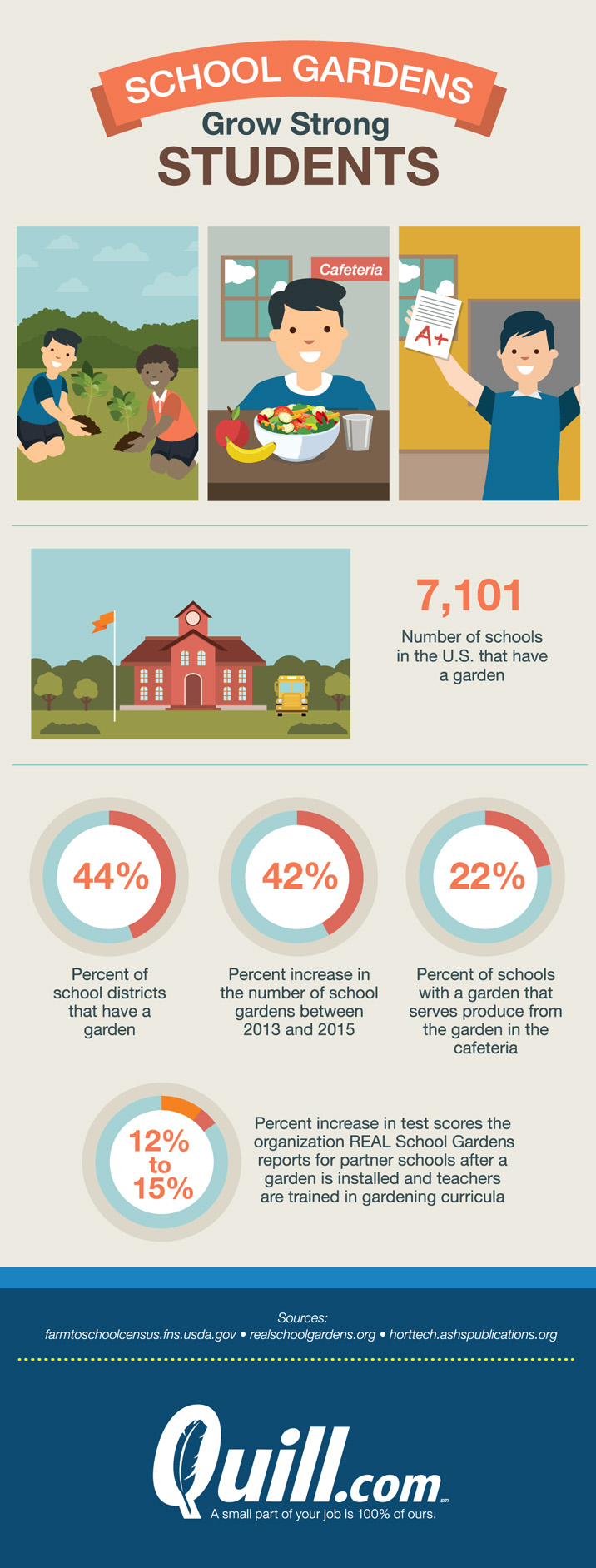
““A garden is a grand teacher,” horticulturist Gertrude Jekyll wrote. School administrators obviously agree because the nation is in the midst of a school gardening boom. The number of school gardens nearly doubled between 2013 and 2015. More than 7,000 American schools now have a garden.

Most teachers start a school garden program in elementary schools, and grow flowers or veggies. Some include unique features, such as chickens, orchards, and aquaponics systems (where students raise fish and use the fishes’ waste to feed plants). Teachers use gardening activities to teach nearly every discipline, including health, nutrition, science, math, environmental studies, language arts, art, and social studies. Students in one California school sow native plants to learn what the state looked like prior to European settlement. In other schools, kids test soil composition, learn about food chains and ecosystems, measure plants as they grow, calculate the perimeter and area of garden beds, and keep gardening journals.

Researchers examining how gardening impacts students have found that school gardens–sometimes called “living classrooms”–cultivate more than just plants. Students who participate in school gardens are on average more engaged in what they’re learning, boast higher science test scores, and eat more fruits and vegetables than their non-gardening peers.”

Read the FULL Article at: “Quill.com

Rooftop farms in Gaza provide a lifeline to the community

gazafarm-1-1020x610

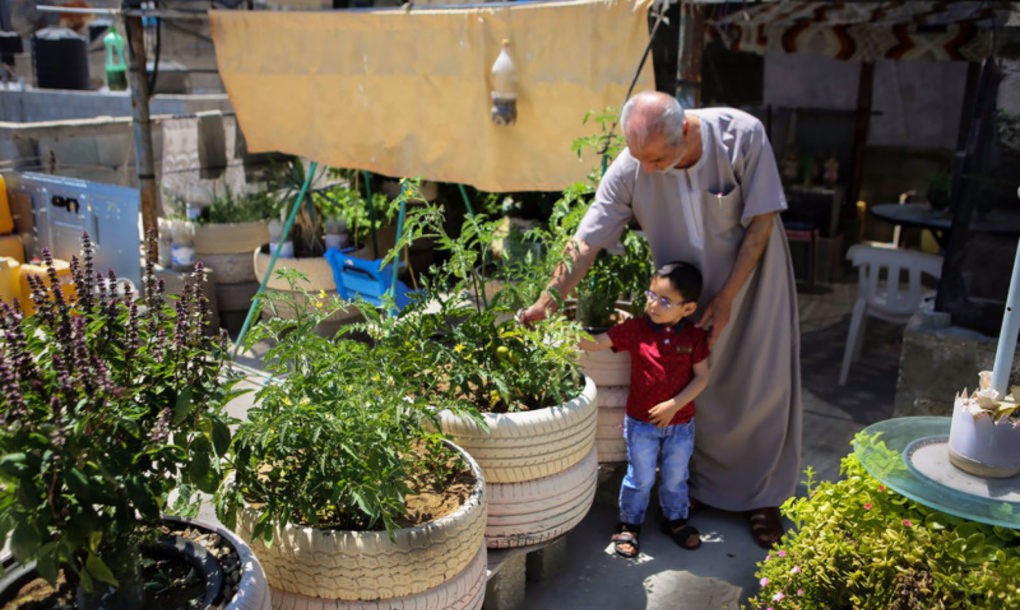
“Meeting even basic needs can be a challenge for the nearly 2 million people that live in Gaza. An Israeli blockade inhibits international trade and prevents vital supplies from reaching the 141 square mile territory, so the Palestinians living there rely on resilience and innovation to survive with the resources they have. Squeezed out of arable land, many Gaza residents are farming upwards, on the rooftops of the dense urban Mediterranean territory.”

View the Original Story at: “Inhabitat.com