The Dad Lab // Subscribe to this YouTube Channel for more videos of fun and educational activities!
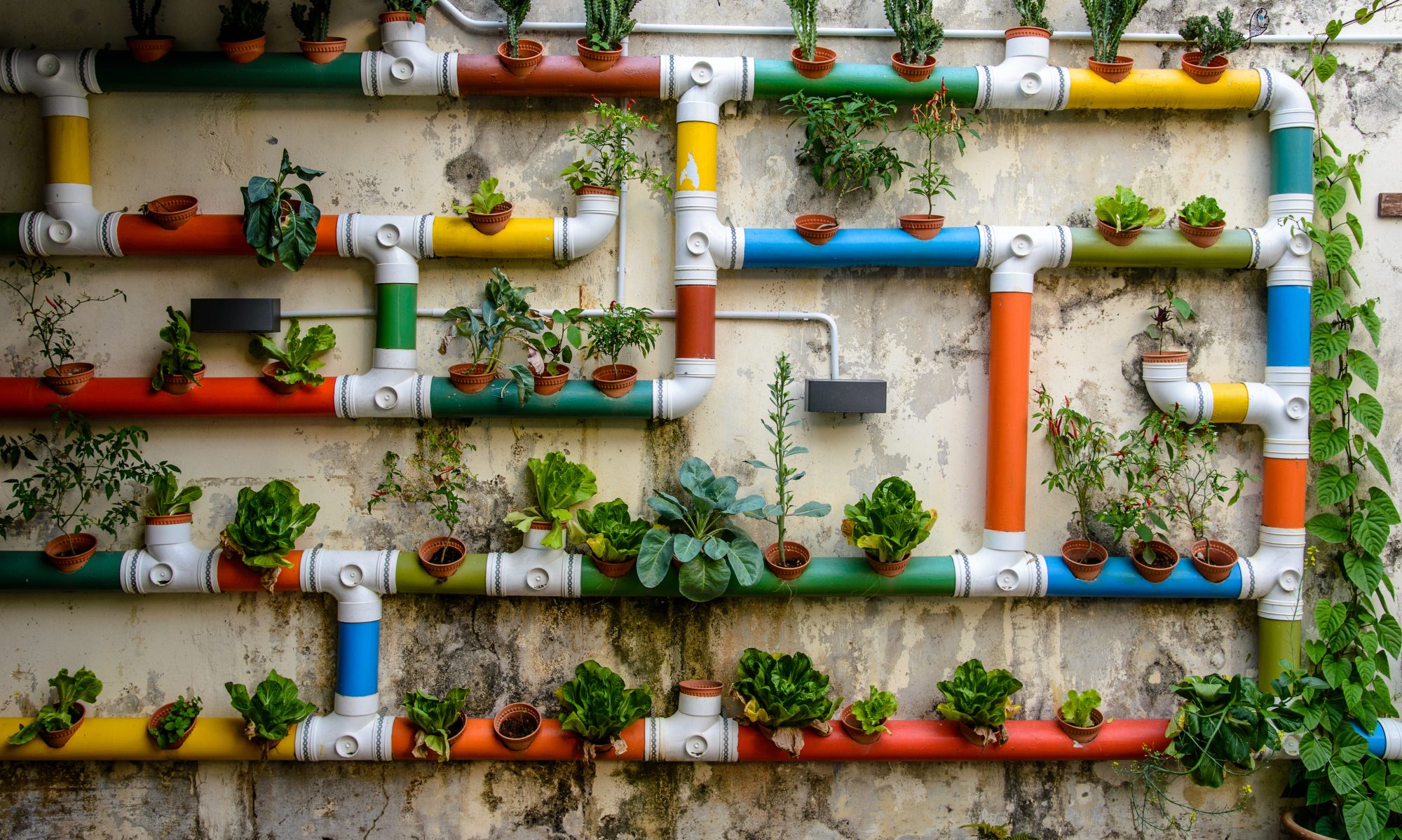
Urban-style organic gardening blog about growing your own food with limited space and creative resources.
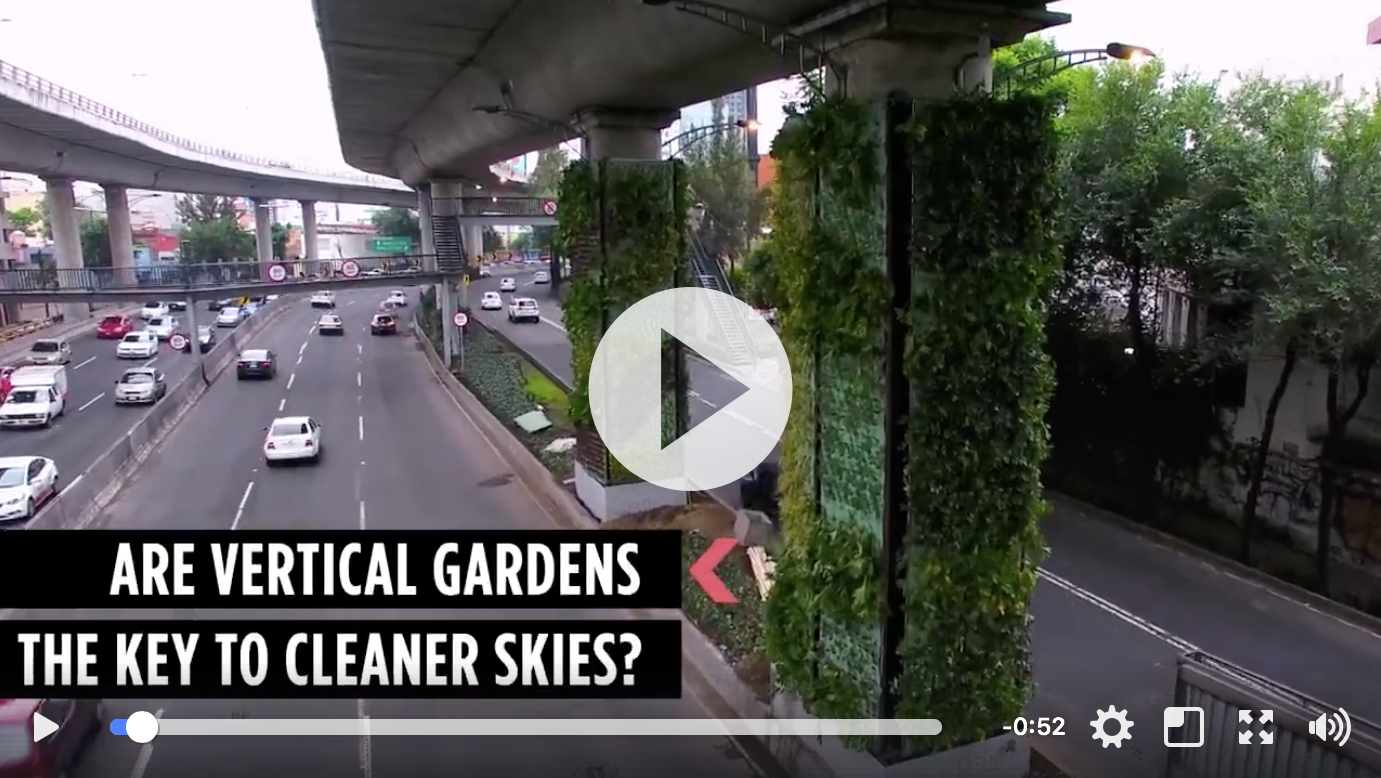
Mexico City is elevating urban ecology to new heights with an initiative called “via verde” or green way. The project aims to transform hundreds of pillars supporting flyovers and elevated roads into vertical gardens to reduce pollution while improving the cityscape, says director Fernando Ortiz Monasterio.
“We live in a very grey city. Very grey and we forget because we have become used to that being our urban landscape. As soon as we find a park, a green landscape, we realize our mood changes.” The gardens are actually walls made out of metal frames and cloth that are placed on top of pillars to avoid damage to the concrete structures.
“It’s a special cloth which has a special density that allows the root of the plants interweave in this cloth. Each column has an automatic watering system that also works together with rain water.” The project aims to provide the city with an extra 40,000 meters of greenery to hopefully lift the air quality and the mood of the city’s 20 million residents. – via “reuters.com”
We include everything you need to get started every month. Receive a curated collection of heirloom/non-gmo garden seeds and garden supplies- delivered to you at just the right time of the year to plant them. Completely customized based on your USDA Hardiness Grow Zones – your growing medium – garden location – amount of sunlight – experience, etc.
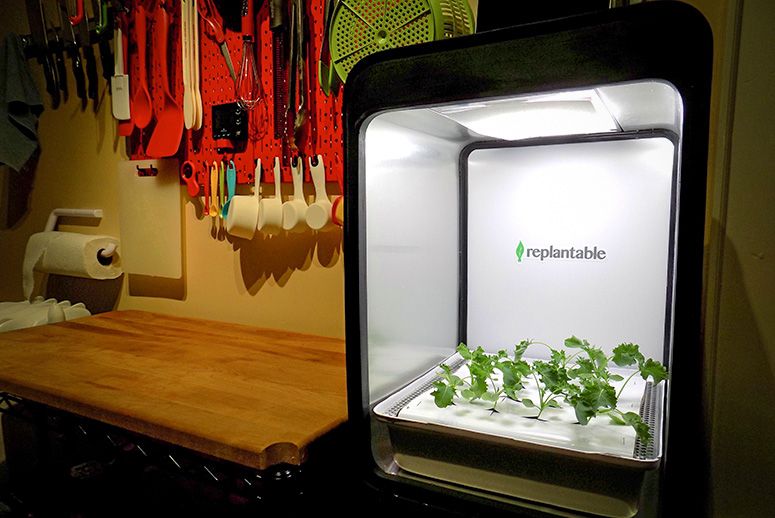
“For many city-dwelling apartment renters, securing a home with a sprig of green space is a tall order, let alone a place that gets enough sunshine or rain to cultivate a fresh vegetable garden. A pair of designers have found a way to bring farms to homes—no outdoor space required.
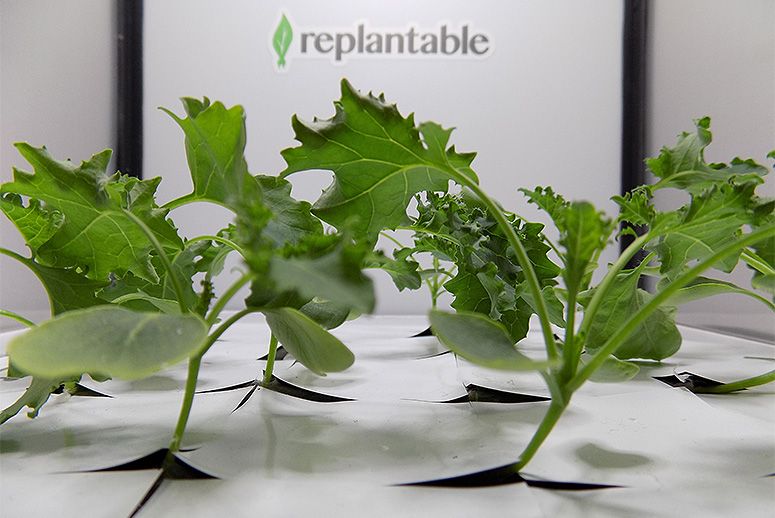
Enter the nanofarm, a roughly 18-by-14-inch wooden box that uses LEDs in place of the sun to nourish greens. Subasinghe has also created specially designed plant pads for the boxes. The fabric pads are woven to trap moisture and nurture the crops—including lettuce, arugula, beets, and bok choy—all without the use of pesticides.
The no-muss, no-fuss farm boxes simply require users to add water, turn on a timer, and wait for a notification light, which signals that the plants are ready for picking. So far, the nanofarm has been delivered to a handful of test users, all of whom report hands-off farming and plentiful harvests.”
Read the FULL ARTICLE at: “TakePart.com“
“Ask any gardener: Nothing tastes so sweet as something you grew yourself, even in the big city. Before Silicon Valley was paved over with concrete, it was the Valley of Heart’s Delight, boasting some of the world’s richest topsoil.
Kumar is keen to spread the good word about gardening. Along with several PayPal colleagues, he volunteered to build a greenhouse for a San Jose non-profit called Valley Verde, which helps low-income families grow their own food.
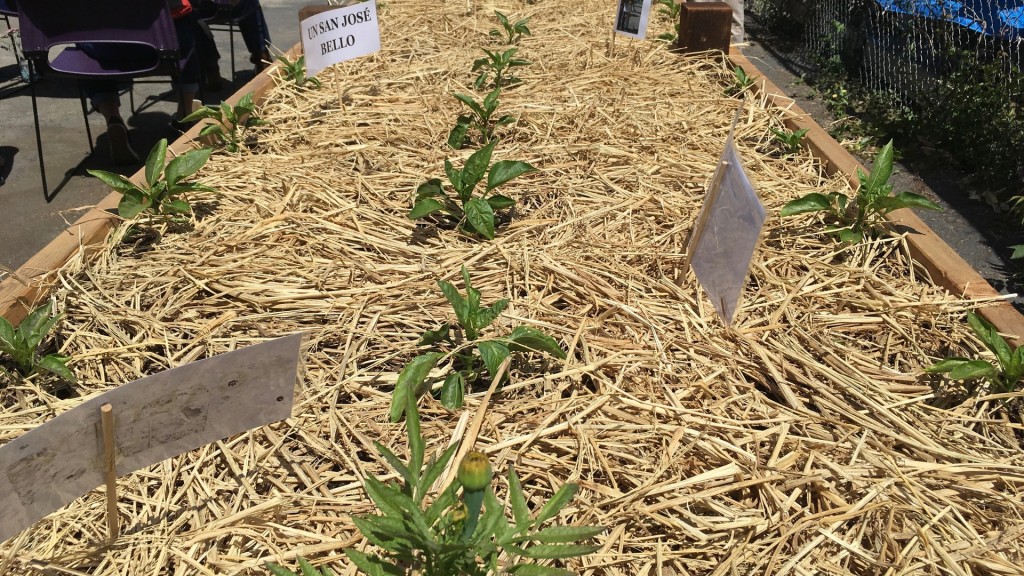
On a recent sunny day, the group celebrated the greenhouse’s grand opening in San Jose’s first “urban agriculture incentive zone.” What was a used car lot is now covered with raised planting beds and stacks of bagged soil.”
Read the full article at: “https://ww2.kqed.org/bayareabites/2017/06/22/urban-gardening-is-alive-and-well-and-living-in-downtown-san-jose/“
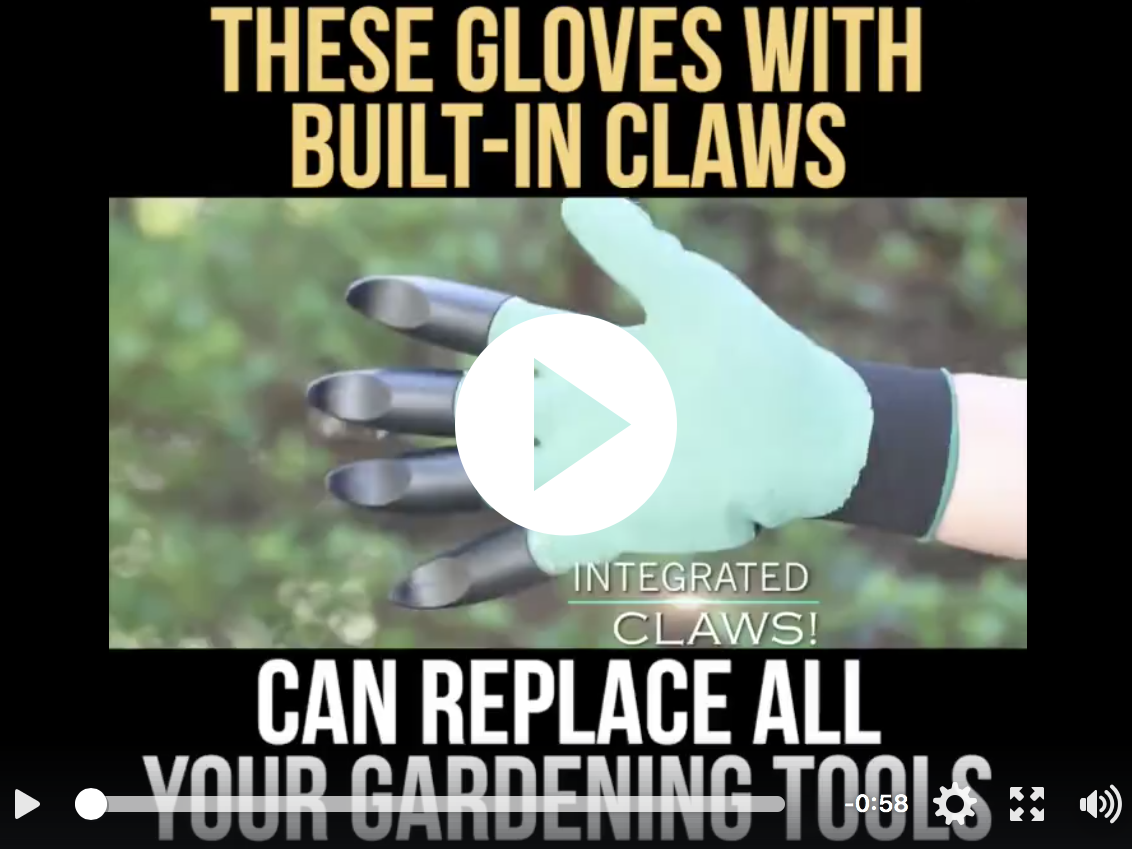
Gloves that let you dig and plant without hand tools!
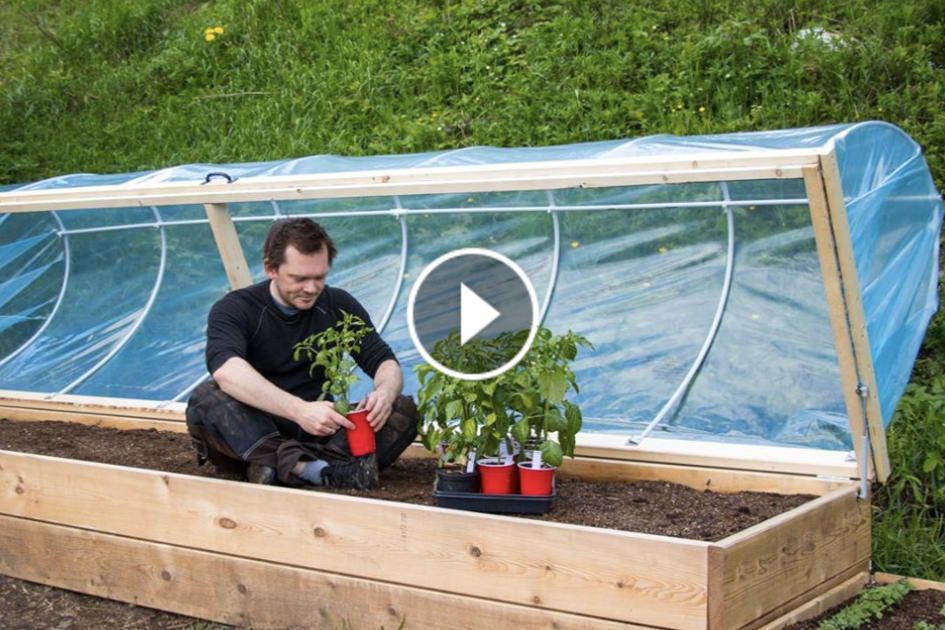
Here are some things you’ll need to get started:
Part list:
1,5×4 inch untreated wood
9 x 2 meter 16mm PVC pipes
Brackets for pvc pipes: http://www.biltema.no/no/Bygg/Monteri…
Handle: http://www.biltema.no/no/Bygg/Beslag/…
Gas cylinder: http://norcut.mamutweb.com/Shop/Searc…
Plastic: http://www.biltema.no/no/Bygg/Flisleg…
M12 bolts and nuts
Screws of different sizes
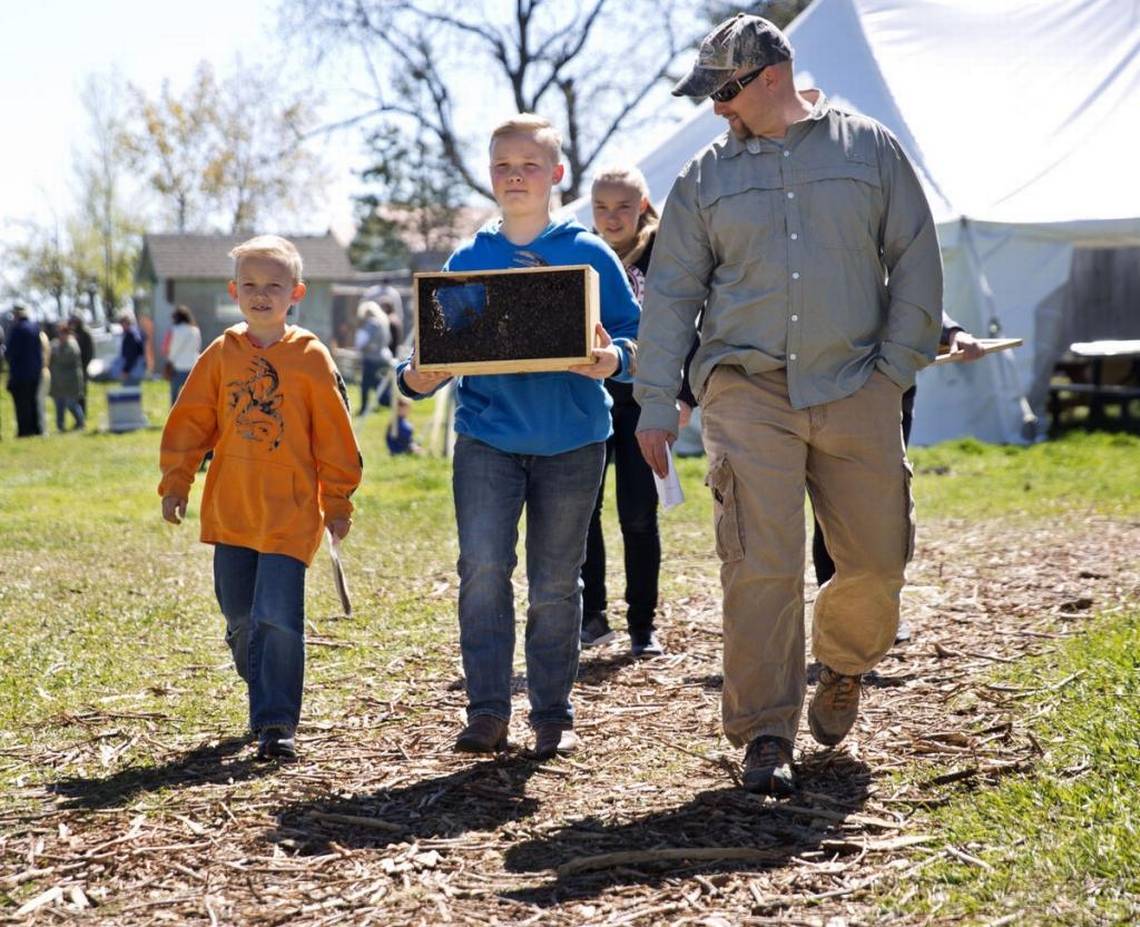
“Folks used to “homestead” — raise gardens and livestock, milk their own cows and gather eggs from their own hens — until it became easier and sometimes cheaper to purchase mass-produced foods from a store.
As people moved from the country into the city, many left their animals and their gardening skills behind. During the 1950s, cities across the nation began to outlaw animals within their boundaries, and the concept of sustainability seemed to disappear from the collective consciousness.”
Read more here: http://www.idahostatesman.com
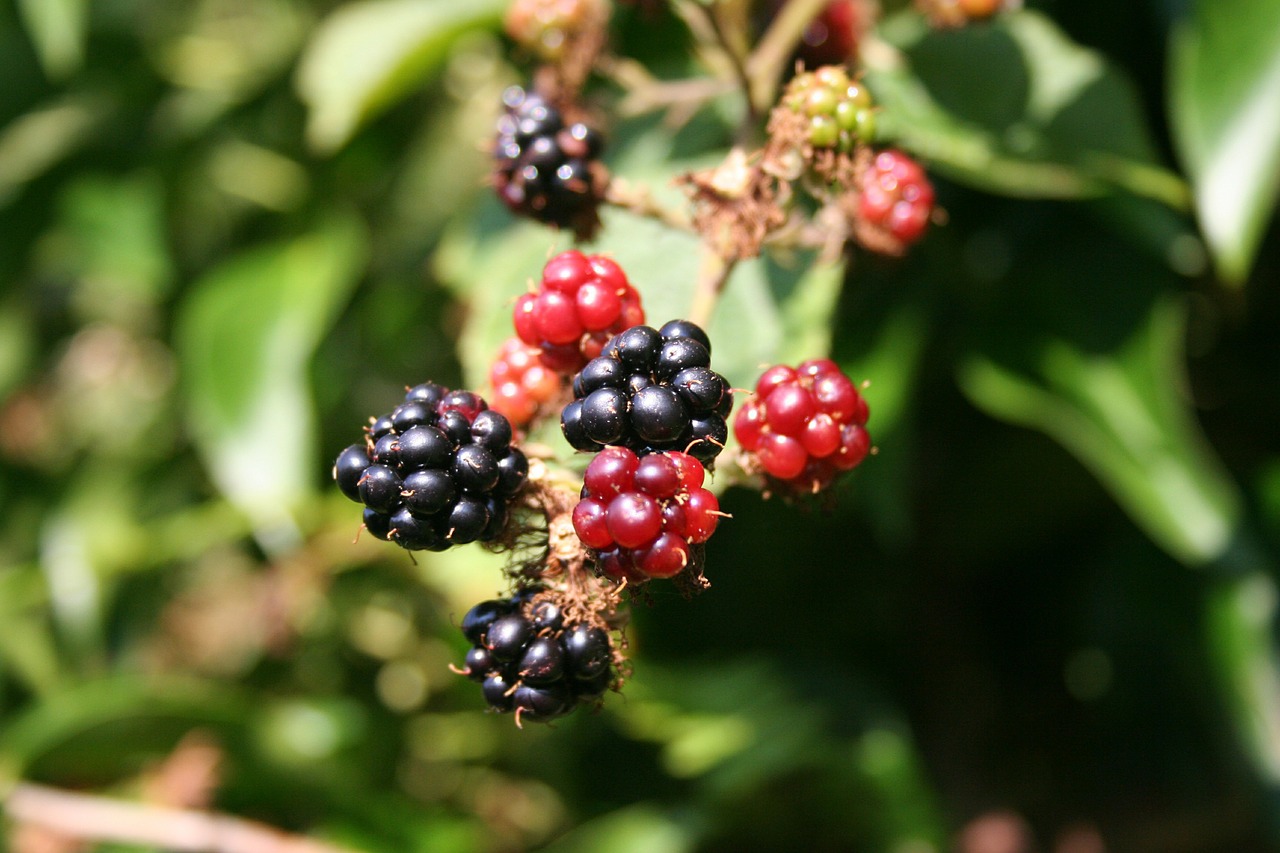
“Hey everyone! I am cycling across the United States right now and I just had to share this incredible tip with you that has given me so many beautiful days. And that is how to find a ripe berry tree. So, the thing is, you don’t look up. You look down! On the road, you’ll see dropped berries. Dropped berries mean the tree is ripe! So you see that as you’re biking or as you’re walking, and then you head to the tree. And sure enough, here you’ve got a white mulberry tree that’s just full of berries. And then you just go to town. And from this one tree alone, you can fill your entire stomach with berries. Completely free. And the thing is, I could just sit here for an hour and not even make a dent! And the thing is, when you see them like that, on the ground, you know they were going to waste. So you know you’re not taking someone’s berries. So this right here is the good life. I invite you to share this with your friends, get outside, and do some wild foraging.”
“Rob Greenfield is an adventurer, activist, and humanitarian for a sustainable and just world. He donates 100% of his media income to grassroots nonprofits. His YouTube channel is a source for all things sustainable living, off the grid, simple living, zero waste, tiny house, grow your own food, cycling, and green.”
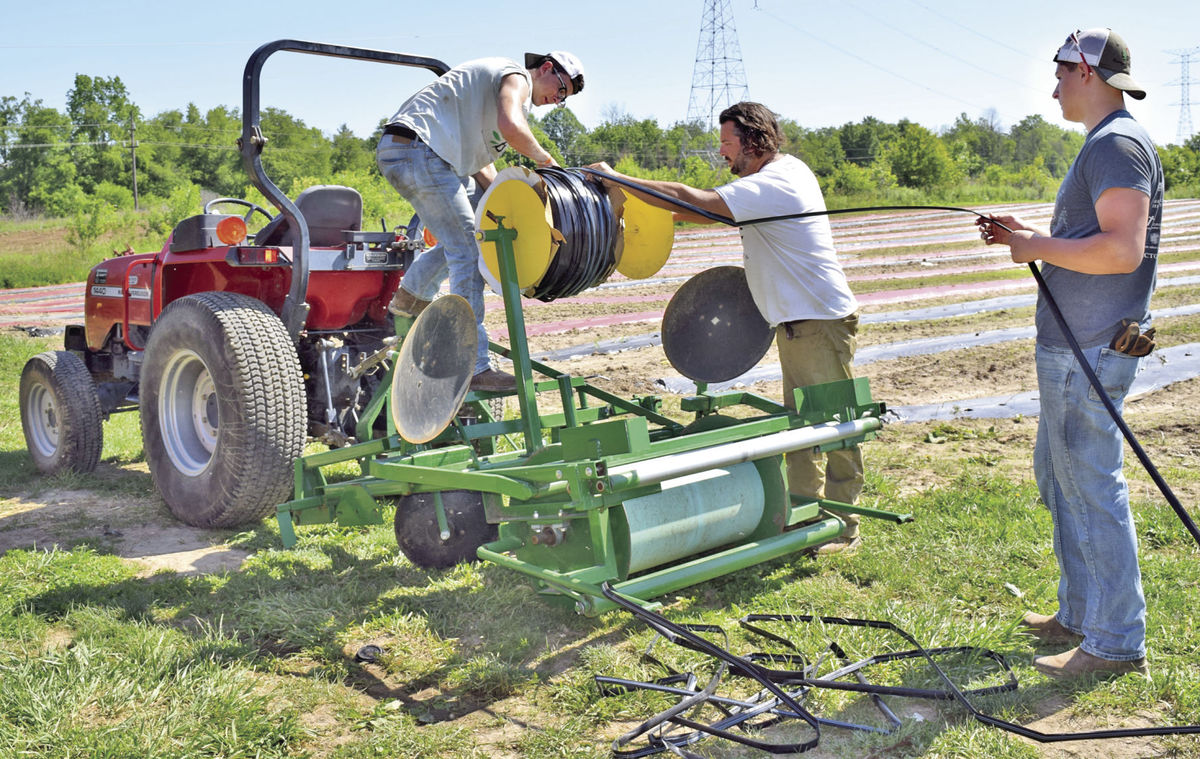
“GREENFIELD, Ind. — Jonathan Lawler, executive director of nonprofit Brandywine Creek Farms, has a goal of donating 1 million pounds of fresh produce to those in need in 2017.
Last year, Lawler, with the help of volunteers and seasonal employees, grew 211 tons of produce — over 400,000 pounds.”
“Their goal this year is to produce 40,000 pounds of food on site, with Brandywine committing to another 50,000 to 60,000 pounds of donations. With that, the center hopes to feed a combined 5,200 households in the area.”
Read the FULL article at: “AgriNews-pubs.com“
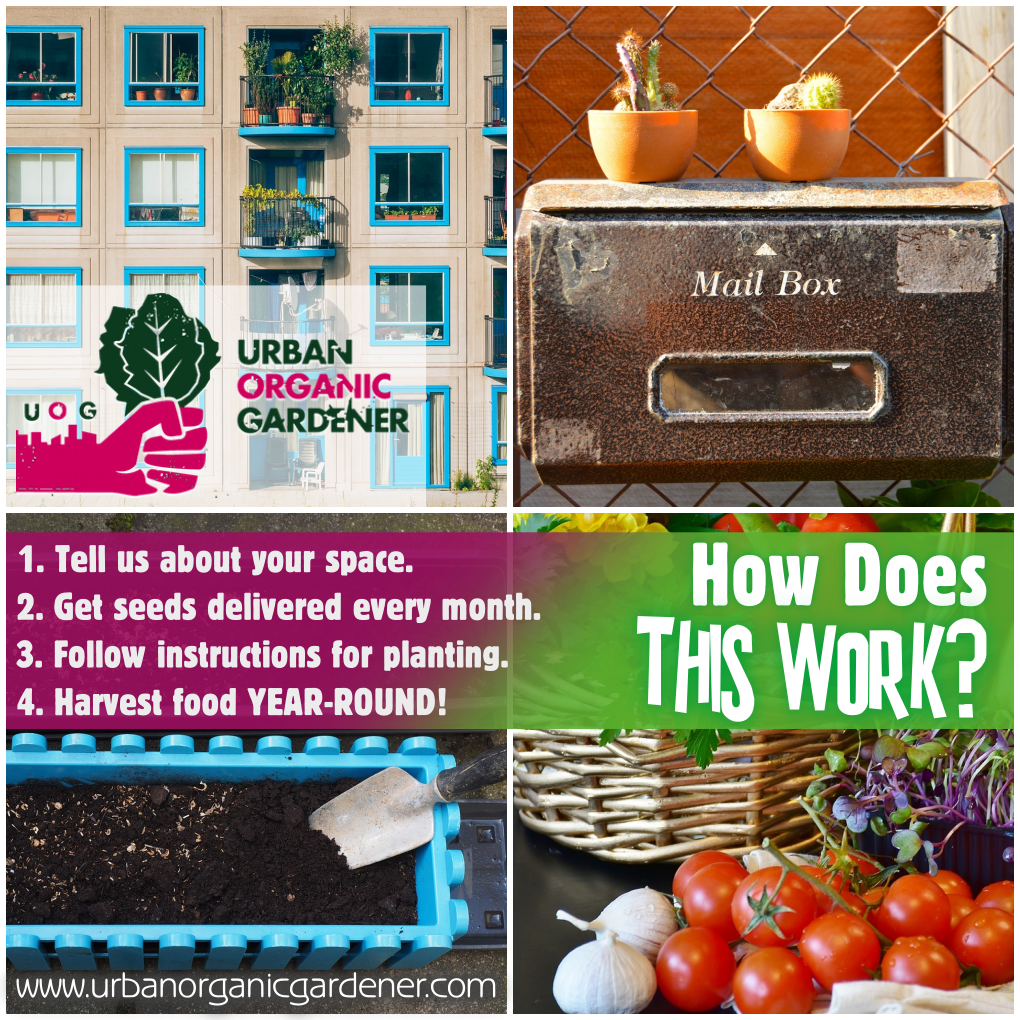
Want to learn more about how our Monthly Seed & Garden Club Works? Signing up is EASY! Let our Garden Gurus put together a custom curated collection of heritage garden seeds, perfect for planting in your specific grow zone and garden type.
1. Tell us what you’re working with. Answer a couple of questions about where you will be growing a garden and then we will take care of the rest.
2. Get seeds & garden supplies delivered right to your door! Shipments occur on the 5th of every month. What’s included? 5 mystery seed packets, plant markers, seed starting soil pods, instructions, and more!
3. Follow the instructions that come in your package. We promise to make this as easy as we can for you to live a healthier and more self-sufficient lifestyle.
Ready to join the club? https://urbanorganicgardener.cratejoy.com
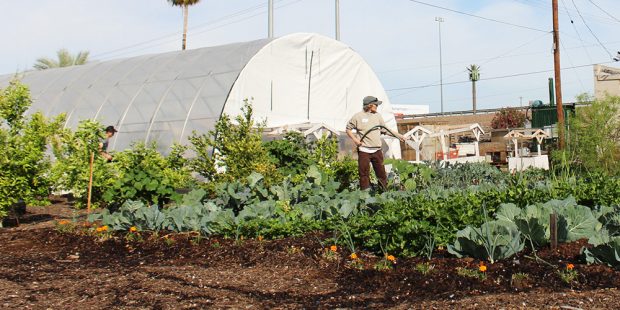
“If you thought urban farming was something only Hipsters do in California, think again. Urban agriculture projects in Phoenix have been steadily growing since 2015. Yet, despite its recent popularity, urban agriculture is nothing new. The practice of cultivating, processing and distributing food in or around a village or town has been a regular practice in Europe since the early 19th century. In the U.S., poverty-stricken citizens in Detroit were asked to use any vacant lots to grow vegetables during the Depression to feed hungry families.”
“Using permaculture and chemical-free methods, we grow and harvest hundreds of pounds of fresh produce every week,” the society reports. “These fruits and vegetables are used in our kitchen and added to food boxes for families.
Read the entire article at: “KTAR.com“
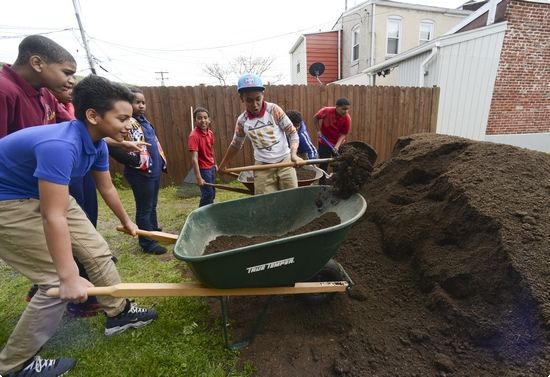
Children on the south side of Reading, Pennsylvania have an opportunity to grow, literally and figuratively, this summer. “We want to teach the kids that whatever you take care of will grow,” said Amanda Aparicio, pastor and director of student programs at City Light Ministry. “And that goes for caring for their environment.”
As part of the program, “the children will be helping tend a 36-by-10-foot garden, where they will grow an assortment of vegetables to be used in the campers’ daily meals. In addition to gardening, the kids will take educational trips to sites around the Reading area every week to learn more about history and culture. The camp will also include community service in the ministry’s neighborhood. The camp won’t be all work, though, as the kids will have a weekly visit to the Bernville Community Pool and also a weekly movie”.
To read the FULL article, visit: “ReadingEagle.com“

“Land-scarce Singapore is hugely dependent on food imports but one man is hoping to change that. Dubbed “The Urban Farmer”, Bjorn Low set up a social enterprise to teach Singaporeans how to grow their own vegetables using simple recycled materials.”
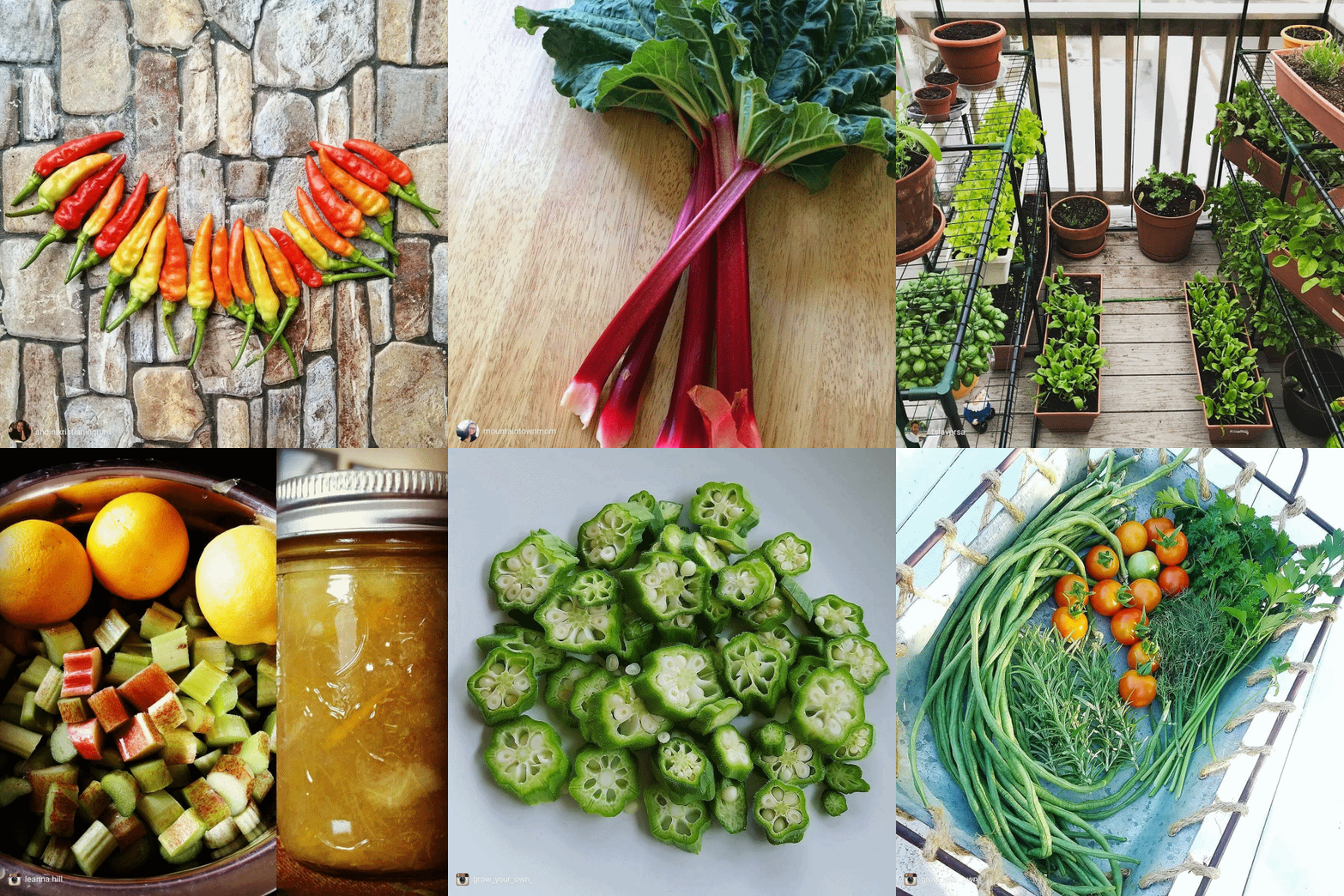
LAST CHANCE! Must join before JUNE 4th if you’d like to receive a shipment this Month. Shipments go out JUNE 5th.
Get seeds & garden supplies delivered to you at just the right time of the year. Fully customized based on your grow zone – garden specs – sunlight – and more. Join now: https://urbanorganicgardener.cratejoy.com
This is the easiest way to grow an organic garden all-year-round with totally raw un-treated GMO-FREE seeds. We will guide you and your family on your way to living a healthier and more self-sufficient lifestyle.
Join UOG today and let’s grow something together!
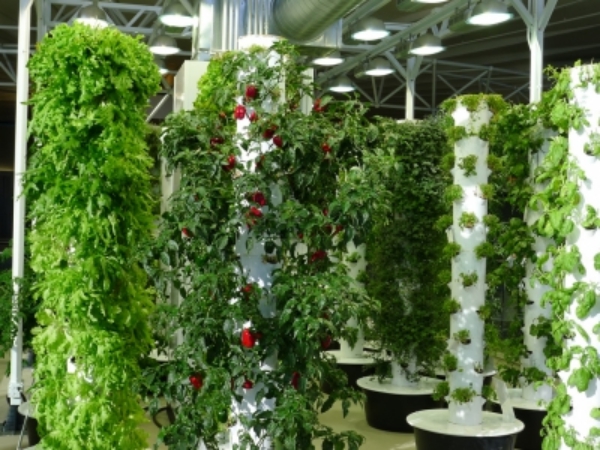
“The facility will serve one the continent’s largest supermarket chains in addition to being used for testing and optimising processes for future, larger vertical farms, and is scheduled to begin operating in the latter half of this year.
The 900 square metre indoor vertical farm will have over 3,000 square metres of growing space, and will use Philips GreenPower LED horticultural lighting.”
Read more at: “http://www.climateactionprogramme.org“
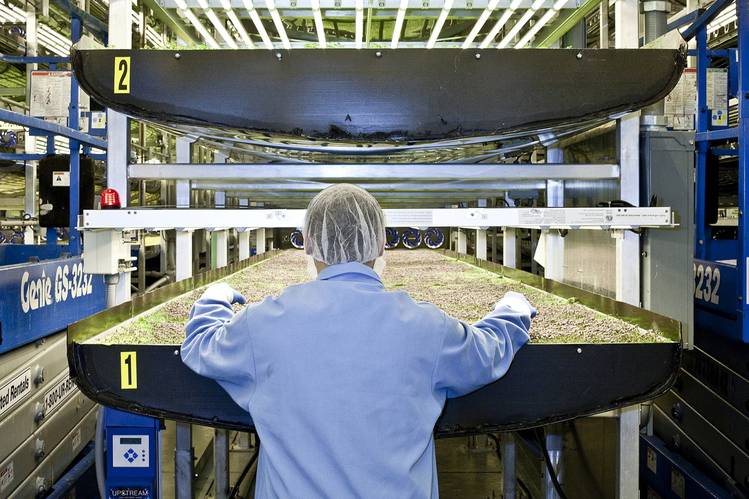
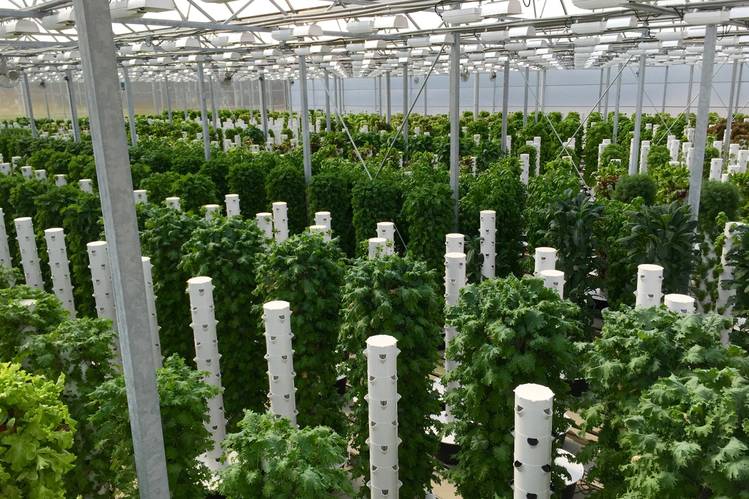
“Now more startups and city authorities are finding ways to grow food closer to home. High-tech “vertical farms” are sprouting inside warehouses and shipping containers, where lettuce and other greens grow without soil, stacked in horizontal or vertical rows and fed by water and LED lights, which can be customized to control the size, texture or other characteristic of a plant.
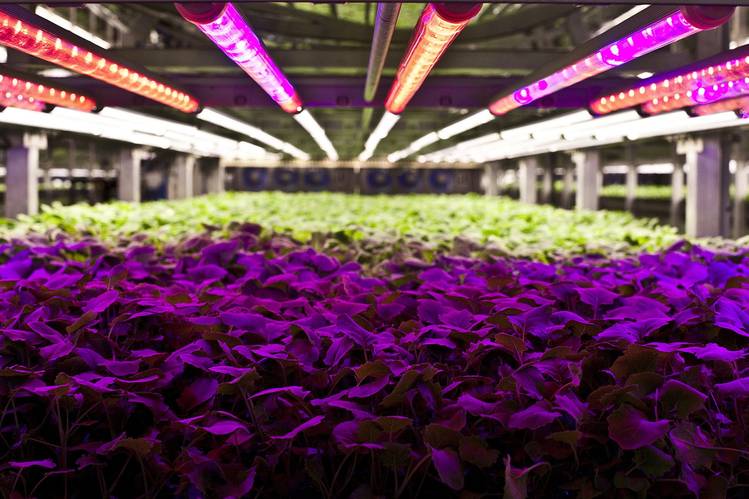
Traditional, rural farming is far from being replaced by all of these new technologies, experts say. The need for food is simply too great. But urban projects can provide a steady supply of fresh produce, helping to improve diets and make a city’s food supply more secure, they say.”
Read the FULL ARTICLE at: “WSJ.com“
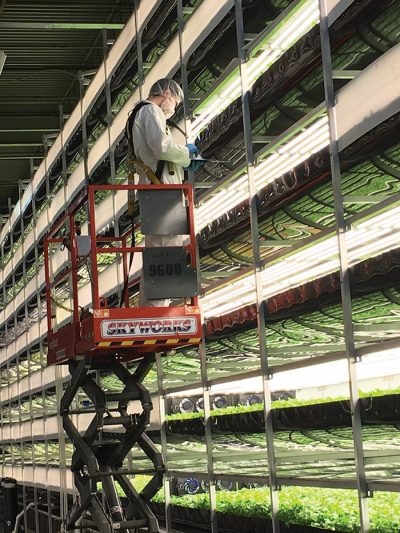
“Vertical farming means growing crops indoors in stacked beds. “This is a new way of farming, and it’s really redefining how we can bring local produce to the cities,” says Marc Oshima, a Morristown native and cofounder of AeroFarms. Oshima, CEO David Rosenberg and scientist Ed Harwood started the business in an effort to address global concerns over food shortages and hunger.
In its original New Jersey location, a 30,000-square-foot indoor vertical farm on Ferry Street, AeroFarms has grown arugula, kale, watercress, mustard greens, red romaine, bok choy and other baby salad greens—all without soil or sunlight.”
Read the rest of the article at: “NJMonthly.com“
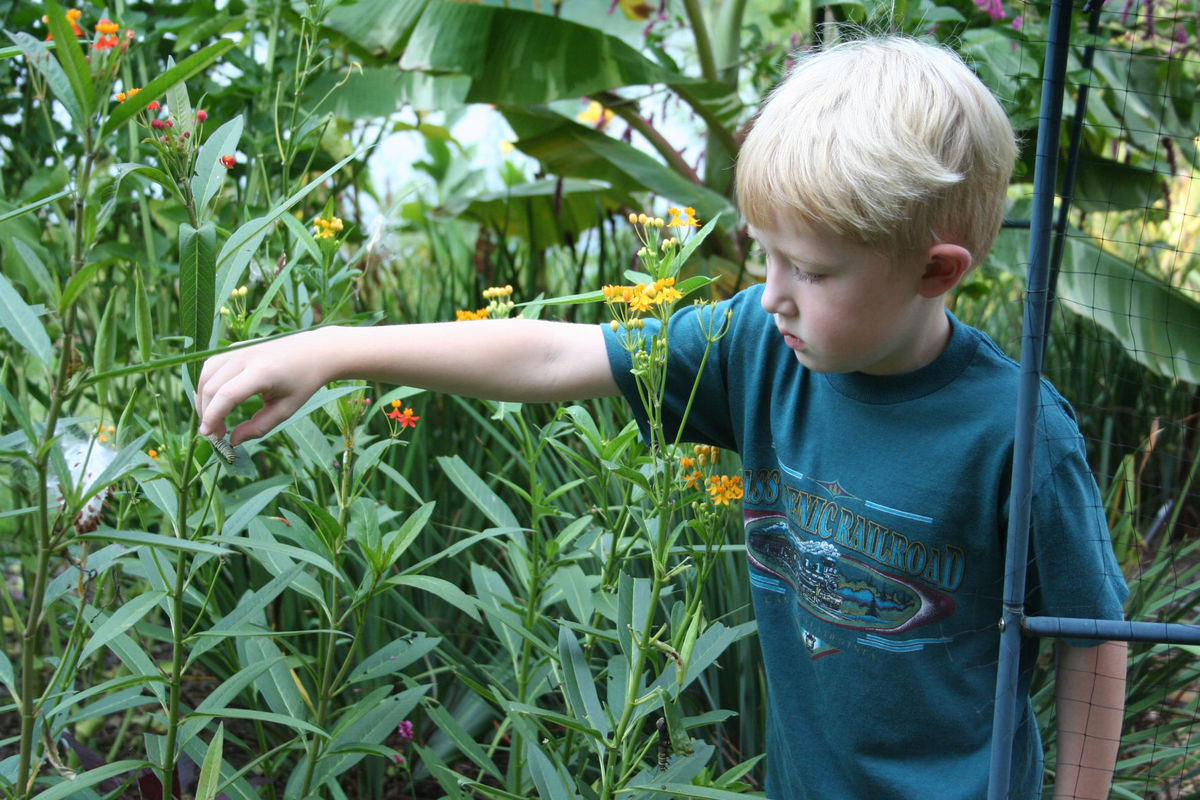
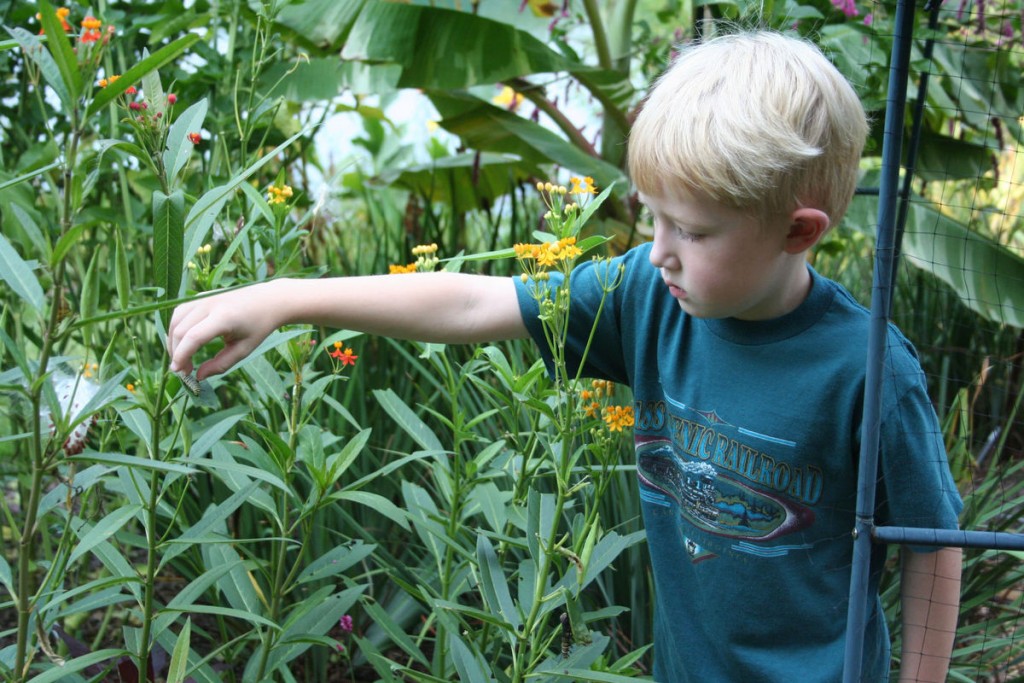
“I can say I have now been gardening for almost 50 years. I don’t really remember when I started. But I also don’t remember ever not gardening. All our summer days were spent outside in the yard. And those days were full of fun, hard work, lessons and lectures. The garden was our playground. It was also our classroom.
We spent days and days looking at the many shapes and colors of the flowers and the leaves. Mom directed my nose to dianthus, lilacs, lilies and the vine of sweet autumn clematis that each year took over the yew hedge by the garage. We enjoyed the sweet fragrances together, and I learned to tell the season by the flowers in bloom. Then she let me experience the spice of many herbs, the dusty fragrance of marigolds, the rubbery smell of bruised jimson weed and the acid stink of ailanthus. It turns out smell is a great way to distinguish many weeds.”
Read more at: “DailyProgress.com“