City Gardens Are Taking over Chicago Streets

On his way home, Darnell Eleby paused before boarding the commuter train in Atlanta’s Five Points station and maneuvered his wheelchair to a stop not seen on many mass transit platforms: a fresh food stand stocked with colorful fruits and vegetables from city gardens that are adding some color to the Chicago streets.

Aided by a volunteer, he filled a basket with bananas, apples, corn, and squash and paid with a health program voucher.

“It helps you out when you can’t get to the store,” Eleby said.

In Chicago, nonprofit groups have opened health clinics where staff provide patients with nutrition education and free coupons to area farmers’ markets replete with healthy foods.

READ THE FULL STORY https://usa.inquirer.net/40317/city-gardens-are-taking-over-chicago-streets

Urban Gardening 101: How to Deal with Contaminated Soil

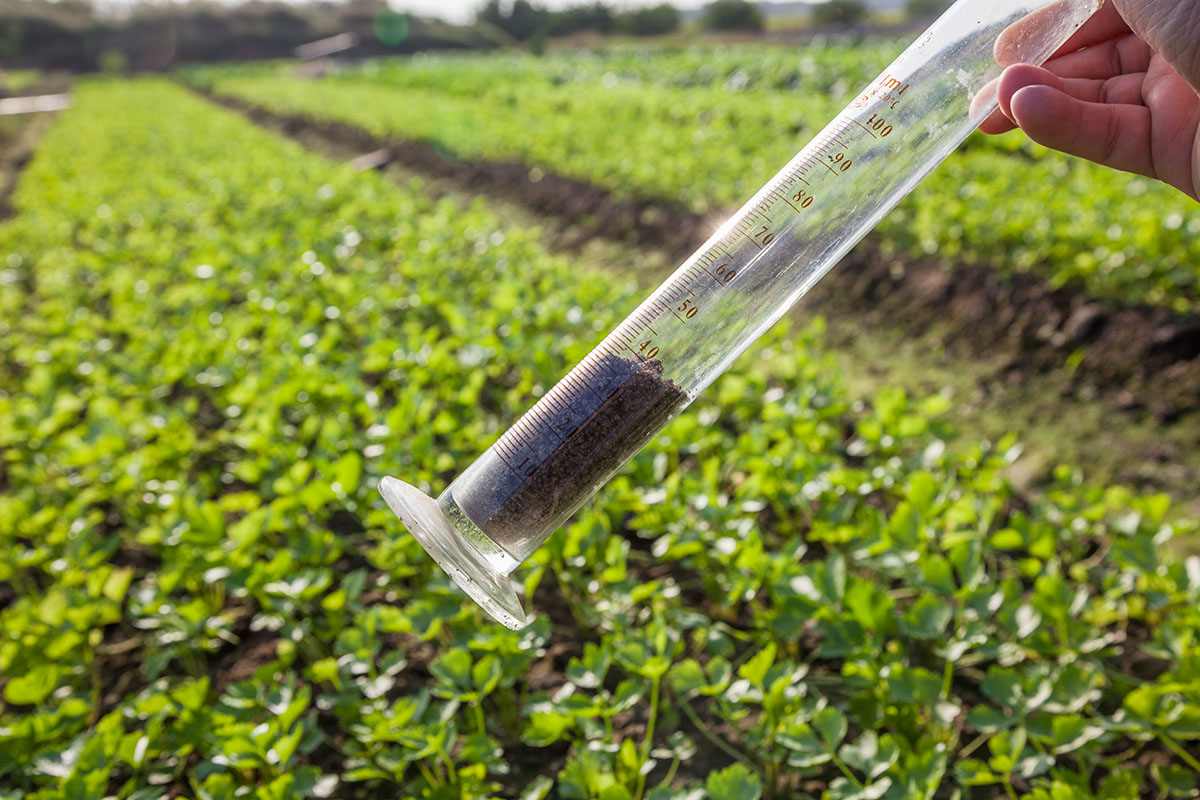
Urban soils are particularly prone to contamination. 50 years ago, your yard could have belonged to a farmer, who, perhaps not knowing any better, disposed of old bottles of anti-freeze or contaminated diesel in a hole out behind the tractor garage. Or perhaps the remains of a fallen down outbuilding, long ago coated in lead-based paint, was buried on your property buy a lazy contractor when your subdivision was built.

For those wanting to garden on non-residential urban property – school yards, church grounds, parks, commercial areas, vacant lots – the likelihood of contamination is even higher. There is no telling what sort of past activities took place there, all visible signs of which have disappeared. Prior the 1970s, environmental rules were very lax, and it was not uncommon for all sorts of hazardous chemicals to be dumped at any location where they were used. Many such chemicals persist in the soil for decades, if not longer.

The good news is that if the property was redeveloped (any significant new construction, demolition, or change of use) since environmental laws tightened, it would have had to go through a strict assessment to determine if contamination was present. If anything unacceptable was found, the owner would have been forced to remediate the soil before starting construction. However, if the property has remained more or less as-is since the 1970s (or earlier), it is unlikely that anyone has ever investigated what might be lurking in the soil.

READ THE REST OF THE ARTICLE: https://modernfarmer.com/2018/06/urban-gardening-101-how-to-deal-with-contaminated-soil/
An Urban Rooftop Garden With a Twist: They’re Growing Wheat!

roofcrop

“With a limited amount of space and difficulty using heavy machinery, most rooftop farms tend to grow high-value and easy-to-harvest crops, especially fruits and vegetables. But one rooftop farm in Chicago is finding that rooftop gardening can go beyond lettuce and tomatoes.”

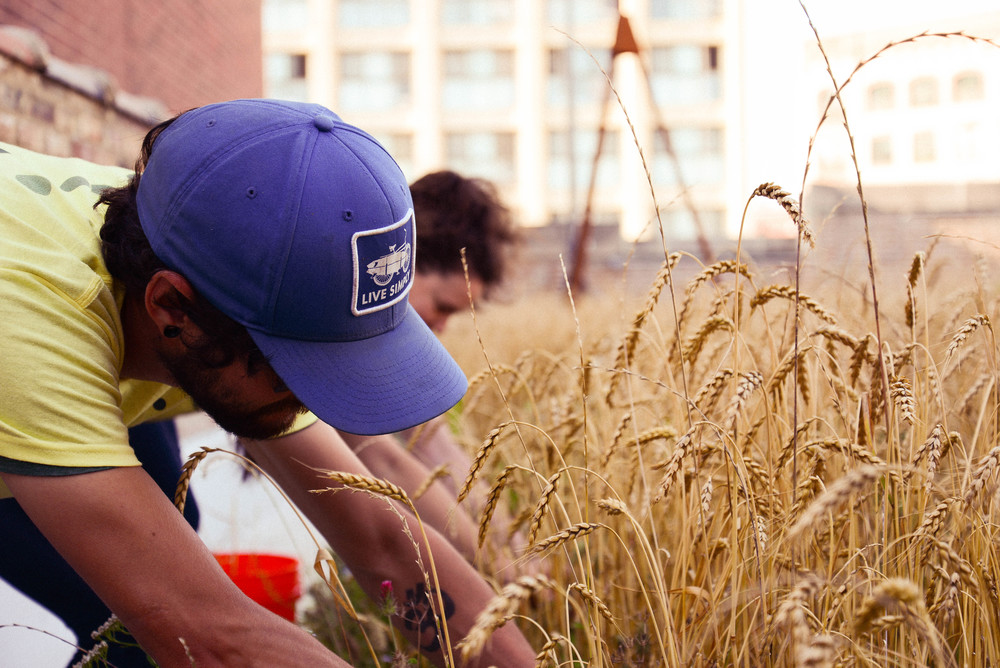
A new 5,000 square foot rooftop garden now hosts wildflowers and winter wheat. Wheat is an unconventional choice for rooftop gardens, but that didn’t stop Omni Ecosystems from trying.

To read more about this urban rooftop garden with a twist, visit: “ModernFarmer.com

This City Is Home to 820 Urban Farms and Quickly Becoming America’s Urban Ag Capital

farmedhere

The Windy City has quickly become one of the country’s TOP urban agricultural cities with over 821 growing sites spreading across it’s city limits. “From small community gardens to multimillion dollar indoor farms, according to the Chicago Urban Agriculture Mapping Project. Even O’Hare’s Terminal 3 is home to the world’s first airport aeroponic garden.”

To read more about Chicago’s Urban Farming movement, visit: “EcoWatch.com

Urban Farming Highlights Agriculture’s Imagination

unspecified

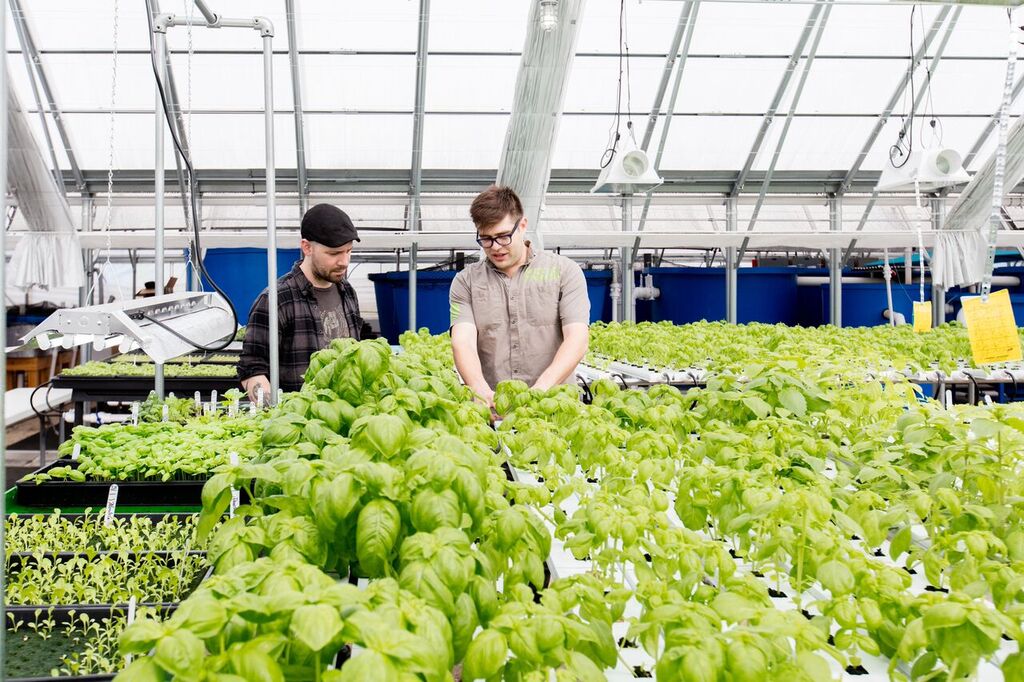
Metropolitan Farms has been around since 2015 and contains roughly 10,000 square feet of greenhouses, and aquaculture facilities.  One of the best parts? It’s all taking place in the middle of Chicago!

“Kant calls aquaponic farming a “healthier, more secure and environmentally sustainable food system.” Tilapia is a good low-risk species for getting started, he says – they are relatively hardy and are sociable enough to co-exist safely in tanks. As a bonus, their waste can undergo nitrification and help feed the lettuce crops.”

This facility is producing around 92,000 heads of lettuce, and almost 6,000 lbs. of fish annually.  “Most of the goods never leave Chicago, delivered to local farmers markets, restaurants and grocers.”

To read more about Metropolitan Farms, visit: “AGWeb.com

Why Chicago Is Becoming The Country’s Urban Farming Capital

3059721-inline-3-chicago-farming

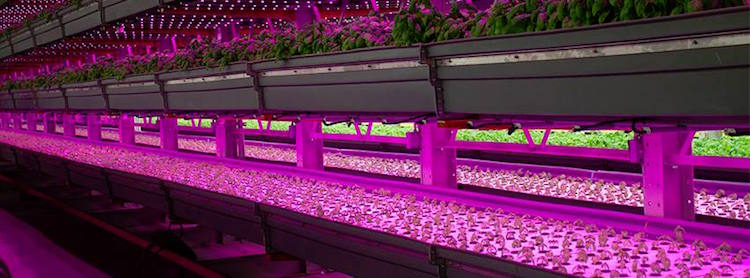
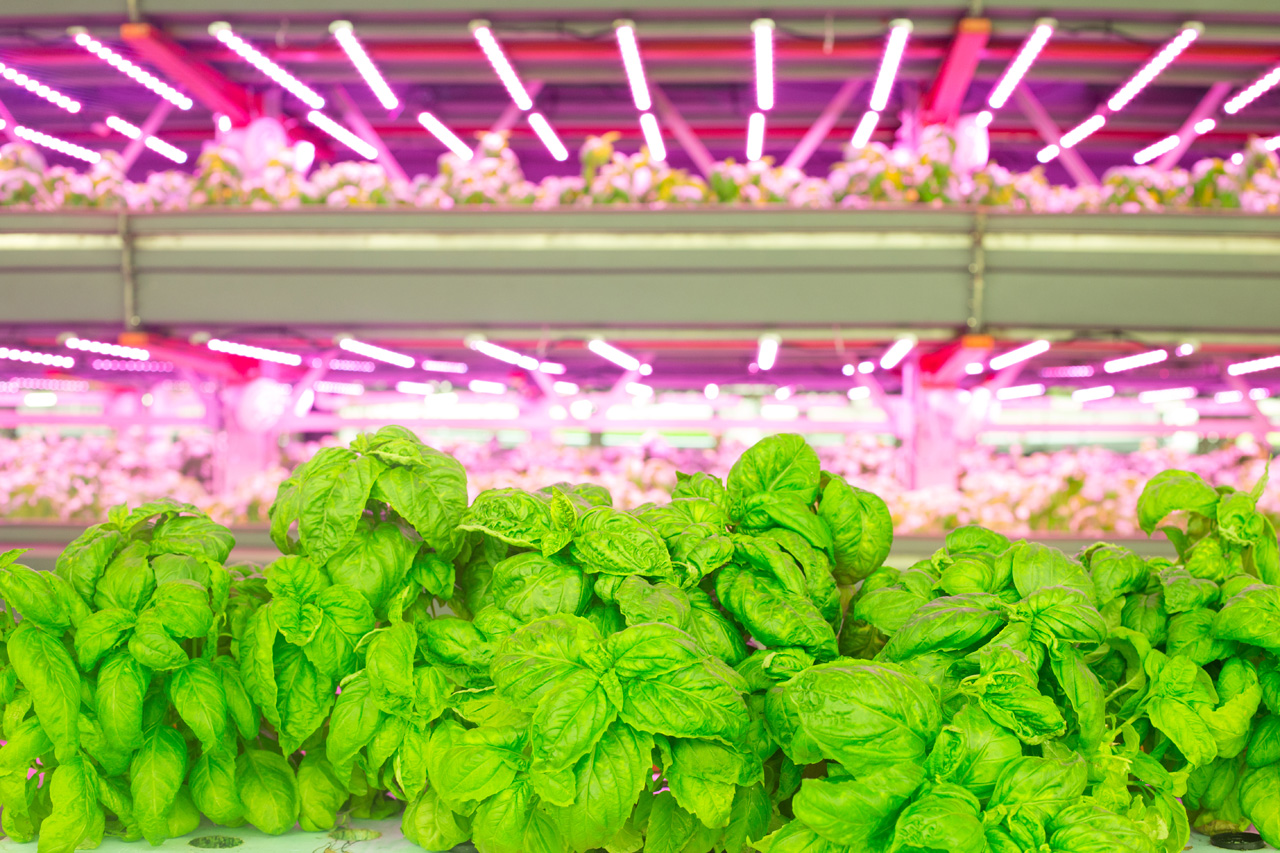
Just outside of Chicago, located in Bedford Park, sits a quiet industrial complex & “you might not immediately register that you’re standing in the second coming of the locavore movement.” Inside you’ll find herbs, greens, broccoli, and kale along with massive stacked racks which house hydroponic systems. This urban farm operates nearly 24 hours a day, 365 days a year.

“Laurell, the soft-spoken investor who put up $13 million to help launch the vertical farm in 2011 and leads the investment as a partner in the $50 million clean and biotech investment fund GreatPoint Ventures, is one of the most convincing cheerleaders for Chicago’s urban farming renaissance, particularly for vertical farming—the nascent industry of growing food in environmentally controlled, indoor facilities, where pests, diseases, light, temperature, and humidity can be highly controlled.”

Read the entire article at: “FactCoExist.com


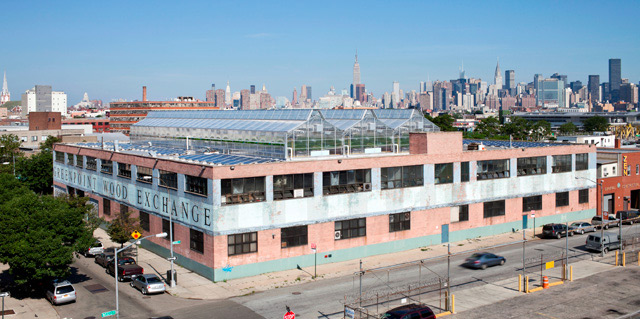
A Huge, Rooftop Farm Takes Root In Chicago

greenhouse_greenpoint

“The owner of the two-acre vertical farm — New York-based Gotham Greens — claims there’s no bigger rooftop greenhouse in the world.”

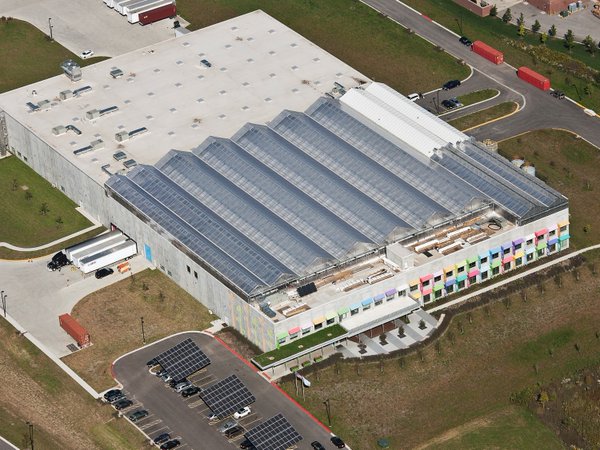
In Chicago, on nearly two acres of land, a greenhouse sits on top of a factory in the historic Pullman neighborhood.  The owners of Gotham Greens, claim there is no bigger rooftop greenhouse IN THE WORLD.

“It’s hard to picture what a 75,000-square-foot greenhouse really feels like when you’re in it,” says Viraj Puri, CEO and co-founder of Gotham Greens, which began producing lettuce crops here in October. The climate-controlled commercial facility will produce leafy greens year-round — even through Chicago winters — for customers including local restaurants and grocery stores.”

Read the entire article at: “DJC.com


World’s Largest Organic Rooftop Farm Powered 100% by Renewables Opens in Chicago

News from ecowatch.com:  Brooklyn-based urban farming company Gotham Greens opened the world’s largest rooftop farm in Chicago, the company announced Thursday.

CUQ6t6_XIAAaxk_
Gotham Greens ‏@gothamgreens #Chicago is now home to the World’s Largest Rooftop Farm! Check out our largest project yet http://prn.to/1Qx6Pot @gothamgreens

Click here to read more about the World’s Largest Organic Rooftop Farm Powered 100% by Renewables in Chicago